Photo credit: PRESSLAB/Shutterstock.com
The best survivalists don’t rely on having the perfect gear—they rely on knowing how to use what’s around them. When you’re caught in a tough spot, it’s not about having every piece of high-end equipment; it’s about making what you have work. That’s where everyday items come in. The things most people overlook—the stuff sitting in a junk drawer or tucked in a glove box—can end up being the difference between staying safe and struggling to get by.
A trash bag isn’t just for garbage—it can keep you dry, store water, or even be stuffed with leaves for insulation. A tin can isn’t just something to toss—it can boil water, cook food, or be turned into a makeshift stove. Even a little petroleum jelly and a cotton ball can mean the difference between getting a fire going or spending a long, cold night without one.
When you know how to use what you have, you don’t need a pack full of expensive survival gear. You just need the right knowledge, the right mindset, and a little creativity.
Coffee Filters

A coffee filter takes up no space but pulls its weight in a survival situation. It’s great for filtering out dirt and debris from water before you purify it, making sure you’re not drinking sludge. It also burns fast and easy, so if you need tinder, a dry coffee filter will catch a spark in no time. You can use it to strain seeds from foraged food or wrap up small items to keep them clean. Lightweight, cheap, and useful—there’s no reason not to have a few in your pack.
Tin Cans

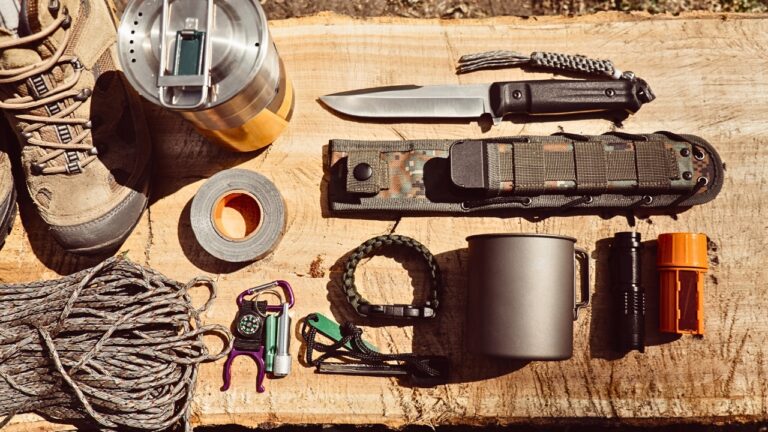
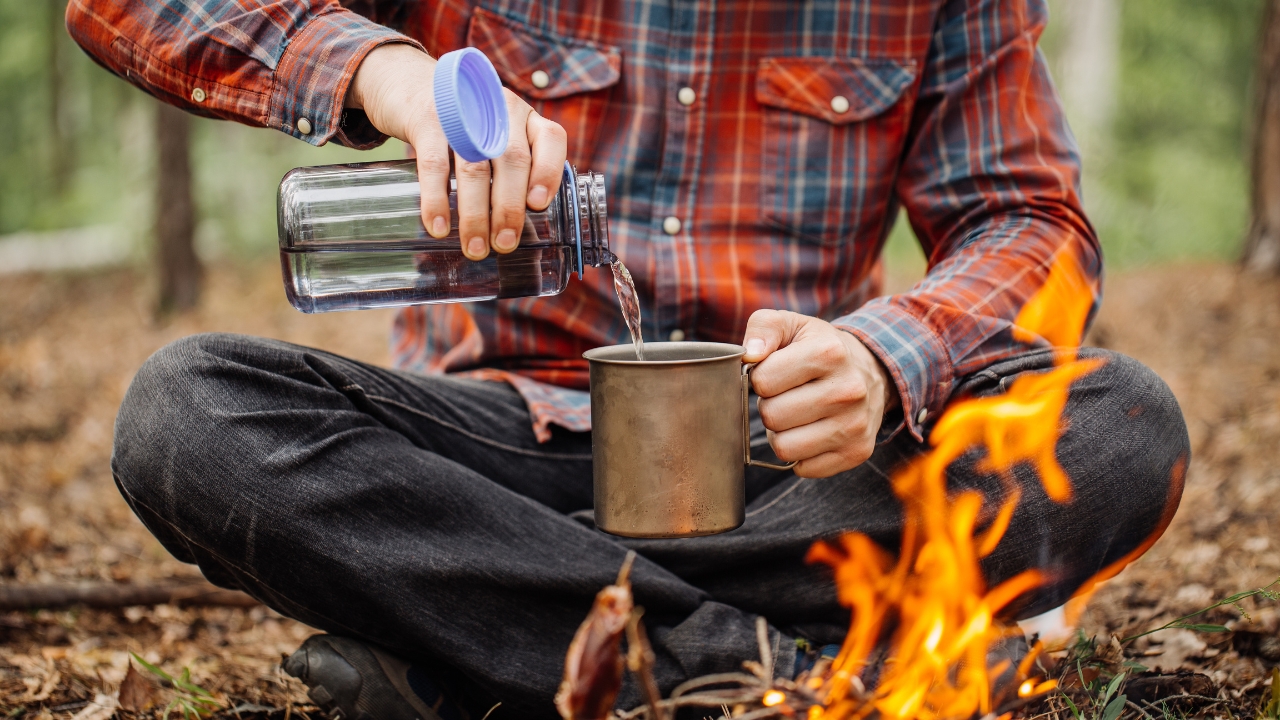
An empty tin can is far from useless when you’re out in the wild. It can be used to boil water, cook food, or even rig up a makeshift stove if you punch some ventilation holes in it. In low light, drop a candle inside, and you’ve got a simple lantern. If you need to signal for help, banging a tin can against something solid makes a noise that carries.
Heavy-Duty Trash Bags

A good trash bag is one of the most useful survival tools you can carry. It’ll keep you dry as a makeshift poncho, work as a ground cover under your sleeping area, or even serve as an emergency roof or windbreak. If you need insulation, just fill it with leaves or grass and stuff it inside your clothes. It also doubles as a waterproof storage bag for food, firewood, or gear—and if you’re low on water, you can even use it to collect rain or transport water from a stream. Lightweight, cheap, and tough, there’s no reason not to have one.
Rubbing Alcohol

Rubbing alcohol burns hot and clean, making it a great fire starter when you need a quick flame. A little poured on kindling or a cotton ball can mean the difference between a fire that catches and one that doesn’t. It’s also perfect for cleaning knives, tools, or cooking surfaces, especially when you don’t have soap. If mosquitoes and biting flies tear you up, rubbing alcohol helps stop the itching and disinfects the bites.
Hand Sanitizer

Hand sanitizer is one of the best fire starters you can carry. A dime-sized squirt on some dry tinder or a cotton ball will catch fast, even in damp conditions. It also works as an antiseptic for small cuts and scrapes when there’s nothing else around. Need to wipe down a knife, multi-tool, or cooking gear? It’ll kill bacteria and keep things clean. A small bottle takes up almost no space, but when you need fire, first aid, or hygiene on the go, you’ll be glad you have it.
Cotton Balls

Cotton balls might seem like bathroom junk, but in a survival situation, they’re worth carrying. Mixed with petroleum jelly, they turn into one of the best fire starters you can get—burning hot and long, even if it’s wet outside. They also work as padding for blisters, stuffing for a wound dressing, or even a makeshift earplug if the wind’s howling too loud for you to sleep. They weigh next to nothing, but they can be a game-changer when you need a reliable fire or first aid fix.
Chapstick

Chapstick does way more than keep your lips from cracking. In a survival situation, it can be a lifesaver. Rub some on a cotton ball, dry leaves, or even a scrap of cloth, and you’ve got an instant fire starter. It also works as a quick fix for stuck zippers, rusty knife hinges, or dry skin that’s starting to split. If you need to waterproof a small container or seal tiny cracks, chapstick can help keep moisture out.
Petroleum Jelly

Petroleum jelly has been around forever, and for good reason—it’s one of the most versatile survival items you can have. It’s a fantastic fire starter when smeared on a cotton ball, burns hot and long, and can even help keep water off small gear. Got cracked skin, chapped lips, or a minor wound? It’ll protect and heal. Bug bites, burns, and rashes? It soothes those too. This stuff has a shelf life of a decade or more, so there’s no excuse not to keep some in your kit.
Duct Tape

If you don’t have duct tape in your survival gear, you’re missing out. It can be twisted into cordage for tying things down, used to patch holes in tarps and tents, or even seal up a leaky container. Need a makeshift bandage? A piece of clean cloth and some duct tape will hold until you find better supplies. It’ll even cover sharp edges, reinforce broken gear, and seal up drafty windows or doors. If there’s one thing that can handle just about any survival fix, it’s duct tape.
Salt

Salt isn’t just for seasoning food—it’s a survival essential. It pulls moisture from meat and fish, keeping them from spoiling. A pinch in your water can replenish electrolytes and help prevent dehydration. It’s also a natural disinfectant, useful for cleaning minor wounds or rinsing out a sore throat. In freezing conditions, salt melts ice, which can make paths safer or help you turn frozen water into something drinkable.
*This article was created with the assistance of AI.