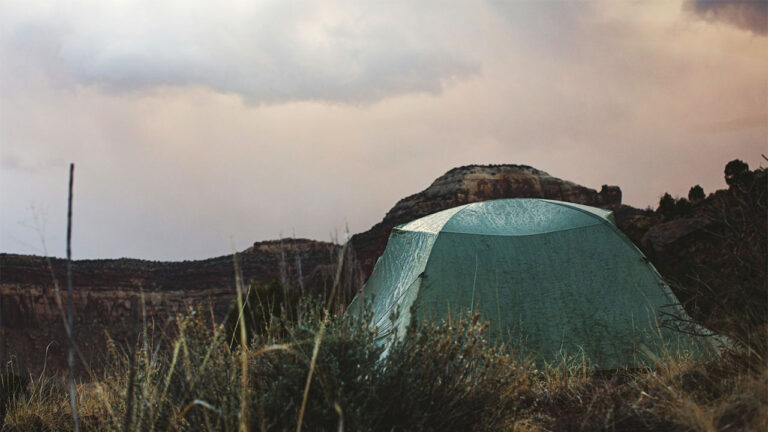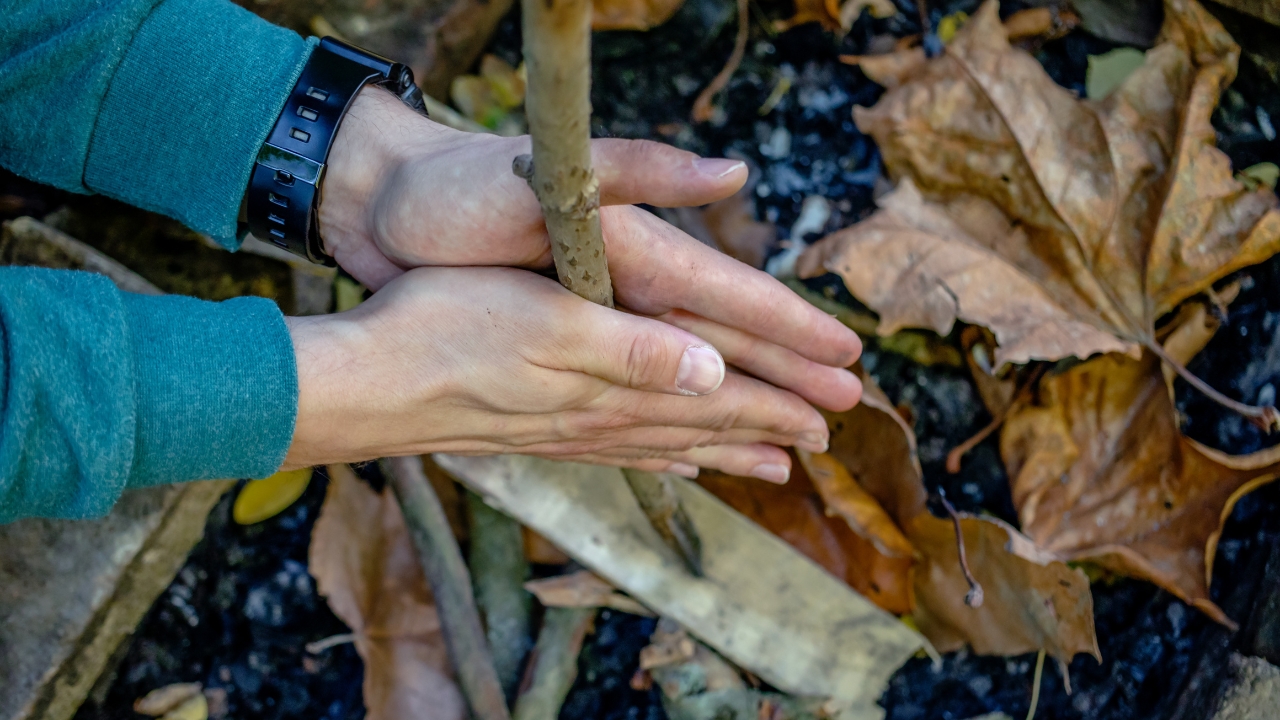
Image Credit: AF-Photography/ Shutterstock.com.
If you ever find yourself stranded in the wild with nothing but the clothes on your back, survival comes down to what you know, not what you packed. Gear is great, but relying on it too much can leave you unprepared when things go south. Knowing how to find water, build shelter, start a fire, and get food without modern tools separates the survivors from the statistics.
These are hard skills that have kept people alive for centuries. If you don’t have a backup plan when your gear fails, you don’t have a real survival plan. Here are 12 ways to make it out of the wild in one piece, no fancy gadgets required.
Find and Purify Water

You can go weeks without food, but only a few days without water. Look for natural sources like streams, ponds, or even morning dew on grass. Flowing water is usually safer than stagnant water, but it’s still a gamble. Without gear, boiling is tough, so your best bet is to dig a hole near a water source and let the ground filter some of the impurities. If that’s not an option, collect rainwater or suck moisture from plant leaves before dehydration takes over.
Build a Shelter
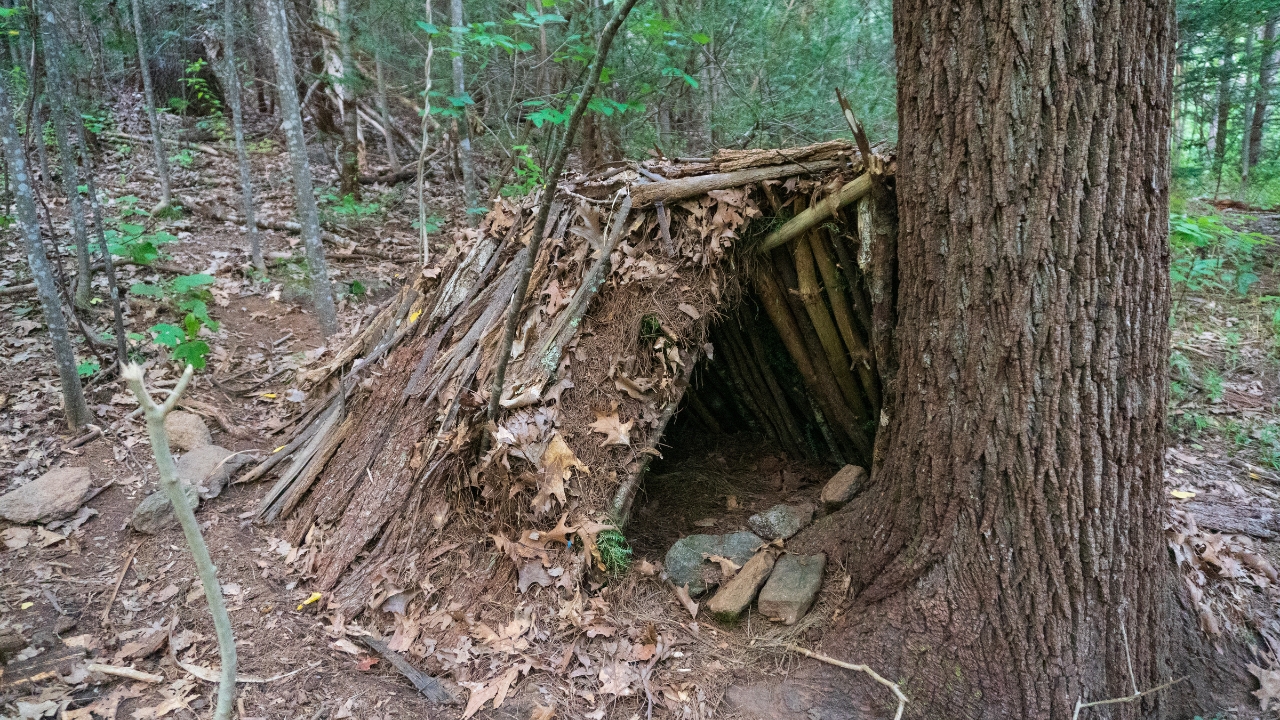
Exposure will kill you faster than hunger. Find a natural windbreak like a rock face or thick brush, then stack branches and leaves to block the wind and keep the rain off you. A debris shelter is one of the simplest and most effective options—pile up leaves and sticks to create insulation, then crawl inside. The goal is to trap body heat, so don’t leave open gaps. If it’s hot out, focus on shade and airflow instead of insulation.
Start a Fire Without Matches
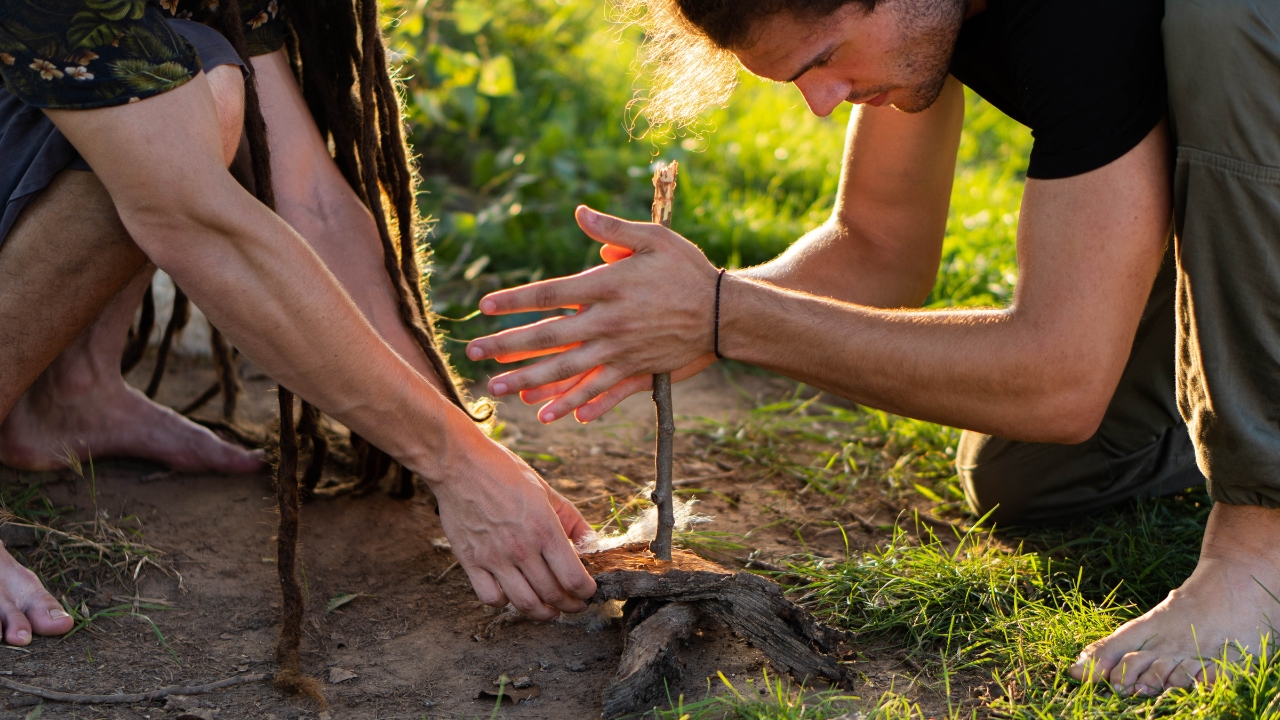
Fire means warmth, dry clothes, clean water, and cooked food. A hand drill or bow drill can work, but it takes patience and dry materials. Look for dry, fibrous tinder—bird nests, dried grass, or even the inside of certain barks. If you have rocks, try sparking them together, or use friction to heat up a small pile of fine kindling. Once you get an ember, blow gently until you see flames.
Use Natural Navigation

If you’re lost, panic is your worst enemy. The sun rises in the east and sets in the west—use that to get your bearings. Moss often grows on the north side of trees in the Northern Hemisphere, but don’t rely on that alone. If you find a stream, follow it downhill; water often leads to civilization. At night, look for the North Star—if you can spot it, you’re facing north.
Forage for Edible Plants
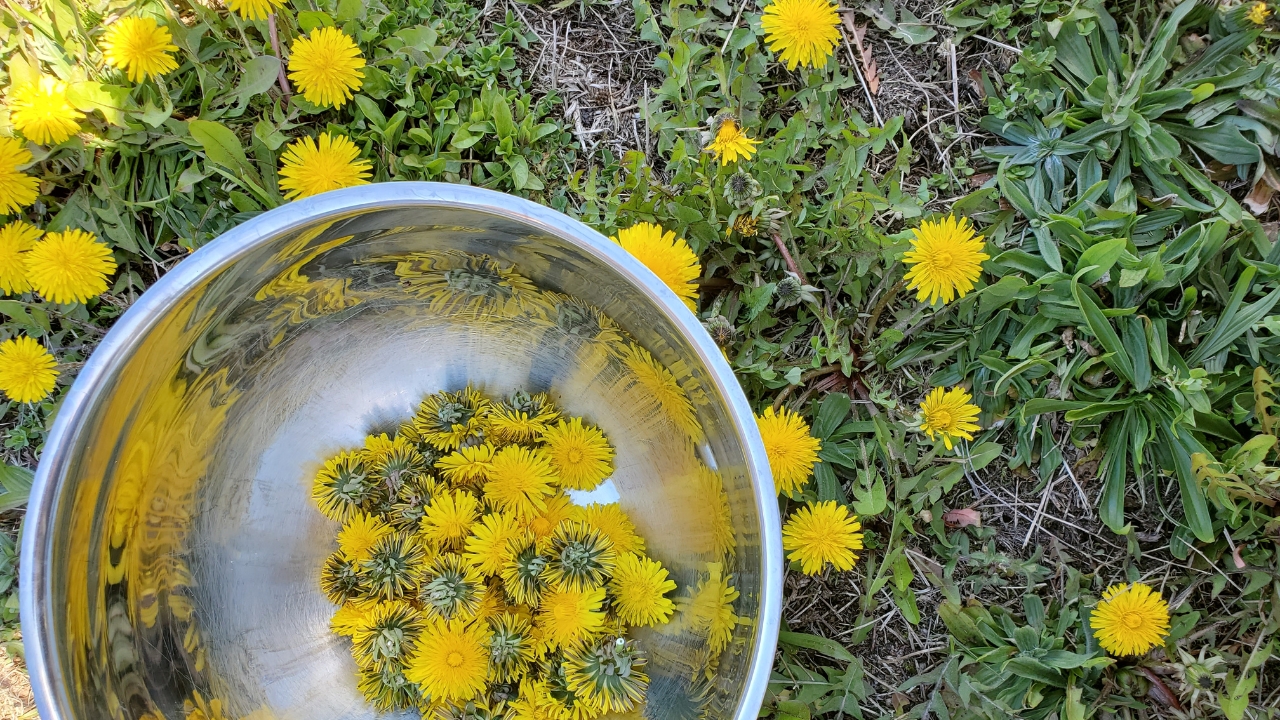
Not everything green is safe to eat. Stick to common wild edibles like dandelions, clovers, and cattails if you can find them. Avoid anything with milky sap, bitter taste, or brightly colored berries unless you know exactly what it is. In a pinch, inner tree bark (from trees like pine and birch) can provide some calories. But don’t take risks—eating the wrong plant can be a death sentence.
Trap Small Game
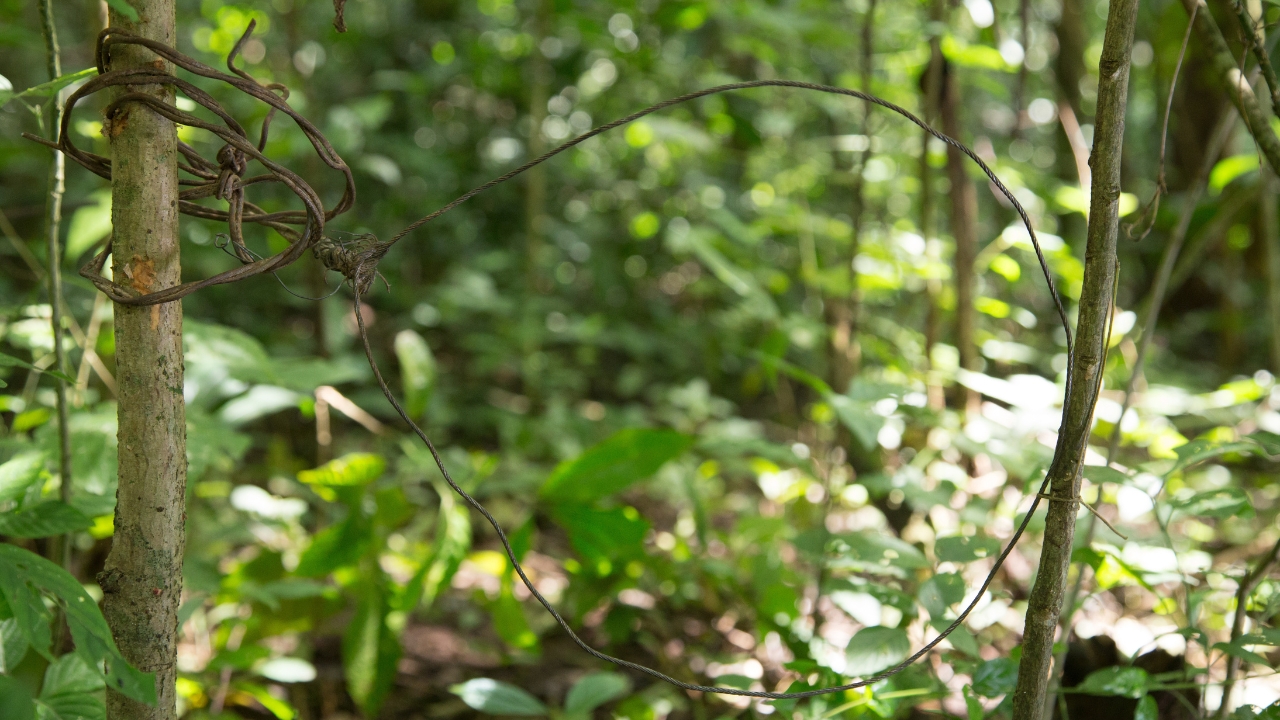
You don’t need a rifle to eat in the wild. Simple snares made from vines, shoelaces, or strips of bark can catch rabbits, squirrels, and other small critters. Look for game trails with fresh tracks or droppings, then set your snare where an animal is likely to pass. Deadfalls—where a weighted rock or log drops onto the animal—can also work if you set them up correctly.
Use Rocks for Tools

Sharp rocks can take the place of a knife, spearhead, or scraper if you break them the right way. Look for fine-grain stones that chip easily, like flint or quartz. Smashing rocks together at the right angle can create sharp edges—perfect for cutting rope, skinning game, or shaping wood. Larger stones can be used as hammers, and flat ones can act as makeshift plates or cooking surfaces.
Signal for Help
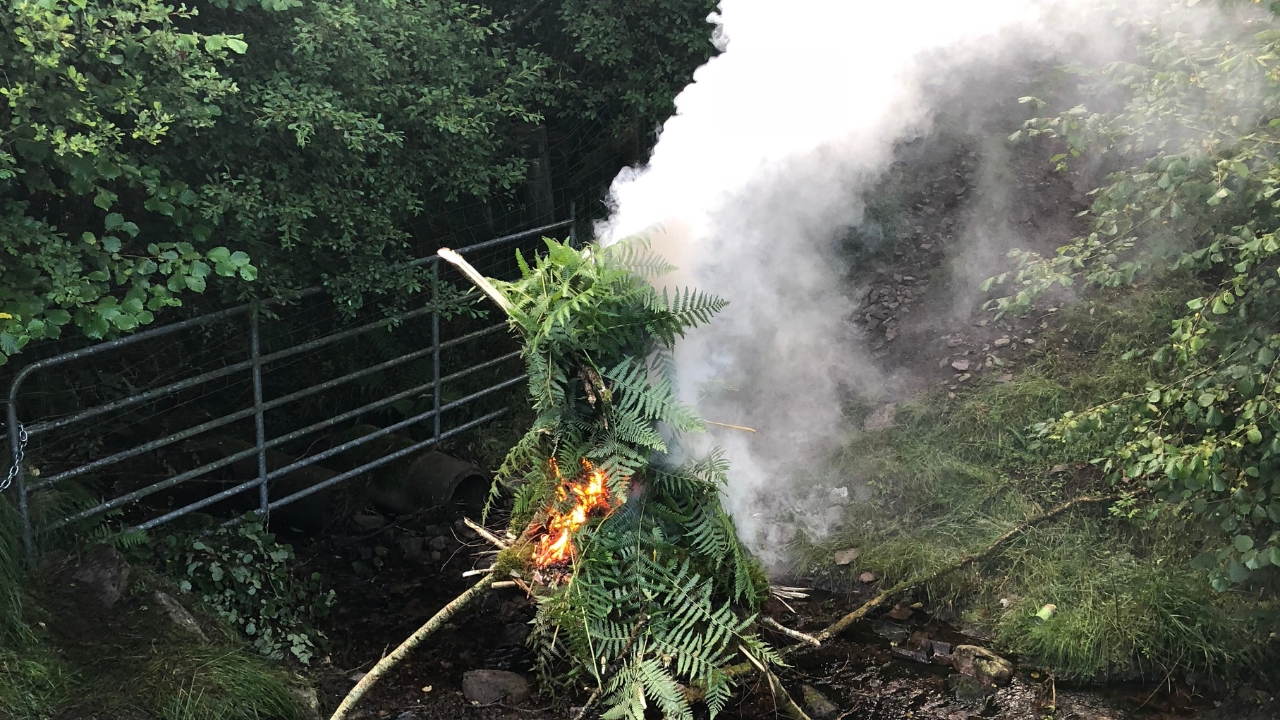
If you’re lost and want to be found, make yourself visible. A large “X” made of rocks or logs in an open clearing can be spotted from the air. Smoke signals can also work—thick, dark smoke from wet wood is the most visible. At night, flashing a mirror or reflective surface can get attention from miles away. Three of anything—three whistles, three shouts, three fires—is a universal distress signal.
Keep Your Body Temperature Regulated

Your body works hard to maintain a stable temperature, and exposure messes with that fast. In cold weather, layer up with dry leaves or grass inside your clothes for insulation. If you’re stuck in the heat, stay in the shade, cover your skin to prevent burns, and keep hydrated. Hypothermia and heat exhaustion are killers, so listen to your body.
Use Animal Behavior to Your Advantage

Animals can lead you to resources. Birds circling could mean water or a carcass nearby. Following deer trails can lead to water sources. If you see insects swarming in one spot, there’s likely water close. Be careful around predators, though—if you stumble onto a fresh kill, you might not be the only one looking for a meal.
Make a Spear for Protection
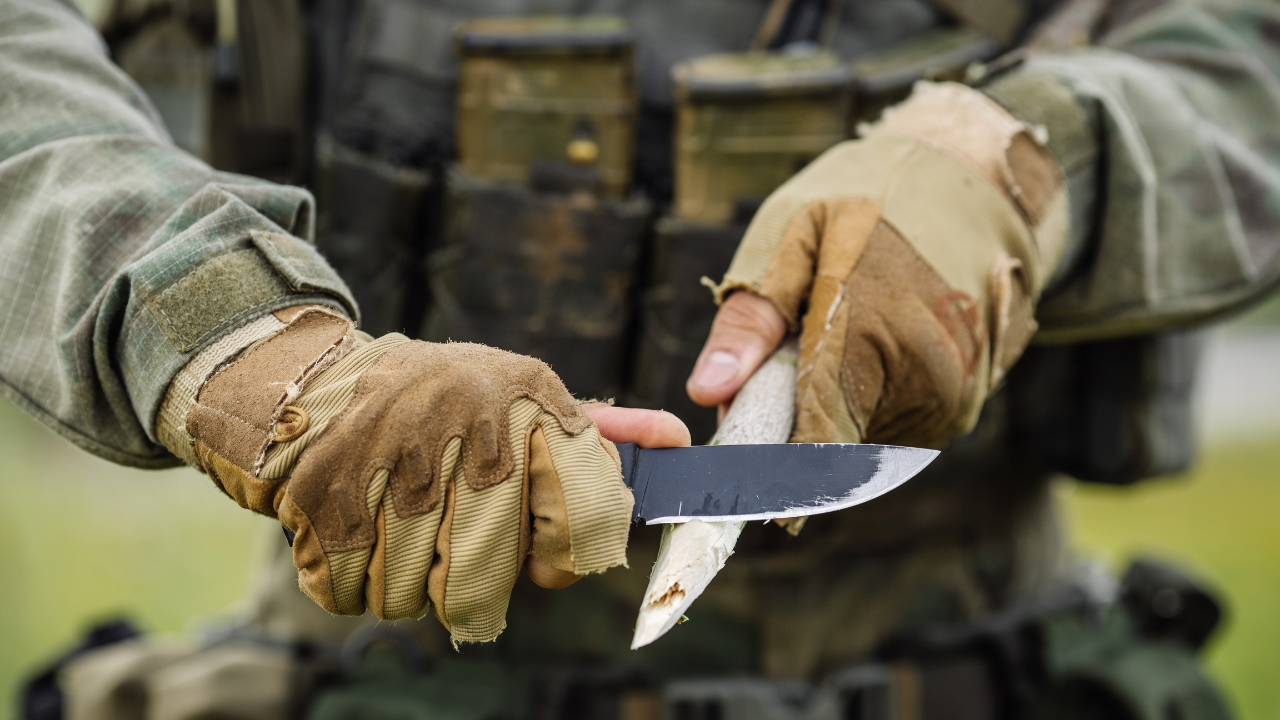
A sharpened stick might not seem like much, but it’s better than being defenseless. If you don’t have a knife, use fire to harden the tip of a sturdy branch. A good spear can be used for hunting, fishing, and self-defense. If you’re in bear country, it’s not ideal, but it’s better than nothing.
Stay Calm and Think

Your brain is your best survival tool. Panic leads to bad decisions, wasted energy, and dangerous mistakes. Take a deep breath, assess your situation, and make a plan. If you focus on water, shelter, and fire first, you’ve got a fighting chance. A level head can mean the difference between getting out alive and making a mistake you won’t recover from.
*This article was developed with AI-powered tools and has been carefully reviewed by our editors.