
Image Credit: PeopleImages.com – Yuri A/ Shutterstock.com.
If you’ve spent time hiking as much as I have, you’ve probably realized how easy it is to lose track of your surroundings, even on familiar trails. Hiking is one of the most popular outdoor activities in the U.S., with nearly 60 million Americans hitting the trails each year, according to the Outdoor Industry Association. But the stats come with a sobering reality—thousands of hikers get lost annually, and day hikers are often the most at risk.
That’s why it’s essential to know how to avoid getting lost before you even step onto a trail. While there’s a lot of folklore about navigating the wild—like using moss on trees to guide you—it’s not reliable. Instead, using modern tools and practicing some simple habits can make all the difference.
Plan Your Hike Like You’re the Trip Leader
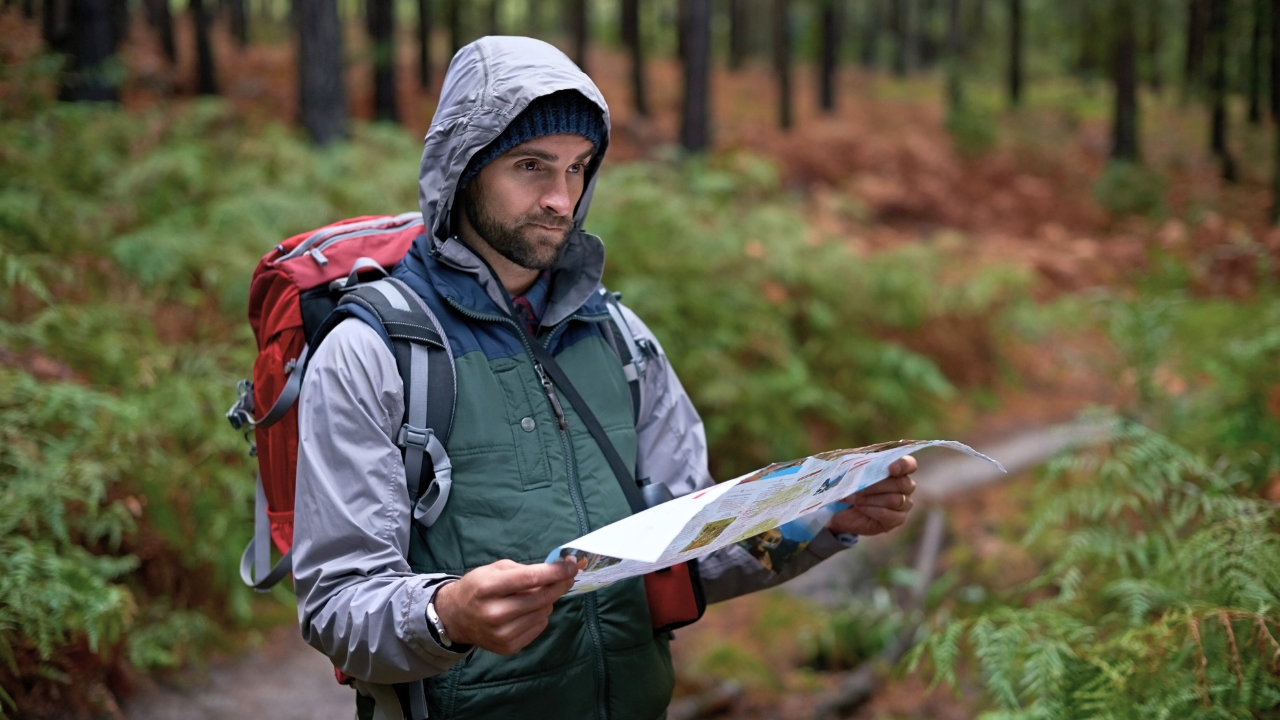
Even if you’re going on a short day hike, preparation is key. Think of it like being the trip leader for your group (even if it’s just you). Start with a detailed map of the area and plot out your route. Pay attention to trail intersections, elevation changes, and water sources along the way.
If you’re anything like me, you probably get excited about spontaneity on the trail—but don’t let that excitement tempt you to skip planning. Unexpected detours can seem harmless but quickly lead to confusion if you’re not paying attention. Let someone know your route and estimated return time, too. This is a must for peace of mind.
Use Navigation Tools—and Know How to Use Them
Just owning a compass or a map isn’t enough. You need to know how to use them. I’ve seen too many people treat these tools like lucky charms, thinking their mere presence will keep them safe. Before your hike, spend time practicing with a map and compass so that you’re comfortable taking bearings and plotting your location.
If you’re using a GPS, make sure it’s reliable and has a backtracking feature. While I love having a GPS in my gear, I never rely on it entirely. Batteries die, signals weaken, and electronics fail—Murphy’s law seems to love the outdoors. A basic compass like the TurnOnSport Orienteering Compass is lightweight and will never let you down in a pinch.
Mark Your Progress Like Your Life Depends On It
One habit that’s saved me more times than I can count is marking my progress as I hike. It’s like leaving breadcrumbs for yourself. Every so often, check your position on your map and note key landmarks. If you’re crossing a stream, climbing a ridge, or passing a large rock formation, jot it down.
Here’s a pro tip: don’t just observe landmarks as you approach them—take a moment to look back at them. Trails and landmarks often look completely different when you’re heading the other way, and this simple habit can help you recognize them on your return.
Taking bearings between landmarks is another great way to stay oriented. Mark these bearings on your map, too, so if you have to retrace your steps, you’ll have a clear idea of where you’ve been.
Stay Alert and Observant
Even with all the planning and tools, staying present on the trail is one of the best ways to avoid getting lost. It’s easy to get caught up in the scenery—trust me, I’ve been there. But taking mental notes of your surroundings as you hike helps you stay connected to your environment.
For example, if you notice a peculiar tree or a unique bend in the trail, use it as a mental checkpoint. These details can be incredibly helpful if you ever need to backtrack. And if something feels off, trust your gut and check your bearings sooner rather than later.
Be Ready for the Unexpected
No one sets out on a hike expecting to get lost, but it happens. Being prepared doesn’t just mean having the right gear—it means using it wisely and staying mindful of where you are. Whether it’s a long trek or a short jaunt, the habits you build on the trail can make all the difference.
So, next time you head out, think of it as a chance to not just explore the wilderness but also refine your skills. You’ll hike with more confidence and maybe even enjoy the journey a little more knowing you’ve got things under control.


