
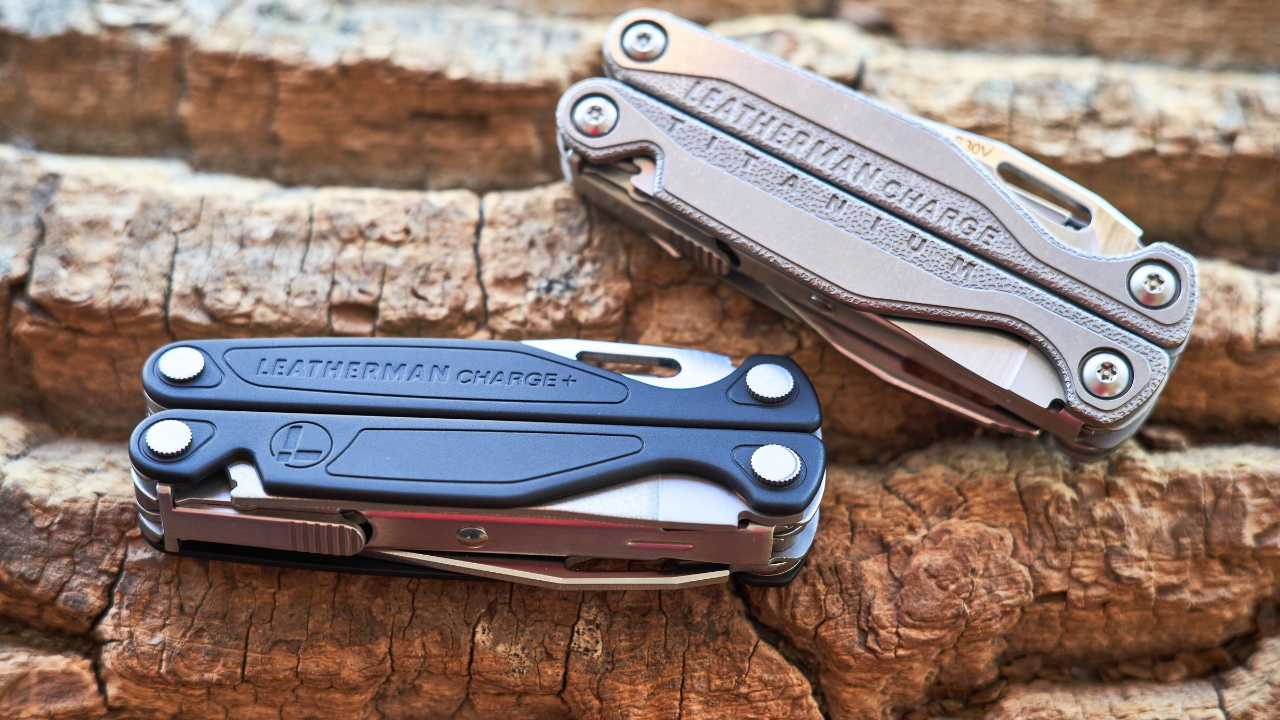
Photo credit: Taras Vykhopen/Shutterstock.com
If you carry a Leatherman Charge Plus, you now need to treat it less like a trusty sidekick and more like a piece of gear that might cut you when it should be safely folded away. A federal recall has flagged a defect that can leave the knife tip exposed when the tool is closed, and the company has laid out a quick at-home check that takes about two minutes. By the time you reach the end of this guide, you will know whether your multi-tool is affected, what the “laceration hazard” actually means for daily use, and how to get Leatherman to make it right.
What exactly is being recalled and why it matters
The recall centers on specific Leatherman Charge Plus multi-tools where the knife blade does not fully retract into the handle, which turns a pocket tool into a potential surprise razor. Regulators describe the problem bluntly as a Hazard because the tip of the knife blade can remain slightly exposed even when you think everything is safely folded. If you slide the tool into a pocket, grab it from the bottom of a pack, or fumble it in low light, that exposed tip can slice fingers or palms before you realize what happened.
Leatherman built its reputation on tools you can trust in the field, so a defect that undermines basic safety cuts directly against why you bought a Charge Plus in the first place. The recall notice stresses that consumers should immediately stop using the affected multi-tools and keep them away from situations where someone might reach for them without looking. Even if you have used your Charge Plus for months without an incident, the underlying mechanical issue does not fix itself, and the risk of a sudden laceration remains every time the blade is folded away but not fully covered.
Which Charge Plus models are involved
The recall does not sweep in every Leatherman on the market, but it does specifically call out the Charge Plus family that many people rely on as their primary everyday carry. Reporting on the recall notes that Leatherman Recall information highlights both the Charge Plus and Charge Plus TTi, described together as Charge Plus and Charge Plus models, under a broader framing of a Charge Plus Multi Tools Hazard. That means if you own any Charge Plus variant, you should assume it might be affected until you run the quick inspection steps.
Because Leatherman sells multiple finishes and special editions, you should not rely on color or accessory bundles to decide whether your tool is safe. Instead, treat every Charge Plus and Charge Plus TTi as potentially within the recall scope and verify it using the company’s own instructions. If you bought your multi-tool through a major retailer, a local hardware shop, or directly from Leatherman, the recall criteria are the same, and you are entitled to the same remedy if your knife tip does not fully retract.
How to check your Charge Plus in under two minutes
Leatherman has published a simple at-home inspection that you can complete in the time it takes to boil water for coffee. The company instructs you to start with the tool in its folded state and to Close your tool so that all blades are safely stowed, then look closely at the end of the handle where the primary knife blade sits. You are checking for any visible tip of the blade protruding from the handle, even a sliver that looks almost flush but still catches the light or your fingernail.
Once the tool is fully closed, run a fingertip gently along the end of the handle without pressing hard. If you feel any sharp metal where there should only be smooth scales, your Charge Plus likely falls under the recall and should not go back into a pocket or glove compartment. The official recall page walks you through these steps and then directs you to contact Leatherman for repair or replacement if your inspection confirms the defect, so you can move from diagnosis to solution in a single short session at your kitchen table.
What the official recall notice says about the risk
The federal recall notice spells out the safety concern in clear language so you do not have to guess how serious the problem is. It states that the tip of the knife blade does not fully fold into the handle, which creates a laceration hazard for anyone handling the tool in its closed position. That language is not marketing spin, it is the formal description used in the recall record that also notes consumers should immediately stop using the affected multi-tools.
The same notice provides contact details so you can reach the company directly if your Charge Plus fails the inspection. It lists a Toll free number with the digits 800 and 847 as part of the customer service line, along with online options if you prefer not to call. The key takeaway is that regulators and the manufacturer are aligned on the core message: do not keep carrying an affected Charge Plus as if nothing has changed, because the risk of an unexpected cut is real even if no injuries have been reported yet.
How Leatherman is handling repairs and replacements
Once you confirm that your Charge Plus is affected, the next step is to get Leatherman involved so the defect is fixed at the source rather than managed with improvised workarounds. The company’s recall page explains that you can submit your information online and then send in the tool for inspection, repair, or replacement at no cost to you. That process is designed to be straightforward so you are not left choosing between a risky tool and a mountain of paperwork, and it reflects the brand’s interest in preserving long term trust with people who depend on its gear.
If you have questions about shipping, turnaround time, or whether a specific serial number qualifies, Leatherman invites you to reach out directly through the contact listed on the recall page, including the dedicated email address at charge@leatherman.com. That direct line is especially useful if your Charge Plus has sentimental value, custom engraving, or other modifications, and you want clarity on how the company will handle your particular tool. The recall remedy is not a favor, it is an obligation tied to the defect, so you should feel comfortable insisting on a safe outcome that lets you keep relying on a multi-tool you originally bought for its reliability.
Why this recall fits into a broader safety pattern
Product recalls can feel like isolated events, but they are part of a larger consumer safety system that spans everything from multi-tools to treadmills and children’s toys. The same federal agency that posted the Charge Plus recall also tracks a steady stream of other products that pose fire, fall, or choking hazards, and it encourages consumers to check recall listings regularly. Coverage of a recent recall roundup on dangerous fitness equipment and toys underscores that the same site hosting the Leatherman notice also catalogs previously recalled products, which makes it a central hub for staying ahead of emerging risks.
For you as a Charge Plus owner, that context matters because it shows the recall is not a one off panic but part of a routine process that surfaces design flaws before they become widespread injury statistics. When you respond quickly to a recall, you are not only protecting yourself, you are also feeding information back into a system that pressures manufacturers to prioritize safety in future designs. Treating recall alerts as a normal part of owning gear, rather than as an annoyance, helps ensure that the tools you carry on a hike, keep in your truck, or stash in a kitchen drawer are less likely to fail you when it counts.
How to confirm your exact model and purchase details
If you are not entirely sure which Leatherman you own, or you bought it years ago and tossed the box, you can still track down the details you need to decide whether the recall applies. Start by opening the tool and looking for model markings on the handles or plier head, where “Charge Plus” or “Charge Plus TTi” is typically stamped. If you purchased your multi-tool online, you can also dig into your order history on major retailers or marketplaces, where the original product listing will usually spell out the exact model name.
Those same listings can help you confirm whether you bought a Charge Plus bundle that included extra bits, sheaths, or accessories, which does not change the recall status but can matter when you pack up the tool for return. If you purchased from a specialty outdoor shop or a local hardware store, a quick call with your approximate purchase date can sometimes surface a receipt or inventory record that confirms the model. The more precise you can be about which version you own, the smoother your interaction with Leatherman’s recall team will be, and the faster you can get a safe tool back in your kit.
What to do while your Charge Plus is out of service
Sending in your primary multi-tool can leave a noticeable gap in your daily routine, especially if you rely on it for work, camping, or quick fixes around the house. While your Charge Plus is in transit and under inspection, you should avoid the temptation to keep using it “carefully” and instead switch to a different knife or tool that you know is not affected by any recall. If you have another Leatherman model or a different brand that you purchased separately, double check its model name and, if needed, search for any recall notices tied to that specific product before you put it into heavy rotation.
If you do not have a backup tool, consider picking up an inexpensive folding knife or basic multi-tool as a temporary stand in, making sure to store it in a sheath or pouch to minimize accidental cuts. For tasks that involve other people, such as group camping trips or workplace jobs, be transparent that your usual Charge Plus is out for recall service so colleagues do not expect you to have it on hand. Treat the downtime as a reminder to periodically audit the rest of your gear for wear, damage, or safety notices, so you are not caught off guard by a defect when you can least afford it.
How to stay informed about future recalls
Once you have dealt with the Charge Plus issue, the smartest move is to build a simple habit that keeps you from being blindsided by the next recall that touches your gear. The same federal site that hosts the Leatherman notice also lets you browse categories like outdoor equipment, tools, and electronics, and coverage of the broader recall roundup points you to the main portal where you can search for previously recalled products. Setting a calendar reminder to check that database a few times a year, especially before camping season or major DIY projects, can catch problems early.
You can also sign up for email alerts from consumer safety agencies or follow recall focused accounts that flag major issues with tools, vehicles, and household items. When you buy new gear, consider bookmarking the manufacturer’s support or safety page so you can quickly check for bulletins tied to your exact model. By treating recall awareness as part of responsible ownership, you turn a frustrating defect in your Charge Plus into a catalyst for a more systematic approach to safety across everything you carry, drive, or plug into the wall.
Like The Avid Outdoorsman’s content? Be sure to follow us.
Here’s more from us:


