Photo credit: LIPSEY'S/YouTube
Some guns get expensive because they were truly scarce from the start. Others got expensive because people kept repeating the same praise until the whole market started treating them like must-own pieces. That kind of hype cycle can do real damage to a buyer’s wallet. Once enough shooters, collectors, and online gun people keep talking about a firearm like it is the one to get, prices start climbing whether the gun was once common or not.
That does not always mean the gun is bad or undeserving. A lot of these are genuinely good. The point is that constant chatter helped turn them into price-inflated objects of obsession. They stopped being simple purchases and became things people hunted because everybody else kept saying they had to. These are the guns that got expensive mostly because people just would not stop talking about them.
Colt Python
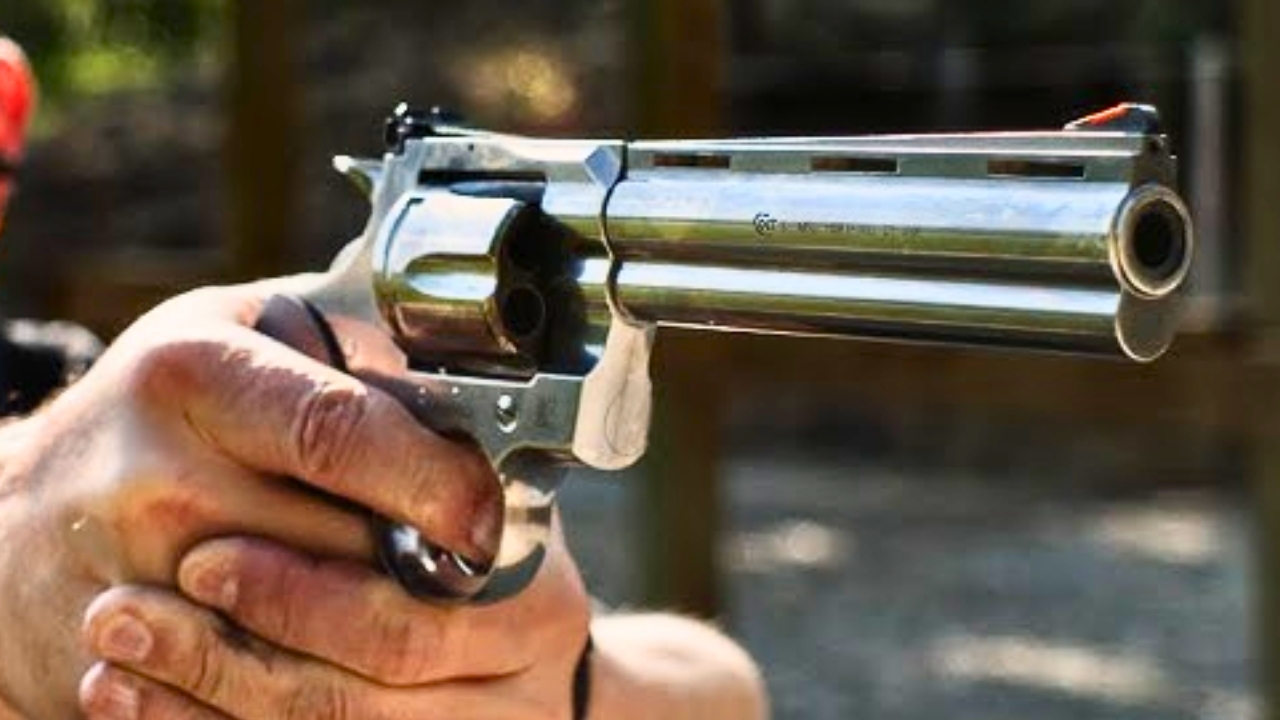
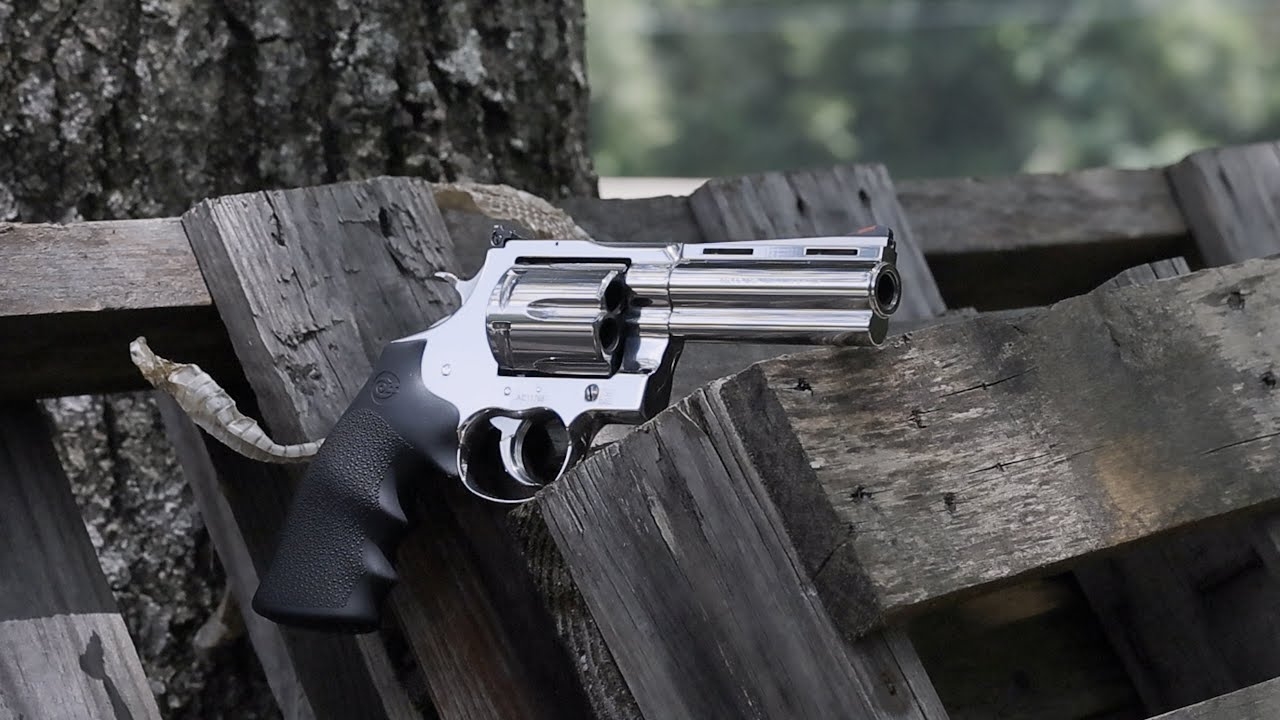
The Colt Python was already respected, but nonstop talk pushed it into a whole different price world. People did not just say it was a nice revolver. They talked about it like it was the revolver, the one every serious handgun fan needed to own before they could say they had really arrived. That kind of reputation gets heavy fast, especially when buyers start repeating it without ever planning to sell theirs.
Once enough shooters and collectors kept praising the trigger, finish, and old Colt mystique, the market took off. The Python became the kind of gun people wanted partly because they were tired of hearing how great it was and did not want to miss their chance. At that point, value is no longer just about the revolver itself. It is about years of built-up conversation turning into buying pressure.
HK P7M8

The HK P7M8 became expensive because people could not resist talking about how unusual and brilliant it was. Every time the squeeze-cocker came up, the conversation made it sound like this genius piece of engineering that stood above ordinary carry pistols. Once a gun gets that sort of intellectual halo around it, buyers start feeling like owning one proves they know something other people do not.
That constant praise turned the P7M8 from oddball classic into full-on chase gun. People kept bringing up the design, the accuracy, the quality, and the fact that nothing else really feels the same. That was enough to keep creating new demand long after the supply picture stopped being friendly. A lot of guns fade when they leave production. This one got more expensive because people kept making it sound like a rite of passage.
Marlin 1895 Guide Gun
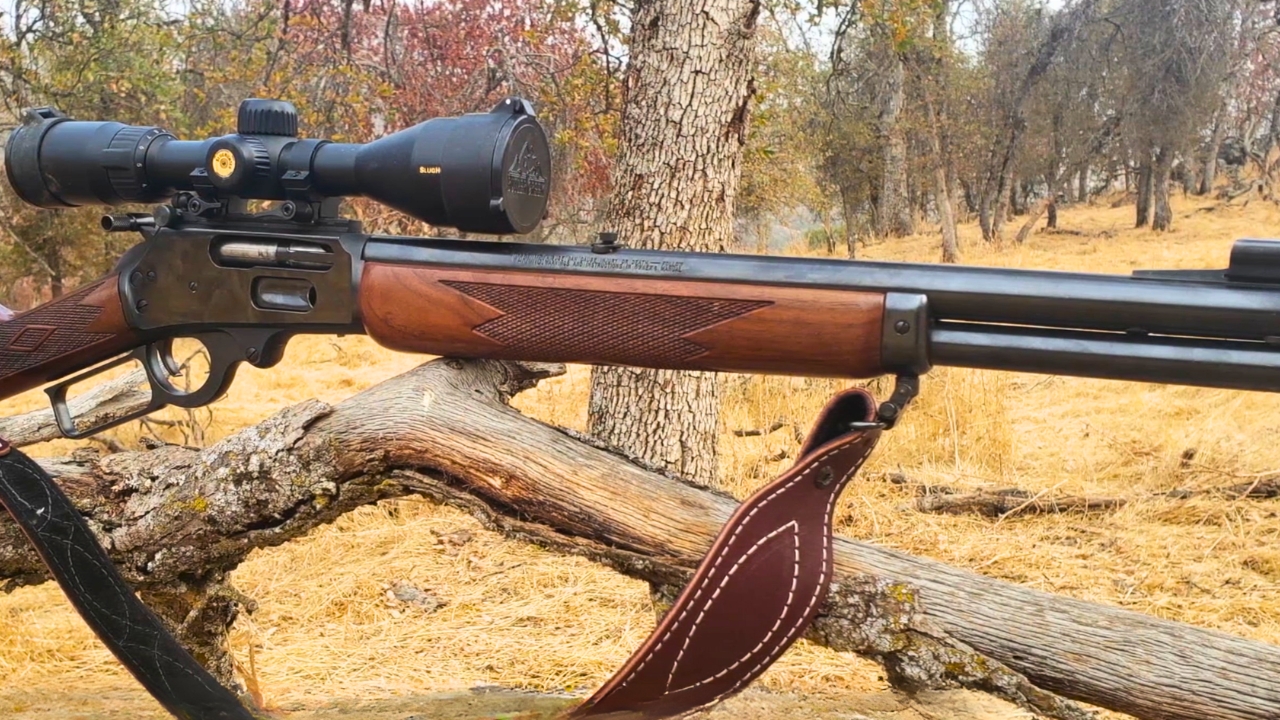
The Marlin 1895 Guide Gun became expensive partly because hunters and gun writers would not stop talking about how handy and useful it was. It hit that sweet spot where the gun sounded practical enough for real field use but cool enough to create constant demand. Every discussion about lever guns, backwoods rifles, or bear-country favorites seemed to drag the Guide Gun back into the spotlight.
That kind of repeated praise matters. Once enough buyers heard that it was one of the best modern lever rifles to actually own and use, the market tightened fast. Add in all the production uncertainty Marlin went through, and the chatter turned into a full-on pricing surge. A lot of people did not buy one early because they thought there would always be another. The nonstop talk made sure that assumption aged badly.
Browning Hi-Power Belgian-made models

Belgian-made Browning Hi-Powers got expensive because the gun world spent years talking about them like they represented everything modern pistols had lost. The way people described them, you would think every older Hi-Power carried the soul of the handgun world inside it. Great grip, classic lines, old-school steel, real history. That kind of language has a way of turning admiration into market heat.
Once enough people started saying the Belgian guns were the ones to own, buyers stopped treating them like merely nice old pistols. Now they were the “real” Hi-Powers, and that distinction started moving prices in a hurry. The constant talk gave them a kind of purity test status. Plenty of buyers were not just shopping for a shooter anymore. They were trying to buy the version of the story everyone kept repeating.
Colt Anaconda

The Colt Anaconda spent years in the shadow of the Python until people started talking about it like a sleeping giant. Once that happened, it did not take long for prices to move. Gun people love the idea of the overlooked classic that everybody else missed, and once they decide that is what something is, the market usually starts acting accordingly. The Anaconda got that treatment in a big way.
It helped that people kept wrapping it into the larger Colt snake-gun mythology. Suddenly it was not just a big-bore revolver. It was part of the same conversation that had already pushed other Colt wheelguns into painful territory. Once enough buyers heard that the Anaconda was underappreciated and overdue for respect, they started buying harder. At that point, the talk itself became part of the value.
Winchester Model 9422

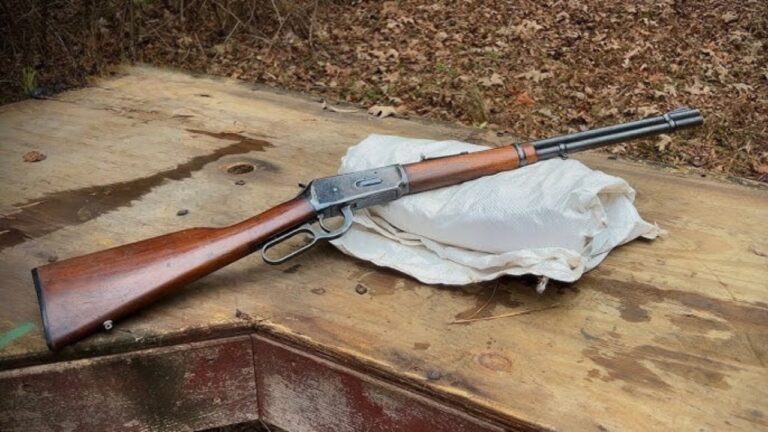
The Winchester Model 9422 became expensive because people kept talking about it as one of the best rimfire lever guns ever made. That kind of praise sounds harmless until enough buyers hear it and start acting like the rifle is some tiny grail piece. The 9422 benefited from exactly that. Every discussion about quality rimfires, classic Winchesters, or guns people regretted not buying seemed to bring it right back.
That steady praise built a lot of demand around a rifle that once felt reachable. People started treating it like a must-have example of old Winchester quality rather than just a fun little .22. Once the market picked up on that mood, prices started climbing faster than a lot of casual buyers expected. The rifle did not suddenly become better. People just got louder and more persistent about how good it already was.
SIG Sauer P210 Swiss and German production

Older SIG Sauer P210 pistols got expensive because enthusiasts never shut up about how finely made they were. Every time the P210 came up, it was described in almost reverent terms. Precision, fit, trigger, craftsmanship. After enough of that, the gun stops sounding like a pistol and starts sounding like something people think they are supposed to aspire to. That kind of reputation pulls serious money into a market fast.
Once the Swiss and German examples got singled out as the truly special ones, the hype became even more focused. Buyers were not just told the P210 was excellent. They were told these versions were the ones that mattered most. That is how you turn a respected handgun into an expensive object of obsession. The more people praised the old-production guns, the more buyers felt like waiting would only make the pain worse.
Colt Woodsman

The Colt Woodsman got expensive because people kept reminding everybody that old .22 pistols used to be built with a level of quality that feels rare now. Once that talking point catches on, a gun like the Woodsman stops being a neat vintage plinker and starts becoming a symbol of what the market supposedly lost. Collectors love that kind of story, and shooters are not immune to it either.
The Woodsman was helped by the fact that people talked about it with a mixture of affection and regret. That is always dangerous for pricing. When owners sound proud and non-owners sound wistful, the market usually starts moving. Enough people kept calling it one of the finest rimfire pistols of its era that buyers began chasing it like they were trying to reclaim something personal. That kind of emotion makes values climb fast.
Smith & Wesson Model 19 pinned and recessed

Pinned and recessed Smith & Wesson Model 19 revolvers got expensive because revolver people kept explaining those little old-school details like they were sacred markers of quality. Once enough buyers heard that, the ordinary older Model 19 stopped being enough. Now they wanted the version with the right features, the right era, and the right talking points attached to it. That is how a normal used-gun market turns into a collector market.
The constant chatter about older Smith craftsmanship, pre-lock appeal, and the “right” way a classic K-frame should be built helped push prices up hard. People were not just shopping for a .357 anymore. They were shopping for the one that would satisfy the people who talk the most. That is always expensive. The revolver was already good. The nonstop conversation about why certain examples mattered more is what really lit the fuse.
Marlin 39A

The Marlin 39A became expensive because enough shooters kept calling it one of the finest lever-action .22s ever made that the market eventually started treating it that way. That kind of praise has teeth when it gets repeated often enough. The 39A was not merely talked about as a nice old rifle. It was talked about as a piece of craftsmanship, a real heirloom rimfire, the sort of thing they supposedly do not build anymore.
Once that story got strong enough, buyers started chasing them harder than most people would have guessed for a rimfire. The rifle still had real usefulness, which only added fuel. People could justify buying one as both a classic and a practical shooter. That is a powerful combination, and the constant talk made it worse. The 39A did not become expensive by accident. It got pushed there by years of reverent conversation.
Ruger Mini-14 GB and folding-stock variants

Certain Ruger Mini-14 variants got expensive because the gun world would not stop turning them into symbols. The standard Mini-14 had always been familiar, but the older GB and folding-stock versions kept getting talked about with that special tone people use when they want to make something sound both practical and iconic. Once that happens, prices usually stop behaving.
It also helped that these rifles sit right at the crossroads of nostalgia, styling, and specific configuration hype. People did not just want a Mini anymore. They wanted the one everyone kept posting, referencing, and speaking about like it was the best version of a classic. That is a much more expensive hunt. The rifle itself mattered, sure, but the endless conversation about the “right” Mini is what really pushed values into uglier territory.
Colt Diamondback
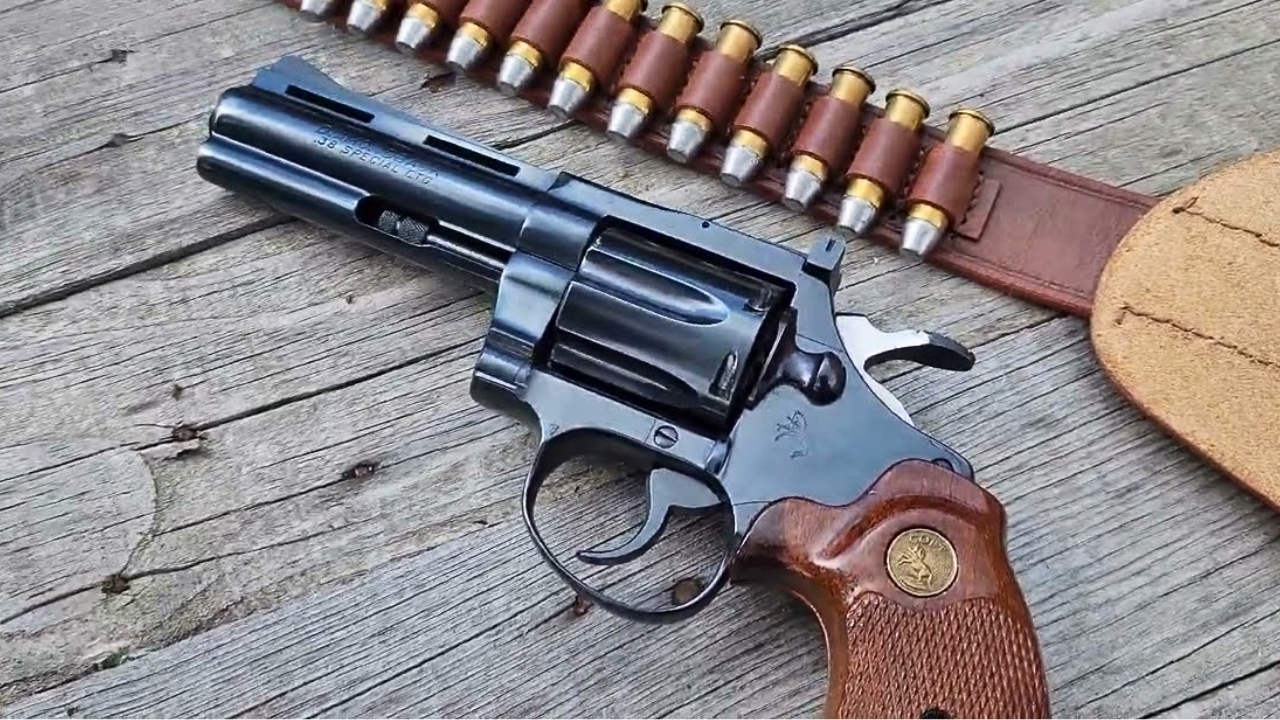
The Colt Diamondback became expensive because once people ran out of affordable Pythons, they started talking the Diamondback up with fresh energy. That is how these things go. A gun that lived under a bigger name for years suddenly gets rediscovered as the smart alternative, and then enough people keep repeating that idea until it stops being an alternative and starts becoming its own expensive headache.
The Diamondback benefited from that exact cycle. The more people said it was underrated, the less underrated it became. Add Colt branding, snake-gun mystique, and that constant stream of “get one before everybody catches on” talk, and the price surge becomes almost inevitable. The funny part is that once everybody finally did catch on, they kept talking about it even more. That usually means the market is not calming down anytime soon.
Winchester Model 70 Pre-64
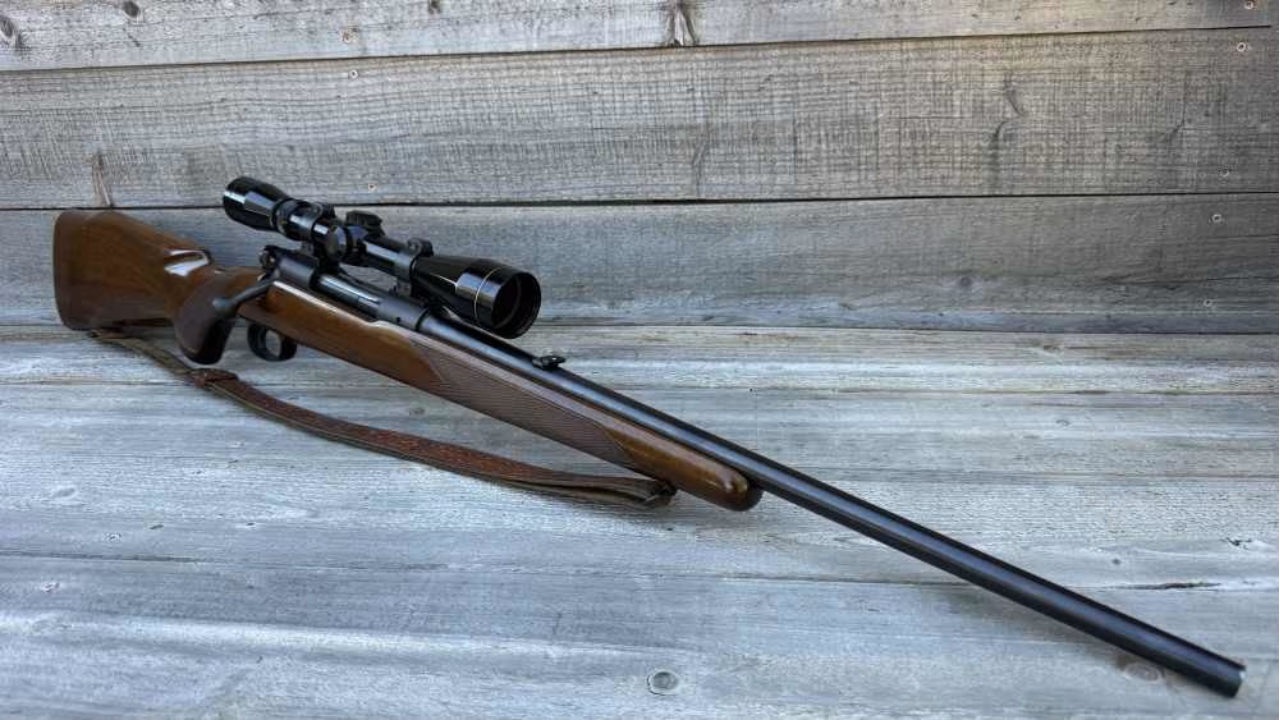
The Winchester Model 70 Pre-64 got expensive because gun people have spent decades talking about it like it represents the gold standard of the American bolt-action rifle. Once a firearm gets framed that way often enough, buyers stop seeing it as just an old rifle and start seeing it as a benchmark they are supposed to own at some point. That is a very expensive kind of reputation to maintain.
The nonstop praise around controlled-round feed, old Winchester quality, and the whole “rifleman’s rifle” identity kept demand strong even as the best examples got harder to touch. A lot of buyers may never have compared one side by side with everything else. They did not need to. They had already been hearing for years that this was one of the rifles that mattered. Once that kind of message sinks in, prices rarely stay modest.
HK USP Tactical

The HK USP Tactical became expensive because people could not leave it alone as a symbol of serious-guy handgun culture. Every time the pistol came up, it got wrapped in a whole mood. Durability, suppressed use, elite image, old-school HK cool. That sort of reputation carries a lot farther than simple product quality. It makes people want the pistol because of what owning it seems to say.
Once enough buyers absorbed that message, the USP Tactical stopped being just a variant and became a bucket-list handgun for a certain kind of shooter. That always drives prices up. The more people talked about how overbuilt and iconic it was, the more other buyers felt like they had better act before it drifted even farther away. That fear and repetition did a lot of work here. The pistol’s image kept feeding the market.
Marlin 336 JM-stamped rifles
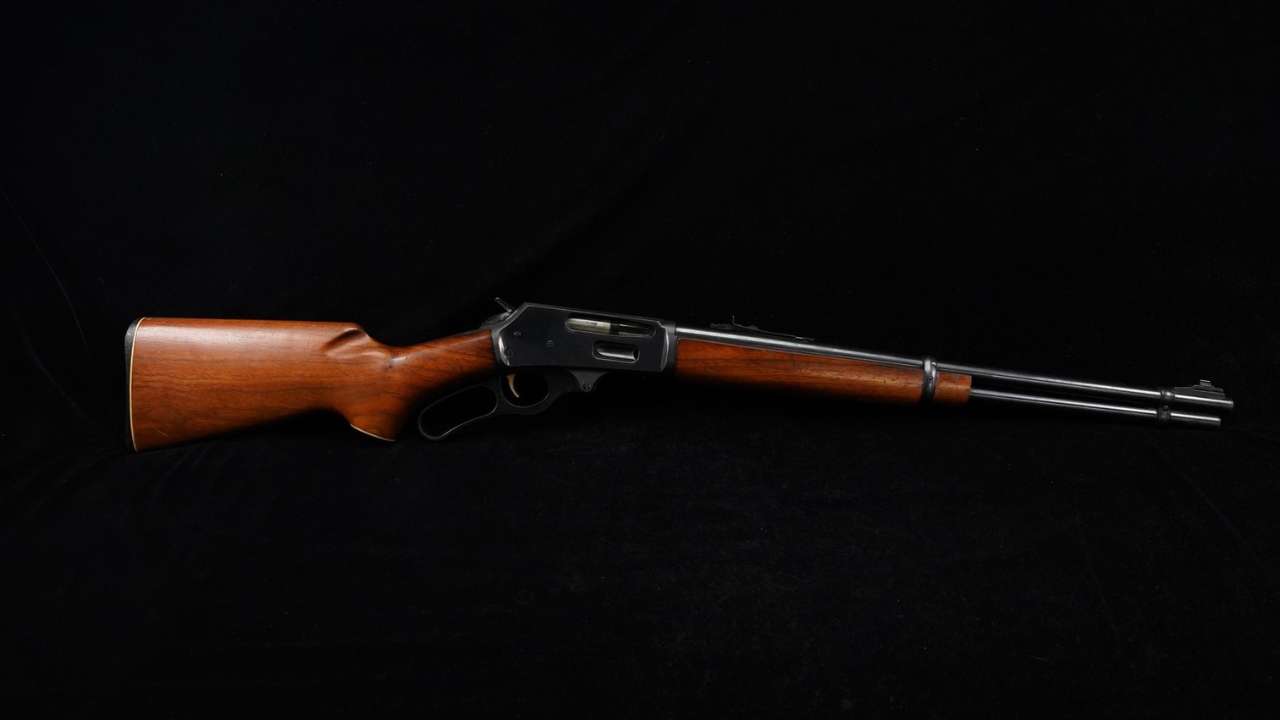
JM-stamped Marlin 336 rifles got expensive because shooters would not stop drawing attention to the stamp itself. Once that little mark became a talking point, it changed the whole used market. Now buyers were not merely shopping for a deer rifle. They were shopping for the version everybody online kept telling them was the real one. That distinction created a lot of urgency very quickly.
The talk about older Marlin quality versus later-production worries kept stoking the demand. Even people who were not deep lever-gun nerds started learning the shorthand. If it had the right stamp, it carried extra weight in the conversation. That is how a practical rifle becomes a semi-collector item in plain sight. The 336 was already respected, but the nonstop focus on the JM guns helped turn that respect into a pricing problem.
Like The Avid Outdoorsman’s content? Subscribe to our newsletter so you never miss an article.
Here’s more from us: