Photo credit: WHO_TEE_WHO/YouTube
Past 100 yards is where talk turns into proof. Wind starts tugging on your bullet, drop becomes real, and sloppy recoil control shows up on target fast. The calibers that earn their keep out there aren’t always the biggest or the loudest. They’re the ones that stay predictable—easy to zero, easy to practice with, and consistent enough that you can call your shot and trust what happens downrange.
A good “100-yard-plus” cartridge also has to be practical. You need ammo that’s available, rifles that shoot it well, and a recoil level that doesn’t beat you into bad habits. These are 15 calibers that routinely perform beyond 100 yards—whether you’re hunting, ringing steel, or trying to tighten groups without turning every range day into a punishment.
.243 Winchester

The .243 has been quietly stacking results past 100 yards for decades. It shoots flat, doesn’t recoil much, and it’s easy to shoot well when you’re trying to be honest about your fundamentals. That matters when you’re stretching things out and every tiny mistake starts showing up on paper.
With the right bullets, it carries energy better than people give it credit for. It’s a great option for deer-sized game and a solid training cartridge for anyone who wants to practice more without flinching. If you’ve ever watched a newer shooter suddenly start printing tighter groups with a .243, you already know why it keeps staying relevant.
6.5 Creedmoor

The 6.5 Creedmoor earned its spot because it’s predictable. It bucks wind well for its recoil level, it’s easy to find accurate factory ammo, and most rifles chambered for it tend to shoot. Past 100 yards, those three things matter more than internet arguments.
It’s also a cartridge you can run for long strings without feeling like you went a few rounds with a baseball bat. That makes it easier to stay consistent, which is the whole game when you’re trying to learn your holds and your wind calls. For steel, targets, and deer-sized hunting, it keeps doing exactly what you ask of it.
.308 Winchester

.308 is the reliable old workhorse that still holds up past 100 yards. It’s not flashy, but it has enough bullet weight, enough velocity, and a huge range of good loads. If you want something that shoots well in bolt guns and semi-autos, it’s hard to argue against.
Where .308 shines is practical consistency. You can find match-grade ammo, hunting ammo, and bulk range ammo anywhere. Wind will push it more than some sleeker rounds, but the cartridge teaches you honest dope and honest recoil management. If you can shoot a .308 well, you can shoot a lot of things well.
.30-06 Springfield

The .30-06 doesn’t care about trends. Past 100 yards, it gives you flexibility—lighter bullets for flatter shooting, heavier bullets for more penetration and stability. It’s a cartridge that’s been proving itself on targets and game for a long time, and it still does the job.
It also tends to shoot well in a wide range of rifle weights and barrel lengths. You can run it in a classic hunting rifle and still have the reach to handle real-world distances without feeling undergunned. Recoil is more than .308 in many setups, but it’s manageable if the rifle fits you and you don’t try to rush your shooting.
.270 Winchester

If you want a flat shooter that stays honest past 100 yards without beating you up, .270 is tough to beat. It’s fast, it’s accurate in most rifles, and it holds a useful trajectory out to the distances most hunters actually shoot.
The key is that .270 makes range estimation and holdovers less dramatic. That doesn’t replace good shooting, but it does buy you some forgiveness. For deer and similar game, it’s a classic for a reason. And for steel, it stays pleasant enough that you can focus on your calls instead of bracing for the shot.
7mm-08 Remington
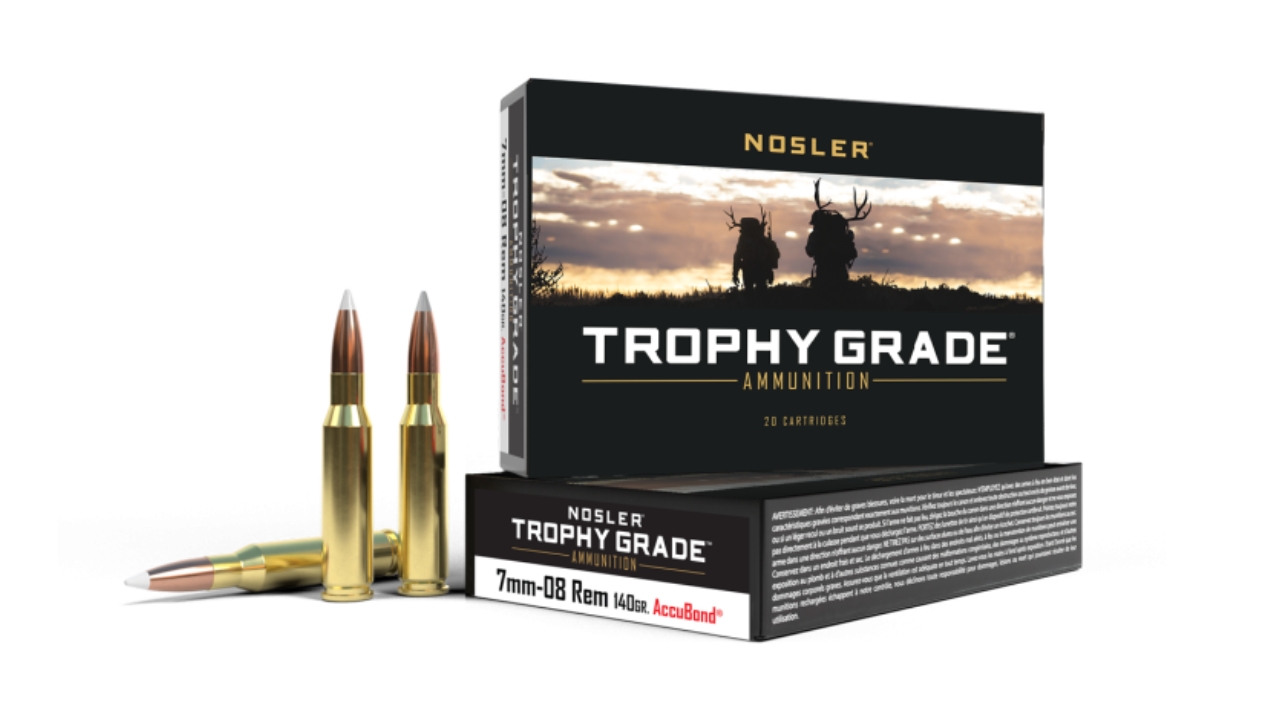
7mm-08 is a sweet spot cartridge. It shoots flat enough, carries energy well, and recoils less than the big 7mms and .30-calibers. Past 100 yards, that balance helps you shoot cleaner and follow your shots better.
It also tends to be accurate in lightweight hunting rifles, which is a big deal if you carry your rifle more than you bench it. The cartridge gives you solid wind performance without asking you to pay for it with punishing recoil. If you want a hunting round that also behaves like a range-friendly round, 7mm-08 is one of the smartest picks.
.260 Remington

The .260 Remington is the 6.5 story before the 6.5 story got famous. It does a lot of what the Creedmoor does—good wind performance, great accuracy potential, and manageable recoil—especially once you get past 100 yards and the bullet’s shape starts paying you back.
It’s not as common on shelves, but it’s a legit performer. Handloaders have loved it for a reason, and even with factory ammo it can shoot extremely well. If you like rounds that fly clean and stay predictable without a ton of recoil, .260 has always been that kind of cartridge.
6.5×55 Swedish

The 6.5 Swede has been doing “efficient long-range” longer than most modern cartridges have existed. Past 100 yards, it stays stable, handles wind well, and delivers excellent accuracy in rifles that are built right.
It’s also one of those cartridges that feels easy to shoot well. Recoil is reasonable, and the bullet weights and shapes make sense for downrange performance. You won’t always find a huge variety of ammo in every small-town store, but when you do, it’s usually solid. If you like classic rounds that still run with modern choices, the Swede belongs here.
.223 Remington / 5.56 NATO

.223 earns its keep past 100 yards because it teaches you the truth. Wind matters, fundamentals matter, and calling shots matters. But the recoil is light enough that you can practice a lot, stay on the gun, and actually see what you did wrong.
With the right loads, .223 can be extremely accurate, and it’s a blast on steel out to distances that surprise people. It’s not a big game hammer, but for training, varmints, and pure skill-building beyond 100 yards, it’s hard to beat. Cheap practice plus real feedback is how you get better.
.22-250 Remington

.22-250 is the classic “laser” varmint round. Past 100 yards, it’s fast, flat, and incredibly effective on small targets. When you’re shooting coyotes or prairie dogs, it makes hits feel almost unfair at normal field distances.
That speed also comes with a reality check: barrel heat and throat wear can show up faster than slower cartridges. But as long as you don’t treat it like a belt-fed and you let the barrel cool, it’s a legitimate performer. If you want a flat-shooting .22 that hits hard for its size and stays accurate at range, .22-250 still delivers.
.243 WSSM

The .243 WSSM is one of those cartridges you don’t see everywhere, but it absolutely performs. Past 100 yards it’s flat, fast, and capable of excellent accuracy. When it’s paired with a rifle that feeds and extracts well, it shoots like a hot-rodded .243 that really wants to stretch its legs.
The trade-off is practicality. Ammo isn’t always easy to find, and not every rifle platform handles short, fat cartridges equally well. But purely on downrange performance, it belongs in the conversation. If you’ve got one that runs, it can be a serious “point and shoot” option well beyond 100 yards.
.25-06 Remington

.25-06 is one of the best “in-between” cartridges ever made for open country. Past 100 yards, it’s flat, it carries energy well, and it stays surprisingly mild compared to how it performs. It’s the kind of round that makes you feel like you’re cheating on trajectory.
It’s also very forgiving on real hunting distances where you’re not dialing turrets and running fancy calculations. A good .25-06 load will stay on track and hit with more authority than most people expect. If you hunt fields, cuts, or wide ridges, and you like a cartridge that shoots flat without heavy recoil, .25-06 earns its spot.
.257 Roberts

The .257 Roberts doesn’t get the spotlight much anymore, but it has always been a classy performer past 100 yards. It’s accurate, pleasant to shoot, and it carries enough speed to keep trajectory reasonable without being harsh.
It’s also a cartridge that encourages good habits because you’re not fighting recoil. The downside is availability—ammo and rifles aren’t as common as the big mainstream rounds. But if you’ve got one, it’s a great example of a cartridge that does real work without drama. For deer-sized game and steady shooting at distance, the Roberts still makes a strong case.
7mm Remington Magnum

When you want reach and authority past 100 yards, 7mm Rem Mag is hard to ignore. It shoots flat, holds energy, and deals with wind better than many standard cartridges. It’s a classic “long ridge” round, and it stays popular because it delivers on what people want it to do.
The price you pay is recoil and blast, especially in lightweight rifles. If you’re honest about practice, you can shoot it very well—but it’s not the round you pick if you’re already fighting a flinch. In a rifle that fits you, with a load you trust, it’s a legitimate “stretch it out” cartridge that still hits with authority when the distance grows.
.300 Winchester Magnum

.300 Win Mag is the sledgehammer that still shoots. Past 100 yards, it keeps velocity, carries heavy bullets, and shrugs off wind better than most non-magnums. If you’re shooting larger game or you want a cartridge that stays serious at distance, it’s a real tool.
It’s also one of the most common magnums, which matters if you don’t handload. The downside is obvious: recoil, muzzle blast, and the tendency for people to shoot it less than they should. But if you can handle it and you put the time in, it’s a cartridge that makes longer shots feel more stable and more forgiving. It earns its keep when conditions aren’t friendly.
6.5 PRC

6.5 PRC is what you pick when you like the 6.5 idea but want more speed and downrange authority. Past 100 yards, it shoots flatter, holds energy better, and stays competitive in the wind without going to a full-size magnum.
You do get more recoil and more appetite for barrel heat than the Creedmoor, but it’s still manageable in a well-set-up rifle. It’s a strong choice for open-country hunting where you might be shooting farther and you want that extra margin without jumping all the way to the heavy .30 magnums. If you can shoot it comfortably, it’s a very real step up in downrange performance.
Like The Avid Outdoorsman’s content? Be sure to follow us.
Here’s more from us: