Photo credit: Rimfire & More/YouTube
A rifle can wear a rail, a collapsible stock, and a muzzle device and still be a casual-use gun at heart. The “tactical” look is easy to buy. Hard-use durability is a different thing entirely. That comes from material choices, quality control, parts that stay tight under heat and recoil, and a design that doesn’t rely on flimsy furniture to feel serious.
If you’re only shooting a few mags at a time and wiping it down after, a lot of rifles will feel fine. The problems show up when you start running drills, shooting longer strings, dropping the gun in dirt, or carrying it day after day. These are rifles that can be fun and useful inside their lane, but they aren’t built to take sustained abuse the way a true duty-grade gun is.
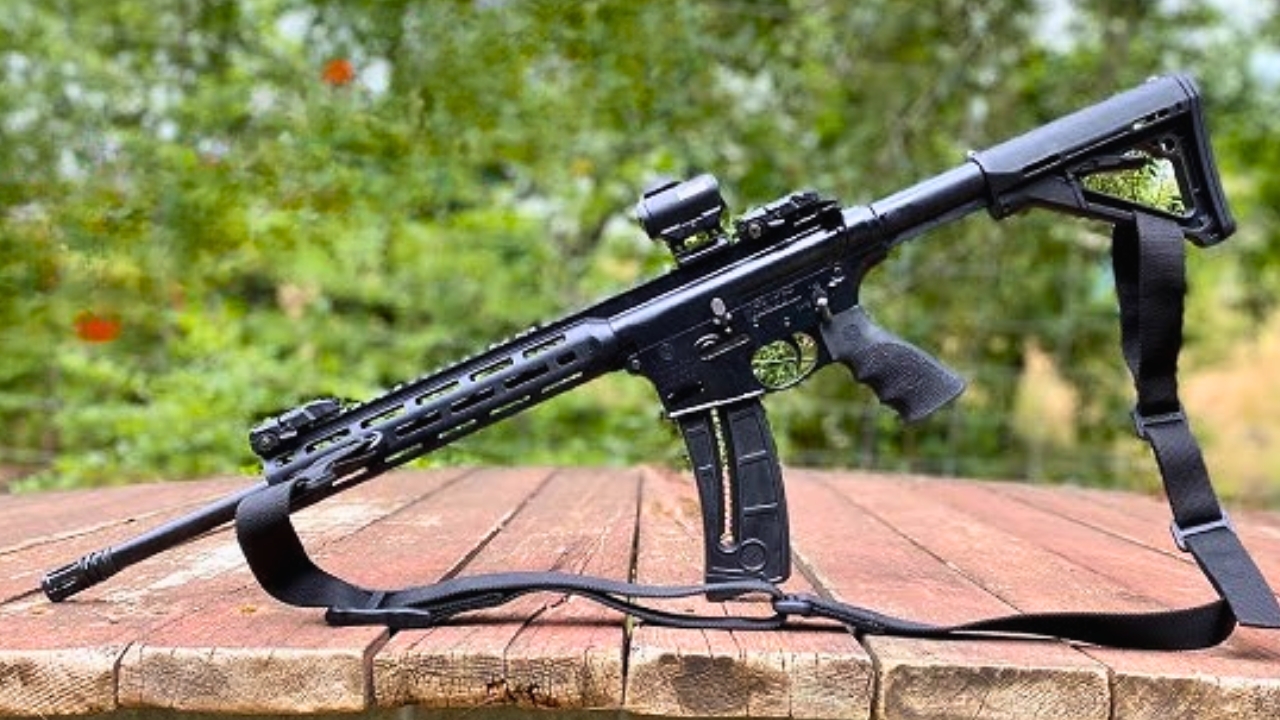
Smith & Wesson M&P 15-22

The M&P 15-22 looks the part, especially once you hang a light and optic on it. It’s also one of the easiest rifles to shoot and one of the cheapest ways to get reps with an AR-style manual of arms. As a trainer and plinker, it does its job well.
Where people get sideways is treating it like a hard-use rifle because it resembles one. It’s a rimfire with lightweight construction and a different wear pattern than a 5.56 AR. Long, high-volume sessions can expose little annoyances—heat, fouling, and small parts working loose if you don’t keep an eye on them. It can run great, but it isn’t meant for the same kind of abuse you’d put on a centerfire carbine in a hard class.
Colt M4 .22 LR (Umarex)
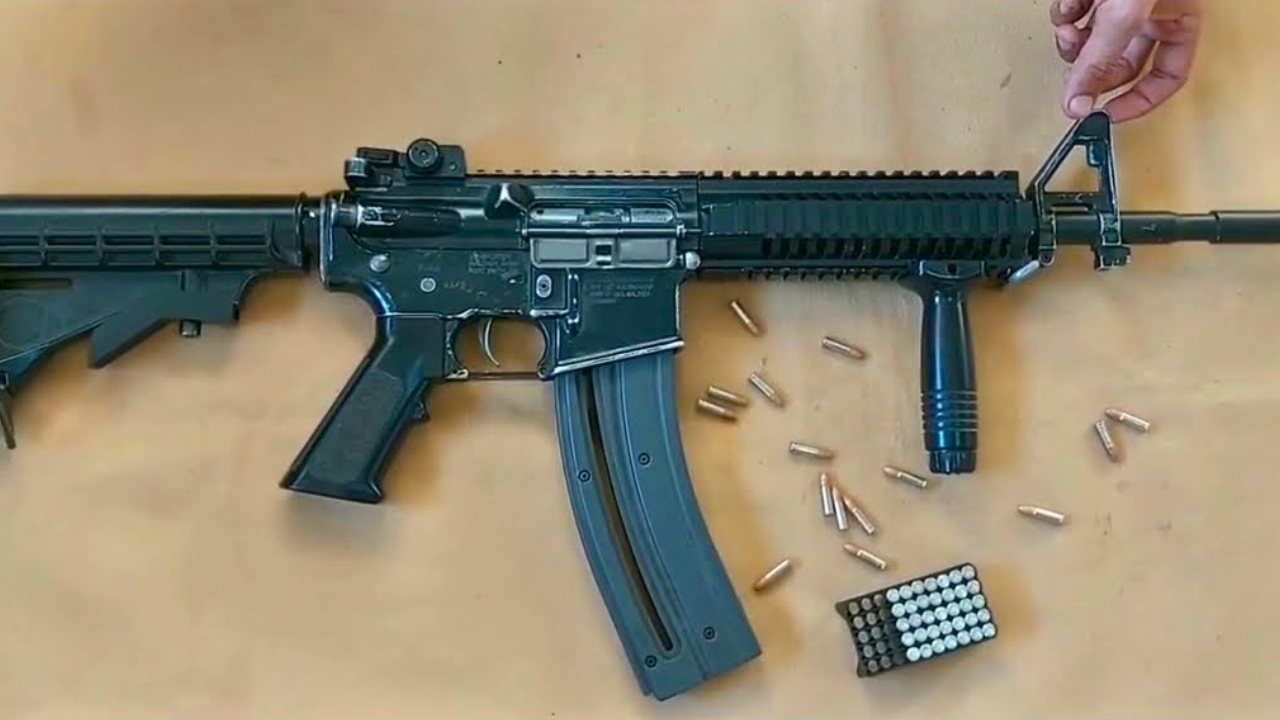
This Colt-branded .22 scratches the itch for a “real M4” look without the ammo cost. It’s a range-friendly rifle that feels familiar in the hands, and for a lot of shooters it’s a fun way to burn bricks of rimfire and still run a carbine layout.
The issue is expecting it to behave like a duty carbine because the rollmark says Colt and the silhouette says M4. Internally, it’s a dedicated rimfire design, and many of these .22 clones use materials and small parts that aren’t intended for sustained rough handling. Rails and furniture can feel more cosmetic than serious, and accessories can reveal flex where you didn’t expect it. It’s a good toy and trainer when you keep it in its lane. It’s not a “hard-use Colt.”
Heckler & Koch HK416 .22 LR (Umarex)

The HK416 .22 is another rifle that looks like it belongs in a stack of serious carbines. It’s easy to shoot, cheap to feed, and it gives you that “HK vibe” at rimfire cost. For casual range time, it can be a blast.
Hard use is where the illusion cracks. You’re still dealing with a rimfire system that gets dirty fast, and the 416 look doesn’t change that reality. Once you start hanging heavier optics, lights, and grips, you can feel the platform’s limits. Controls, rails, and mounting surfaces can be less confidence-inspiring than what you’d want on a rifle you plan to beat on. It’s fine for what it is—a fun trainer. It’s not built to be treated like a true 416.
Chiappa M4-22
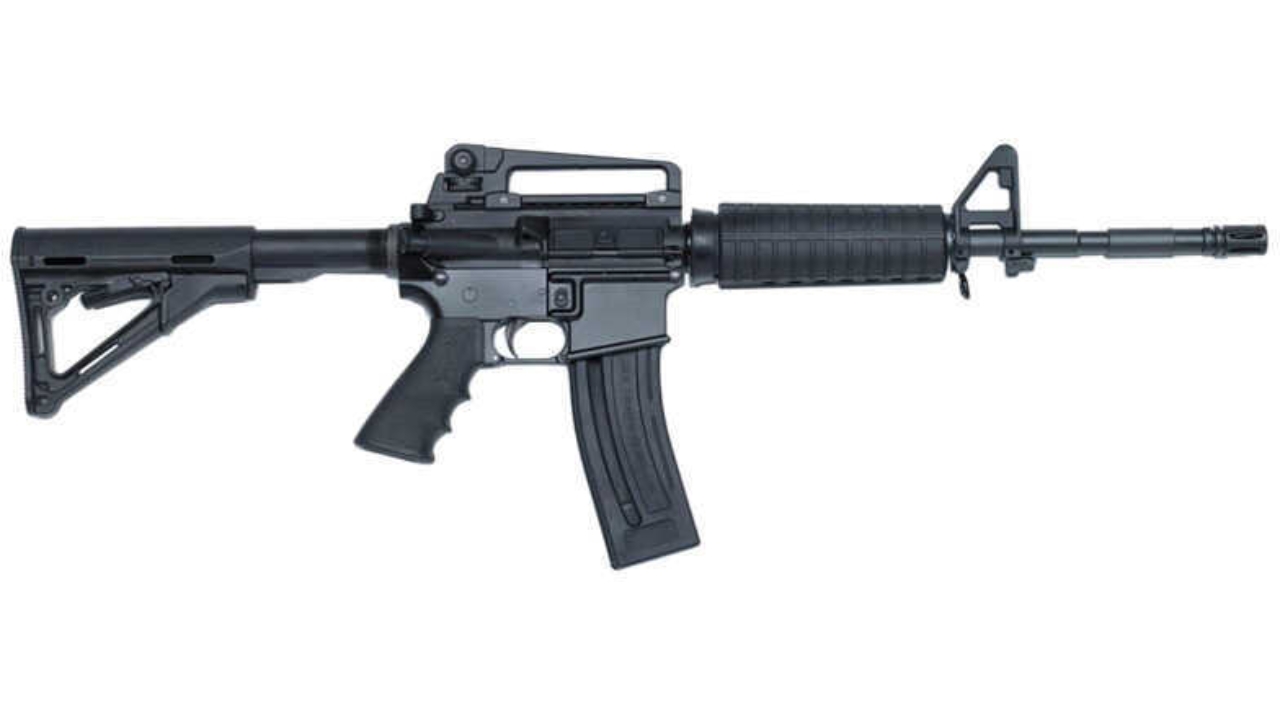
The Chiappa M4-22 exists for one reason: cheap practice in an AR-like package. It’s light, it points like a carbine, and it lets you run simple drills without burning through expensive ammo. Plenty of shooters buy one and enjoy it for exactly that.
The trouble starts when you expect it to take the same abuse as a centerfire AR. The M4-22 is a rimfire with budget-minded construction. That can show up as flex in the furniture, looser tolerances, and small parts that don’t love being hammered through thousands of rounds in a short window. Add in rimfire fouling and you’ve got a rifle that can run well, then suddenly need attention. Keep it as a trainer and plinker and you’ll be happier. Treat it like a hard-use rifle and it’ll eventually remind you what it really is.
Mossberg 715T

The 715T looks like a tactical carbine, and it’s priced like an easy decision. It’s light, it’s simple to shoot, and it gives new shooters something that feels “serious” without the recoil or ammo cost of a centerfire rifle. For casual range trips, it can be perfectly adequate.
It’s not built for hard use, and that’s the part worth admitting up front. The 715T is a rimfire platform wearing tactical clothing. The external look doesn’t change the internal reality, especially once you start running it hot or adding accessories. Stocks, rails, and mounts can feel more like styling than rugged hardware, and rimfire’s dirty nature can turn high round counts into maintenance sessions. It can still be fun, but it’s not the rifle you pick for rough training days or long-term hard carry.
GSG-15
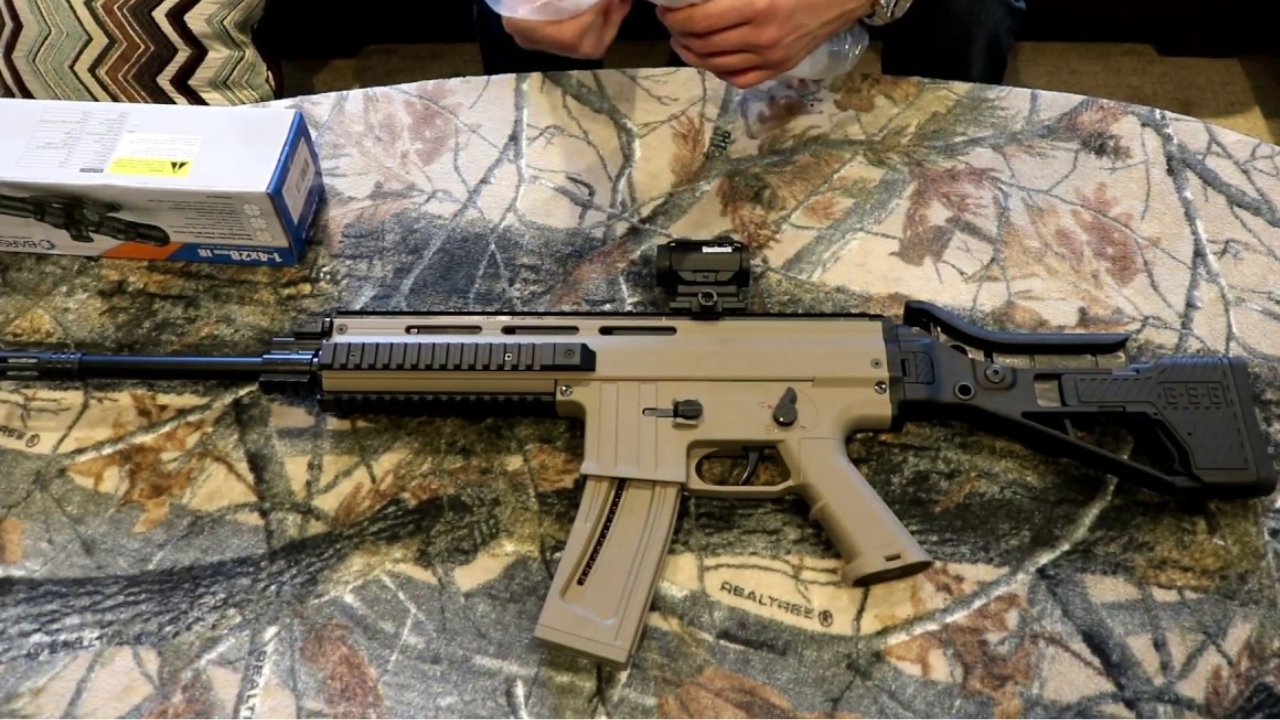
The GSG-15 is pure “tactical look” in .22 form. It’s light, easy to shoot, and it’s the kind of rifle people buy because it looks cool on the rack and feels like a modern carbine. As a plinker, it can deliver exactly what you’re after.
Hard use is a different story. These types of rimfire tactical clones tend to rely on lightweight construction and cosmetic furniture, and they don’t always love being treated like a training workhorse. Long strings can reveal heat and fouling issues, and certain accessories can make the rifle feel less stable than you’d want. It’s also not the platform you want to drop, bang around, and keep running without checking anything. If you want a fun range rifle with a tactical silhouette, it can scratch that itch. If you want hard-use durability, look elsewhere.
Ruger SR-22 Rifle
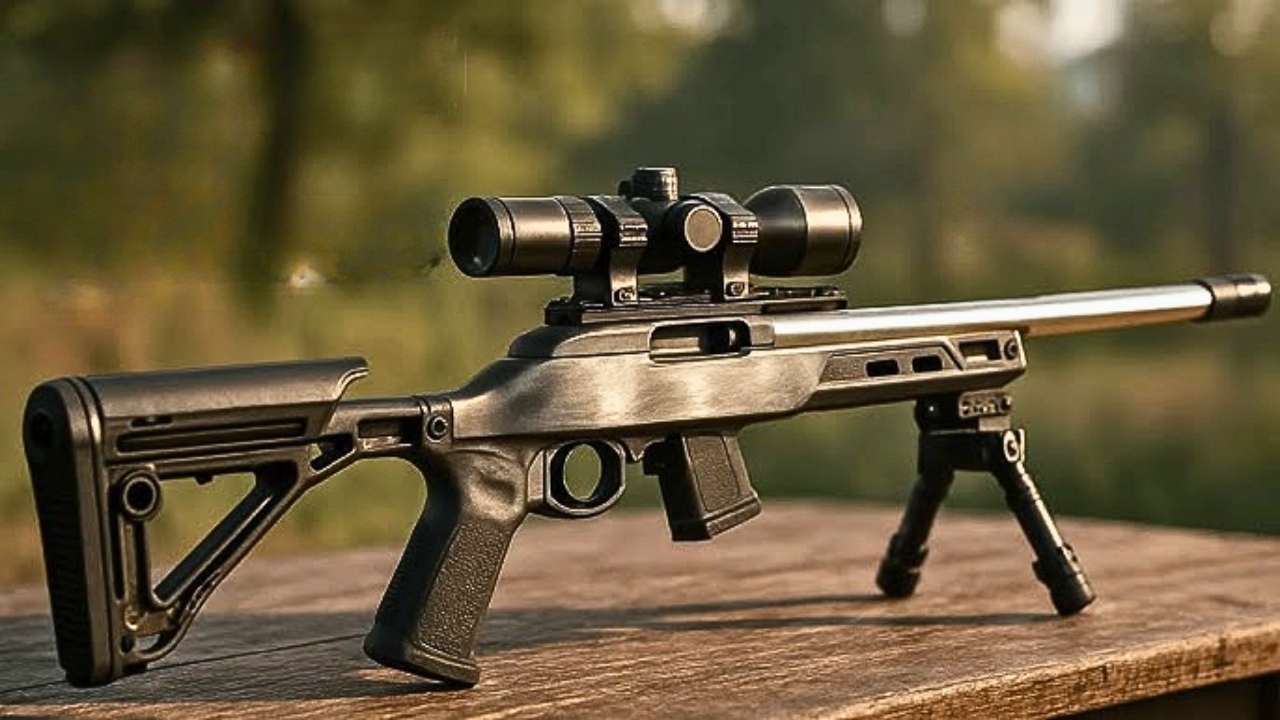
The SR-22 Rifle gives you the Ruger 10/22 heart in a more modern shell, and that’s a big part of its appeal. It looks like a serious carbine, it runs on common 10/22 magazines, and it’s easy to shoot all afternoon. For training new shooters, it’s friendly and familiar.
The catch is that the “tactical” exterior doesn’t turn it into a hard-use rifle. The furniture and rail setup are built around the plinking role, not around the idea of getting slammed into barricades or dragged through rough conditions. You can mount optics and lights, but you shouldn’t assume the platform will feel as rigid as a true duty-style carbine. It’s also still rimfire, which means fouling and ammo quality matter more than people want to admit. Treat it like a smart .22 trainer and it makes sense.
Ruger 10/22 in an Archangel 556 stock
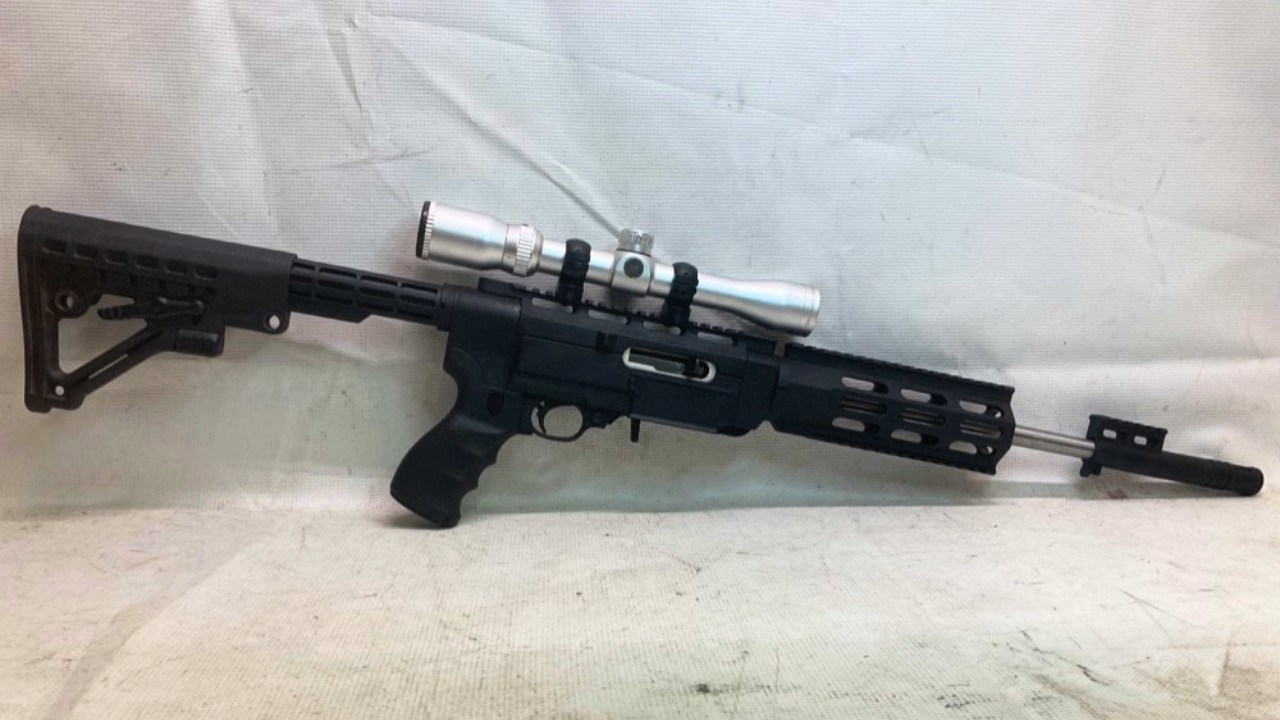
Drop a 10/22 into an Archangel-style chassis and it suddenly looks like something meant for serious work. That’s the whole point. You get the classic reliability and aftermarket of the 10/22 with a modern silhouette that scratches the tactical itch. It’s fun, and it can be a great trainer.
But the chassis doesn’t change what the rifle is. It’s still a rimfire action designed around light recoil and casual use, and many of these stocks are built more for looks and ergonomics than for rugged field abuse. You can end up with flex where you don’t want it, and accessory mounting can feel less confidence-inspiring once you start adding weight. It can also encourage people to treat the rifle like an AR substitute, then get frustrated when rimfire fouling and ammo variability show up. It’s a great range setup. It isn’t a hard-use carbine.
Remington 597 VTR
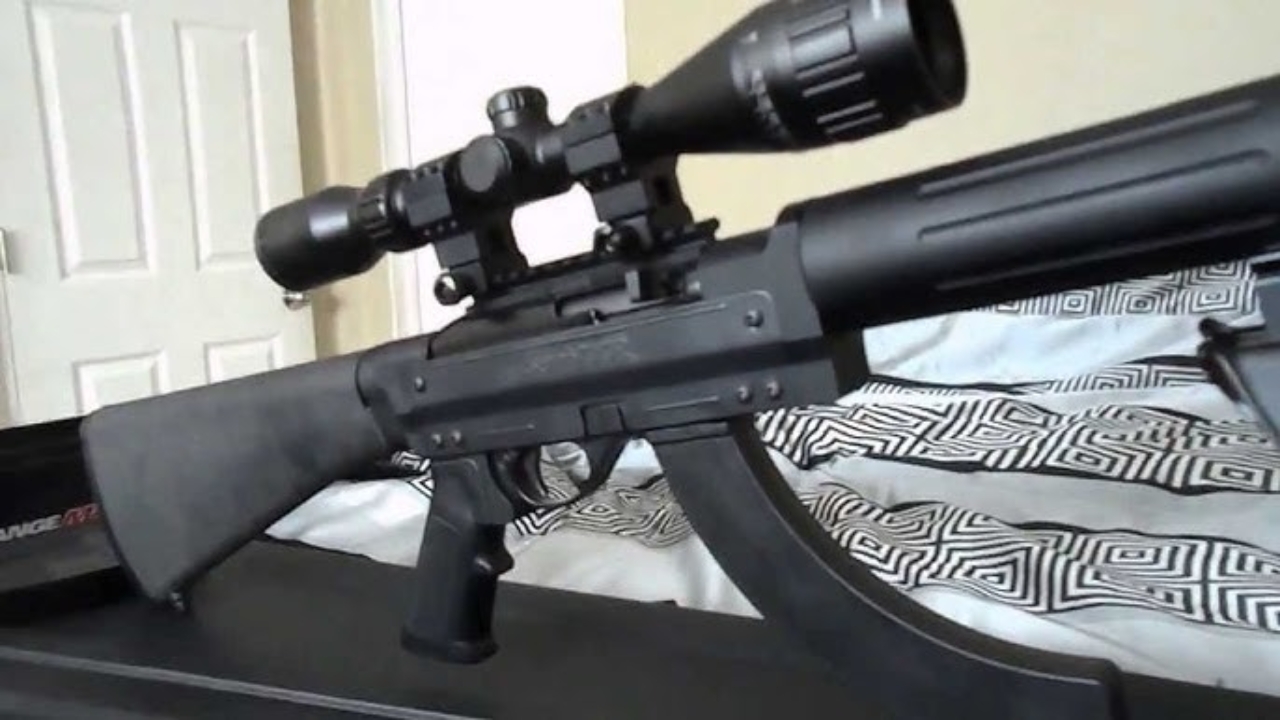
The 597 VTR is one of those rifles that looks ready for a “tactical” role but lives firmly in the rimfire world. It’s comfortable, it’s easy to shoot, and it has the vibe of a carbine that should run drills all day without complaint. For casual shooting, it can be enjoyable.
Where you want to be careful is expecting it to hold up like a hard-use trainer. The VTR styling leans into rails and furniture, but rimfires can get finicky under heavy volume, especially when they start getting dirty. Add in the fact that these rifles can vary from one example to the next, and you can end up with a gun that feels great until it needs attention more often than you planned. It’s not useless. It’s simply not a “beat it up and forget it” rifle. Keep it clean, keep your expectations realistic, and it can still be a good time.
Kel-Tec SU-16CA
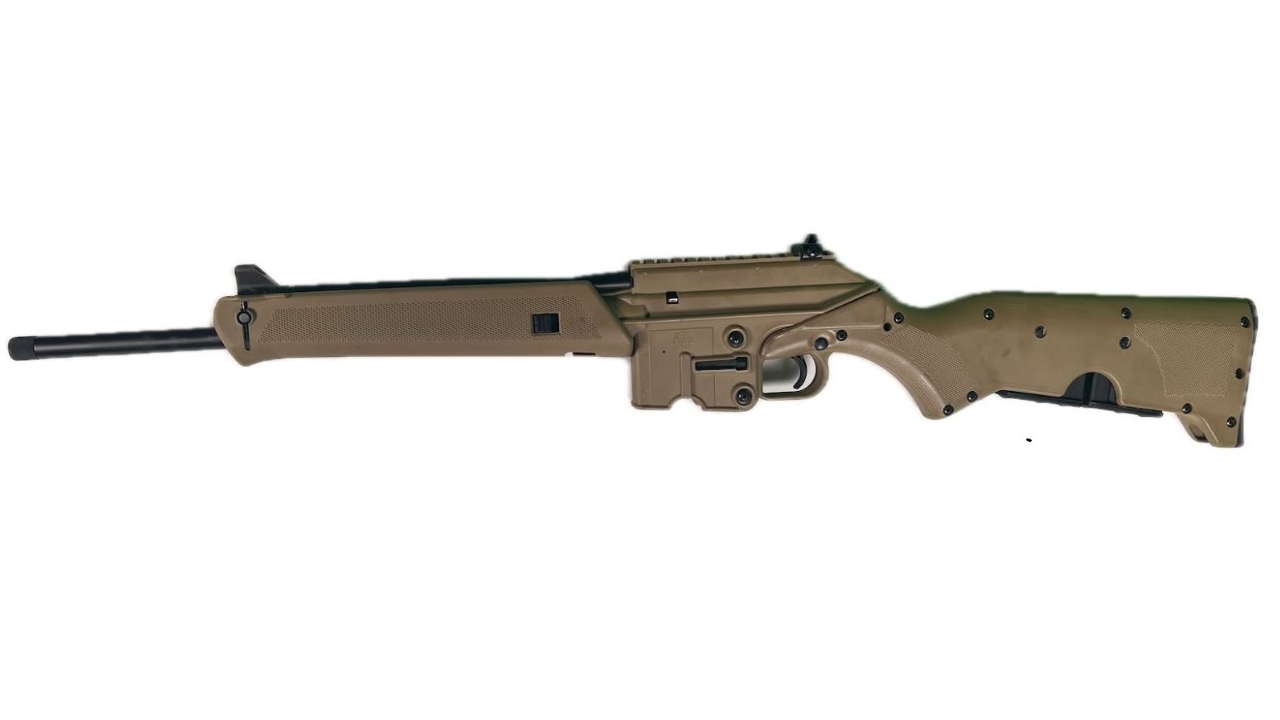
The SU-16CA looks like a lightweight fighting rifle, and it has some clever ideas baked in. It’s handy, it packs down, and it’s built around the concept of being easy to carry. For a rifle you can toss behind a truck seat and not think about much, it appeals to a lot of people.
The tradeoff is that ultra-lightweight design usually comes with limits. You’re dealing with a rifle that prioritizes portability over the kind of rigidity you want for sustained hard use. Heat builds quickly in light barrels, and long strings can make the gun feel less stable than heavier carbines. The polymer-heavy approach can also feel less confidence-inspiring when you start adding lights, optics, and sling tension. Plenty of folks have good luck with these rifles as handy utility guns. They’re not the platform you pick for heavy training days and rough handling without consequences.
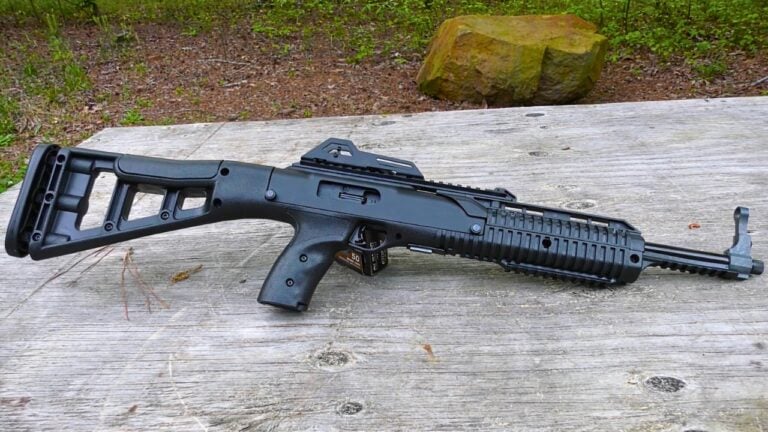
Hi-Point 995TS Carbine

The 995TS looks more tactical than most people expect when they first see a Hi-Point carbine. It comes with rails, a modern-ish profile, and the idea that you can have a defensive-style long gun on a tight budget. For range use and basic familiarity, it can do what you ask.
Hard use is where the budget reality shows. The 995TS is built to a price point, and that shows up in the weight, the feel of the controls, and how the gun holds up when you start treating it like a serious training tool. Accessories can stress mounting points, and the rifle isn’t designed around the idea of being run hard in classes with high round counts. It can still be dependable for casual shooting and close-range work. It just isn’t built like a duty-grade carbine, no matter how tactical it looks.
Ruger PC Carbine (tactical chassis variants)

A Ruger PC Carbine dressed up with a tactical chassis and accessories can look like a purpose-built fighting rifle. It’s reliable, it’s easy to shoot, and it makes a lot of sense for range time and practical drills at close distances. For many shooters, it’s a smart and enjoyable setup.
The important thing is not confusing “tactical-looking PCC” with “hard-use rifle.” Pistol-caliber carbines have different limits, especially around heat and sustained firing. Add a heavy optic, light, and fore-end accessories, and you can turn a balanced gun into a nose-heavy one that beats up its own mounting points over time if you’re rough with it. It can still be a solid carbine, but hard use means repeated drops, barricade work, and harsh handling—things many PCC accessories and chassis setups aren’t built to shrug off forever. The PC is capable. The tacticool build can be the weak link.
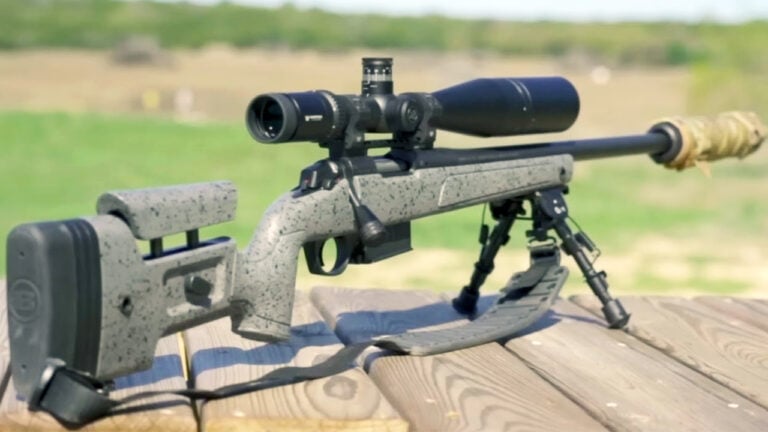
Ruger American “tactical” trims
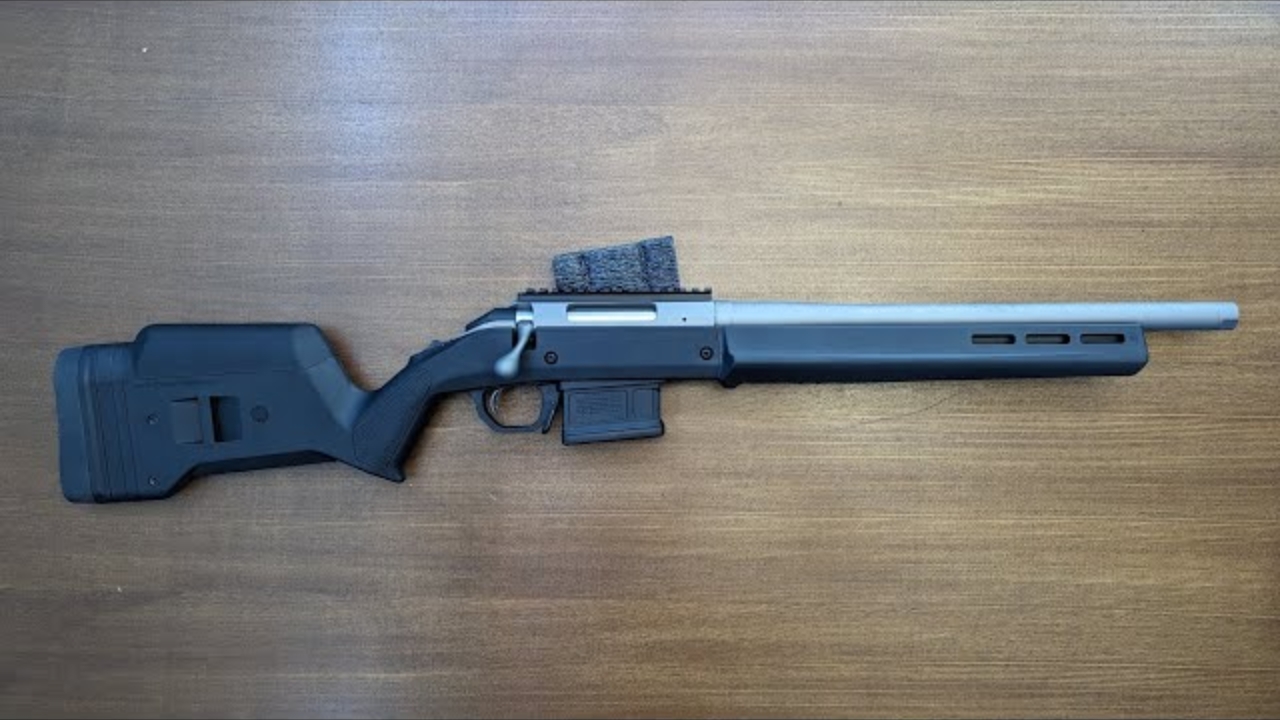
The Ruger American line has earned respect as a budget shooter, and the tactical versions look the part with threaded muzzles and modern styling. For a practical hunting rifle that can also play at the range, they can be a good value. Many shoot better than you’d expect.
The problem is assuming the tactical look means the rifle is built for rough use and repeated high-volume strings. These are still economy bolt guns. Stocks can flex, barrels can heat quickly, and small changes in how you support the rifle can change results. Add a heavy muzzle device or suppressor mount without paying attention to torque and alignment, and you can introduce new issues fast. None of that makes the rifle bad. It means the tactical trim is mostly features, not a full rebuild into a hard-use platform. If you want a bolt gun to beat around, you’ll want more rigidity and a more serious stock system.
Mossberg Patriot “tactical” variants
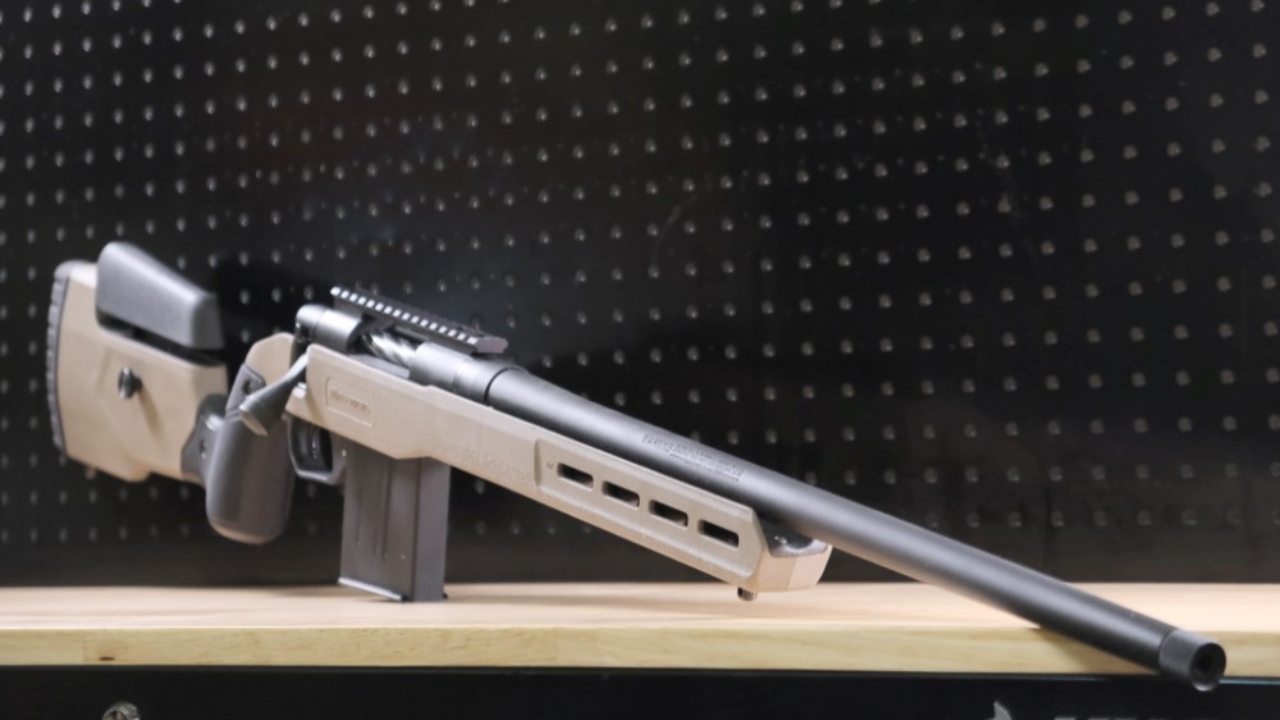
The Patriot in tactical clothing looks like a budget precision rifle: threaded muzzle, rail, and a more modern presentation than the standard hunting version. It appeals to shooters who want a rifle that looks serious without spending serious money. For casual use, it can be adequate.
Hard use is where you need to be honest. The Patriot is built to hit a price point, and that can show up in stock stiffness, consistency under torque changes, and how well the setup holds together when you start running it more aggressively. Add accessories, shoot longer strings, and you may see things loosen or shift that you wouldn’t notice in a few slow rounds. It’s not designed as a hard-training rifle. It’s designed as an affordable rifle that can look the part. If you keep it within that role, it’s easier to live with.
Like The Avid Outdoorsman’s content? Subscribe to our newsletter so you never miss an article.
Here’s more from us: