Photo credit: WHO_TEE_WHO/YouTube
Most hunters don’t pick cartridges the way they pick boots. They pick what they’ve heard of. .30-06, .308, .270, 6.5 Creedmoor—names that show up in every camp and every store shelf. And to be clear, those rounds work. But there’s a whole second tier of hunting cartridges that quietly do the job just as well, sometimes better for a specific style of hunting, and they never get their due because they aren’t trending on the internet.
When you finally shoot some of these rounds, you understand why the guys who use them don’t shut up about them. They’re accurate, efficient, and easy to place on target. A few hit harder than their reputation. A few carry better than you’d expect. The only downside is you have to be a little more intentional about ammo and rifle choices. If you’re willing to do that, these are some of the most satisfying hunting cartridges to live with.
7mm-08 Remington

7mm-08 is one of the best “do most things well” hunting rounds out there, and it never gets talked about like it should. It’s flat enough for normal hunting distances, it hits whitetails with authority, and it does it without beating you up. That matters when you’re shooting from odd positions or trying to stay calm on a longer shot.
Where it really shines is efficiency. You get strong performance with moderate recoil, and bullets in the 120–150 grain range give you plenty of options for deer and even elk with the right load and placement. It’s also an easy cartridge to shoot accurately because it doesn’t punish you. If you’ve ever watched someone flinch their way through a magnum, 7mm-08 feels like a breath of fresh air.
.257 Roberts

The .257 Roberts is old enough that people forget it exists, which is a shame because it’s a classy deer cartridge that still makes a lot of sense. It shoots flat, it’s easy on your shoulder, and it kills cleanly when you put the bullet where it belongs. It’s not loud and dramatic. It’s steady, predictable, and effective.
What surprises most shooters is how pleasant it is to run from field positions. Recoil is mild, so you tend to shoot it better than you shoot something “more powerful.” That usually leads to better hits, and better hits end arguments fast. Ammo isn’t as common as the big names, but it’s available if you plan ahead. If you like efficient cartridges that feel like they were built for real hunting, the Roberts is worth your time.
.35 Remington

.35 Remington is one of those woods cartridges that doesn’t care about trends. It’s not a long-range round, and it doesn’t pretend to be. What it does is hit hard at practical distances, especially on deer and black bear in thick cover. It’s a cartridge that makes sense when shots are close, quick, and angled.
Shoot it and you’ll notice the difference right away. It feels like a heavy shove instead of a sharp smack, and it tends to put game down with authority when you do your part. It’s also a cartridge with a lot of real-world history in lever guns and classic deer rifles. Ammo availability can be hit or miss depending on where you live, but the people who keep a .35 Rem around don’t do it for nostalgia. They do it because it works where they hunt.
.250-3000 Savage

The .250 Savage was ahead of its time, and it still holds up as a sweet-shooting deer cartridge. It’s mild, accurate, and easy to place precisely, which is exactly what a hunting round should be. It doesn’t kick much, it doesn’t bark like a magnum, and it still carries enough punch for whitetails when you use sensible bullets.
The charm of .250 is how easy it is to shoot well. You can practice more without getting sore, and that practice shows up in the field. It’s also a great round for hunters who value shot placement over horsepower. The downside is that it’s not stocked everywhere, and rifles chambered for it aren’t as common as they once were. But when you find a good one, you’ll understand why people who hunt with .250 tend to keep it forever.
.280 Remington

The .280 Remington lives in the shadow of the .270 and the 7mm magnums, but it’s a seriously capable hunting cartridge. It shoots flat enough for most big-game hunting, carries energy well, and offers a bullet selection that makes it flexible across deer, elk, and everything in between.
What you learn when you shoot it is that it feels balanced. It doesn’t have the sharp recoil snap of some faster 7mms, and it doesn’t feel underpowered on larger game when you pick a proper bullet. It’s also a cartridge that often shoots extremely well in real rifles, not only in theory. Ammo isn’t always everywhere, but it’s out there if you look. If you want a cartridge that does big-game work without magnum drama, .280 deserves a spot on your radar.
.338 Federal

The .338 Federal is one of the best “heavy bullet, practical range” cartridges that most hunters never consider. Built off the .308 case, it offers big frontal area and strong performance without the recoil and blast of the bigger .338 magnums. It’s a great fit for timber hunting and for hunters who want authority without punishment.
Shoot it and you’ll notice it’s manageable. It has more push than a .308, but it’s not brutal. On game, it hits with a kind of confidence that’s hard to describe until you see it work. It’s not a 400-yard specialist, but inside normal hunting distances it’s extremely capable on deer, black bear, and elk with the right bullet. The only real drawback is that factory ammo can be less common, so you have to plan ahead.
6.5×55 Swedish Mauser

The 6.5 Swede is one of those cartridges that looks boring until you realize how well it actually performs. It’s accurate, easy to shoot, and it penetrates like it means it when you run a good hunting bullet. It’s not a trendy “new” round, but it’s been doing real hunting work for a long time.
What stands out when you shoot it is how calm it feels. Recoil is mild, and that helps you stay honest on the trigger. In the field, it’s a steady performer on deer and similar-sized game, and it has a track record on larger animals in the right hands. Ammunition is available, though sometimes you’ll have to look a little harder than you would for Creedmoor. If you want a cartridge that rewards good shooting and good bullet choice, the Swede still deserves respect.
.260 Remington

The .260 Remington does a lot of what people like about 6.5 Creedmoor, but it never got the same spotlight. It’s flat shooting, accurate, and easy to shoot well. For hunting, it offers excellent bullet selection and enough performance for deer and similar game, with recoil that stays friendly.
Shoot it and you’ll see why it has a loyal fanbase. It’s smooth, it tracks well, and it makes it easy to call your shots. In practical hunting terms, it’s a “place it and watch it work” cartridge. The downside is that factory ammo isn’t as common as Creedmoor in many stores, so you may not see it on shelves everywhere. But if you already own a rifle in .260, or you come across one, it’s a great hunting round that’s more capable than its popularity suggests.
6.5 Grendel

A lot of hunters still think of 6.5 Grendel as an AR cartridge for steel targets, but it’s a legitimate hunting round inside sane distances. It’s accurate, efficient, and it carries energy better than most people expect from its size. With a good bullet, it does real work on deer and hogs.
Where it wins is shootability. Recoil is light, and follow-up shots are fast and controlled, which matters when hogs are moving or when a deer doesn’t cooperate. In an AR platform, it’s also a handy setup for thick country and field edges. You do have to be honest about distance and bullet choice, because it’s not a magnum. But if you keep your shots reasonable, Grendel can be far more effective than the internet gives it credit for.
.300 Savage

The .300 Savage gets overshadowed by the .308, but it’s still a solid hunting cartridge with real field history. It hits hard enough for deer and black bear at practical distances, and it does it without the blast and recoil of many modern magnums. It’s a straightforward round that rewards good hunting habits.
Shoot it and you’ll notice it feels familiar—like a classic deer rifle should. It’s not built for extreme range, but that’s fine because most deer aren’t shot at extreme range anyway. The .300 Savage also tends to be carried in rifles that handle well, which matters when you’re walking and hunting, not benchrest shooting. Ammo can be less common than .308, but it still shows up. If you appreciate classic cartridges that still get it done, this one earns respect.
.358 Winchester

The .358 Win is a hammer in the woods, and it doesn’t get talked about nearly enough. Built off the .308 case, it gives you heavy bullets and big impact at real hunting distances. It’s not meant to be flat as a laser. It’s meant to hit hard, penetrate, and end arguments quickly in timber.
When you shoot it, you’ll notice it’s more manageable than you expect for the performance. It’s a firm recoil, but it’s not abusive, especially in a rifle with a decent pad. On game, it’s the kind of cartridge that leaves a strong impression when you see what it does on impact. The catch is ammo availability and rifle selection. You have to plan, and you may have to look harder. If you do, you get a cartridge that’s incredibly effective for how little attention it gets.
.25-35 Winchester

The .25-35 is a mild old-school cartridge that still has a place if your hunting is close and your expectations are realistic. It’s soft shooting, easy to carry, and it can be effective on deer with good bullets and careful shot placement. It’s not a power play. It’s a practical tool for woods ranges.
What you notice when you shoot it is how comfortable it is. That comfort makes you shoot better, and good shooting matters more than caliber arguments. This cartridge also lives in classic lever guns and older rifles that handle well in the brush. The obvious drawback is availability. You won’t see .25-35 everywhere, and you don’t pick it for long shots or big-bodied game. But if you respect its limits, it can be a surprisingly satisfying deer cartridge.
7×57 Mauser

The 7×57 Mauser is another cartridge that quietly keeps earning respect. It’s efficient, accurate, and easy to shoot well. With proper bullets, it handles deer and larger game at normal hunting distances without needing magnum recoil or noise. It’s been doing this work for a long time, and it still makes sense today.
Shoot it and you’ll understand the appeal. Recoil is mild, the cartridge feels balanced, and it tends to build confidence instead of flinch. The 7×57 also has enough bullet weight and sectional density to penetrate well when the shot angle isn’t perfect. You may not find ammo on every shelf, but it exists. If you like cartridges that do real hunting work without demanding attention, the 7×57 is a classic that still performs.
.303 British

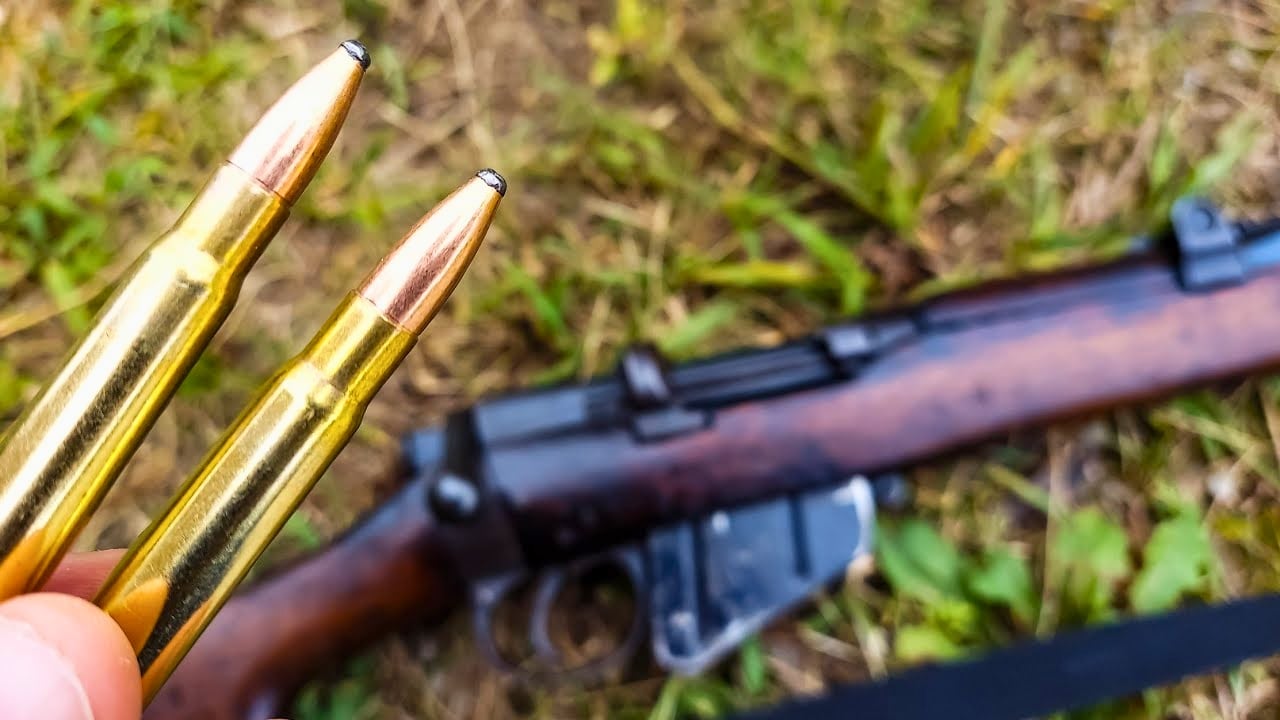
A lot of people think of .303 British as only a surplus curiosity, but it’s absolutely a hunting cartridge when you feed it proper ammo. It hits with authority, it carries enough energy for deer and black bear, and it tends to be chambered in rifles that point naturally. It’s not trendy, but it’s effective.
When you shoot .303 with hunting loads, you’ll notice it feels like a strong traditional round, not a novelty. The recoil is manageable, and the performance is honest. The biggest thing is ammo selection. Surplus and cheap range ammo aren’t the same as modern hunting loads, and you want the right bullet for the job. If you treat it like a real hunting cartridge, .303 British will do real hunting work. It’s underrated mostly because people stopped paying attention.
9.3×62 Mauser
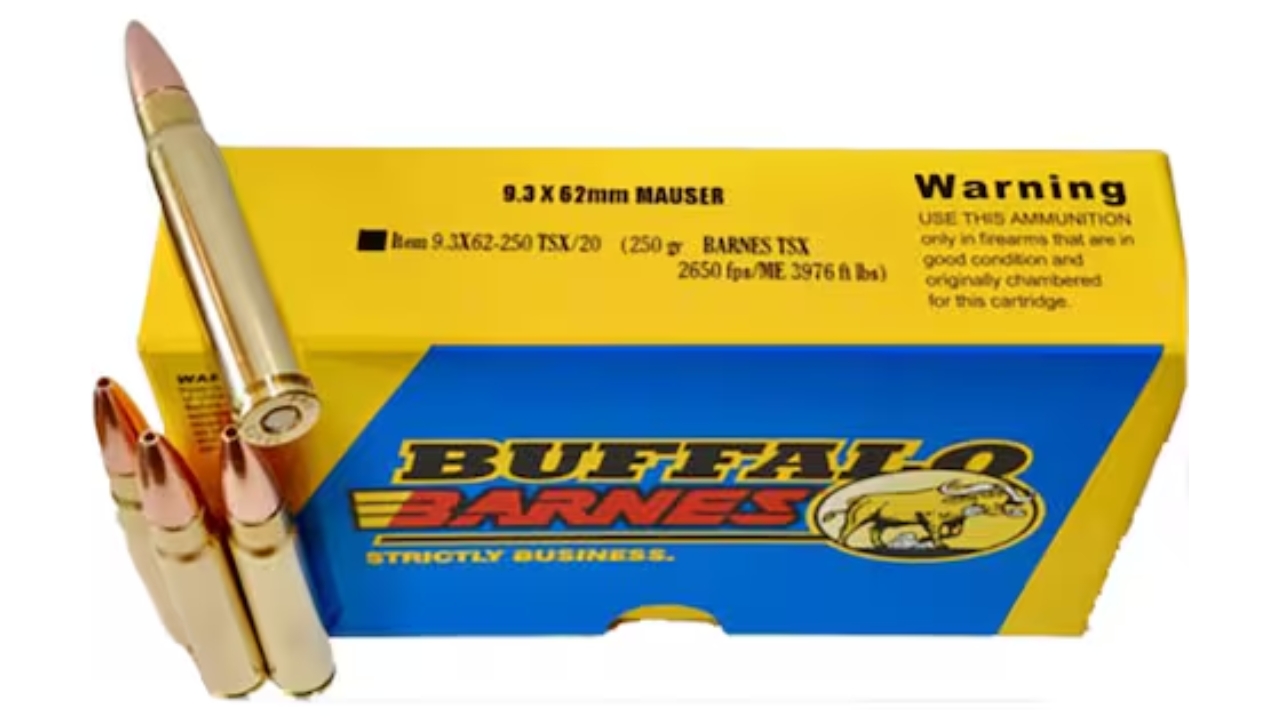
The 9.3×62 is the definition of “you don’t hear about it until you see it work.” It’s a heavy-hitting big-game cartridge with a long history, and it offers serious penetration and authority without the recoil and blast of many large magnums. It’s a cartridge that makes sense for larger animals and closer-to-midrange hunting.
Shoot it and you’ll feel a firm push, but it’s often more controllable than people expect. The real value is what it does on impact, especially with proper bullets. It’s not a long-range tool, and it doesn’t need to be. It’s a cartridge you pick when you want deep penetration and reliable performance on tough game. Ammo can be less common depending on where you live, but it’s out there. If you’ve never shot one, it tends to leave an impression.
Like The Avid Outdoorsman’s content? Be sure to follow us.
Here’s more from us: