Photo credit: John McStravick – 3598107102/, CC BY 2.0, /Wikimedia Commons
There’s a reason your guide side-eyes the rifle you pull from the case. It’s not about brand snobbery or personal ego. It’s about miles on foot, rough country, and knowing what fails when meat’s on the line. Some rifles earn a reputation that follows them like a bad smell—too fragile, too heavy, too finicky, or too prone to failure when a clean kill matters most. You might love it on the bench, but that doesn’t mean it belongs in the field. The truth is, plenty of rifles look good at the range and fall apart when you’re miles deep with fading light. And guides don’t forget which ones make a mess of their hunt.
Plastic-stocked pencil barrels
Lightweight rifles with ultrathin barrels and injection-molded stocks sound great until you’re sitting in a crosswind trying to make a steady shot. These setups move more than they should and lose zero fast when conditions change. You may get away with them on a warm-weather hog hunt, but they don’t hold up when temps drop or your pack gets tossed in the truck bed. Guides have seen it too many times—a flyer, a miss, or a wounding shot from a rig that was “sub-MOA” back home. Flex in the forend, point-of-impact shifts from barrel heat, and nothing to blame but the gear you brought.
Overbuilt magnums with no brake

You want to bring your .300 Ultra Mag? That’s fine—if you know how to shoot it. But most guys flinch after the first two rounds. Rifles that push 30 foot-pounds of recoil with no brake wear shooters down fast, especially if the rifle’s heavy, long, and awkward to shoulder in the field. A guide would rather you bring a milder caliber that you can run clean under pressure than a beast that ruins your follow-up. Too many hunts go sideways because someone brought a rifle they can’t manage when their heart’s racing. Loud is one thing—uncontrollable is another.
Off-brand bolt guns with mystery mounts
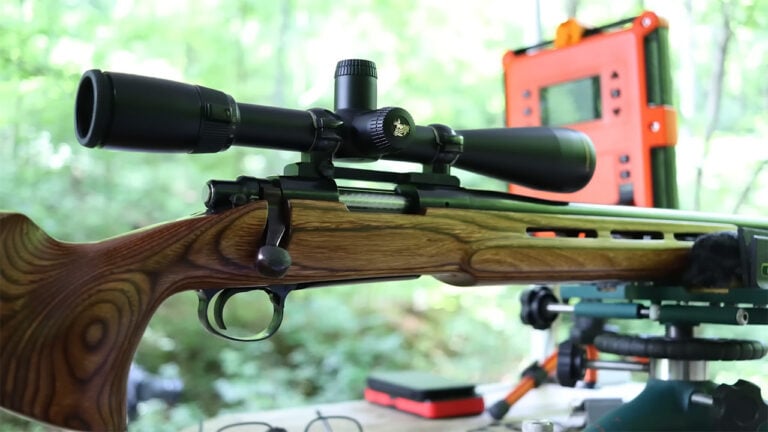
There’s always that one guy who shows up with a “good deal” he found at a gun show or online. The rifle is a brand the guide’s never heard of, the rings don’t match the base, and nobody knows who installed the scope. That rifle might group at 100 yards—once—but when it gets bounced around on a four-wheeler or sits overnight in sub-zero weather, everything changes. Nothing ruins a guide’s trust faster than watching you fiddle with loose hardware when it’s time to shoot. Bring something known, tested, and solid—not a Frankenstein project with cheap glass and questionable parts.
Lightweight ARs with hunting optics

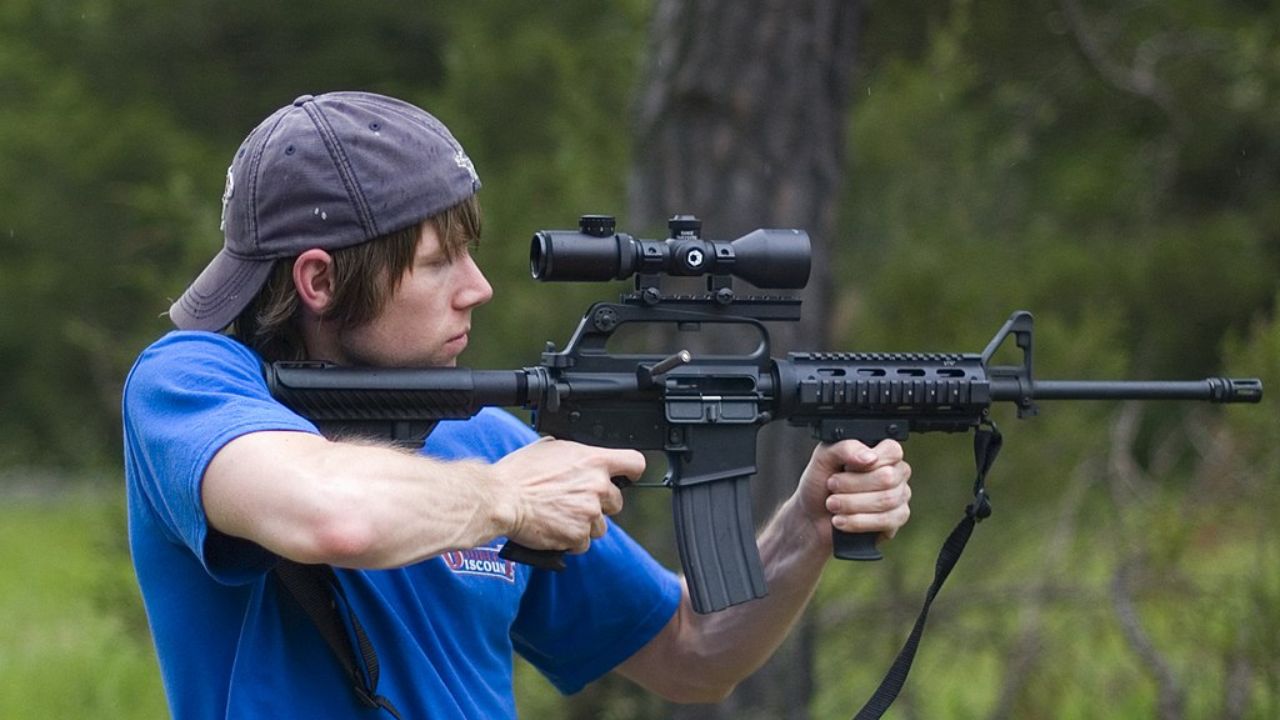
ARs have earned their place in hunting, but not all builds are created equal. When a guy shows up with a skeletonized, featherweight 5.56 rig topped with a 1-6x optic and calls it his “deer rifle,” most guides start preparing for backup shots. Those rifles are great for plinking or varmints, but they fall short fast when you’re trying to anchor a mule deer at 200 yards in gusting wind. Accuracy is inconsistent, trigger control suffers, and too often the ammo doesn’t match the job. Guides want ethical kills, not range toys masquerading as serious hunting tools.
Muzzleloaders with endless quirks
Some hunters love their smoke poles, but guides groan when they see a newfangled inline muzzleloader that takes twenty minutes to prep and misfires when it’s humid. Add in pellet inconsistency, scope fogging, and that one guy who forgets if he loaded it, and the hunt turns into a circus. It’s not that muzzleloaders can’t be effective—they can. But unreliable ignition, messy cleaning, and tight loading tolerances make them one of the riskiest options for a guided hunt. If you bring one, it better be dialed in and second nature, not something you dusted off once a year.
Overscoped rifles with zero balance

It’s hard to watch a hunter fight a 10-pound rifle with a 24-ounce scope on top when the shot opportunity only lasts a few seconds. Some guys think more glass means better odds, but guides know that unbalanced rigs slow you down and blow chances. Big scopes shift the weight too far back, throw off your natural hold, and turn offhand shots into a shaky mess. Add in the wrong eye relief or a sticky zoom ring, and suddenly your target disappears. Practical rifles carry well and point fast. If yours feels like a benchrest rifle with a telescope, expect some eye rolls.
Forgotten bores and filthy bolts
You’d be surprised how many rifles show up caked in carbon, bone dry, or with copper fouling so thick the rifling’s barely visible. Guides don’t care if your rifle is pricey—they care if it functions. Dirty bolts seize up in the cold, clogged chambers cause pressure issues, and neglected barrels throw shots all over the map. A guide might let you borrow a backup rifle before they let you take a shot with something that sounds like a creaky gate when you cycle it. Clean your gun. Oil the bolt. And if you don’t have time for that, maybe don’t book the hunt.
Like The Avid Outdoorsman’s content? Be sure to follow us.
Here’s more from us:
The worst deer rifles money can buy
Sidearms That Belong in the Safe — Not Your Belt
*This article was developed with AI-powered tools and has been carefully reviewed by our editors.