Photo credit: Darya Grey_Owl/Pexels.com
The hunter was not trying to pick a fight with the guy next door.
At least, that is not how it sounded. He had a concern, and it was the kind of concern landowners and hunters run into all the time when two properties sit close enough for deer, bullets, and bad assumptions to cross the same line.
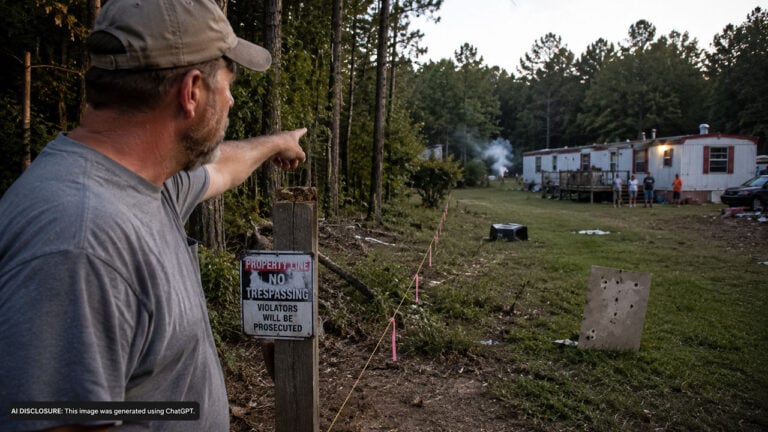
The neighbor had a feeder and a shooting setup near the boundary.
In a Reddit post, the hunter described a situation where a neighbor’s feeder and shooting lane appeared to be aimed toward his land. That is one of those setups that can look innocent from one side and suspicious from the other. The neighbor might say he is only hunting his own property. The person across the line sees the angle and wonders what exactly is supposed to happen when deer step out on the wrong side.
That is where the tension started.
A feeder near a property line already raises eyebrows. It may be legal in some places and illegal or restricted in others, depending on the state and season, but even when it is legal, placement matters. If a feeder is set close to a boundary and deer are being pulled toward it from the neighbor’s land, people are going to have feelings about that.
Add a shooting lane pointed in the same direction, and it becomes a lot harder to shrug off.
The hunter’s concern was not only about deer. It was about where shots might go. A shooting lane pointed toward another person’s land can turn a boundary argument into a safety problem. A deer does not know where the line is. A bullet does not respect it either. If a hunter takes a shot toward the edge and there is no real backstop, the person on the other side has every reason to be uneasy.
That is the kind of thing neighbors should be able to talk about.
But according to the post, the conversation did not go smoothly. The neighbor apparently stormed off instead of working it out. That reaction probably told the hunter almost as much as the feeder did. A calm neighbor might explain where he was shooting, what the backstop was, and why the setup was safe. He might agree to move something or at least talk through the line.
Storming off does not exactly build trust.
Once that happens, the person on the other side starts looking at everything differently. The feeder is not just a feeder. The lane is not just a lane. The neighbor’s attitude becomes part of the evidence. If he will not even talk through the concern, what is he going to do once rifle season starts and a deer steps onto the boundary?
That is how small property-line issues turn into long-running tension.
The hunter also had to think about accusations going both ways. A neighbor might claim he is being harassed if someone keeps questioning his setup. The hunter might feel harassed if the neighbor’s stand, feeder, or shooting lane effectively pressures his property. That word gets tossed around fast in hunting disputes, but the real issue is usually simpler: are people staying on their side, shooting safely, and respecting each other’s land?
If the answer is unclear, things get ugly.
This is also why property-line hunting can feel so personal. Deer movement does not follow deeds. A buck may bed on one side, feed on another, and cross back and forth all season. One neighbor may spend money on habitat, food plots, trail cameras, and low pressure, only for the next guy to set up right on the edge and try to capitalize on the movement. It may not always be illegal, but it can feel like bad faith.
Still, bad etiquette is one thing. Unsafe shooting is another.
The hunter’s best move was not to escalate with shouting or retaliation. It was to document. Cameras facing the boundary. Photos of the feeder and lane from his side if visible legally. Notes about dates, conversations, and any shots fired toward his property. If the neighbor crosses the line, retrieves deer without permission, shoots onto the land, or threatens anyone, that becomes a game warden or law enforcement issue.
That is not as satisfying as forcing the neighbor to act right, but it gives the hunter something solid.
It also protects him if the neighbor tries to flip the story and claim harassment. A clear record shows the hunter raised a real safety concern, tried to talk about it, and then documented what happened. That is a much better position than getting into a shouting match at the fence.
The whole situation comes down to trust, and the neighbor did not do much to earn it. A feeder and shooting lane aimed toward another person’s land is already a bad look. Storming off when asked about it makes the look worse.
The hunter did not need the neighbor to stop hunting his own land. He needed him to act like the boundary mattered.
Commenters mostly told the hunter to separate two issues: what was rude and what was illegal.
Several people said a feeder or stand near a property line may be annoying, but it is not automatically illegal depending on the state. The problem would become more serious if the neighbor shot across the line, crossed over to retrieve game without permission, placed bait illegally, or created an unsafe shooting direction.
Others said the shooting lane was the bigger concern. If the lane truly pointed toward the hunter’s land without a safe backstop, commenters understood why he was worried. A neighbor can hunt his own property, but he still has to know where his bullet will end up.
A lot of people recommended cameras and documentation. If the neighbor was staying legal, the cameras might only confirm that. If he was crossing lines or shooting where he should not, the hunter would need proof before a warden could do much.
Some commenters warned against making it personal too fast. Property-line hunters can be frustrating, but losing your temper usually helps the other guy more than it helps you. Stay calm, mark the boundary, post the land clearly, and keep records.
The main advice was practical: do not argue from suspicion alone. Watch the line, document real violations, and get a game warden involved if the neighbor’s setup turns into trespass or unsafe shooting.