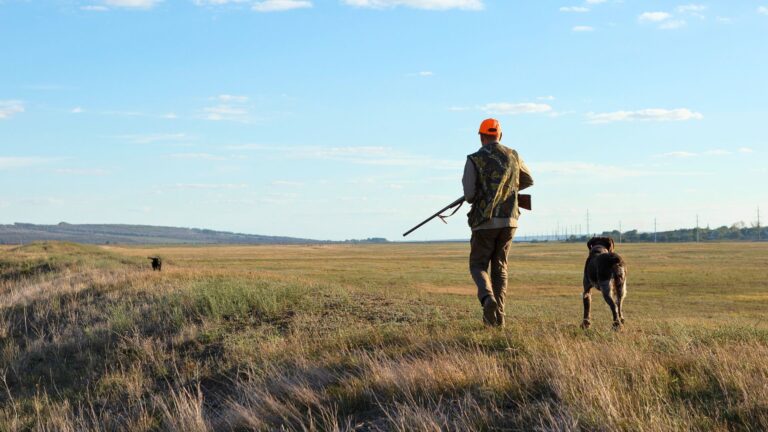
Photo credit: Mountains Hunter/Shutterstock.com
A close shot in the woods has a way of freezing everything for a second. One minute you are sitting there listening to squirrels, watching a trail, or glassing a cutover, and the next you hear a round crack through the air close enough to make your stomach drop. Maybe it smacks a tree nearby. Maybe you hear pellets hit leaves. Maybe you never see where it came from, but you know it was too close for comfort. That is not normal hunting pressure. That is a safety problem, and it needs to be handled with a level head. The worst thing you can do is jump up angry and start stomping toward the sound. The second worst thing you can do is ignore it and hope it was a one-time mistake.
Get Low and Figure Out What Just Happened
The first move is simple: get yourself out of the line of danger. If you are in a stand, blind, or tucked against a tree, do not immediately stand up and start waving your arms. Stay low, keep your firearm pointed in a safe direction, and take a few seconds to figure out what you actually heard. Was it a rifle shot that cracked overhead? Was it shotgun pellets raining through brush? Did it hit dirt, bark, metal, or water nearby? Those details matter because they can tell you whether the shot was a bad angle, a ricochet, or someone shooting without knowing what was beyond their target.
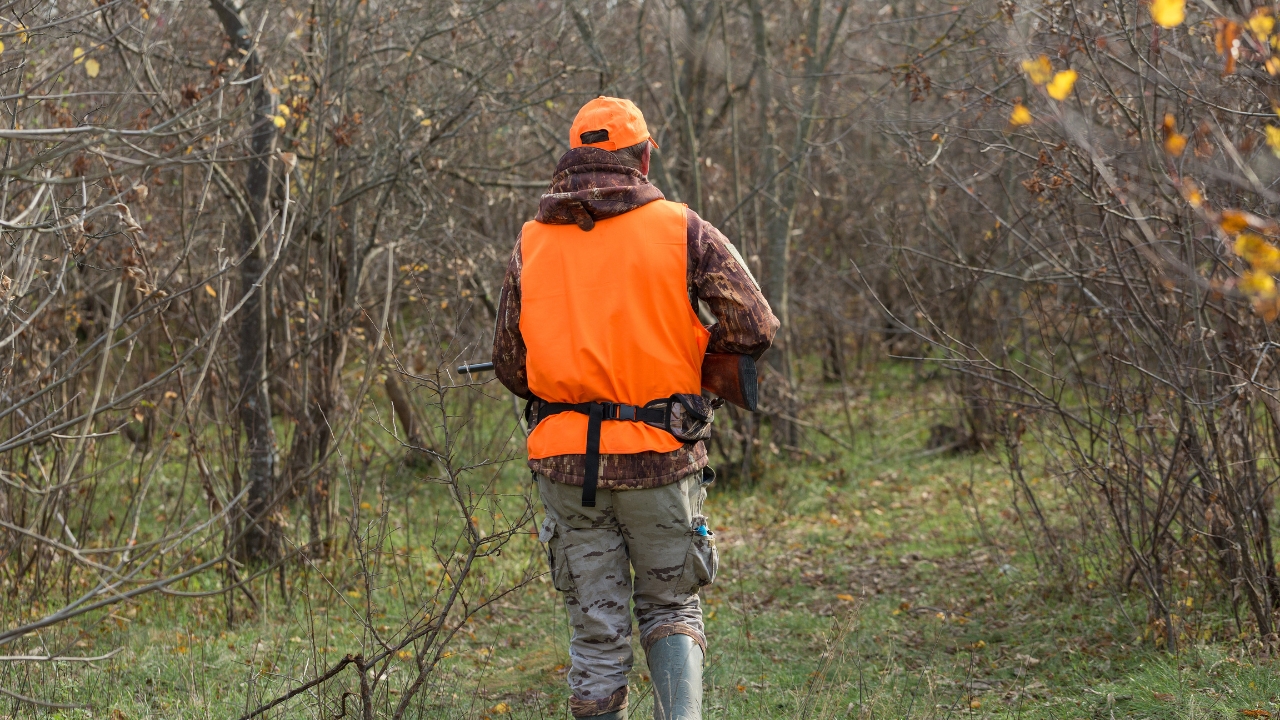
Once you are sure the immediate danger has passed, make yourself visible only if it is safe to do so. Blaze orange exists for this exact reason, but it is not magic. A hunter who already fired too close may not be paying enough attention to notice you standing up in a panic. If you can safely call out from cover, do it in a firm voice. Keep it simple. Something like, “Hunter over here!” gets the point across without starting a fight before you even know where the other person is.
Do Not March Toward the Shooter
Anger kicks in fast after a close shot. That is understandable. Nobody wants to feel like someone else’s carelessness almost got them hurt. But walking toward the shooter is a bad move, especially if you are not sure where the person is, what they are shooting at, or whether more shots could follow. In thick woods or on public land, you may also accidentally move into another shooting lane while trying to find the person who fired.
Back out if you need to. That may feel like letting the other guy win, but this is not about winning. It is about not getting shot. If you can safely leave the area, do it while staying visible, calm, and deliberate. Mark your location. Note the time. Pay attention to where the shot came from and what direction it seemed to travel. Those details are a lot more useful later than a screaming match in the timber.
Document the Details While They Are Fresh
After you are safe, write down what happened. Do it right then if you can. Time, location, direction of the shot, number of shots, what you heard, what you saw, and whether anything was hit nearby. If a tree, blind, vest, decoy, vehicle, or piece of gear was struck, take photos. If you heard voices, saw a vehicle, noticed a hunter’s clothing, or know the access point they likely used, write that down too.
This is where a lot of hunters get sloppy. They get mad, tell the story ten different ways at camp, then forget the details that would actually matter to a landowner, game warden, or deputy. Keep it factual. Do not exaggerate. “A shot hit the oak tree three feet from my blind at 7:42 a.m.” is stronger than “Some idiot almost killed me.” The second one may be how it felt. The first one is what someone can act on.
Report It When It Crosses the Line
Not every close shot is the same, but some need to be reported. If a bullet, slug, or pellets struck near you, hit your blind, hit your decoy, crossed a road, came from an unsafe direction, or involved someone shooting toward occupied land, houses, livestock, vehicles, or other hunters, that is not something to shrug off. Call the game warden, landowner, lease manager, or sheriff’s office depending on where you are and what happened.
On public land, unsafe shooting can become everyone’s problem fast. On private land, it may point to trespassing, poor boundary awareness, or a neighbor taking risky shots across a fence. Either way, reporting it creates a record. That matters if it happens again. A lot of dangerous hunters keep getting away with it because everyone complains at camp but nobody makes the call that puts the incident on record.
Do Not Turn It Into Social Media First
It is tempting to post about it immediately, especially if you are mad and want people to know what happened. But blasting the story online before you report it can muddy things up. You may share details you should have kept for law enforcement. You may accuse the wrong person. You may get people stirred up who were not there and do not know the land. Before long, the real issue gets buried under comments, guesses, and threats from people who have no part in it.
Handle the real-world problem first. Call the right people. Send photos to the landowner or lease manager. Give a clear report. Then, if you talk about it later, keep names, plates, and accusations out of it unless everything has been verified. A near miss is serious enough without turning it into a public circus.
Use the Incident to Recheck Your Own Setup
A close shot does not automatically mean you did anything wrong, but it should make you look hard at your setup. Are you visible enough? Are you too close to a property line, access trail, field edge, road, or common public-land route? Is your blind tucked so deep into shadows that someone walking in at gray light may not see you? Are you using enough orange during firearm season, even when sitting still?
None of that excuses a bad shot from another hunter. The shooter owns that responsibility. But smart hunters still control what they can. If there is a safer tree, a better-marked blind, a clearer approach route, or a way to avoid a crowded funnel, make the change. Staying alive matters more than proving you had the right to sit in a risky spot.
Talk to Other Hunters Without Making It Worse
If you do run into the person who fired the shot, keep your voice under control. That is hard, but it matters. Start with what happened, not what you think of him. “Your shot hit the tree beside my blind” is better than “You almost killed me, you idiot.” The first one may get a useful answer. The second one almost guarantees a fight.
If the person owns the mistake and it truly appears accidental, you still need to decide whether it should be reported. An apology does not erase a dangerous shot. If the person gets defensive, lies, threatens you, or refuses to listen, end the conversation and call the proper authority. You are not obligated to keep arguing with someone who already showed poor judgment with a firearm.
The Main Goal Is Getting Home Safe
A close shot can rattle even experienced hunters, and there is no shame in packing it up for the day. Some hunts are not worth finishing. If your head is not right, if you no longer trust the area, or if the other hunter is still nearby and acting careless, leave. There will be another morning, another sit, another deer, another season. There is no animal in the woods worth gambling your life over.
The right response is boring, but it works. Get safe. Stay visible. Document everything. Report it when it needs reporting. Do not escalate in the woods. Hunters spend a lot of time talking about gear, calibers, stands, and strategy, but the most important skill is still judgment. When a shot lands too close, judgment is what keeps a bad moment from turning into something nobody can take back.
Like The Avid Outdoorsman’s content? Subscribe to our newsletter so you never miss an article.
Here’s more from us: