Photo credit: Wirestock Creators/Shutterstock.com
Finding bait on land you hunt can make your stomach drop, especially when you know you did not put it there. A pile of corn, apples, mineral blocks, dumped feed, or anything else that was placed to pull deer into a spot can turn a normal hunting property into a problem fast. It does not matter if you own the land, lease it, or have permission to hunt it. If bait shows up where it should not be, you need to slow down and handle it carefully. The worst move is pretending it is no big deal. The second worst move is kicking it around, hunting over it anyway, and hoping nobody notices. Bait can create legal trouble, attract trespassers, mess with deer movement, and put your name in a situation you never started.
Do Not Hunt Over It
The first rule is simple: do not hunt over bait you did not place, especially if you are in a state or area where baiting is restricted or illegal. Even if you had nothing to do with it, being caught hunting near it can create a bad situation. “I didn’t know it was there” may be true, but it does not always get you out of trouble. Game wardens hear excuses all season long, and the facts on the ground matter.
Back out and document what you found. Take pictures from several angles, note the location, and mark it on a map. If you are on a lease, tell the lease manager or landowner immediately. If you own the land, consider calling the game warden before you touch anything. It may feel annoying to stop your hunt because somebody else dumped feed, but that is better than trying to explain why you were sitting 40 yards from a pile of corn.
Bait Can Be a Trespassing Clue
A random bait pile rarely shows up by accident. If you did not put it there and nobody with permission admits to it, there is a good chance somebody has been sneaking onto the property. That person may be trying to pattern deer, pull movement away from your stand sites, or set himself up for a shot when nobody else is around. Bait is often one piece of a bigger pattern.
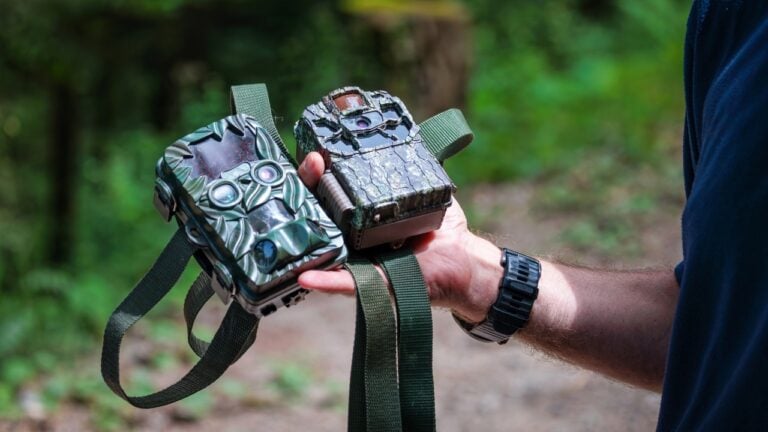
Look around without trampling everything. Check for boot tracks, ATV marks, cut fence, fresh limbs, flagging tape, camera straps, stands, blinds, or trails that were not there before. A bait pile may point you toward how someone is getting in and where they planned to hunt. This is where trail cameras on access points can be more useful than cameras over feeders. You need to know who is coming and going, not just what deer are eating.
It Can Put the Whole Property Under Scrutiny
If illegal bait is found on a property, it can draw attention to everyone hunting there. That is the part some hunters do not think about. One person’s bad decision can put a lease, family property, or hunting group under a microscope. A game warden does not always know who placed it. He sees bait, hunters, stands, trails, cameras, and access routes. Then everyone gets questions.
That is why you want a clean record from the start. If you find bait, report it to whoever needs to know before someone else finds it first. Send a text or email with photos so there is a timestamped record. Do not wait two weeks and hope it disappears. If the landowner, lease manager, or warden hears about it from you first, that looks a lot different than them finding it while you are hunting nearby.
Do Not Assume It Is Legal Just Because Baiting Happens Elsewhere
Baiting laws are all over the place. What is legal in one state, county, season, or property type may be illegal somewhere else. Some places allow baiting on private land but not public land. Some restrict mineral use. Some have disease-related bans tied to chronic wasting disease zones. Some allow feeding outside the season but not hunting over it. Some define baited areas in ways that can still matter after the bait is gone.
That is why “everybody does it” is a bad standard. Hunters get in trouble every year because they listened to camp talk instead of checking the actual rules. If you find bait and you are not completely sure what the law says in that exact area, stop and verify. Guessing wrong can cost you tags, fines, access, and a whole lot of trust.
Bait Can Change Deer Movement in a Bad Way
Even when baiting is legal, a surprise bait pile can still mess up the property. Deer may start shifting toward it, especially if the food source is consistent and placed near cover. That can make your normal stand locations go cold. It can also pull deer toward a boundary, road, neighboring property, or unsafe shooting direction. What looks like a simple pile of feed can quietly change the way deer use the place.
It can also concentrate deer in a way that is not great for the herd. Any time deer are regularly feeding nose-to-nose in one spot, disease concerns go up. That matters even more in areas dealing with CWD, mange, or other wildlife health problems. A hunter who dumps bait without permission is not thinking about the long-term condition of the property. He is thinking about getting deer in front of him.
Handle the Cleanup Carefully
If you are allowed to remove it, do it right. Do not just kick corn into the leaves and call it good. Depending on your local rules, an area may still be considered baited for a period of time after the bait is removed. You need to know what that period is before anyone hunts nearby. Take photos before and after cleanup, note the date, and keep that documentation.
If a warden is involved, ask what they want done before removing anything. They may want to see it first. If the landowner handles the cleanup, make sure everyone who hunts the property knows that area is off-limits until it is legally clean again. Nothing about this needs to be casual. Treat it like a real issue from the start, because that is exactly what it is.
Tighten Up Access After You Find It
Once bait shows up, assume someone had a way in. That means it is time to check gates, fences, signs, cameras, parking areas, trails, and old logging roads. A bait pile may be the first obvious clue, but the access problem probably started earlier. Look for the weak point and fix it. Better locks, fresh posted signs, cameras on entrances, and clear permission rules can save you from dealing with the same thing all season.
If you lease the land, bring it up with the group. Everyone needs to know who is allowed on the property and whether guests are permitted. Loose rules create perfect cover for trespassers and sloppy hunters. If nobody knows who belongs there, nobody knows who does not. That is how bait, stands, blinds, and cameras start appearing without anyone taking responsibility.
Do Not Let Someone Else’s Bad Decision Become Yours
Finding bait on your land is frustrating because it puts you in a mess you did not ask for. But your response still matters. If you ignore it, hunt over it, move it without thinking, or wait too long to say something, you can end up looking involved even if you were not. That is not worth it.
The clean move is to stop hunting that area, document everything, notify the landowner or lease manager, and call the game warden if the situation calls for it. Then tighten up access and keep records. Bait may look like a pile of feed on the ground, but it can point to trespassing, illegal hunting, property disputes, and deer movement problems. Treat it seriously early, and you have a much better chance of keeping the season from turning into a headache.
Like The Avid Outdoorsman’s content? Subscribe to our newsletter so you never miss an article.
Here’s more from us: