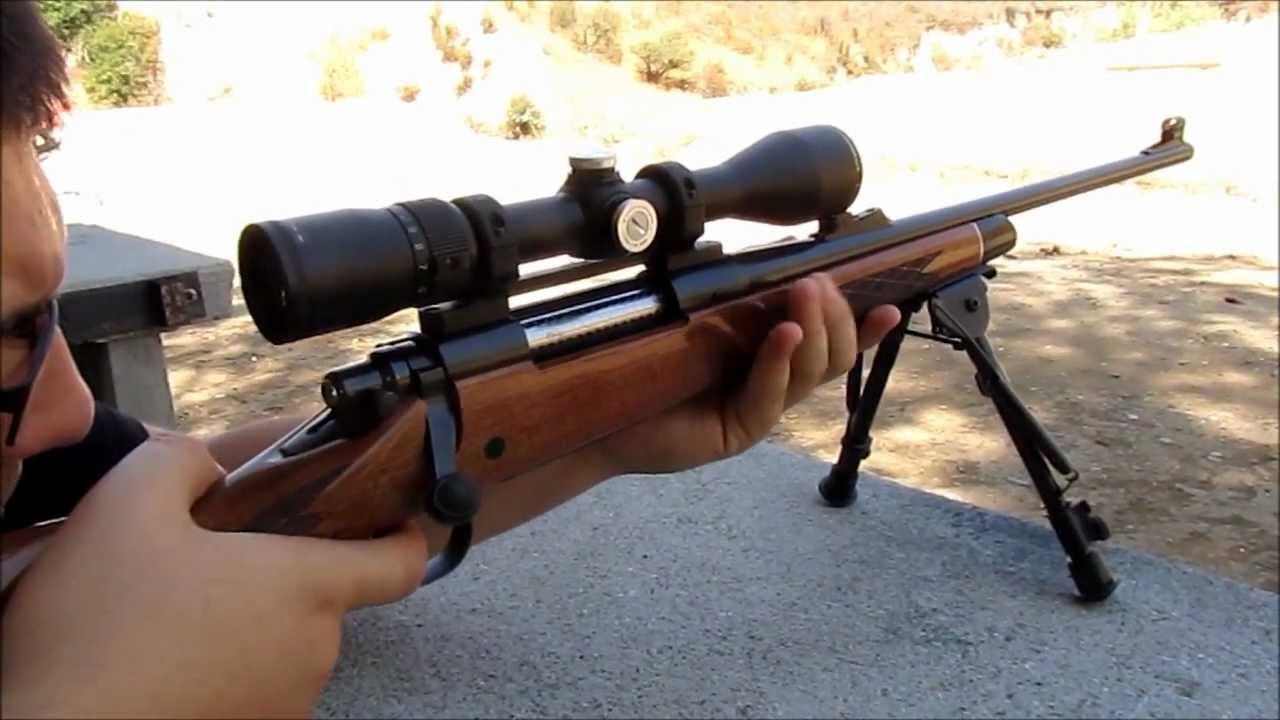
Photo credit: MikeandKyle SoCalGunBros/YouTube
Some guns get famous because the marketing was loud. Others get respected because they spent years in the field, on the range, in bad weather, in truck cabs, and in the hands of people who do not care about hype nearly as much as they care about results. Those are the guns that earn their name the hard way. Not with launch buzz, but with repetition, trust, and the slow kind of proof that only comes from real use.
That is what this list is built around. These are guns that did not need a sales pitch to stay relevant. They earned their standing through hunts, hard miles, rough conditions, and the kind of ownership that exposes weak gear fast. Here are 15 guns that built their reputation the old-fashioned way.
Winchester Model 70

The Model 70 earned its reputation because hunters kept taking it into real country and coming back trusting it more, not less. It handled well, carried like a proper field rifle, and built a following with people who actually used rifles instead of just comparing them on paper. That sort of approval is a lot harder to fake than ad copy.
What made the Model 70 stick was that it kept feeling right where it counted. It was the rifle people reached for when weather turned ugly and the shot mattered. Long before rifle forums and trend cycles, it had already built a reputation that came from seasons, not slogans.
Remington 700
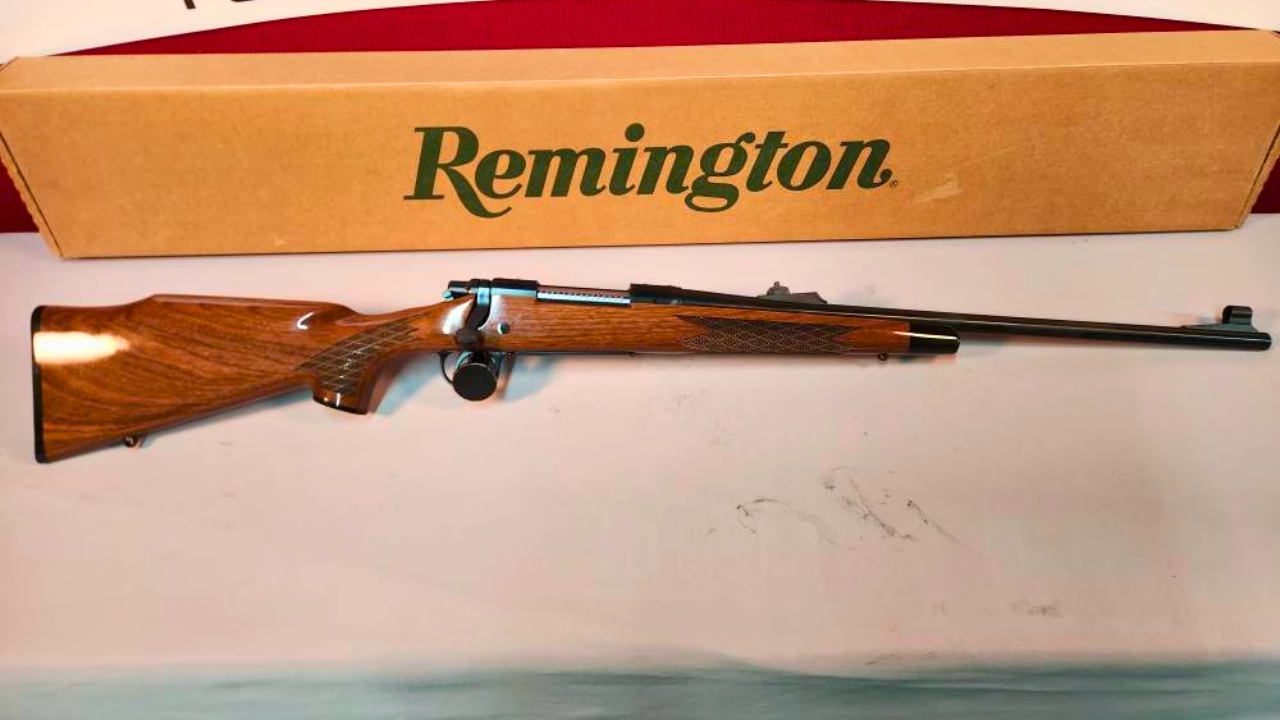
The 700 earned its standing because it simply got everywhere and kept working. Hunting camps, police rifles, military sniper use, target ranges, and ordinary deer stands all helped build the reputation. For years, it was the rifle people bought because it shot well, made sense, and gave them very little reason to second-guess the choice.
That broad trust is what gave it weight. Whatever anyone thinks about later brand issues, the rifle’s reputation was built through a long run of actual performance. It became a standard because enough people used it hard enough to know what it would do.
Ruger 10/22

The 10/22 earned its place the hard way by becoming one of the most-used rifles in America. It taught people to shoot, rode in truck cabs, handled pests, got dragged to ranges, and survived enough rough ownership that nobody had to wonder whether it belonged. It became part of normal shooting life.
That is why the reputation stuck. It was not some prestige rifle. It was the one that kept proving useful to beginners and experienced shooters alike. The 10/22 earned respect through sheer repetition and staying power, and that kind of reputation lasts.
Marlin 336

The 336 built its name in deer woods, not display cases. It earned trust with hunters who wanted a rifle that came up quickly, carried easily, and hit hard enough where real shots happened. That sort of field approval matters more than any sales pitch because it comes from people who have no patience for equipment that wastes time.
Over the years, the 336 became the rifle a lot of hunters knew by feel. It earned its standing by being there season after season and doing exactly what it was supposed to do. That kind of consistency is what built the reputation.
Browning BAR
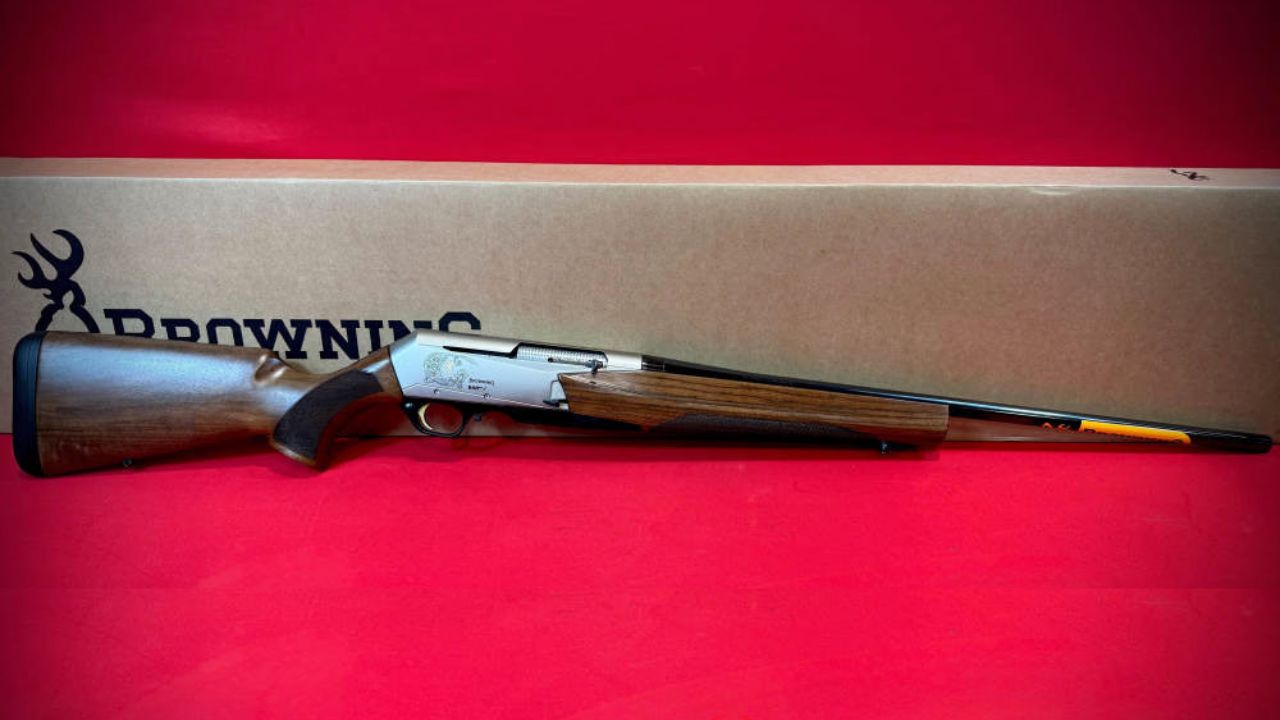
The BAR earned its respect because it proved semiauto hunting rifles could be more than novelties. It got taken into the field by people who wanted fast follow-up shots without giving up the serious feel of a real hunting rifle, and it kept performing well enough to stay in that role for a long time.
That matters because hunters are not kind to rifles that do not pull their weight. The BAR stayed respected because it kept showing it belonged in the woods, not just on paper. Its reputation came from actual hunting use, not just from being a different idea.
Winchester Model 94

The Model 94 earned its reputation through sheer time in the field. It rode in scabbards, sat behind truck seats, leaned in corners of deer camps, and put venison in freezers for generations. That is not romance. That is repetition, and repetition is where real reputations come from.
What made the 94 last was how well it fit real hunting. It was handy, quick, and honest. It did not need to be the flattest or loudest rifle in the woods. It just needed to keep working, and it did that long enough to become part of American rifle culture.
Savage 99

The Savage 99 earned its reputation because it gave hunters something smarter than many people first realized. It offered lever-gun handling with stronger cartridge options and enough field sense that owners kept trusting it year after year. It was not always the loudest rifle in the room, but it made people loyal the old way.
That loyalty came from use. Hunters carried it, shot game with it, and kept discovering that the rifle had more substance than its quieter reputation suggested. That is how the 99 earned its standing. It won people over in the field.
CZ 527

The 527 earned its reputation because it kept making shooters feel like they had found a real rifle, not a budget compromise or a mass-market blur. It handled beautifully, shot honestly, and built trust with the kind of owners who notice details because they actually spend time in the field and on the range.
That is what gave it weight. The 527 was not carried by hype. It was carried by the people who used it and kept realizing how much they liked it. A rifle that grows on experienced owners like that is earning its reputation the right way.
Tikka T3x
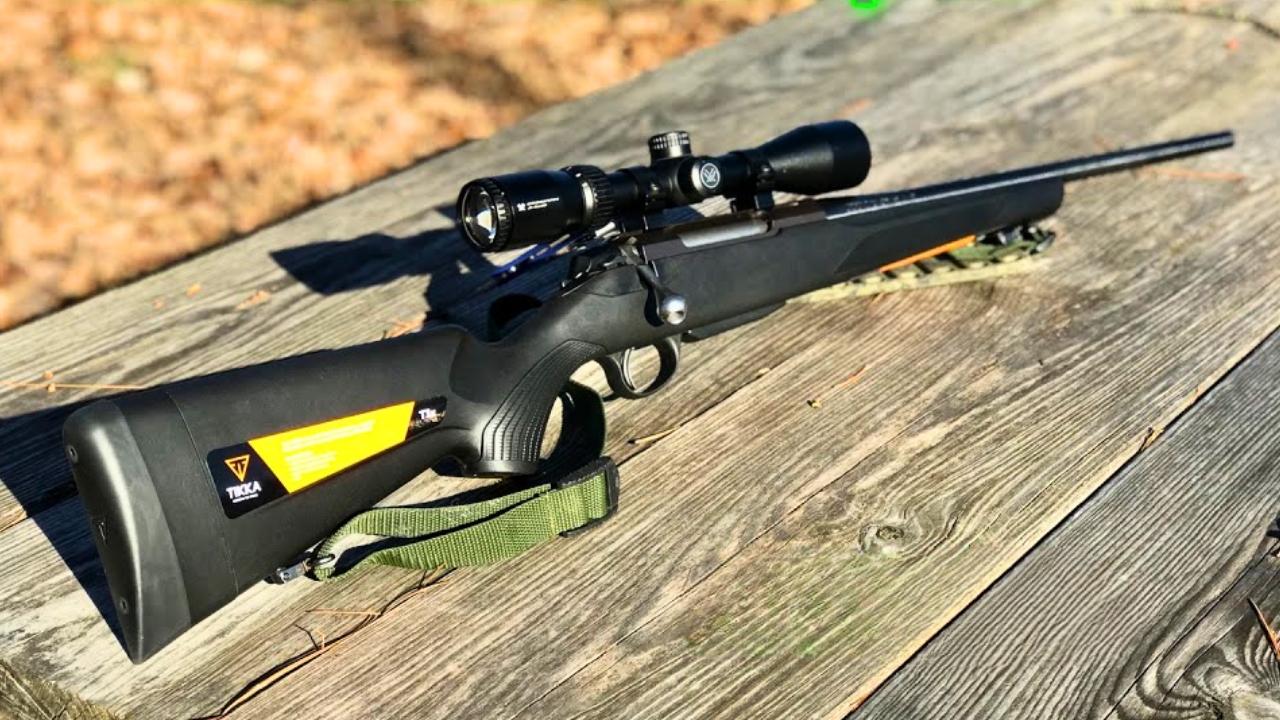
The T3x earned its reputation because people bought it, hunted with it, and came away feeling like it had done exactly what they hoped a modern hunting rifle should do. Smooth action, strong accuracy, and very little nonsense gave it the kind of real-world approval that matters more than flashy branding.
It built that reputation fast, but not cheaply. Shooters and hunters trusted it because it kept producing in practical use. That is what separates a real reputation from a temporary trend. The Tikka kept delivering after the first impression wore off.
Ruger American

The Ruger American earned its reputation through real value. A lot of buyers went in skeptical, then started seeing honest accuracy and practical field usefulness for money that did not usually buy much rifle. That kind of surprise alone is not enough to build a reputation. Repeating it across thousands of owners is.
That is what happened here. The rifle kept showing it could do the work, and enough people found that out firsthand that the reputation stopped being about low price and started being about real performance. That is a hard-earned kind of respect.
Mossberg 500

The 500 earned its place through broad, practical use. Hunting, home defense, range work, truck use, bad weather, rough treatment, and years of getting handed to the next person without much fuss all helped build the reputation. It became one of those firearms people trusted because it kept surviving real ownership.
That matters because shotguns get judged harshly in practice. They either work in rough conditions or they do not. The 500 built its standing by staying useful across a wide spread of real roles, and that is exactly how hard-earned reputations grow.
Remington 870 Wingmaster

The Wingmaster earned its reputation because people felt the quality immediately and then saw that the performance held up over time. Smooth action, field reliability, and long-term durability made it the sort of shotgun people respected more with use, not less. That is a very strong sign.
Its reputation came from years of honest shooting. It was not just a pretty shotgun. It was the kind of gun people kept hunting with and handing down because it had already proved itself in real conditions. That is the hard way.
HK USP
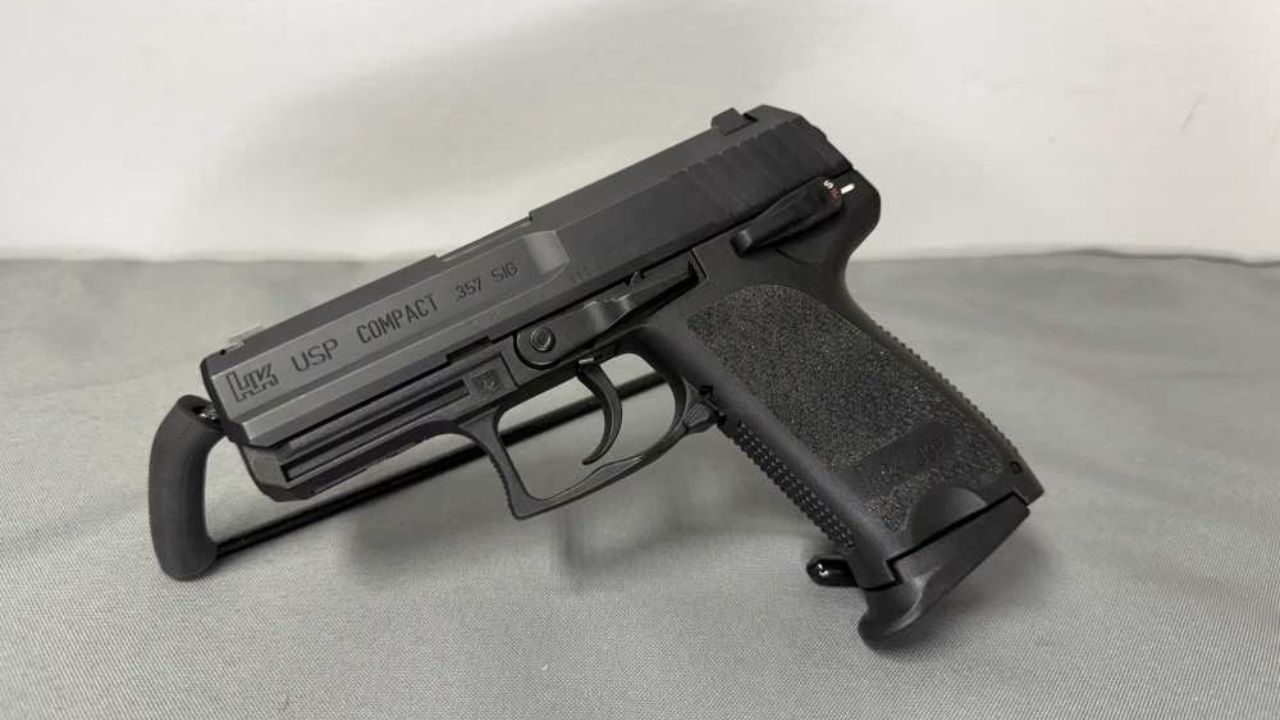
The USP earned its standing through a very simple pattern: people used it hard and it kept acting like it could take more. That is the sort of thing shooters remember. It did not need to be fashionable. It needed to keep running, keep handling real use, and keep inspiring confidence once the newness wore off.
That is exactly what built the reputation. The USP became one of those pistols people trusted because it had already survived enough real-world abuse and duty use to make doubt feel unnecessary. That kind of trust is earned, not announced.
SIG Sauer P226
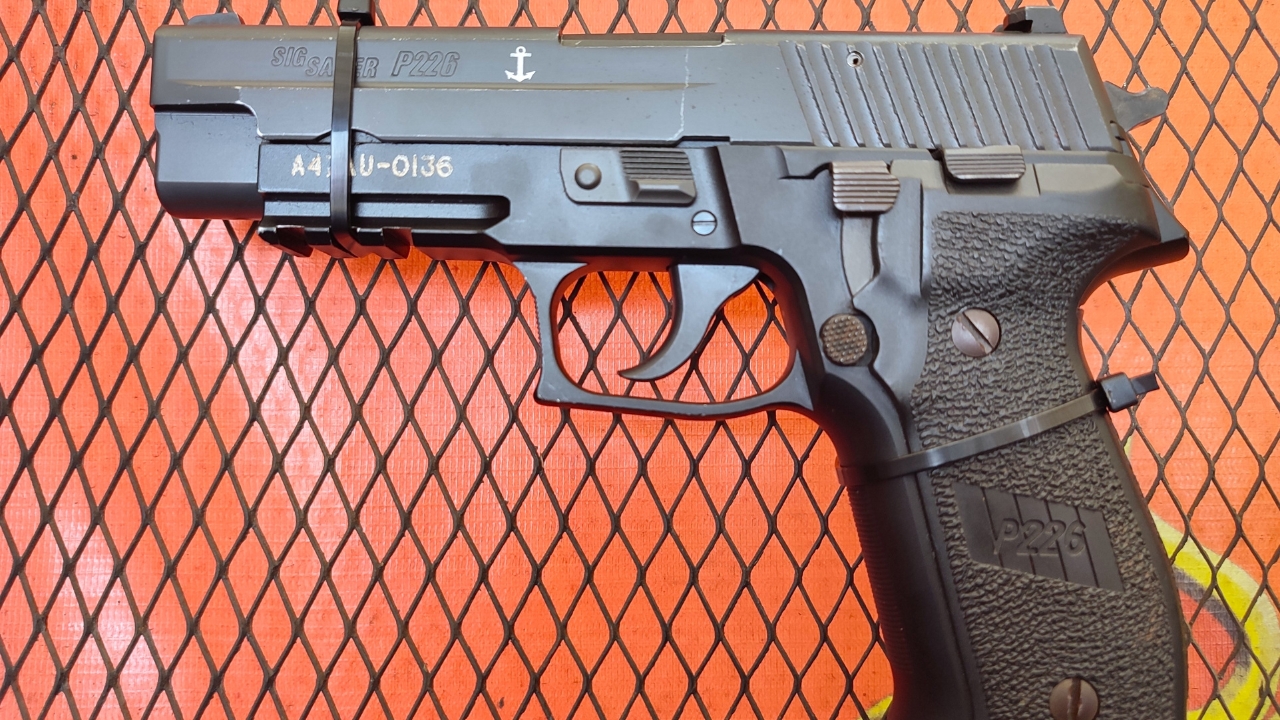
The P226 earned its reputation because it kept proving itself as a serious service pistol in the hands of people who actually depended on service pistols. It felt substantial, shot well, and built a deep reserve of trust through duty use, training, and plain old range time. That is how lasting handgun reputations are made.
It stayed respected because it remained believable. Even after newer designs showed up, the P226 still felt like a gun with real depth behind it. That comes from years of use, not just a strong first impression.
Smith & Wesson Model 10

The Model 10 earned its place the hard way because it spent years doing real service work. It was carried, qualified with, depended on, and shot by people who needed a handgun that worked more than they needed one that felt exciting. That kind of duty history builds trust that is hard to match.
It also earned it by staying easy to shoot well. Balance, controllability, and straightforward practicality made it a revolver that kept proving itself in real hands. That is not glamour. That is hard-earned respect.
M1 Garand
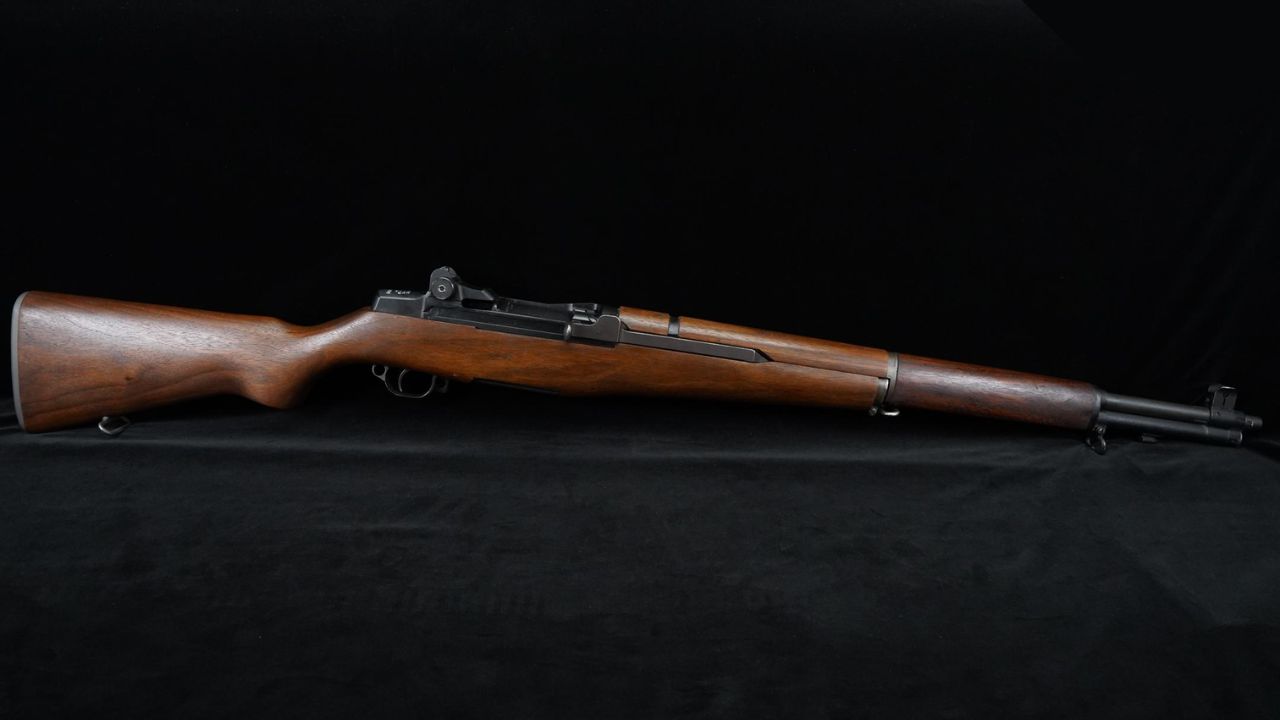
The Garand earned its reputation in one of the hardest ways a rifle can: through war, service, and decades of shooters continuing to trust and admire it afterward. It was not protected by hype. It was judged under pressure and survived that judgment with its reputation intact.
That kind of legacy is not accidental. The Garand stayed respected because it had already proved itself where proof mattered most. Later generations kept reinforcing that respect on ranges and in collections, but the foundation was built the hard way from the start.
Like The Avid Outdoorsman’s content? Subscribe to our newsletter so you never miss an article.
Here’s more from us: