Photo credit: NRApubs/Youtube
Hunters don’t trust rifles because of a clean catalog photo. They trust them because they’ve seen them work when it mattered. Cold mornings, rushed shots, soaked boots, frozen fingers, bad roads, and seasons where everything depends on one clean hit have a way of sorting out what’s real.
A proven hunting rifle doesn’t have to be fancy. It needs to feed right, shoot straight, hold zero, and feel familiar when the moment finally comes. These rifles earned trust because hunters have already watched them do the job.
Winchester Model 70 Super Grade

The Winchester Model 70 Super Grade has the kind of reputation that comes from decades of hunters respecting the Model 70 action. The Super Grade version adds nicer wood, better finish, and a more refined feel, but underneath the pretty exterior is still a serious hunting rifle. It’s not just a rifle made to look good in the safe.
Hunters trust it because it has real Model 70 bones. The three-position safety, controlled-round-feed design on the classic-style versions, and solid field handling give it credibility beyond looks. It carries a little more pride than a plain synthetic rifle, but it still belongs in deer camps and elk country. A good Super Grade reminds you that a rifle can be handsome and still have work to do.
Remington Model 7

The Remington Model 7 earned trust from hunters who wanted a compact bolt-action that didn’t feel oversized in tight country. It was especially popular with younger hunters, smaller-framed hunters, and anyone moving through brush, blinds, or timber where a long rifle gets annoying fast. Short, handy rifles prove themselves pretty quickly when you actually have to carry them.
The Model 7 works because it keeps the familiar Remington bolt-action feel in a smaller package. In cartridges like 7mm-08 Remington, .243 Winchester, and .308 Winchester, it has enough reach and power for plenty of deer hunting without becoming awkward. It can be lively with heavier recoil chamberings, but in the right setup, it’s one of those rifles hunters hang onto because it simply fits the way they hunt.
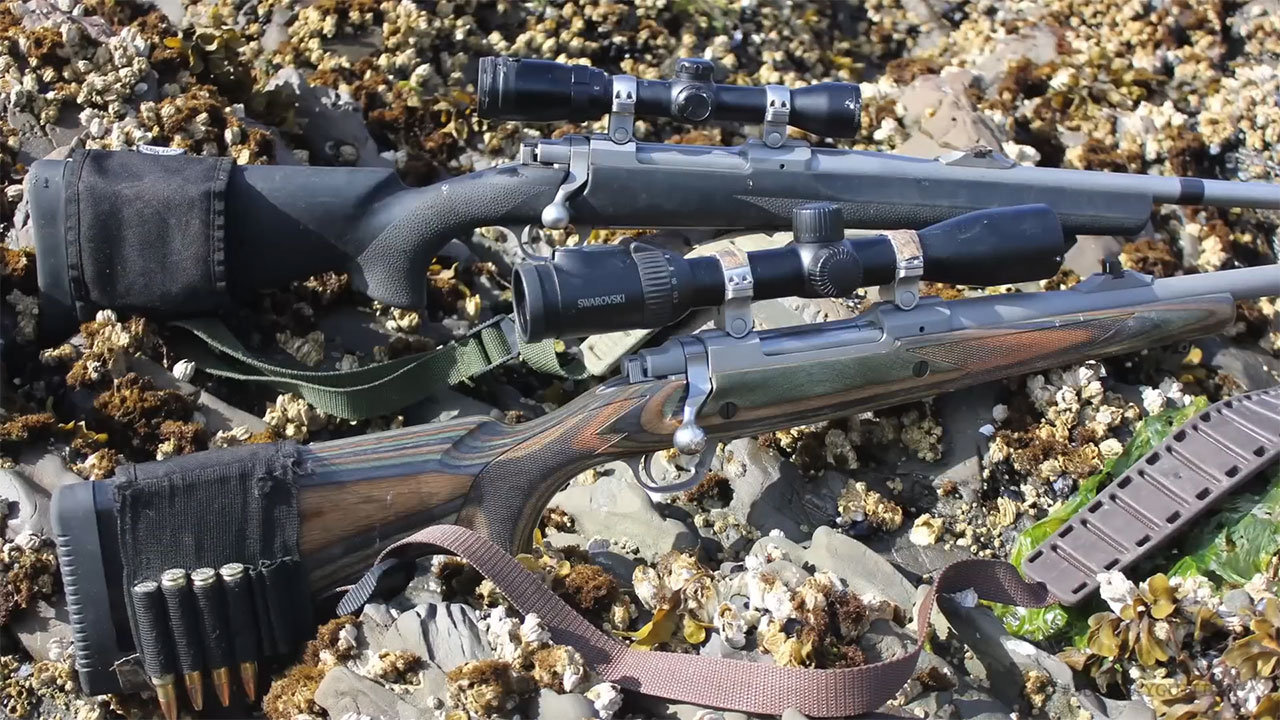
Ruger Guide Gun
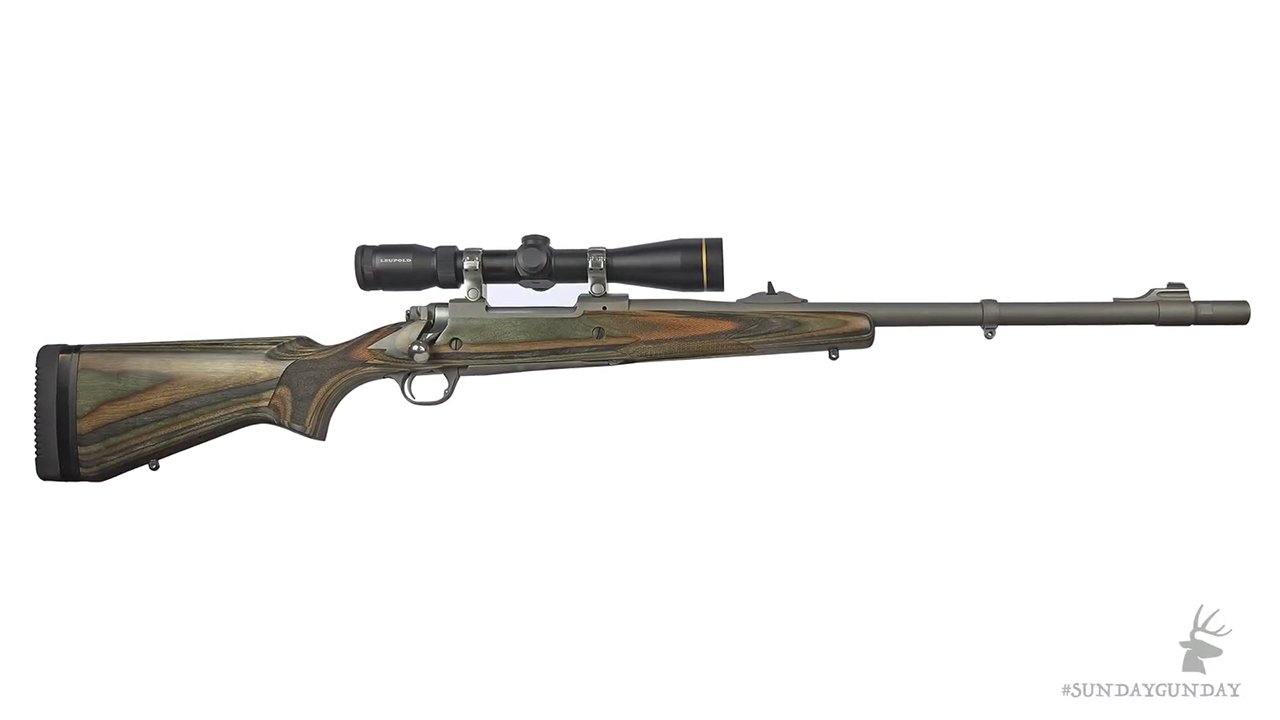
The Ruger Guide Gun is built for hunters who don’t want to baby their rifle. It’s stainless, rugged, and chambered in serious cartridges meant for big animals and rough country. This is not a delicate rifle for gentle range days. It’s a rifle made for weather, hard knocks, and situations where confidence matters.
Hunters trust it because everything about it feels purposeful. The controlled-round-feed action, sturdy stock, iron sights on many models, and practical muzzle system give it a strong field identity. In chamberings like .375 Ruger or .338 Winchester Magnum, it has the authority needed for larger game. It’s not light, but that weight helps when recoil shows up. For serious hunts, solid can matter more than sleek.
Browning X-Bolt Hell’s Canyon Speed
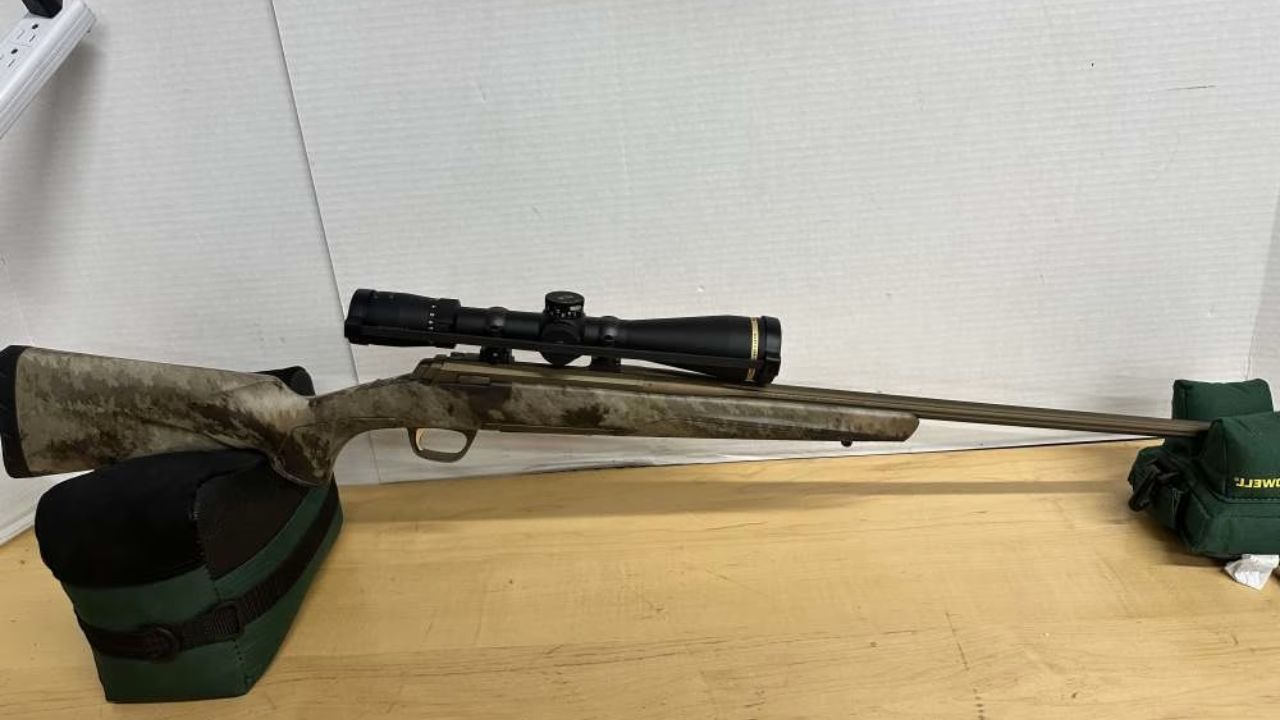
The Browning X-Bolt Hell’s Canyon Speed earned trust by giving hunters a lighter, weather-ready rifle that still shoots well. It has the kind of modern features hunters actually use: a durable finish, fluted barrel, good trigger, smooth bolt lift, and a stock that doesn’t make you nervous in rough weather.
This rifle became popular because it handles real hunting conditions without feeling cheap. It carries well in open country, mountain terrain, and long walks where weight matters. The accuracy reputation is strong, and the X-Bolt safety and magazine system are practical in the field. Some modern rifles look like feature lists first and hunting rifles second. The Hell’s Canyon Speed proved itself because those features actually help.
Sako A7
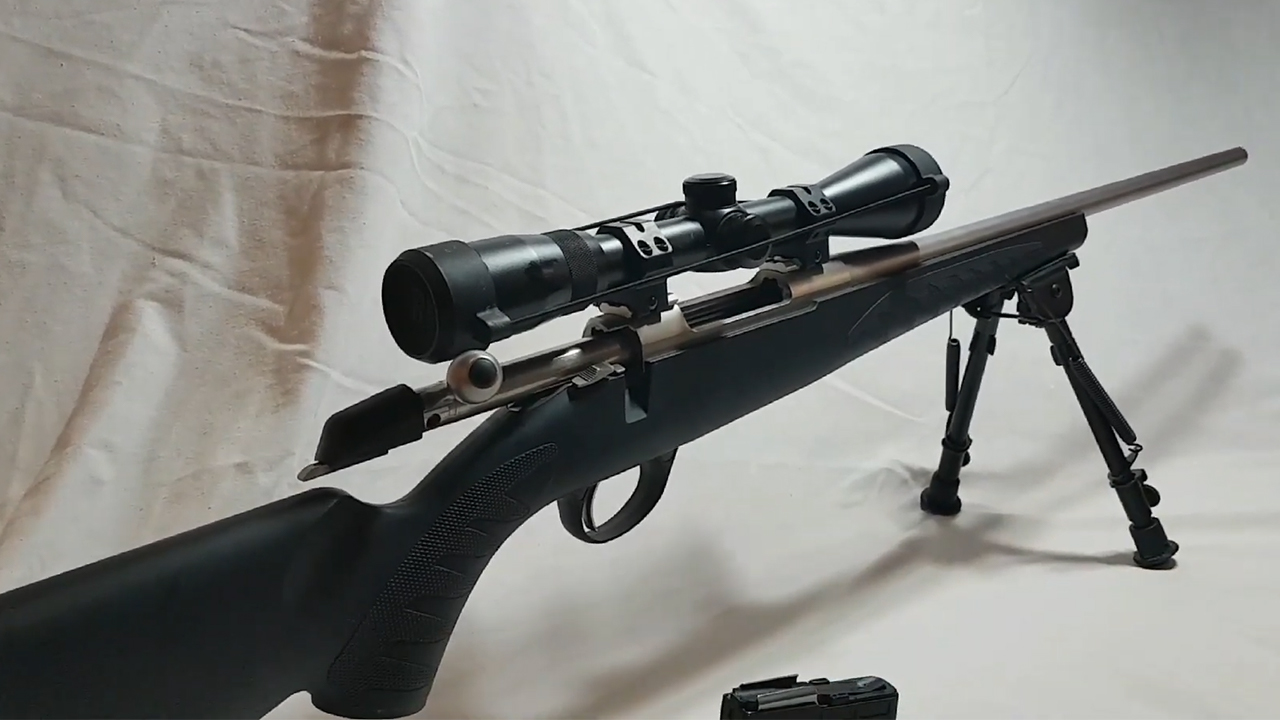
The Sako A7 didn’t always get the same attention as higher-end Sako rifles, but hunters who used them learned to trust them. It brought some of Sako’s smoothness and accuracy reputation into a more accessible hunting rifle. That made it appealing for people who wanted better-than-basic performance without paying premium Sako money.
The A7’s appeal is that it feels like a practical field rifle with quality where it counts. The bolt is smooth, the trigger is good, and many rifles shoot extremely well. It doesn’t have the old-world charm of some older Sakos, but it has the performance hunters care about. After a few seasons of consistent groups and clean kills, the A7 becomes easy to trust.
Savage 10/110 Storm
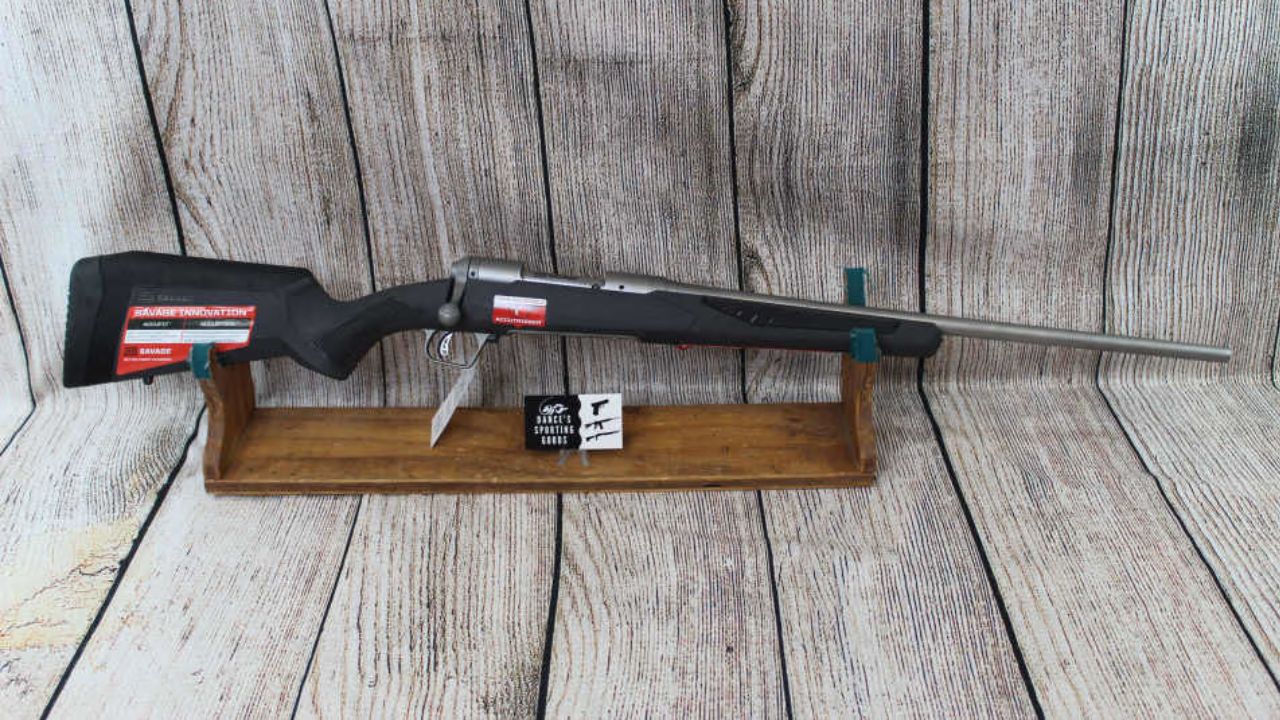
The Savage 10/110 Storm has earned trust from hunters who care more about accuracy and weather resistance than fancy styling. Savage rifles have long had a reputation for shooting well, and the Storm adds stainless construction and synthetic-stock practicality to that formula.
Hunters trust it because it’s the kind of rifle you can take out when the forecast looks ugly. The AccuTrigger helps real shooters get better results, and the action has enough proven history behind it to inspire confidence. It may not have the smoothest feel in the rifle world, and it won’t win a beauty contest, but it puts rounds where they need to go. In the field, that matters a whole lot more.
Weatherby Vanguard Back Country
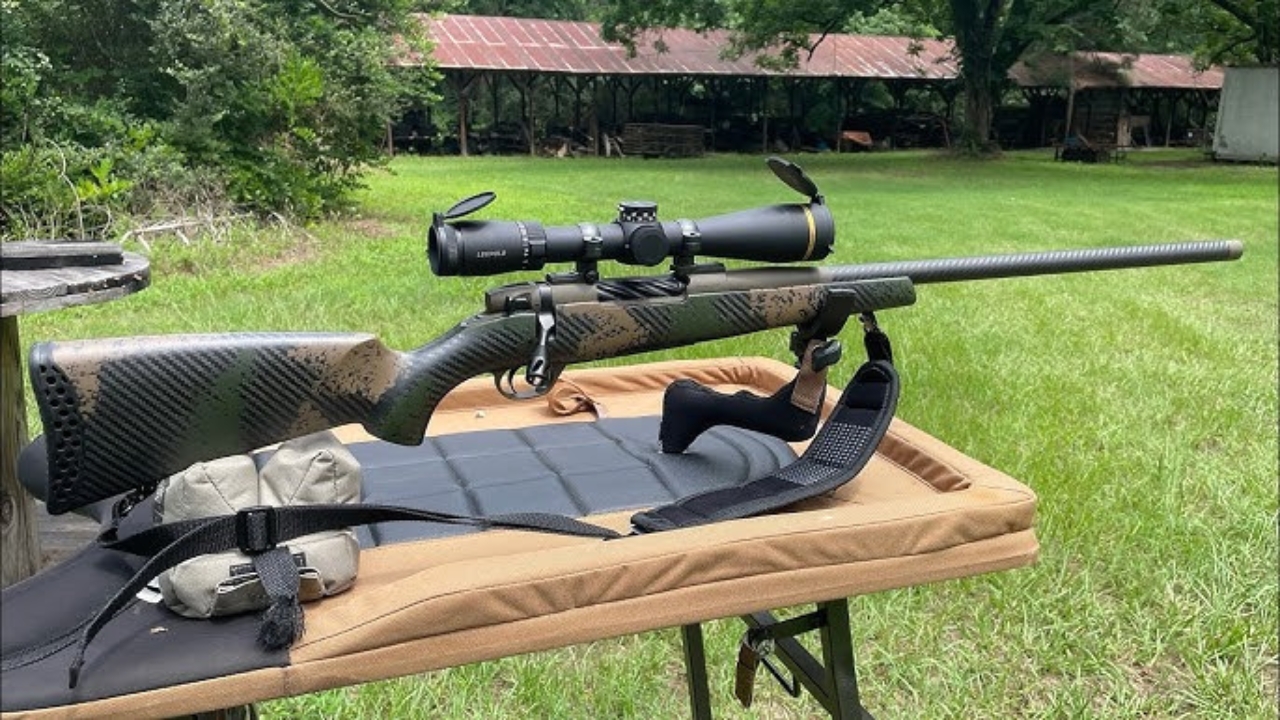
The Weatherby Vanguard Back Country gave hunters a lighter, more mountain-friendly rifle without losing the basic Vanguard dependability. Weatherby’s Vanguard line has always had a reputation for value and accuracy, and this version leaned harder into hunters who needed to carry their rifle farther.
It earned trust because it brought together manageable weight, good accuracy, and solid construction. It’s not as flashy as a Mark V, but it has the kind of practical performance that makes sense after long days in steep country. Hunters who don’t need Weatherby’s most expensive rifle still appreciate a Vanguard that shoots well and carries better than the heavier versions. It proves a rifle doesn’t have to be top-shelf to be dependable.
Tikka T3x Superlite

The Tikka T3x Superlite built its reputation with hunters who wanted less weight without giving up accuracy. A lightweight rifle is only useful if it still shoots well, and Tikka has earned a strong following because so many of its rifles do exactly that. The Superlite just makes that package easier to carry.
Hunters trust it because the action is smooth, the trigger is clean, and the rifle tends to shoot factory ammunition better than many expect. It’s not heavy enough to hide bad shooting form, especially in stronger chamberings, but that’s true of most light rifles. For mountain hunts, long walks, and any place where every pound matters, the T3x Superlite has already proven why hunters keep recommending it.
CZ 557

The CZ 557 had the tough job of following CZ’s controlled-round-feed rifles, and not everyone knew what to make of it at first. It used a push-feed action, which turned off some traditionalists. But hunters who judged it on performance often found a smooth, accurate, well-built rifle that deserved more credit.
The 557 earned trust by being a solid hunting rifle without a lot of drama. The action feels clean, the trigger is good, and the rifles often shoot well. It doesn’t have the Mauser-style identity of the CZ 550, but it still carries that CZ seriousness. For deer, hogs, and general big-game hunting, a good 557 gives hunters plenty of confidence. Sometimes proving yourself means overcoming expectations.
Kimber Hunter
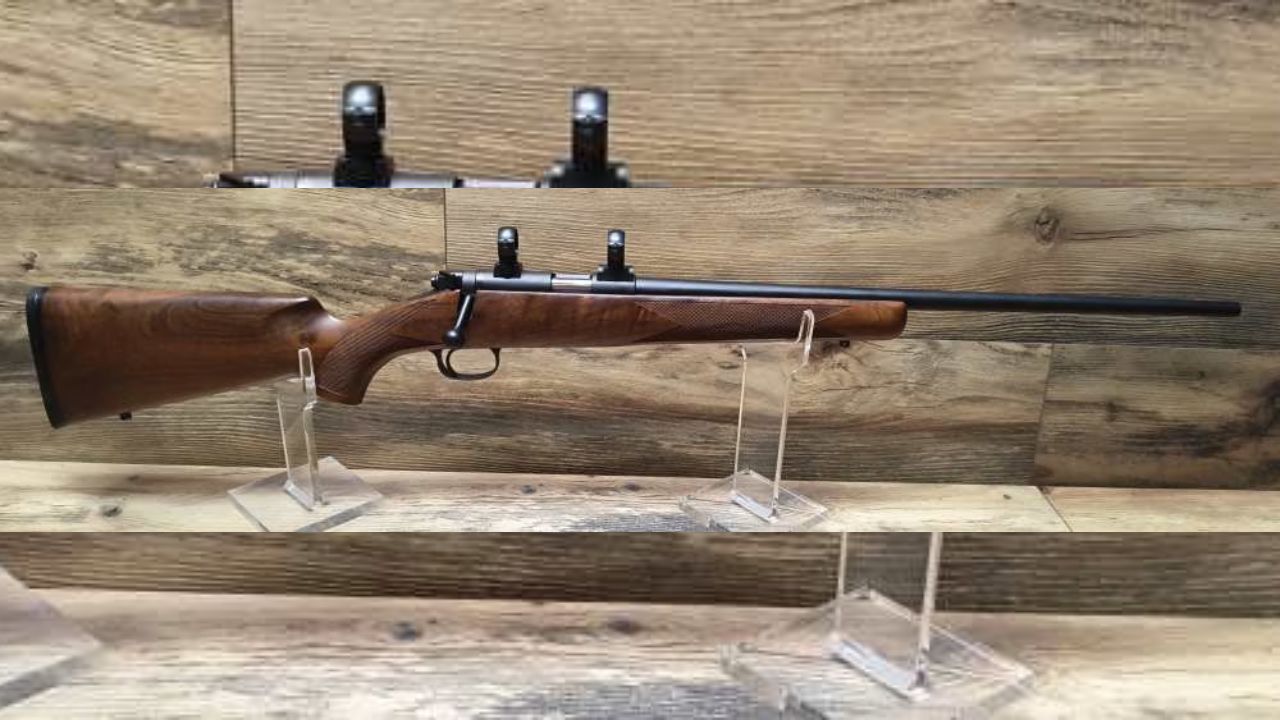
The Kimber Hunter brought Kimber’s lightweight rifle concept into a more affordable synthetic-stocked package. It didn’t have the classic look of the wood-stocked 84M, but it gave hunters a trim controlled-round-feed rifle that carried easily and shot well when matched with the right load.
Hunters trust it because it does what a light hunting rifle should do. It rides easy over long distances, comes up quickly, and has enough rifle feel to make it useful in the field. Like many lightweight rifles, it rewards a steady shooter and punishes sloppy bench habits. But in actual hunting country, the Kimber Hunter makes sense. It proved that a serious lightweight rifle doesn’t have to wear fancy walnut to earn its keep.
Mauser M18
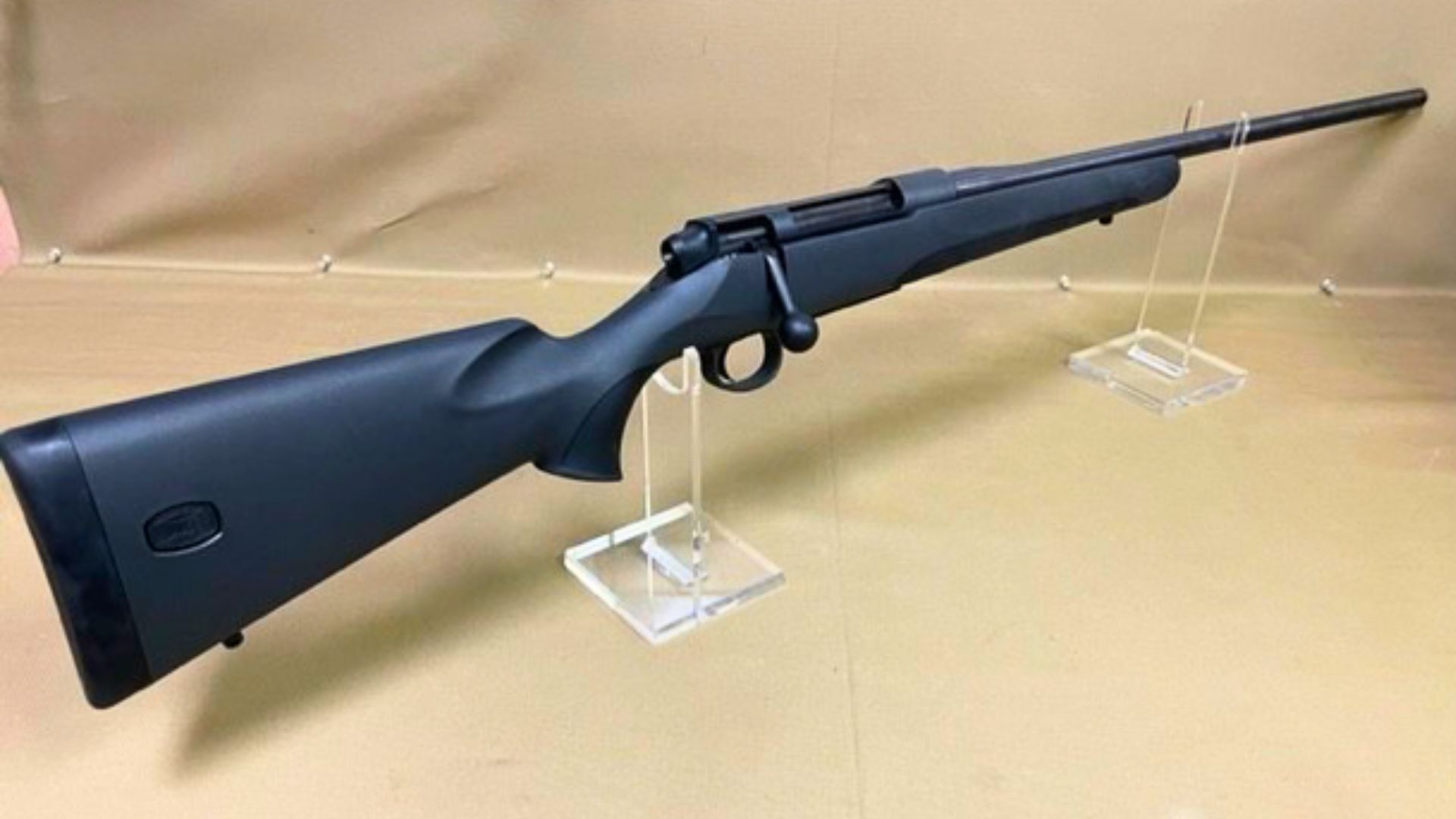
The Mauser M18 arrived as a more affordable modern hunting rifle from a legendary name, and some hunters wondered if it would feel like a real Mauser or just a brand exercise. Over time, the M18 earned trust by being accurate, practical, and straightforward in the field.
It’s not a classic Mauser 98, and it doesn’t pretend to be. The M18 is a modern push-feed hunting rifle with a good trigger, solid stock design, and a reputation for dependable accuracy. It’s built for hunters who want performance without museum-grade pricing. After enough successful seasons, a rifle like this stops being judged against old legends and starts being trusted for what it does now.
Bergara B-14 Ridge

The Bergara B-14 Ridge earned trust by giving hunters strong barrel quality and practical features in a rifle that still feels reachable. Bergara’s reputation for accurate barrels helped get people interested, but the rifles had to prove themselves in the field. The Ridge did that.
The threaded barrel, solid stock, smooth action, and reliable accuracy make it useful for modern hunters who may want a suppressor-ready setup without building a custom rifle. It has enough weight to shoot well but isn’t so heavy that it becomes a burden for normal hunting. Hunters trust it because it bridges the gap between factory rifle and custom feel better than many options in its price range.
Winchester Model 88

The Winchester Model 88 is an older rifle, but it earned trust by giving hunters lever-action speed with more modern cartridge options. Its rotating bolt and detachable magazine allowed it to handle pointed bullets, which made it more versatile than traditional tube-fed lever guns.
Hunters trusted the Model 88 because it worked well in the kind of country where fast handling matters but shots may stretch beyond typical .30-30 distances. Chamberings like .308 Winchester and .243 Winchester gave it real hunting reach. It has its quirks, and it’s not as common as it once was, but the concept still makes sense. A good Model 88 feels like a rifle that solved a real problem before the market fully appreciated it.
Remington 700 Sendero

The Remington 700 Sendero earned trust with hunters and long-range shooters who wanted a heavier rifle built for steadier shooting. It was not designed to be the easiest rifle to carry all day in steep country. It was built to sit solid, shoot accurately, and handle longer shots with confidence.
For open-country hunting, senderos, bean fields, power lines, and western setups, the Sendero made sense. The heavy barrel helped with consistency, and the Model 700 action gave it huge support from the aftermarket. It’s more rifle than many hunters need, but for the ones who use it in the right terrain, it has proven itself many times. Sometimes trust comes from weight, stability, and repeatable accuracy.
Henry Long Ranger
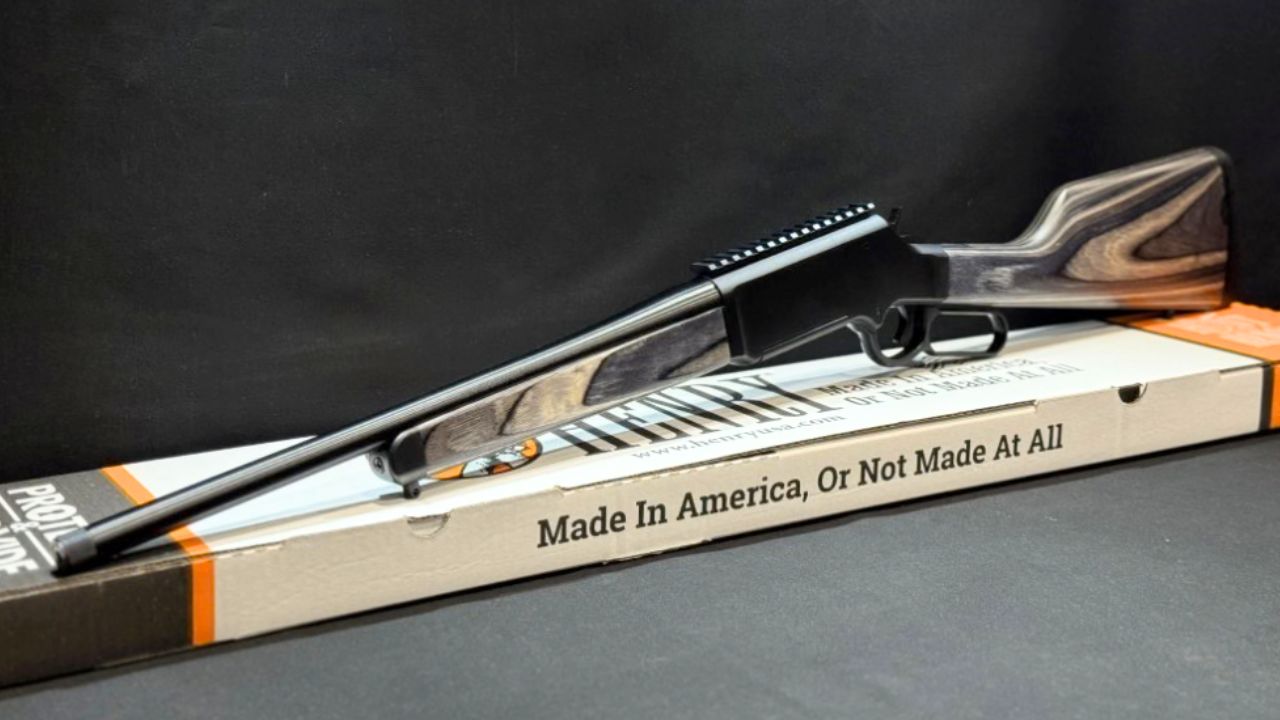
The Henry Long Ranger earned trust by giving lever-action fans a more modern hunting option. Unlike traditional pistol-caliber or .30-30 lever guns, the Long Ranger uses a geared action and detachable magazine to handle cartridges like .243 Winchester, .308 Winchester, and 6.5 Creedmoor. That gives it more reach while keeping a lever-gun feel.
Hunters trust it because it fills a useful middle ground. It’s quicker and more familiar for lever-action shooters than a bolt gun, but it offers better ballistic options than classic tube-fed designs. The Long Ranger isn’t trying to replace every hunting rifle. It gives a certain kind of hunter exactly what they wanted: a lever gun that can stretch farther. That kind of clear purpose is how a rifle earns a real reputation.
Like The Avid Outdoorsman’s content? Subscribe to our newsletter so you never miss an article.
Here’s more from us: