Photo credit: Sikaohkii/YouTube
A lot of firearms get missed because they spend too long feeling ordinary. They are not always flashy, they are not always the gun everyone is talking about, and they often sit in that dangerous category of “I’ll grab one later.” That is how people talk themselves into regret. A rifle or pistol can stay affordable long enough that buyers start treating low prices like a permanent feature instead of a temporary condition.
Then the market shifts and all that easy confidence disappears. Imports dry up, production ends, collector interest wakes up, or regular shooters simply start realizing the gun was better than they gave it credit for. That is when a firearm people once treated like a casual future buy starts wearing a price tag that feels a lot less friendly. These are the guns plenty of people assumed would stay cheap for years until reality proved otherwise.
Smith & Wesson 3913

The 3913 used to sit in that quiet zone where a gun is respected without ever feeling urgent. It was slim, useful, and built in a way that serious shooters appreciated, but it never seemed like the pistol people needed to rush toward. A lot of buyers figured those older single-stack Smith autos would just keep floating around forever for sensible money, especially since newer carry guns were getting all the attention.
That assumption did not age well. Once people started looking back at compact metal-frame carry pistols with more appreciation, the 3913 suddenly looked a lot smarter than it had when it was easy to find. Then the clean examples started drying up. What once felt like a plain old practical carry gun became the kind of pistol buyers started hunting down after they realized “cheap for years” was never a guarantee.
Browning Hi-Power

For a long time, the Hi-Power was one of those classic pistols people admired without acting like they needed to own one right now. It had history, sure, but it also felt stable, familiar, and easy to find compared to hotter collector pieces. That made a lot of buyers careless. They assumed a solid old Browning 9mm would stay affordable longer than it actually did because it had already been around forever.
Then production ended, buyer interest sharpened, and the old “I’ll get one eventually” crowd started running into a much different market. Suddenly, condition mattered more, Belgian examples got looked at harder, and prices stopped feeling casual. The Hi-Power is one of the best examples of a gun people respected just enough to delay buying until delay turned into an expensive mistake.
Remington 1100
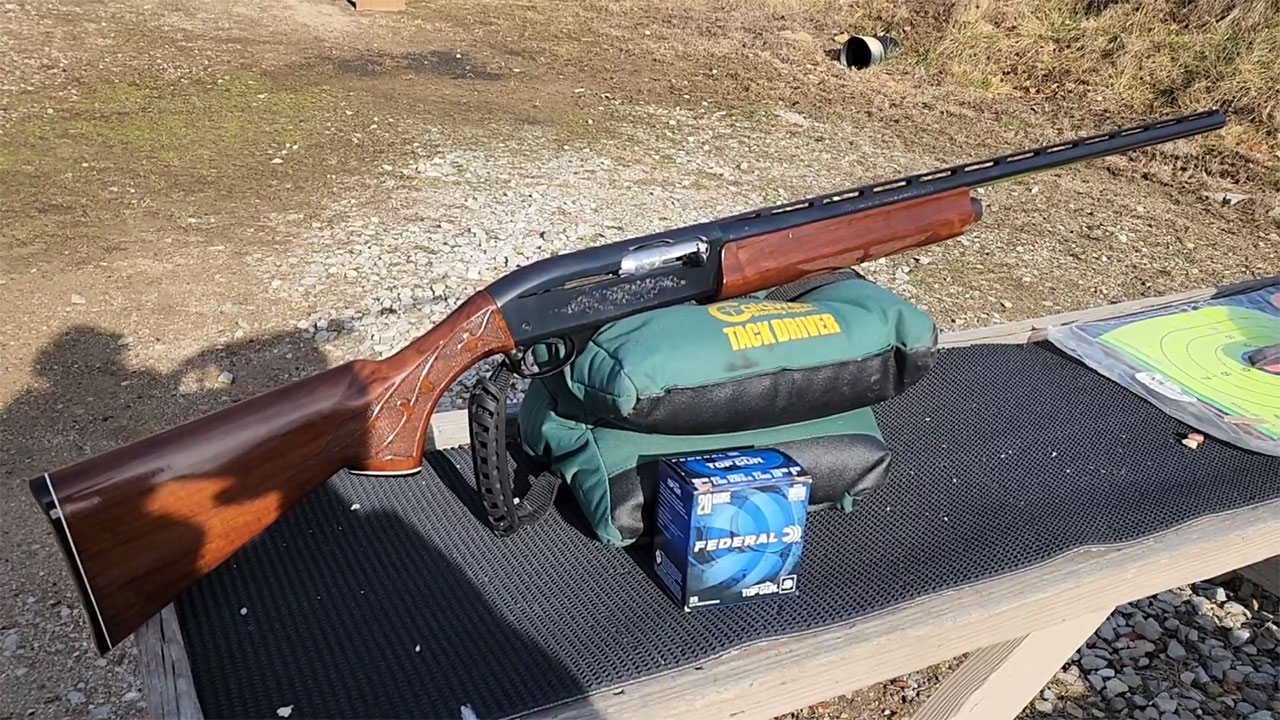
The Remington 1100 felt too common for too long to scare anybody into action. It was an everyday shotgun in a lot of hunting circles, and that familiarity made buyers assume good ones would always be around at fair prices. If a person wanted one later, surely another would turn up. That mindset followed the 1100 for years because it had become such a normal part of American shotgun culture.
Then the market stopped behaving so casually. Older, cleaner guns began separating themselves from later rougher examples in buyers’ minds, and people started appreciating what the 1100 had been all along: a smooth, proven autoloader from a better-finished era. Once that shift happened, the idea that these would stay cheap indefinitely started looking pretty naive. Common shotguns can still get expensive once people stop taking them for granted.
Norinco MAK-90

The MAK-90 used to be exactly the kind of rifle buyers treated like an always-later purchase. It was practical, durable, and widely seen as the AK you could settle for if you were not chasing something fancier. That reputation kept prices friendlier for a while because people thought of it as the affordable option that would always be sitting there if they changed their mind down the road.
That easy confidence disappeared once imports were no longer part of a relaxed ongoing flow and shooters started reassessing what those rifles actually were. The same gun people once called a compromise suddenly looked like a smart buy from a closed chapter. Then prices responded. A lot of buyers learned too late that “cheap import” is often just another way of saying “expensive later” if the supply ever stops replenishing.
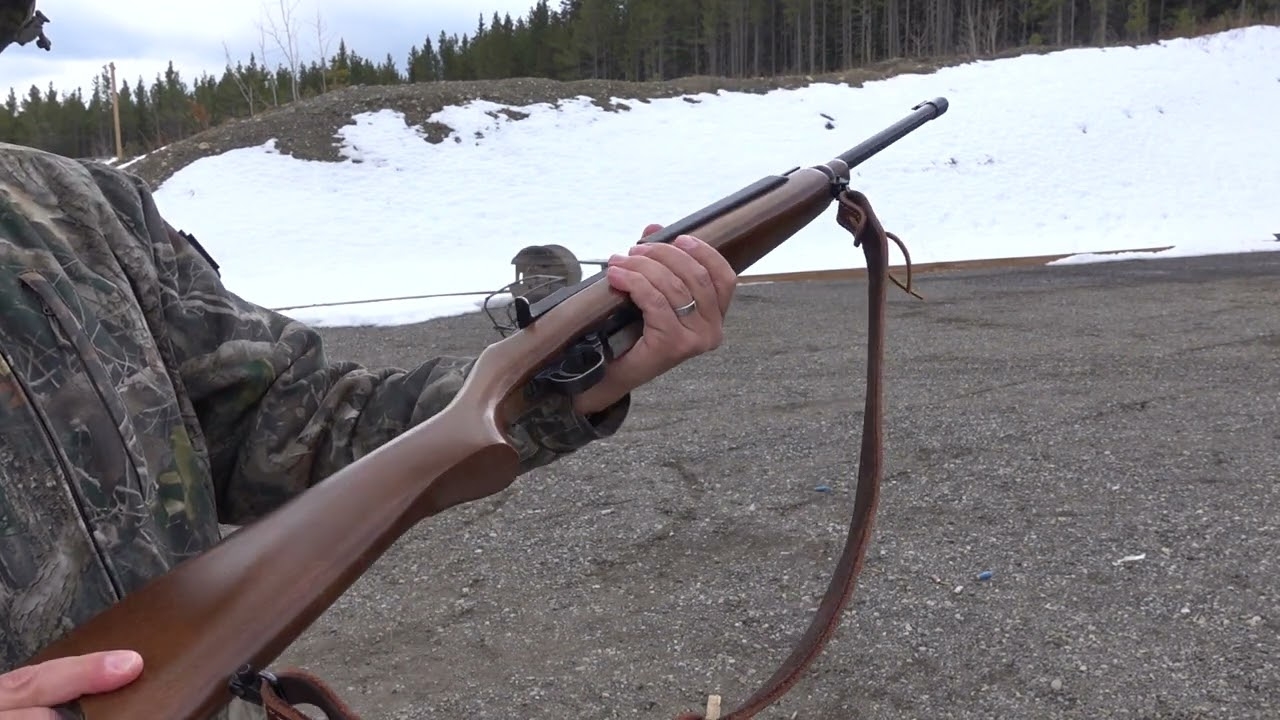
Winchester 9422

The 9422 spent years as a nice lever-action rimfire people liked without treating as urgent. That is exactly the kind of gun the market punishes slow buyers on. It did not feel rare enough to chase hard and did not look dramatic enough to trigger panic buying, so a lot of people kept it filed away as something they would add eventually when the timing felt right.
Then eventually got more expensive. Clean 9422s stopped feeling so casual to find, buyers started valuing good rimfire lever guns more seriously, and the rifle’s Winchester name started carrying more weight in the market than many had accounted for. It had always been a well-made, appealing rifle. The mistake was thinking a good Winchester .22 would somehow stay cheap just because it had been easy to overlook for a while.
SIG Sauer P239
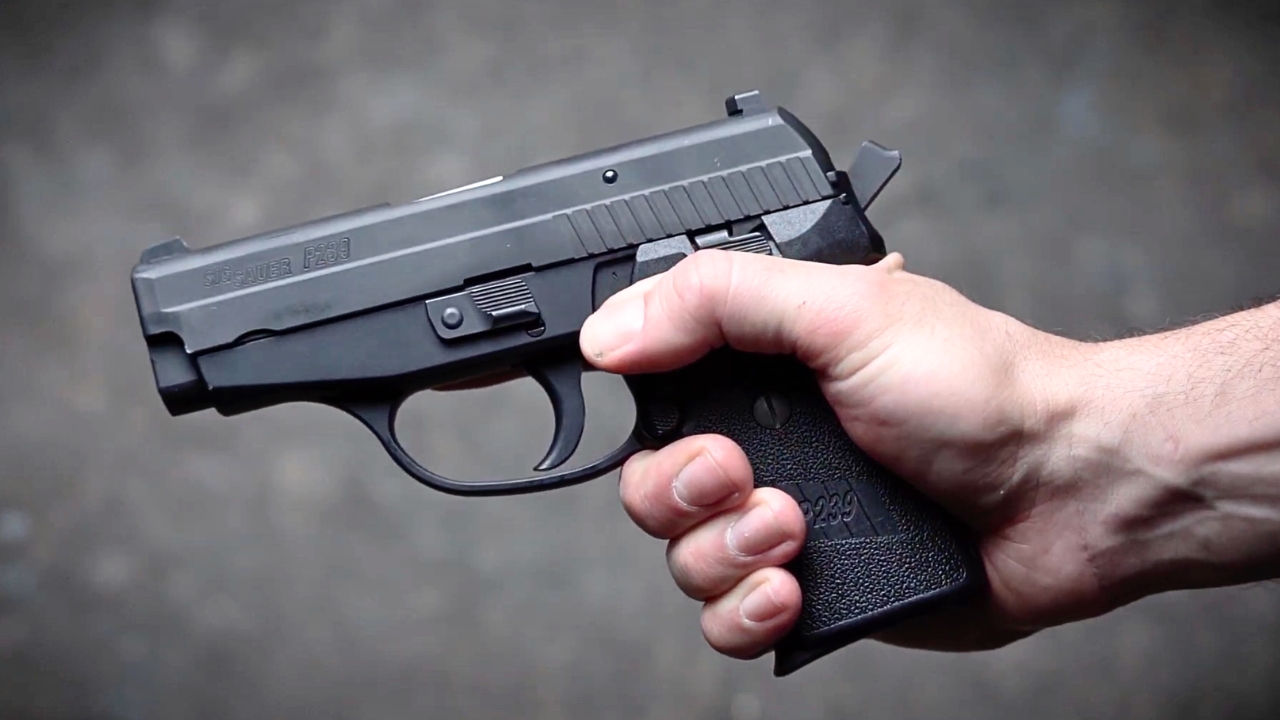
The P239 lived for years in that strange middle ground where a pistol is well liked but rarely treated like a must-buy. It was slim, dependable, and easy to shoot, but it did not dominate any one category enough to create urgency. That made it easy for buyers to assume they could always find one later if they ever wanted a classic single-stack SIG for carry or range use.
Then the supply picture changed and so did the tone. The P239 started looking better in hindsight than it did in the moment, especially once shooters got tired of some of the thinner, sharper, less substantial carry trends that followed. People who treated it like a gun that would stay affordable indefinitely found out that dependable older SIGs do not need much market pressure before prices start climbing into more serious territory.
Marlin 1895

There was a time when buyers looked at the Marlin 1895 as a lever gun they could always circle back to. It had a loyal following, but it did not always feel like the kind of rifle that required immediate action. Plenty of people told themselves they would buy one later when they were more in the mood for a big-bore lever action or when they had extra money to spend on something fun.
Then the usual trap snapped shut. Production disruptions, brand uncertainty, and renewed interest in lever guns pushed the 1895 into a much hotter market than many expected. Suddenly the old working rifle people kept putting off looked like the rifle they should have bought when it was still sitting there for human money. Lever guns have a habit of doing that once the market wakes up.
Colt Mustang Pocketlite

The Mustang Pocketlite spent a long time being just niche enough to stay off most panic-buy lists. Buyers liked it, but many still treated it like the little Colt they could always pick up later if they ever wanted a compact single-action carry pistol. That thinking made sense only as long as the market stayed indifferent, and markets rarely stay indifferent forever where smaller Colts are concerned.
Once older carry pistols and compact Colts started drawing more interest, the Pocketlite stopped looking like a casual side purchase. It became one of those guns people suddenly realized had more charm, more usefulness, and less available supply than they had accounted for. What was once “I can always get one later” turned into “why is that little pistol suddenly priced like people finally noticed it?”
CZ 97 B

The CZ 97 B never felt like a gun most buyers had to hurry up and own. It was big, steel-framed, and chambered in .45 ACP during years when plenty of shoppers were leaning lighter, smaller, and more modern. That helped keep it out of the urgent-buy conversation for a long time. People respected it, but often in a lazy way that assumed the gun would remain affordable whenever they got around to caring.
That changed once the pistol was no longer just sitting around in easy numbers. Shooters started appreciating the gun for what it had always been: a substantial, accurate, old-school .45 with real personality in a sea of plastic sameness. By the time more buyers caught on, the cheap years were already behind it. That is how sleeper pistols usually work. They do not stay sleepers once enough people finally handle one.
Remington 7600

The 7600 was the sort of rifle many buyers never imagined would become a price conversation. It was a practical pump deer rifle, familiar in certain regions and easy to underestimate outside them. A lot of hunters saw it as an always-available utility gun, not the kind of firearm anyone needed to buy before the window closed. That relaxed attitude helped keep urgency out of the market for years.
Then availability stopped feeling so automatic. Hunters who grew up seeing 7600s around began noticing that finding the right one in good condition was not quite as simple as memory suggested. Once that happens, prices follow. The 7600 did not need to become glamorous to become more expensive. It only needed people to stop assuming that practical regional hunting rifles stay cheap forever just because they used to feel ordinary.
Beretta 84FS Cheetah

The Beretta 84FS spent years as one of those pistols buyers liked without really prioritizing. It was classy, soft-shooting, and full of personality, but many people still treated it like a fun extra rather than a serious purchase. That kept it from being chased hard for a while. In a market focused on bigger calibers and newer carry guns, the little Beretta seemed easy to leave for later.
Then the market started missing guns with exactly that kind of feel. Compact metal pistols with real style, good ergonomics, and proven quality stopped seeming so casual once buyers realized they were not being replaced by anything quite the same. The 84FS suddenly looked a lot less optional, and the “cheap for years” assumption fell apart. It turns out charming older Berettas get expensive the minute people stop shrugging at them.
Smith & Wesson 4506
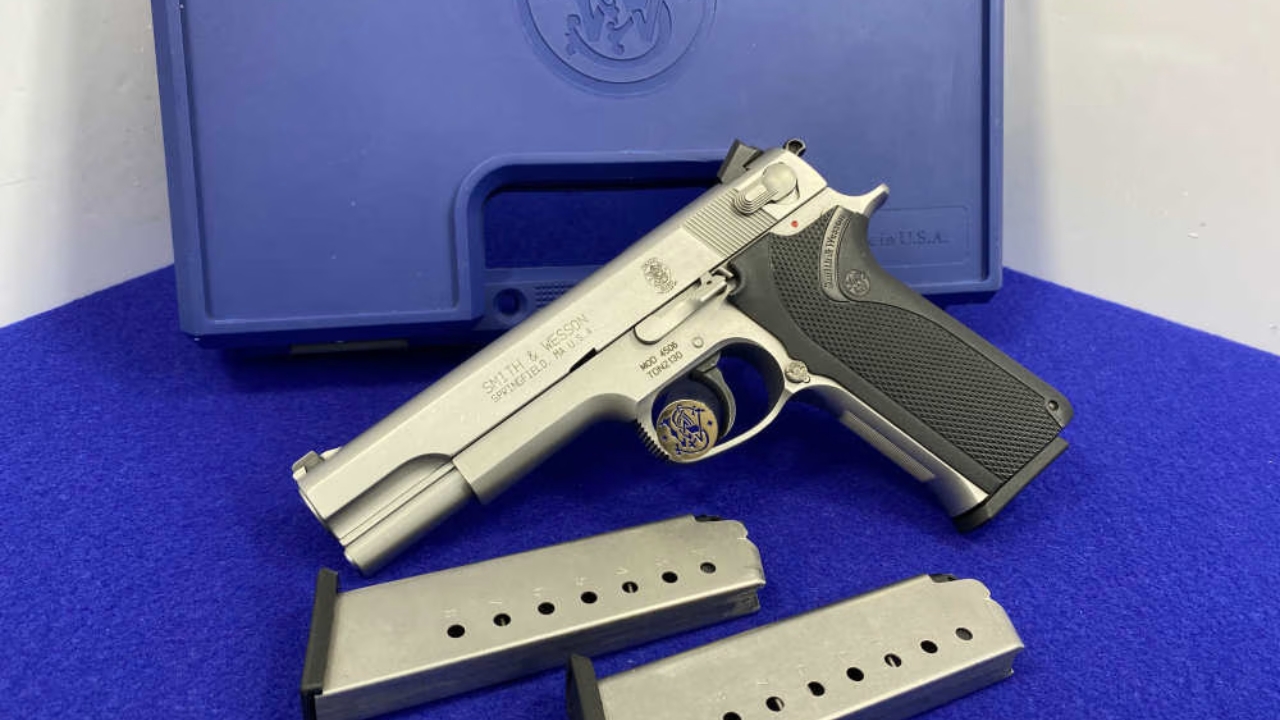
For a long time, the 4506 looked like a big old service pistol nobody needed to rush toward. It was heavy, stainless, and built like a machine from another era, which made it easy for buyers to respect without getting especially excited. A lot of people figured pistols like that would always be sitting around in used cases for fair prices because they felt too big and too old-fashioned to create much urgency.
Then the market started looking back at those third-generation Smiths with more respect. Buyers realized they were seeing fewer clean examples and that no modern replacement really captured the same feel. The 4506 suddenly started looking less like a leftover duty gun and more like a serious piece of older American pistol making. Once that happened, staying cheap was no longer part of the story.
Ruger Deerfield Carbine

The Deerfield Carbine was never the hottest rifle in the room, which is exactly why so many people assumed it would remain affordable. It was a niche Ruger with a specific appeal, and buyers often treated it like the kind of oddball rifle they could always come back for later if the mood struck. That is often the most dangerous category in the market: useful enough to matter, but quiet enough to delay.
Eventually, people started realizing the supply was not nearly as loose as their memory suggested. The gun’s handy feel and unique place in the hunting-rifle world became more attractive once it was no longer easy to replace. That is how prices move on overlooked Rugers. They stay tame for a long time because the excitement is quiet, then suddenly buyers notice the quiet stuff has become scarce.
Winchester Model 88

The Model 88 sat in that same dangerous zone for years. It was respected, yes, but often as a practical old deer rifle rather than a gun people needed to chase right away. Plenty of buyers admired one, nodded, and kept walking because it did not feel like a rifle that would punish hesitation. It seemed too familiar and too grounded to ever become a real price surprise.
Then buyers started revisiting older Winchester sporting rifles with sharper eyes, and the Model 88’s unique design began standing out more than it used to. Cleaner examples in desirable chamberings stopped feeling casual, and the prices followed that new awareness. A rifle people once treated as the “later” Winchester became the kind of rifle they wished they had bought before later started charging collector prices.
Ruger Red Label
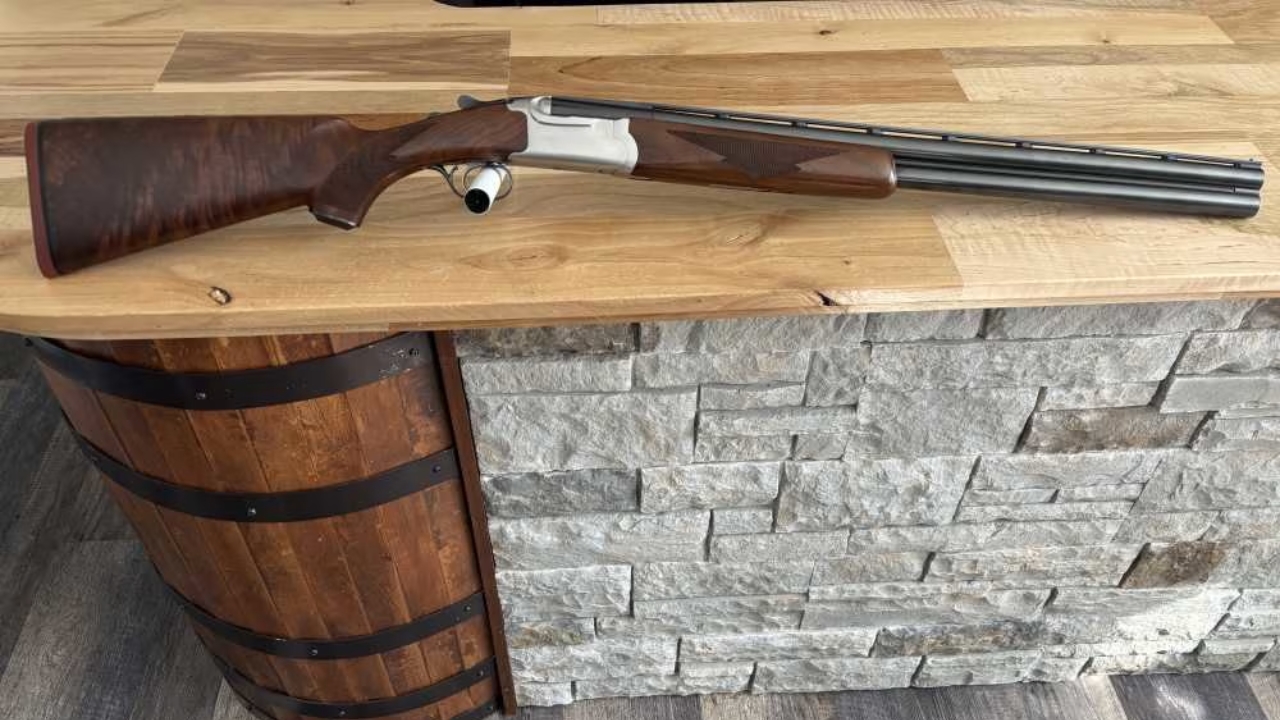
The Red Label always had admirers, but for a long stretch it also felt like the over-under people could postpone. It was not treated with the same urgency as some imported doubles, and that helped create the illusion that they would remain affordable for a long time. Buyers liked them, but often in a relaxed way that assumed another decent one would always turn up somewhere without too much drama.
That assumption weakened the moment buyers started treating discontinued Rugers as finished products instead of just older used guns. The Red Label’s American-made appeal, recognizable feel, and shrinking pool of clean examples gave it a different kind of weight in the market. Suddenly the shotgun people once saw as the practical over-under started wearing prices that made “I’ll buy one later” sound like famous last words.
Savage 99E
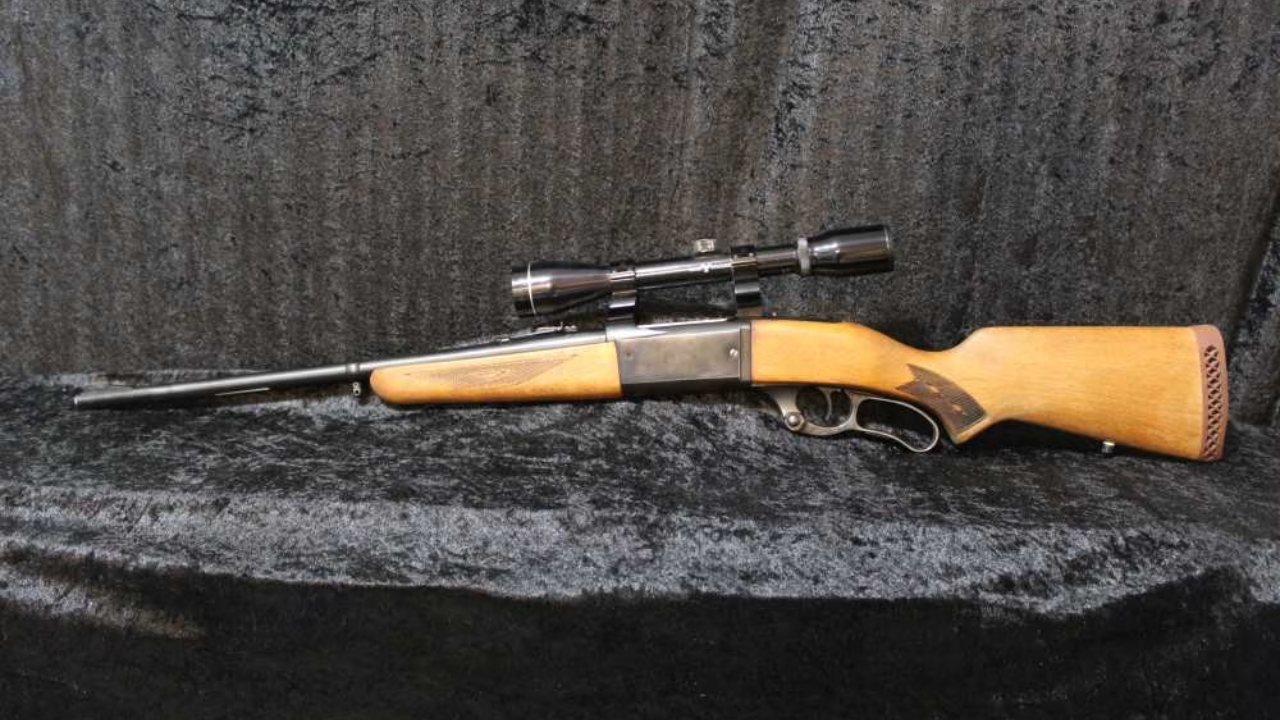
The 99E spent years being overlooked because it was the plainer branch of a rifle family that already had prettier and more talked-about members. That made it easy for buyers to assume the less glamorous versions would stay cheap forever. After all, if they were not chasing the nicest Savage 99s, why would anyone suddenly pay more attention to the workingman’s version?
Because eventually the platform itself matters more than the trim level. Buyers began realizing that even a plain 99 was still a real 99, with all the usefulness and historical pull that came with it. Once that broader recognition spread, the so-called cheaper versions stopped staying cheap. The 99E is a perfect example of a firearm people thought would stay affordable for years because they confused “less celebrated” with “safe to ignore.”
Like The Avid Outdoorsman’s content? Subscribe to our newsletter so you never miss an article.
Here’s more from us: