Photo credit: Brownells, Inc./YouTube
Gun companies love acting like every new feature changed everything. New grip texture, new coating, new optic cut, new stock geometry, new marketing language, and suddenly you are supposed to believe the past got left behind. But a lot of older gun designs never really stopped making sense. They kept working, kept fitting real needs, and kept showing that good fundamentals age better than hype.
That is what this list is about. These are guns that still remind people why older design ideas survived so long in the first place. They are not here because they are trendy again. They are here because they still do real work, still shoot well, and still make newer competition look a little too eager to reinvent things that were already figured out.
Browning Hi-Power

The Hi-Power keeps proving older designs still matter because it feels right in a way many modern pistols still struggle to match. The grip shape, balance, and natural pointability all come together fast once you get one in your hand. A lot of newer pistols can claim more modularity or more accessories, but not all of them feel better when the shooting starts.
That is why the Hi-Power still gets respect from people who actually spend time behind handguns. It reminds you that a pistol does not need to be loud about its features if the design already got the fundamentals right. Good handling never really goes out of style.
Smith & Wesson Model 10

The Model 10 keeps proving older designs still matter because simple, balanced revolvers still do exactly what they were built to do. It is easy to shoot, easy to understand, and very hard to call outdated once you spend real time on the range with one. There is nothing complicated about why it works.
That simplicity is the lesson. A lot of modern handguns solve problems people did not actually have while older revolvers like this keep showing how much value there is in plain reliability and good manners. The Model 10 still makes sense because the reasons it worked never disappeared.
Colt Government Model 1911
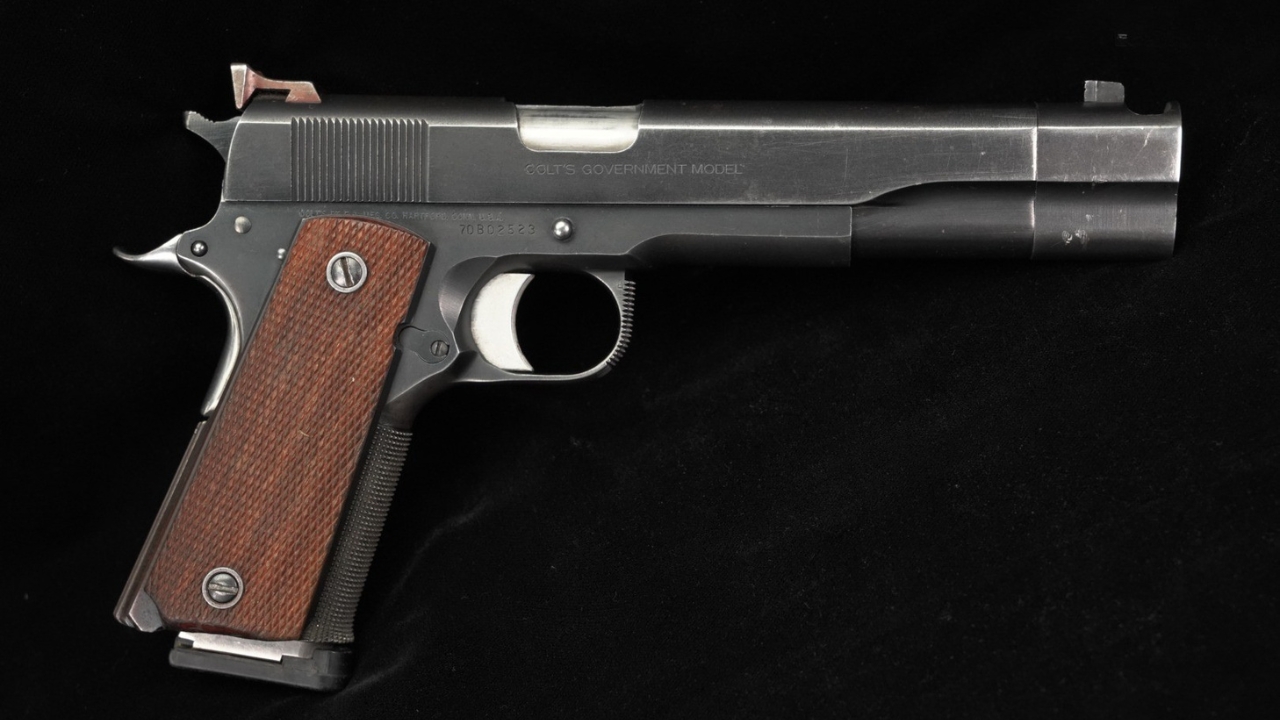
A good Government Model still matters because shootability matters. The trigger, the way the gun tracks in recoil, and the whole feel of the pistol all keep reminding people that old designs can still be deeply effective when they were built around practical performance from the start.
That does not mean it is the answer for every shooter. It means the design still forces honest respect. A lot of newer pistols offer different advantages, sure, but the 1911 keeps proving that when an older design is this good in the hand, it does not need to apologize for its age.
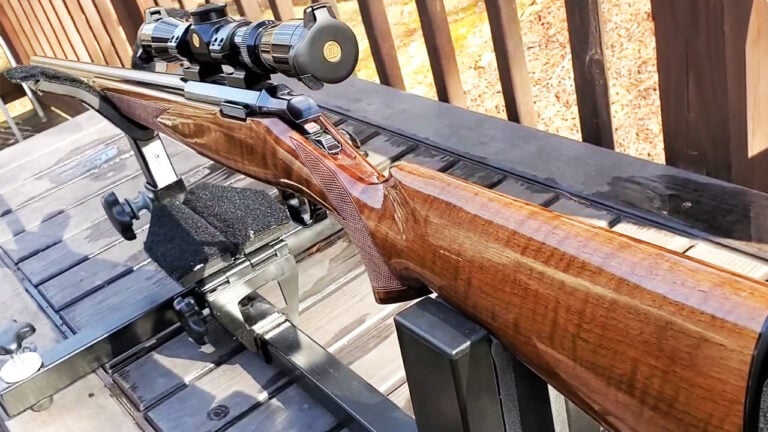
Winchester Model 70 Featherweight

The Featherweight keeps proving older designs still matter because hunters still need rifles that carry well and feel alive in the field. There is a reason rifles like this built such a loyal following. They shoulder naturally, move well through real country, and make practical hunting feel simpler instead of more complicated.
That is something some newer rifles forget. It is easy to build a rifle that looks serious on paper. It is harder to build one that still feels this right after miles of walking and a long day in the field. The Model 70 reminds people that older field-focused design got a lot right.
Remington 870 Wingmaster

The Wingmaster still matters because good pump shotguns never stopped mattering. Smooth action, practical balance, and dependable field use are not obsolete ideas. Once you run an older Wingmaster, it becomes pretty obvious why these shotguns built their name the way they did.
That is the bigger point. Newer does not automatically mean better if the older design already solved the problem cleanly. A shotgun that cycles this well and handles this honestly still has a lot to say about what good design really looks like.
Browning A5

The A5 keeps proving older designs still matter because it still feels like a real shotgun instead of just another product variation. It has personality, yes, but it also has a strong field logic that holds up once you spend enough time carrying and shooting one. It points well, moves well, and feels deliberate.
That is why it keeps earning respect. An older shotgun design that still performs with this much confidence reminds people that innovation is not always about replacing the past. Sometimes it is just about remembering why the old thing lasted so long.
Winchester Model 94

The Model 94 still matters because handy lever rifles never stopped making sense in the places they were built for. In timber, on a property line, in the truck, or in rough practical country, this rifle still handles in a way a lot of newer designs do not improve on nearly as much as people claim.
That is why it stays relevant. It keeps proving that old design priorities like balance, speed, and carry comfort were not romantic accidents. They were real strengths, and they still are.
Ruger Blackhawk

The Blackhawk keeps proving older designs still matter because single-action revolvers still offer durability, control, and field usefulness in a package that does not care whether the market thinks it should be old-fashioned. It works because it was built around strong fundamentals, not around fashion.
That is the lesson here. A gun does not need to chase modern trends to remain worthwhile. The Blackhawk still handles serious cartridges and still gives shooters a very direct kind of confidence. Older revolver logic still has teeth.
Marlin 39A
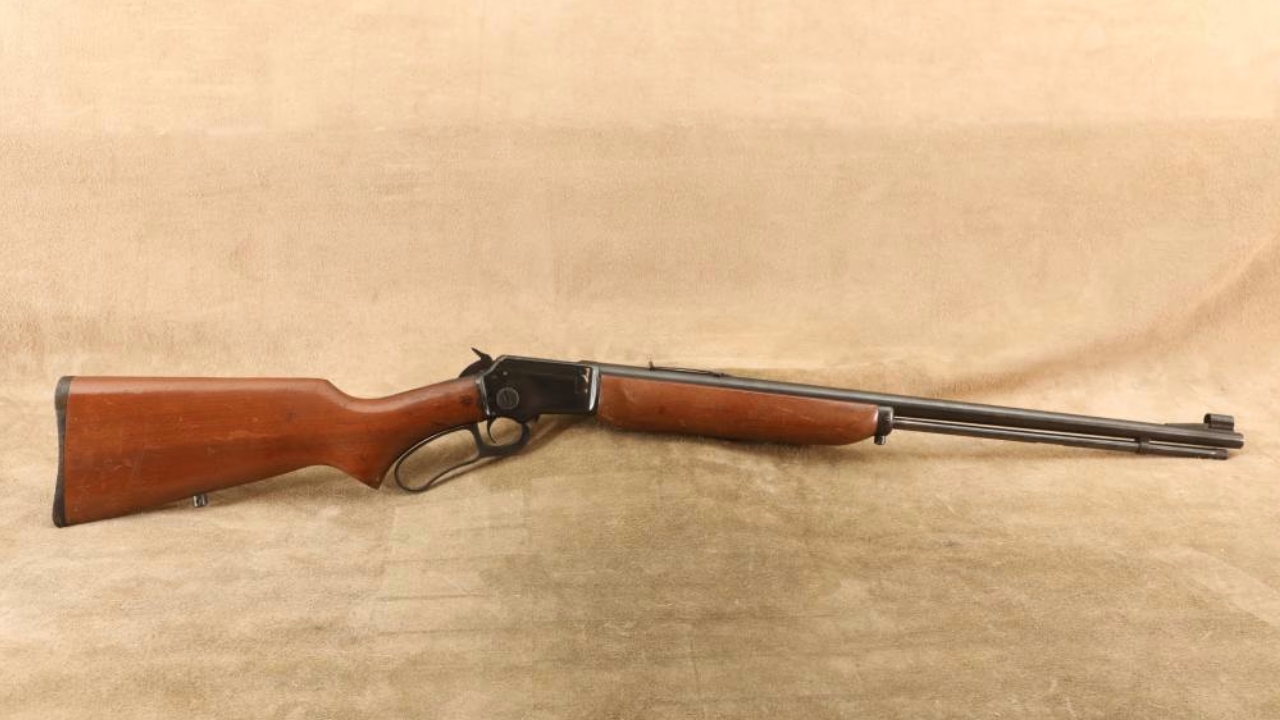
The 39A still matters because a really good lever-action rimfire never stops being useful. Training, small game, plinking, teaching new shooters, and plain enjoyable range time all still matter. The rifle handles those jobs with the kind of quality and ease that make “older design” feel more like a compliment than a limitation.
It also reminds people that some older guns were built to stay in use for generations, not just survive one buying cycle. That difference shows. The 39A still feels like a real rifle because it always was one.
CZ 75

The CZ 75 keeps proving older designs still matter because ergonomics and controllability still matter. The pistol feels planted, shoots softly, and makes a lot of newer handguns feel less complete than their marketing suggests. It does not need to dominate every conversation to keep winning respect.
That is because the design keeps working on its own terms. A full-size steel 9mm that fits the hand this well and behaves this well on the range is still a very strong argument for why not everything old needs replacing.
Browning BAR

The BAR still matters because semiauto hunting rifles never stopped being useful when they are done right. It has enough refinement, enough practical field value, and enough long-term trust behind it to keep proving that the category was never just a gimmick.
That matters because a lot of newer rifles try too hard to be something else. The BAR stays grounded in actual hunting use, and that makes it a great example of an older design idea still holding up where it counts.
Colt Detective Special
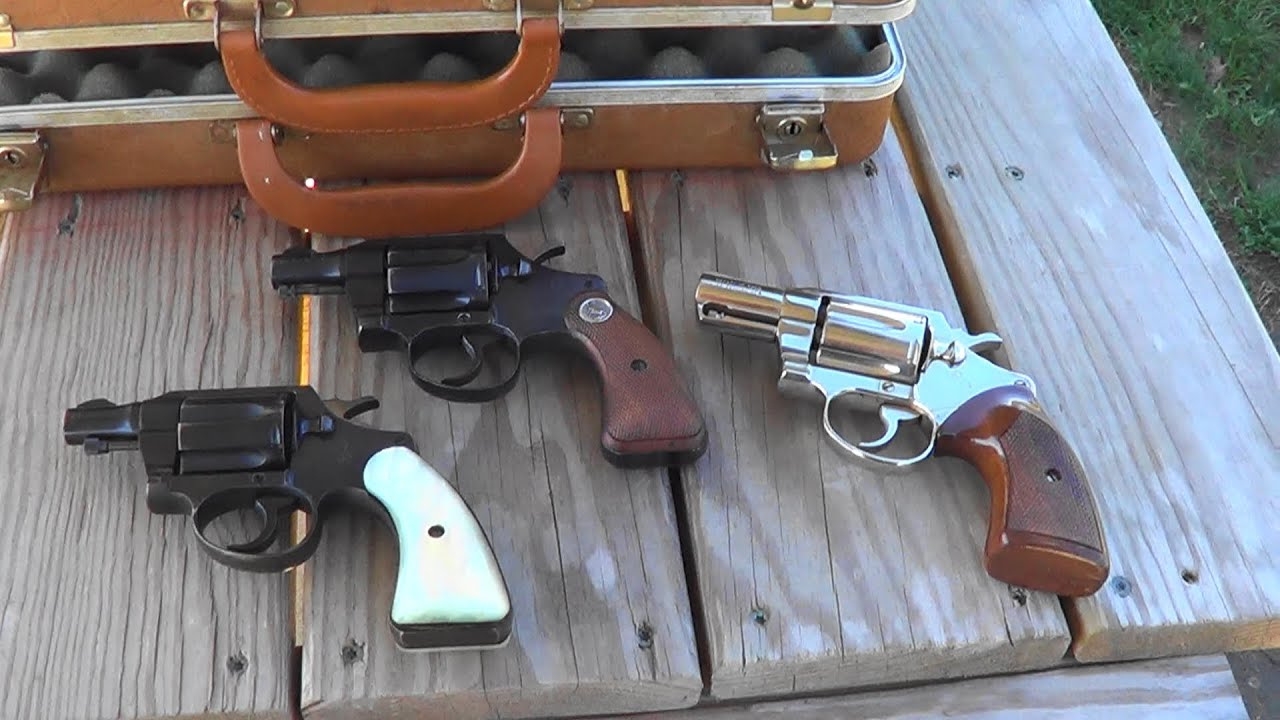
The Detective Special keeps proving older designs still matter because compact revolvers with real shootability still make a lot more sense than people admit. It is small enough to carry, substantial enough to shoot well, and built around a practical carry idea that has never fully gone away.
That is why it still earns attention. It shows that older compact-handgun design was not all compromise and nostalgia. Sometimes it was just smart, and the Detective Special still shows that clearly.
Ruger No. 1
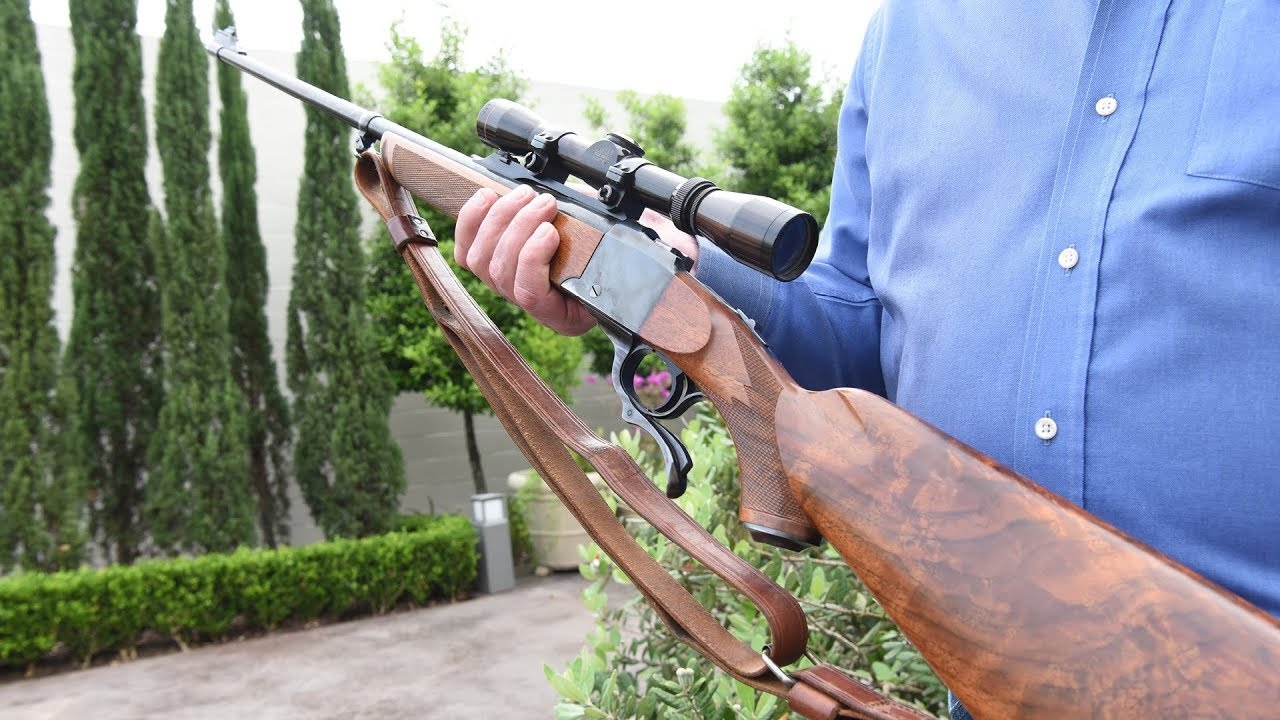
The No. 1 still matters because it proves a rifle does not need complexity to command respect. A strong, elegant single-shot built around deliberate shooting still has real value in a world that too often treats speed and capacity like the whole story.
That is why it remains meaningful. It reminds people that older rifle design often assumed the shooter mattered too. A rifle like this still has something to teach, and that is a big reason it still matters.
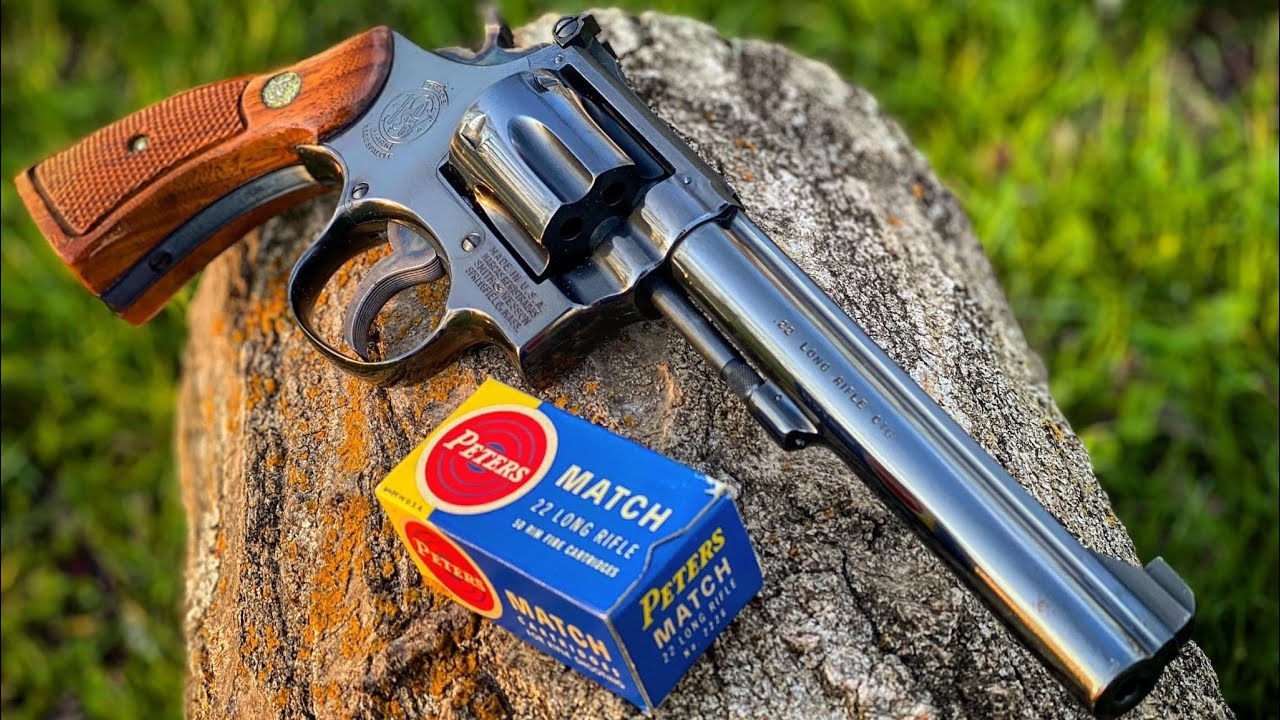
Smith & Wesson Model 17

The Model 17 keeps proving older designs still matter because full-size rimfire revolvers are still one of the best ways to build skill honestly. The gun is accurate, pleasant, and grounded in the kind of deliberate shooting that translates to everything else. Nothing about that became outdated.
If anything, it got more valuable. A revolver like this reminds people that older training tools were often better than the rushed, feature-heavy substitutes people reach for now. Good fundamentals still win.
Browning Citori
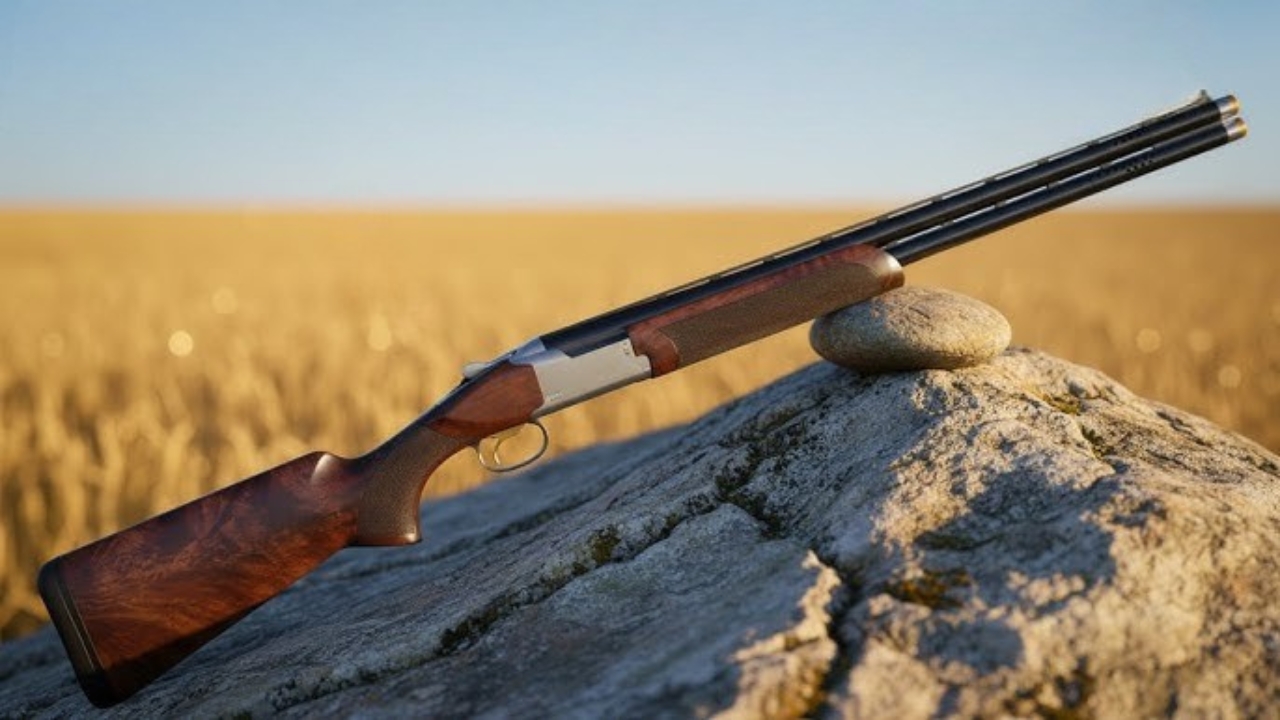
The Citori still matters because good over-under shotguns never stopped making sense. They still fit, still point, and still do bird, clays, and field work in a way that makes “older design” sound like exactly the kind of thing a smart buyer should want.
That is the core truth behind this whole list. Older designs still matter when they were built around real use, real handling, and real trust. The Citori keeps proving that every time it goes into the field or onto the range.
Smith & Wesson Model 19

The Model 19 keeps proving older designs still matter because it hit a balance that a lot of handguns still chase. It is large enough to shoot well, compact enough to carry better than full-size magnums, and flexible enough to handle both .38 Special and .357 Magnum in a way that still feels incredibly practical.
That balance is why it lasts. Older designs matter when they got the proportions, the handling, and the purpose right. The Model 19 still feels like one of the clearest examples of exactly that.
Like The Avid Outdoorsman’s content? Subscribe to our newsletter so you never miss an article.
Here’s more from us: