Photo credit: Pearce Brothers Gear Guide/YouTube
Some rifles survive on memory better than performance. They remind buyers of a grandfather, a deer camp, an old magazine article, or the version of hunting they still want to believe was simpler, better, and more honest than what came after. That emotional pull is real, and there is nothing wrong with appreciating an older rifle for what it meant. The problem starts when people stop being honest about what the rifle actually is and start defending what it represents instead.
That is where these rifles live. They are not all bad. Some are important. Some are still enjoyable. A few still make sense in the right hands. But they also attract a lot of protective praise from people who do not want to admit the practical case got thinner years ago. These are the rifles hunters and collectors keep romanticizing because the truth is harder to admit than the story.
Remington 742 Woodsmaster

The 742 gets romanticized because it feels like deer camp in rifle form. A lot of hunters remember one in a truck rack, one in a soft case by the door, or one in the hands of a father or uncle who swore by it. That emotional memory keeps the rifle wrapped in warmth long after the ownership reality should have cooled the conversation down.
The harder truth is that plenty of people learned the limits of the platform the hard way. Wear issues, long-term durability concerns, and the general reality that the rifle was not nearly as bulletproof as the nostalgia suggests all tend to get brushed aside. People do not keep defending the 742 because it is still the smartest autoloading deer rifle. They defend it because admitting it had weaknesses feels too much like criticizing the era attached to it.
Winchester Model 94

The Model 94 gets romanticized because it is probably the most emotionally protected deer rifle in America. It means woods hunting, camp coffee, wool coats, and a version of the sporting life many people still want to treat like sacred ground. The rifle carries so much memory that buyers often stop judging it as an individual object the second they pick one up.
That is exactly why the conversation gets slippery. A lot of average 94s are still spoken about like they are heirloom-grade treasures or unbeatable deer rifles when what is really being defended is the feeling attached to them. The rifle mattered. It still can. But a lot of the praise around ordinary examples is really people protecting the romance of what the rifle says about hunting, not what it actually gives them now.
Savage 99

The Savage 99 gets romanticized because it lets buyers feel like they appreciate something more subtle than the obvious classics. It has underdog prestige, enough mechanical cleverness to sound intelligent, and the sort of old-rifle aura that makes owners feel like they belong to a slightly more informed club. That identity is powerful.
The truth that gets harder to admit is that not every 99 is some magical old deer rifle worth the reverence it receives. Many are simply older hunting rifles with a lot of taste-driven inflation surrounding them. Buyers keep talking about them like they are preserving forgotten genius because that feels better than admitting some of the appeal now lives in symbolism and collector mood more than any hard practical advantage.
Ruger No. 1

The Ruger No. 1 gets romanticized because it makes people feel refined. It is elegant, old-world, and easy to talk about like it represents a more disciplined, more thoughtful kind of rifleman. Buyers love the idea that owning one says something flattering about their taste. That is a huge part of the rifle’s appeal.
The harder truth is that much of that appeal has very little to do with broad practical sense. Single-shot charm, beautiful wood, and falling-block mystique do not automatically make the rifle the right answer for most real field situations. A lot of owners defend the No. 1 so hard because they are attached to what it says about them. The rifle becomes an identity statement first and a practical rifle second.
Winchester 88

The Winchester 88 gets romanticized because it feels like the sort of rifle knowledgeable people are supposed to appreciate. It has Winchester on the receiver, a sleek profile, and enough “you had to be paying attention back then” energy to make buyers feel like they found something more interesting than the standard old deer rifle.
That is what makes the truth inconvenient. A lot of the appeal now is tied to being the kind of person who appreciates a Winchester 88, not necessarily to what the rifle delivers in the field or in value. The gun is interesting. It is not above being over-romanticized. But people keep protecting the image because admitting that would make the whole experience feel less special.
Springfield Armory M1A

The M1A gets romanticized because it still wears a lot of old authority. Wood and steel, military shadow, battle-rifle posture, all of it helps buyers feel like they are owning a more serious rifle than the plain modern options sitting nearby. It looks like conviction, and a lot of people buy into exactly that.
The harder truth is that the practical case is much less flattering than the aura. The rifle is heavy, expensive to set up well, and often far less convenient than the people praising it want to admit. But criticizing it honestly means admitting the image did a lot of the work, and that is uncomfortable for owners who bought so much of that image in the first place.
Remington 700 BDL

The 700 BDL gets romanticized because it still looks like what many hunters were taught a proper sporting rifle should look like. Glossy wood, checkering, and polished blue steel still trigger a very strong emotional response in people who grew up seeing that as the standard of hunting-rifle respectability. The look carries a lot of old confidence.
The truth that gets harder to admit is that much of the praise now is aimed at the idea of the rifle more than the practical realities of owning one in the modern hunting world. Hunters keep defending it because it preserves the image of the classic American bolt gun. That image still means something. It just does not automatically make every BDL as smart, useful, or magical as the romantic language around it suggests.
Marlin 336

The 336 gets romanticized because it holds together two very powerful things at once: it is actually useful, and it also feels like a memory. That combination makes it very hard for people to speak about honestly. They are not only discussing a lever gun. They are defending thick-woods deer hunting, family camp stories, and the feeling that a simpler rifle once meant a better sort of season.
That is why so many ordinary examples get discussed like they are somehow beyond criticism. The rifle still has plenty of merit, but a lot of buyers and owners are not really reacting to the rifle alone. They are reacting to the idea that letting the rifle become ordinary would somehow make the old version of hunting feel ordinary too.
Browning BAR Safari

The BAR Safari gets romanticized because it lets people mix function with status. It is a hunting rifle, yes, but it also carries Browning polish and enough old-school prestige to make buyers feel like they chose the refined answer. That sort of emotional boost has always helped the rifle stay more admired than it might otherwise be on practical terms alone.
The harder truth is that many owners are really defending the image of owning a polished autoloading sporting rifle. Weight, cost, and real-world practicality get softened because the rifle still feels like it belongs to a more elegant era of hunting. That is fine until people start pretending the image and the utility are the same thing. They are not always.
Ruger Mini-14

The Mini-14 gets romanticized because it allows buyers to feel sensible and traditional while still owning a semiauto rifle. That social positioning has always mattered. People love that it looks less aggressive than an AR and feels more “normal” to certain eyes, which means the rifle gets defended as much for what it symbolizes as for what it actually does.
The harder truth is that a lot of the praise around the Mini is really praise for the comfort it gives the owner. It lets him feel like he made the respectable semiauto choice. That emotional payoff can cover a lot of practical criticism. Owners are often defending the identity the rifle gives them more than the rifle’s current real-world value case.
Colt Light Rifle
The Colt Light Rifle gets romanticized because it fits the underappreciated-gem story too well. Buyers love the feeling that they found something the market missed, especially when the name on the receiver adds a little extra gravity. That creates a strong urge to speak about the rifle like it deserved more than it got and still somehow carries hidden greatness.
Sometimes that is partly true. The harder truth is that some of the affection comes from the owner wanting the rifle’s obscurity to mean more than it actually does. That is the trouble with quiet, interesting guns. People start mistaking “less known” for “deeply important.” The Light Rifle gets protected by exactly that impulse.
Winchester 71
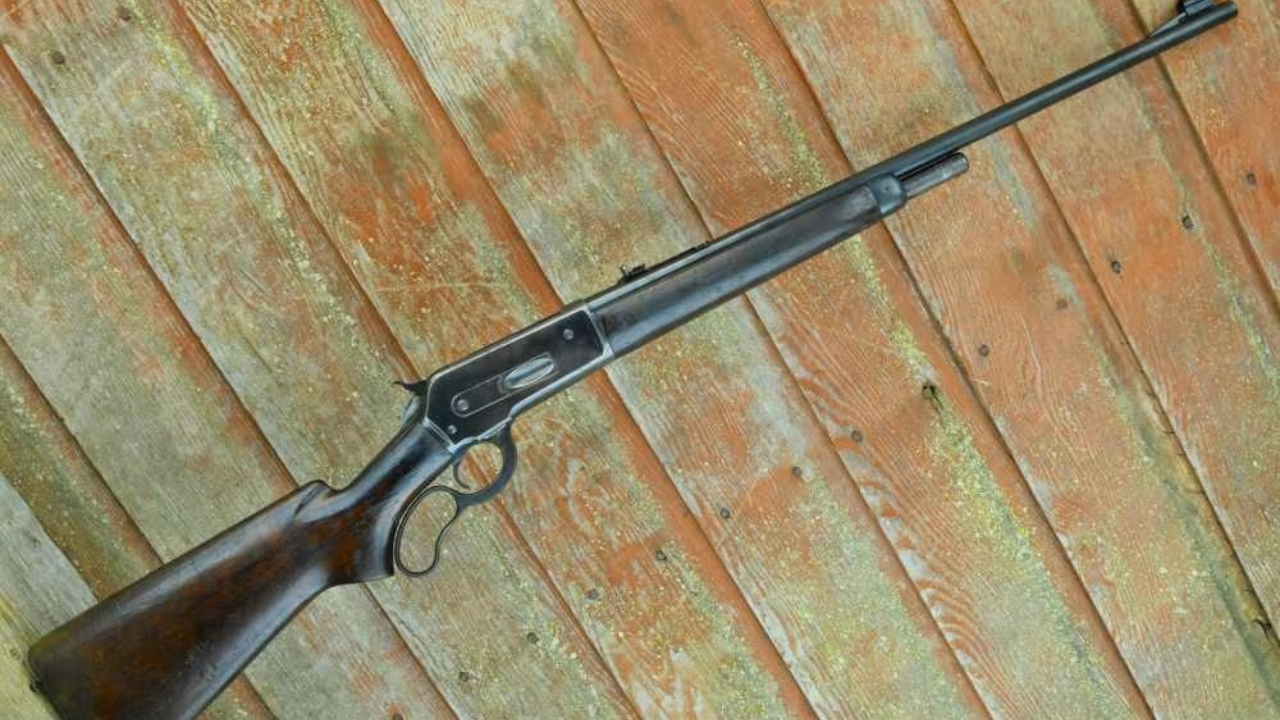
The Winchester 71 gets romanticized because it feels like old-rifle authority in its purest form. Big lever gun, strong caliber, deep woods and old North America energy, everything about it invites reverence. Buyers do not simply like these rifles. They like what owning one says about their understanding of old-school hunting seriousness.
The harder truth is that much of the reverence comes from what the rifle stands for, not from the practical needs of most owners. That does not diminish its quality. It does explain why so many people talk about it with such protective admiration. The rifle is carrying myth as much as utility, and myth is often what buyers are actually paying to preserve.
Remington Model 8

The Model 8 gets romanticized because it looks like history with a loaded magazine. It feels unusual, old, and mechanically important enough that buyers want to treat it as a serious treasure even before they have thought too hard about the practical side. The rifle’s age and design do so much emotional work that many owners are halfway to reverence the second they pick one up.
That is why the truth gets difficult. The rifle can absolutely be interesting without every example being magical. But many buyers do not want “interesting.” They want “significant.” So they romanticize the whole model harder than the actual value or field practicality really supports. The story is easier to defend than the facts.
Browning BLR

The BLR gets romanticized because it promises a very attractive idea: a lever gun for modern hunters who want to feel traditional without giving up cartridge flexibility. That is a fantastic concept, and owners often fall in love with it before they have even spent enough time with the rifle to decide how much the ownership experience truly matches the promise.
The harder truth is that some of the loyalty around the BLR is really loyalty to the concept. Owners keep defending it because they still like what it lets them imagine about themselves as hunters. The rifle may still be good. But the romance often runs hotter than the reality, and that is exactly why it belongs here.
Like The Avid Outdoorsman’s content? Subscribe to our newsletter so you never miss an article.
Here’s more from us: