Photo credit: AZ Airgunner/YouTube
A lot of firearms did not get expensive with any dramatic warning. They just sat there being “something you could always buy later” until later got a whole lot more painful. Rock Island notes that many gun categories have climbed over time, and GunBroker’s recent used-market reports show strong buyer demand for classic bolts, levers, and collectible semis, which is exactly the kind of pressure that turns old “maybe someday” guns into expensive regret.
Winchester 9422

The 9422 used to feel like the kind of rimfire lever gun you could admire casually and come back for later. That is exactly what made it dangerous. Once buyers started treating nice lever-action .22s more seriously, the market got mean fast. Current GunBroker listings and bidding regularly show 9422s sitting in the upper hundreds and well into four figures, depending on condition and trim.
That is why this rifle stings so much now. It was never some mystery gun. People always liked it. They just did not act like they needed to buy one right then. That is usually the moment the market starts preparing a lesson.
Marlin 39A

The 39A is another rifle that spent years being treated like a nice old rimfire instead of something people needed to prioritize. Then the market started appreciating older Marlin quality a lot more aggressively. Current listings range from active bidding in the mid-hundreds to buy-now asks around a thousand dollars or more.
That hurts because the rifle still feels practical, not merely collectible. Buyers are not only wishing they had bought a piece of nostalgia. They are wishing they had bought a rimfire they actually would have enjoyed owning while it was still priced like a simple good idea.
Browning BL-22

The BL-22 used to sit in that safe little zone where people thought, “Yeah, I’ll get one eventually.” The current market is a lot less patient. GunBroker results and listings show active bidding in the $400–$500 range and multiple buy-now listings around $800 or higher.
That rise makes sense once you remember what the rifle is. It is smooth, handy, and built with enough quality that shooters tend to appreciate it more after owning one, not less. Those are exactly the kinds of rifles that get expensive after the crowd wakes up.
CZ 527

The CZ 527 is one of the clearest “you should have bought it when it was just a smart little bolt gun” examples in the market. Now that the model is discontinued, GunBroker listings show active bids around the high hundreds and well into four figures for some chamberings and configurations.
That is the kind of market change buyers feel personally. The rifle did not become more charming overnight. People simply realized too late how much they liked compact controlled-round-feed bolt guns that did not feel generic.
Ruger Deerfield Carbine

The Deerfield Carbine used to feel like a fun, slightly odd Ruger you could always track down later. That later is now expensive. Current GunBroker bidding has pushed examples into the mid-four figures? No—into the mid-to-high hundreds and well past $1,500 on active listings, with some asks even higher.
That is exactly why this model belongs here. It spent too long being treated like a curiosity instead of a finite, useful, highly distinctive little hunting carbine. The market finally noticed.
Remington Model Seven

The Model Seven always made practical sense, but buyers treated it like there would always be another compact hunting rifle around the corner. Current GunBroker bidding shows desirable examples around $900, especially in attractive configurations.
That is what makes the regret so sharp. Hunters are not looking back at a weird collector play here. They are looking back at a rifle that stayed useful, stayed handy, and still feels like a smart field answer even after the sticker shock gets annoying.
Remington 788
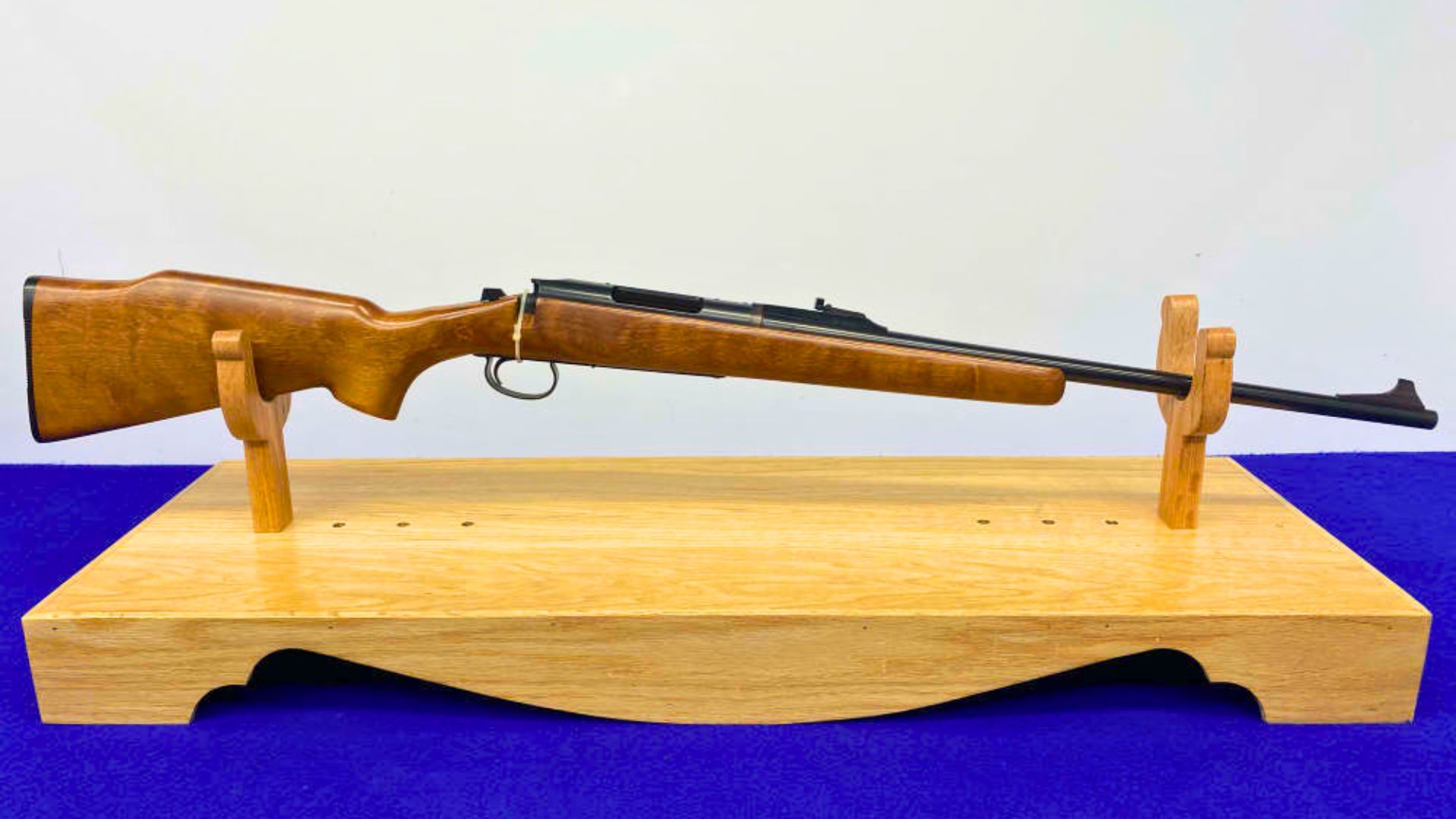
The 788 has been teaching buyers the same lesson for years: plain rifles with real-world accuracy eventually stop being cheap if enough people figure it out. Current listings and bidding show 788s commonly in the mid-hundreds and beyond, depending on chambering and setup.
The rifle’s whole appeal is that it used to feel like the practical man’s secret. Once enough shooters and hunters decide the “cheap but accurate” old rifle is not actually cheap anymore, the whole category changes tone fast.
Ruger Frontier Rifle
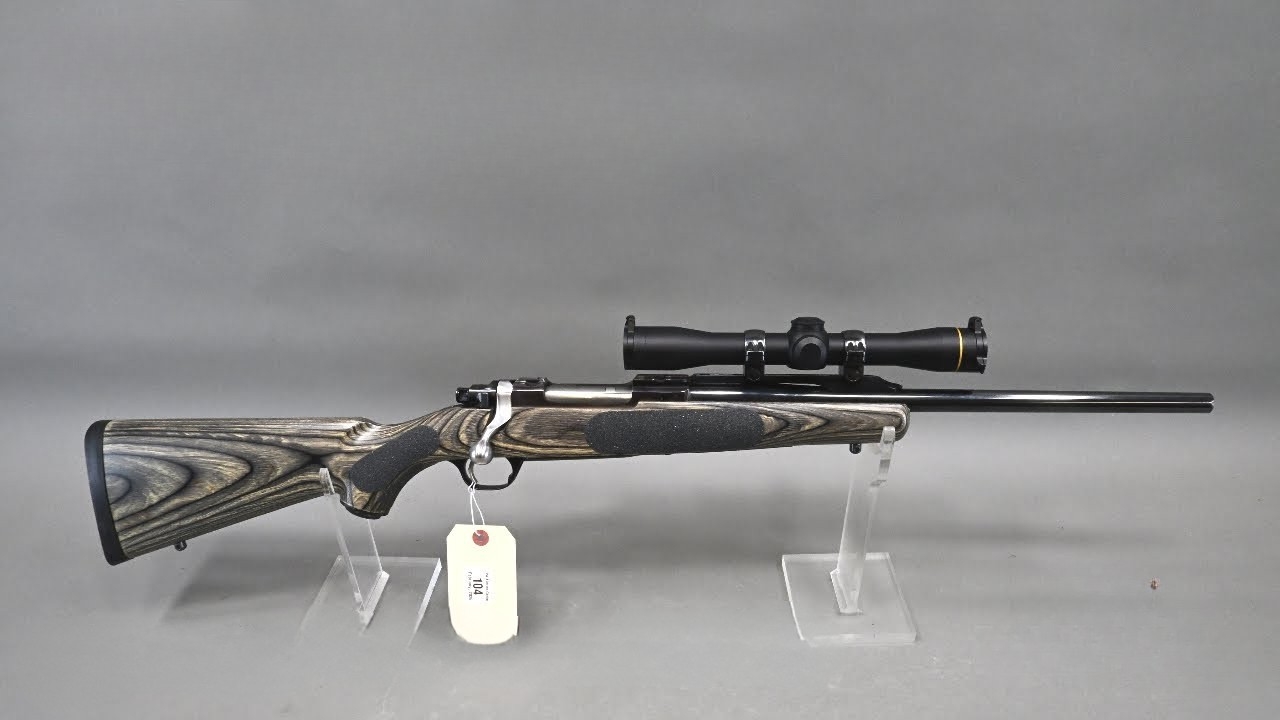
The Frontier Rifle is exactly the kind of gun people once called clever without treating as urgent. That relaxed attitude is gone. GunBroker has shown at least one M77 Mk II Frontier at $1,499, which is the kind of number that makes old casual admiration feel expensive.
This one hurts because the rifle still feels distinctive. It was not a placeholder. It was a real concept rifle with actual field personality, and buyers who waited too long are now paying for the fact that not many things really replaced it.
Ruger 77/22

The 77/22 was another rifle buyers kept assuming would always be around if they ever decided they wanted a nicer bolt-action rimfire. Current GunBroker activity shows active bidding from the mid-$400s into the $800 range depending on chambering and condition.
That is the kind of market move that sneaks up on people. Rimfires get underestimated until enough buyers start caring about quality and older production at the same time. Then suddenly the “nice little .22” stops feeling so little.
Winchester Model 100
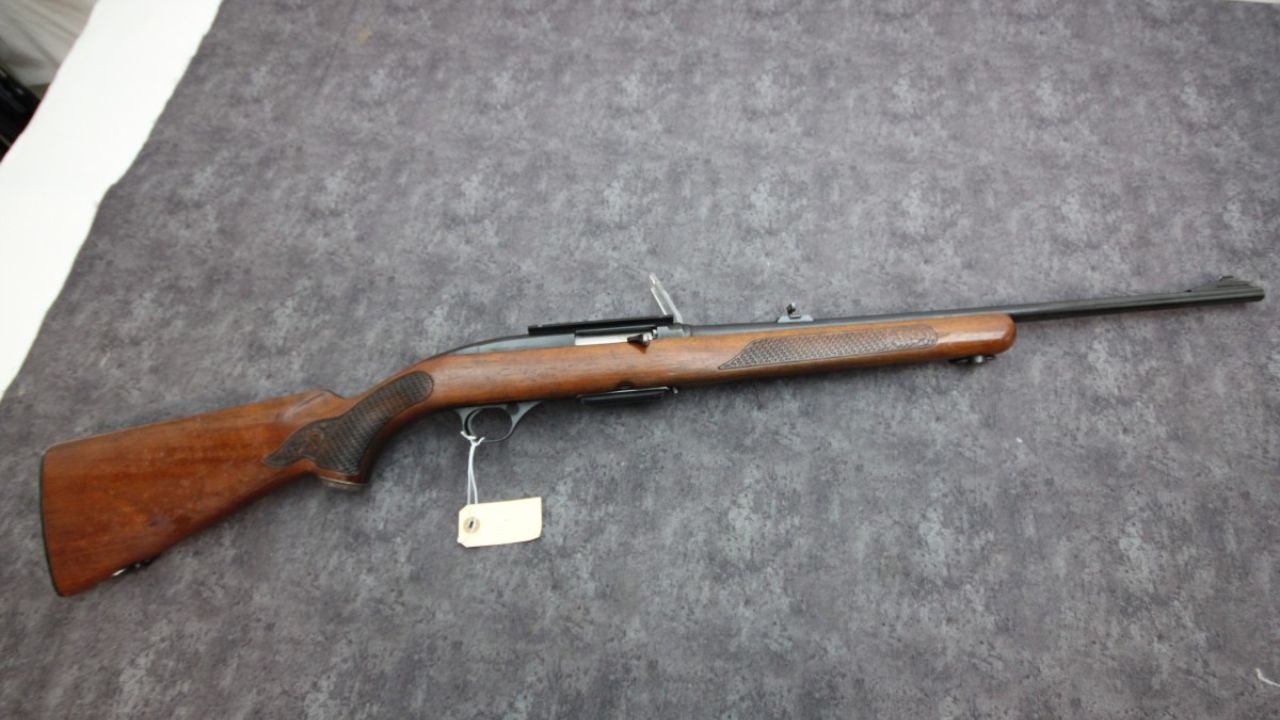
The Model 100 used to sit in that familiar old-sporting-rifle lane where buyers thought there was never much reason to hurry. That comfort vanished. GunBroker listings now show common .308 examples in the high hundreds to over a thousand dollars, with .284 rifles pushing higher.
That is exactly how regret forms. The rifle never felt rare enough to panic over until a lot of buyers looked up at once and realized the nicer examples were no longer behaving like cheap old semiautos.
Howa Mini Action
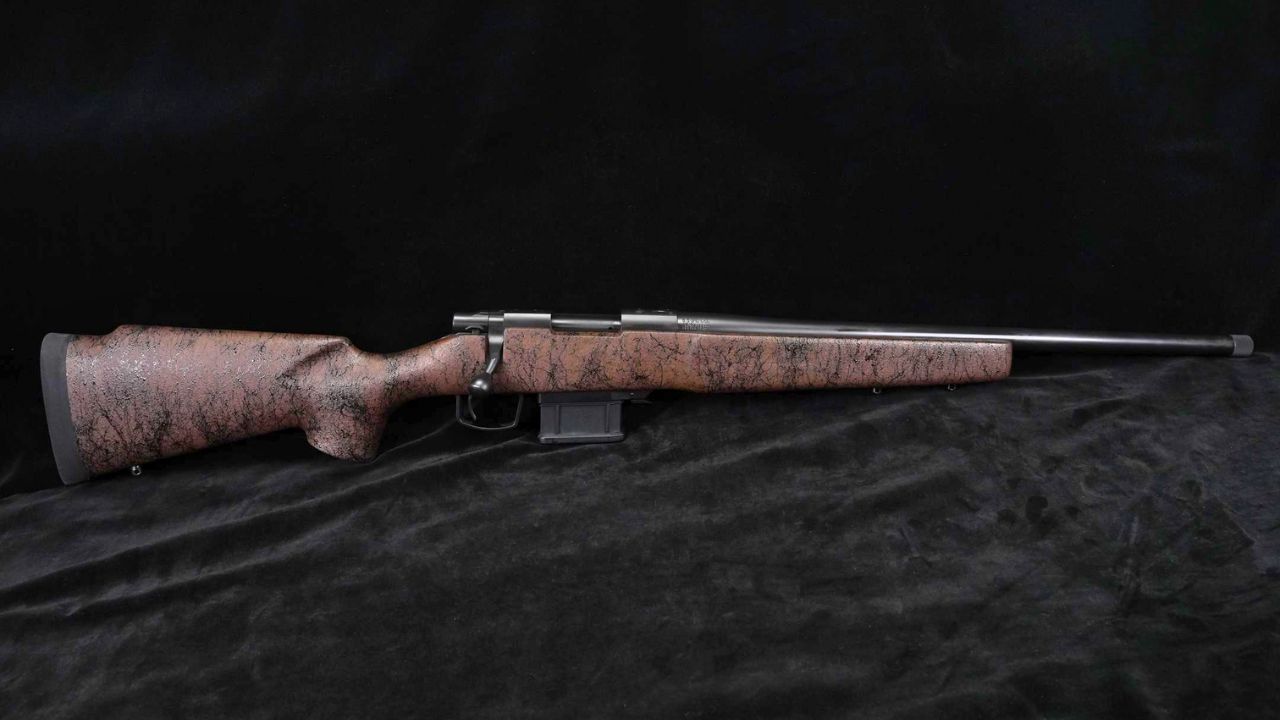
The Howa Mini Action is newer than some of the others here, but it still fits the pattern. Buyers treated it like a clever, affordable little bolt gun and then watched prices spread upward as the platform developed a stronger following. Current GunBroker pricing runs roughly from the mid-$500s into the $700s and higher depending on chambering and trim.
That makes it sting for a different reason. It shows how quickly a “smart affordable option” can stop feeling affordable once enough people decide they actually want the same thing.
Sako A7

The A7 is exactly the kind of rifle buyers assumed they could revisit later after deciding whether they really needed one. The market got less forgiving than that. GunBroker listings have shown A7 variants around $1,250 to $1,600, which is not where most people mentally filed these rifles when they first noticed them.
That is why this one bites. It was never a junk rifle that got weirdly expensive. It was a quietly good rifle that eventually stopped being treated like the affordable side door into Sako ownership.
Ruger M77 Hawkeye / older M77 sporters

The M77 line is broad, but it is a good example of how familiar names can stop feeling familiar on price. Current GunBroker results show ordinary older M77s still getting bids, while Hawkeye versions can sit around $1,500 at retail ask.
The sting here is not that every Ruger 77 became outrageously rare. It is that a rifle many hunters once treated as a practical, respectable standby now often asks for a lot more money than buyers still feel comfortable paying for “just an old Ruger.”
Savage 340

The Savage 340 is the type of rifle that used to feel too plain to ever become painful. That is exactly why so many people underestimated it. Plain rifles with honest utility can still get more expensive once enough shooters start valuing what they actually do well. GunBroker still shows some lower bids, but the old “I’ll just grab one whenever” tone around rifles like this is gone.
This is the workingman’s version of regret. The rifle was never glamorous, which made it easy to postpone. Those are often the guns that end up surprising buyers later.
Browning A-Bolt II

The A-Bolt II is one of those rifles people always liked, which ironically made them less urgent about buying one while they were still easy. The line developed a stronger following over time, and current used-market demand for classic sporting bolts has remained healthy as buyers chase older hunting rifles they already know they trust. GunBroker’s own used-market reporting points to sustained demand for those classic hunting categories.
That is why rifles like the A-Bolt II now make buyers wince. They are not only paying for a brand. They are paying for the fact that the market finally caught up to what those rifles already were: dependable, likable, and not as replaceable as people once pretended.
Winchester 63

The Winchester 63 spent too long in the “nice old .22” bucket, which is where smart old rimfires go to become expensive while nobody is looking. Even mixed GunBroker snippets show active bidding and collector attention around the model, which is enough to tell the story.
That is the pattern buyers keep learning the hard way. If a rifle is useful, well made, and tied to a strong name, it does not need to be screamed about to get more expensive. It only needs enough people to stop assuming it will always be there next month.
Like The Avid Outdoorsman’s content? Subscribe to our newsletter so you never miss an article.
Here’s more from us: