Photo credit: InRangeTV/YouTube
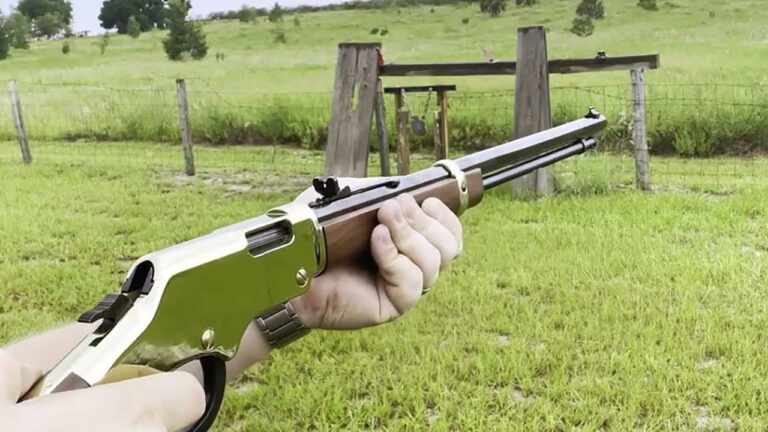
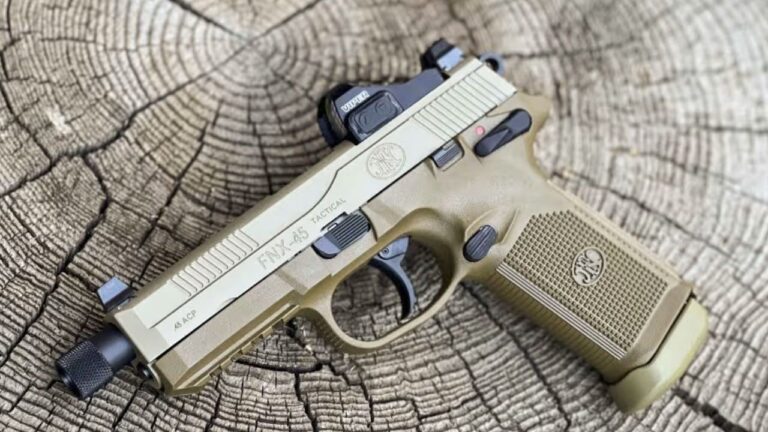
There was a time when a lot of these guns were the kind of thing you grabbed because they were affordable, common, or simply too easy to pass up. Some were surplus pieces stacked in barrels. Some were older hunting rifles nobody treated like future collector pieces. Some were handguns people bought as shooters, not investments. That part has changed in a hurry. Models like the SKS, Mosin-Nagant, Mini-14, Marlin 1895, Winchester 94, Colt Python, HK P7 PSP, and Ruger Old Army now sit in very different price territory than the one many shooters remember.
What makes these guns interesting is that most of them did not get expensive because they were always treated like museum pieces. A lot of them got expensive because supply dried up, imports changed, older production runs became more desirable, or shooters finally realized they were better than the old prices suggested. That is why so many people still talk about them with a little frustration. They remember when these were the “should I grab one?” guns, and now they are the “I should’ve bought three” guns.
SKS
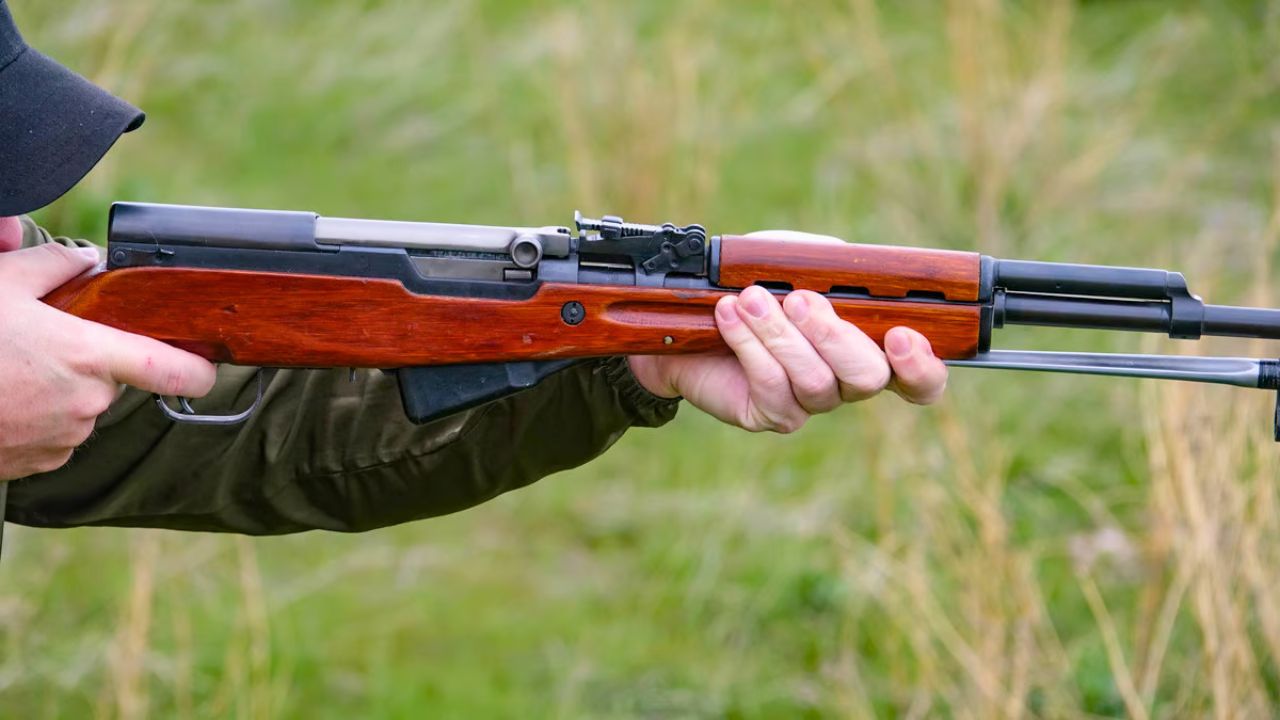
The SKS used to be one of those rifles people bought because it was cheap, simple, and hard to hurt. It was not treated like some precious collectible. It was the rifle you grabbed for truck-gun duty, casual range use, or because it was sitting there at a price that felt too low to argue with. That old reputation still hangs around, which is why current prices catch people off guard when they go looking for one again.
What changed is that the easy supply did not last forever. Once imports tightened and buyers started paying closer attention to condition, origin, and matching numbers, the bargain image stopped matching the market. Current average used values around the high-$500 to mid-$600 range make it a very different conversation than it was years ago, especially for people who remember passing on solid examples because they seemed too common to ever matter.
Mosin-Nagant 91/30

The Mosin-Nagant 91/30 might be the poster child for guns that used to feel practically disposable. For a long time, these things were everywhere. You bought one because it was cheap, came with history, and gave you a full-power rifle for less money than many people were spending on a case of ammo. Nobody was acting like the average 91/30 was a treasure back then. That was the whole point.
Now the market has a very different tone. Common examples still are not all rare jewels, but they are no longer sitting in the same low-cost lane people remember. Used averages in the several-hundred-dollar range are normal now, and higher-condition or more desirable variants can climb much harder. If you are old enough to remember walking past stacks of them because there would “always be more,” this is one of the guns that really makes you feel that mistake.
U.S. M1 Carbine

The M1 Carbine used to live in that sweet spot where it was historic, handy, and still within reach for regular shooters. It had real military history, but for years it did not always get treated with the same reverence as some other World War II firearms. A lot of people saw it as a practical collector piece you could still shoot without feeling like you were burning money every time you touched the trigger.
That easygoing affordability has faded. As original carbines became more sought after and buyers got pickier about maker marks, originality, and import status, the market moved up fast. This is one of those rifles that used to feel attainable in a casual way and now feels like something you plan around. It is still popular because it is handy and historically important, but it is not the easy buy it once was.
Winchester Model 94
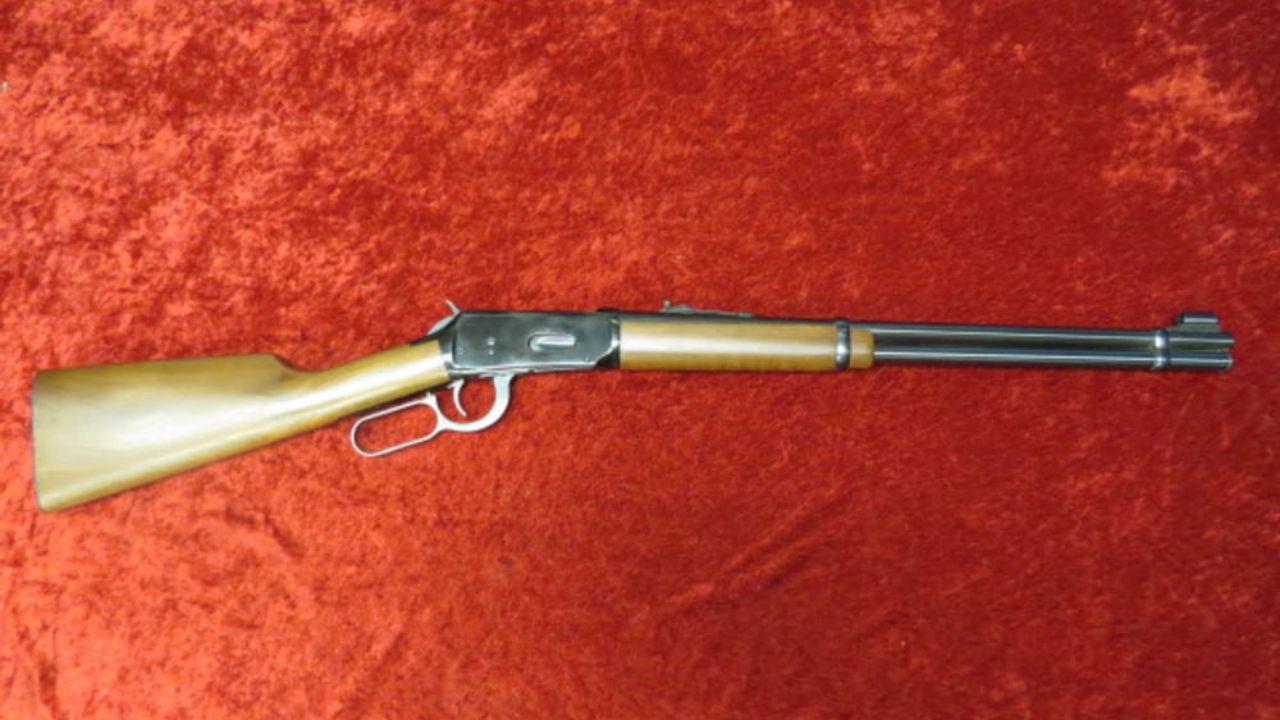
For a long time, the Winchester Model 94 felt like a gun there would always be plenty of. It was a real deer rifle, a real truck rifle, and a real family-hand-me-down rifle, but it was also so familiar that many shooters never thought of it as scarce. That familiarity helped keep it affordable for years, especially when people were more focused on bolt guns and newer optics-ready rifles.
That old pricing comfort is gone, especially once you get into cleaner examples, older production, or rifles with the details collectors care about. Even regular used values now sit well above what many hunters remember paying, and nicer prewar or more desirable versions can go much higher. A Model 94 still feels like an everyday rifle in the hand, but the market no longer treats it like an everyday bargain.
Marlin 1895
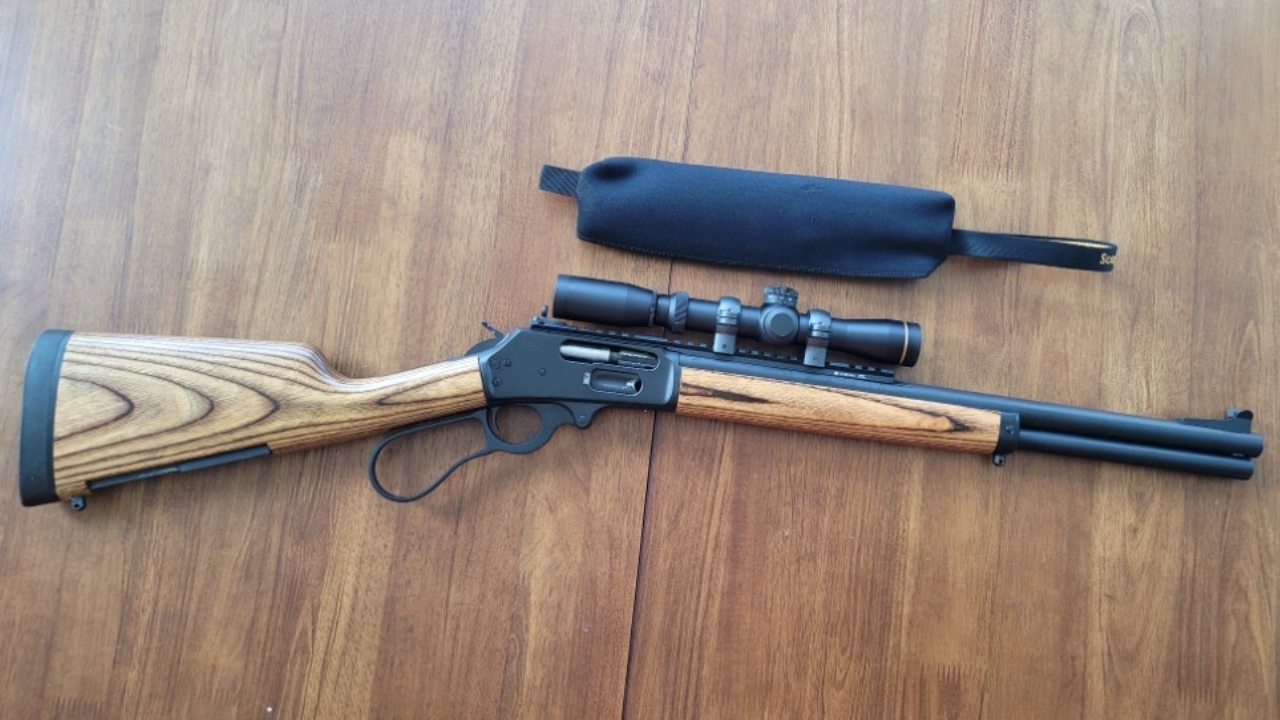
The Marlin 1895 was not always cheap in the throwaway-surplus sense, but there was absolutely a time when it felt like a practical lever gun you bought to hunt with, not a rifle you had to chase. Plenty of shooters bought them because they wanted a serious .45-70 that was still grounded in real-world use. It was a working rifle first, and that made it feel easier to own.
That changed once demand for lever guns spiked and older Marlin production became more closely watched. The used market now puts the 1895 in a very different class, with average used values around the low four figures. If you remember when these were simply tough big-bore hunting rifles sitting on racks without much drama, current prices feel like a reminder that practical guns can become collector-adjacent faster than people expect.
Ruger Mini-14

The Mini-14 used to be one of those rifles people bought because it was straightforward, familiar, and easier to justify than a lot of flashier options. It had the ranch-rifle image for a reason. This was not a rifle people usually treated like some future money piece. It was simply a useful semi-auto that appealed to shooters who wanted something reliable and handy without making a huge fuss about it.
Now even ordinary Mini-14 numbers can surprise people who have not looked lately. Used values in the mid-$700 range and new prices well over a thousand dollars put it far from the casual buy it once was. That does not mean every Mini is rare or exotic. It means the market has caught up with the fact that a durable American-made rifle with a strong reputation does not stay “cheap for what it is” forever.
Colt Python
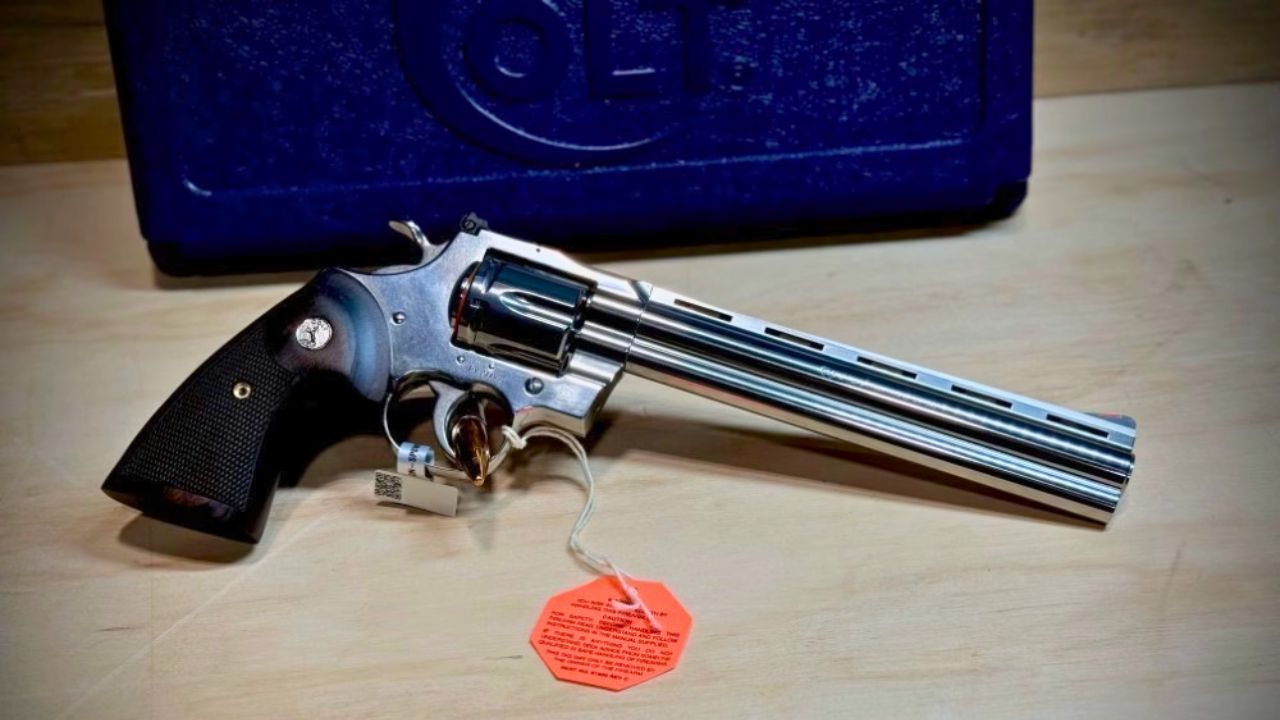
There was a stretch when older Colt Pythons were still respected, but they had not yet fully become the price-shock revolvers people know now. They were fine guns, sure, but a lot of shooters still thought of them as high-end wheelguns rather than the kind of revolvers that could make you wince at a price tag. That older mindset lingered longer than it probably should have.
Today, the market tells a very different story. Current values put them firmly in premium territory, and older originals can command far more depending on condition and configuration. Even with Colt making a new Python, classic guns have kept strong value. This is one of the cleanest examples of a revolver that moved from “nice if you find one” to “serious money if you want the right one.”
Browning Hi-Power

The Browning Hi-Power has always had respect, but there was definitely a time when shooters could still buy them without feeling like they were stepping into collector pricing. That was especially true when polymer pistols were dominating the conversation and many buyers were more interested in capacity, rails, and modern striker-fired trends. The Hi-Power felt classic, but not unreachable.
That balance has changed. The moment production history, Belgian-made examples, surplus interest, and renewed appreciation for the design started pulling in the same direction, the market got hotter. Even broad current value guides show the Hi-Power sitting well above the old casual-shooter lane, and nicer examples can go much higher. This is the kind of pistol that used to be “old but affordable” and is now more often “old and getting expensive.”
H&K P7 PSP

The HK P7 PSP is one of the strongest examples of a pistol that went from quirky premium shooter to full-on expensive collectible-shooter hybrid. It was never bargain-bin cheap in the same way surplus rifles were, but there was a time when buyers could still talk themselves into one because it was unusual, beautifully made, and still somewhat attainable if they really wanted it. That window did not stay open.
Now it lives in a totally different financial neighborhood. Current used averages are well over $2,000, and standout examples can run much harder than that. Once police trade-in streams dried up and more people recognized how distinctive the design really was, the market stopped treating it like an oddball carry pistol and started treating it like something special. Anybody who passed on one years ago because it seemed “a little high” has probably revisited that decision more than once.
Smith & Wesson Model 19

The Smith & Wesson Model 19 used to feel like one of those revolvers that was respected but still grounded. It was a real shooter’s gun, a real carry choice in its day, and a revolver with obvious appeal, but it was not always priced like something you had to chase immediately. A lot of people simply viewed it as a very good .357 with plenty of examples out there.
That view has shifted as older Smith revolvers gained more appreciation and buyers started paying closer attention to pinned barrels, recessed cylinders, condition, and dash-number details. Current used values show that the Model 19 has climbed well beyond the old “nice used revolver” bracket. It is still practical and shootable, but it has become one of those guns people wish they had bought when the market still treated classic double-action revolvers like ordinary used guns.
Ruger Old Army

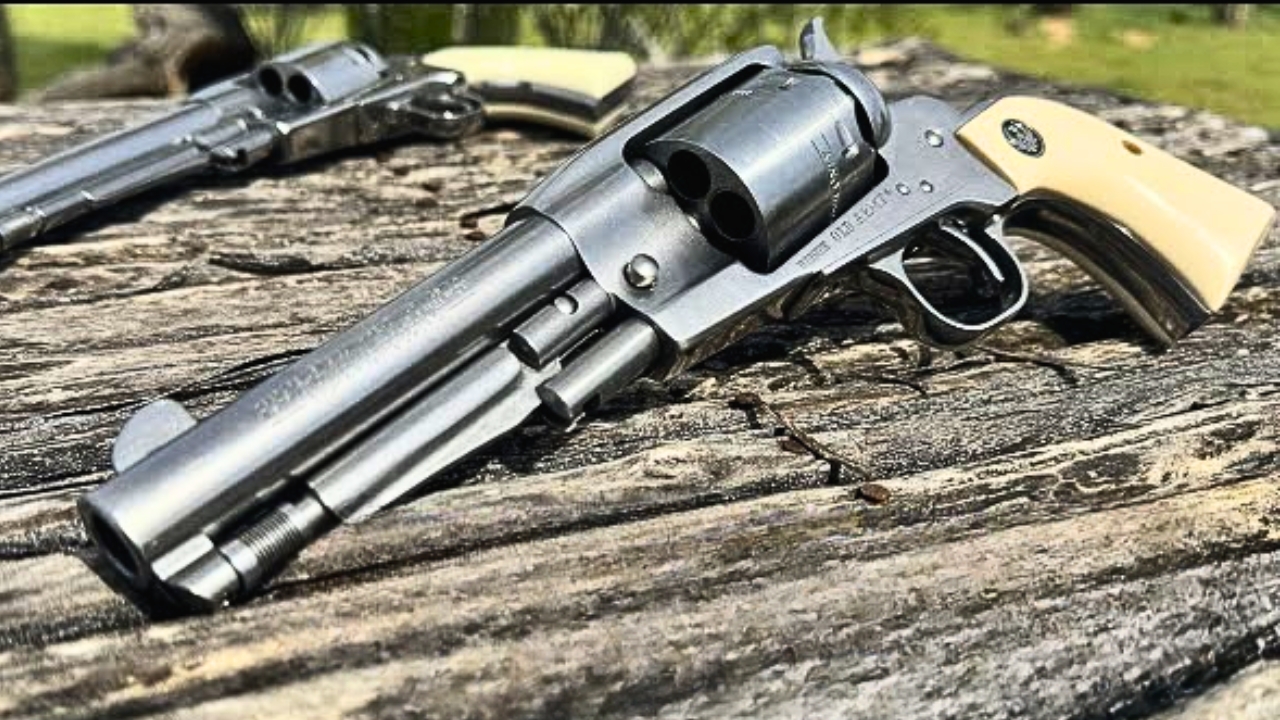
The Ruger Old Army is another one that used to be easier to shrug off because it sat in a niche a lot of shooters did not prioritize. Black powder revolvers do not always get treated with the same urgency as centerfire guns, and that helped keep this one from being chased as hard for a while. People who knew what it was appreciated it, but many others simply figured one would always be around later.
Later turned out to be more expensive. With production long gone and the model’s reputation for strength and quality holding firm, prices moved into territory that surprises people who remember when these were simply neat Rugers for cap-and-ball fans. Current used values around the $700 range, with many examples priced higher, make it one of those guns that punishes procrastination in a very specific way.
Remington Nylon 66

The Remington Nylon 66 spent years in that comfortable lane where it was admired, fun, and still affordable enough that many people did not think twice about it. It was the kind of .22 people actually used. It got carried, taught kids, rode in trucks, and served as a plain old useful rimfire instead of some untouchable collector piece. That working-gun image helped keep expectations low for a long time.
The market has gotten less casual about it. Even average used values now sit at levels that remind you this is no longer merely a nostalgic .22 you stumble into cheaply, and strong-condition rifles can bring more. It is not in the same bracket as the rarest collectible arms, but it absolutely belongs on the list of guns people remember as affordable and now have to think harder about before buying again.
Chinese AK imports like the MAK-90

There was a time when Chinese AK imports were often viewed as practical buys rather than prized pieces. A lot of shooters bought them because they worked, not because they were trying to get ahead of some future collector curve. The MAK-90 especially lived in that world for years. It was a solid rifle with a weird-enough thumbhole-stock era identity that many people did not fully appreciate what it would become later.
That old indifference did not last once import realities and nostalgia started working together. Now these rifles get much more serious attention, especially when they are clean, original, or tied to more desirable configurations. They are a good example of how political and import history can push a once-practical rifle into a very different pricing tier. People who bought them as cheap shooters were accidentally early. People who waited found out the market had moved on without them.
Pre-64 Winchester Model 70

The pre-64 Winchester Model 70 has been respected for a long time, but there was still an era when older hunting rifles had not yet become the kind of thing average buyers felt priced out of. Plenty of them were simply rifles that had already seen real work, which kept the mood practical rather than precious. Hunters bought them because they were good rifles, not because every example had already been elevated into legend-priced territory.
That practical window has narrowed. As buyers have become more selective about period, chambering, originality, and condition, the best older Model 70s have only become more expensive to chase. This is one of those rifles where even people who are not deep collectors still know the story: they used to be something you could justify as a serious hunting rifle with history, and now the right ones often feel like a bigger commitment than many expected.
Winchester 1897

The Winchester 1897 used to be one of those old shotguns people could still stumble into without feeling like they had uncovered buried treasure. It had age, character, and real historical appeal, but plenty of shooters still treated it like a neat old pump rather than something that needed to be snapped up immediately. That made sense at the time. Old shotguns sat in a different mental category for many buyers.
As cowboy-action interest, historical collecting, and general appreciation for classic American pump guns stayed alive, the mood changed. Cleaner originals and more desirable configurations do not move like ordinary old shotguns anymore. This is another case where the gun’s old familiarity worked against buyers. Because it felt like it would always be around, plenty of people waited. The market did not wait with them.
Colt Woodsman

The Colt Woodsman used to be one of those pistols older shooters remembered fondly without always treating it like a must-buy collectible. It was a classy rimfire, a beautifully made one, but still a rimfire. For a long time, that helped keep it in a zone where practical buyers could still dream a little without immediately giving up. It felt more like a fine old shooter than a locked-away prize.
That old way of looking at it has faded. Between Colt name recognition, disappearing supply, and renewed interest in older rimfire quality, the Woodsman sits in much stronger collector territory than many people remember. It is not merely about nostalgia. It is about the fact that beautifully made older pistols do not stay overlooked forever. Once the market starts treating them accordingly, the cheap years are over for good.
JM-stamped Marlins in general

A lot of older JM-stamped Marlins used to be bought because they were solid lever guns, plain and simple. They were not always framed as special production runs you needed to lock away. They were hunting rifles, brush guns, camp guns, and family rifles. That working reputation helped keep prices grounded for a long time because people focused more on using them than on arguing over future value.
Then the market got more educated, production changed, and buyers started separating older Marlins from later runs in a much more serious way. That is when the pricing gap really became obvious. Whether you are talking 1895s or other desirable JM-stamped models, these rifles no longer feel like the easy used-rack scores they once were. They feel like the kind of rifles people wish they had quietly piled up while everyone else was still overlooking them.
Like The Avid Outdoorsman’s content? Be sure to follow us.
Here’s more from us: