Photo credit: PS Gun Channel/YouTube
Hollow point ammo is the go-to choice for self-defense, but not every handgun cycles it smoothly. Some pistols choke, misfeed, or just can’t get through a mag without a hiccup. If your life might depend on it, knowing which guns struggle can save you a whole lot of frustration—or worse.
Here are 15 handguns that have a reputation for not playing nice with hollow points.
KelTec P11

The P11 packs a lot into a small size, but it’s never been known for reliability. Hollow points can hang up on the feed ramp, especially with wide-mouthed bullets.
If you’re using it for carry, you’d better run a few hundred rounds of your chosen ammo before trusting it. Some folks find a brand that works, but it’s hit or miss.
Taurus PT111 G2 (early models)

Later versions got better, but the early PT111 G2s could be real picky eaters. Hollow points sometimes jammed up at the feed ramp, especially if you were using cheaper brands.
Taurus cleaned up the design later, but if you’ve got an early run model, it’s worth checking. Polishing the ramp helps, but it’s no guarantee.
Glock 36

This single-stack .45 ACP from Glock isn’t as forgiving as its double-stack siblings. It’s been known to nose-dive or hang up with certain hollow point designs.
Part of the issue is the steep feed angle combined with the short slide travel. Some folks have better luck with specific brands, but you’ve got to test it.
Sig Sauer P238
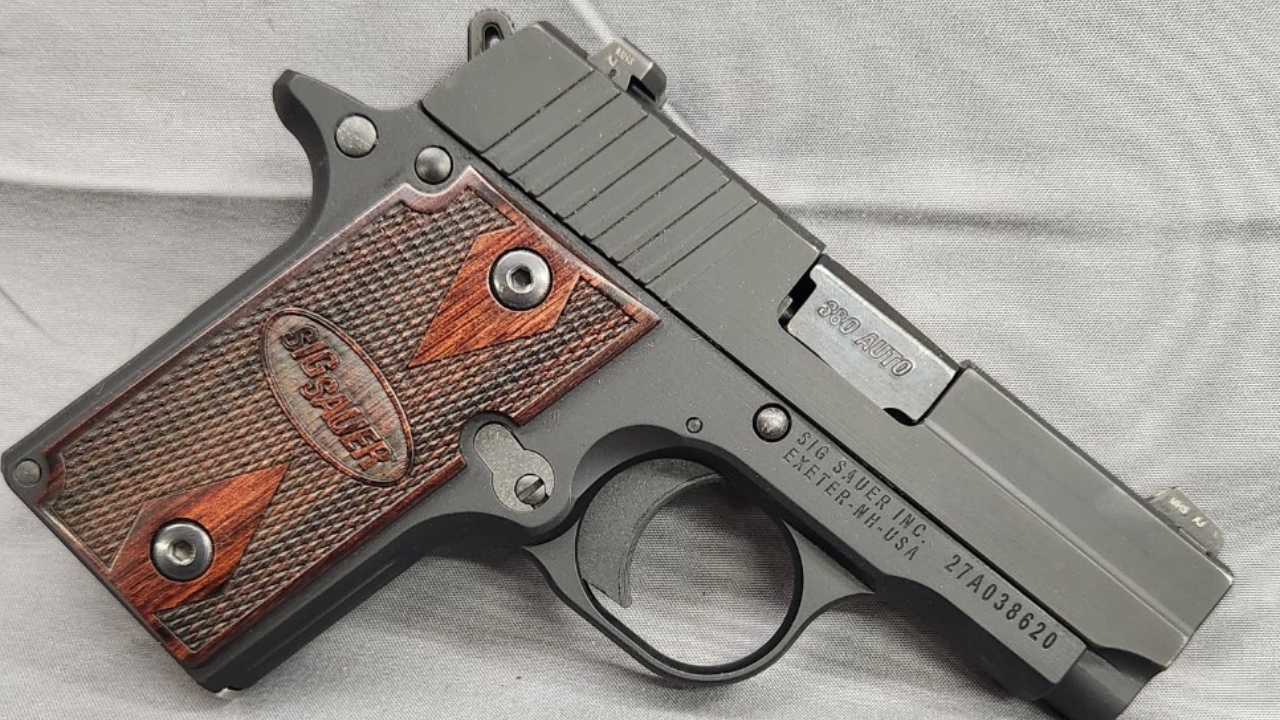
It’s a classy little .380, but it can get moody with hollow points. The short barrel and tight tolerances sometimes lead to failure-to-feed issues.
Some rounds run just fine, others don’t. You’ll want to experiment with a few brands to find what it likes, and even then, keep it clean and lubed.
AMT Backup

The AMT Backup was designed for deep concealment, not finesse. These old-school pistols have notoriously rough feed ramps and stiff springs.
Hollow points often snag going into battery. Even FMJs can be touchy. If you’re running one, you’re better off sticking to ball ammo for reliability’s sake.
Walther PPK/S

Even James Bond would’ve had feed issues if he loaded hollow points. The PPK/S is infamous for jamming with anything but FMJ.
The design dates back to a time when hollow points weren’t common. Unless you’ve had a gunsmith tweak it, don’t expect flawless feeding with modern defensive ammo.
CZ 52

This cold war relic was built like a tank, but not for hollow points. Its roller-locked action and long feed path weren’t meant for soft-nosed bullets.
Most surplus CZ 52s just aren’t going to cycle hollow points reliably. And good luck finding aftermarket parts if something breaks while you’re testing them.
Colt 1903 Pocket Hammerless

Classic? Yes. Hollow-point friendly? Not really. This gun was made before hollow points were even a thing, so it’s no surprise it struggles.
Feed ramps were designed with round-nose FMJ in mind. Some gunsmiths can rework the internals, but that’s not cheap—or always effective.
Smith & Wesson Model 39
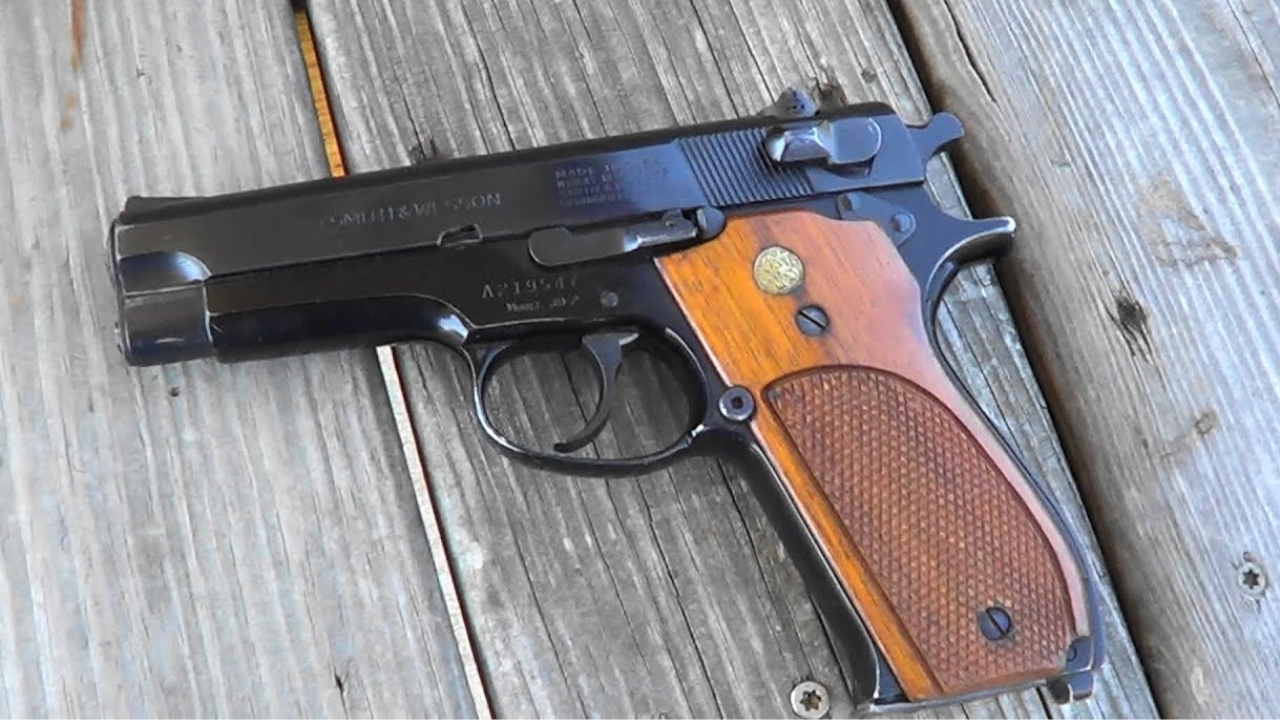
The Model 39 was a solid first step into the double-action world, but it doesn’t love hollow points. Early feed ramp geometry just isn’t ideal.
Even minor differences in bullet shape can lead to jams. You can sometimes work around it with polishing and careful ammo selection, but it’s finicky.
Hi-Point C9

It’ll eat FMJs all day, but hollow points? Not so much. The blowback design and chunky slide don’t play well with soft-nosed bullets.
You’ll see a lot of folks say theirs runs fine, and maybe it does—with certain ammo. But enough folks have feeding issues that it’s worth pointing out.
Ruger LCP (Gen 1)

The original LCP isn’t known for liking hollow points. The short barrel, steep feed ramp, and tight dimensions all contribute to reliability issues.
Later versions (like the LCP II and Max) handle them a bit better. But if you’ve got one of the early ones, you’ll need to experiment—or just stick to ball ammo.
Beretta 950 Jetfire

Tiny and reliable—if you’re using FMJs. Hollow points often won’t feed at all in these old .25 ACP popguns.
The tip-up barrel design was never meant to chamber wide-nosed bullets. It’s a fun backup, but you probably shouldn’t count on it with defensive ammo.
Makarov PM

These rugged imports are surprisingly reliable with the ammo they were designed for—but hollow points can cause issues. Especially with the original Russian and East German models.
The feed ramp isn’t shaped for modern self-defense rounds. If you want to carry one, be sure to test thoroughly with whatever ammo you choose.
Kahr CW380

Kahr’s .380s are sleek and easy to carry, but they can be temperamental. Hollow points often misfeed until the gun is well broken in.
Even then, some brands just won’t run right. If you’re carrying one, test different loads until you find something that feeds consistently and cleanly.
Remington R51

This gun had a rocky launch and still hasn’t fully shaken off its bad reputation. The hesitation-locked design seems to dislike certain hollow point profiles.
Reports of feed failures are common, especially with wider-nosed bullets. Some folks have made it work, but it’s not a gun you want to gamble with in a pinch.
*This article was developed with AI-powered tools and has been carefully reviewed by our editors.