Photo credit: UsedGunDude/Youtube
Buying cheap can feel smart at first. A handgun costs less, leaves room for ammo, and looks close enough to the better-known option sitting beside it. Sometimes that works out fine. A budget pistol can be a good buy when it’s reliable, supported, and built around a clear purpose.
But cheap gets expensive fast when the gun needs repairs, won’t run consistently, has terrible support, or makes the owner replace it with the better option anyway. These handguns taught buyers that saving money up front does not always mean spending less in the long run.
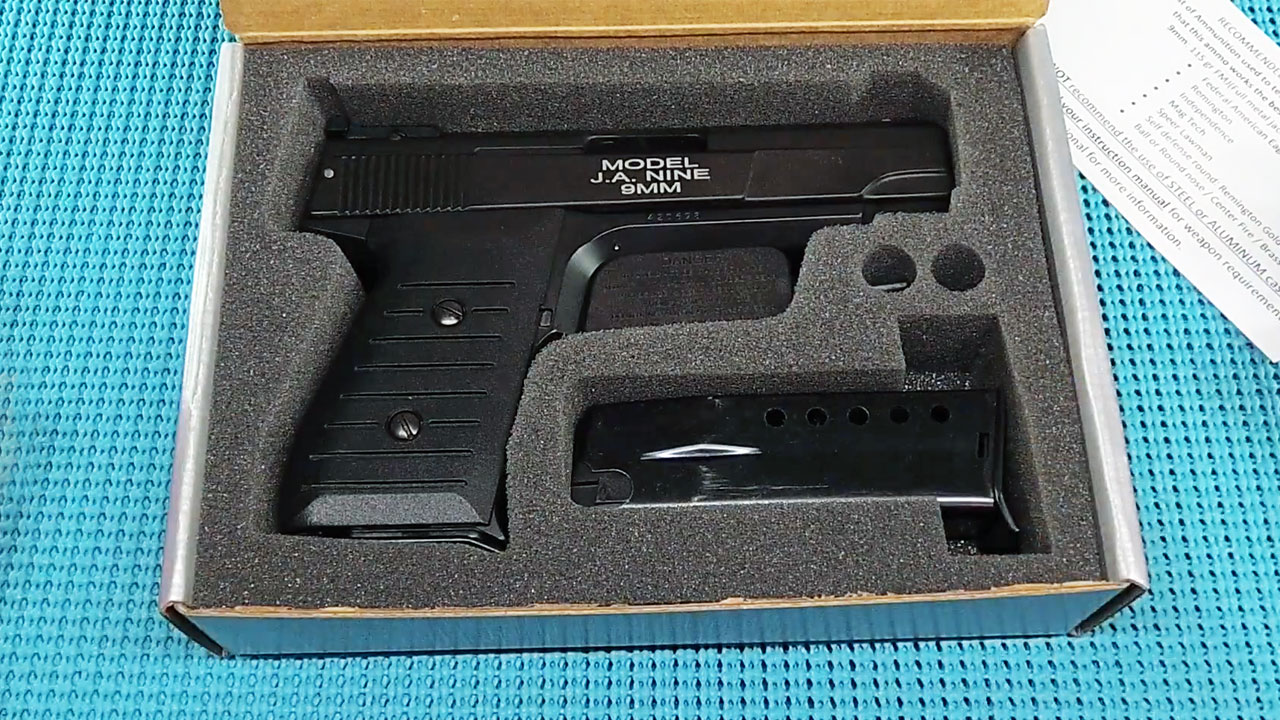
Jimenez JA Nine
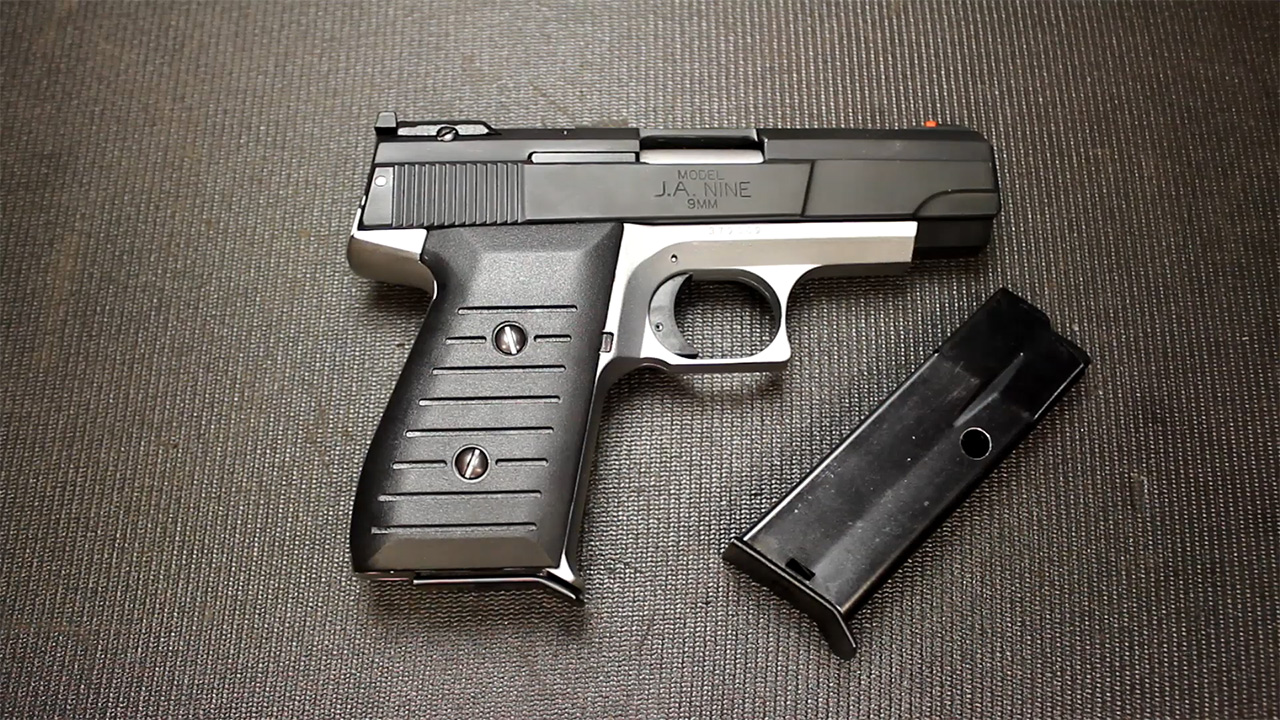
The Jimenez JA Nine is one of those pistols that attracts buyers with price first. It’s cheap, simple-looking, and chambered in 9mm, which can make it seem like a basic defensive option for someone trying to spend as little as possible. That low price is the whole hook.
The problem is that a defensive handgun has to earn trust, not merely exist. The JA Nine has a reputation for rough quality, poor durability, and reliability concerns that make it a risky choice for serious use. Even if someone gets one that runs better than expected, magazines, parts, and long-term support are not in the same world as proven budget options from stronger brands. A cheap pistol stops being cheap when the owner has to replace it immediately to feel safe.
Cobra CA380
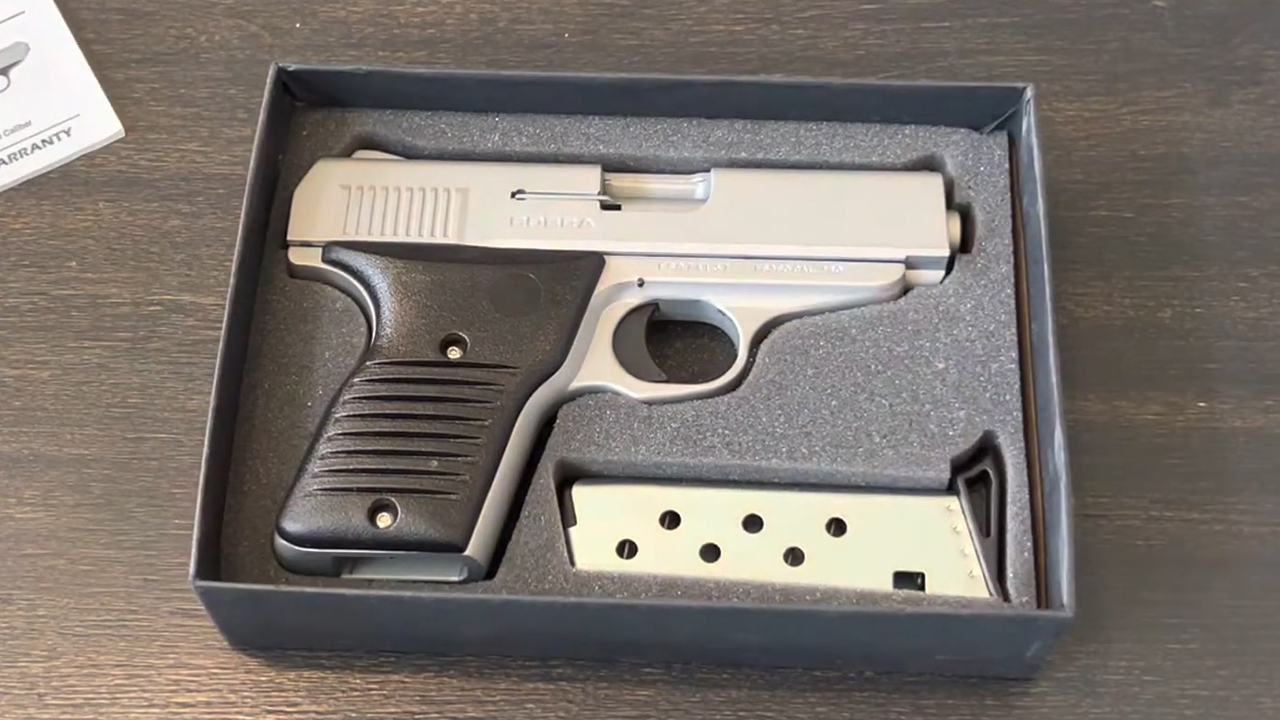
The Cobra CA380 looks tempting to someone who wants an inexpensive pocket-size pistol. It’s small, affordable, and chambered in .380 ACP, which sounds good enough if the buyer is only thinking about size and price. That’s how a lot of rough purchases happen.
The lesson comes at the range. These pistols have never had the same reputation for refinement, reliability, or durability as better small carry guns. A pocket pistol is already harder to shoot well because of its size, and a rough trigger or questionable feeding makes that worse. If the owner ends up buying a Ruger LCP, Glock 42, or S&W Bodyguard 2.0 later, the “savings” disappear. Cheap carry guns are only a deal if they can be trusted.
Taurus PT22

The Taurus PT22 can make sense as a tiny tip-up barrel pistol for casual use, but buyers who treat it like a cheap defensive solution can learn a hard lesson. It’s small, easy to load because of the tip-up barrel, and often priced low enough to catch attention. That makes it attractive to people who want something simple.
The issue is expectations. A small .22 LR pocket pistol is not a substitute for a proven defensive handgun, and rimfire ignition is less dependable than centerfire by nature. The PT22 can be fun for close-range plinking, but reliability, ammunition sensitivity, and limited power all matter. Buyers who purchase it because it’s cheaper than a serious carry gun may end up spending more later on the pistol they should have bought first.
SCCY CPX-2

The SCCY CPX-2 has pulled in plenty of buyers because it offers a compact 9mm at a very low price. It’s small enough for carry, holds more than old single-stacks, and looks like a practical budget answer. For someone trying to avoid spending more, it can seem like a smart shortcut.
Then the trigger and shooting experience often become the problem. The long, heavy pull is difficult for many shooters, and the pistol can be unpleasant during extended practice. Some owners have decent experiences, but others end up frustrated by reliability, fit, or confidence issues. A carry gun that discourages practice is expensive in a different way. Many buyers eventually move to a Shield Plus, P365, Glock 43X, or similar pistol and realize the cheaper route cost them time and ammo.
Hi-Point C9

The Hi-Point C9 is cheap enough that buyers often defend it as “better than nothing.” That may be true in a narrow sense, and some Hi-Points do run better than people expect. The company also has a strong warranty reputation, which is worth noting. But the C9 still teaches an important lesson about cost and usability.
It is bulky, heavy for what it is, awkward compared with more refined pistols, and limited in capacity for its size. A buyer may save money at the counter, then discover they dislike carrying it, training with it, or trusting it as their primary handgun. If it becomes a range curiosity instead of the defensive pistol they needed, the savings don’t mean much. A gun has to fit the role, not simply fire.
KelTec PF-9

The KelTec PF-9 looked like a smart buy during the single-stack 9mm era. It was thin, light, affordable, and easy to carry. On paper, that made it seem like a clever option for people who wanted a defensive pistol without spending much money.
The problem was how hard it could be to enjoy. The PF-9 is snappy, has a long trigger, and can be rough for extended practice. Small, lightweight 9mms are already demanding, and the PF-9 did not give shooters much comfort. Some owners carried them successfully, but many eventually upgraded to pistols that were easier to shoot well. A carry gun that saves money but makes training miserable can cost more in the long run because skill matters more than thinness.
Taurus Millennium Pro PT111
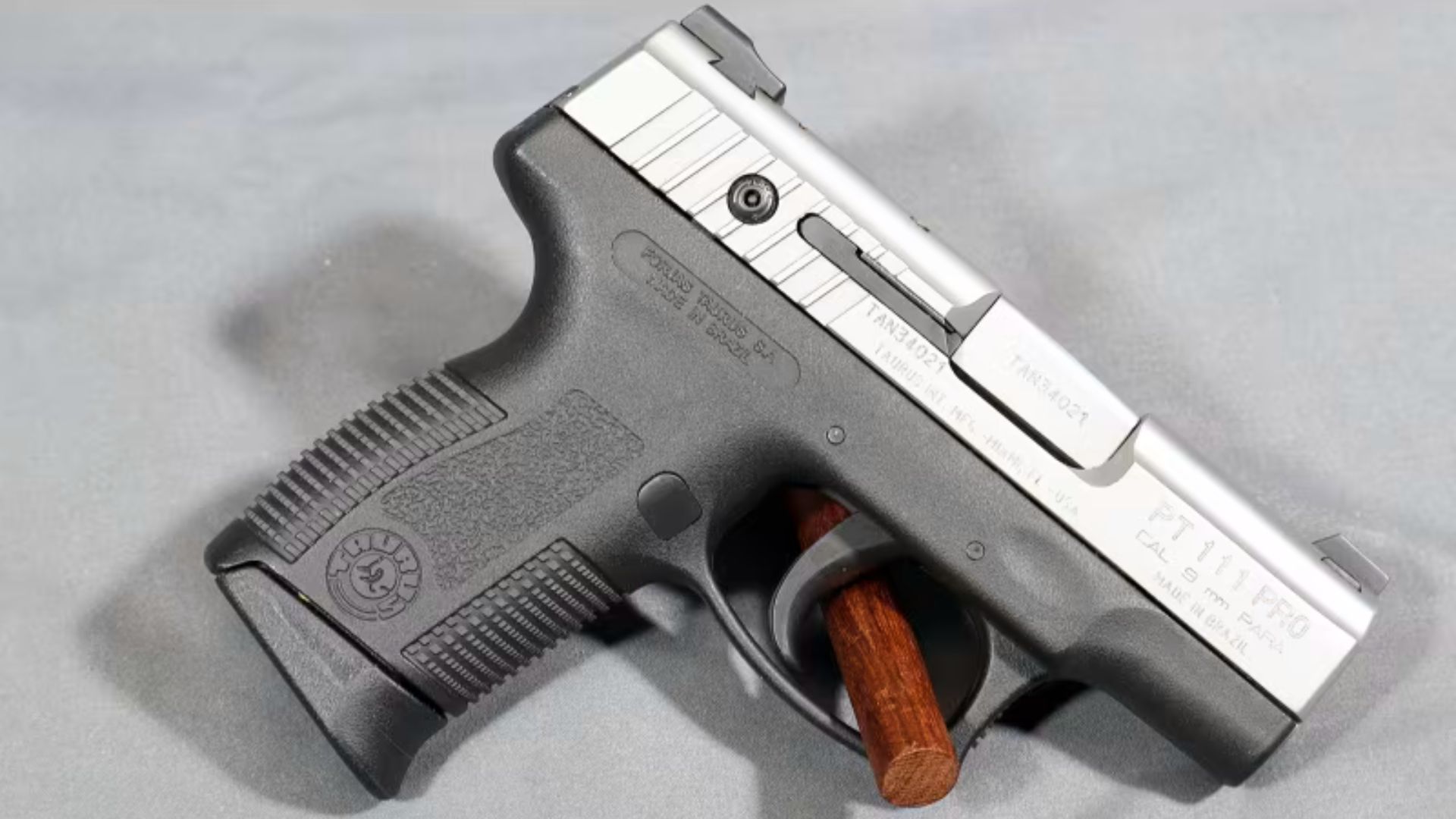
The Taurus Millennium Pro PT111 sold well because it offered compact 9mm capacity at an appealing price. For budget-minded buyers, it looked like a way to get a carry-capable pistol without paying Glock, Smith & Wesson, or SIG money. That kind of value pitch is powerful.
But the older Millennium series also carried quality and safety concerns that made many buyers rethink the bargain. Taurus later faced major legal and recall issues involving several pistol models in that family, which hurt confidence in the design. Even for owners whose pistols ran, resale value and trust were difficult. A defensive handgun needs confidence behind it. When a buyer has to wonder whether the cheap pistol was part of a troubled lineup, the lesson gets expensive fast.
Kimber Solo
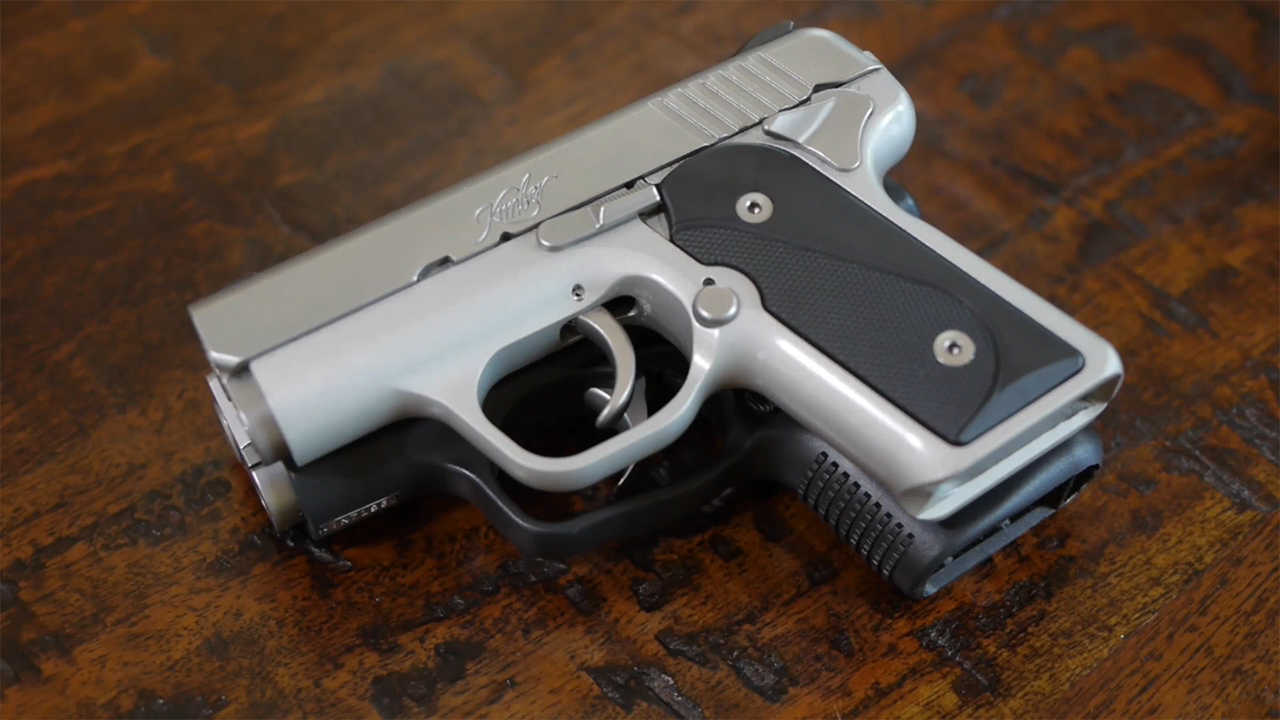
The Kimber Solo was not always cheap at the counter, but it taught a version of the cheap-buyer lesson because some people bought used examples thinking they were getting a premium name at a bargain price. A small 9mm Kimber with sleek styling and a discounted tag can look like a steal.
Then the ammunition sensitivity and reliability reputation enter the conversation. The Solo was known for being particular, and tiny 9mm pistols leave very little room for error. A used bargain can quickly become expensive if the owner has to test multiple loads, chase magazines, or give up and buy something more dependable. A discounted premium pistol is not automatically a deal. Sometimes it’s discounted because the market already learned the lesson.
Remington R51
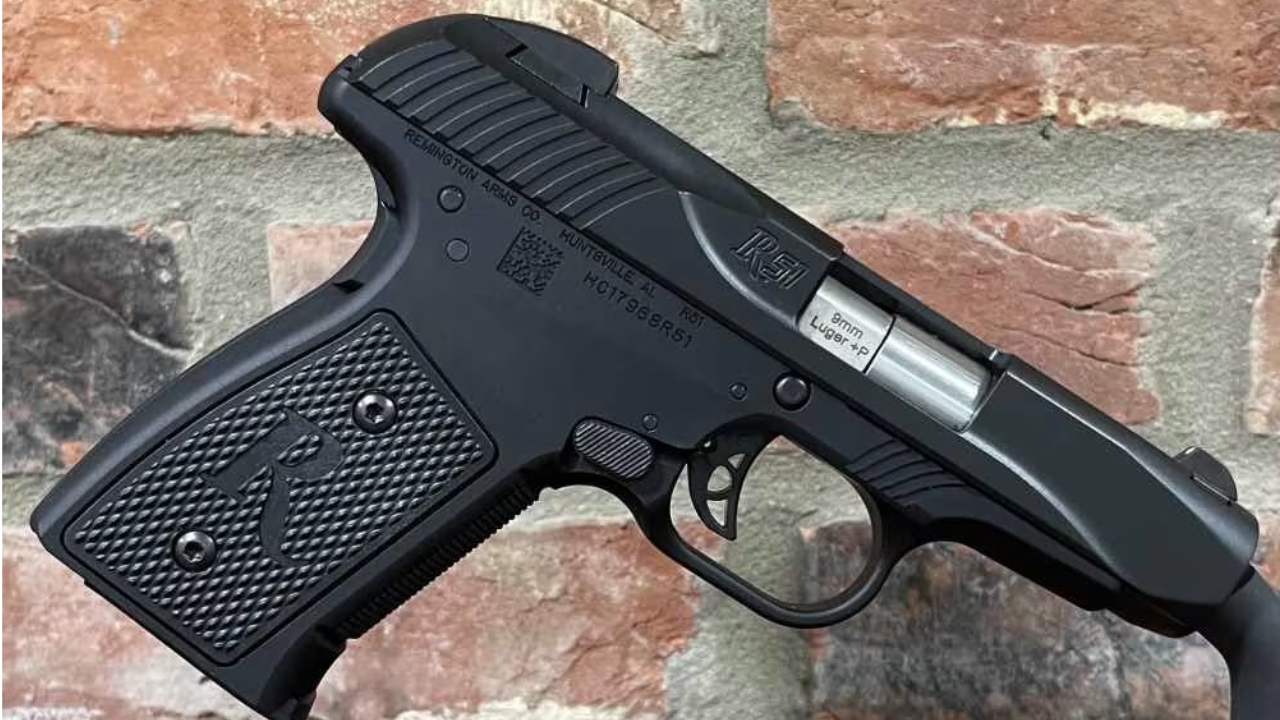
The Remington R51 is a painful example of a gun that looked like a clever affordable carry option and then became a lesson in buying too soon. It had interesting engineering, sleek lines, and a price that made buyers want it to succeed. The idea was appealing: a soft-shooting compact 9mm with something different under the hood.
The execution was the problem, especially with early production. Reliability, build quality, and function complaints damaged the pistol’s reputation badly. Even after revised versions appeared, confidence never fully recovered for many shooters. Buyers who thought they were getting an innovative carry pistol at a fair price often ended up with frustration and poor resale value. A low price and interesting design cannot overcome a pistol that owners don’t trust.
Diamondback DB9

The Diamondback DB9 attracted buyers by offering a tiny 9mm in a package that looked almost impossibly easy to carry. That kind of size is tempting. A small gun that slips into daily life sounds perfect, especially if the price is lower than larger, better-known options.
The lesson is that tiny 9mms are unforgiving. Recoil is sharp, parts are under stress, and shooters have less grip to control the pistol. Early DB9s especially developed a reputation for being difficult and sometimes unreliable, depending on the gun and ammunition. Even when functioning correctly, it is not a pleasant pistol for high-volume practice. A buyer who saves money but hates shooting the gun may end up buying a larger, more controllable carry pistol anyway.
Jennings J-22
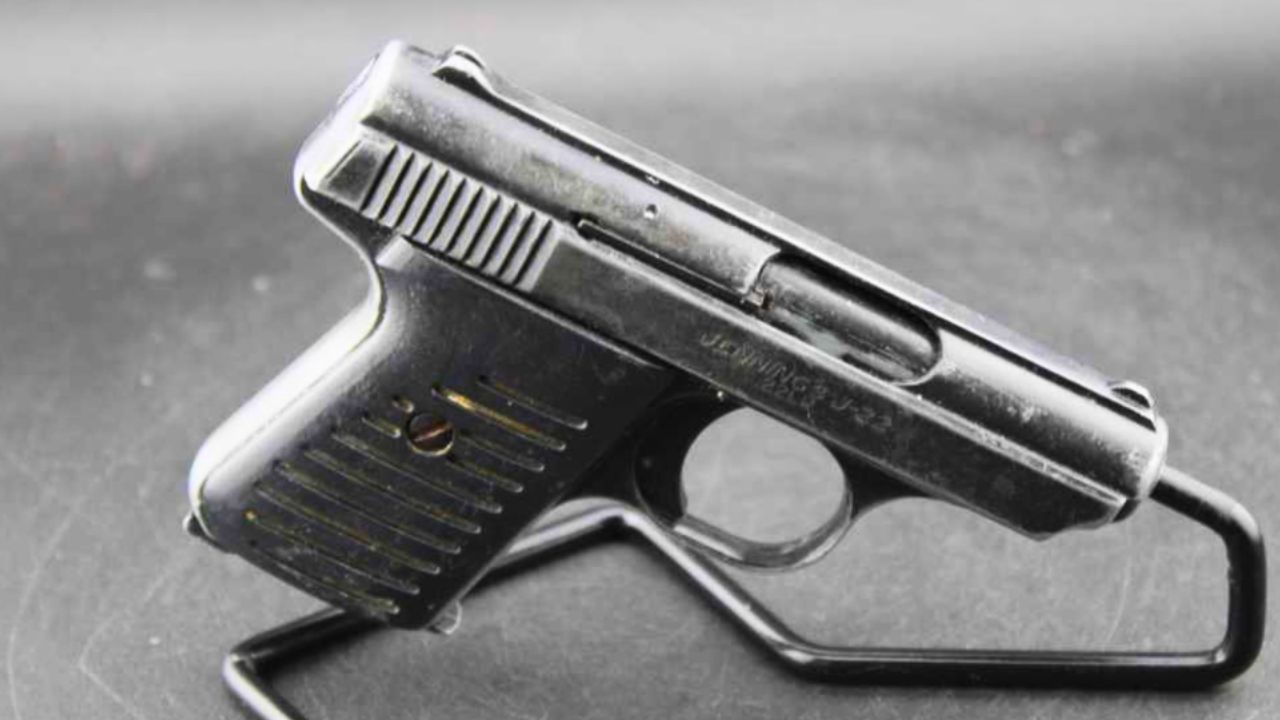
The Jennings J-22 is one of those tiny pistols that pulled buyers in with a very low price and easy concealment. It’s small, light, and simple enough to look like a cheap answer for someone who wants “something” for protection or casual shooting. That is exactly where the problem starts.
The J-22 has a long reputation for poor quality and questionable reliability. Add rimfire ignition, tiny sights, and limited practical accuracy, and the pistol becomes hard to defend as anything more than a curiosity. The expensive lesson is that the cheapest possible handgun can be worse than waiting, saving, and buying something trustworthy. A gun that cannot be relied on does not become a bargain because it was affordable.
AMT Backup
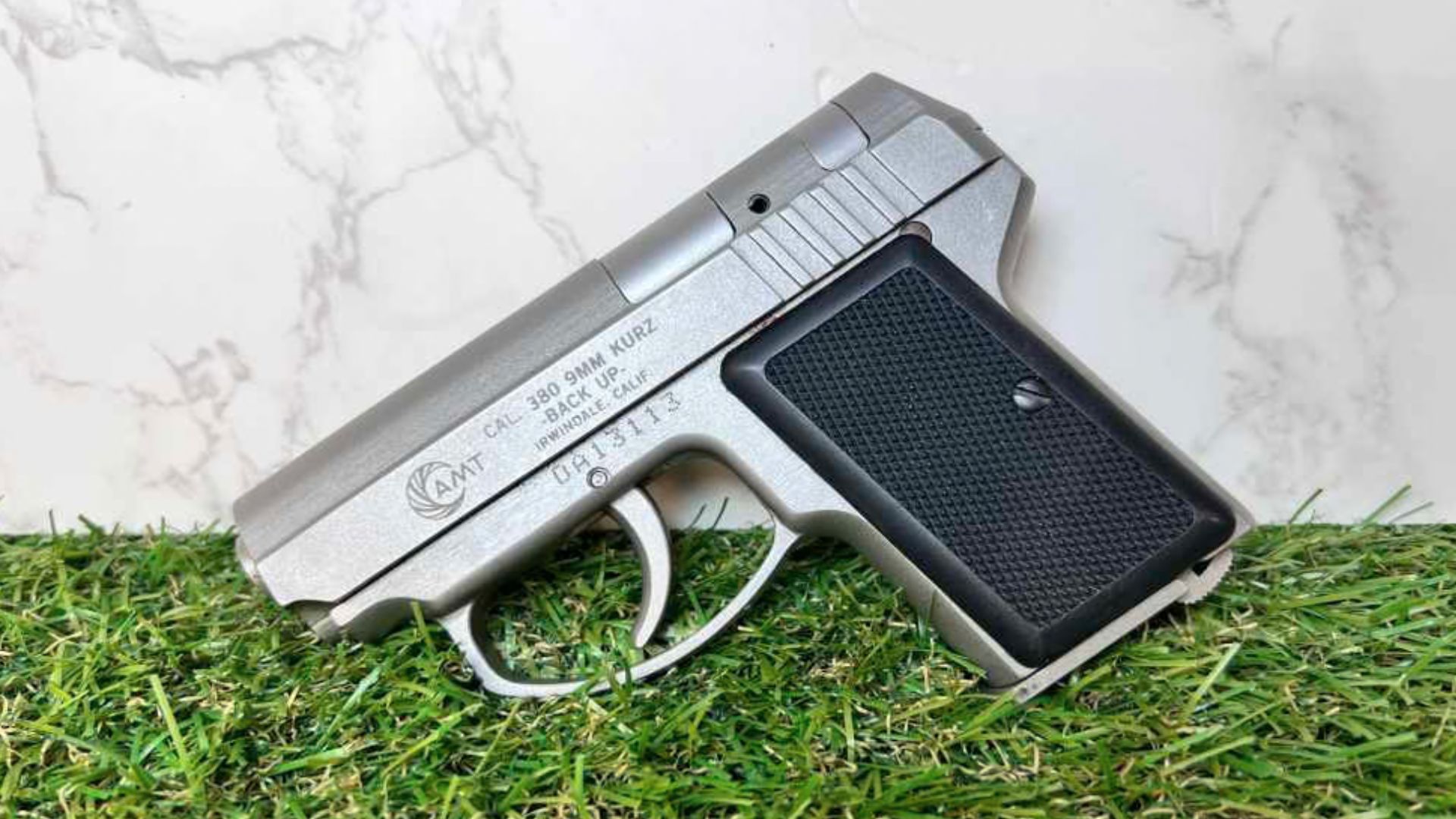
The AMT Backup has an appeal that makes buyers understand how “cheap enough” can be dangerous thinking. Used examples may look like sturdy little stainless pocket pistols, and some buyers are drawn to the old-school metal feel. Depending on chambering and condition, one can seem like an inexpensive way into a small carry gun with character.
The problem is that older pocket pistols can bring rough triggers, stiff recoil, spotty reliability, and limited parts support. The Backup line had fans, but it also had plenty of criticism. Buying one cheaply can turn into a chase for magazines, springs, gunsmithing, or simply enough testing to trust it. A used bargain with poor support can become more expensive than buying a modern, proven carry pistol from the start.
Bryco Model 38
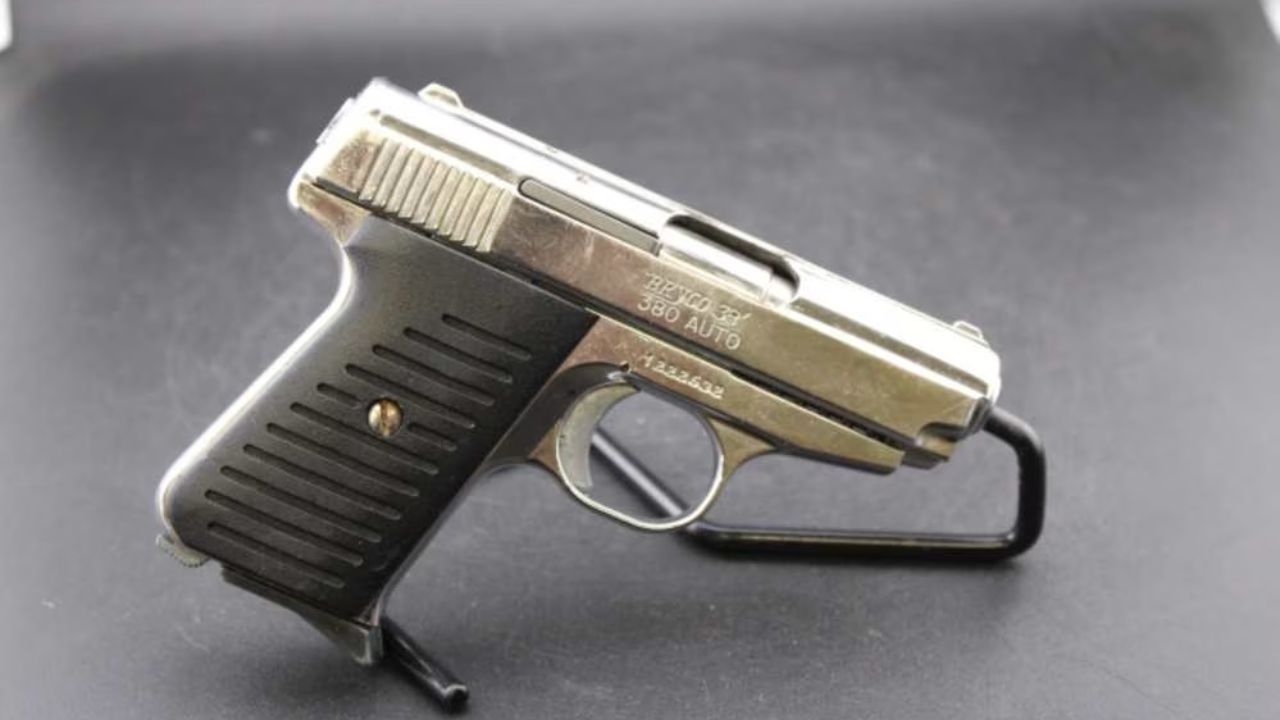
The Bryco Model 38 is a classic example of cheap becoming expensive because the gun’s low price was never enough to offset its reputation. It was an inexpensive small pistol, and that made it accessible to people who simply wanted a handgun without spending much. Accessibility and quality are not the same thing.
Bryco pistols developed a reputation for poor materials, rough function, and safety concerns, which makes them difficult to recommend for any serious purpose. The Model 38 may still show up used, but a low price does not erase the risk of unreliable operation or poor long-term support. A buyer who wants a defensive handgun needs something they can test, maintain, and trust. This is the kind of pistol that teaches why the bottom shelf is usually there for a reason.
Taurus Curve
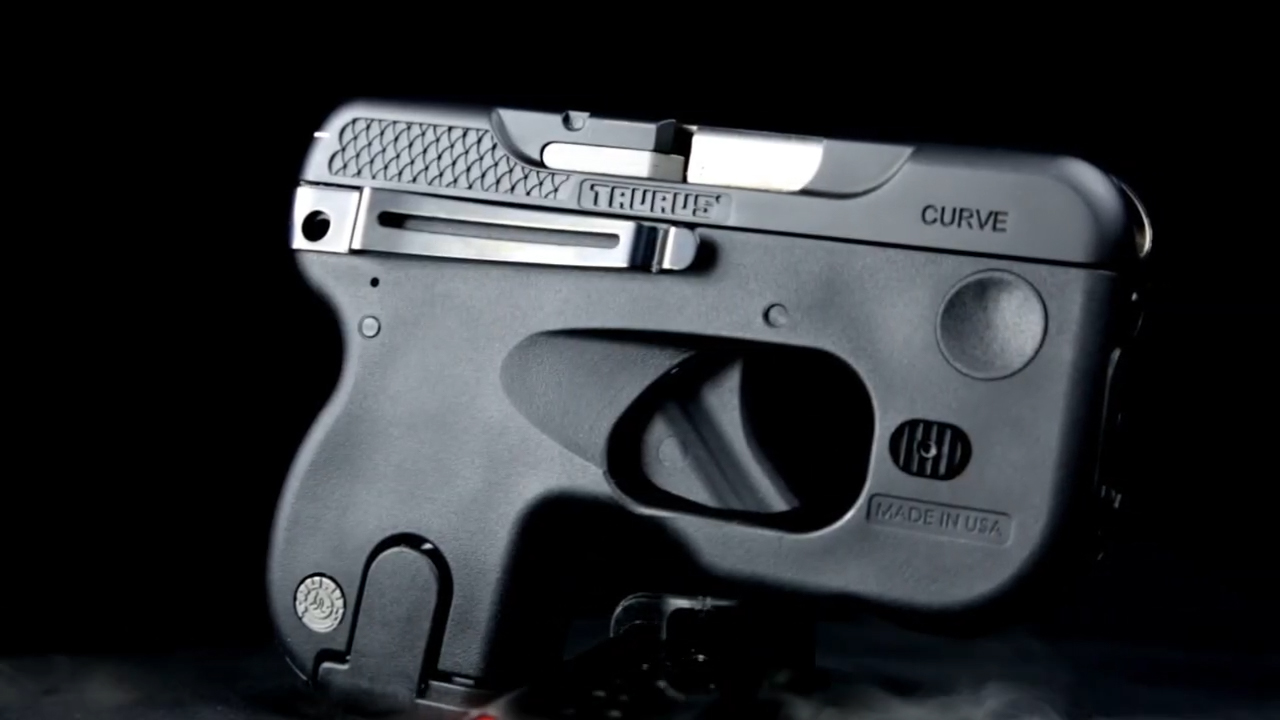
The Taurus Curve looked like an interesting budget-friendly carry experiment. It was shaped around body carry, had an unusual curved frame, and tried to rethink how a small pistol could disappear against the body. That novelty made it tempting, especially for buyers who wanted something different without paying premium money.
The problem was that different did not automatically mean better. The Curve lacked traditional sights, had unusual handling, and never gained broad trust. A carry gun should make the shooter more confident, not force them to adapt around odd design choices. Buyers who picked one up because it seemed clever often learned that proven boring pistols are proven for a reason. A weird gun can be fun, but a weird carry gun can become an expensive mistake.
Phoenix Arms HP22A

The Phoenix Arms HP22A has attracted buyers for years because it is inexpensive, small, and chambered in affordable .22 LR. For casual plinking, some owners enjoy them for what they are. The problem starts when buyers expect too much from a very low-cost rimfire pistol.
The HP22A can be ammunition-sensitive, and its safety system is awkward enough to annoy many shooters. It is also not built like a premium rimfire that will hold up to endless hard use. A cheap .22 sounds like a money saver until it frustrates the owner or gets replaced by a Ruger Mark IV, Browning Buck Mark, or Taurus TX22. A rimfire pistol should make practice easy and enjoyable. If it creates more aggravation than training, the cheap price loses its shine.
Like The Avid Outdoorsman’s content? Be sure to follow us.
Here’s more from us: