Photo credit: CVA Rifles
Some rifles never had much charm on the rack. They looked too plain, too plastic, too blunt, or too obviously built for work to win over the crowd chasing walnut, polish, or whatever the latest “premium” hunting rifle was supposed to be. These were the guns people handled with one eyebrow raised, then set back down because they wanted something with more style, more romance, or at least a little more pride-of-ownership appeal.
Then hunting season starts doing what it always does. Rain, mud, cold fingers, truck floors, rough blinds, and long miles have a way of separating useful rifles from pretty ones in a hurry. These are the rifles that stayed ugly, practical, and far more useful than the pretty stuff.
Remington 788

The Remington 788 was never the rifle people bought to impress anyone. It looked plain, felt basic, and never carried the same polished image as the 700. In a lot of camps, it was the rifle you bought because you wanted to hunt without spending extra money pretending to buy prestige. That kept it from being glamorous, but it also kept it honest.
What made the 788 last was simple: it shot. Plenty of owners found out the hard way that this homely little rifle grouped better than rifles that looked far more serious on the rack. It never needed much beauty because practical accuracy has a way of making cosmetics feel overrated by the end of the season.
Savage 110 synthetic
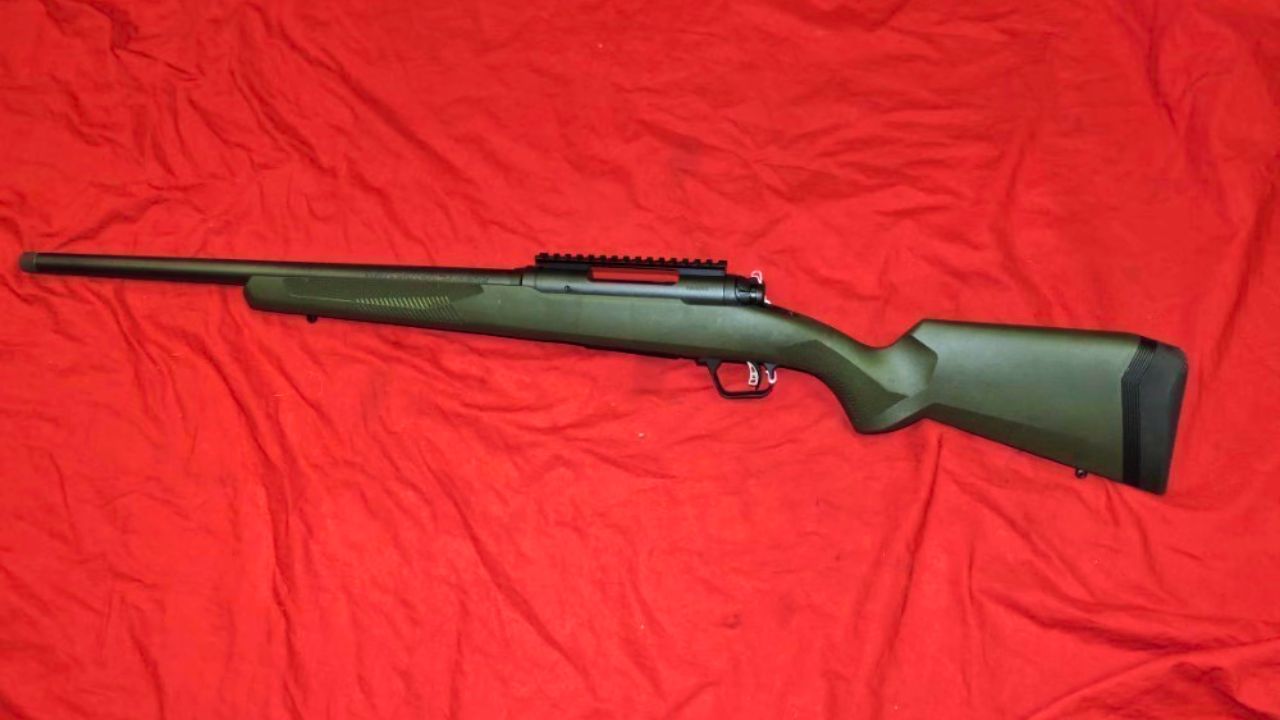
The synthetic-stock Savage 110 has long been one of those rifles people describe with a shrug before they spend real time behind one. It is not handsome. It is not refined. It rarely feels like something you would buy for the joy of owning it. It feels like a tool, and for some buyers that was enough to make it seem forgettable.
But that same plain, tool-like quality is exactly why it keeps earning respect. The 110 has a long habit of shooting well, surviving hard use, and doing its job without needing much pampering. A lot of prettier rifles have had stronger first impressions. The ugly Savage usually has the better long-term record where it matters.
Ruger American Predator

The Ruger American Predator has never looked like a rifle built to stir much emotion. It is plastic-heavy, plain, and all business. There is no romance to it at the counter. Nobody picks one up and thinks about heirlooms. They think about getting into the woods, getting on target, and maybe saving enough money for ammo, glass, and tags.
That is exactly why it works so well in the real world. The Predator shoots better than its looks suggest, carries easily enough, and handles rough hunting life without making the owner feel guilty about every scratch. It may never win beauty contests, but plenty of prettier rifles have offered less practical value once the hunt actually started.
Weatherby Vanguard Synthetic

The Weatherby Vanguard Synthetic has always been overshadowed by prettier Weatherbys and flashier rifles in general. It never had the glossy-stock swagger people associate with the brand, and that made it easy to dismiss as the plain version of something more desirable. It looked like compromise to a lot of buyers, not like a smart choice.
Then people hunted with them. That tends to change the tone fast. The Vanguard Synthetic has a well-earned reputation for solid accuracy, sturdy construction, and just enough heft to steady things when the shot matters. It is not a rifle that flatters the owner much on day one. It is a rifle that keeps making more sense every year after.
Howa 1500 Hogue

The Howa 1500 Hogue package rifles were never going to get praised for beauty. That soft stock and no-frills overall look made them easy to underrate next to rifles with more polished lines or stronger brand swagger. A lot of hunters saw them as practical middle-shelf rifles, not something worth getting especially excited about.
But the action itself has always had more going for it than the rifle’s looks suggested. In real use, the Howa often proves steady, dependable, and easy to trust once a season gets ugly. It is one of those rifles that can spend years looking unremarkable while quietly doing more useful work than plenty of cleaner, prettier options.
Stevens 200

The Stevens 200 looked cheap because, frankly, it was cheap. It wore that fact openly. There was no attempt to dress it up as anything else. It was plain to the point of feeling unfinished, and that made it easy for buyers to act like they were above it while shopping for something with a little more polish and a little less bargain-bin honesty.
Then hunters started using them hard and discovering that ugly does not automatically mean incapable. The Stevens 200 built a following because it delivered what a lot of people claimed to want: simple function, usable accuracy, and no wasted money on appearances. It was never pretty enough to win admiration early, but it has stayed useful longer than many rifles that were.
Winchester XPR

The Winchester XPR does not exactly stop traffic when you see it on the rack. It looks like a modern budget hunting rifle because that is what it is. For buyers hoping for old-school Model 70 charm or even a little emotional pull from the Winchester name, the XPR can feel disappointingly plain. It never looked like a rifle built to become anyone’s favorite.
Then it starts doing ordinary hunting-rifle things very well. The XPR tends to shoot honestly, hold up in rough use, and carry enough practicality to make prettier rifles feel like unnecessary drama. It is the kind of rifle hunters grow into appreciating after they stop expecting every useful firearm to also be handsome enough to justify a framed photo.
Remington 7600 synthetic

The synthetic-stock Remington 7600 is not a rifle anybody bought for looks. It is a pump rifle with all the charm of a practical decision, and that kept a lot of style-conscious buyers away from it. If you wanted graceful lines or old-school appeal, this was not your rifle. It looked like exactly what it was: a working deer gun.
That is also why it keeps earning loyalty. In thick woods, foul weather, and fast-moving hunting situations, the 7600’s handling starts to matter a lot more than appearance. It points naturally, cycles fast, and works in the kind of real conditions where pretty rifles often spend too much time trying not to get scratched.
Browning BAR MK 3 Stalker
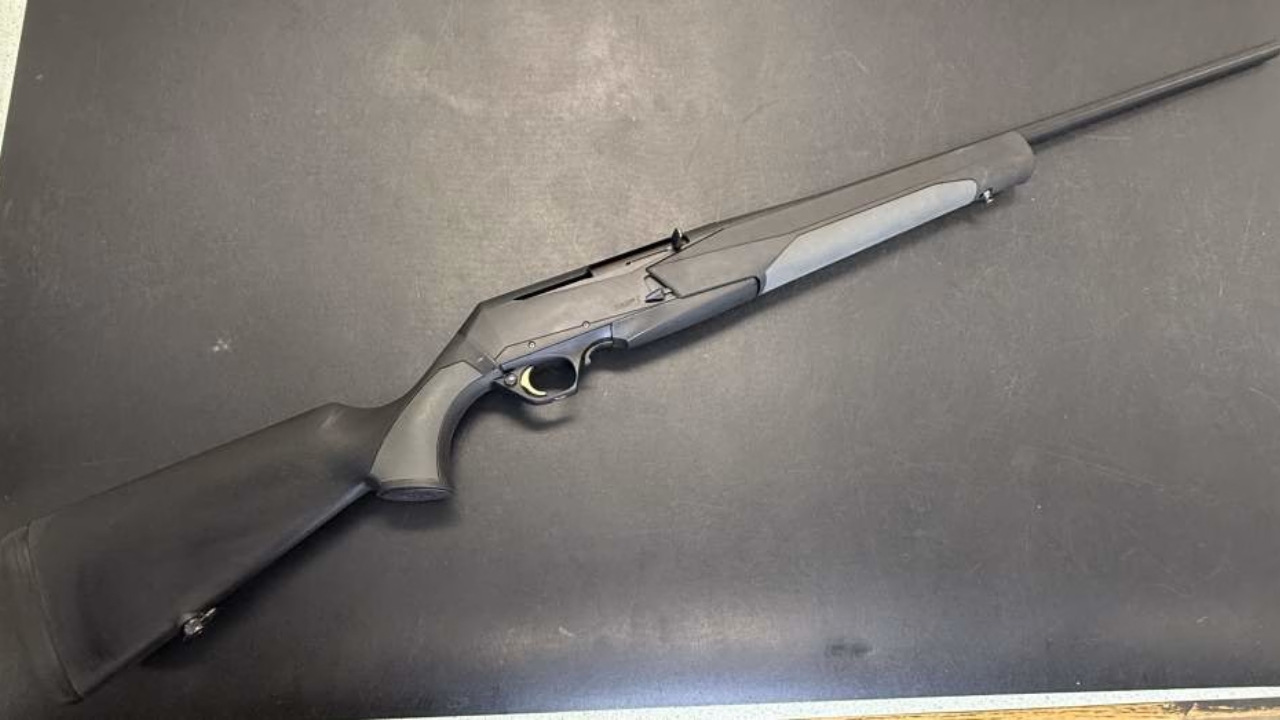
The BAR MK 3 Stalker has none of the warmth that buyers often want from a hunting rifle. No nice wood, no classic look, no effort to make a semi-auto seem elegant. It is practical and a little cold-looking, which made it easy for some hunters to treat as a lesser version of a more attractive BAR they thought they wanted.
Out in the field, that attitude gets corrected fast. The Stalker handles weather, abuse, and long hunts with a kind of practical confidence that prettier rifles sometimes struggle to match. It does not ask for admiration. It asks to be loaded and used. In the right country, that makes it far more valuable than the polished walnut gun that mostly shines in the safe.
Savage Axis II

The Savage Axis II might be one of the clearest examples of a rifle nobody buys for beauty. It looks like a rifle built under strict orders not to waste one dime on appearance. That has always hurt it at first glance. Plenty of hunters have handled one and immediately started looking for something that felt more substantial, more finished, or more worthy of pride.
Then the Axis II starts putting rounds where they need to go. That tends to soften a lot of criticism. Once hunters realize the rifle can shoot, carry, and survive real field use just fine, the ugly-stock complaints lose some force. It is not a refined rifle. It is just one that often ends up doing more real hunting than rifles twice as pretty.
Thompson/Center Compass

The Thompson/Center Compass never had much visual charm. It looked like the kind of rifle somebody designed with practicality at the top of the list and pride of ownership somewhere much lower down. That made it easy to overlook in stores. Buyers saw a plain budget rifle and assumed the experience would feel just as forgettable as the styling.
But the Compass earned better treatment than that. In real use, it proved capable, accurate enough to matter, and refreshingly free of unnecessary drama. It is one of those rifles that makes a stronger case on the range and in the field than it ever did leaning under fluorescent lights beside rifles trying much harder to look important.
Mossberg Patriot synthetic
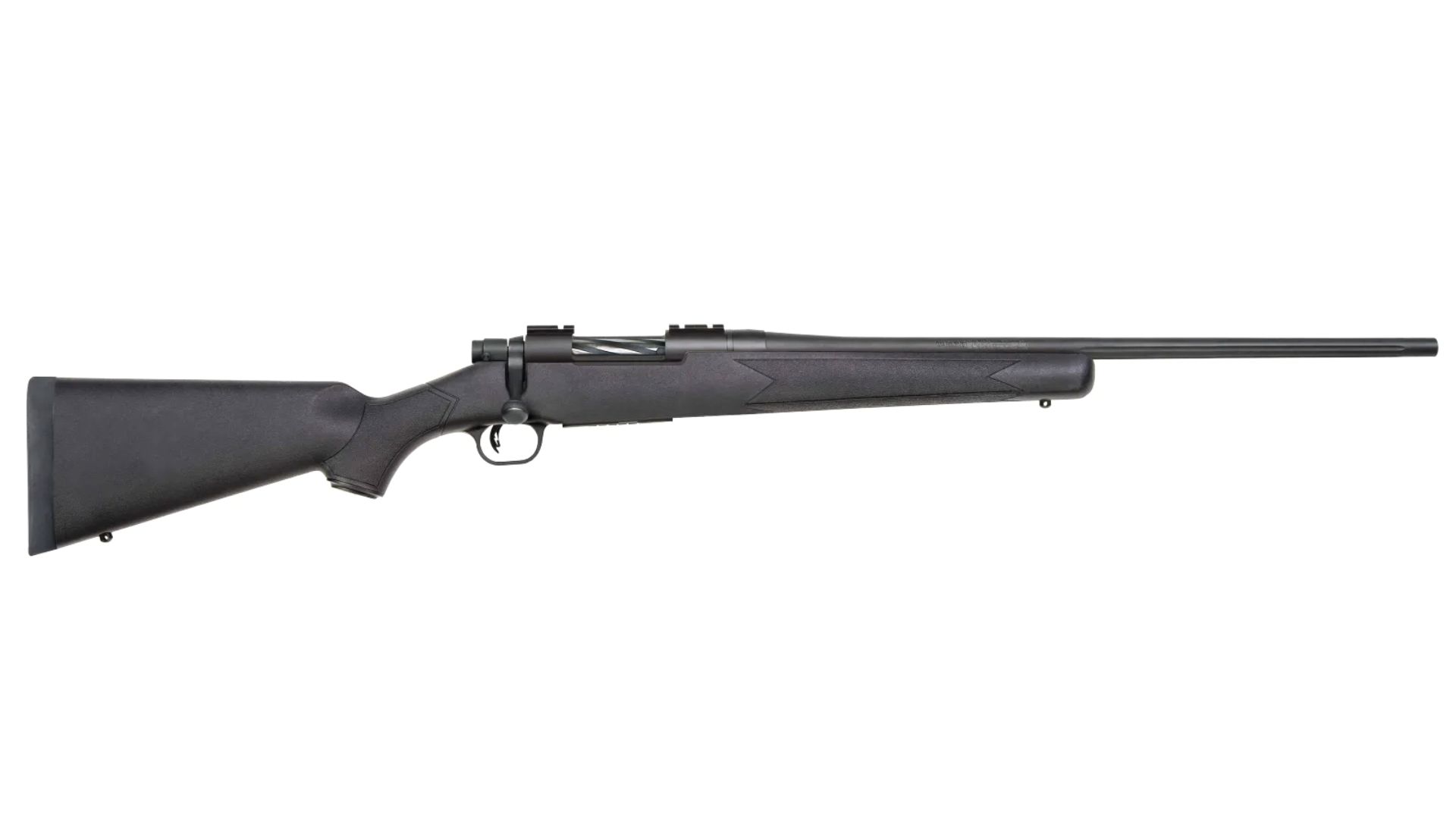
The Mossberg Patriot synthetic has always looked more serviceable than lovable. It does not carry much swagger, and it certainly does not make a great first impression if you are the kind of buyer who equates visual appeal with quality. That kept it from becoming a bragging rifle, even for plenty of people who actually owned and used one.
Then hunting reality starts chipping away at that bias. The Patriot is light enough to carry, functional enough to trust, and plain enough that owners rarely hesitate to actually use it. That matters. A rifle you are willing to drag through brush and bad weather often ends up being more valuable than the one you bought because it looked like a hero shot in a catalog.
CZ 600 Alpha

The CZ 600 Alpha is one of those rifles that looks almost aggressively uninterested in charm. It is synthetic, modern, and stripped of much of the visual warmth buyers still expect from the CZ name. That made some hunters skeptical right out of the gate. It felt too plain, too cold, and too far removed from the graceful older rifles that built the brand’s following.
But plain modern rifles still get judged in the field, not in the display case. The 600 Alpha starts making more sense once you actually carry it, shoot it, and realize it was built around practical use rather than emotional nostalgia. That may not make it beautiful, but it does make it the kind of rifle hunters end up respecting more than they expected.
Ruger M77 Hawkeye All-Weather

The Ruger M77 Hawkeye All-Weather has never had much softness to it. It looks like a rifle made for bad days, not admiration. Stainless steel and synthetic stocks rarely get people emotional, and the Hawkeye version always leaned harder into seriousness than beauty. That made it easy for some buyers to keep browsing for something with a little more grace.
Then the hunt gets rough, and the whole point becomes obvious. The Hawkeye All-Weather is the sort of rifle that makes ugly look smart. It carries real confidence into bad conditions, keeps the owner from worrying about every mark on the stock, and reminds you that field-ready toughness ages better than polished good looks when weather and terrain stop cooperating.
Marlin X7

The Marlin X7 never had the kind of appearance that made buyers linger at the counter. It looked like a value rifle and not much else. That hurt it with hunters who wanted a little more pride built into the purchase. It seemed too plain to matter, too basic to become memorable, and too budget-minded to feel like a long-term answer.
But it kept doing one very important thing: it made sense where it counted. The X7 earned respect by shooting well enough, carrying easily enough, and staying affordable enough that owners could actually use it without babying it. It was ugly in the way honest tools often are. That honesty turned out to be a lot more useful than looks.
CVA Cascade SB
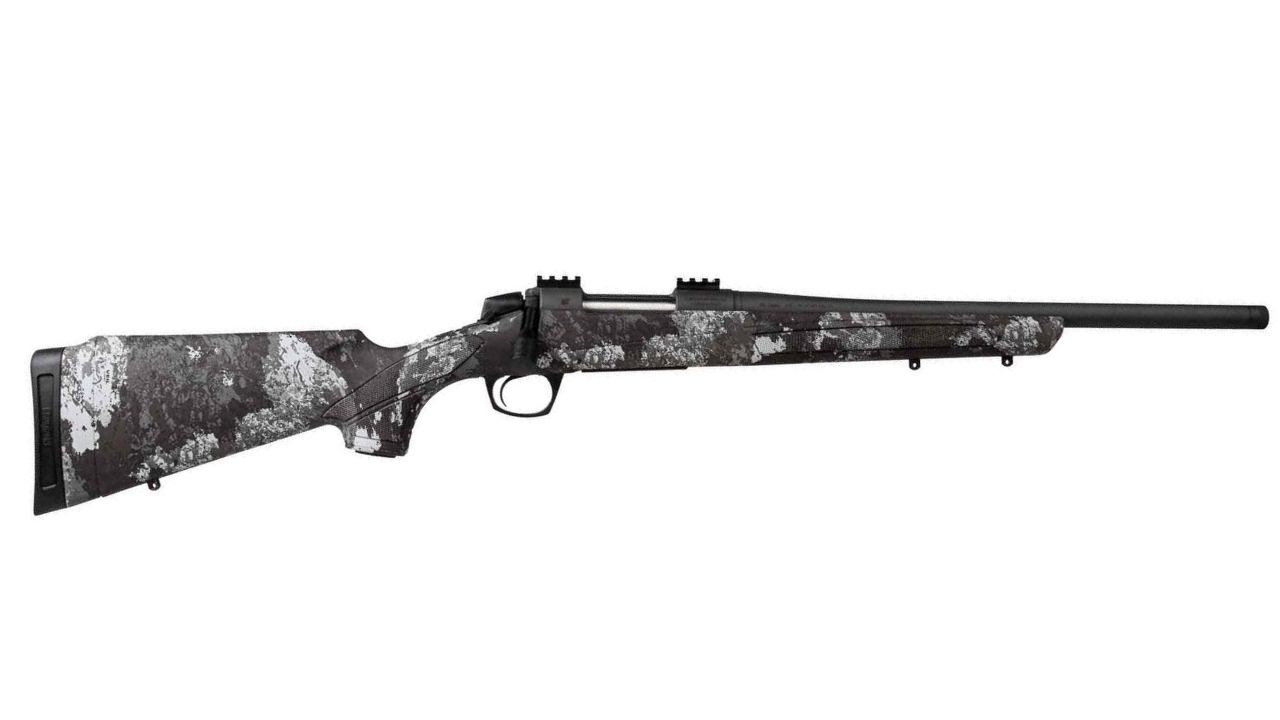
The CVA Cascade SB does not have much romance in it. It looks like a modern working rifle built to skip the pageantry and get straight to the part where it has to earn trust. That lack of visual charm makes it easy for buyers to underestimate, especially when there are prettier rifles nearby pretending to offer more personality for the money.
Once the Cascade actually gets hunted, though, the plainness starts looking like focus instead of weakness. It is durable, practical, and easier to use hard than many rifles buyers talk themselves into liking more at first glance. In the real world, ugly and useful tend to stay together longer than pretty and precious.
Like The Avid Outdoorsman’s content? Subscribe to our newsletter so you never miss an article.
Here’s more from us: