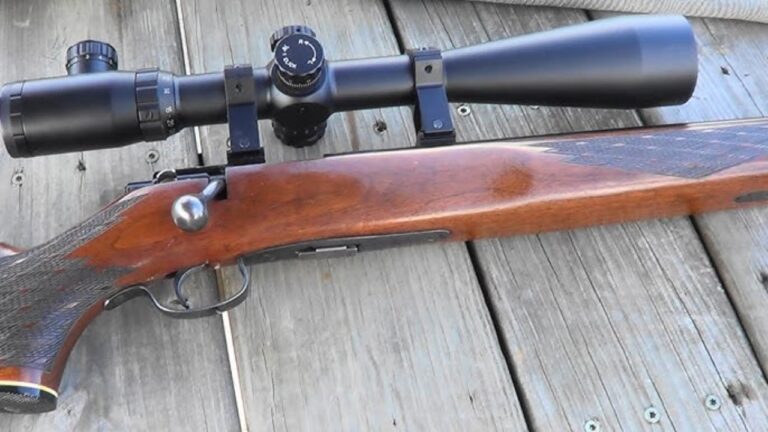
Photo credit: Jordi Mora/Shutterstock.com
When you’re dealing with close-range shooting, power isn’t always your friend. At short distances, some rifle calibers bring more recoil, muzzle blast, and meat damage than the job calls for. You might punch through your target and half the backstop while you’re at it. Sure, these rounds have their place—usually out past a couple hundred yards—but inside that, they can be wasteful, uncomfortable, and flat-out impractical. If you want efficiency and control up close, you’ll want to think twice before pulling the trigger on these.
.300 Winchester Magnum
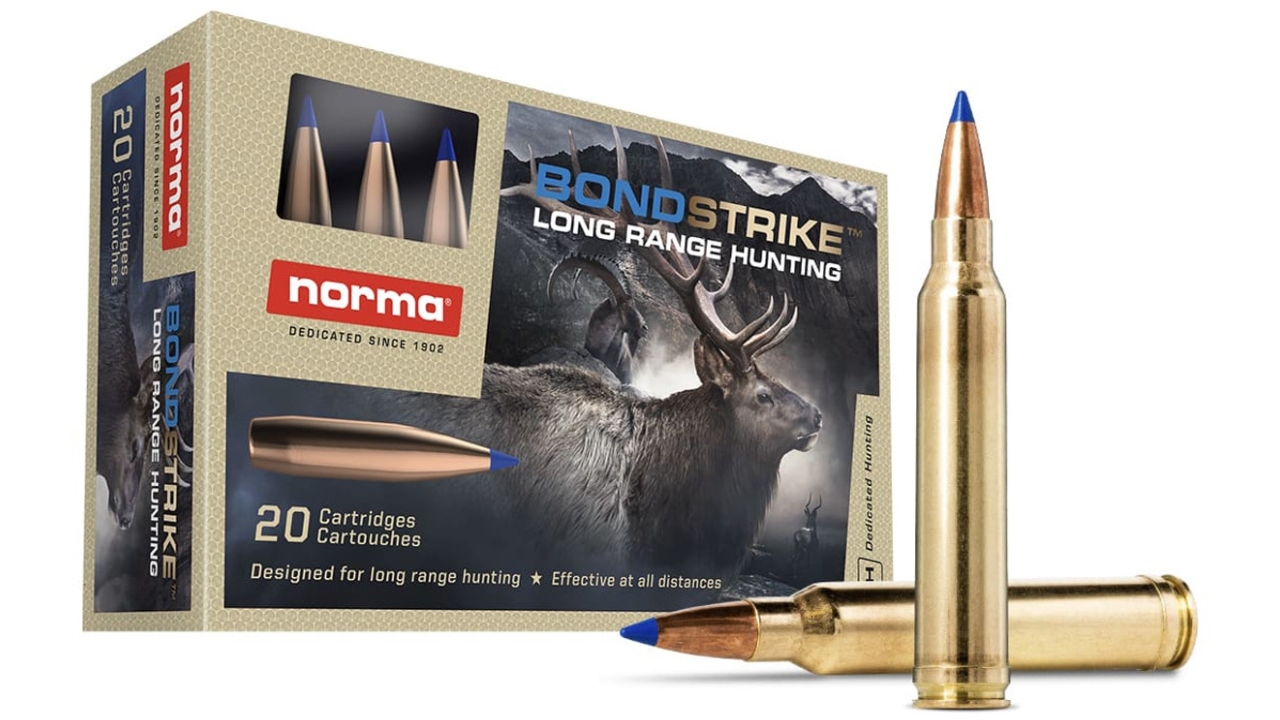
The .300 Win Mag is a powerhouse designed for long-range precision and big game. Inside 50 yards, it’s like using a sledgehammer on a finishing nail. The recoil is excessive for short work, and the muzzle blast is enough to rattle anyone nearby. On thin-skinned game or varmints, you’re likely to destroy far more than you intend. Unless you’re in a very specific dangerous-game scenario, there’s no reason to burn through expensive magnum ammo at short ranges.
.338 Lapua Magnum

Built for extreme-range sniping and heavy targets, the .338 Lapua Magnum has no business in tight quarters. The recoil is punishing, the ammo is costly, and the performance is complete overkill at close range. You’ll punch through more than just your intended target, which can create safety issues in a confined environment. It’s a fantastic round for stretching distance past 1,000 yards, but up close, it’s like bringing a rocket launcher to a knife fight.
.50 BMG
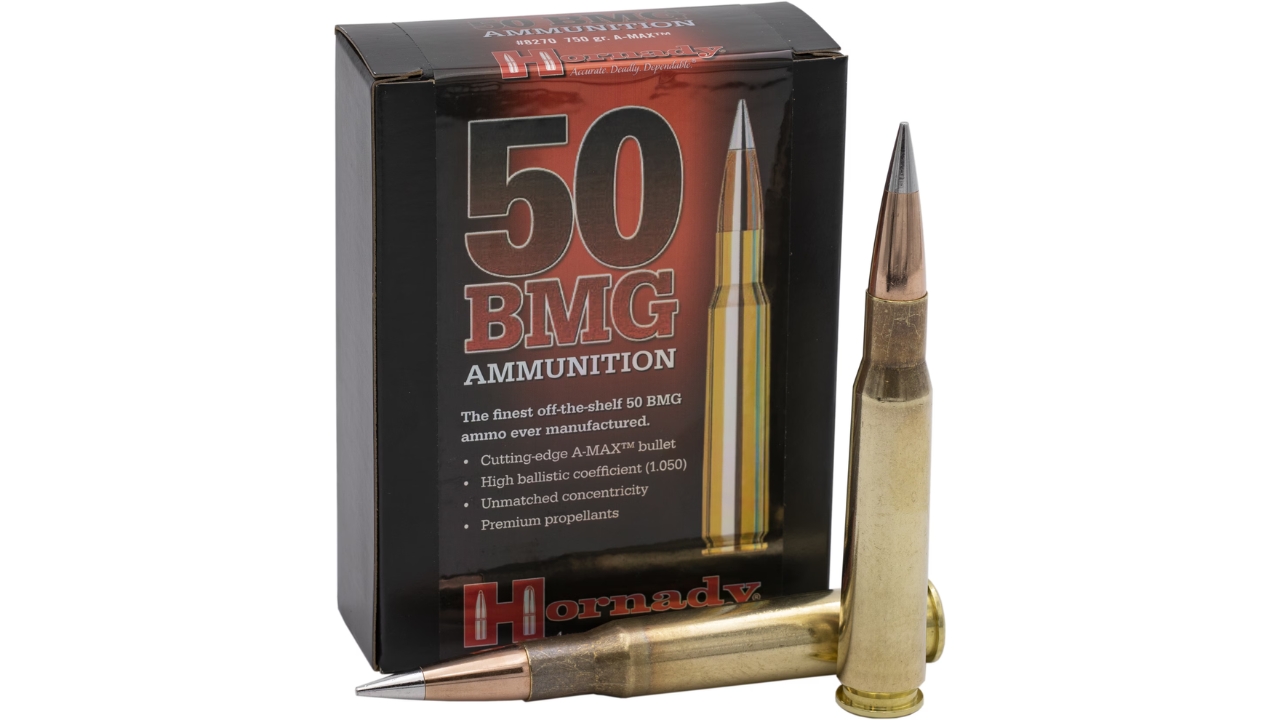
The .50 BMG was never meant for short-range precision on anything smaller than a vehicle or large structure. At close range, the over-penetration is extreme, the blast will leave your ears ringing even with protection, and the recoil is flat-out unnecessary for anything on two or four legs under 50 yards. It’s impressive, sure—but if you’re trying to do controlled shooting at short distances, there are far better, safer, and more manageable options than hauling out a Barrett.
7mm Remington Magnum

The 7mm Rem Mag shines for open-country hunting and long-range shooting, but it’s more rifle than you need for close work. You’re dealing with sharp recoil, a loud report, and higher costs per shot compared to standard short-action calibers. At short range, the terminal performance can be excessive, especially on lighter game. Unless you’re intentionally practicing with your hunting rifle before a trip, you’re better off saving this round for where it excels—open spaces and longer shots.
.300 PRC

The .300 Precision Rifle Cartridge is designed for consistent long-range accuracy, often in competition or extreme hunting scenarios. In close quarters, all that efficiency and retained energy become a liability. It’s expensive, over-penetrates, and kicks harder than most shooters want in a short-range setting. If you’ve got a target inside 50–75 yards, you’d be wasting barrel life and putting up with unnecessary punishment using this caliber when smaller, more manageable options exist.
.45-70 Government
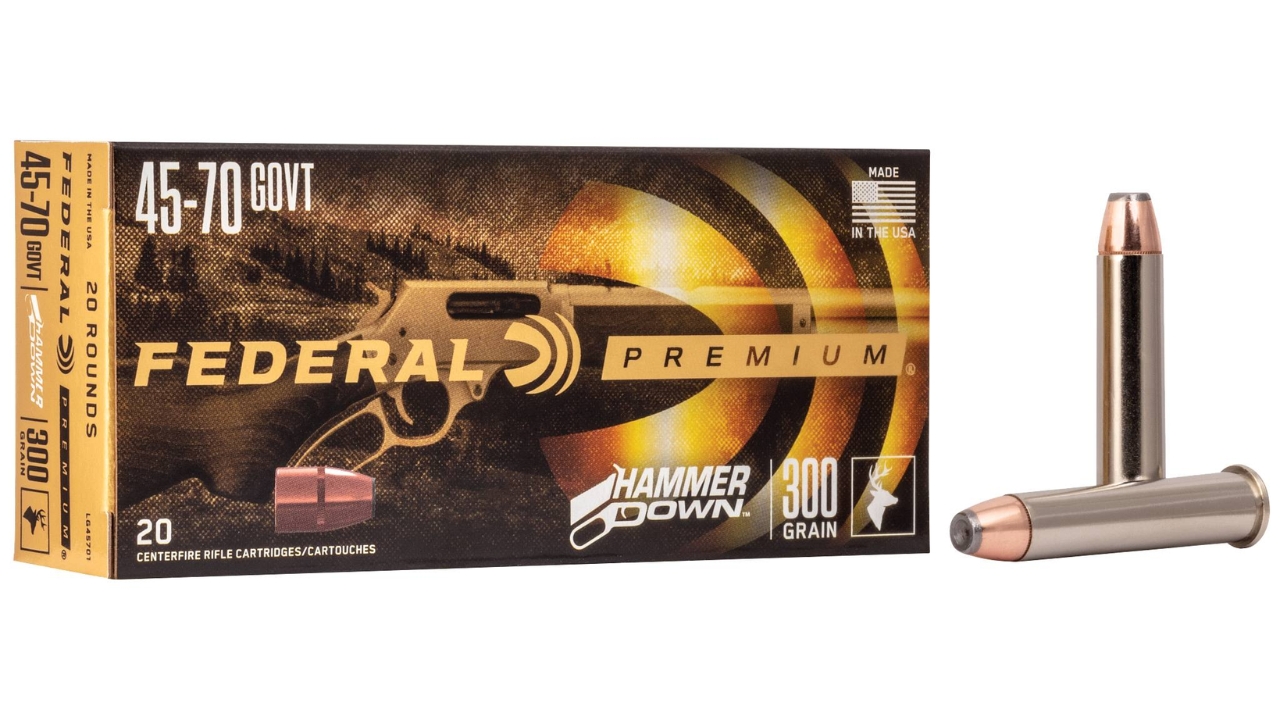
The .45-70 in its modern, high-pressure loadings can put down anything in North America—and at close range, that’s not always a good thing. Those hot loads meant for big bear or moose can blow apart medium game and create safety concerns with their penetration. In thick brush or for standard deer hunting, reduced loads make more sense. When you run the heavy hitters at close distances, you’re signing up for massive recoil and meat loss you could avoid.
.375 H&H Magnum

The .375 H&H Magnum has earned its place in dangerous game hunting, but it’s excessive for anything short-range unless you’re on safari. The recoil is stout, the report is fierce, and the bullet’s energy is meant for thick-skinned animals that can stomp or gore you. At under 50 yards on common game, you’re burning costly ammo and absorbing unnecessary punishment. There’s no questioning its power—just whether it’s remotely sensible for close-range work in typical hunting situations.
*This article was developed with AI-powered tools and has been carefully reviewed by our editors.