Photo credit: Rayvolver44/Youtube
Some guns feel replaceable right up until they’re gone. They may look ordinary, sit in the safe too long, or seem too similar to something newer with better specs. At the time, selling or trading them feels harmless. There will always be another one, right?
Then the owner starts looking for that same feel, same balance, same reliability, or same role and realizes the replacement isn’t so easy. Some guns don’t seem special until they leave a hole nothing else fills quite right.
Smith & Wesson Model 65
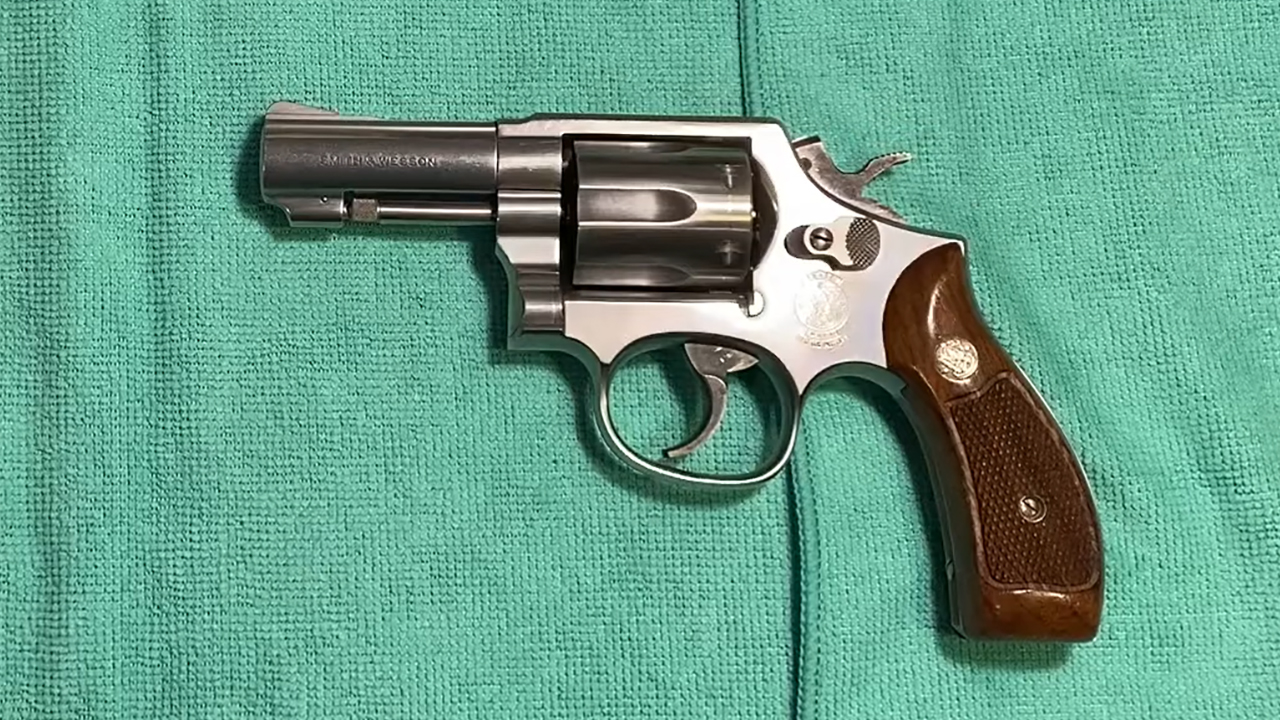
The Smith & Wesson Model 65 can seem replaceable because it looks like a simple stainless K-frame .357 with fixed sights. It doesn’t have the adjustable-sight appeal of the Model 66 or the heavier-duty feel of the 686. On the surface, it’s easy to assume another .357 revolver can take its place.
That changes once an owner starts missing the balance. The Model 65 carries well, shoots .38 Special comfortably, and handles sensible .357 Magnum loads in a trim package. The fixed sights make it feel like a true working revolver instead of a range-only piece. It’s simple, clean, and practical in a way that becomes harder to appreciate until it’s gone. A bigger revolver may be stronger, but it won’t carry quite the same.
Marlin 1894 .44 Magnum
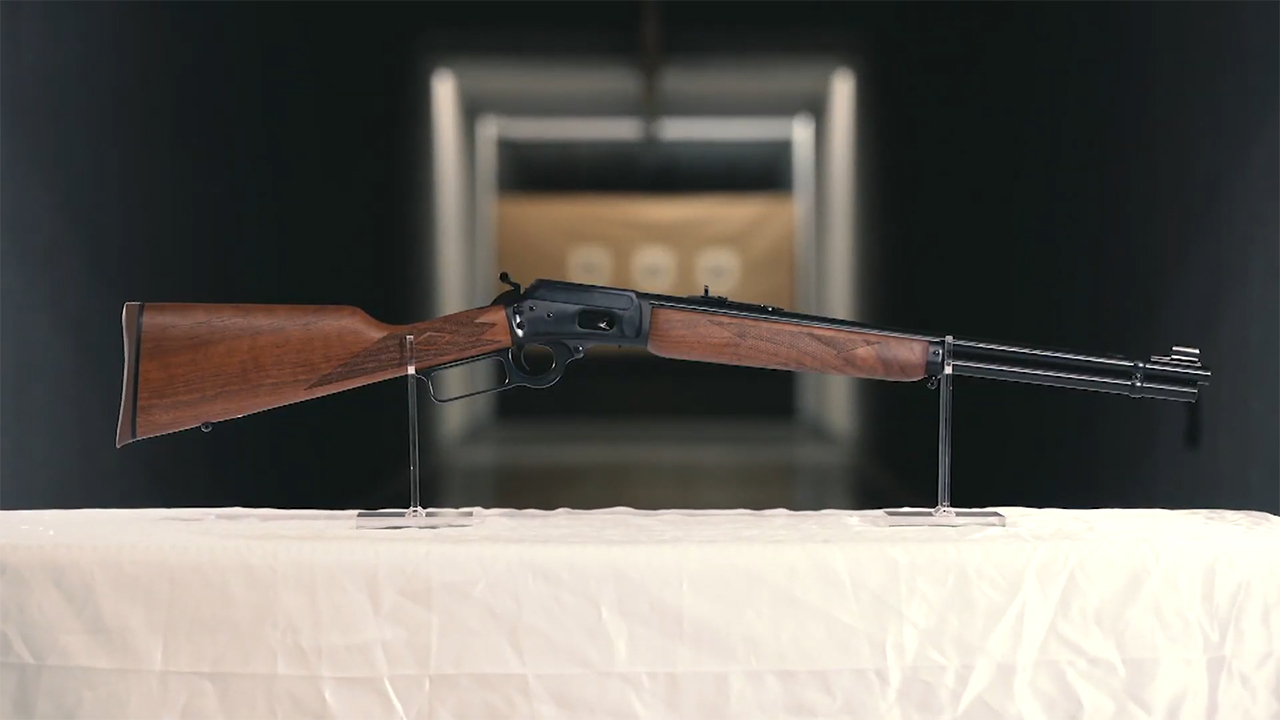
The Marlin 1894 in .44 Magnum can look like just another pistol-caliber lever gun until someone tries to replace it. It’s compact, quick, and hits harder than the .357 versions while still staying handier than a full-size rifle. For thick woods, hogs, and close-range deer hunting where legal, it fills a very specific lane.
That lane is not as easy to cover as it seems. A bolt-action may shoot farther, and a .30-30 may be more traditional, but a .44 Magnum lever gun has its own appeal. It carries well, cycles quickly, and pairs nicely with a .44 revolver. Once an owner sells one, finding another clean example that feels right can be frustrating. It seemed replaceable until the replacement didn’t exist.
SIG Sauer P225
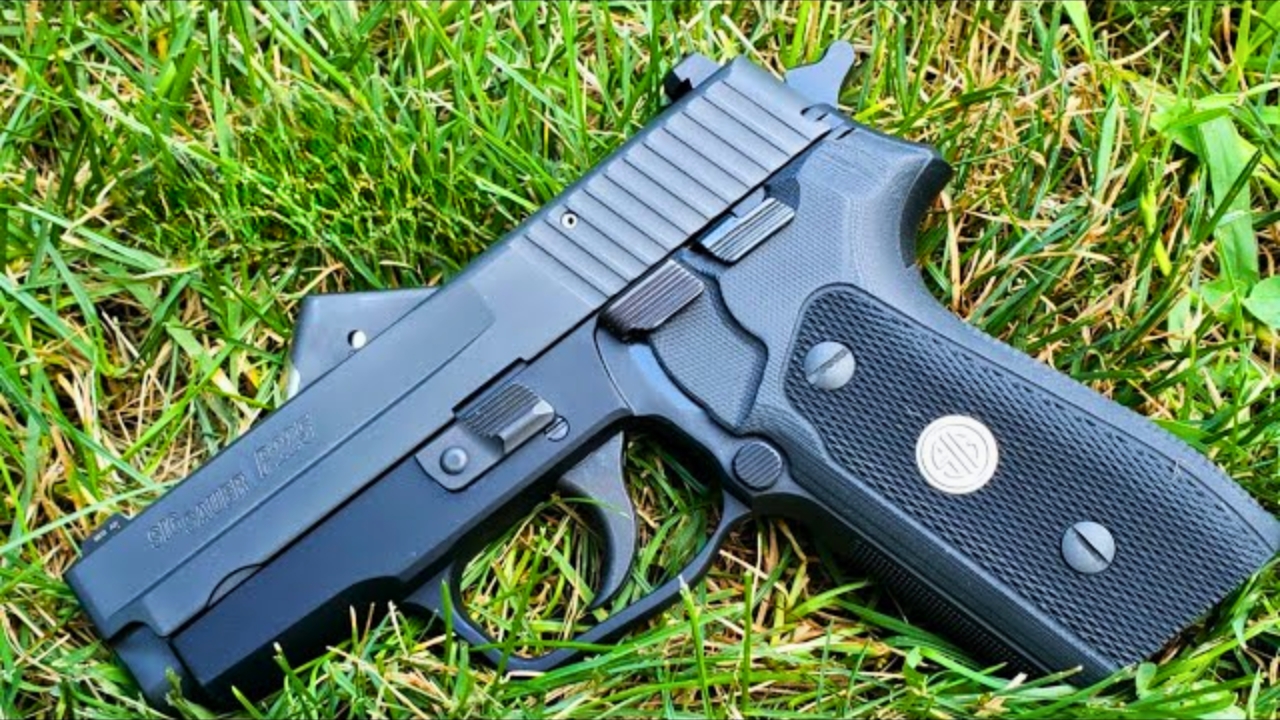
The SIG Sauer P225 is easy to dismiss in a modern carry market full of higher-capacity compact pistols. It is a single-stack DA/SA 9mm with older controls, modest capacity, and no modern optics-ready convenience. On paper, almost everything newer seems to replace it.
In the hand, the story gets more complicated. The P225 has a slim grip, comfortable balance, and classic SIG shooting feel that many modern micro-compacts don’t duplicate. It is not the most efficient carry pistol now, but it shoots with a calm, refined feel that keeps owners attached. A lighter pistol may carry easier, but it may not feel as steady. That’s when the P225 stops looking outdated and starts looking missed.
Remington 700 Mountain Rifle

The Remington 700 Mountain Rifle seemed replaceable when lightweight hunting rifles became more common. Plenty of companies now build trim bolt-actions, synthetic-stocked mountain rifles, and rifles designed to cut ounces. That makes an older Mountain Rifle look like one option among many.
Then hunters remember how it felt. The slimmer barrel, light carry weight, and familiar 700 action made it a natural rifle for long walks and deer woods where a heavy sporter felt like too much. It wasn’t meant for long bench sessions, but it carried beautifully. A newer rifle may be lighter or more weatherproof, but it may not have the same simple hunting-rifle personality. That’s why clean examples still get attention.
Browning BPS
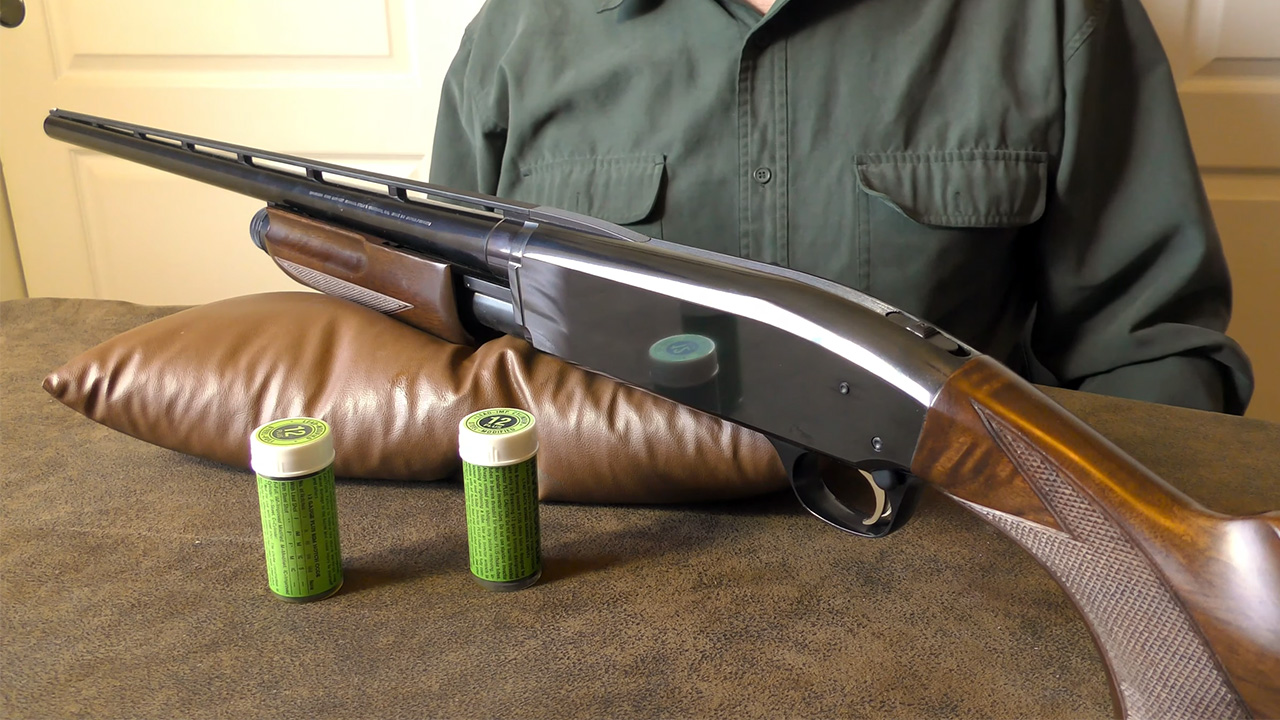
The Browning BPS can seem replaceable because it’s a pump shotgun in a world full of pump shotguns. A buyer might think a Mossberg, Remington, or Winchester can do the same work for less money or with more common accessories. That can make the BPS easy to undervalue.
But the bottom-eject design, tang safety, and solid build give it a feel many other pumps don’t match. It’s especially friendly to left-handed shooters, and it has a smoother, more substantial personality than many cheaper pumps. It can handle birds, turkey, deer, clays, and general shotgun work depending on setup. Once someone gets used to a BPS, replacing it with a more common pump may feel like trading character for convenience.
Ruger 77/22

The Ruger 77/22 looked like a nice bolt-action rimfire, but plenty of owners probably thought any good .22 could fill the same role. Rimfires are easy to underestimate because they don’t have big recoil, big noise, or big hunting stories attached. That makes them seem replaceable.
The 77/22 proves otherwise. It has a real rifle feel, rotary magazine, and enough quality to stand apart from cheaper bolt-action rimfires. It works for small game, quiet practice, and shooters who like a .22 that doesn’t feel disposable. Once Ruger stopped making certain versions and prices climbed, owners realized the little rifle wasn’t so easy to replace. A good rimfire can be one of the hardest guns to duplicate.
Colt Lightweight Commander
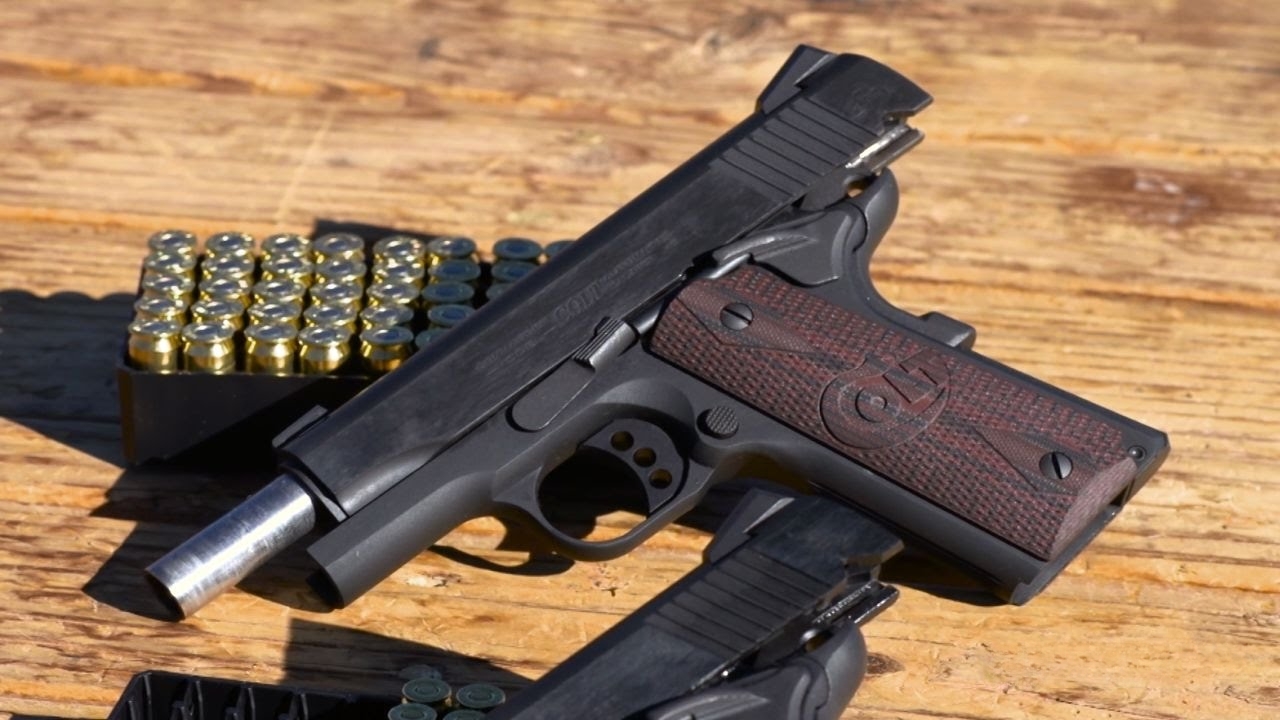
The Colt Lightweight Commander can seem replaceable if someone looks only at carry specs. Modern pistols hold more rounds, weigh less, cost less, and require less maintenance. A single-stack 1911-style pistol with a manual safety doesn’t look like the practical winner anymore.
Then the owner tries to replace the feel. The Lightweight Commander carries flat, balances beautifully, and gives the shooter that crisp single-action trigger people keep coming back to. It requires training and proper magazines, and it is not the easiest recommendation for everyone. But for someone who shoots 1911s well, it fills a role newer polymer pistols don’t fully replace. A modern carry gun may be more efficient, but it may not feel as natural.
Winchester Model 88

The Winchester Model 88 is easy to assume replaceable because it’s an older lever-action deer rifle. A modern bolt-action can shoot accurately for less money, mount optics easily, and come in newer materials. That makes the Model 88 seem like something a hunter could move on from without much trouble.
That assumption usually doesn’t hold. The Model 88 blends lever-action handling with a rotating bolt and detachable magazine, giving it a feel few rifles share. Chamberings like .308 Winchester, .243 Winchester, and .284 Winchester keep it relevant for deer hunting when the rifle is in good condition. It has quirks, and used examples need careful inspection, but a good one is not easily replaced by a plain bolt gun. It has its own lane.
Beretta 85 Cheetah
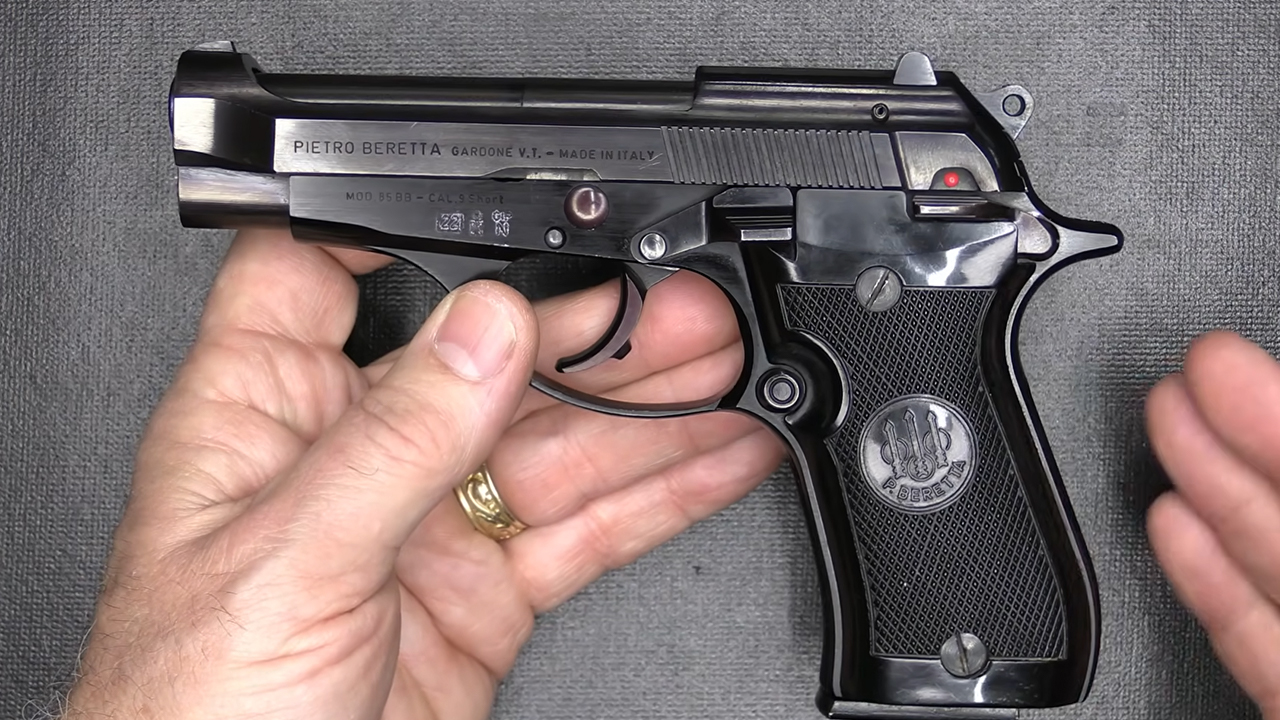
The Beretta 85 Cheetah looks replaceable if someone only compares it to modern compact pistols. It’s a single-stack .380 ACP that’s larger than many tiny carry guns, and smaller 9mms now offer more power and capacity in similar or smaller packages. The specs make it seem outdated.
The shooting experience says otherwise. The 85 Cheetah is slim, soft-shooting, and beautifully made. It feels like a proper metal-frame pistol, not a harsh little pocket gun. For recoil-sensitive shooters, collectors, or anyone who enjoys classic Berettas, it offers a kind of pleasure that newer plastic .380s rarely match. A modern pistol may be more practical, but it probably won’t make .380 feel this refined.
Savage 24
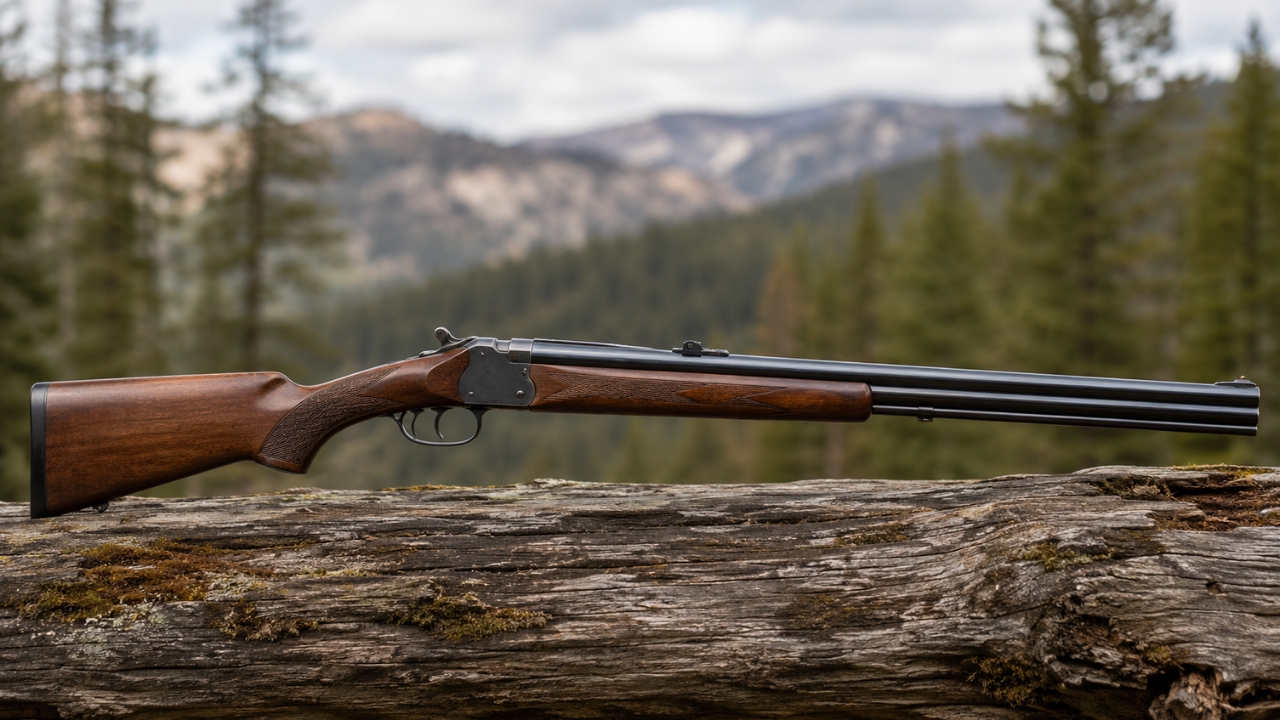
The Savage 24 seemed replaceable because combination guns are easy to misunderstand. A rifle barrel over a shotgun barrel doesn’t do either job as well as a dedicated rifle or dedicated shotgun. That makes it seem like a compromise someone could sell without regret.
Then the owner tries to find another gun with the same kind of utility. The Savage 24 makes sense for walking land, small game, pests, camp use, and situations where a person doesn’t know exactly what they’ll run into. It is not fast to reload, and it is not ideal for every job. But it offers flexibility most modern firearms don’t. A specialized rifle or shotgun may be better at one thing. The Savage 24 is useful because it does two.
Smith & Wesson Model 39

The Smith & Wesson Model 39 is easy to overlook because it’s an older single-stack 9mm from another era. Modern pistols beat it on capacity, optics support, parts availability, and sometimes weight. That makes it seem replaceable by almost any current compact 9mm.
But the Model 39 has a feel that newer pistols don’t fully copy. It is slim, balanced, and surprisingly pleasant to shoot. The alloy frame keeps weight manageable, while the DA/SA system gives it an old-school service-pistol personality. It’s not the easiest pistol to support now, and condition matters. Still, owners who let one go often realize that modern efficiency didn’t replace its charm. It was a carry pistol with grace.
Browning A-Bolt Micro Hunter
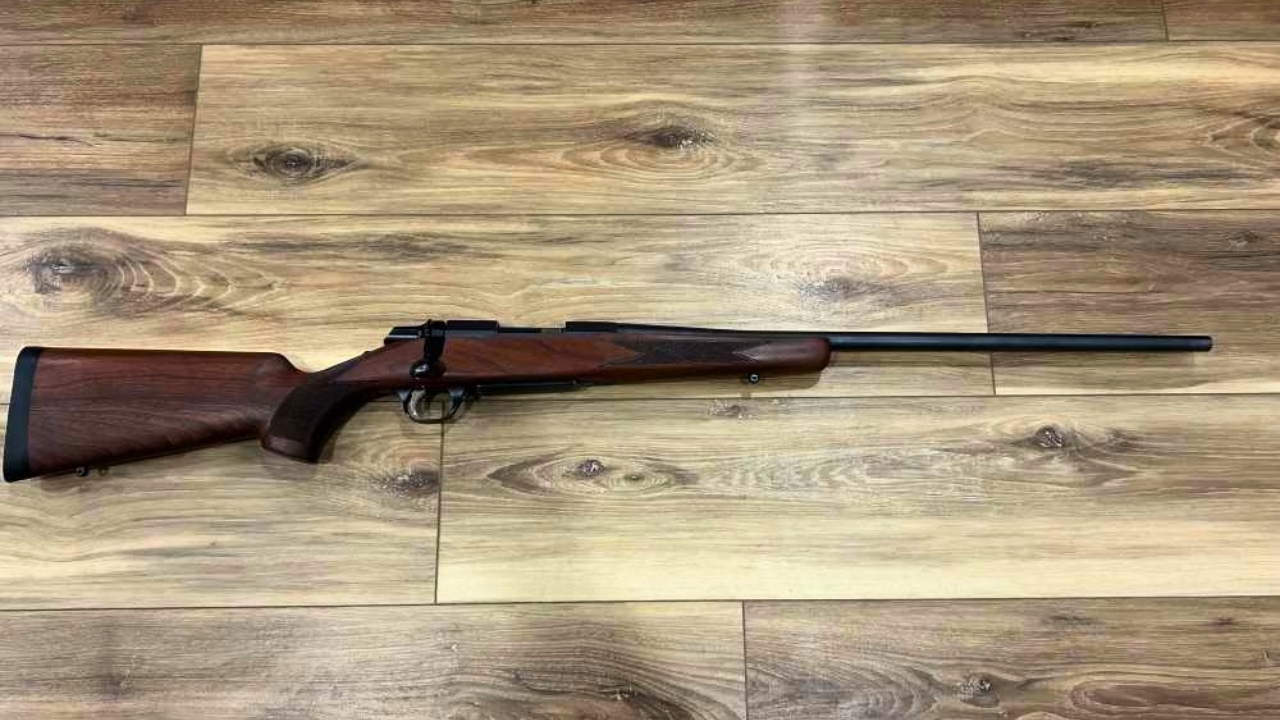
The Browning A-Bolt Micro Hunter seemed replaceable if someone thought of it as just a compact rifle. There are plenty of youth rifles, compact bolt-actions, and short hunting rifles now. But many of those feel cheap, rough, or like temporary starter guns.
The Micro Hunter felt more polished. It had Browning’s smooth short-lift bolt, practical magazine system, and a compact size that worked for smaller-framed hunters, younger hunters, tight blinds, and thick cover. It didn’t feel like a toy. That matters. A rifle that fits well and still feels like a quality hunting tool is not as common as people think. Once it’s gone, replacing that exact blend of handiness and refinement can be tough.
HK USP Compact
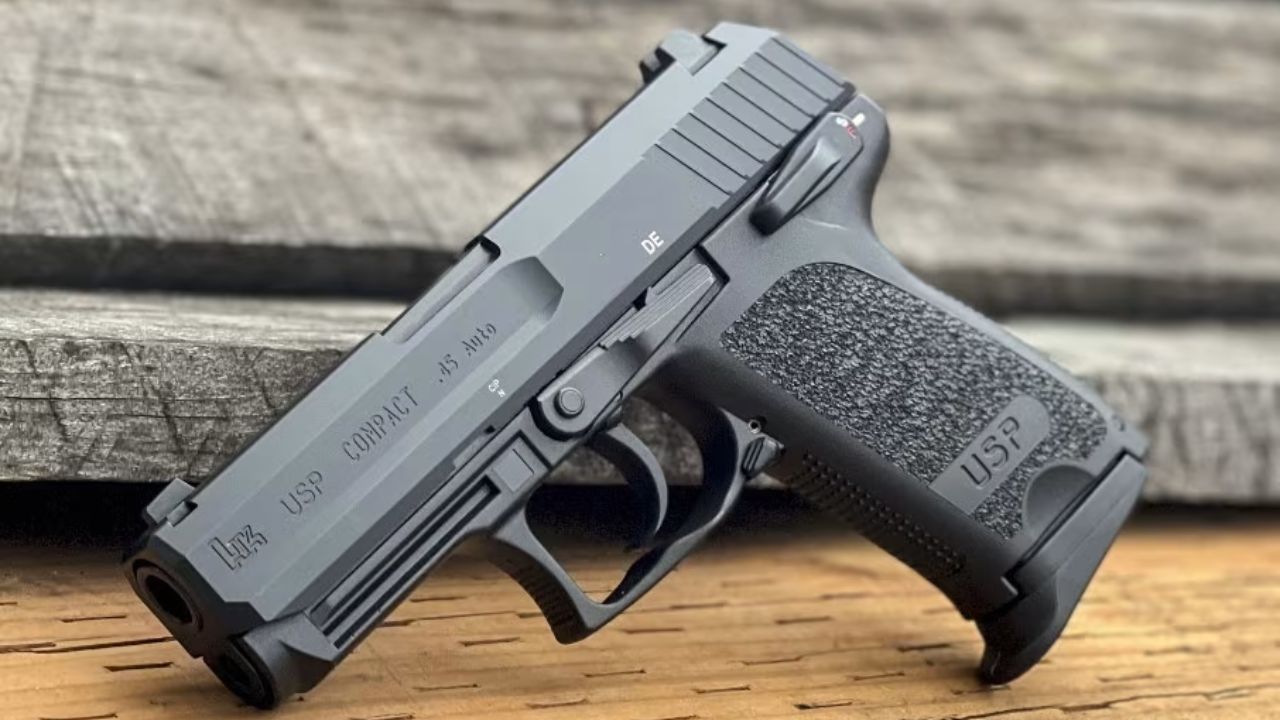
The HK USP Compact can look replaceable because modern carry pistols are thinner, lighter, and easier to mount optics on. The USP Compact is chunky, older, and not as ergonomic as newer designs. On specs alone, a lot of pistols seem like cleaner choices.
Yet the USP Compact has a hard-use confidence that keeps it from being ordinary. It feels durable, handles recoil well, and offers traditional control variants for shooters who like hammer-fired pistols. It may not be the smallest compact, but it inspires trust in a way many lighter pistols don’t. Once an owner trades one away for something thinner and newer, the missing piece is usually obvious. The replacement may carry easier, but it may not feel as serious.
Marlin 39A

The Marlin 39A is “just a .22” only to people who haven’t lived with one. It can seem replaceable because rimfires are everywhere and cheaper options are easy to buy. But a lever-action .22 built with walnut, steel, takedown construction, and real rifle feel is not the same as a bargain plinker.
The 39A works for small game, range time, and teaching new shooters, but it also has a level of quality that makes owners sentimental. It cycles smoothly, carries beautifully, and feels like something meant to last. Once sold, it becomes painfully clear that not every .22 rifle scratches the same itch. The 39A seemed replaceable only because people forgot how rare a truly good rimfire can be.
Ruger SP101 3-Inch
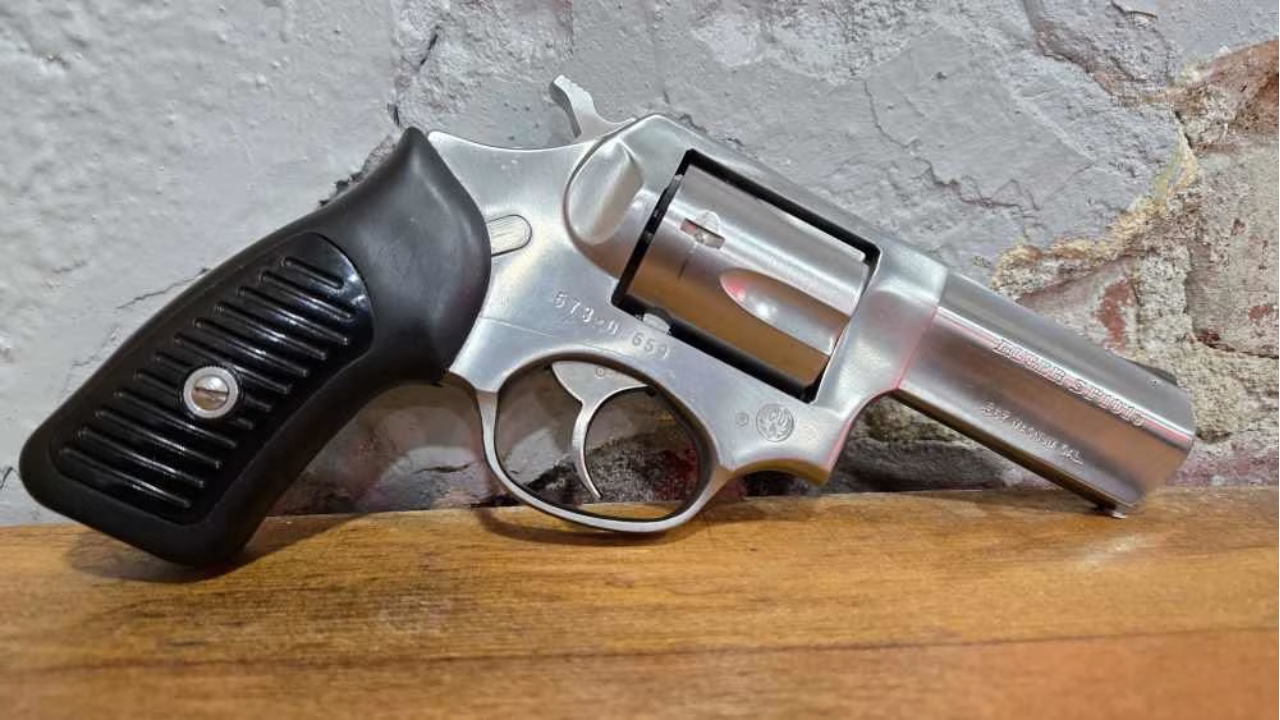
The Ruger SP101 3-inch can seem replaceable because small .357 revolvers are not uncommon. A buyer may think any compact wheelgun can fill the same role. But the 3-inch SP101 sits in a very useful middle ground that many revolvers miss.
It’s more shootable than the shortest snubs, more carryable than larger .357s, and tough enough for real use. The extra barrel length improves sight radius and balance, while the weight helps with recoil. It isn’t as refined as some Smith & Wesson revolvers, but it feels strong and practical. Once an owner lets one go, finding another revolver that carries small but shoots this steady may not be as easy as expected.
Like The Avid Outdoorsman’s content? Be sure to follow us.
Here’s more from us: