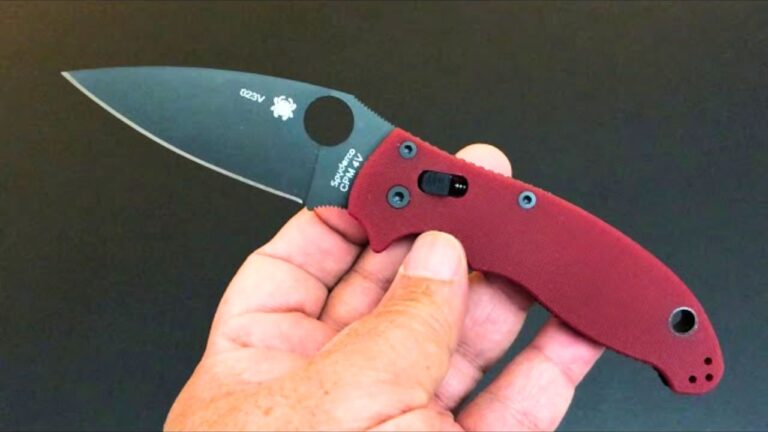
Photo credit: gideonstactical/Youtube
A lot of people waste money on knives without meaning to. They buy one because it looks good in photos, another because the price feels safe, and then a third because the first two didn’t hold an edge, didn’t feel right in hand, or started showing wear faster than expected. That cycle adds up fast. A cheap knife that disappoints, followed by another one that’s only a little better, can easily cost more than just buying a solid knife the first time.
That doesn’t mean every good knife has to be outrageously expensive. It means some knives have earned their reputation because they keep working, keep cutting, and keep staying in people’s pockets or packs year after year. The knives on this list are the ones people tend to stop replacing. They may cost more up front in some cases, but they make a lot more sense than buying something flimsy now and regretting it later.
Benchmade Bugout

The Benchmade Bugout gets a lot of opinions thrown at it because it’s so light. Some people pick it up for the first time and assume it feels too light to be worth the money. Then they carry it for a while and start to understand why it has such a loyal following. A knife that disappears in the pocket is a knife you actually keep on you, and that matters more than people want to admit. A heavier knife can feel impressive for about five minutes, then become the one you leave on the dresser because it’s bulky or annoying.
What makes the Bugout worth buying is that the light weight doesn’t come with the usual tradeoffs people expect. It still gives you a solid locking system, dependable blade steel, and a blade shape that works well for real everyday use. It handles cardboard, rope, plastic packaging, light food prep, and general utility work without ever feeling out of place. A lot of people buy two or three cheaper EDC knives trying to find that sweet spot between carry comfort and real performance. The Bugout tends to solve that problem in one shot, which is exactly why it earns a place on a list like this.
Spyderco Para Military 2

The Spyderco Para Military 2 is one of those knives that keeps showing up because it has very few weak points. The ergonomics are excellent, the blade shape is practical, and the compression lock gives it a secure feel without making the knife annoying to operate. Plenty of folding knives look aggressive or impressive, but the PM2 is one of the ones that actually feels like it was designed by people who understand repeated, real-world use instead of just first impressions.
This is the kind of knife people often end up buying after they’ve already spent money on “almost good enough” folders. A cheap knife may open boxes just fine for a while, but then the edge rolls faster than expected, the action gets sloppy, or the handle starts feeling worse the more you use it. The PM2 tends to avoid that whole pattern. It cuts cleanly, feels secure in the hand, and holds up well enough that most people don’t feel the itch to replace it six months later. If somebody wants one folder that can handle years of carry and use without feeling like a compromise, this is one of the safest bets out there.
ESEE 4
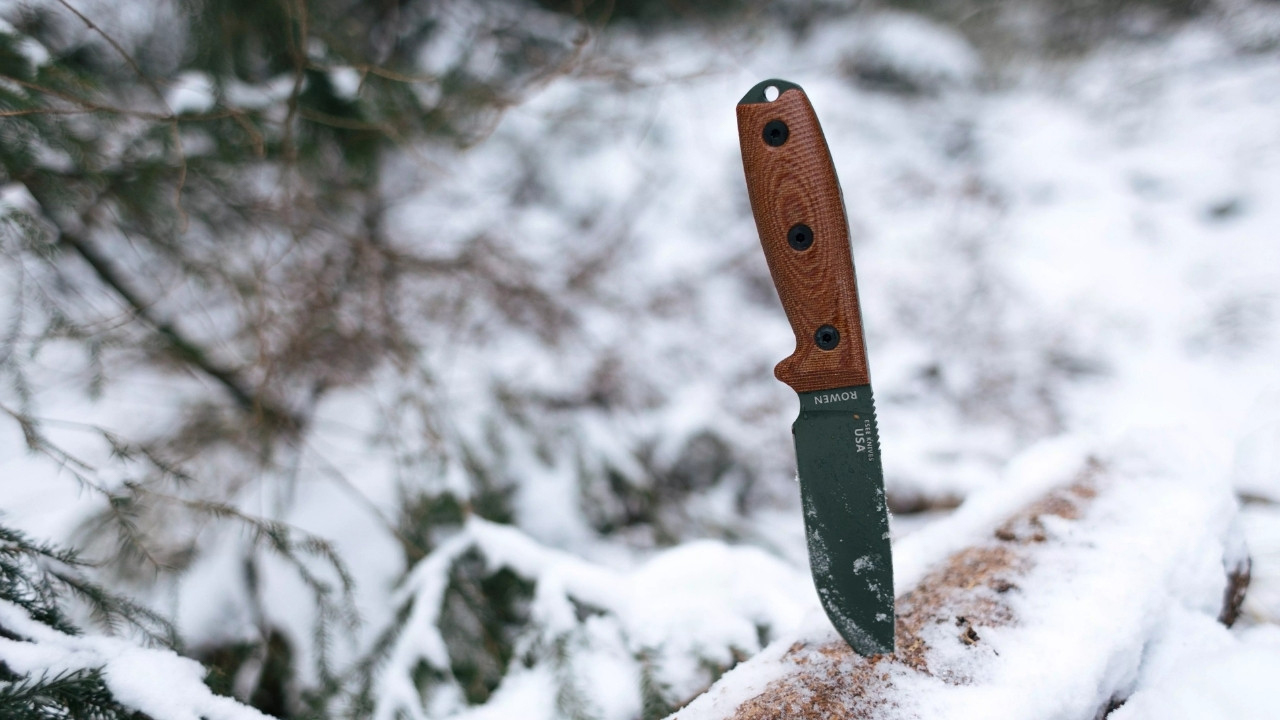
The ESEE 4 is one of those fixed blades that earns respect because it doesn’t try to be anything other than a reliable working knife. It’s not overloaded with gimmicks, strange blade shapes, or flashy features meant to impress somebody in a product photo. It’s a straightforward field knife built for people who actually plan to use it outdoors. The size hits a good middle ground too. It’s large enough to feel substantial, but not so oversized that it becomes awkward for normal camp and woods work.
What makes the ESEE 4 a better long-term buy than a lot of cheaper fixed blades is how dependable it feels once you start putting it through regular use. A bargain fixed blade might look like a deal at first, but if the heat treat is mediocre, the handle gets uncomfortable, or the edge performance falls off too fast, it quickly becomes one more knife sitting in a drawer. The ESEE 4 avoids that outcome. It’s tough, easy to maintain, and built with the kind of simplicity that ages well. For someone who wants one field knife they can count on for years instead of rotating through disappointing options, this is a very smart buy.
Buck 119 Special

The Buck 119 Special has been around long enough that some people almost overlook it. That’s a mistake. There’s a reason it has stayed relevant for decades while countless newer hunting knives have come and gone. The shape works. The size works. The handle feels familiar in a way that gives you confidence right away. It’s one of those knives that doesn’t need a long explanation once you put it to use because it proves itself pretty quickly in the field.
A lot of hunters start with cheaper fixed blades because they don’t want to spend too much up front, especially if they’re newer to buying gear. Then they find out that bargain knives often lose their edge too quickly, feel awkward during real processing work, or just don’t inspire much trust once the job gets serious. The 119 usually stops that cycle. It’s a practical, proven knife that can dress game, handle camp chores, and still feel like something you’ll be using years from now. Instead of becoming a “starter knife” that gets replaced, it tends to become the knife people hold onto.
Ontario RAT II D2

The Ontario RAT II in D2 is one of the better examples of a knife that doesn’t need to be expensive to save you money. There are plenty of cheap folders out there that look decent on the screen and feel halfway fine out of the box, but a lot of them start showing their weaknesses fast. Soft steel, annoying lock feel, rough action, or just that general flimsy feeling that makes you stop trusting it. The RAT II avoids a lot of that nonsense while still staying at a price point that feels reasonable.
What really makes it a strong “buy once instead of twice” option is that it sits right in the range where many people would otherwise buy disposable knives over and over. Instead of burning through a few forgettable budget folders, you can buy something like this and get a much more dependable tool from the start. The D2 steel gives it better edge retention than a lot of entry-level knives, and the overall design is simple enough that nothing feels overcomplicated or fragile. It’s not some luxury piece. It’s just a really smart knife that often saves people from wasting money on worse ones.
Ka-Bar USMC

The Ka-Bar USMC is one of the most recognizable knives out there, but it wouldn’t still matter if it were only famous because of the look. The reason it continues to have staying power is that it fills a real role well. It has enough size to feel substantial, enough reach to handle bigger tasks, and a shape that works better than many of the overly styled “tactical” knives that try to copy the general vibe without matching the actual usefulness.
A lot of people end up buying cheaper big fixed blades because they want something rugged-looking, then find out that the knife is poorly balanced, badly finished, or simply not pleasant to use. That’s the problem with buying based on appearance alone. The Ka-Bar tends to avoid that trap because it has a long track record and a clear purpose. No, it’s not the perfect choice for every single knife task. But if someone wants a classic large fixed blade that has proven itself over time and doesn’t need replacing the moment harder use begins, it still makes a lot more sense than wasting money on some hollow-feeling knockoff.
Cold Steel SRK

The Cold Steel SRK is a knife for people who are tired of babying gear. It has a reputation for toughness because it’s built with that in mind from the start. The blade is stout, the shape is practical, and the whole knife feels like it was designed for use instead of display. There are a lot of fixed blades out there that look rugged until you actually start asking something from them. The SRK is one of the ones that feels like it expects work.
That matters because many people only figure out what they really need in a fixed blade after they’ve already wasted money on one that didn’t hold up. They buy something that seemed like a bargain, then find the handle doesn’t inspire confidence, the edge doesn’t last, or the overall knife just feels like it belongs in a glove box instead of on a serious trip. The SRK usually lands differently. It feels like a real tool, and that changes the whole experience. For someone who wants one fixed blade that can take abuse and keep going, this is the kind of knife that keeps you from shopping for another one a year later.
Morakniv Companion Carbon Steel

The Morakniv Companion in carbon steel is one of the best examples of a knife that proves price and value are not the same thing. It doesn’t look flashy, it doesn’t come with a prestige brand tax, and it doesn’t pretend to be some oversized survival monster. What it does do is cut extremely well, feel good in use, and handle normal outdoor tasks far better than many knives that cost more. That kind of performance makes people rethink what actually matters.
The reason it belongs on this list is that a lot of people spend years buying mediocre “budget outdoor knives” when they could have just bought a Mora and moved on. The Companion is simple, sharp, and genuinely useful. It carves well, handles camp chores well, and doesn’t punish the hand during longer use. Yes, carbon steel means you need to care for it, but that’s a small trade for a knife that performs this consistently. In a world full of cheap knives that feel temporary, the Mora feels like a practical tool made by people who understand that function matters more than image.
Zero Tolerance 0350

The Zero Tolerance 0350 is not a knife for somebody who wants featherweight carry and barely-there pocket feel. It’s a knife for somebody who wants a folder that feels solid every time they pick it up. There’s a lot to be said for that. Plenty of people buy lighter, cheaper folders and then slowly lose confidence in them because the action feels rough, the lockup feels thin, or the whole knife just seems like it’s one bad drop away from disappointment. The 0350 does not usually create that kind of doubt.
That stronger, heavier feel is exactly why some people end up sticking with it for years. It feels substantial in hand, the assisted opening is snappy, and the overall build gives the impression that it was meant for hard carry instead of casual occasional use. It’s the kind of knife you buy after getting tired of replacing “good enough” folders that were never really all that good. For someone who wants one tougher everyday folder and is willing to carry a little more weight to get it, the 0350 makes a lot of sense as a long-term purchase.
Gerber StrongArm

The Gerber StrongArm is one of those knives that got popular enough to make some people skeptical of it, but the knife has held onto its reputation because it delivers where it counts. The handle is comfortable and secure, the blade shape is useful, and the overall construction gives it a dependable feel that a lot of fixed blades in its price range don’t quite match. It feels like a knife built to be grabbed, used hard, and put away without drama.
What makes it a smarter buy than some of the cheaper fixed blades on the market is that it doesn’t come off like a compromise tool. A lot of budget fixed blades check the “looks tough” box but start falling apart once you judge them on comfort, retention, or long-term trust. The StrongArm avoids much of that. It’s a practical fixed blade that fits the role a lot of buyers are actually shopping for, even if they get distracted by lower-priced options first. If someone wants a hard-use knife without climbing into premium custom pricing, this is one of the better places to land and stay.
Helle Temagami

The Helle Temagami appeals to a different kind of knife buyer than some of the thicker, more brute-force options on this list. This is a knife for someone who values control, clean cutting, and traditional outdoor use over raw pry-bar energy. That matters because not everybody needs a fixed blade that feels like it was designed to survive a demolition site. For a lot of camp work, woodcraft, carving, and general outdoor use, a knife that feels refined and precise is actually the better long-term choice.
That’s where the Temagami stands apart. It feels like a knife you grow into rather than grow out of. Instead of buying it and then immediately wondering what’s next, people tend to buy it and settle in with it. The blade performs well, the craftsmanship shows, and the whole knife feels like something worth learning deeply rather than replacing casually. Cheaper knives often leave you feeling like you’re working around their weaknesses. A knife like this makes the work itself feel smoother, and that tends to keep it around for the long haul.
Tops BOB Fieldcraft

The Tops BOB Fieldcraft has built a loyal following because it feels like a knife made by people who took outdoor use seriously. From the handle shape to the blade stock to the overall design, it’s clear this wasn’t built just to look like a bushcraft knife in a catalog. It was built to be used in camp, around wood, around fire prep, and in the sort of situations where a cheap knife starts revealing every shortcut that went into making it.
That’s really why it belongs on a list like this. A lot of buyers end up stepping through several knives before they finally admit they wanted something substantial all along. They start small, buy something budget-minded, then buy something slightly better, and eventually spend more than they would have if they had just chosen a knife with a serious reputation from the start. The BOB Fieldcraft is one of those knives that cuts off that whole process. It’s a real working blade, and once it’s in the rotation, many people stop feeling the need to “upgrade” because they already landed on something dependable.
Case Trapper

The Case Trapper proves that “buy once” doesn’t always have to mean tactical, modern, or overbuilt. Sometimes it means buying a classic pattern from a company that has been doing it long enough to understand what works. The Trapper has a timeless feel because it handles everyday cutting tasks in a way that still makes sense. The dual-blade setup is practical, the shape rides well in a pocket, and the whole knife feels familiar even if it’s your first one.
A lot of people make the mistake of buying cheap traditional folders that look the part but don’t hold up in actual use. The fit is off, the edge performance is forgettable, or the action just feels cheap in a way that never really improves. A good Case Trapper avoids that. It feels like something meant to be carried for years, not used for a season and forgotten. For somebody who likes traditional pocket knives and wants one they’ll actually be proud to keep, this is the kind of purchase that ends the search instead of starting another round of it.
Kershaw Leek

The Kershaw Leek has been around long enough to prove it isn’t some temporary favorite. It hits a really useful balance for everyday carry because it stays slim in the pocket, looks clean, and cuts far better than a lot of knives people buy in the same general size range. That slim profile matters because many people want a knife they’ll actually carry daily, not one they admire on the desk and leave behind when it becomes inconvenient.
The reason the Leek can save somebody from buying multiple replacements is that it feels more finished and more intentional than many of the cheaper assisted-opening knives out there. Instead of feeling clunky or throwaway, it feels refined in a way that makes people keep using it. The USA-made versions especially tend to stand out as a better long-term move than just grabbing whatever low-cost folder is hanging on a rack. If the goal is to have one reliable everyday knife that stays useful and doesn’t push you into shopping again six months later, the Leek still holds up well.
Fallkniven F1
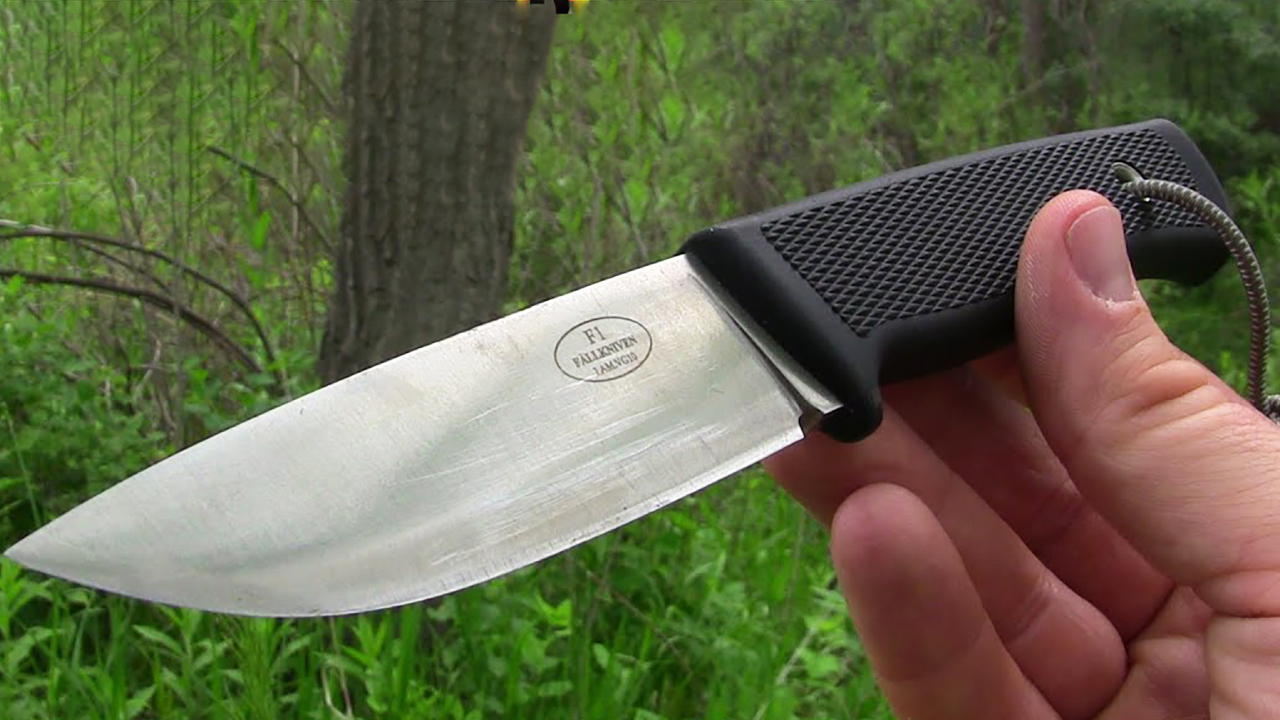
The Fallkniven F1 is one of those knives people often arrive at after they’ve already learned some expensive lessons. They bought the flashy knife, the oversized knife, the bargain knife, and the “good enough” knife, and then finally landed on something that just feels right. The F1 has a reputation for being compact but serious. It’s not oversized, but it doesn’t feel undersized either. It’s the kind of fixed blade that feels trustworthy the minute you start using it.
A big reason it belongs here is that it avoids the extremes that cause so many buyers regret. It’s not too bulky, not too delicate, not built around one narrow task, and not dressed up with features that don’t improve performance. It’s simply a very capable fixed blade that handles real outdoor use with confidence. That makes it exactly the type of knife people tend to keep instead of replace. Once you have a knife that feels this balanced and dependable, the urge to keep chasing the “next better thing” usually drops off quite a bit.
Like The Avid Outdoorsman’s content? Subscribe to our newsletter so you never miss an article.
Here’s more from us: