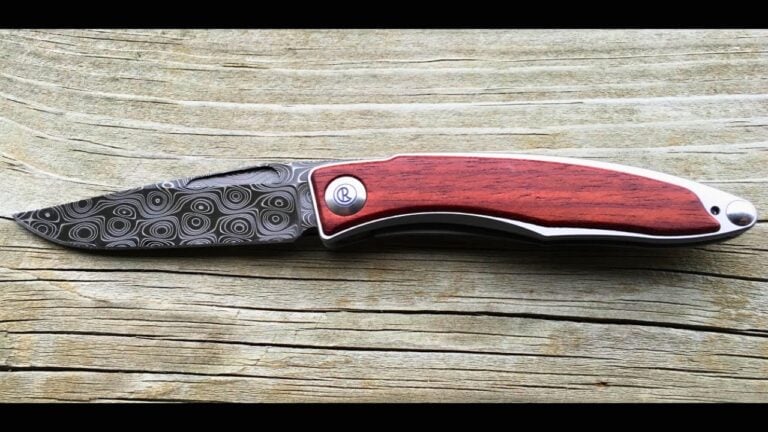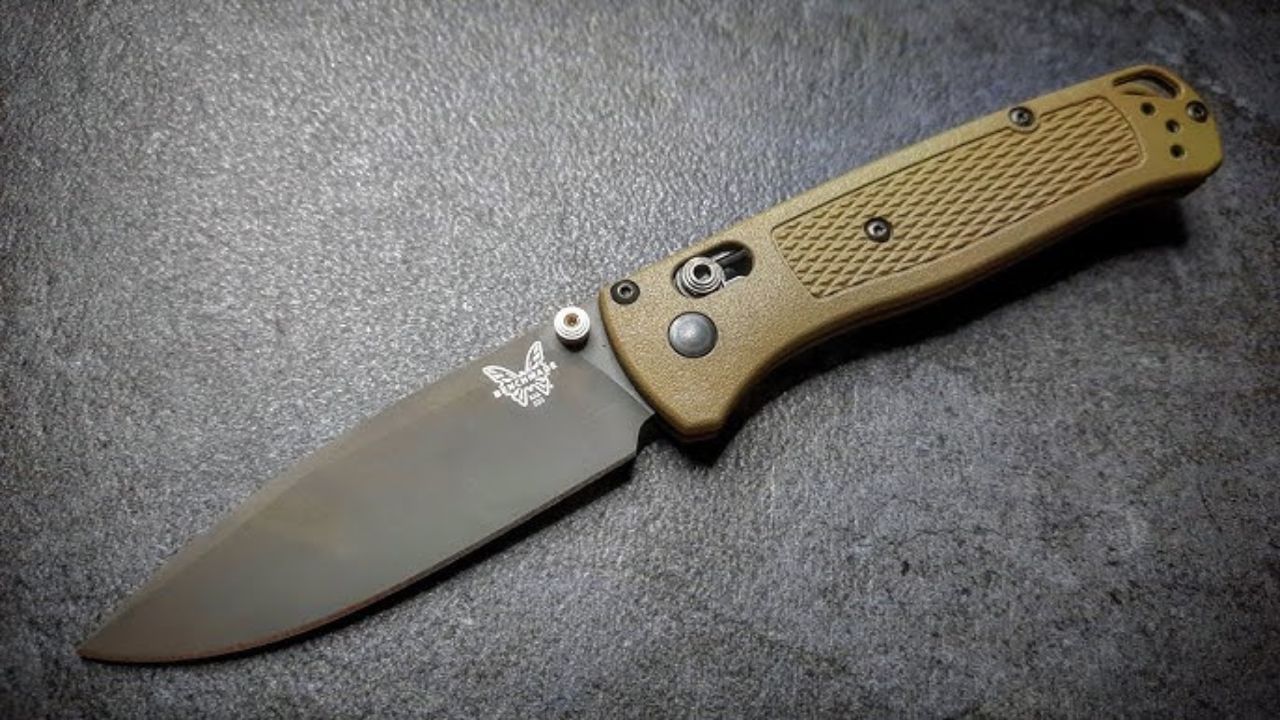
Photo credit: EDC Ready (Mr.EDCReady)/YouTube
A “premium” steel can still chip if the heat treat is pushed too hard, the edge is ground too thin, or you’re using the knife like a mini pry bar in cold weather. Most of the steels below are excellent in the right knife, with the right edge, for the right job. The problem is guys buy them expecting a magic edge that can do everything—then they hit a knot, staple, bone, or dry hardwood and wonder why the edge looks like a tiny saw blade. If you want fewer chips, you usually need a slightly thicker edge, a tougher steel choice, or both.
CPM S110V

S110V has insane wear resistance, and that’s why people chase it, especially for cardboard and abrasive cutting. In the field, that same high carbide, high hardness setup can punish you if your edge is thin and you hit something hard at a bad angle. It’s not that S110V is “bad.” It’s that it’s less forgiving when you smack bone, twist through a knot, or cut dirty rope and hit grit. When it chips, it can feel abrupt because the edge doesn’t roll much—it just breaks out small pieces. If you want it for real use, keep a slightly more conservative edge angle, don’t chase razor-thin geometry, and don’t expect it to love impact-y work like batoning or prying.
CPM S90V
S90V is another steel that sounds like an upgrade button because edge retention can be ridiculous in the right use. But hard use in the woods isn’t the same as slicing clean cardboard. When you get lateral loads, impacts, or hard contact, S90V can microchip, especially on thin factory edges that are optimized for “wow, it’s sharp” out of the box. You’ll see it after carving dry hardwood, cutting near knots, or doing messy camp work where your angle isn’t perfect. The fix usually isn’t complicated: sharpen it a little less aggressive, add a micro-bevel, and treat it like a cutting steel, not a splitting steel. If you want one knife for everything, this isn’t always the most forgiving pick.
Maxamet

Maxamet is a monster for wear resistance and can hold a slicing edge forever in the right lane. The lane is important. It’s basically a steel you run when you want a ridiculous cutter and you accept that it’s not built for impacts and abuse. In real field use, the chips show up when you hit hard material, torque the edge, or do anything that involves shock loads. Even carving in very hard, dry wood can start tiny edge damage if the geometry is thin. If you love Maxamet, run it as a “cutting specialist” and carry something tougher for ugly work. It’s a great steel, but it’s not a great steel for pretending your folder is a small hatchet.
ZDP-189

ZDP-189 has a reputation for screaming sharpness and high hardness, and it can be awesome for clean slicing. The chipping complaints usually come from the same place: high hardness plus thin edges plus real-world contact with hard stuff. Hit bone while processing, tap a staple in wood, or cut through dirty material and you can see microchips. The frustration is that sharpening ZDP can also feel slow if you don’t have the right stones, so guys live with a damaged edge longer than they would on a tougher steel. If you want ZDP to behave, don’t treat it like a beater. Give it a working edge angle and use it for cutting tasks where it shines instead of impact work.
Böhler M390

M390 (and steels in the same neighborhood) are great on paper and often great in real life, but “premium” doesn’t mean “chip-proof.” A lot depends on how the maker heat treats it and how thin the edge is. When companies chase ultra-thin, laser-y edges, M390 can microchip on hard contact, especially in cold conditions or when you get lateral torque. The good news is most of the chipping is small and manageable, and a micro-bevel often fixes it fast. The bad news is guys buy it expecting a steel that can do everything with no tradeoffs. If you want M390 for the field, keep your expectations realistic: it’s a great cutter and corrosion resistant, but it’s not the steel I’d pick for constant rough impact chores.
CPM 20CV

20CV is in that same “high end everyday” class that people expect to be perfect. When it’s done right, it’s excellent. When it’s pushed hard and ground thin, it can chip under rough use the same way the other high-carbide steels can. A lot of the complaints come from people who run it like a hard-use tool—digging, twisting, scraping, and doing off-axis cuts. If your use is mostly slicing and normal utility, it’s a great choice. If your use includes wood processing, hard carving, and dirty cuts where you can’t control angle perfectly, you may want a tougher steel or a thicker edge. 20CV isn’t fragile; it’s just not the most forgiving when you get sloppy.
CTS-204P

204P is another steel that gets sold as “top shelf,” and it can be. The issue is that these steels don’t magically erase the realities of edge geometry. If the knife comes with a thin factory edge and you hit hard material, small chips can happen. Field use is full of hard surprises: grit, sand, bone, knots, and weird twisting cuts. If you sharpen it like a razor and then treat it like a camp knife, it’ll teach you fast. Run it with a more conservative edge and it behaves better. A lot of guys would be happier if they stopped chasing the thinnest edge possible and started chasing the most durable edge for how they actually use the knife.
Elmax

Elmax is generally well-balanced, but it can still chip if the maker runs it hard and the geometry is thin. The reason it lands on this list is expectation. People hear “premium stainless” and think it’s going to be tough like a tool steel and corrosion resistant like a boat knife. That’s not how tradeoffs work. Elmax can be a great all-around steel, but thin edges in Elmax can microchip if you hit hard stuff or torque through hardwood. If you want Elmax to be a dependable field steel, don’t overthin it, don’t chase a mirror-polished hair-splitting edge, and don’t treat it like you’re trying to split kindling with a folder. It’s a very usable steel, just not a cheat code.
S35VN

S35VN is often marketed as an upgrade, and it usually is versus older steels, but it can still microchip when it’s run very hard and sharpened aggressively thin. Most of the time, S35VN behaves well, which is why people like it. The “chips too easily” stories tend to come from knives with very thin edges or users doing rough cuts that introduce sideways pressure. If you’re noticing chipping, you can usually fix it without changing knives: slightly higher edge angle, add a micro-bevel, and stop trying to make it a scalpel. In the field, a little more durability beats a little more theoretical sharpness every time.
S30V

S30V is one of those steels that gets called “basic” now, but it can still chip if the edge is too thin or the heat treat is aggressive. Most users don’t have problems because it’s a pretty balanced steel. The issues show up when people sharpen it super thin and then do wood carving, hit grit, or cut into hard contact points. If your S30V keeps chipping, it’s usually not because the steel is junk—it’s because the edge is set up like a slicing knife and you’re using it like a field tool. Thicken it a touch, and it often becomes a completely different knife in terms of durability.
D2

D2 is the classic “it holds an edge forever” steel that people love for the price. In the field, D2 can chip if the heat treat is off or if you’re running a thin edge and hitting hard material. A lot of D2 out there is not created equal. Some of it is great, some of it is soft, some of it is chippy, and the user gets blamed for expecting consistency. D2 also isn’t as corrosion resistant as many people assume, so a little rust and pitting can make edge damage worse over time. If you want D2 to behave, keep it maintained, don’t run it paper-thin, and accept that it’s a budget work steel with real variation across brands.
1095 run too hard

1095 can be fantastic, especially for tough outdoor knives, but if a maker pushes hardness and the edge is thin, you can still see chipping in hard contact. Most of the time, 1095’s reputation is “tough and easy to sharpen,” which is true when it’s heat treated for toughness. The problem is that “premium” marketing sometimes pushes steels to chase edge retention numbers, and that can reduce forgiveness. In the field, I’d rather have 1095 that rolls a little than 1095 that chips, because rolling is easy to fix. If your 1095 blade is chipping, it’s usually telling you the heat treat/edge combo is too aggressive for how you’re using it.
154CM

154CM is a solid, proven steel, but it can still chip when it’s run hard and sharpened thin, especially on knives that are built more for slicing than for field abuse. It’s also a steel where different makers get different results. Some nail it. Some don’t. The “premium” label doesn’t protect you from bad geometry. If you want 154CM to be a dependable real-world steel, give it a slightly sturdier edge and don’t use it like a pry tool. It’s not fragile, but it’s also not the toughest option if your use includes a lot of rough contact and torque.
VG-10

VG-10 gets called premium because it’s used on plenty of quality knives and takes a very sharp edge. The downside is that it can microchip when it’s sharpened aggressively thin or used on hard materials, especially in a kitchen-to-field crossover role where people expect it to do everything. You’ll see it when carving dry hardwood, cutting dirty materials, or hitting bone while processing. VG-10 is a cutter first. If you want it to stop chipping, give it a working edge, use a micro-bevel, and keep it out of “impact chores.” It’s not junk. It just has a personality that doesn’t match the way some people abuse their knives.
HAP40

HAP40 can have excellent edge retention and can feel like a “secret premium steel,” but it can also chip when it’s run hard and ground thin. It’s one of those steels that’s awesome if you like maintaining a crisp edge and you mostly do controlled cutting. In messy field conditions where angles get sloppy and you hit hard surprises, it’s less forgiving than tougher steels. If you’re noticing chipping, it’s often edge geometry, not the steel name. Raise the angle slightly, add a micro-bevel, and it usually gets much more usable as a real-world cutter without losing the qualities people like about it.
Like The Avid Outdoorsman’s content? Subscribe to our newsletter so you never miss an article.
Here’s more from us: