Photo credit: Lazy River Farms/YouTube
The Browning BPS is one of those shotguns that a lot of serious hunters and pump-gun fans speak about with real affection, but it often gets overshadowed by more famous names like the Remington 870, Mossberg 500, or Winchester 12. That is a little unfair, because the BPS had a genuinely distinctive identity. Browning’s own date-lookup page says BPS production began in 1977, and Browning’s 40th-anniversary history piece ties the gun directly to the long Browning pump-shotgun legacy while emphasizing how different the BPS was in execution.
What made the BPS stand out most was not just the Browning name. It was the combination of bottom ejection, bottom loading, steel construction, and tang safety, all of which gave the shotgun a strongly ambidextrous, field-friendly feel. Browning’s old BPS Field product page described it as bottom-ejecting with a forged/machined steel receiver, and American Rifleman’s older BPS coverage emphasized how unusual it was to see a Browning-branded pump at all, much less one with such a different layout from the rest of the market.
1. The BPS began production in 1977
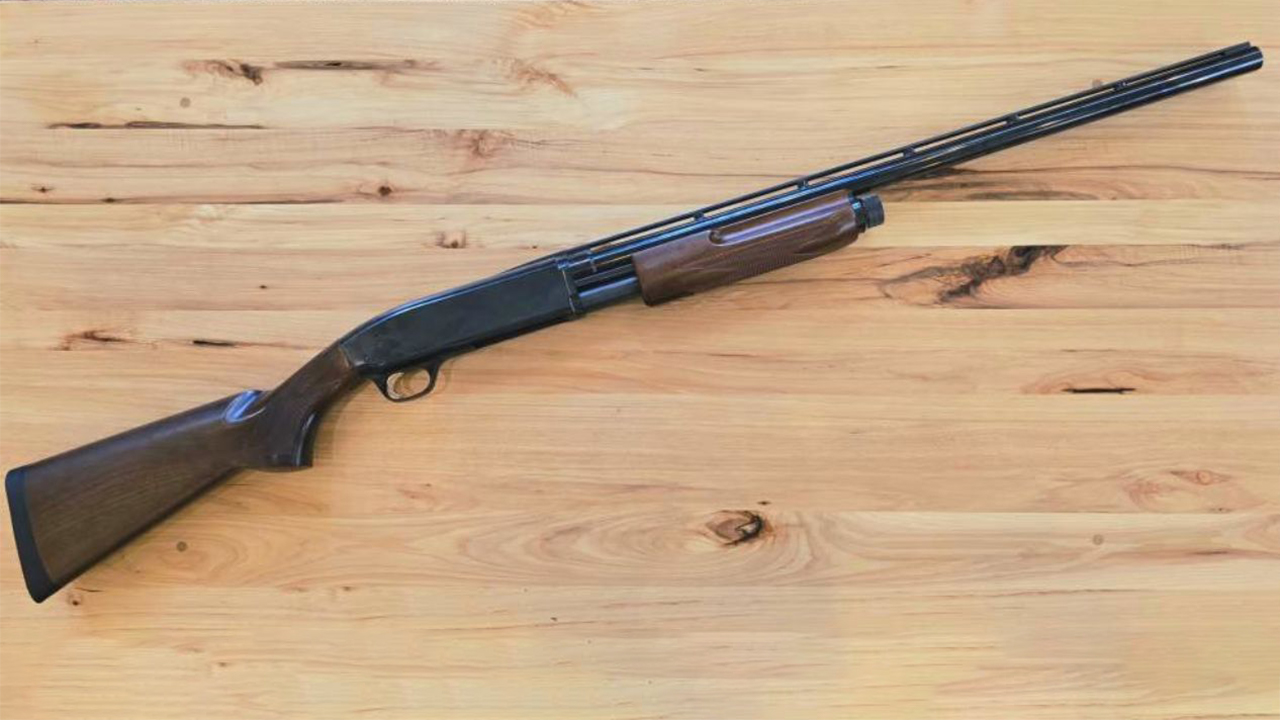
A lot of shooters assume the BPS is newer than it really is, but Browning’s official serial-date page says BPS pump-shotgun production began in 1977. Browning’s 40th-anniversary article also celebrated the gun’s long run from that point.
That matters because it places the BPS right in the late-1970s pump-shotgun era, when major makers were refining field and hunting repeaters rather than building tactical-focused pumps first. The BPS is a modern classic, not a recent nostalgia piece.
2. It was the first pump shotgun ever marketed under the Browning name
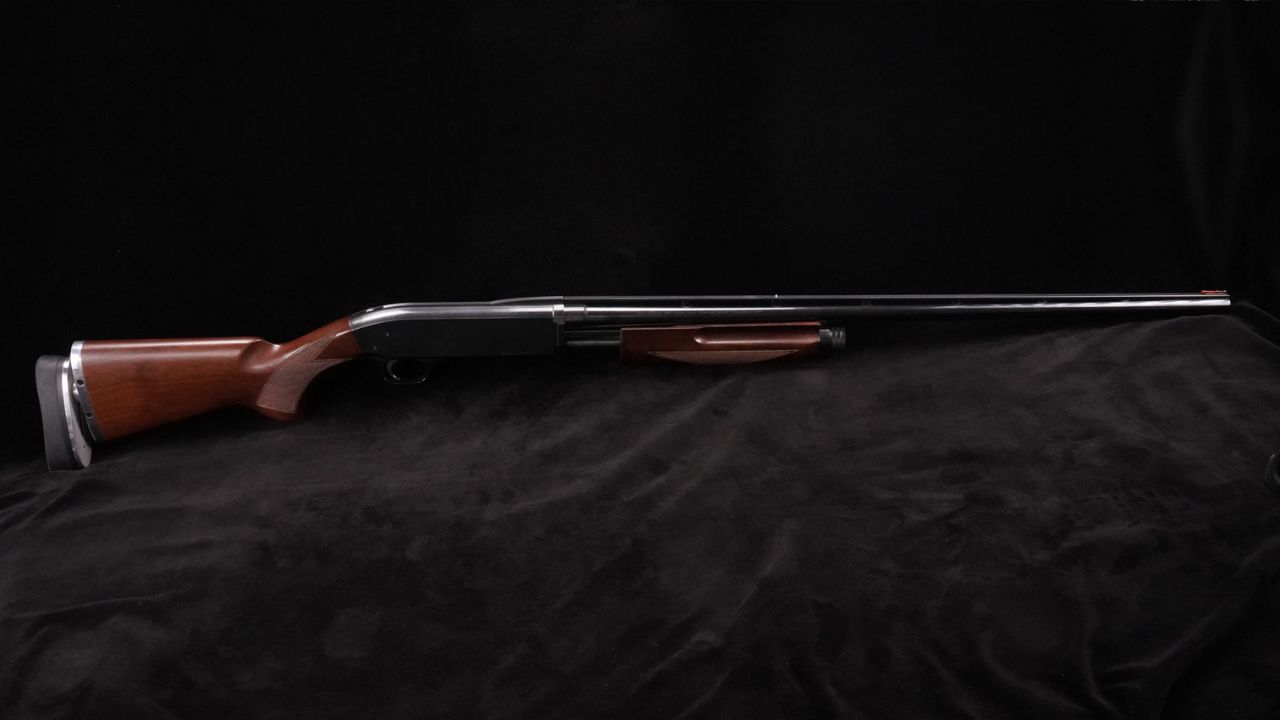
This is one of the coolest basic facts about the gun. American Rifleman’s Browning BPS article said that although John Browning had designed pump shotguns decades earlier, none had ever been marketed by Browning Arms Company until the BPS came along.
That is a big reason the BPS matters historically. It was not just another pump gun in the catalog. It was Browning finally putting its own name on a pump-action shotgun, long after John Browning had already shaped the category.
3. The BPS name literally means Browning Pump Shotgun
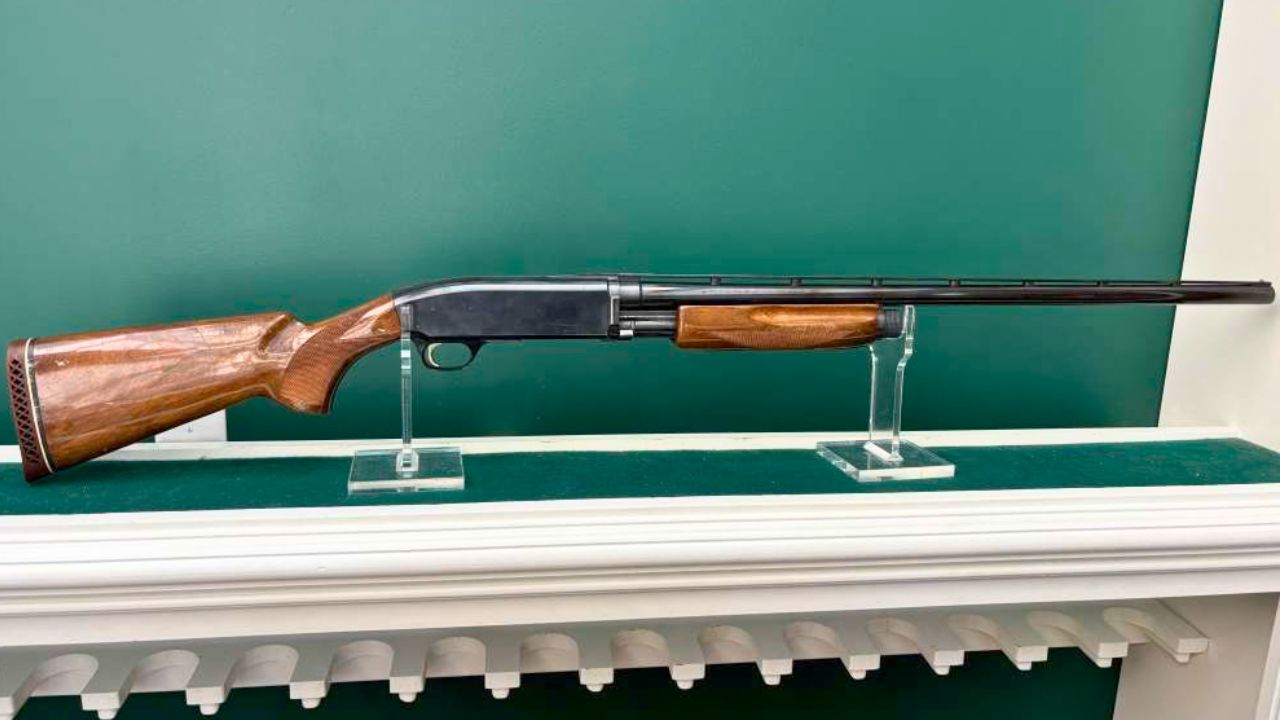
That sounds obvious once you hear it, but a lot of people never stop to think about it. American Rifleman explicitly says the new gun was called the BPS, for Browning Pump Shotgun.
That plain naming also fits the gun’s identity. Browning did not try to make it sound exotic. It was a straightforward declaration that the company had finally entered the pump-gun market under its own banner.
4. Bottom ejection is one of the BPS’s defining features

The BPS is strongly associated with bottom ejection, and Browning’s discontinued BPS Field page called that out directly.
That matters because bottom ejection is not just a quirky mechanical detail. It helps make the gun feel cleaner for left-handed shooters, keeps empties from flying across the shooter’s face line, and contributes to the BPS’s reputation as one of the most truly ambidextrous pump shotguns ever sold. That last point is an inference from the bottom-eject layout plus tang safety.
5. It also loads from the bottom, not the side
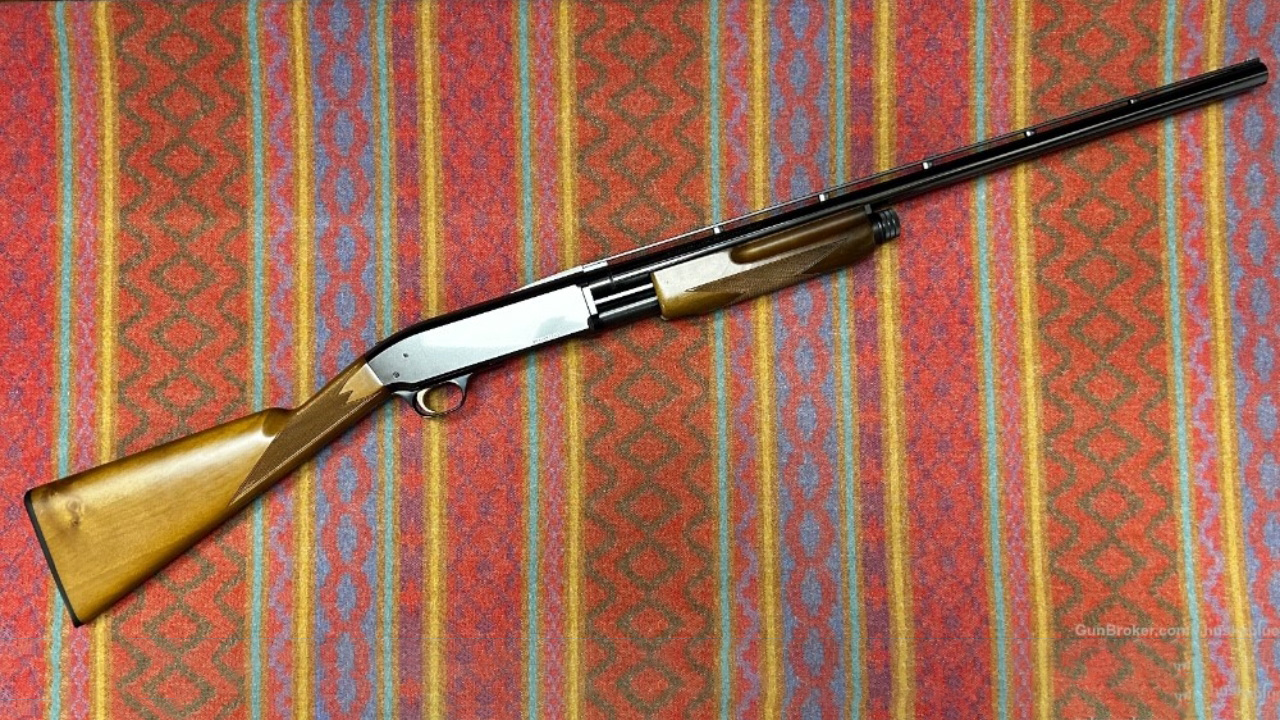
The BPS’s bottom-eject system goes hand in hand with its bottom-loading layout. Browning’s old Field page and anniversary writeup both center the gun’s underside loading/ejection arrangement as part of the design.
That gives the shotgun a very different feel from side-eject pumps. It is one reason BPS fans tend to be especially loyal to the platform. Once someone likes that smooth underside setup, other pump guns can feel a little less elegant. That last sentence is an inference based on the design emphasis and long-running reputation.
6. The tang safety made it especially friendly for left-handed shooters
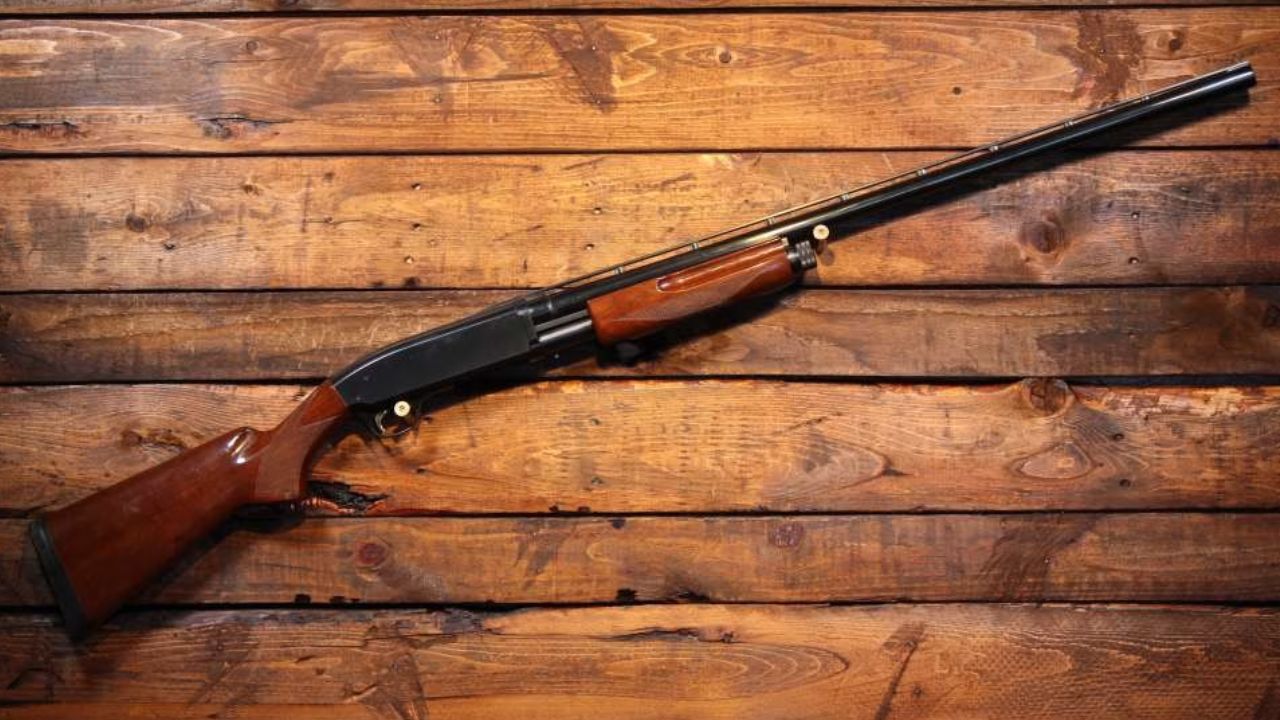
Browning’s 40th-anniversary article notes the BPS safety on the tang under the thumb, and the discontinued Field page also describes the shotgun as using that top-mounted setup.
That feature matters a lot because paired with bottom ejection, it gave the BPS a rare degree of true left-hand friendliness. Many pump guns are usable left-handed; the BPS was built in a way that made that feel much more natural. That conclusion is an inference from the control layout and ejection style.
7. The receiver was steel, not lightweight alloy
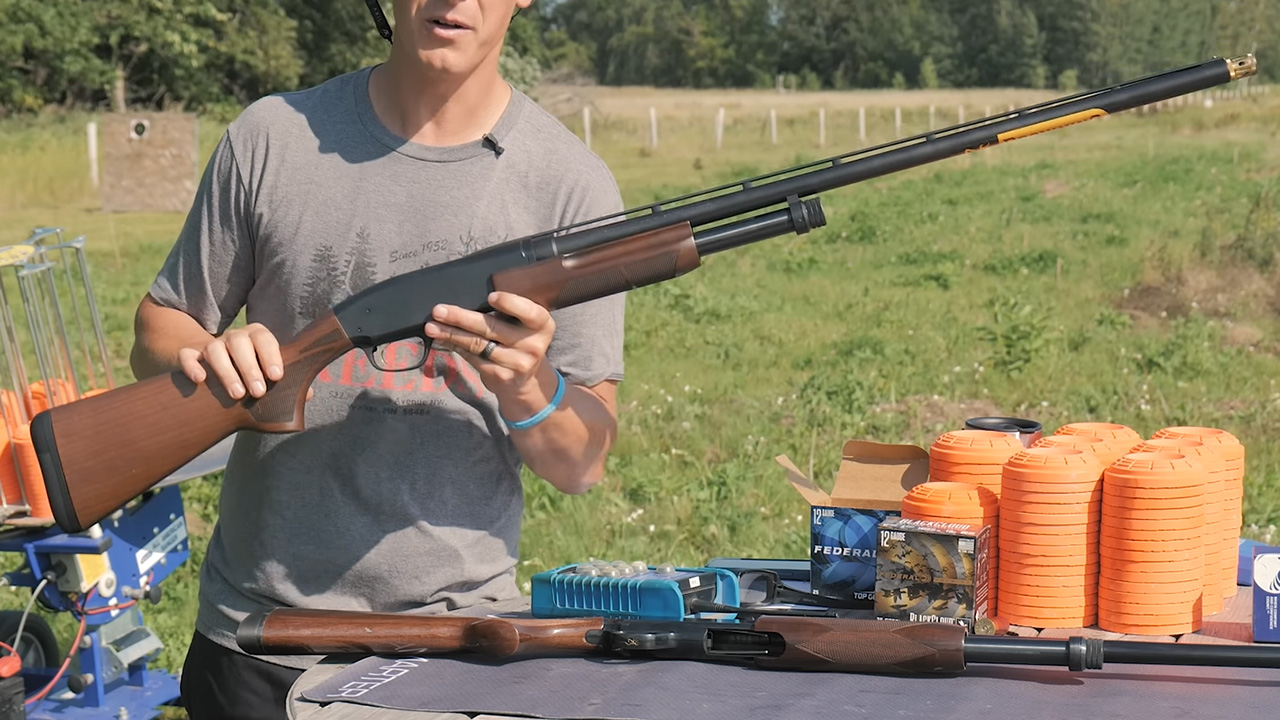
Browning’s discontinued BPS Field page describes the shotgun as using a forged/machined steel receiver.
That is important because it explains part of the BPS feel. The gun developed a reputation for solidity, but that also meant it was not the lightest pump on the market. The steel receiver was part of both its strength and its heft. That second sentence is an inference from the material choice.
8. Browning built it to accept magnum shells early on
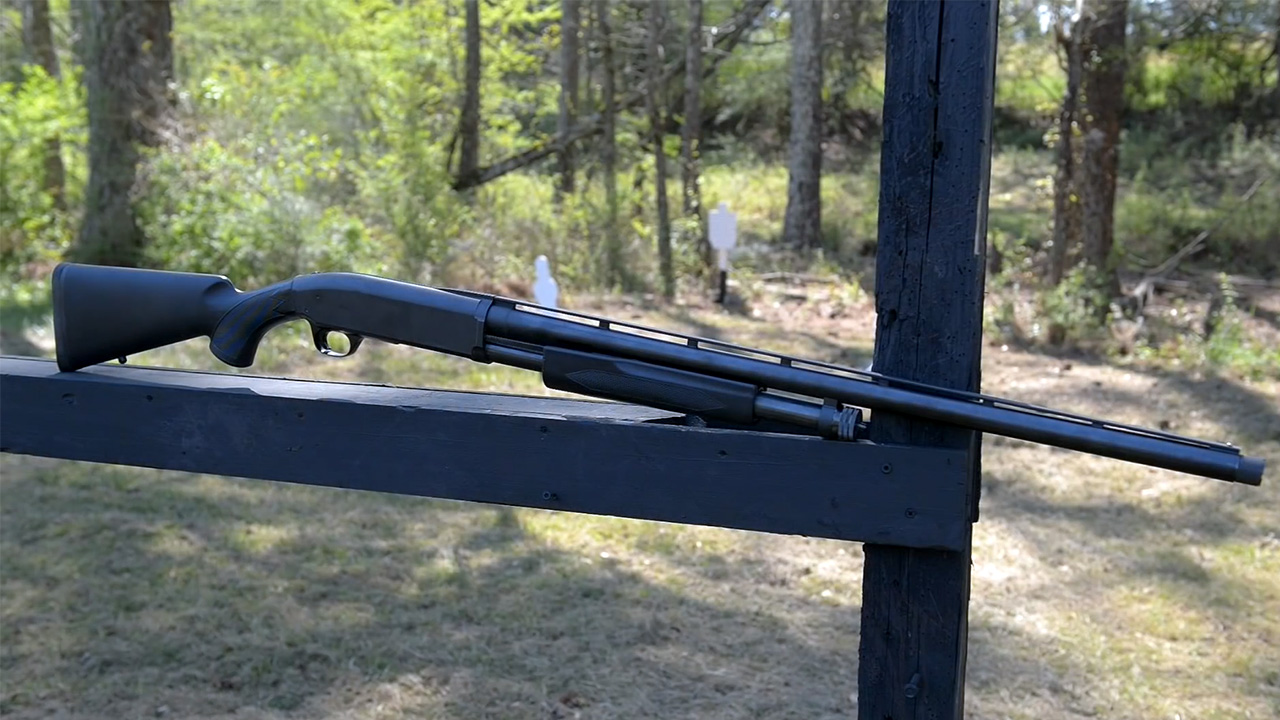
Browning’s 40th-anniversary article says the company lengthened the action so the shotgun could accept magnum shells.
That was a practical decision, not just a catalog brag point. It helped the BPS appeal to hunters who wanted one pump gun that could handle harder-hitting loads for waterfowl or turkey use without stepping into a separate platform. That last sentence is an inference grounded in the magnum-chamber design choice.
9. It grew into multiple field and specialty variants
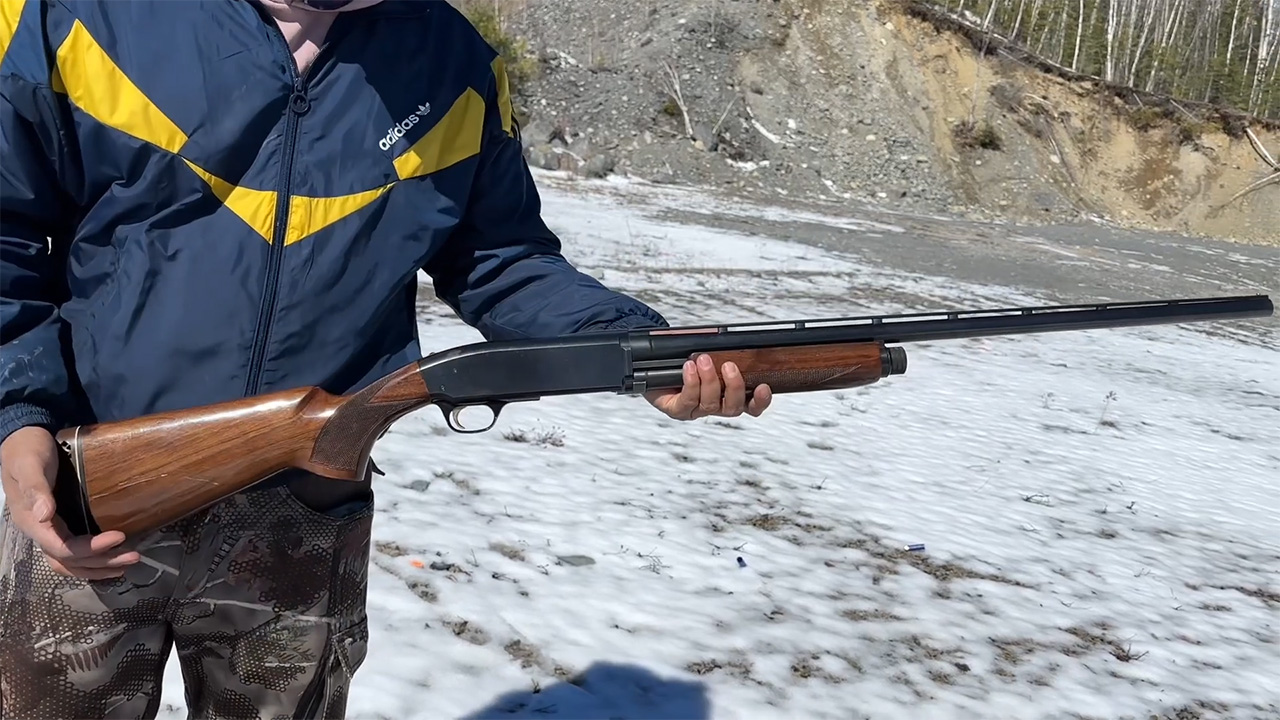
When American Rifleman covered the BPS in 2010, it said the gun was offered in 12 gauge only at that point in its historical discussion and mentioned Hunting, Trap, and Buck Special versions in the context of that article. Browning’s later Field page shows how the line matured into a broader hunting-family concept.
That broader branching helps explain why the BPS lasted so long. Browning did not leave it as one generic pump. It stretched the platform into different hunting roles where the BPS’s smooth action and ambidextrous layout still made sense. That is an inference from the documented model spread.
10. Browning made a big deal out of the BPS’s heritage
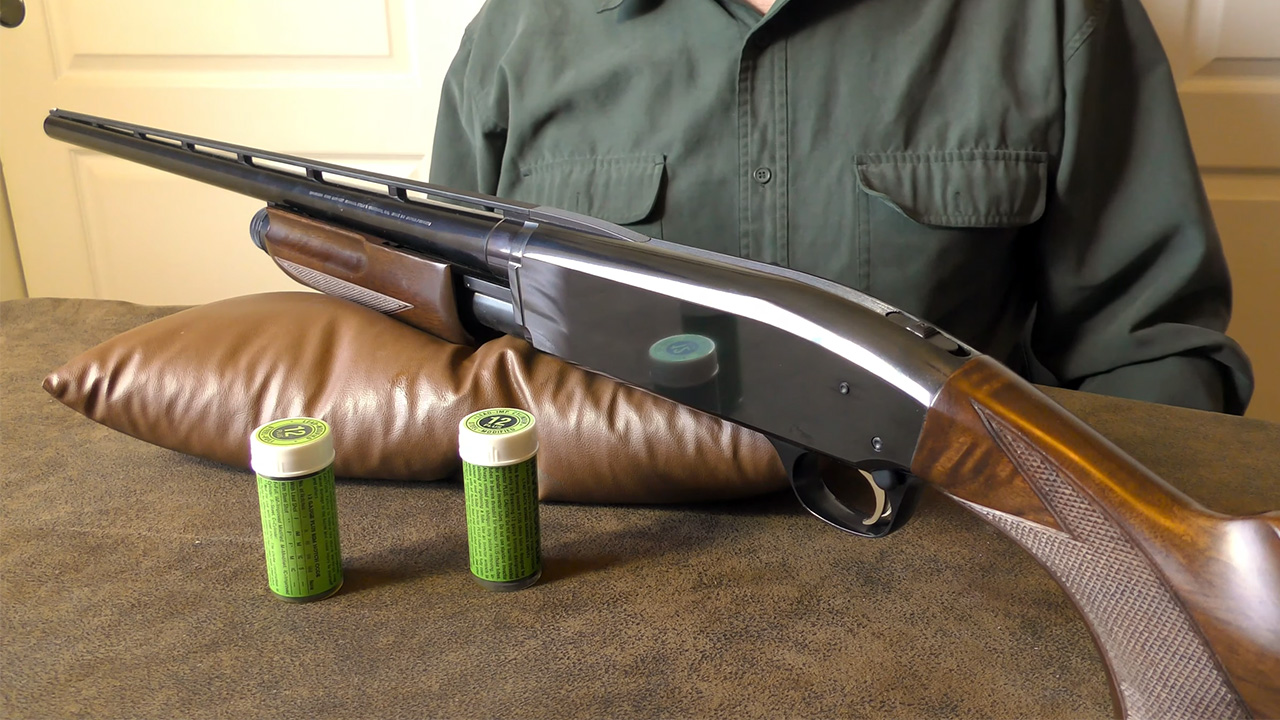
The 40th-anniversary article framed the BPS within the long Browning pump-shotgun lineage that started with John Browning’s Winchester designs, especially the 1893.
That matters because the BPS was not marketed as just a utility shotgun. Browning positioned it as the company’s own heir to a deeper design tradition. Even though it was a modern Japanese-made production gun, Browning wanted buyers to see it as part of a much older story. That final clause is an inference from Browning’s heritage-focused framing plus the known Miroku production association on Browning shotguns generally, though I am not relying on Miroku production here because I did not fetch a dedicated source for it in this turn.
11. Browning’s own site still said it was in production at one point even as models were being marked discontinued
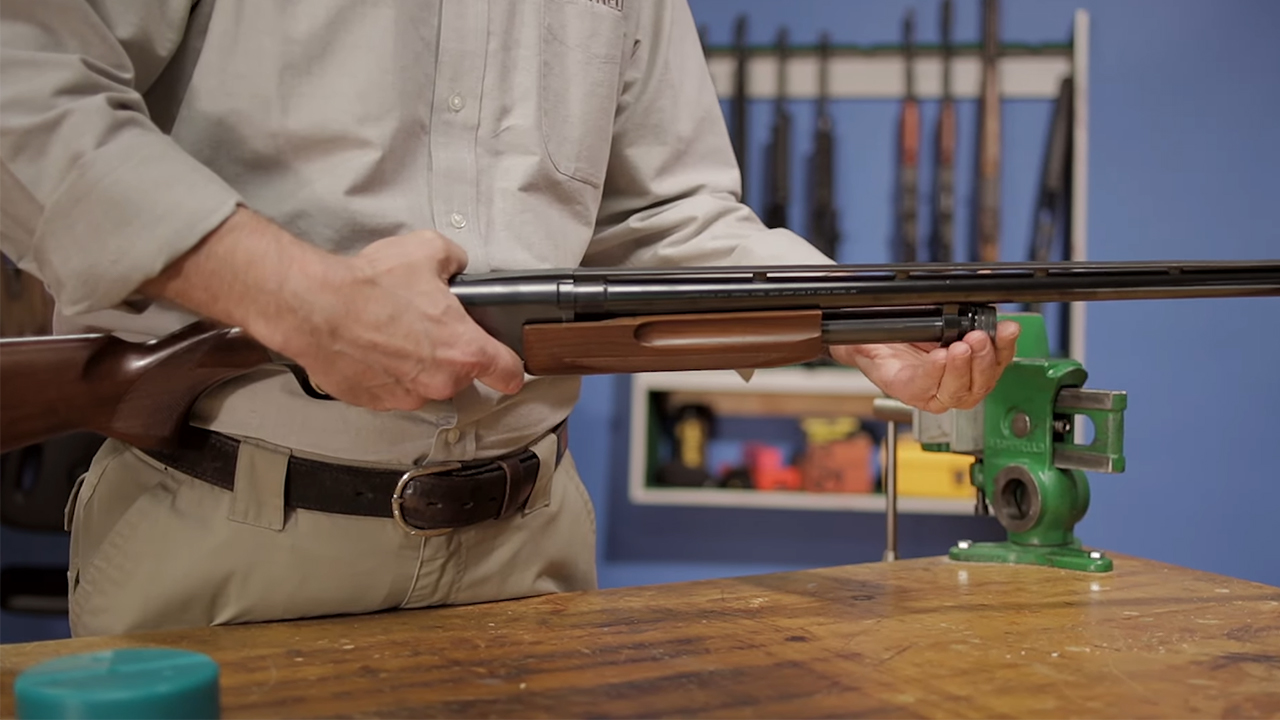
This is one of the stranger little modern details. Browning’s date page says, “The BPS is still being produced,” while the old BPS Field page is clearly marked discontinued.
That likely reflects Browning’s serial-history page lagging behind lineup changes, rather than a live contradiction in what models were actually for sale. That is an inference, but it is the most grounded reading of those two official pages together.
12. The BPS developed a reputation as a pump gun for hunters first, not tactical buyers
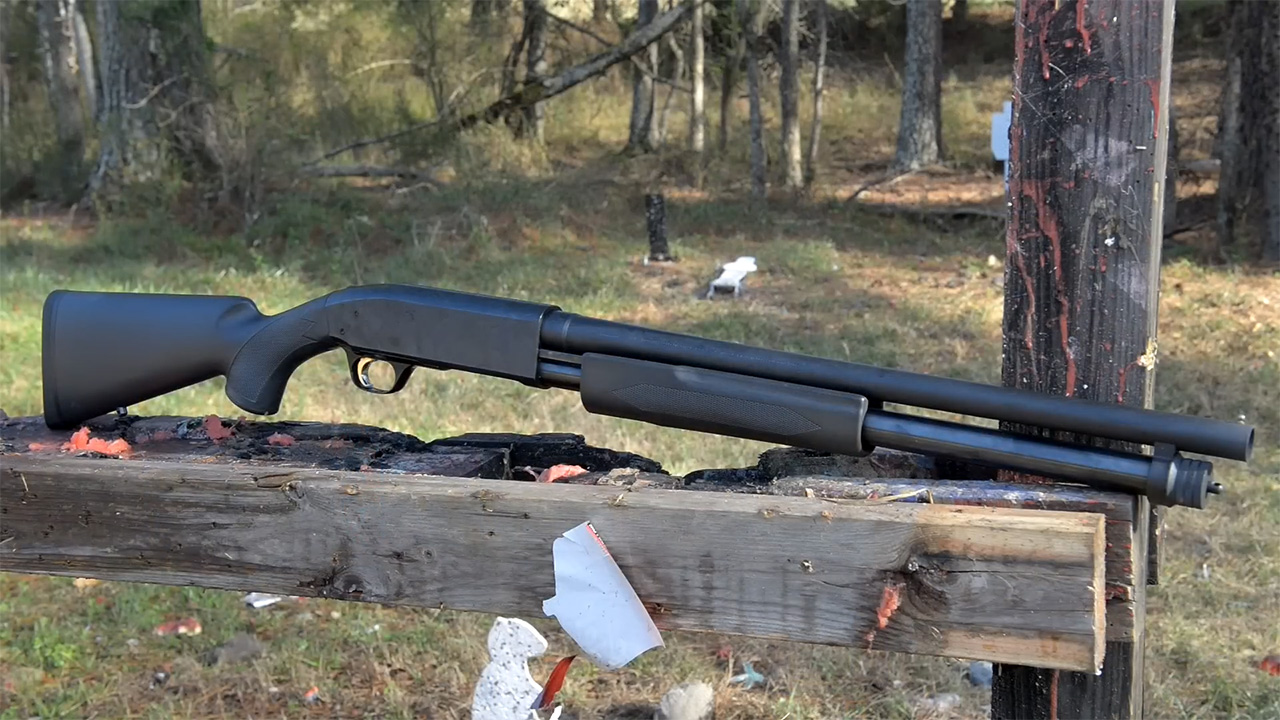
The discontinued Field page is explicit about upland and waterfowl hunting, and Browning’s broader BPS history also centers the shotgun in sporting use rather than defensive or police-oriented use.
That helps explain why the BPS never became the pop-culture tactical pump that some competitors did. It built its following in blinds, fields, and trap settings instead. That sentence is an inference from how Browning positioned the platform.
13. The larger trigger guard on field versions was part of the practical design
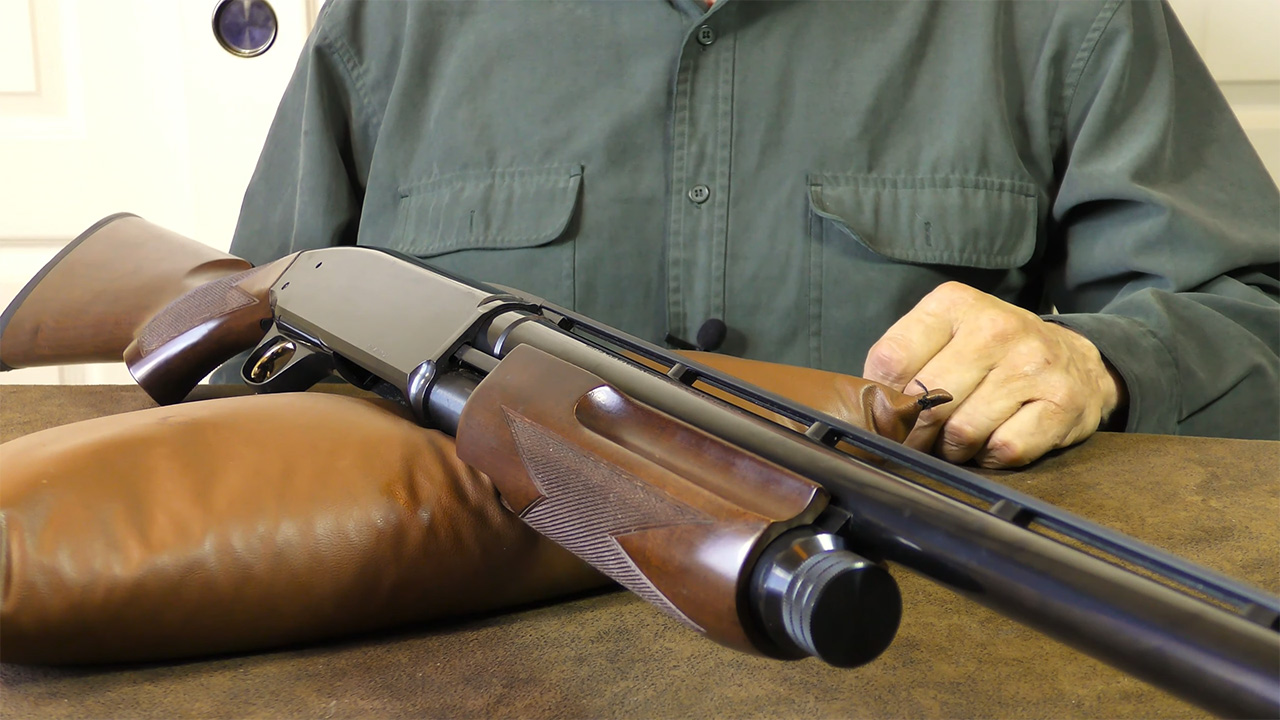
Browning’s old BPS Field page specifically calls out a larger trigger guard.
That is the sort of detail that matters more in the field than in a catalog description. Larger trigger guards are easier to work with gloves, which fits the BPS’s long-standing use in bird hunting and cold-weather conditions. That second sentence is an inference grounded in standard firearm ergonomics and the model’s hunting focus.
14. The BPS lasted long enough to earn a 40th-anniversary celebration
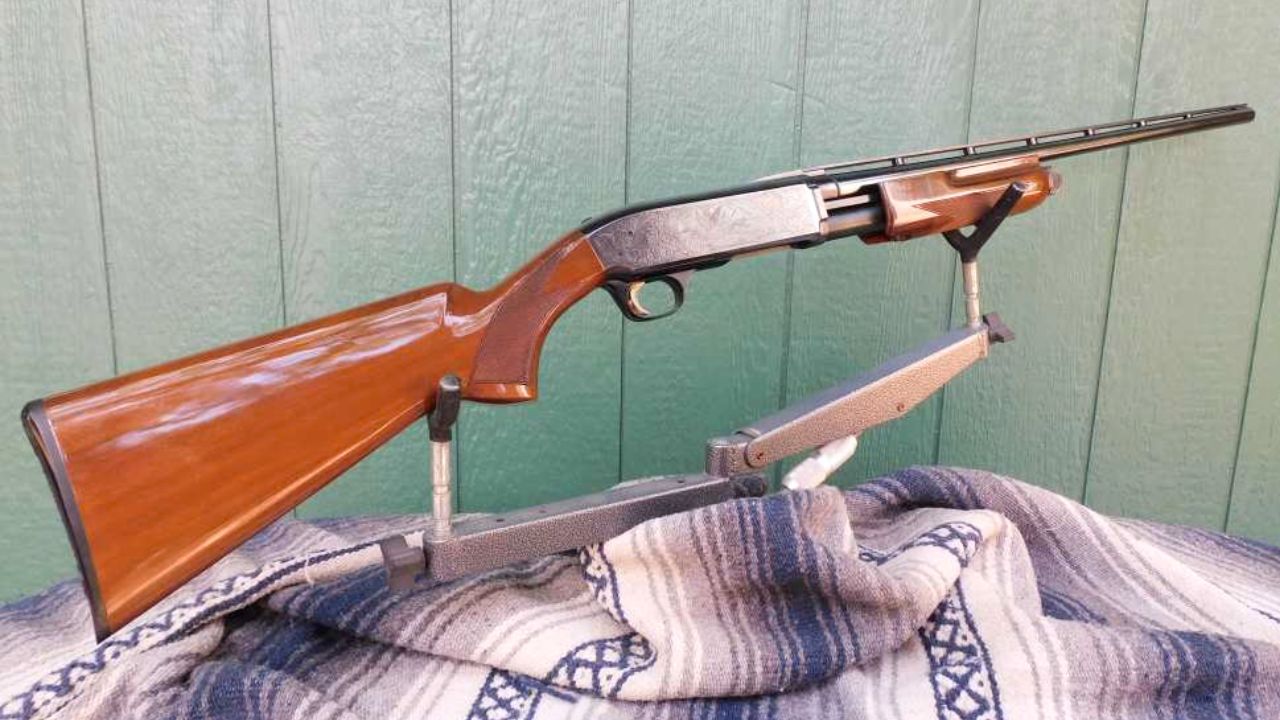
Browning’s anniversary article from 2017 celebrated 40 years of the BPS.
That alone tells you the shotgun was more than a minor supporting model. Companies do not usually spotlight four decades of one pump gun unless it has become an important part of the brand’s identity. That last point is an inference from the anniversary treatment.
15. Its biggest legacy is that it may have been the most fully ambidextrous mainstream pump shotgun of its era
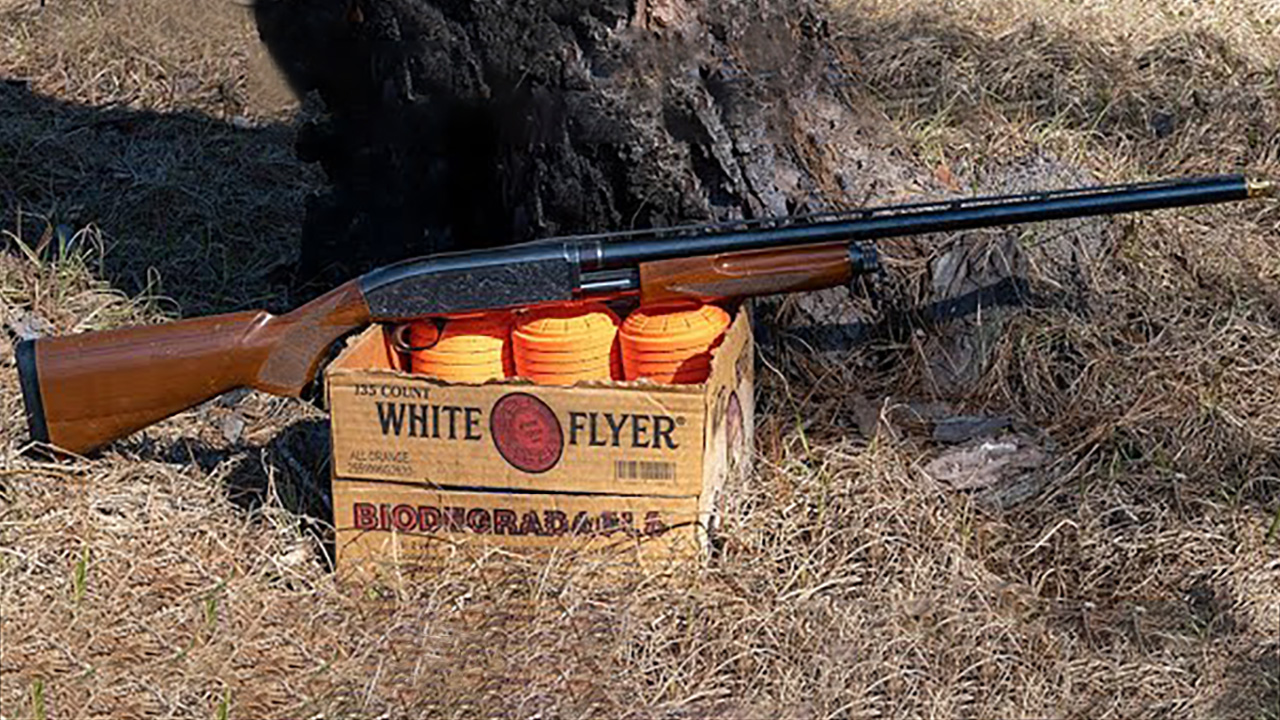
The most interesting thing about the BPS is that Browning combined bottom loading, bottom ejection, and tang safety in one mainstream sporting pump. Browning’s own material makes all three of those features central to the gun’s story.
That combination is what made the BPS special. Plenty of pump guns were reliable. Plenty were popular. The BPS built a more unusual reputation by making right-handed and left-handed use feel almost equally natural without resorting to a separate left-hand model. That conclusion is an inference from the documented design choices, but it is the clearest explanation for why BPS fans still talk about the gun the way they do.
Like The Avid Outdoorsman’s content? Be sure to follow us.
Here’s more from us: