Photo credit: Krasula/Shutterstock.com
Some calibers fade because they were tied too closely to a trend, a short-lived niche, or a sales pitch that sounded better than it performed. Others stick around because they keep solving real problems for real shooters. That usually means they are practical to find, practical to shoot, and practical enough in the field or on the range that people never fully move on from them. Even when newer rounds show up with better marketing or slightly sharper numbers on paper, these older standbys keep hanging around because they still work.
That staying power matters. A useful caliber does not have to dominate every conversation to remain relevant. It only has to keep doing something well enough that shooters, hunters, or carriers still have a reason to buy it. These are the calibers that never really stopped making sense. Some are defensive staples, some are hunting workhorses, and some are all-around cartridges that keep proving they are hard to replace once you get outside the buzz of whatever is new.
.22 Long Rifle

The .22 Long Rifle never stopped being useful because it fills too many roles too well to disappear. It is cheap compared with centerfire ammo, easy to shoot, and good for everything from casual plinking to small-game hunting to training brand-new shooters. A lot of people treat .22 LR like a beginner round, but experienced shooters know better. It stays relevant because it keeps giving you low-cost trigger time without much wear, recoil, or noise.
That matters more than ever when ammo prices climb and people still want meaningful practice. A good .22 rifle or pistol can stay useful for a lifetime because the cartridge itself stays useful for a lifetime. It may not be flashy, but it has never needed to be. It remains one of the most practical rounds any shooter can keep around.
9mm Luger

The 9mm never really stopped being useful because it found the sweet spot for a huge number of handgun shooters and never gave it up. It is manageable, effective, widely available, and supported by a massive range of pistols and loads. Plenty of calibers have tried to knock it off balance over the years, but the 9mm keeps holding its ground because it works for carry, home defense, training, and duty use without asking most shooters to make painful tradeoffs.
That broad usefulness is hard to beat. It is easy enough to shoot well, affordable enough to practice with regularly, and common enough that finding ammo or magazines is rarely some special event. That is why it never really fell out of favor for long. Even when people chased other options, they usually circled back.
.45 ACP

The .45 ACP never stopped being useful because it continues to offer exactly what its loyal shooters want from a big-bore defensive pistol round. It is not trying to be the highest-capacity answer or the cheapest round on the shelf. What it offers is a heavy, proven cartridge with a long record in full-size pistols and an easy-to-appreciate feel on the range. For shooters who like the way a .45 pushes instead of snaps, that matters.
Its usefulness also survives because it still pairs well with platforms people trust, especially 1911s and larger service pistols. The .45 never needed to dominate every market segment to stay alive. It only needed to keep doing its job well enough that a large group of shooters never saw a reason to give it up. That has clearly happened.
.38 Special
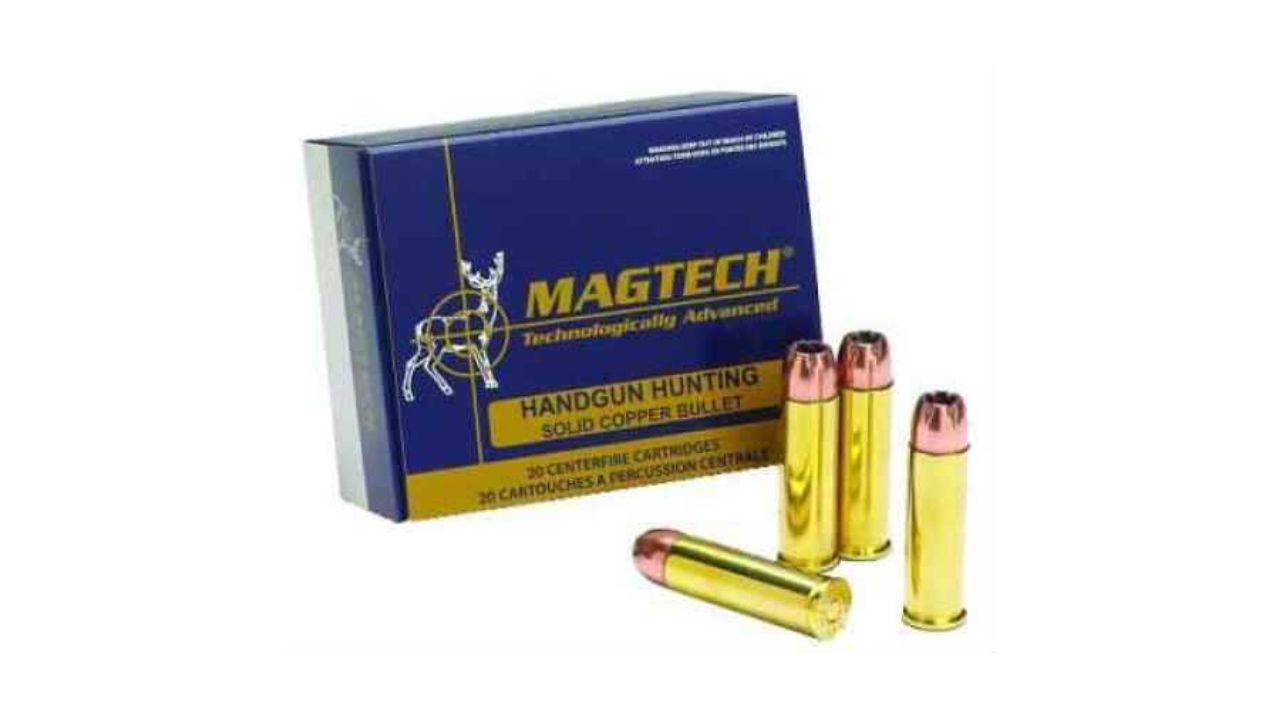
The .38 Special never stopped being useful because it remains one of the most approachable, practical revolver cartridges ever made. It is easy to shoot in the right gun, widely understood, and useful for training, personal defense, and general range work. A lot of shooters learn revolvers through .38 Special, but plenty never stop there. They keep using it because it stays pleasant and predictable even after years of experience.
That matters in a world where not every useful handgun round has to be fast or modern-looking on paper. The .38 Special still does what people need it to do, especially in defensive revolvers and target guns. It may not drive flashy conversation, but it remains one of those cartridges that keeps proving usefulness does not expire just because something newer exists.
.357 Magnum

The .357 Magnum never stopped being useful because it still offers one of the best all-around revolver balances ever made. It hits hard enough for serious defensive use, works well for trail carry, and has legitimate hunting value in the right setup. On top of that, guns chambered for .357 can usually run .38 Special too, which gives shooters flexibility that is hard to ignore.
That kind of range keeps a cartridge alive. The .357 Magnum is still relevant because it can handle a lot of real work without feeling like a one-trick round. It has recoil, sure, but it also has reach, authority, and the kind of field usefulness that keeps people coming back. When a caliber can still do that much, it never really stops mattering.
.380 ACP

The .380 ACP never stopped being useful because small carry guns never stopped being useful. There are always going to be shooters who need something light, compact, and easy to hide, and the .380 stays in that conversation because it works in pistols that people will actually carry. That alone keeps it relevant. A handgun cartridge that fits real carry habits is not easy to push aside.
It also helps that modern pistol design made .380 handguns more practical than many older versions were. That does not make the round magical, but it does keep it useful. It remains one of those calibers people return to when deep concealment matters more than range bragging rights. As long as pocket pistols and easy-carry guns have a place, the .380 will too.
.223 Remington / 5.56 NATO
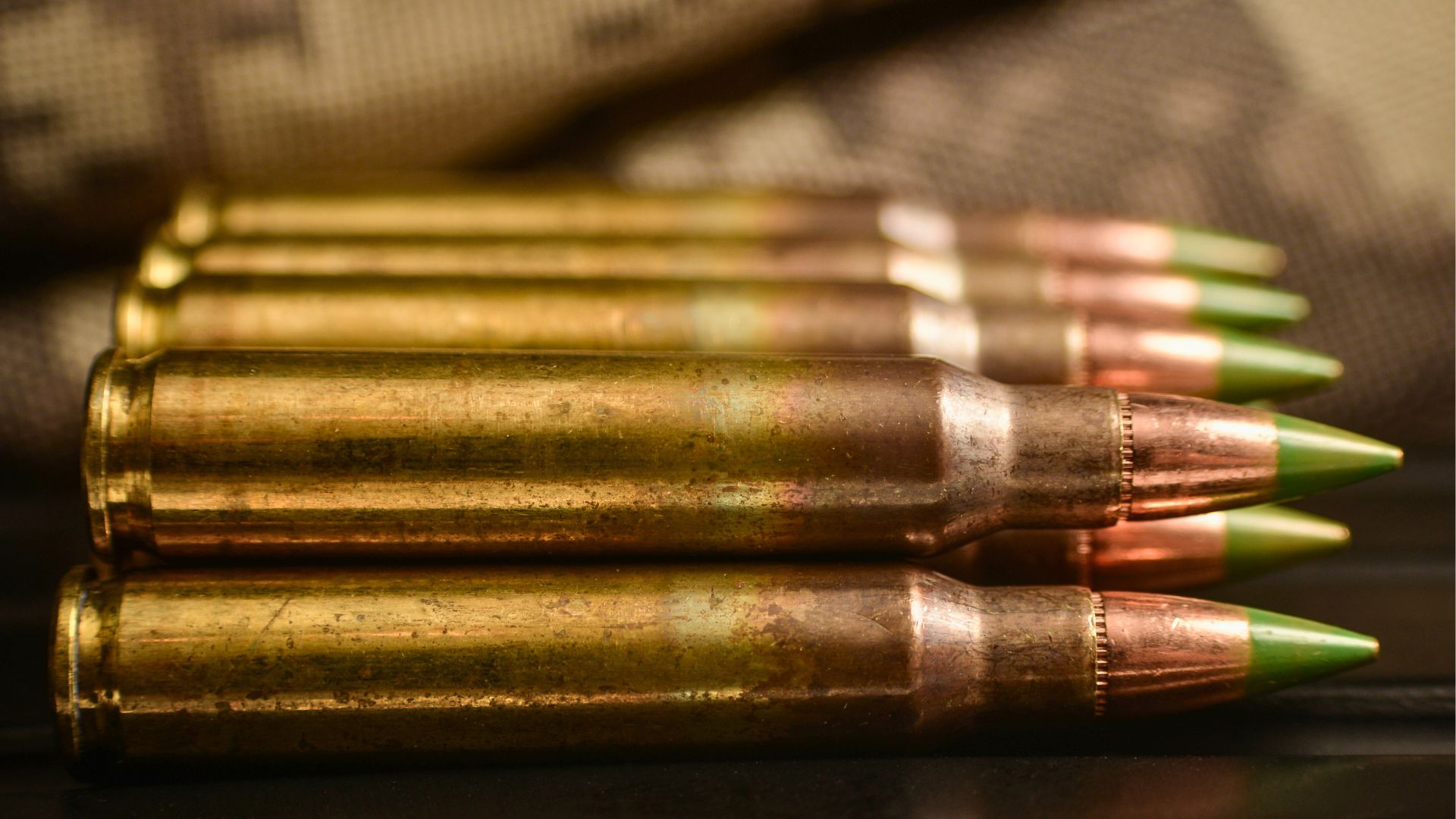
The .223 and 5.56 never stopped being useful because they remain some of the most practical rifle rounds for training, varmint work, predator hunting, target shooting, and general-purpose semi-auto use. Light recoil, broad availability, and wide platform support keep them relevant year after year. They are easy to shoot well, easy to stock up on when availability is decent, and supported by one of the biggest rifle ecosystems in the country.
That combination is hard to replace. The round may not be perfect for every hunting role, but it was never supposed to be. Its usefulness comes from how many jobs it can handle well enough while staying affordable and approachable. That is why shooters never really stopped leaning on it.
.308 Winchester
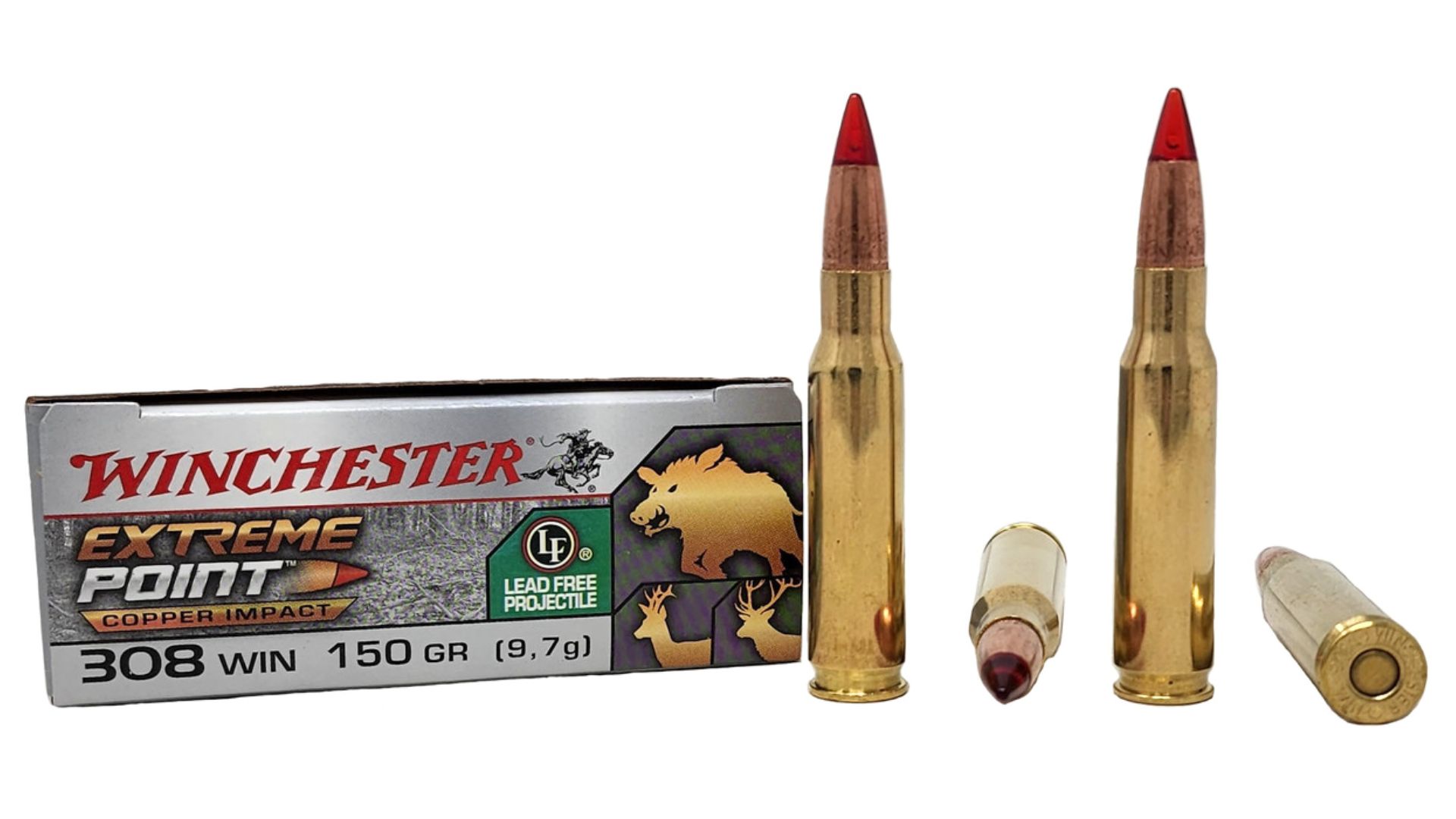
The .308 Winchester never stopped being useful because it stays grounded in real-world performance. It hits hard enough for a wide range of North American game, works in short-action rifles, and still gives shooters respectable reach without demanding magnum recoil. That balance is why it keeps showing up in hunting camps, practical precision rifles, and general-purpose bolt guns.
The .308 also benefits from being familiar. Shooters know what it does, what it costs, and what to expect from it in the field. That kind of confidence matters. Newer cartridges may offer flatter trajectories or slightly different strengths, but the .308 keeps sticking because it still does an awful lot without becoming specialized or fussy.
.30-06 Springfield

The .30-06 never stopped being useful because it still covers an enormous amount of hunting ground with one cartridge. Deer, elk, black bear, and a long list of other game have all been taken cleanly with it for generations, and that track record still means something. It offers flexibility across bullet weights and enough power that very few North American hunters feel undergunned when carrying one.
That is why it never really went away. Some people moved to shorter actions, some moved to newer cartridges, and some moved to lighter recoil. But the .30-06 kept hanging around because it kept doing the work. When a cartridge stays that dependable across that many hunting roles, usefulness is not really up for debate.
.270 Winchester

The .270 Winchester never stopped being useful because it remains one of the best deer and elk crossover cartridges ever put in a hunting rifle. It shoots flat, hits hard enough for serious field work, and has spent decades earning trust in places where a missed opportunity actually matters. The .270 may not always be the loudest cartridge in the room, but it keeps making a case for itself where shots stretch a bit and hunters still want manageable recoil.
That matters because not every useful cartridge needs to be trendy again every few years. The .270 has lasted because it works. It gives hunters reach, solid terminal performance, and enough familiarity that very few people are surprised by what it does. That sort of steady competence keeps a round alive.
.30-30 Winchester

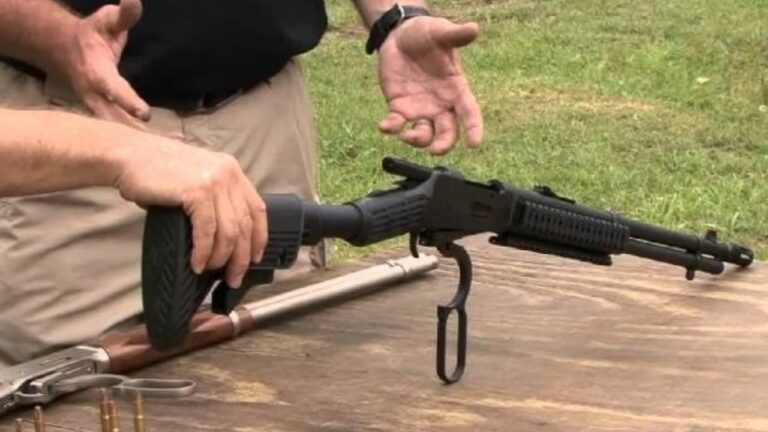
The .30-30 never stopped being useful because not every hunting shot happens in an open field at long range. In the woods, in brush country, and inside the kind of distances where many deer are actually taken, the .30-30 still makes a lot of sense. It carries easily in lever guns, recoils reasonably, and has been putting venison in freezers for a very long time.
That practical field value is why it survives every wave of “better” cartridges. The .30-30 keeps doing the job in the environments where it was always strong. It may not be the best answer for every terrain type, but it never stopped being a good answer for many of them. That is more than enough to stay useful.
.45-70 Government

The .45-70 never stopped being useful because big-bore authority never stopped having a place. In the right rifle, it remains a serious hunting cartridge for large game and a strong choice for people who want deep, heavy bullet performance at moderate ranges. It is not a round for everybody, but it does not have to be. It only has to keep working where it excels, and it absolutely does.
That is why the .45-70 never faded into irrelevance. Lever guns kept it alive, hunters kept trusting it, and shooters kept appreciating the fact that some problems still call for a lot of bullet. It is a specialized tool compared with some cartridges on this list, but specialized does not mean outdated. Not when the job still exists.
12 Gauge

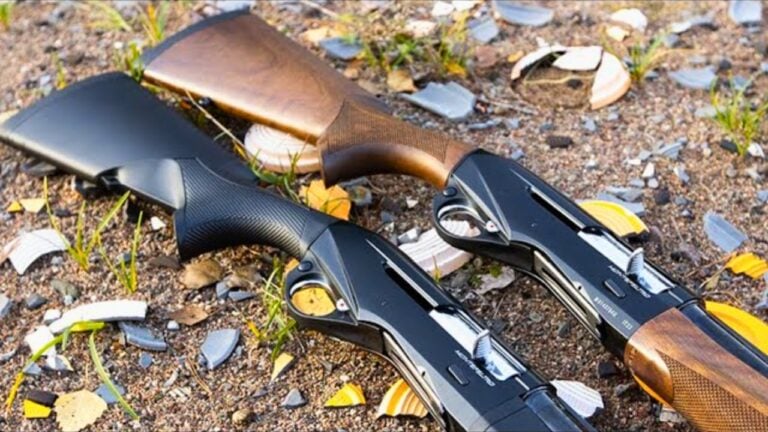
The 12 gauge never stopped being useful because it may be the most flexible shotgun chambering most people will ever need. Bird hunting, turkey hunting, waterfowl, home defense, slugs for deer, general utility around a farm or property — it handles all of it with the right load. That kind of versatility is hard to match, and it is the main reason the 12 gauge keeps showing up in homes, trucks, blinds, and safes across the country.
It also helps that support is everywhere. Guns, ammo, accessories, and practical knowledge are all easy to find. That makes it one of the easiest long-term choices any shooter can make. There are lighter-recoiling and more specialized options out there, sure, but the 12 gauge remains the standard because it earned it.
20 Gauge
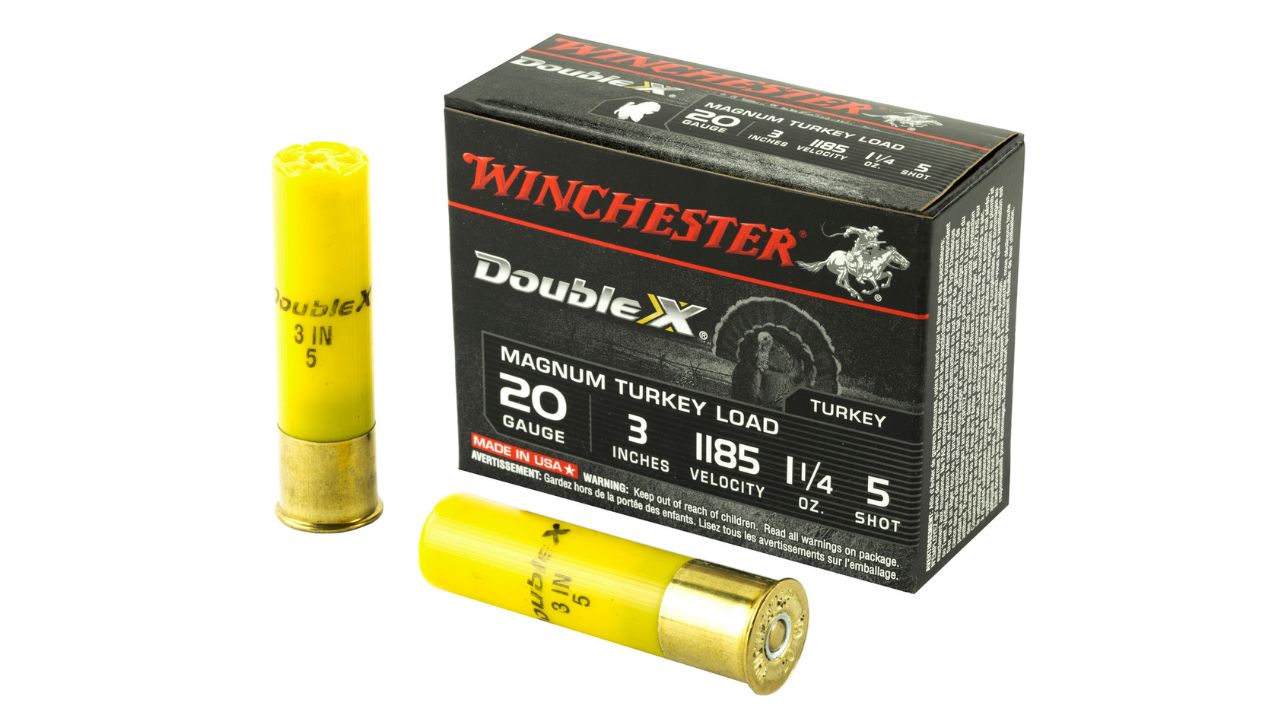
The 20 gauge never stopped being useful because it gives shooters and hunters a shotgun option that is easier to carry and easier to shoot for a lot of people without giving up too much real capability. It is excellent for upland birds, useful for deer with the right setup, and often a smarter choice than 12 gauge for smaller-framed shooters or anyone who simply does not need all the extra recoil.
That balance keeps it alive. The 20 gauge is not merely a beginner’s shotgun chambering. It is a very practical one. A lot of experienced hunters stick with it because they know exactly what it can do and appreciate how pleasant it is to carry and shoot. That is real usefulness, not compromise.
.44 Magnum
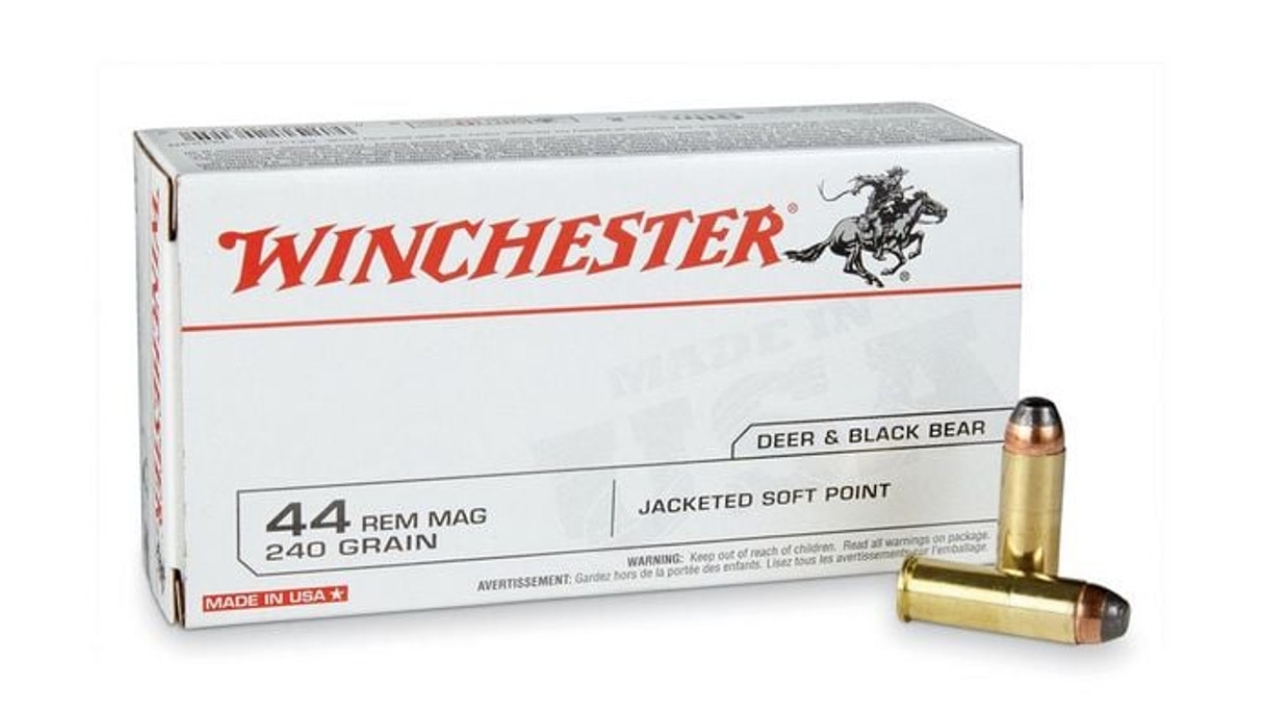
The .44 Magnum never stopped being useful because it still fills an important lane for handgun hunters, woods carry, and shooters who want real revolver power. It is not a casual plinking round for most people, but that has never been the point. The point is that when someone wants a revolver cartridge with serious authority, the .44 Magnum still shows up fast in the conversation.
Its usefulness survives because the roles it serves are still real. People still carry revolvers in bear country. People still hunt with handguns. People still want a cartridge that delivers more than service-pistol levels of power. As long as those needs exist, the .44 Magnum is going to keep mattering.
7mm Remington Magnum

The 7mm Remington Magnum never stopped being useful because it still offers hunters a strong combination of reach, downrange energy, and versatility on larger game. For people who hunt open country or simply want a cartridge that stretches well without stepping all the way into the heaviest magnum recoil classes, it continues to make sense. It has enough history behind it that nobody really needs to guess what it can do.
That matters because hunting cartridges live and die by field credibility more than paper hype. The 7mm Remington Magnum kept its place because hunters kept using it successfully on deer, elk, and beyond. Newer long-range rounds may get more attention at times, but this one never stopped being a proven answer.
Like The Avid Outdoorsman’s content? Subscribe to our newsletter so you never miss an article.
Here’s more from us: