Photo credit: Gunblastdotcom/YouTube
The Henry Big Boy is one of those rifles that a lot of shooters recognize instantly, but not everyone knows how recent it actually is. It feels old-school on purpose, with brass, walnut, octagon barrels, and revolver-caliber chamberings that make it look like it stepped out of another century. But the Big Boy is a modern Henry creation, not a preserved antique design. Henry says the Big Boy was introduced in 2003 after strong customer demand for a centerfire version of the Golden Boy rimfire rifle.
What makes the Big Boy especially interesting is that it did not stay one rifle for long. It started as a brass-framed pistol-caliber lever gun, then grew into steel-frame versions, side-gate models, all-weather variants, X Models, and now even a Big Boy revolver line that borrows the name. That means “Big Boy” now covers a much broader Henry family than a lot of shooters realize.
1. The Big Boy did not appear until 2003
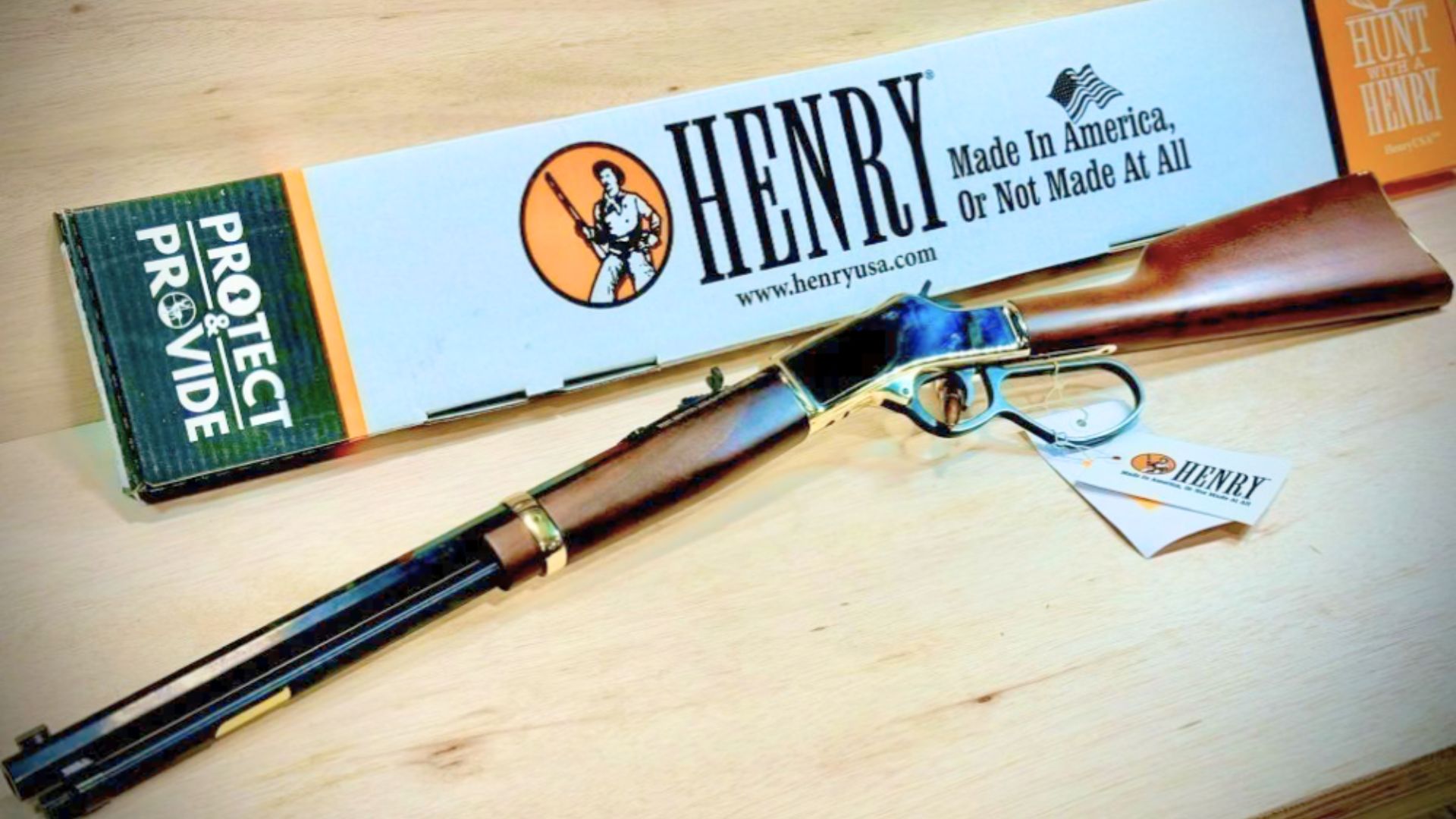
A lot of people assume the Henry Big Boy must date back much farther because of the classic look, but Henry says it was introduced in 2003. The company specifically ties its birth to customer demand for a centerfire version of the Golden Boy .22.
That makes the Big Boy a very modern rifle wearing very traditional clothes. It is a good example of Henry understanding exactly what shooters wanted visually and functionally, then building a fresh production gun around that idea.
2. It was created as the centerfire sibling to the Golden Boy

Henry’s own history says the Big Boy came directly from demand for a pistol-caliber version of the company’s flagship Golden Boy rimfire. That connection matters because it explains a lot about the rifle’s styling.
The Big Boy was not just another lever gun tossed into the catalog. It was Henry intentionally extending the Golden Boy idea into centerfire territory, keeping the classic looks while giving shooters more power and more practical hunting and utility use.
3. The original Big Boy was strongly tied to brass

When a lot of shooters picture the Big Boy, they picture the brass-framed rifle first, and that is not an accident. Henry’s 20-year retrospective says the Big Boy and Henry’s other brass-framed centerfire lever actions became a big part of the company’s identity.
That brass-heavy look is a big reason the rifle stood out. A lot of modern lever guns chase practical, subdued styling. The Big Boy leaned into eye-catching heritage styling from the start, and that gave it a very recognizable identity in a crowded lever-action market.
4. Early Big Boys loaded through the removable magazine tube only

One of the most talked-about Henry traits for years was the lack of a side loading gate on many rifles, and the Big Boy was part of that story. Henry’s 2023 product-history note says the new Big Boy brass guns were updated to include a side loading gate while retaining the original removable inner magazine tube for unloading. That wording makes it clear the tube-loading system was the original setup people knew.
That matters because tube loading became one of the most debated things about Henry lever guns. Some shooters liked the simplicity and safer unloading method, while others wanted the faster top-off ability of a side gate. The Big Boy’s evolution reflects that long-running customer debate.
5. Henry eventually added the side gate because shooters kept asking for it

Henry’s own 2023 release says the brass-framed centerfire rifles were overhauled to include one of the most requested features: a side loading gate. American Rifleman’s 2021 X Model review also praised the quicker reloads made possible by the side gate.
That tells you something important about the Big Boy line: Henry has been willing to update the platform when enough shooters clearly wanted the same thing. The rifle kept its original identity, but it did not stay frozen.
6. The Big Boy helped build Henry’s centerfire reputation

Henry’s 2022 anniversary PDF says the company’s big centerfire lever-action identity grew strongly around the Big Boy family, and American Rifleman has said Henry built its centerfire rifle reputation off the Big Boy series.
That is a big deal because Henry is often associated with rimfires first in casual conversation. The Big Boy is one of the guns that helped turn the company into a serious modern centerfire lever-action brand.
7. It was always a revolver-cartridge lever gun first

Henry’s early Big Boy history and American Rifleman’s 2014 review both frame the rifle around revolver cartridges like .357 Magnum, .44 Magnum, and .45 Colt.
That matters because the Big Boy was not originally trying to be a .30-30 woods rifle or a long-range lever gun. It was built around the handy, companion-gun, brush-gun concept where a lever rifle and a wheelgun could share ammo.
8. Steel-frame Big Boys changed the whole feel of the line

A lot of shooters still think “Big Boy” means brass only, but the Henry Steel Big Boy became an important branch. American Rifleman’s 2015 review said the steel version offered a balanced set of features for people serious about carrying a revolver-caliber rifle outdoors.
That shift mattered because it opened the Big Boy concept to shooters who wanted something a little less flashy and more field-focused. The steel guns made the platform feel more practical to a different kind of buyer without abandoning the lever-gun appeal.
9. The All-Weather version pushed the Big Boy into hard-use territory
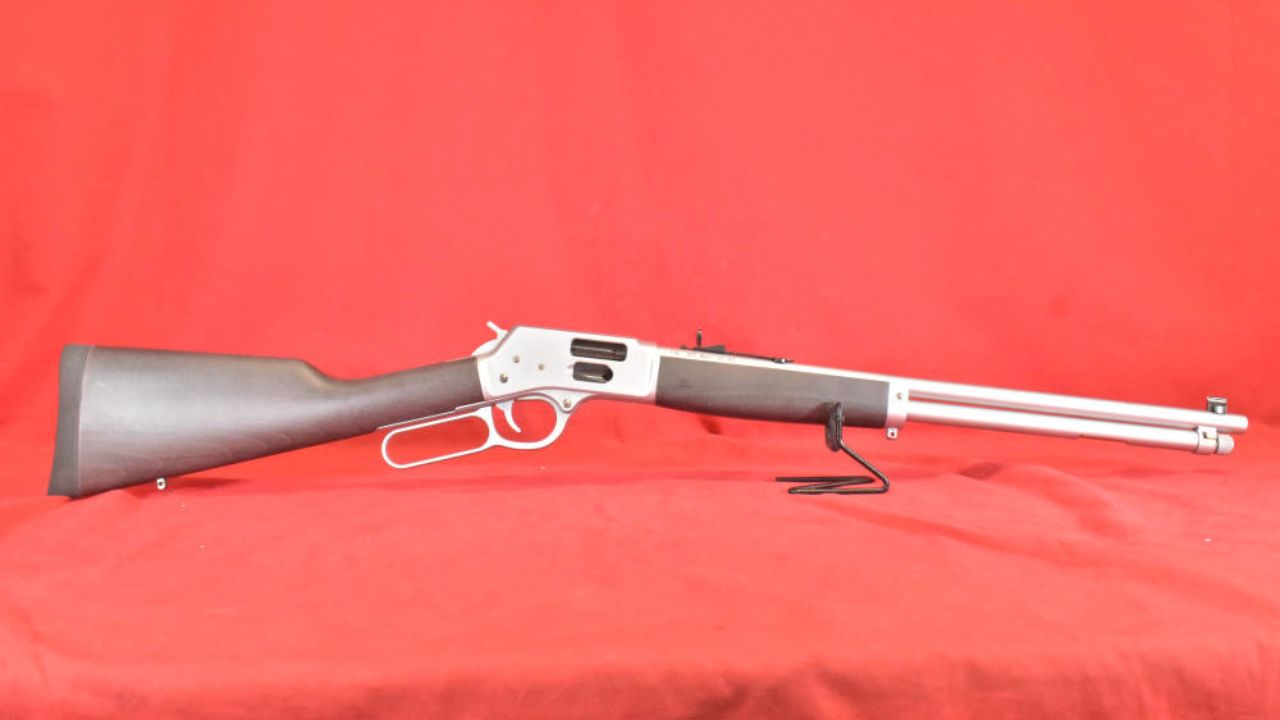
The Big Boy family also grew into the All-Weather line. American Rifleman’s 2019 review said the Big Boy All-Weather was robust, reliable, and built to stand up to a lifetime of hard use with minimal care.
That is worth noting because it shows how far the line moved beyond nostalgic range fun. Henry turned the Big Boy into a legitimate bad-weather field rifle too.
10. The X Model gave the Big Boy family a much more modern edge
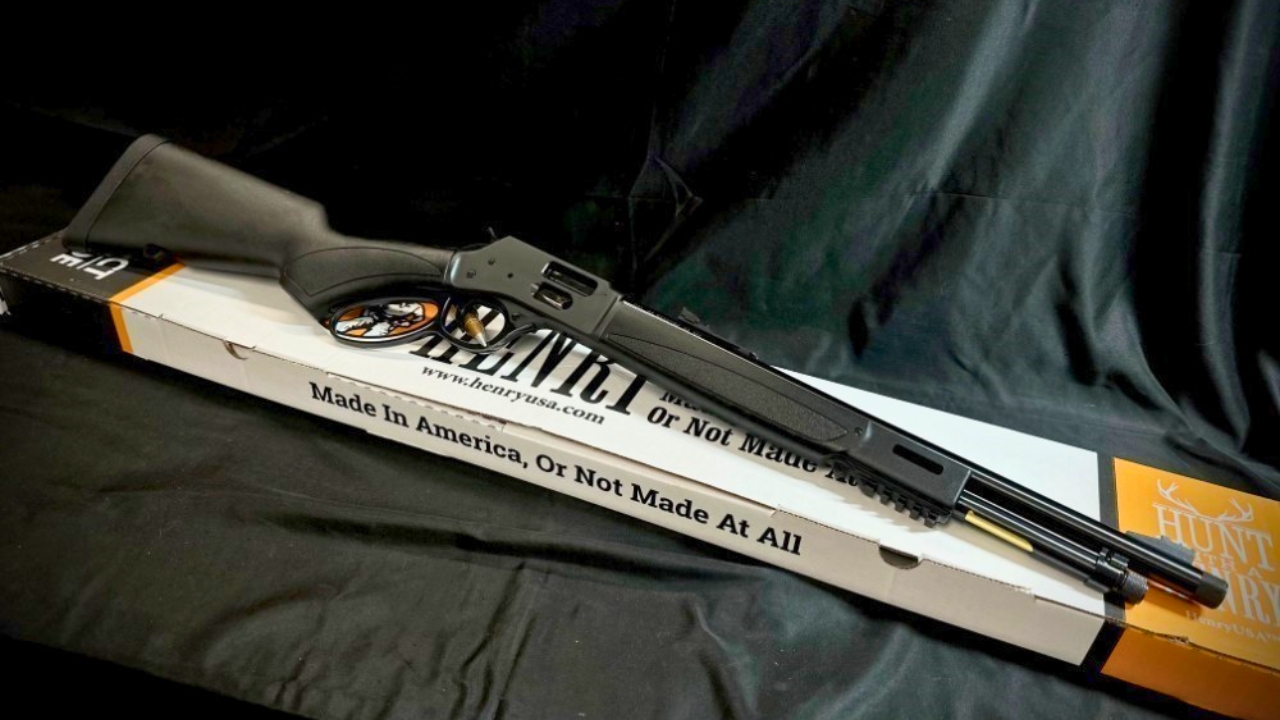
The Big Boy X Model is one of the clearest signs the platform evolved with the times. American Rifleman’s 2021 review praised the side gate and pointed out the home-defense utility of being able to top off the magazine tube more quickly.
That matters because the Big Boy line is not stuck wearing only polished brass and octagon-barrel nostalgia. The X Model showed Henry could push the same basic family into a more tactical, suppressor-friendly, utility-first direction.
11. The Big Boy became a serious hunting and utility rifle, not just a showpiece
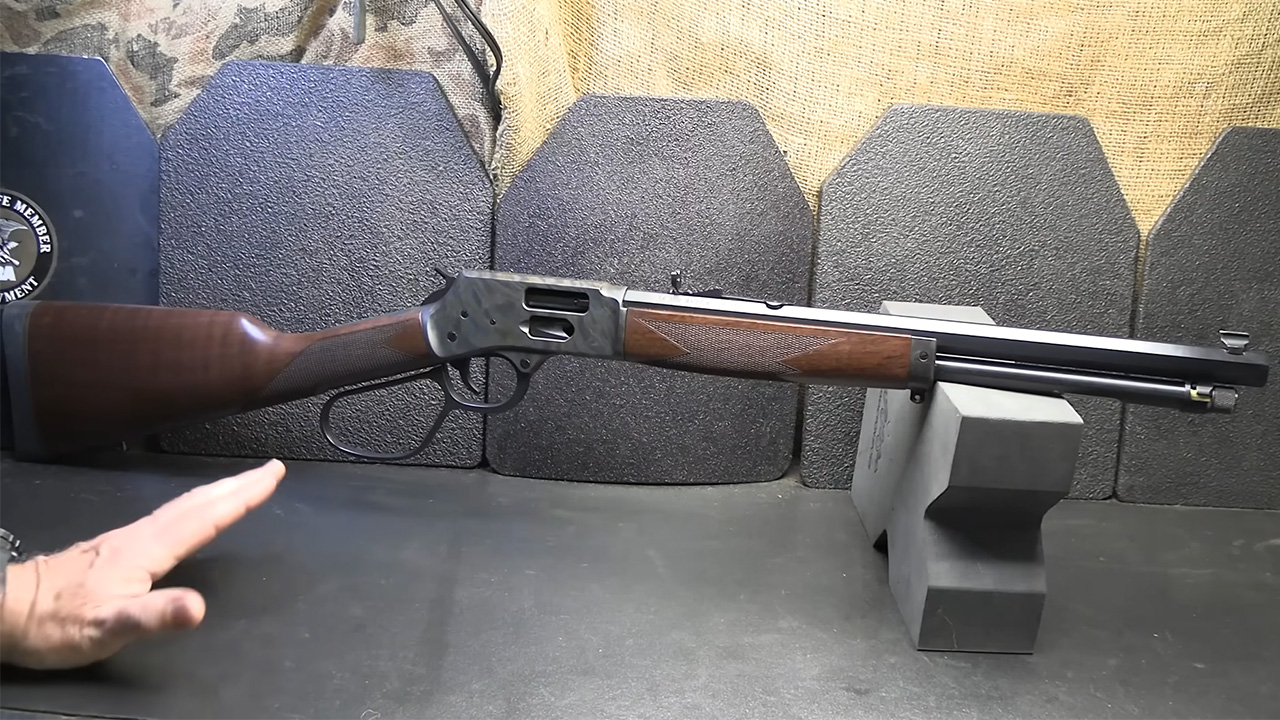
The steel and all-weather reviews both make this point clearly. The steel .44 version was described as a good brush gun and hog hunter, while the All-Weather was praised as a practical all-season outdoor companion.
That broader usefulness is a huge part of why the Big Boy line lasted. Pretty rifles get attention, but practical rifles stay in the field and in the catalog.
12. Henry now uses the Big Boy name on revolvers too
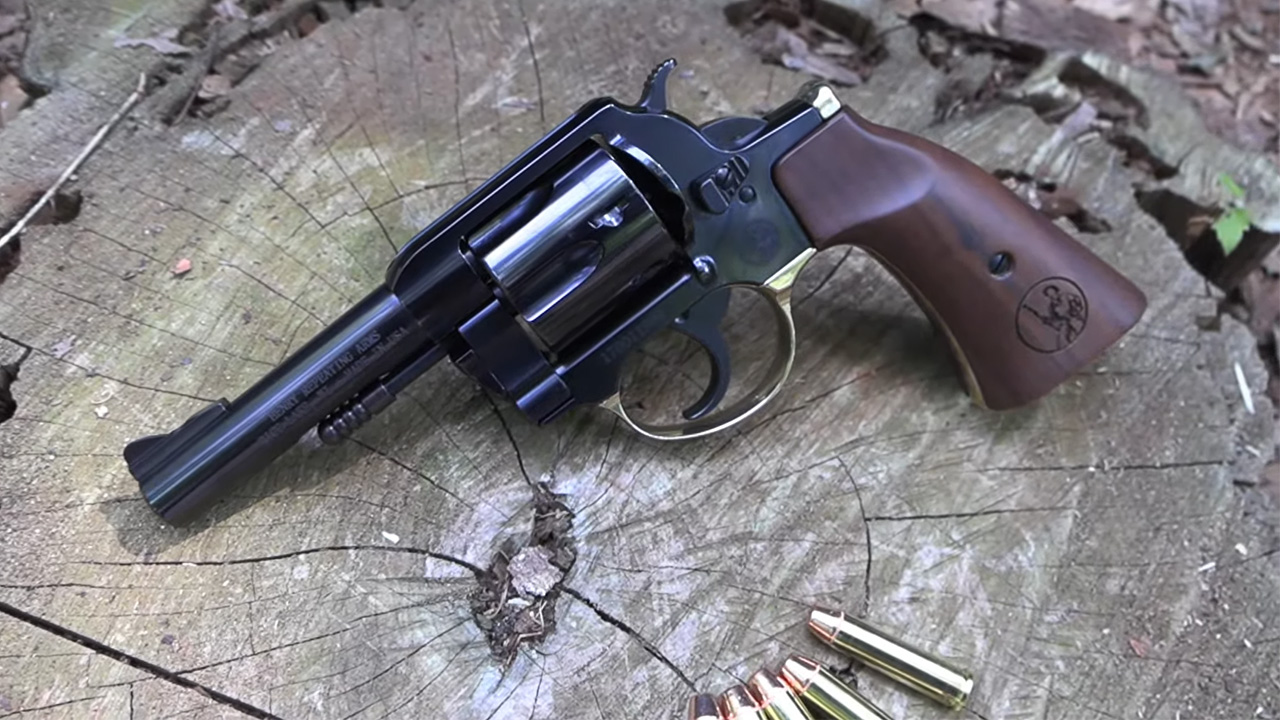
This is one of the most surprising modern twists. Henry introduced Big Boy revolvers in 2023, and American Rifleman’s coverage says they are six-shot medium-frame DA/SA revolvers in .357 Magnum/.38 Special.
That is a pretty big expansion of the name. “Big Boy” is no longer just a rifle family. Henry now treats it as a broader brand identity tied to traditional American wheelgun-and-lever-gun appeal.
13. The Big Boy line helped fuel Henry’s anniversary and tribute editions
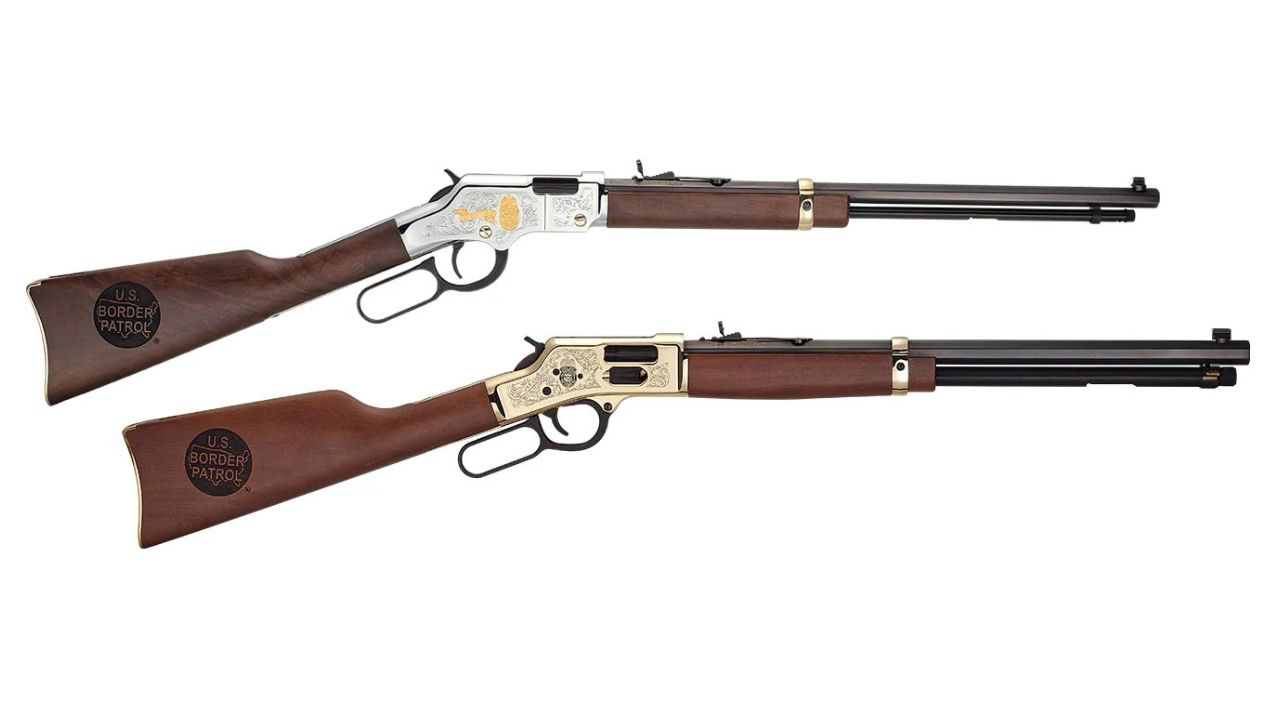
Henry has used the Big Boy platform for special commemorative runs, including the U.S. Border Patrol 100th Anniversary rifles introduced in 2024. Those rifles were built on the Big Boy Brass platform in .357 Magnum/.38 Special.
That matters because it shows how iconic the platform became inside Henry’s own brand. Companies use their most recognizable and visually distinctive guns for tribute editions, and the Big Boy clearly fits that role.
14. The Big Boy line is one of the clearest examples of Henry mixing heritage looks with modern updates
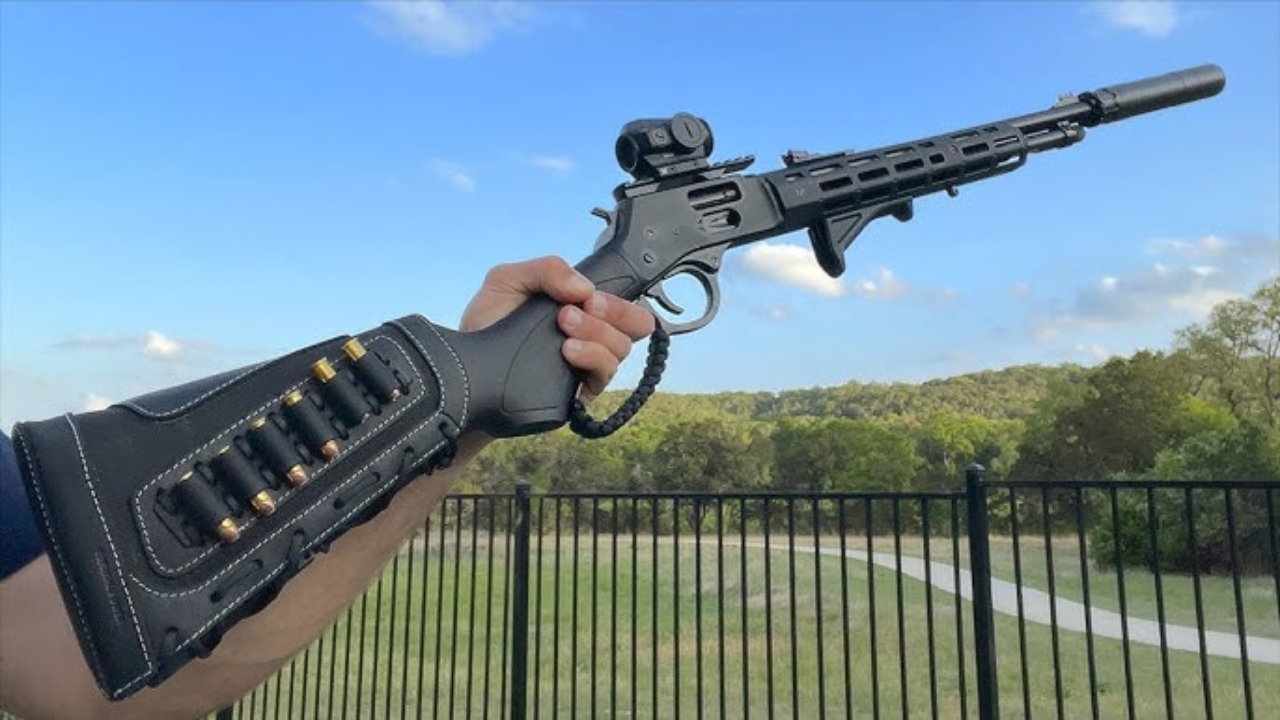
Across the steel, all-weather, side-gate, and X Model branches, the Big Boy line repeatedly keeps the old-school lever-gun spirit while adding things customers actually want. The side gate, hard-use finishes, and more utilitarian variants all show that pattern.
That mix is a big reason the rifle family stayed relevant. Henry did not force buyers to choose between “classic” and “useful.” It kept trying to offer both.
15. The biggest thing most people miss is that the Big Boy became one of Henry’s defining centerfire platforms
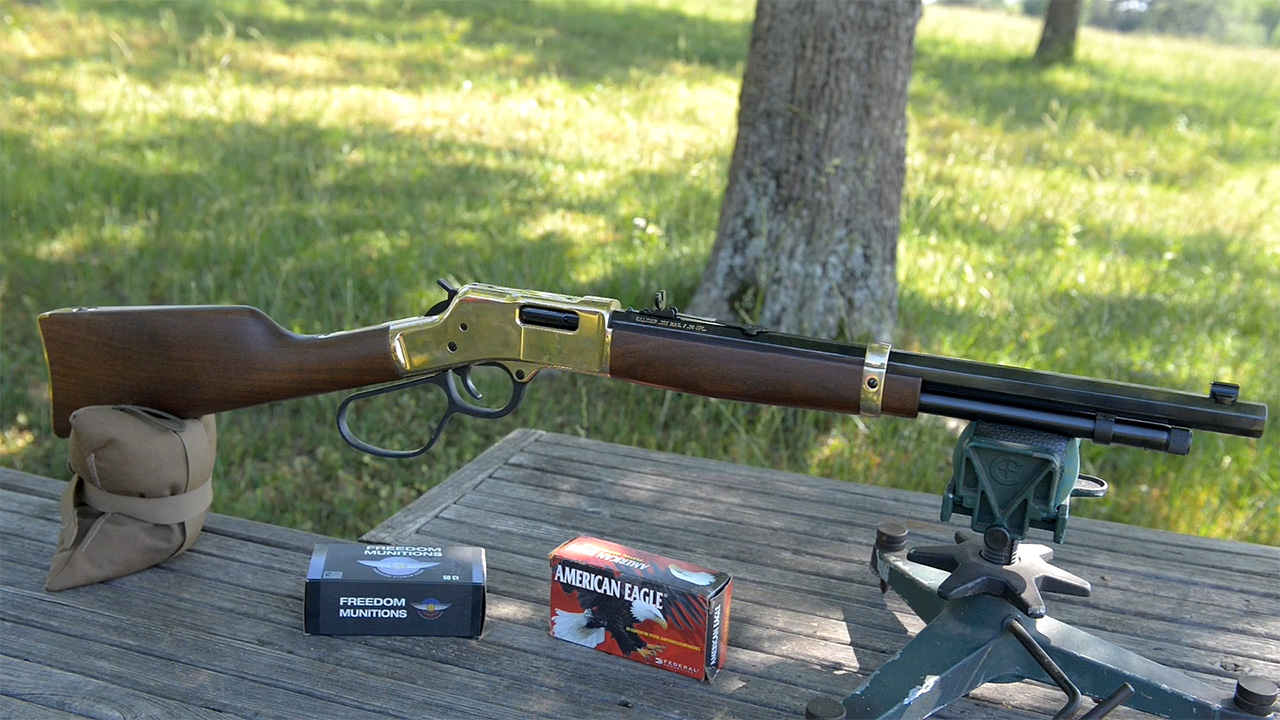
The most interesting fact about the Big Boy may be that it started as a customer-requested centerfire spinoff and turned into one of Henry’s most important families. Henry’s own history ties the rifle directly to the company’s centerfire growth, and American Rifleman has repeatedly treated the Big Boy as central to Henry’s centerfire reputation.
That is why the Big Boy matters. It is not just a pretty lever gun. It is one of the rifles that helped define what modern Henry became.
Like The Avid Outdoorsman’s content? Be sure to follow us.
Here’s more from us: