Photo credit: MrHowardsguns69/GunBroker
The Colt Woodsman is one of those pistols that serious rimfire fans talk about with a kind of built-in respect. A lot of shooters know it as an old Colt .22, but that barely scratches the surface. The Woodsman was a long-running American sporting pistol built from 1915 to 1977, designed from a John Browning concept and produced in roughly 690,000 examples. It became one of the most recognizable .22 autoloaders of the 20th century, and it lasted long enough to span multiple design eras, military contracts, and several related models.
What makes the Woodsman especially interesting is that it was never just one fixed pistol. There were three major series, multiple model branches, and several close relatives like the Challenger and Huntsman. Even the name “Woodsman” did not show up right away. It is the kind of gun people think they know until they start digging and realize how much changed over its long life.
1. It was designed from a John Browning concept
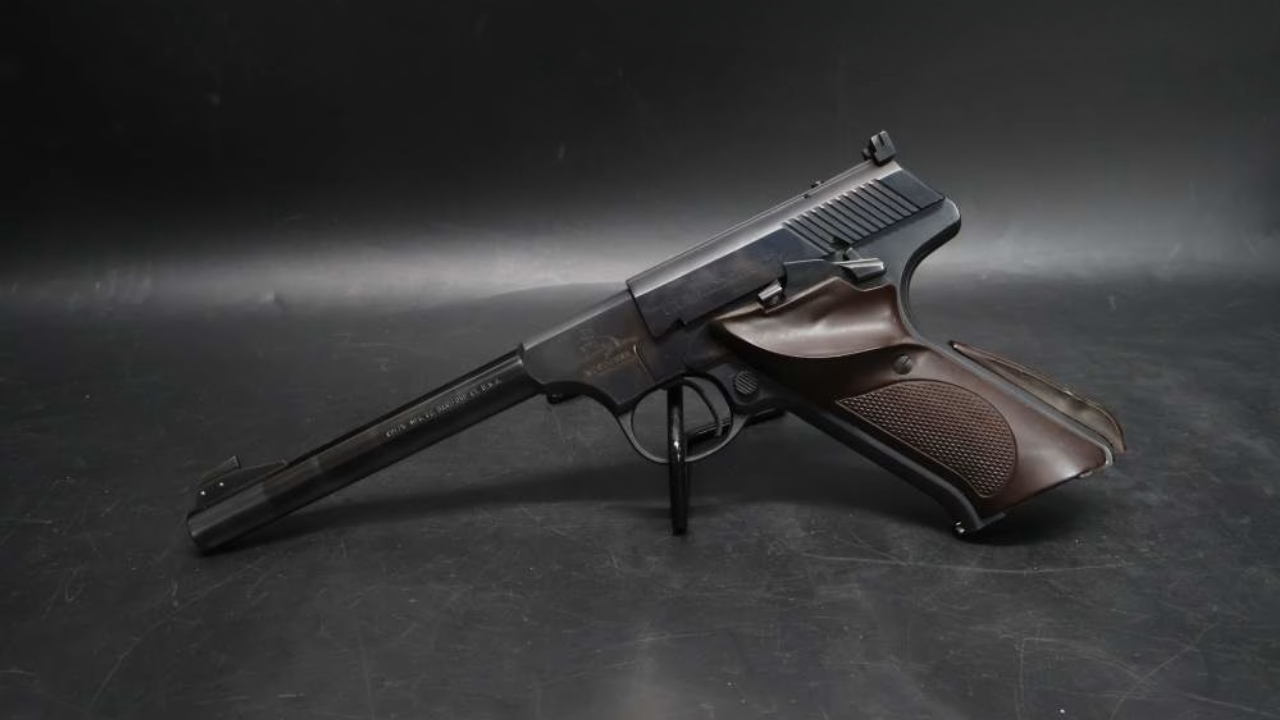
The Colt Woodsman traces back to John Moses Browning. The main reference history identifies Browning as the designer, and the American Rifleman “Colt Woodsman Target Model” piece says it was another classic firearm from Browning, with help from Colt employees George H. Tansley and F.C. Chadwick.
That matters because the Woodsman was not just some obscure Colt plinker. It came out of one of the most important design legacies in firearms history, even if Colt refined the original concept before full production.
2. It has a much longer production run than many shooters realize

The Woodsman was produced from 1915 to 1977. That is more than six decades of life for a rimfire pistol, which is a huge run by any standard.
That long lifespan helps explain why so many different shooters know the gun from very different eras. One person may think of a prewar Target model, another may remember a postwar Match Target, and another may know only the later Third Series pistols. They are all talking about the same broader family.
3. Around 690,000 were made

The Woodsman was not some tiny collector-only pistol line. The reference history lists production at roughly 690,000 pistols.
That is a big enough number to make the Woodsman genuinely important in American rimfire history, but still limited enough that nice examples carry real collector interest today. It sat in that sweet spot between common enough to become famous and scarce enough to stay special.
4. The name “Woodsman” did not appear at first

One of the easiest facts to miss is that early pistols were not initially called “Woodsman.” The reference history says it was not until 1927 that the name “Woodsman” was used.
That means the earliest examples come from before the gun’s most famous name had even settled in. A lot of shooters assume the pistol launched with its final branding already in place, but the identity evolved over time.
5. There were three main series

The Woodsman was built in three distinct series: First Series from 1915 to 1941, Second Series from 1948 to 1955, and Third Series from 1955 to 1977.
That is a major part of understanding the pistol, because “Colt Woodsman” covers a lot of ground. A First Series gun and a Third Series gun may share the same family name, but they can differ meaningfully in controls, frame details, and collector interest.
6. Each series had three core models
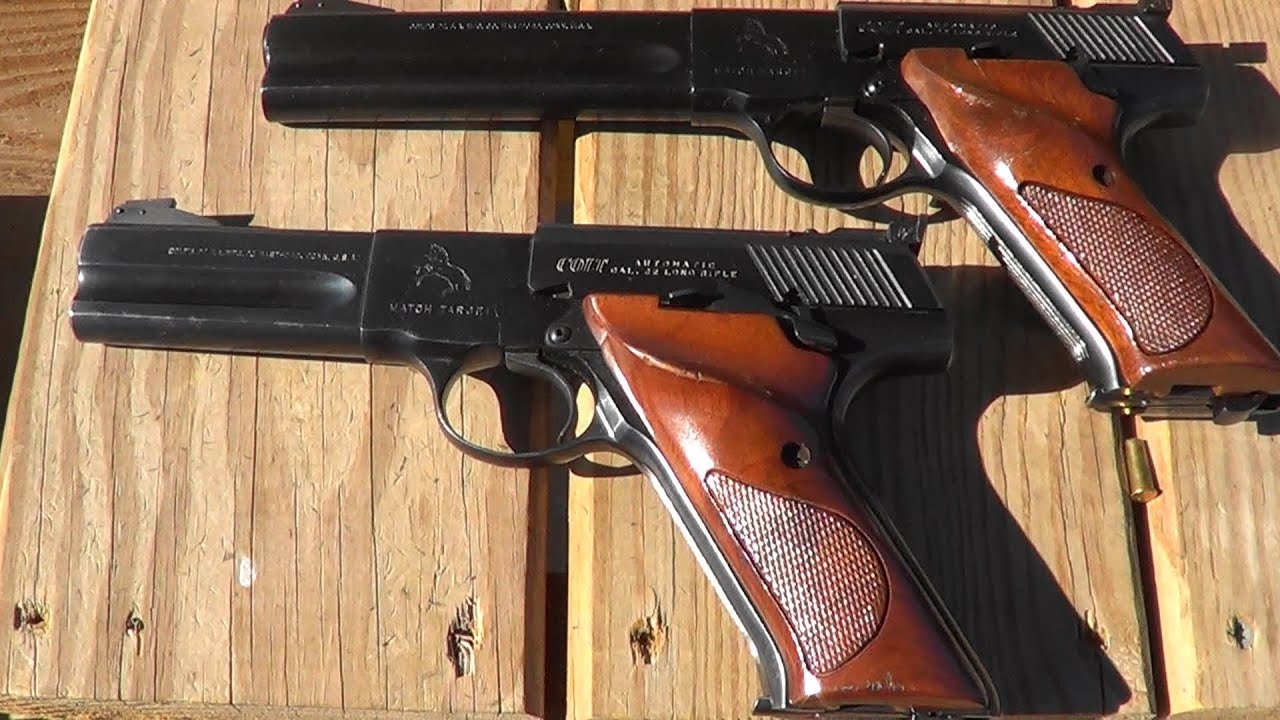
The reference history says each of the three Woodsman series had three main models: Target, Sport, and Match Target.
That is one reason the line can get confusing fast. The Woodsman was not just one pistol in one trim. Colt built it across multiple intended roles, from target work to field carry, and kept that pattern alive across the different production eras.
7. The Target model was the base model
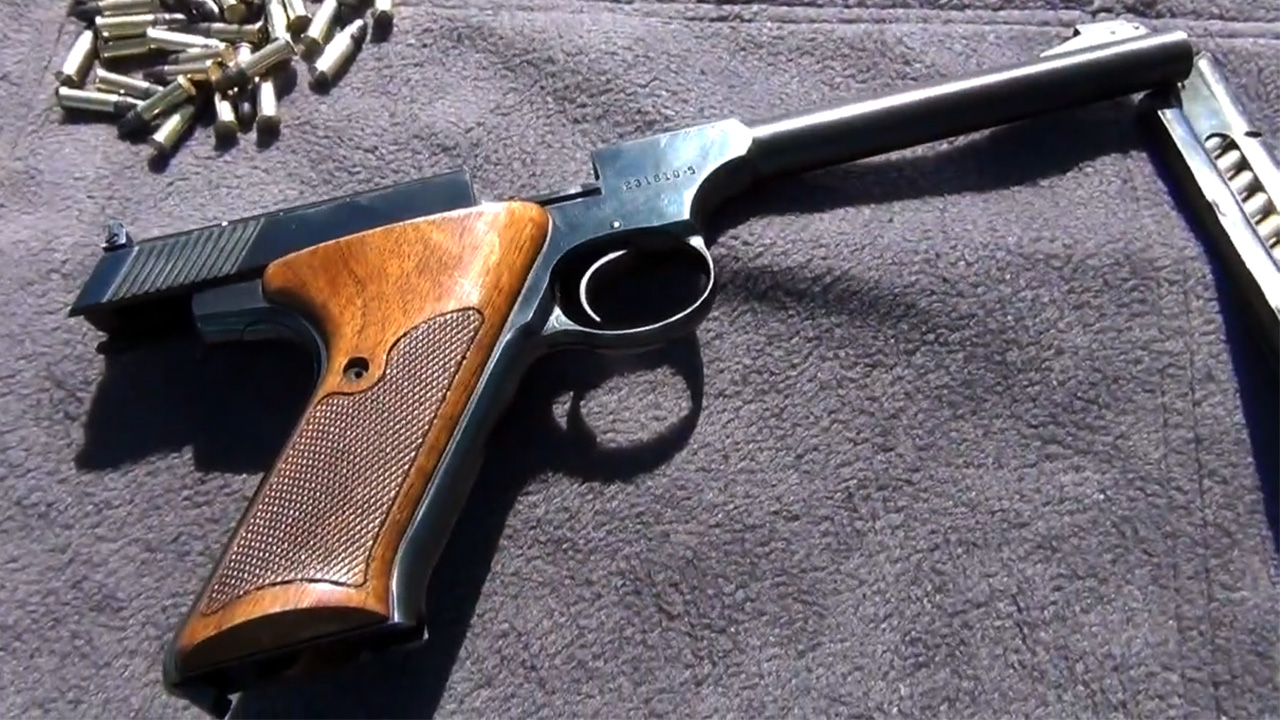
The First Series Target Model was the base version and came with a 6-inch barrel and adjustable front and rear sights, according to the reference history.
That is a useful reminder that the Woodsman was never only a casual plinking pistol. Accurate rimfire target work was baked into the family from the start, and the base model reflected that priority.
8. The Sport model was meant as a field sidearm
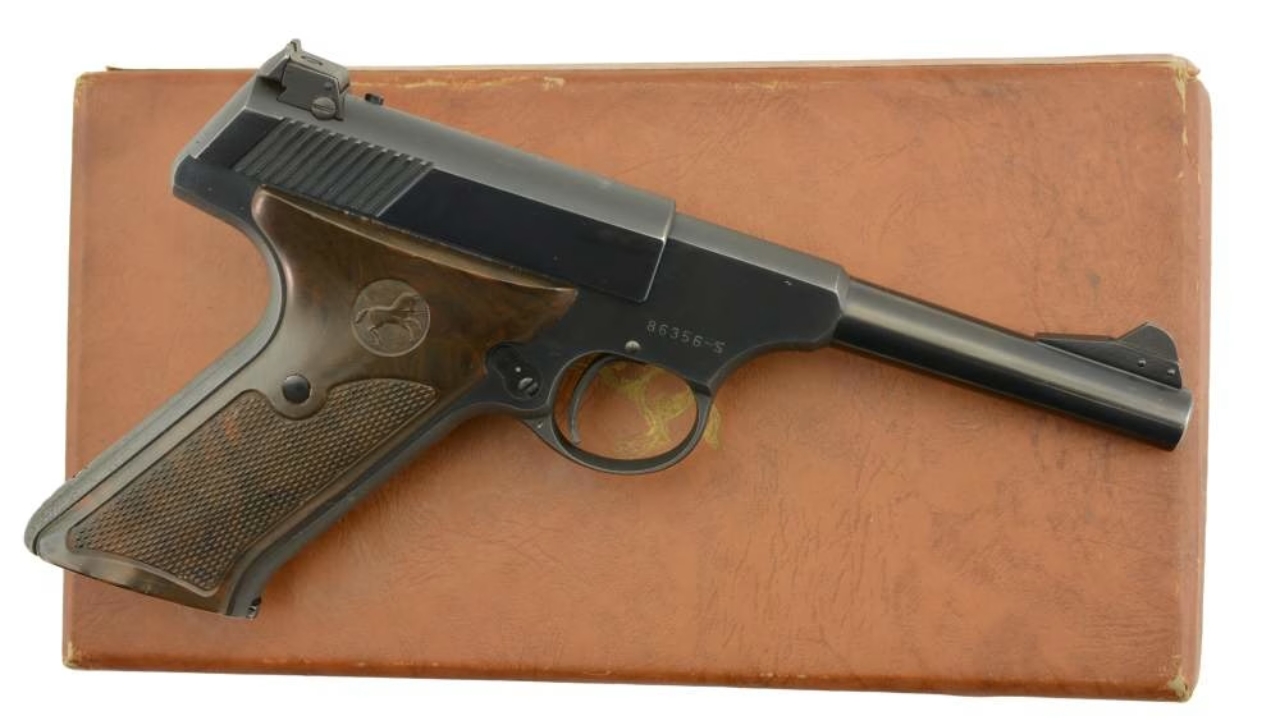
The Sport Model was introduced in 1933 as a field sidearm for hiking and camping and used a 4.5-inch barrel.
That is one of the more interesting branches in the line because it shows Colt understood the Woodsman could be more than a bullseye pistol. The platform was adaptable enough to serve as a trail gun long before “kit gun” language became common.
9. The Match Target arrived in 1938 and got its own look

The Match Target debuted in 1938 and used a heavier barrel with a one-piece wraparound grip sometimes known as the “elephant ear.” The slide was also marked with a bullseye icon, which helped inspire the “Bullseye Match Target” nickname.
That version is a big reason the Woodsman built such a strong target-shooting reputation. Colt was not casually drifting into competition territory here. It was making a dedicated target-minded branch of the pistol family.
10. World War II interrupted civilian production
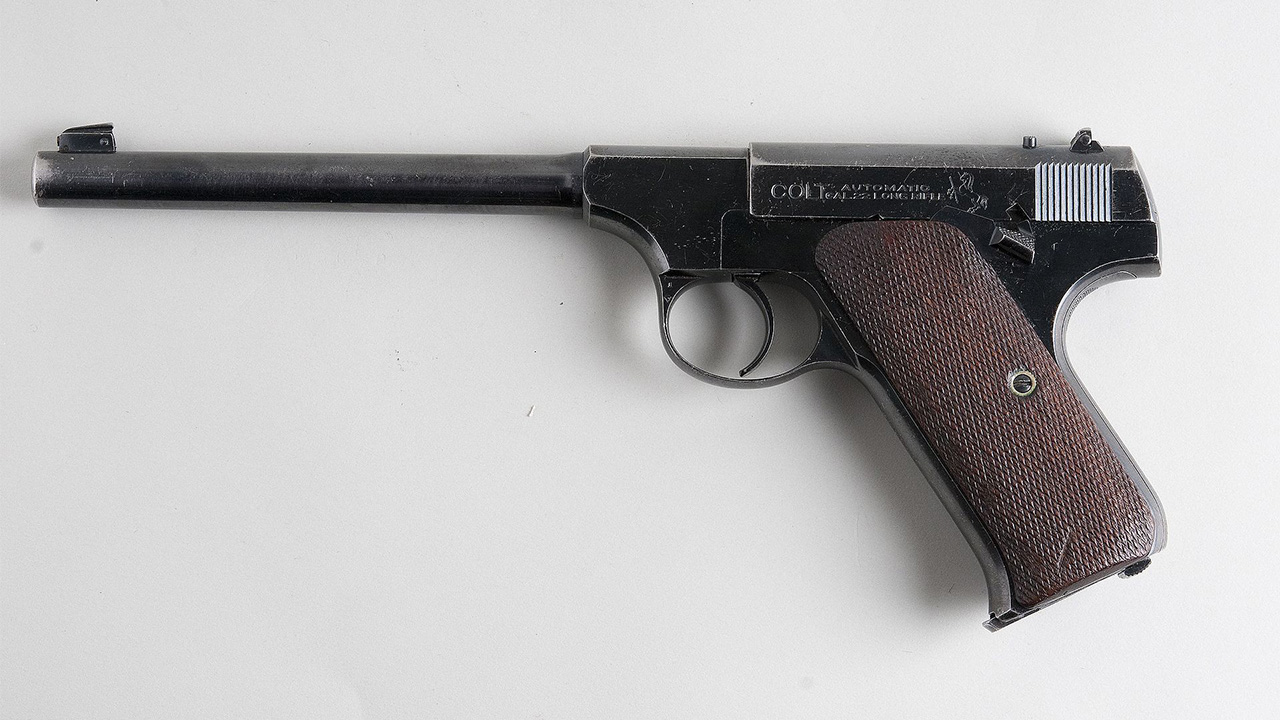
The reference history says Colt ceased civilian Woodsman production when the U.S. entered World War II, though it still delivered 4,000 Match Target models to the U.S. government as late as 1945. Those guns were marked “Property U.S. Government.”
That is a neat little twist in the Woodsman story. Most people think of the pistol strictly as a civilian sporting arm, but it had a real wartime government chapter too.
11. Postwar guns added a magazine safety and a different magazine release location
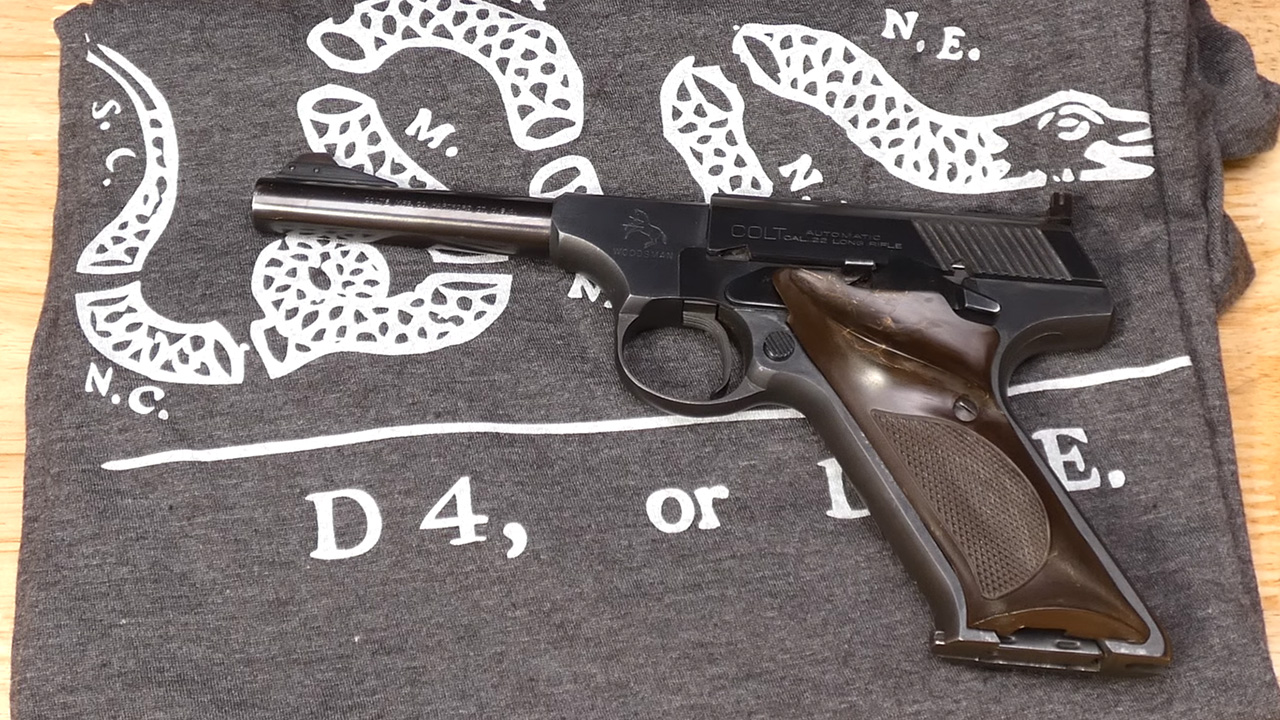
When Colt resumed production in 1948, the Second Series guns added a magazine safety, an automatic slide stop, and a magazine release located at the rear of the trigger guard.
That is a major change, and it is one of the clearest ways the postwar Woodsmans differ from the earlier guns. The pistol did not simply return unchanged after the war. Colt updated the design in meaningful ways.
12. The Third Series moved the magazine release back to the heel
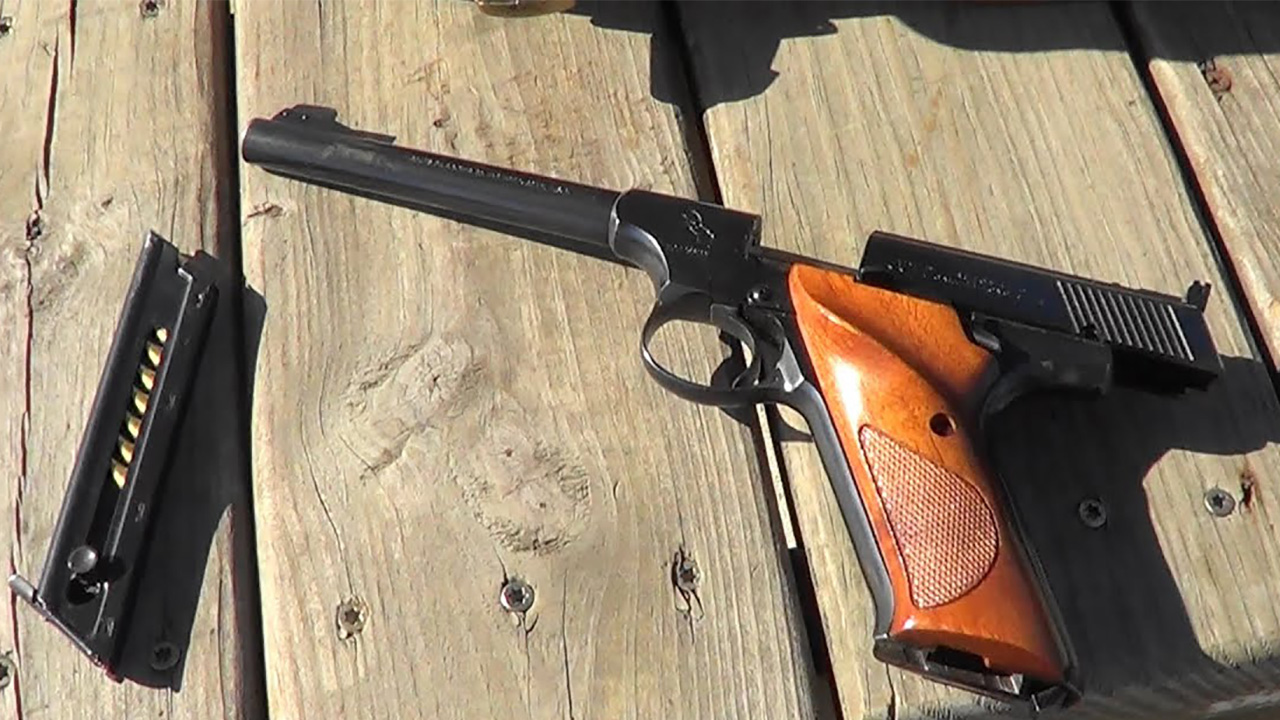
In 1955, Colt changed the design again for the Third Series, and the reference history says the most significant change was relocating the magazine release from the rear of the trigger guard back to the heel of the grip, like the First Series.
That is one of those details collectors pay close attention to, because control layout is one of the quickest ways to identify the general era of a Woodsman.
13. The Woodsman spawned related models like the Challenger and Huntsman
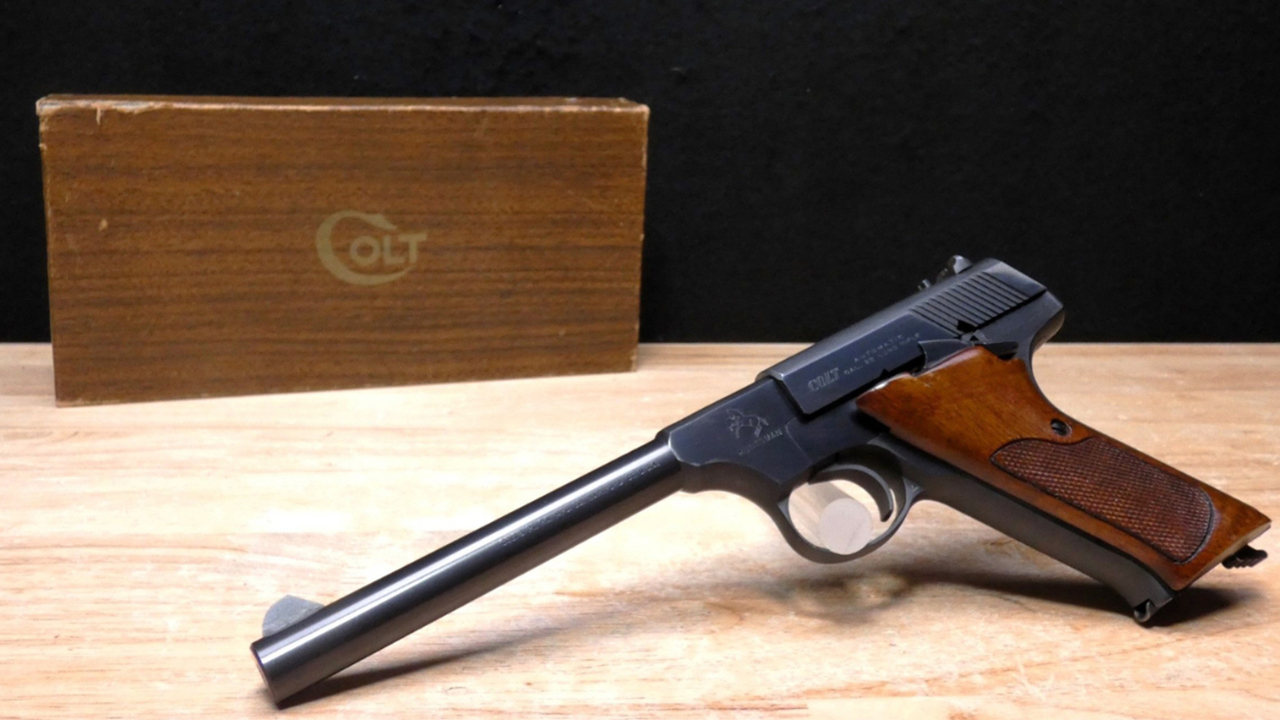
The reference history lists the Colt Challenger, produced from 1950 to 1955, and the Colt Huntsman, produced from 1955 to 1976, as related variants. These were lower-cost Woodsman-family pistols built around the same general platform idea.
That matters because the Woodsman’s influence inside Colt was broader than the main model name alone suggests. It became a base for an entire small family of .22 autoloaders.
14. It carried a 10-round magazine
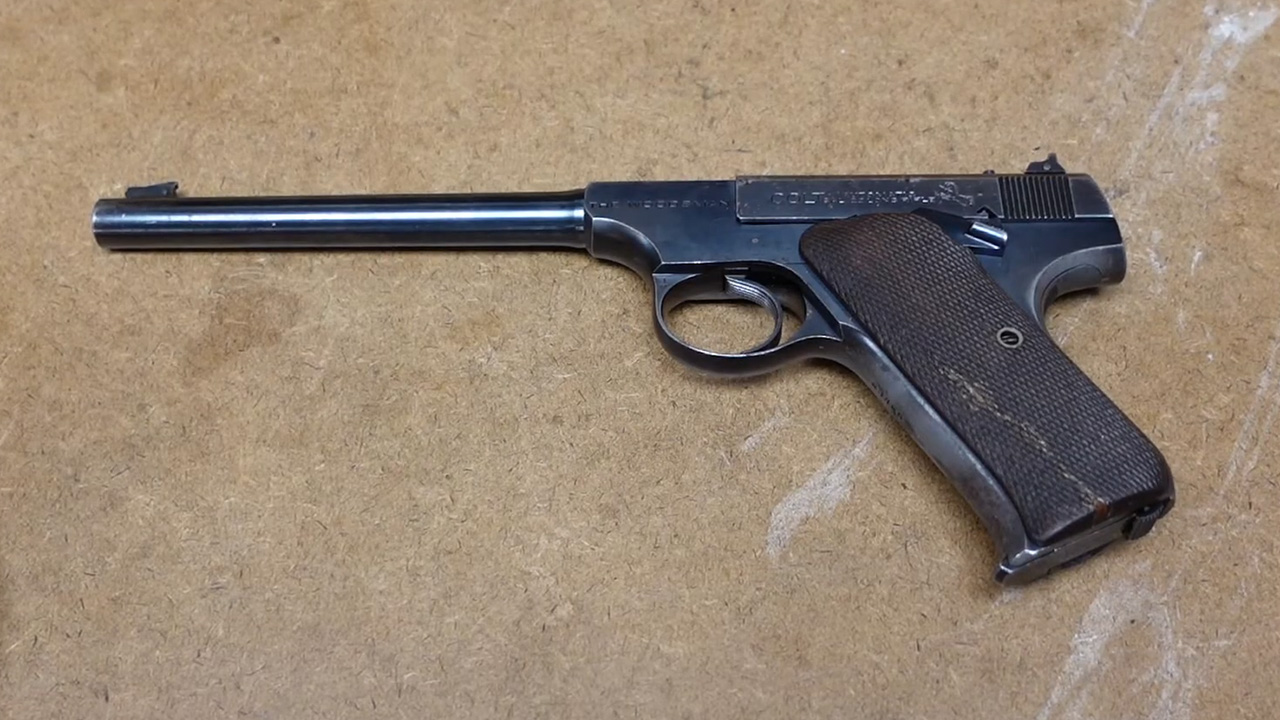
The reference history lists the Woodsman as feeding from a 10-round box magazine chambered in .22 Long Rifle.
That sounds ordinary now, but for a long-running target and sporting pistol, it was part of what made the gun practical and easy to live with. The Woodsman combined accuracy with enough capacity to stay enjoyable on the range or in the field.
15. Its biggest legacy is that it became one of the defining American .22 pistols of the century
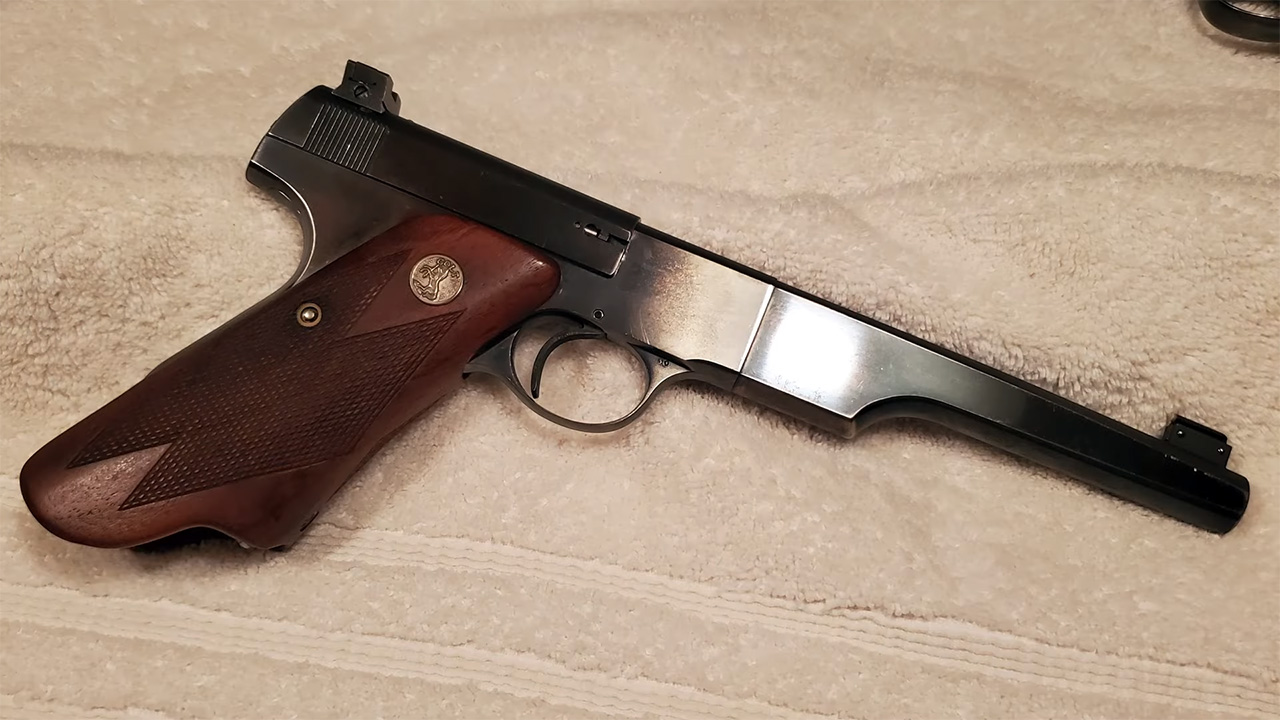
The most interesting thing about the Woodsman is probably not any one series change or variation. It is that the pistol stayed relevant from 1915 to 1977, covered target, sport, and match roles, spawned related models, and remained widely respected long after production ended. Between its Browning roots, long production life, and distinct collector eras, it became one of the central American .22 autoloaders of the 20th century.
That is why people still talk about it. The Colt Woodsman was not just a nice old rimfire. It was one of the pistols that taught generations of shooters what a quality American .22 autoloader could be.
Like The Avid Outdoorsman’s content? Be sure to follow us.
Here’s more from us: