Photo credit: vzwer/Shutterstock.com
A mag release should do one job: hold the magazine until you deliberately press it. When a gun starts dropping mags on its own, it’s more than “annoying.” It kills confidence, turns practice into troubleshooting, and it can create a mess at the worst time. Most of the time, it’s not one magic problem—it’s a mix of release shape, spring tension, grip style, holster pressure, and sometimes worn parts.
Glock 19

A stock Glock 19 usually doesn’t spit mags, but the minute people install an extended mag release, it can start happening—especially with a high, tight grip where the strong-hand thumb rides close. Under recoil and movement, that thumb pressure can “bump” the release just enough to unlock the mag. Add a tight holster that presses the button and you’ve got a recipe for surprise mag drops.
The fix often isn’t complicated: be honest about the setup. If your carry holster contacts the release, that’s a problem. If your grip style naturally presses that button, a smaller or stock release may be the better move. Also check the magazine catch and spring condition. Glocks are simple, but simple doesn’t mean immune to a bad parts combo.
Glock 43X

The 43X gets into trouble when people chase upgrades fast—especially aftermarket mag releases paired with non-factory magazines. Some release geometries don’t play nicely with every mag body, and under recoil you can get partial engagement. It feels fine during slow handling, then under real shooting the mag starts walking out or drops.
If you’re running a 43X, keep the system boring. Confirm the mag locks in with a hard tug. Confirm it stays locked during full mags and faster strings. If the gun is dropping mags only when carried, look hard at holster pressure. A slim gun rides close, and even slight pressure in the wrong spot can be enough to cause problems.
SIG Sauer P365
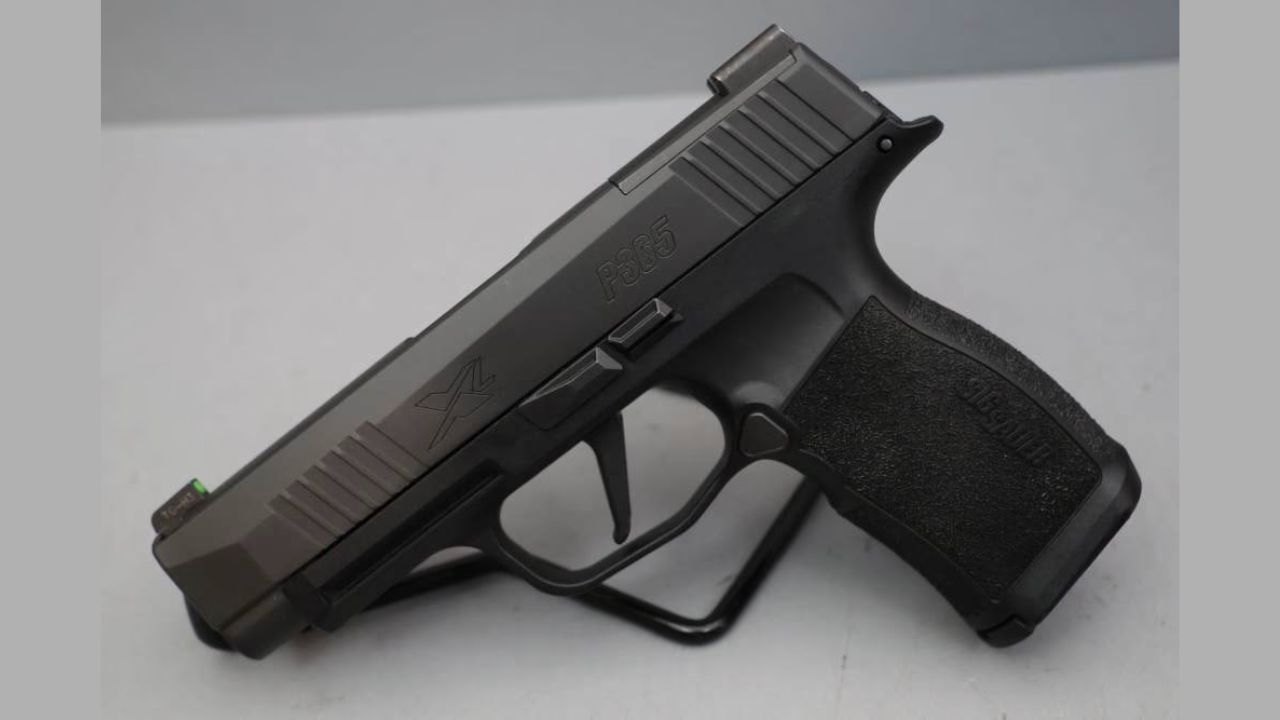
The P365 can drop mags for some shooters because the gun is compact and your hands are crowded near controls. If you grip aggressively and ride high, your thumb or palm can bump the release during recoil or transitions. Some shooters don’t even realize they’re doing it until they watch video or see the mag sitting low after a string.
A second factor is carry setup. A tight holster or belt pressure can press controls on a small gun more easily than on a full-size. The smart approach is to test with your actual holster and belt, not just at the bench. If you can make it happen repeatedly, don’t ignore it—adjust the setup until the gun only drops mags when you command it.
SIG Sauer P320

The P320 family generally runs well, but accidental mag drops do pop up—often tied to grip pressure, hand size, and how a shooter indexes their support hand during fast work. When you’re moving quickly, it’s easy for the support hand to creep, especially on compact frames. If that hand starts pressing into the release area, mags can pop free when you least expect it.
This is one of those problems that hides during slow fire. The timer brings it out. The best cure is a combination of grip awareness and a carry holster that doesn’t touch the button. Also confirm the mag catch feels positive and that your mags lock up solidly. When mags drop in a P320, it’s usually setup or grip—not “the gun is junk.”
HK VP9

With the VP9 paddle setup, accidental drops can happen when shooters are new to the system and their trigger finger or support-hand thumb contacts the paddles during movement. It’s not that the design is “bad”—it’s that it’s different. If you manipulate the gun under stress with habits built around button releases, you can bump the paddles without realizing it.
It also shows up with certain holsters if they’re molded tight around the trigger guard area. If you carry a VP9 and you’re seeing mag movement, watch your reload reps and watch your holster fit. The fix is usually training and proper gear, not chasing parts. Once you learn the paddle and keep it protected, it becomes very consistent.
Walther PDP

The PDP is a fast gun, but it’s also one where some shooters apply a lot of support-hand pressure high on the frame. If that pressure creeps back, it can contact the mag release during recoil or transitions. It’s more common with certain hand sizes and certain grip styles—especially if you clamp hard and your thumb naturally rides near the button.
The other place it shows is in holsters with tight molding around controls. A firm holster plus body pressure can create repeated “micro presses” on the release. If you want to avoid it, test your actual carry setup with movement. Then test it during drills where you’re turning, moving, and regripping. If it only happens under stress, that’s still real—and it’s still fixable.
Smith & Wesson M&P 2.0
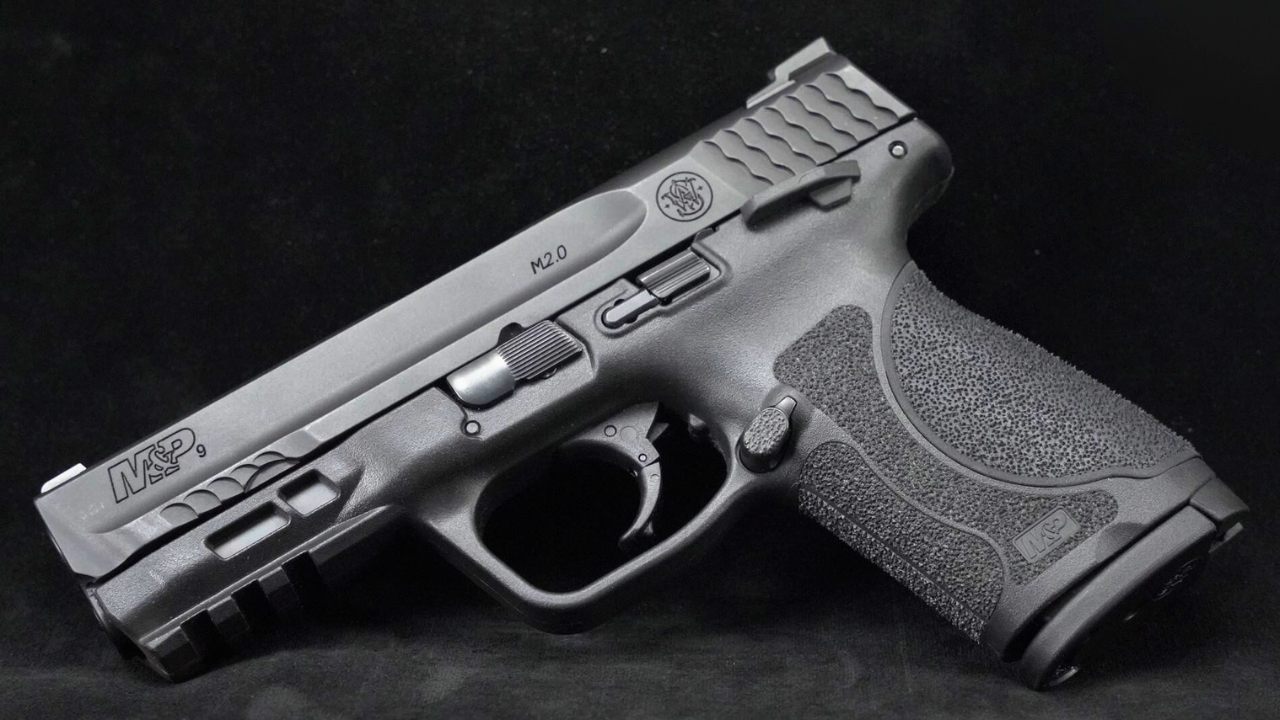
Most M&Ps don’t randomly dump mags, but I’ve seen shooters with big hands and aggressive thumbs bump the release in fast strings, especially if they’re used to riding a 1911-style safety and their thumb wants a “shelf.” Under recoil, that thumb pressure can get inconsistent and start contacting the button.
The good news is the fix is usually simple: confirm your grip isn’t creeping, and confirm the mag release isn’t being pressed by the holster. M&Ps also live hard lives, so if the gun is older, it’s worth checking the release spring and parts condition. If the engagement feels mushy compared to how it used to feel, don’t ignore it.
Springfield Hellcat (small gun, crowded controls)

Small pistols like the Hellcat can be more prone to accidental control contact simply because there’s less space. Under recoil, the gun shifts, your hands shift, and the mag button is right there. Some shooters only see it during one-handed shooting, awkward positions, or when they’re rushing reloads and re-establishing grip sloppily.
If you’re carrying a Hellcat, run drills that include movement and imperfect positions. That’s where these issues show up. Also pay attention to magazine seating. Small guns punish lazy insertion—if you don’t slam the mag home, it might be hanging on by a thread. If a mag drops, don’t just blame the gun. Confirm you’re locking it in hard every time.
CZ P-10 C

The P-10 C is usually solid, but accidental mag drops can happen when people start swapping parts—especially extended releases—or when a shooter’s support hand rides high and back. On compact frames, the support hand can creep during recoil, and if it lands on the release, the mag can drop or unseat slightly.
If you’re seeing it, keep it boring and diagnose in order: holster contact, grip creep, and then parts. Check the catch engagement by inserting a mag and tugging hard. Then shoot a full mag and see if it’s still locked. If it only happens when you’re moving fast, it’s almost always a technique/gear problem, not a mysterious failure.
1911 pattern pistols

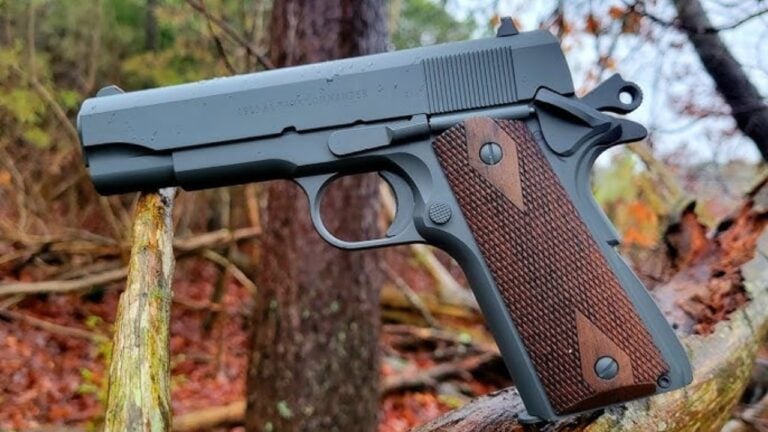
A 1911 with a stock mag release is usually fine. The trouble starts when oversized releases get installed for faster reloads. If you carry it close to the body, the release can get pressed by your belt, holster, or even your side when you bend or sit. A lot of guys don’t notice until they draw and the mag is halfway out.
On top of that, some shooters ride their thumb in a way that creates side pressure in the release area under recoil. The solution is straightforward: don’t carry a setup that can be pressed by normal movement. If you want speed, train for speed—don’t rely on a giant button that makes the gun easier to accidentally “unload.”
Staccato P / 2011 pattern

2011s are very shootable, but the way people grip them—high, locked, aggressive—can put hands right near the mag release. With certain hand sizes, certain grip modules, and certain thumb placements, it’s possible to bump the button in faster shooting. Some shooters never have the issue. Others see it immediately once they start running drills on the clock.
Holster fit matters too. A tight duty-style holster that presses into the frame can become a problem if it contacts the release. The best move is to confirm your specific combination: your hands, your grip, your holster, your belt tension. If you can induce a mag drop in training, assume you’ll induce it when you’re tired and moving.
Ruger SR9 / SR9c

The SR9 family can be reliable, but I’ve seen examples where the mag release feel gets less positive over time—especially on guns that have been carried a lot with little maintenance. When the engagement starts feeling soft, mags can unseat under recoil or during movement. It’s not always “falls out on the ground” dramatic; sometimes it’s a mag that creeps down just enough to cause feeding issues.
If you’re running one, pay attention to the click when a mag seats. It should be firm and consistent. If it isn’t, don’t shrug it off. Inspect the release parts and confirm your mags aren’t worn at the catch notch. This is one of those practical “check your gear” issues that gets ignored until it becomes a real malfunction.
Ruger LCP Max

Micro pistols live on the edge of comfort and control. The LCP Max is a great deep-carry concept, but small frames make it easier to bump controls and easier to insert a mag “almost” seated. Under recoil, “almost seated” becomes “not seated,” and now you’re chasing what looks like a mag-release problem.
This is a gun where you need to seat mags like you mean it and test it with realistic pace. If it’s dropping mags while carried, you’re back to holster pressure. Pocket carry and tight pocket holsters can put weird pressure on controls. The gun can work fine, but you have to respect how little margin tiny pistols give you.
Kel-Tec SUB-2000

The SUB-2000 concept is smart, but it can be picky about magazine fit and mag-catch engagement depending on which version and which mags you’re running. If the mag isn’t locking in cleanly, movement and recoil can cause it to unseat. Some shooters interpret that as “the release is dumping mags,” when it’s really inconsistent engagement or magazine tolerances.
If you own one, the key is to test with the exact mags you plan to rely on. Insert, tug, shoot, repeat. If some mags hold and others don’t, you’ve got your answer. A folding carbine gets handled and bumped in weird ways, so confirm it stays locked in when you’re moving, slinging, and unfolding the gun—not just when you’re standing still.
AR-15
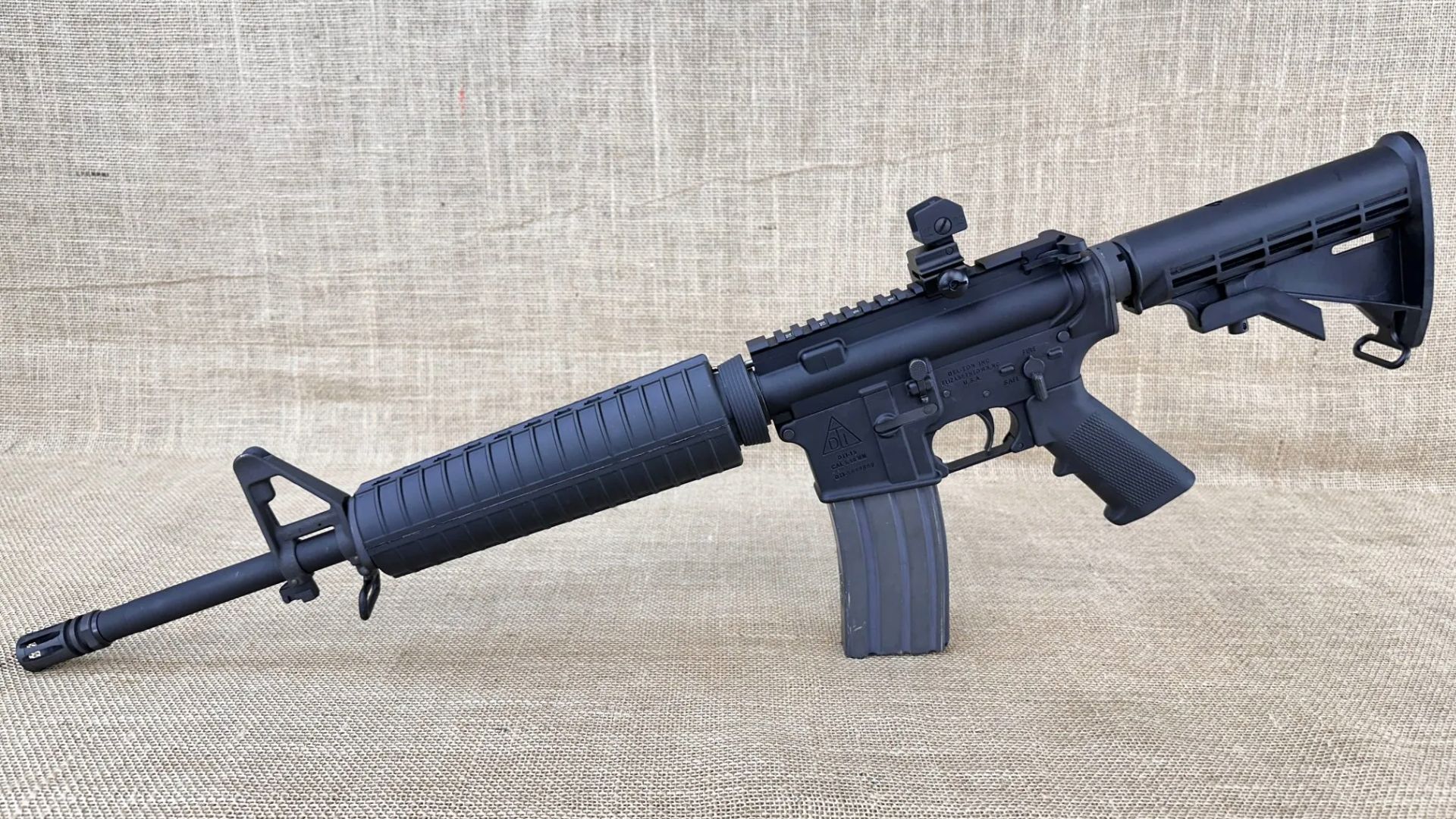
ARs can “dump” mags when the mag release gets hit by gear, barricades, or even a sling setup that’s rubbing the button. This shows up more on certain training setups than on casual range days, which is why it surprises people. If you’re shooting around barriers, moving through brush, or carrying with a chest rig, that button can get bumped.
It’s not a design flaw—it’s a reality of an exposed control on a rifle that gets used around stuff. The solution is awareness and setup. If your sling hardware or gear is contacting the release, fix that. If your mag is sitting low after movement, don’t ignore it. An AR that drops a mag is usually telling you your setup needs tightening up.
Like The Avid Outdoorsman’s content? Be sure to follow us.
Here’s more from us: