
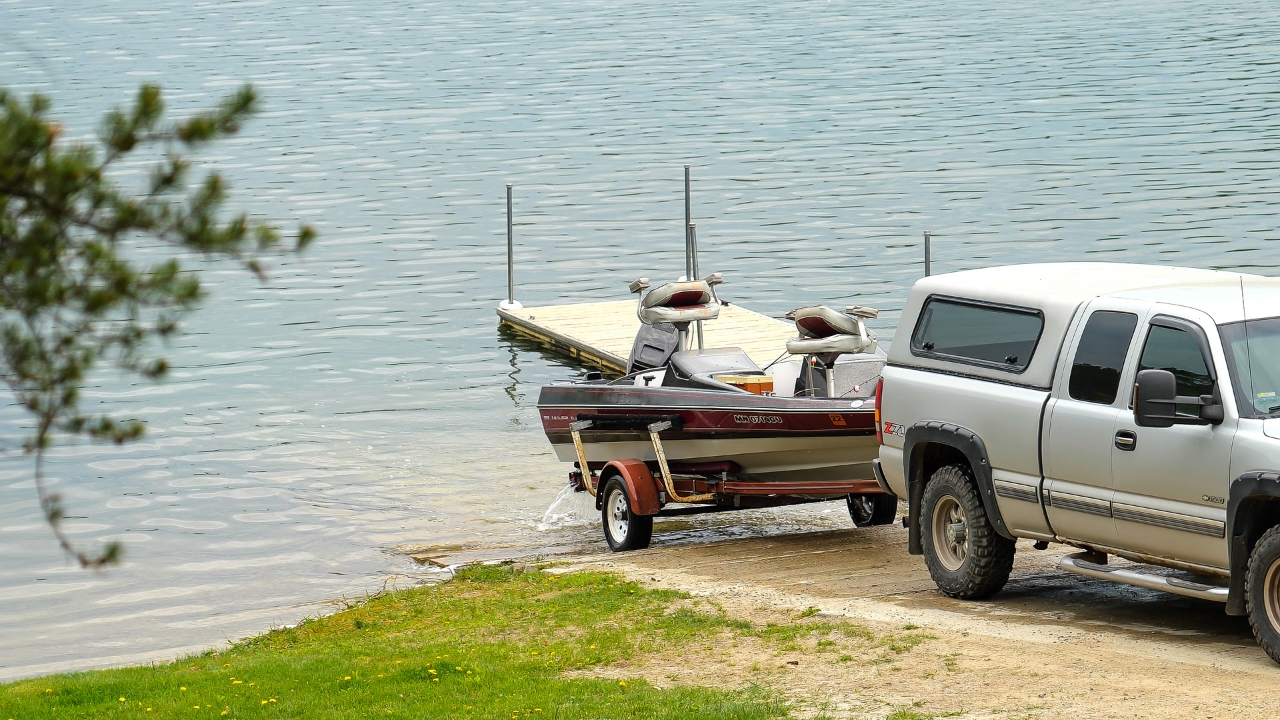
Photo credit: Edgar Lee Espe/Shutterstock.com
A blocked boat ramp can turn a good fishing morning sour in a hurry. Everybody’s already running on low sleep, daylight is coming fast, and most folks are trying to get in the water before the bite slows down. Then one person parks crooked, stops halfway down the ramp, starts loading gear where they shouldn’t, or leaves the truck sitting there while everyone else stacks up behind them. That kind of thing tests people quick, especially at busy public ramps where there may only be one or two lanes open.
The trick is not letting someone else’s bad ramp manners turn into your problem. You can be right and still handle it wrong. A boat ramp is a tight, public place with trucks, trailers, boats, kids, coolers, hooks, fuel, and sometimes firearms in the mix. If someone refuses to move, your goal is simple: get the ramp moving again without giving anybody a reason to escalate.
Give it a minute before you assume the worst
Some people block the ramp because they’re rude. Some do it because they’re new, overwhelmed, or having a problem they didn’t expect. Maybe the boat won’t start. Maybe the trailer lights are acting up. Maybe they backed in crooked and froze because everyone is staring at them. That doesn’t make it less frustrating, but it does change how you handle it.
Give the situation a short window before you step in. If they’re clearly trying to correct the problem, standing there with your arms crossed or yelling from the truck won’t help. Most folks already know they’re holding everybody up. If they’re working on it, let them work. But if they’ve parked in the launch lane to organize gear, tie down coolers, dig through tackle, or wander off like the ramp is their personal staging area, that’s different.
Keep your first words boring
The first thing you say matters. A lot of ramp fights start because somebody opens with sarcasm, attitude, or a public callout meant to embarrass the other guy. That may feel good for about two seconds, but it usually makes the other person dig in harder.
Keep it plain and calm. Something like, “Hey, can you pull up to the prep area so we can keep the ramp moving?” works a whole lot better than, “Are you serious right now?” You’re not there to win a debate. You’re trying to get a truck and trailer out of the lane. A boring, direct sentence gives the other person a chance to fix it without feeling like they have to defend themselves in front of everyone.
Don’t crowd their truck or trailer
It’s tempting to pull right up behind somebody when they’re blocking the launch, but that can make things worse. Now they feel boxed in, and you’ve made it harder for them to move even if they decide to cooperate. Leave enough room for them to pull forward, straighten out, or back out without clipping your truck.
The same goes for walking too close to their window, standing behind their trailer, or hovering next to the boat while they’re trying to move. Give yourself space and give them space. Boat ramps are already full of blind spots, wet pavement, and people moving in several directions. Crowding someone physically can turn a simple annoyance into a safety issue fast.
Point them toward the right spot
A lot of ramp problems happen because people don’t know the difference between the prep area, the launch lane, and the tie-down area. They show up, get nervous, and start doing everything in the worst possible place. Instead of making it personal, point them where they should go.
Try something like, “There’s room up top to load straps and gear,” or “You can pull over there to finish getting set.” That gives them an easy out. You’re not calling them clueless. You’re giving them the next move. Most reasonable people will take that and get moving, especially if they realize everyone behind them is waiting.
Know when to ask ramp staff or law enforcement for help
If the ramp has an attendant, marina employee, game warden, park ranger, or local officer nearby, let them handle someone who refuses to move. That is especially true if the person is yelling, acting drunk, threatening people, or blocking the ramp on purpose. You don’t need to be the unofficial ramp boss.
This is where a lot of outdoorsmen mess up. They treat every public inconvenience like it needs to be handled man-to-man. Sometimes it doesn’t. Sometimes the smartest move is stepping back and getting the person with actual authority involved. That protects you, protects everyone else in line, and keeps the problem from becoming a roadside argument with boats attached.
Don’t let pride take over
The longer the line gets, the easier it is to feel like somebody needs to “say something.” Maybe they do. But that doesn’t mean you need to be the guy who turns it into a shouting match. Boat ramps have a way of making grown men act like they’re defending sacred ground. In reality, most of the time, everybody is arguing over five or ten minutes.
If the blocked ramp is ruining the morning, take a breath before you react. Is there another lane? Another ramp nearby? Can you wait it out without making a scene? None of that means the other person is right. It means you’re keeping control of yourself, your truck, your boat, and your day. That matters more than getting the last word.
Avoid touching their gear, truck, or boat
Do not move their straps. Do not push their boat. Do not unhook anything. Do not grab their trailer. Even if they’re blocking everyone and making a mess of the launch, touching someone else’s property is a bad idea. It can make the situation look worse on your end, and it gives the other person a reason to claim you crossed a line.
If they need help and they ask for it, that’s different. Plenty of boaters will help a stranger back up, winch a boat, or get straightened out. But helping and interfering are not the same thing. Keep your hands off their stuff unless they clearly want help.
Watch the mood around you
Sometimes the bigger problem isn’t the person blocking the ramp. It’s the crowd forming behind them. You may have three or four trucks waiting, somebody muttering under their breath, somebody filming, and somebody else ready to pop off. That’s when a small ramp problem can turn into something uglier.
Pay attention to the whole scene. If voices are getting louder, people are stepping closer, or someone is clearly looking for a fight, it may be smarter to stay out of it. Getting your boat launched isn’t worth standing in the middle of a hot parking lot argument with strangers. Let cooler heads work, and if nobody has a cool head left, involve the people paid to manage the ramp.
Prep your own boat before you hit the ramp
The best thing you can do is make sure you’re not the next person causing the same problem. Load your gear before you back down. Put the plug in. Remove transom straps. Check batteries. Get kids settled. Have dock lines ready. Do all of that in the staging area, not on the ramp with a line of trucks behind you.
A lot of ramp tension comes from people who treat the launch lane like a parking spot. Don’t be that guy. If you’re prepared, you can launch quickly, clear the lane, and avoid adding to the mess. It also gives you a little more credibility if you ever have to politely ask someone else to do the same.
If they still refuse, disengage
If you’ve asked calmly, left room, pointed them toward the right area, and they still refuse to move, stop feeding the argument. Some people want a reaction more than they want a solution. Don’t give them one.
Back off, contact ramp staff or local authorities if needed, and wait where you’re not blocking anybody else. If the situation feels unsafe, leave and use another ramp. That may feel like letting the other person win, but it’s not. You came to fish, not get dragged into a parking lot confrontation with someone who already showed poor judgment.
A blocked ramp is annoying. No question. But how you handle it says a lot about your own judgment, too. Stay calm, be direct, give the person a chance to fix it, and know when to step away. The fish will still be there. Your truck, boat, record, and reputation are worth more than proving a point at the ramp.


