
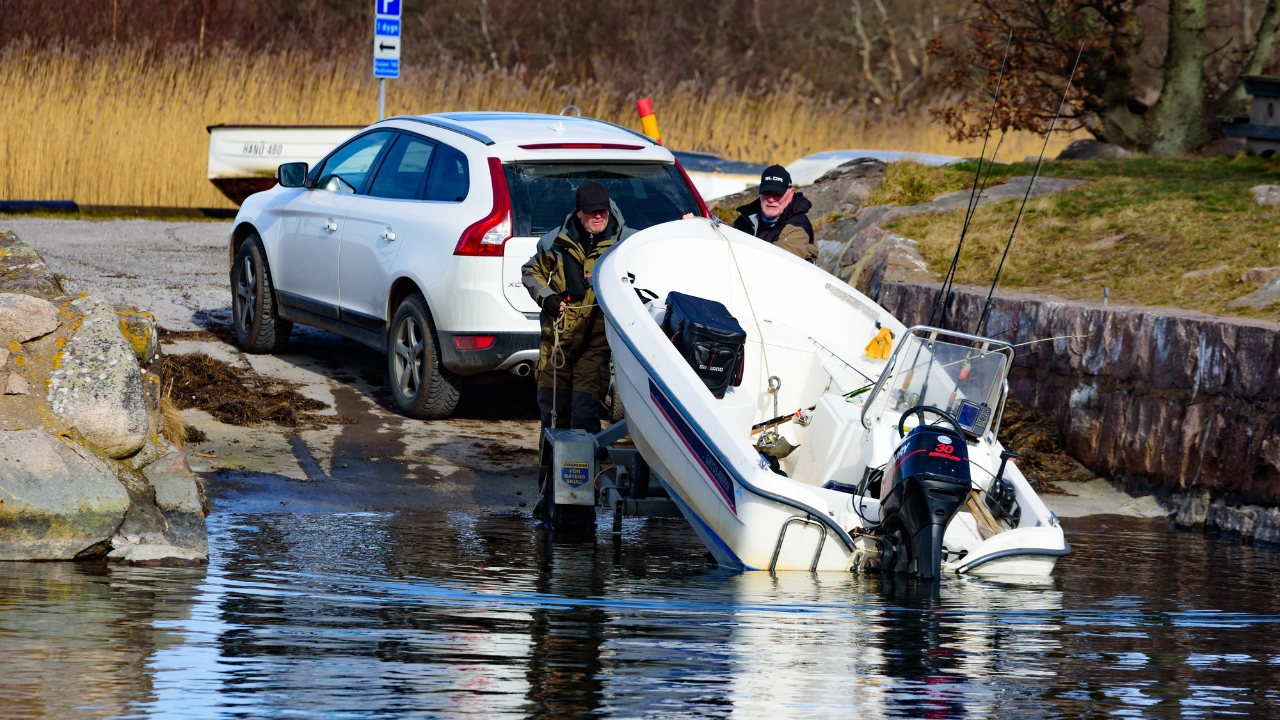
Photo credit: Imfoto/Shutterstock.com
A boat ramp can be one of the most peaceful places in the world at sunrise, right up until somebody treats it like their private driveway. Most fishermen have seen it. A truck sits in the launch lane while somebody loads coolers, digs out rods, checks batteries, takes straps off, argues with a buddy, or tries to remember where the plug went. Meanwhile, the line behind them keeps growing, tempers start getting short, and what should have been a normal morning suddenly feels like it’s one wrong comment away from a blowup.
The mistake that causes most of this is simple: using the ramp as the prep area. It sounds small, but it’s one of the fastest ways to make everyone around you mad. A boat ramp is for launching and loading. That’s it. When someone starts doing all the little pre-launch chores in the actual lane, they slow everyone down and put themselves right in the middle of a crowd that is already tired, impatient, and trying to beat the morning bite.
Treat the prep area like part of the launch
A good launch starts before your tires ever touch the ramp. The prep area is where you should be getting the boat ready, checking gear, taking straps loose, loading tackle, putting the plug in, and making sure everybody knows what they’re doing. By the time you back down the ramp, the boat should be ready to float.
That one habit saves a lot of trouble. You’re not scrambling while other trucks wait. You’re not blocking a lane because somebody forgot a life jacket in the truck bed. You’re not standing in ankle-deep water trying to get organized while your buddy keeps yelling instructions from the dock. The smoother you are before the ramp, the less likely you are to become the guy everyone is glaring at.
Don’t stop halfway down and start sorting things out
One of the worst ramp moves is backing halfway down, stopping, and then realizing you still have five things to do. Maybe the transom straps are still on. Maybe the plug is sitting in a cup holder. Maybe the rods are still tied together. Maybe the cooler is buried under a pile of gear. Whatever it is, now the ramp is blocked while you fix it.
That’s when people start getting irritated, and honestly, they’re not wrong. Everybody forgets things once in a while, but if you realize you’re not ready, pull forward if you can and finish prepping out of the lane. Don’t make everyone behind you wait while you turn the ramp into your work area. A little humility there goes a long way.
Keep the launch lane moving
The goal at a busy boat ramp is not to be perfect. It’s to keep moving. Back down, launch, clear the lane, park the truck, and get out of the way. If you need to organize tackle, adjust electronics, apply sunscreen, hand out snacks, or argue about where the fish are biting, do it somewhere else.
Most ramp tension comes from dead time. People can tolerate a slow back-in if they can tell you’re trying. What they can’t stand is watching someone sit still in the lane like nobody else exists. That’s when the comments start, and once the comments start, the morning can go sideways quick. Keep the process moving and you avoid most of that.
Have a job for everyone in your group
A lot of ramp chaos happens because nobody knows who’s doing what. One person is backing the trailer. Another is standing around with coffee. Somebody else is holding a rope but not paying attention. Kids are wandering near the dock. The boat starts drifting sideways. Then everyone starts shouting.
Before you pull into the launch lane, make it simple. One person backs the trailer. One person handles the bow line. One person stays with the truck or boat as needed. If you’ve got kids with you, assign an adult to keep them out of the way. A calm, organized crew looks experienced even if they’re not fast. A loud, confused crew makes everyone nervous.
Don’t make people guess what you’re doing
Communication matters at the ramp. If something goes wrong, let the people around you know what’s happening. You don’t need to give a speech, but a quick “battery’s dead, we’re pulling out of the way” or “we’re having trouble starting it, we’ll clear the lane” can cool things down.
The worst thing you can do is sit there silently while everyone behind you wonders if you’re stuck, clueless, or just being inconsiderate. When people don’t know what’s going on, they fill in the blanks, and they usually don’t give you the benefit of the doubt. A few plain words can keep a small issue from becoming a public argument.
Don’t use the dock as a hangout spot
The ramp lane isn’t the only place people cause trouble. The dock can get just as backed up when somebody launches, ties off, and then stands around like they own the place. If other boats need to launch or load, don’t leave yours blocking the dock while you park, dig through gear, or wait on a buddy who disappeared into the restroom.
Move the boat away from the immediate launch area as soon as you can do it safely. Let the next person use the dock. That one courtesy keeps the whole ramp moving better. Nothing irritates fishermen faster than watching an empty boat slap against the dock while the owner is nowhere to be found.
Don’t let embarrassment turn into attitude
Everybody messes up at a boat ramp eventually. You back in crooked. You forget the plug. The motor won’t start. The wind catches the boat at the worst possible second. It happens. The mistake is letting embarrassment turn into defensiveness.
If someone politely points out that you’re blocking the ramp, don’t fire back because you feel called out. Just fix it. A simple “my bad, I’ll move it” ends most tension right there. People are a lot more forgiving when they can tell you’re trying. They get angry when you act like they’re the problem for wanting the ramp to work like it should.
Watch the alcohol factor
Boat ramps can get touchier later in the day, especially when people are coming off the water tired, sunburned, and sometimes drinking. That’s when small mistakes can turn into arguments faster than they should. Someone loads too slow, cuts in line, bumps a trailer, or mouths off, and suddenly a minor inconvenience feels personal.
That’s another reason to keep your own ramp habits clean. If you’re prepared, calm, and moving with purpose, you give people less to react to. You also keep yourself from getting pulled into someone else’s bad judgment. The ramp is not the place to match another person’s attitude, especially when you don’t know what kind of day they’ve had or what condition they’re in.
Be patient with beginners, but don’t excuse selfishness
There’s a difference between someone learning and someone being inconsiderate. A new boater who is nervous but trying deserves patience. Every experienced boat owner started somewhere, and a little help can make the whole process smoother. Offering to guide someone back or grab a line can save everyone time.
But that’s not the same as excusing someone who refuses to move, ignores the line, or uses the ramp like a personal parking spot. You can be patient without being a pushover. The best approach is calm and direct. Help when it makes sense. Speak up when you need to. Just don’t turn someone else’s poor manners into your own.
Leave the ramp better than you found it
Good ramp etiquette is not complicated. Prep before you launch. Clear the lane quickly. Tie down away from the ramp. Keep your group organized. Don’t block the dock. Don’t make other people wait while you do chores you should have handled earlier.
That one mistake—using the boat ramp as the prep area—causes more friction than almost anything else. Avoid it, and you’ll already be ahead of half the crowd on a busy morning. A good fisherman knows the trip starts before the first cast. Sometimes it starts with getting in and out of the ramp without making everybody else’s day harder.
Like The Avid Outdoorsman’s content? Be sure to follow us.
Here’s more from us:


