Photo credit: 9 Mil Ridge/YouTube
Some pistols look like they should be awkward, snappy, overly compact, or too dated to shoot especially well. Then you get them on the range, settle in behind the sights, and realize the gun is doing more for you than you expected. Sometimes it is the grip shape. Sometimes it is the trigger. Sometimes it is the balance, the bore axis, or the way the gun tracks in recoil. Whatever the reason, certain pistols keep surprising shooters by being easier to run cleanly than their size, shape, or reputation would suggest.
That kind of pistol tends to build a loyal following for a reason. You stop judging it by the way it looks in the case and start judging it by how quickly you can settle the sights, how naturally it points, and how often it helps you make good hits without feeling like you are fighting it. These are the pistols that are easier to shoot well than they look.
CZ 75 Compact
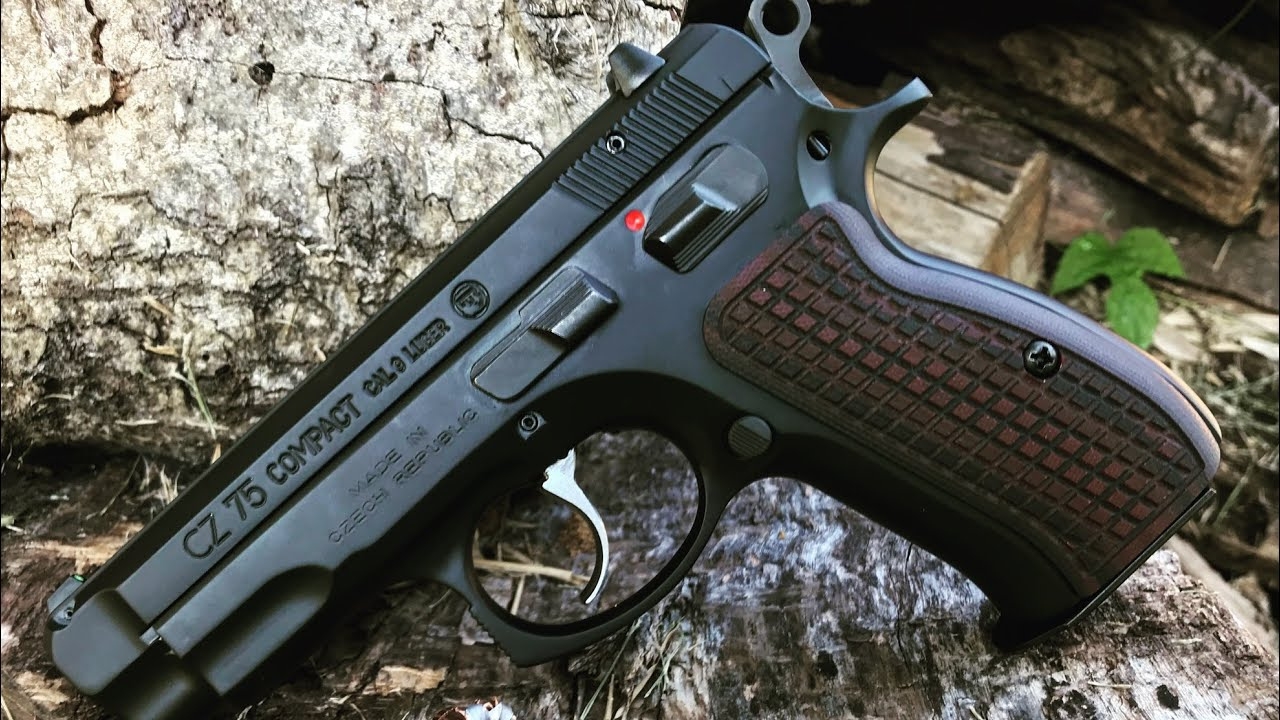
The CZ 75 Compact does not always wow people in the display case. It can look a little blocky, a little old-school, and a little heavier than what modern buyers think they want in a carry-size pistol. Then you shoot it and the whole tone changes. The grip shape sits deep in the hand, the slide rides low, and the gun tends to track flatter than people expect from a compact steel-frame 9mm.
That extra weight ends up helping more than hurting once the shooting starts. The recoil impulse feels controlled, the sights come back quickly, and the pistol often rewards a steady press better than flashier compact guns. It looks like it should be merely solid. In reality, it is often one of those pistols that makes you look calmer and more consistent than you really are.
Glock 26

The Glock 26 looks like a compromise when you first pick it up. The grip is short, the sight radius is not generous, and the whole pistol gives off the impression that it should be harder to manage than a larger 9mm. A lot of buyers assume it is something you tolerate for concealment instead of something you genuinely shoot well. Then range time starts proving otherwise.
What helps is how planted the gun feels for its size. It has enough slide mass and enough overall balance to keep recoil from feeling wild, and the familiar Glock trigger system makes follow-up work pretty straightforward if you already know the platform. It is not a magic trick, but it is one of those subcompacts that keeps reminding shooters that short and stubby does not always mean twitchy.
Beretta PX4 Storm Compact

The PX4 Storm Compact has never been a beauty contest favorite. It looks chunky, rounded, and a little odd next to pistols with cleaner lines and more aggressive styling. That visual first impression has probably caused plenty of people to underrate it before they ever put rounds through one. Once they do, the pistol starts making a lot more sense.
The rotating barrel system gives it a softer, smoother feel than many buyers expect, and the grip shape tends to help the gun stay settled in the hand. The recoil does not feel especially abrupt, and the pistol usually rewards a good grip without punishing small mistakes too hard. It looks like a gun you might have to tolerate. On the range, it often feels like one you can settle into surprisingly fast.
Smith & Wesson 3913

The 3913 does not scream “easy shooter” when you first handle it. It is slim, fairly light, and built around a format that looks like it should be more about concealment than comfort. A lot of thin pistols can feel lively in the hand and unforgiving once the pace picks up. The 3913 tends to avoid that trap better than most people expect.
Part of that comes from the way it balances and the way the grip shape lets you get more control than the profile suggests. It is flat enough to carry without much fuss, but still substantial enough to keep from feeling jumpy. The result is a pistol that often shoots with more manners than people assume a single-stack 9mm from that era should have. It is one of those guns that earns respect quickly once live fire starts.
Browning Hi-Power

The Hi-Power looks elegant, slim, and even a little delicate compared to some modern service pistols. That can trick people into thinking it will be harder to run hard or less forgiving under speed. Then they shoot one and realize the gun points beautifully, settles naturally, and has a balance that makes clean hits come easier than expected.
A lot of that comes down to the grip and the way the pistol sits in the hand. It does not feel bulky, yet it still gives you enough gun to manage recoil well. The slide profile and overall shape make it feel more refined than forceful, but that does not stop it from being remarkably cooperative on the range. It is one of those pistols that teaches you not to confuse slim lines with difficult shooting manners.
SIG Sauer P239

The SIG P239 has a plain, almost overly serious look to it. It is not especially flashy, not especially light by single-stack standards, and not the kind of pistol that gets admired for being sleek or cutting-edge. On paper, it can look like an in-between gun that does not fully commit to either carry ease or full-size shootability. That read changes when you actually spend time with one.
The extra heft helps calm the gun down, and the SIG layout gives shooters a familiar, stable feel through recoil. It is narrow enough to carry well, but not so narrow that it becomes punishing or hard to track. That balance is where the P239 wins people over. It looks like a pistol that should feel merely adequate. In practice, it often shoots like something far more settled and confidence-building.
Walther PDP Compact

The PDP Compact has a tall-slide look that makes some shooters assume it will feel top-heavy or flip more than its competitors. Even people who like Walther pistols sometimes expect the gun to be quick in the hand but a little busy once recoil enters the picture. That has kept some buyers from fully appreciating how easy the pistol is to shoot well.
What changes minds is the grip and trigger combination. The gun locks into the hand nicely, the trigger tends to make good shooting easier instead of harder, and the sight picture is simple to track once you get moving. Despite the profile, the pistol often behaves in a very manageable way, especially for shooters who value good ergonomics over internet chatter about bore height. It looks like it should take more work than it actually does.
Ruger P95
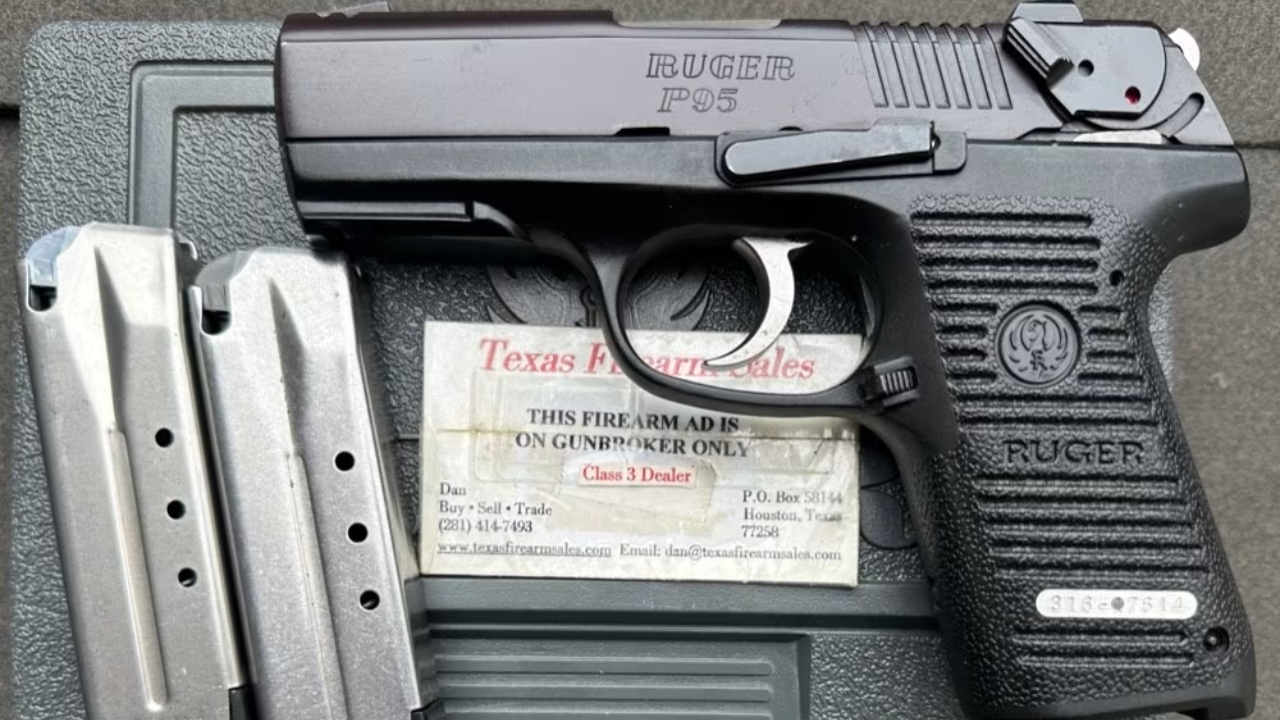
The Ruger P95 is not winning any beauty contests, and it never did. It looks bulky, dated, and almost crude next to slimmer, more refined pistols. That visual alone caused a lot of shooters to underestimate it. Plenty of people assumed it would feel clumsy, shoot awkwardly, or behave like a bargain-bin compromise. Then they got one on the range and found out it was a lot more cooperative than its looks suggested.
The grip is fuller than some people want, but the gun’s weight and general sturdiness help soak up recoil and keep the sights from wandering too much. It is not a refined target pistol, but it is often a very shootable one. The P95 has a long history of surprising people by being easier to control and easier to hit with than prettier pistols that were supposed to outclass it.
Springfield XD Sub-Compact

The XD Sub-Compact looks like it should be all tradeoff. It is short, thick, and a little chunky in a way that makes many shooters expect a snappy, abrupt little pistol that is only good at hiding. Instead, it often turns out to be one of those subcompacts that behaves with more composure than the dimensions suggest. That catches people off guard.
The grip angle, frame shape, and general weight distribution help more than you might think. The gun tends to sit in the hand with enough stability to keep recoil from feeling sloppy, and many shooters find the trigger easy enough to work at defensive speed. It does not have the prettiest proportions, but it often delivers an easier range experience than sleeker guns that look more advanced. That is exactly why some owners stay loyal to them.
H&K P30

The P30 can look a little awkward at first glance. The rear of the slide, the grip panels, and the overall contouring make it seem busy, and some shooters assume it is more ergonomic on paper than it is in real use. Others see the hammer-fired setup and expect a pistol that takes more effort to shoot quickly. Then they actually put rounds through one.
Once you do, the grip usually becomes the whole story. The pistol sits deep, stable, and secure in the hand, and that helps it behave very well in recoil. It tracks more naturally than its shape suggests, and the overall control layout tends to disappear once you get into a rhythm. The P30 does not always look simple, but it often shoots that way, which is a big reason experienced owners keep defending it.
Beretta 84 Cheetah

The Beretta 84 Cheetah looks like a stylish old .380, not necessarily a pistol you would describe as especially easy to shoot well. A lot of people see the caliber, the age, and the compact size and assume they are looking at a neat little classic more than a genuinely pleasant shooter. That sells the pistol short.
Because it is larger than many modern pocket .380s, the 84 gives you much more to hold onto and much less punishment in recoil. The grip fills the hand better than people expect, and the gun often shoots with a softness that makes accurate strings feel very manageable. It is one of those pistols that reminds you small caliber only tells part of the story. The size and layout turn it into something far friendlier than its category might suggest.
Canik TP9 Elite SC
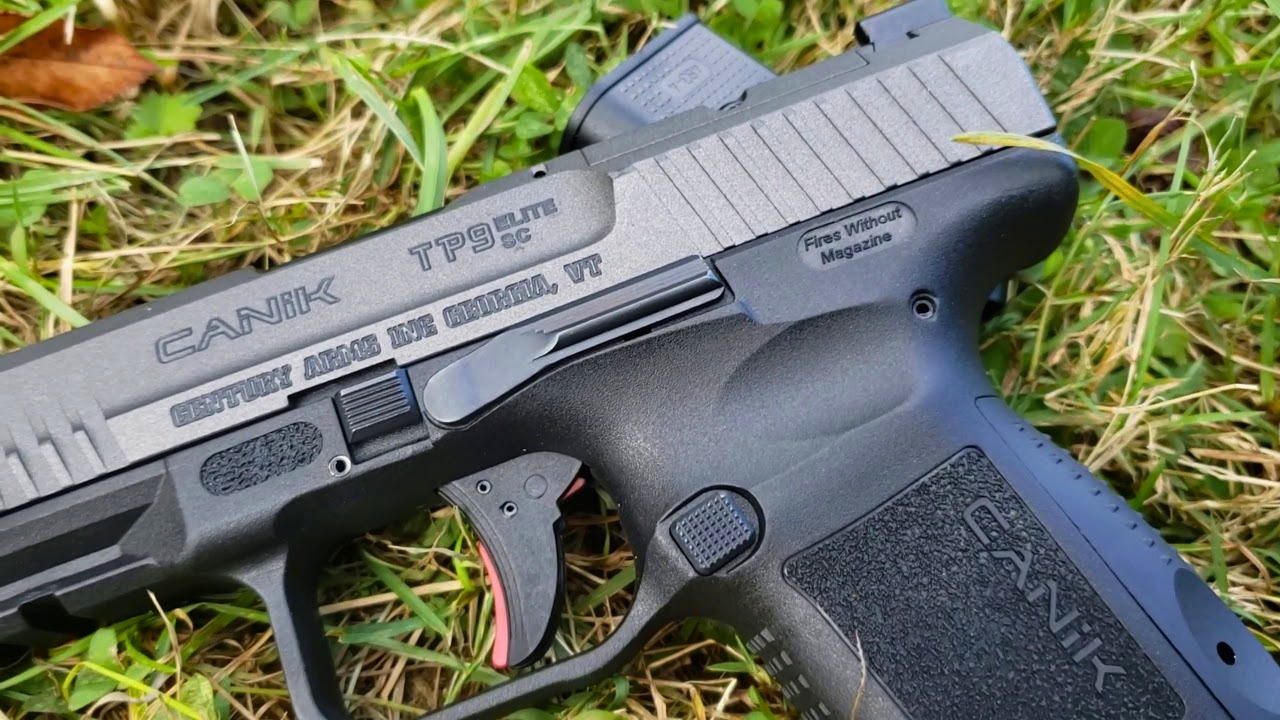
The TP9 Elite SC has a chunky, top-heavy look that can make shooters expect a pistol that feels dense and maybe a little awkward in motion. It is not the sleekest subcompact on the shelf, and its proportions can fool people into thinking it will be more hassle than help once the timer starts or the groups matter. That first impression usually changes pretty fast on the range.
The trigger is a big reason why. It helps shooters get good work done without overdriving the gun, and the grip gives you more control than many smaller pistols manage. Add in a weight profile that keeps the gun from being too whippy, and you end up with something that is easier to shoot accurately than it has any right to look. It is not subtle, but it is often very cooperative.
Colt Defender

The Colt Defender looks like a pistol that should be harder to master than a full-size 1911. It is shorter, lighter, and easier to assume will be finicky or overly lively under recoil. That assumption is not crazy, especially in the compact 1911 world, where not every gun earns blind confidence. Even so, the Defender often surprises people by shooting in a very honest, manageable way.
The 1911 ergonomics do a lot of the work here. The grip angle, trigger quality, and natural pointing characteristics help the gun settle into your hands faster than many small carry pistols do. It is not as soft as a Government Model, obviously, but it often shoots with enough order and predictability to make people rethink what a chopped-down .45 can feel like. It looks like a handful. It is often much more than that.
Smith & Wesson M&P 2.0 Compact

The M&P 2.0 Compact can look a little plain, and in some configurations it almost disappears into the crowd of modern striker-fired pistols. Because of that, some buyers assume it will shoot like every other competent but forgettable polymer compact. The reality is that it tends to be easier to run well than that understated appearance would suggest.
The grip texture and grip angle help the gun stay locked in place, and the improved trigger on the 2.0 series makes the pistol feel more responsive than earlier versions did. It comes back on target quickly and often feels more natural at speed than pistols with more hype around them. It does not need internet mythology to help it. The gun earns confidence by being predictable, controllable, and easier to shoot cleanly than its plain looks might lead you to expect.
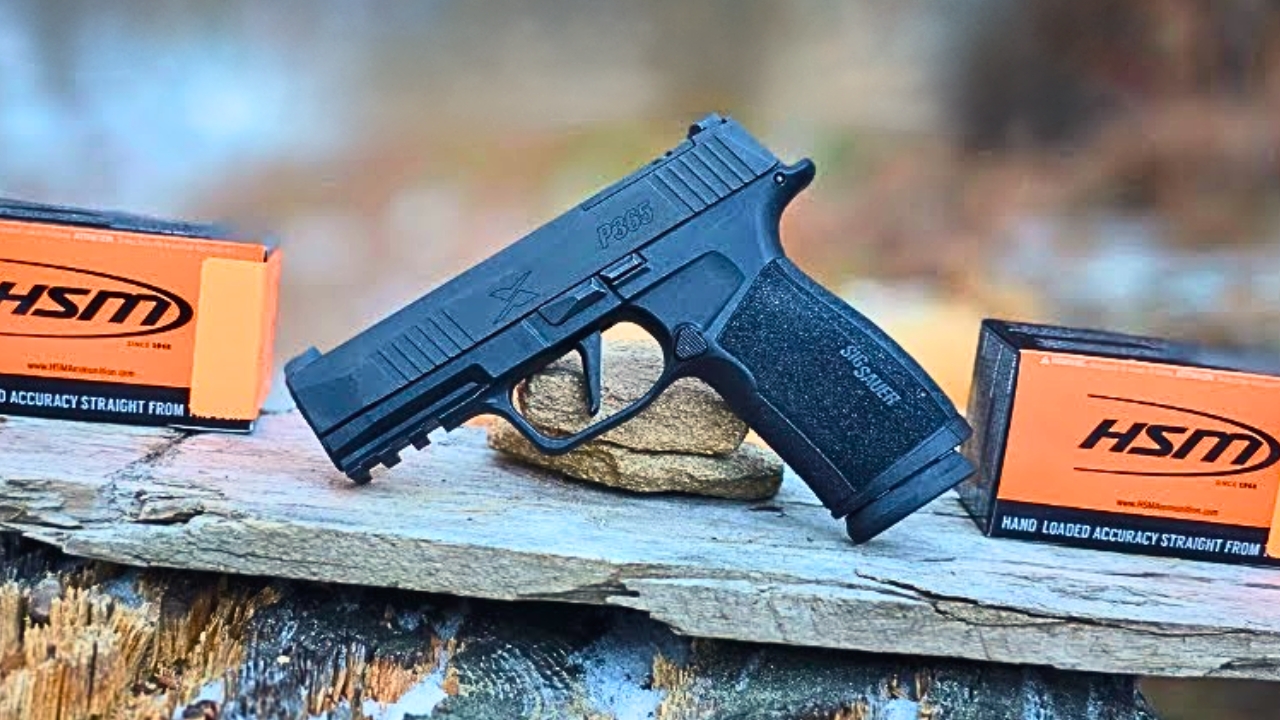
SIG Sauer P365 XMacro

The P365 XMacro still carries some of the visual DNA of a tiny carry gun, and that can cause people to underestimate how shootable it really is. They see the slim frame and the family name, then assume they are getting another micro-style pistol that will be useful to carry and mildly annoying to shoot. That is not really how the XMacro comes across once you start sending rounds.
The longer grip and better overall footprint make a huge difference. You get much more control than the size category seems to promise, and the pistol tends to track flatter than many shooters expect from something this easy to conceal. It manages to feel more like a compact fighting pistol than a stretched micro, which is exactly why it keeps winning people over. It looks like it should ask more from you than it actually does.
Like The Avid Outdoorsman’s content? Subscribe to our newsletter so you never miss an article.
Here’s more from us: