Photo credit: sootch00/YouTube
Some guns are not worth it because they are flat-out bad. Others are not worth it because the price, hassle, recoil, parts support, or ownership experience makes better options look obvious. A gun can work and still be a poor buy if it leaves you wondering why you spent the money.
That is the line here. These are firearms that may have fans, niche uses, or collector appeal, but for the average owner, the tradeoffs stack up fast.
Kimber R7 Mako

The Kimber R7 Mako tried to stand out in a crowded micro-compact market, and the optics-focused setup gave it a real hook. It looked different, had the Kimber name, and promised a more modern carry-gun package than the company is usually known for.
The problem is that different does not always mean better. The grip feel, styling, price, and overall market position never made it clearly stronger than a Shield Plus, P365, Hellcat Pro, or Glock 43X. When a carry pistol has to be explained this much, it probably is not the easy buy.
Springfield Armory SA-35
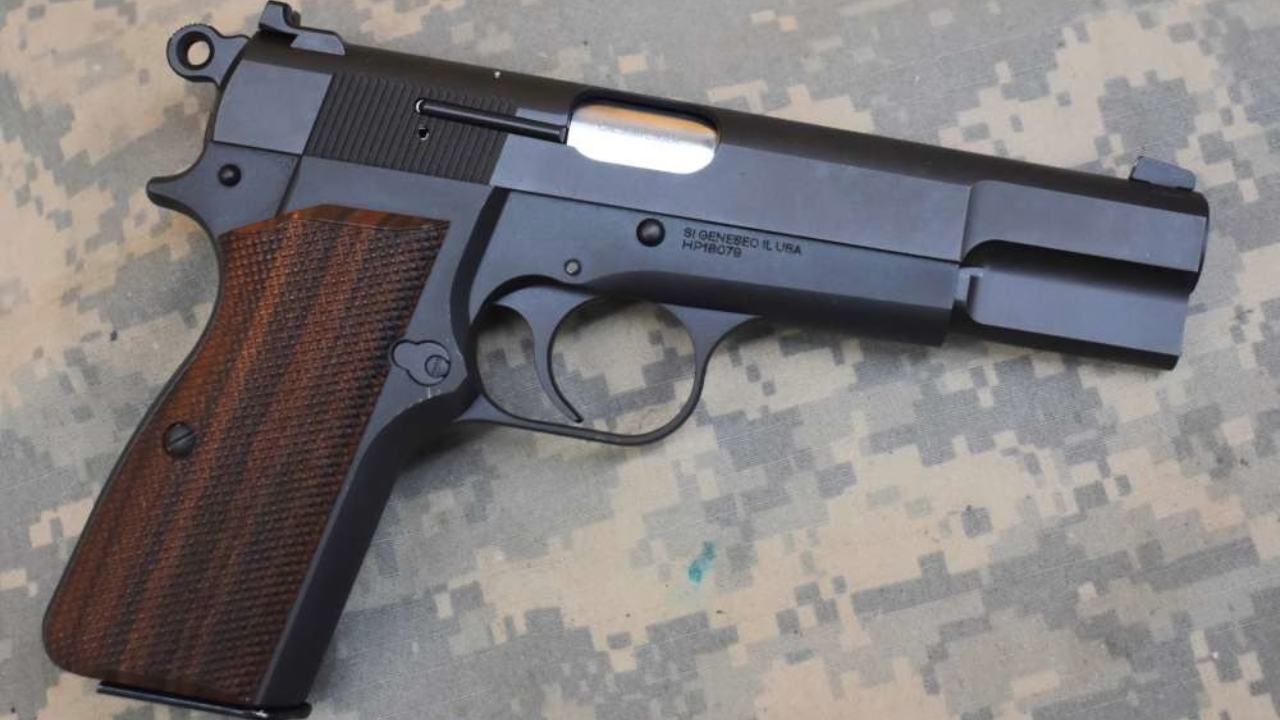
The Springfield SA-35 made a huge splash because shooters wanted a modern Hi-Power-style pistol without paying classic Browning prices. The idea was strong. The look was right. The nostalgia was doing a lot of work before the first magazine ever went in.
But early reliability complaints and availability headaches hurt the shine. Even if later examples improved, the question remains: are you buying it because it is the best pistol for your money, or because you want the Hi-Power feeling? For a lot of buyers, it is more romantic than practical.
Ruger LCP Max

The Ruger LCP Max makes sense if you absolutely need a tiny pocket pistol with more capacity than older .380s. That is its lane, and it fills it better than many pocket guns. The problem is what happens when people expect it to be pleasant.
It is still a tiny .380 with a short grip, minimal sight radius, and limited shootability compared with larger carry guns. It can be useful, but useful is not the same as satisfying. If you can carry something slightly bigger, the LCP Max starts feeling like a compromise you may not need.
Smith & Wesson Volunteer XV
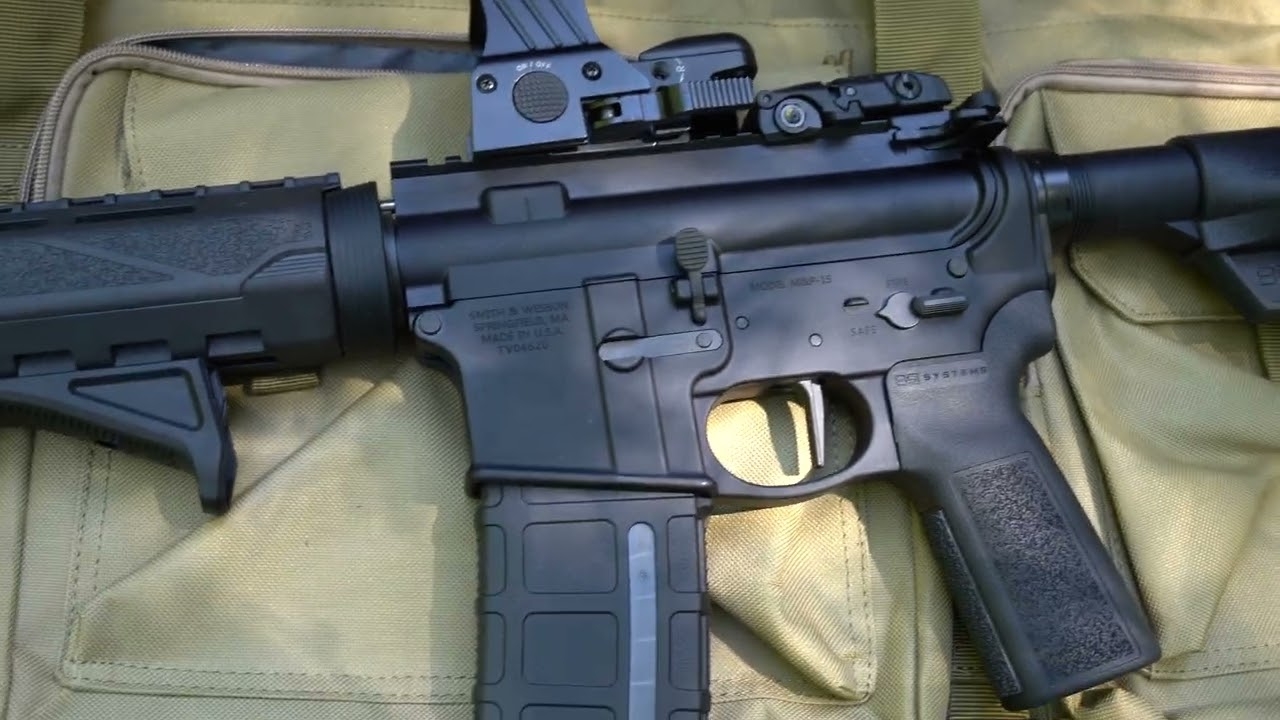
The Smith & Wesson Volunteer XV looks like a serious AR upgrade from a familiar company. The name, furniture, and factory features make it seem like a smarter buy than a plain entry-level rifle. That first impression helps it.
The issue is the AR market itself. There are so many strong rifles, build kits, and mid-tier options that the Volunteer XV has to work hard to justify its price. It is not bad, but it does not always feel special enough. In a crowded AR world, “good enough” is not always worth the extra money.
CZ 600 Alpha
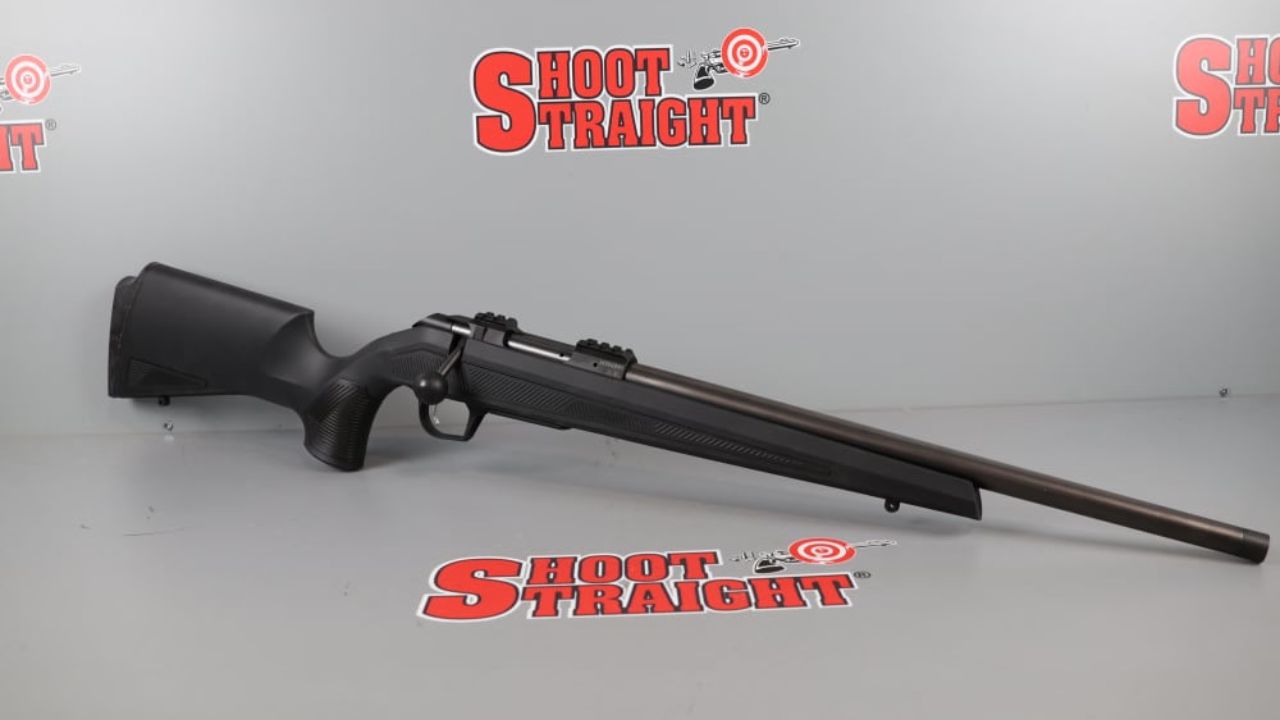
The CZ 600 Alpha is practical, modern, and probably perfectly useful for plenty of hunters. But it has a problem: it wears a CZ name that makes many rifle buyers think of older, more charming rifles like the 527, 550, and 557.
The Alpha does not always deliver that same feeling. It is more synthetic, more modern, and less memorable. It may shoot fine, but it often feels like another competent bolt gun instead of a rifle with real CZ character. If that old-school feel is what you wanted, this one may not be worth chasing.
Rock Island VR80

The Rock Island VR80 looks like a lot of shotgun for the money. AR-style controls, detachable magazines, 12-gauge power, and aggressive styling make it seem like a fun range gun with serious capability.
Then you live with the size, weight, magazines, break-in expectations, and load sensitivity that often come with budget mag-fed shotguns. It may be fun when everything works, but it is not as simple or handy as a good pump or proven semi-auto. For most owners, the look is stronger than the long-term value.
Savage 64F
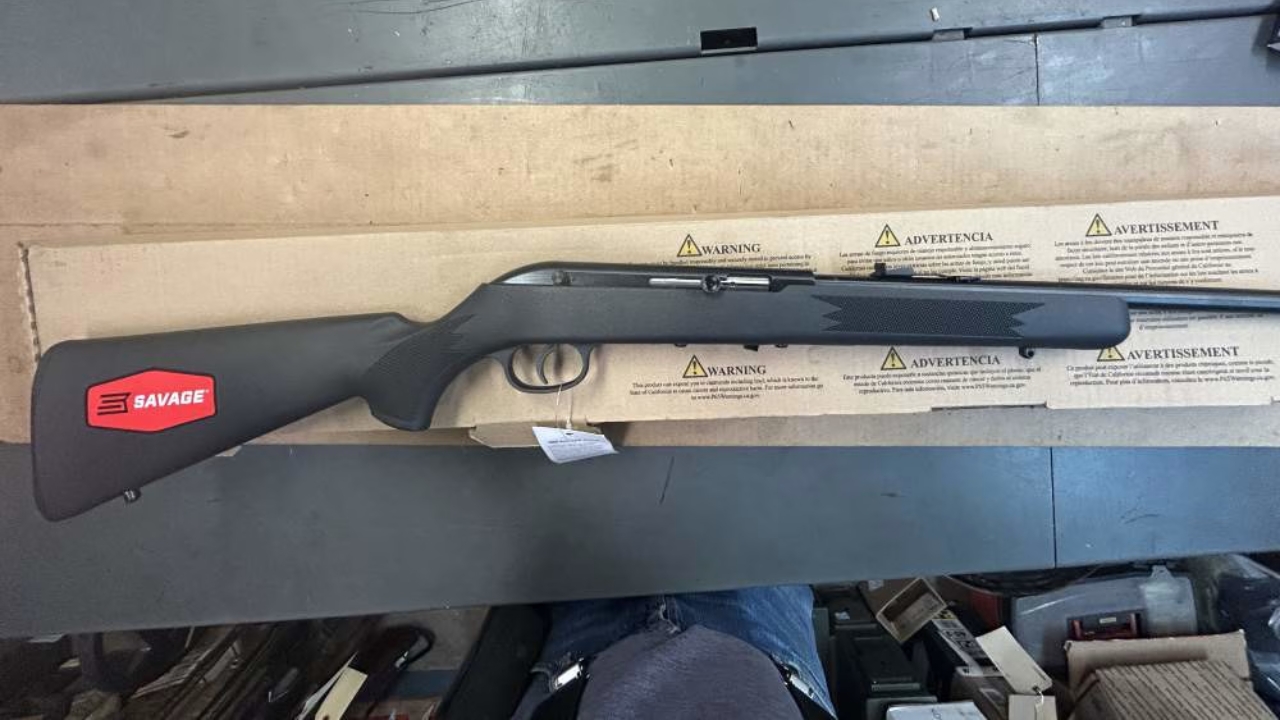
The Savage 64F is cheap, and that is the main reason people consider it. A low-cost semi-auto .22 sounds like an easy first rifle, truck plinker, or casual range gun. On price alone, it is tempting.
But a .22 rifle should be fun enough that you actually want to shoot it. The 64F can feel flimsy, the magazine setup is not especially smooth, and the overall rifle lacks the solid feel of better rimfires. Saving money matters, but not if you immediately wish you had bought a Ruger, Marlin, or CZ instead.
Henry AR-7 Survival Rifle

The Henry AR-7 has one of the best sales pitches in the rimfire world. A .22 that breaks down and stores inside its own stock sounds perfect for camping, boating, and emergency kits. It is clever, no doubt.
The problem is that clever storage does not make it a great shooter. The stock feels bulky, the balance is odd, and the rifle is not nearly as enjoyable as a normal .22 carbine. If you truly need the packable design, it has a purpose. If you mostly want a rimfire to shoot often, it is not worth the compromise.
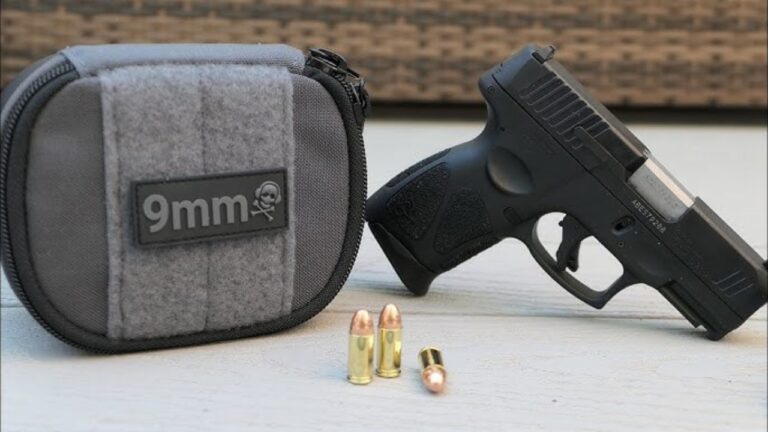
Diamondback DB9

The Diamondback DB9 appeals to buyers because it is extremely small for a 9mm. That size makes it easy to carry when bigger pistols feel impossible. At the counter, that can seem like the whole answer.
Then range time reminds you what you gave up. The recoil is sharp, the grip is cramped, and the pistol does not encourage regular practice. A carry gun you dislike shooting is hard to trust deeply. Unless you truly need that tiny footprint, a slightly larger pistol is usually the better buy.
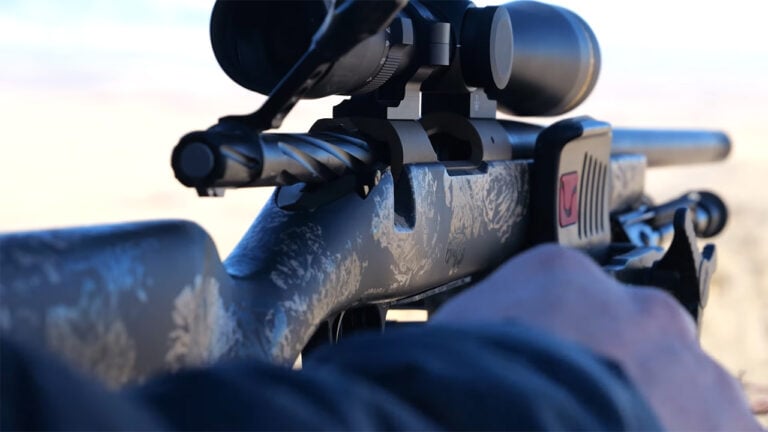
Mossberg Patriot Synthetic
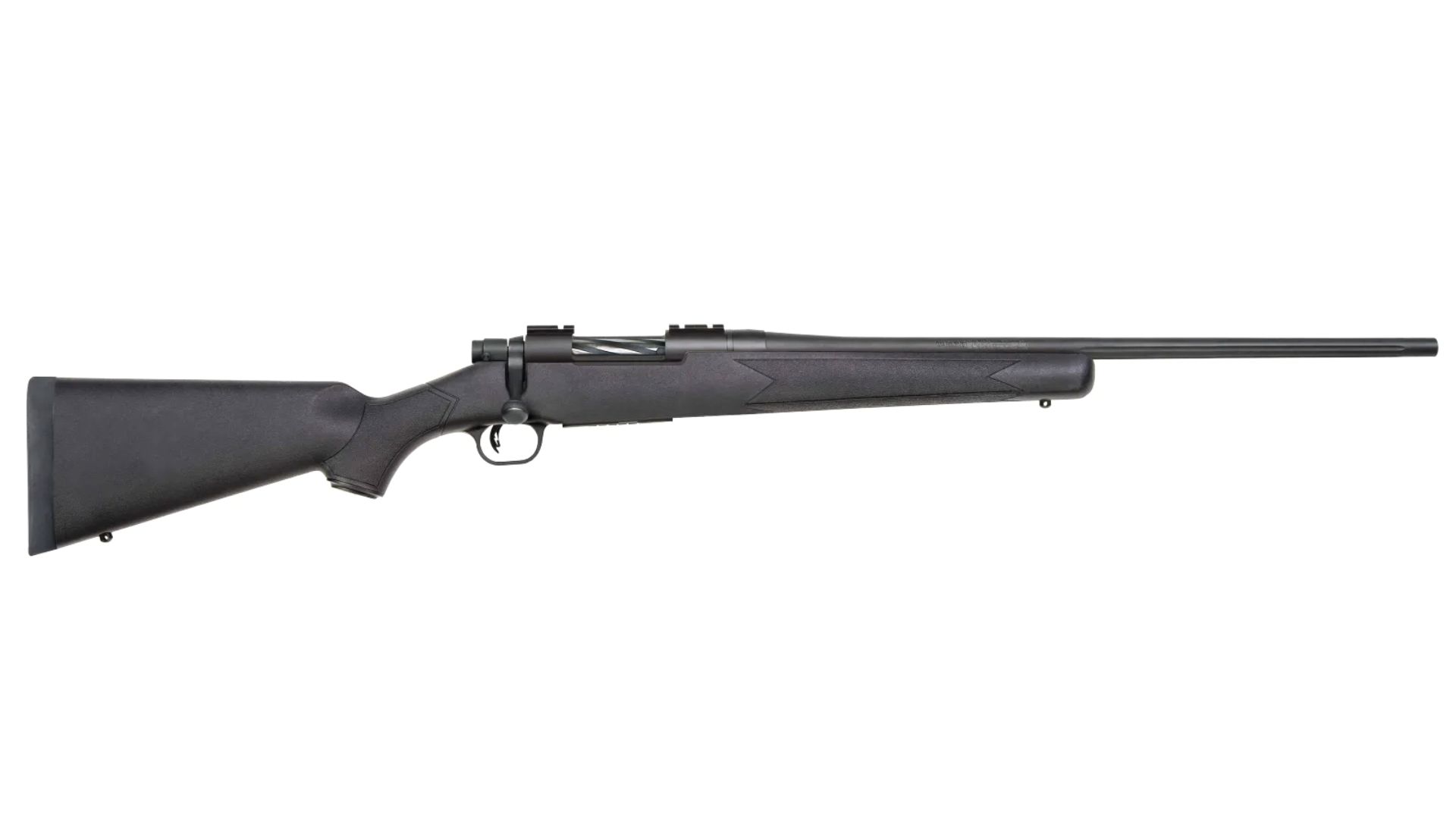
The Mossberg Patriot Synthetic can absolutely hunt, and some shoot better than their price suggests. That keeps it from being an easy throwaway. But value is not only about whether a rifle can put a bullet into a deer.
The stock feels hollow, the bolt is not especially smooth, and the overall rifle can feel forgettable fast. If you need a basic hunting rifle, it may work. But if you want something that feels solid, settled, and worth keeping for years, the Patriot often leaves you wanting more.
Stoeger STR-9

The Stoeger STR-9 is not terrible, but that is not enough anymore. The striker-fired 9mm market is packed with pistols that have stronger reputations, better support, better holster options, and more proven track records.
That makes the STR-9 hard to justify. It may run fine, but it does not give most buyers a strong reason to pick it over Glock, M&P, CZ, Canik, SIG, or Walther options. A defensive pistol should feel like a platform you want to stay with. This one often feels like a placeholder.
Winchester Wildcat

The Winchester Wildcat has smart features. It is light, easy to clean, and compatible with Ruger 10/22-style magazines. For a modern budget .22, that sounds like a strong start.
The issue is feel. The rifle can come across plasticky, overly light, and lacking the kind of charm that makes rimfires stick around for decades. It may be useful, but it is not especially satisfying. When the main competition includes used classics and proven rimfires with deep support, the Wildcat does not always feel worth it.
Beretta APX A1 Carry
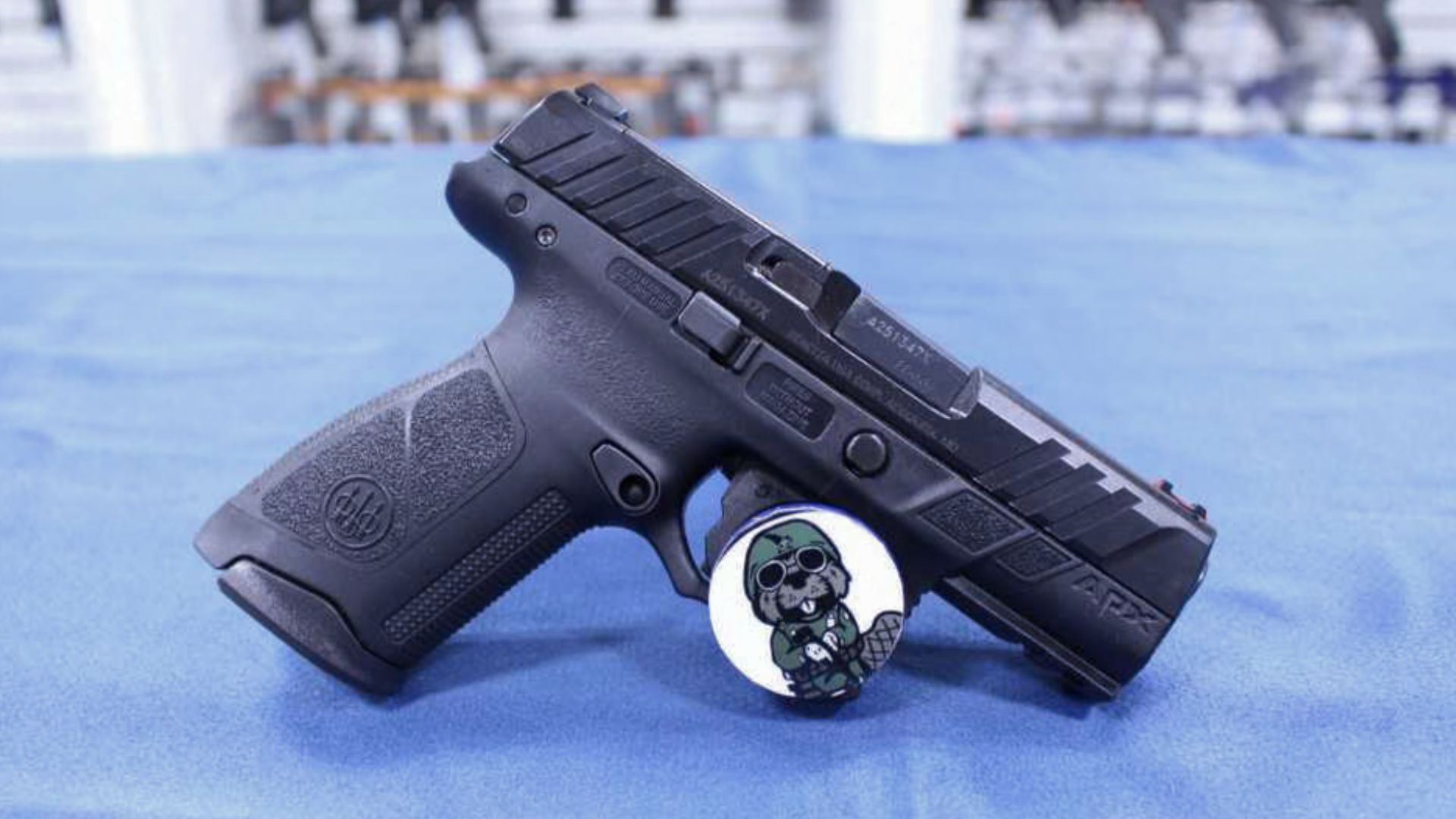
The Beretta APX A1 Carry has the Beretta name, an optics-ready setup, and a modern carry-gun shape. That should make it a serious contender. Unfortunately, small carry guns live in a brutal category now.
The trigger, recoil feel, grip size, and overall shootability do not make a strong enough case against better micro-compacts. It is not that the gun has no purpose. It is that buyers have too many good alternatives. If a pistol from Beretta still feels like a compromise, it is hard to call it worth the money.
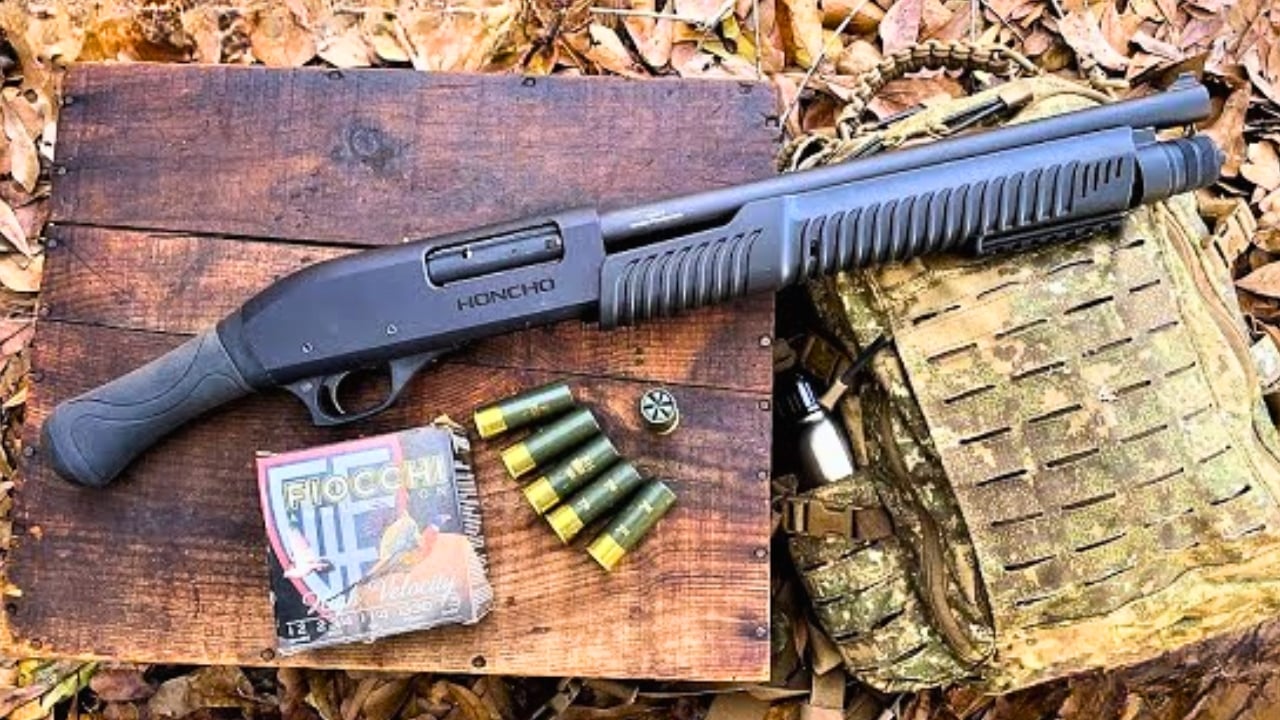
Charles Daly Honcho
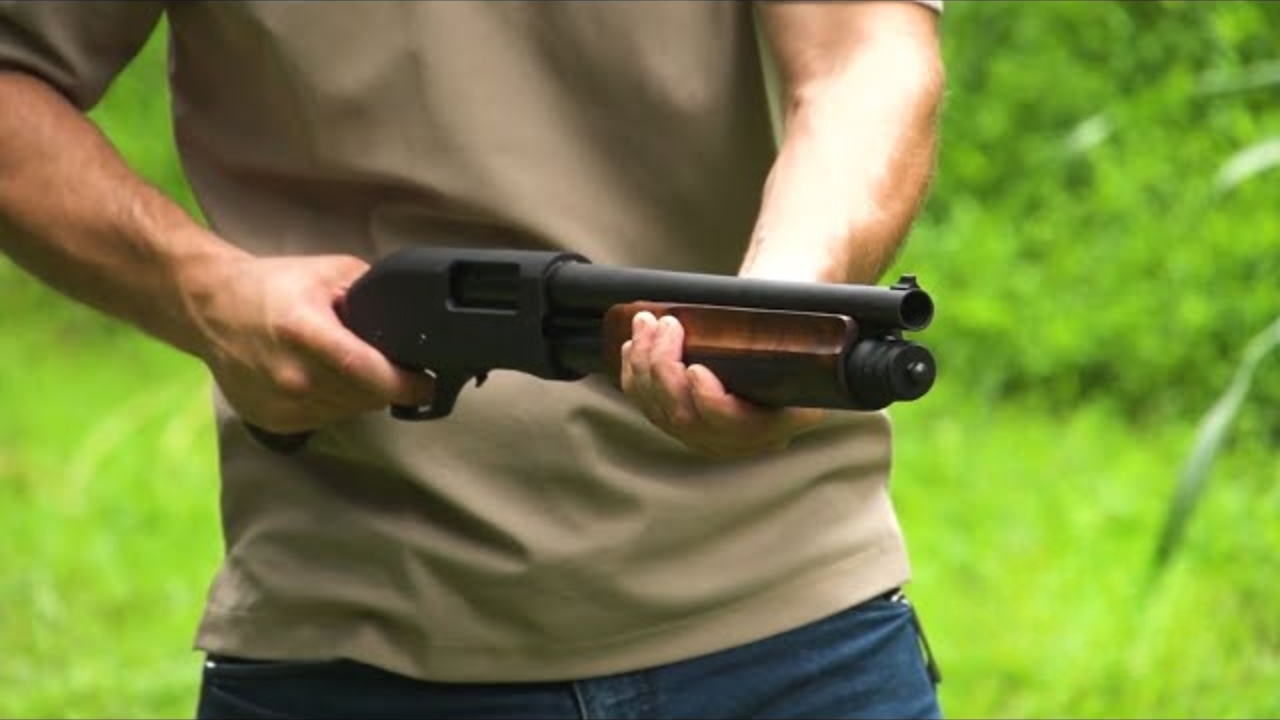
The Charles Daly Honcho looks tough and compact, which is exactly why it pulls people in. A short 12-gauge firearm sounds like a serious close-range tool before you actually run one.
Then the lack of a proper stock becomes the whole conversation. Recoil control, aiming, and fast follow-up shots are all harder than they need to be. It may look intimidating, but a normal stocked shotgun is easier to shoot well. For most people, the Honcho is more image than usefulness.
Springfield Armory XD-E

The Springfield XD-E had an interesting idea behind it. A slim hammer-fired carry pistol with DA/SA operation should have appealed to shooters who did not want another striker-fired micro gun. On paper, it had a lane.
In practice, that lane was narrow. The pistol felt top-heavy to some shooters, the trigger system was not enough to win over the market, and capacity trends moved fast. It was different, but not different enough to become essential. Most buyers were better served by a simpler, higher-capacity modern carry pistol.
Like The Avid Outdoorsman’s content? Subscribe to our newsletter so you never miss an article.
Here’s more from us: