Photo credit: U.S. Marine Corps photo by Lance Cpl. Public Domain/Wiki Commons
Handgun calibers get talked about like trends, but serious use has a way of cutting through the noise. When you strip away the forum arguments, the flexing, and the constant need to crown some new winner, you end up back at the same question: does the cartridge do its job when the moment stops being theoretical? That means controllability, penetration, practical availability, and enough real-world track record to trust it when things are not calm and convenient.
That is why some pistol calibers never really go away. They may fall in and out of fashion, and some get dragged unfairly while others get overhyped, but the good ones keep proving they belong. They work in duty guns, carry guns, trail guns, and defensive handguns people actually stake something on. These are 15 pistol calibers that still hold up when things get serious.
9mm Luger

The 9mm keeps surviving every argument because it keeps doing the job in the real world. It gives shooters manageable recoil, fast follow-up shots, strong magazine capacity, and widespread ammunition availability in a package that fits almost every serious handgun role. That matters more than internet chest-thumping. A cartridge you can shoot well, train with often, and find almost anywhere has an advantage that does not disappear just because somebody wants to sound tougher at the gun counter.
When things get serious, consistency matters more than bravado. The 9mm has enough modern defensive performance to handle defensive work without beating up the shooter or limiting practice. It also works across compact carry guns, duty pistols, and full-size range guns in a way few calibers can match. That balance is why it remains the standard answer for so many experienced shooters. It is not exciting because it is trendy. It is still here because it remains practical.
.45 ACP

The .45 ACP still holds up because it was built around a simple idea that never entirely stopped making sense: a heavy bullet moving at practical handgun speed can still solve serious problems. The cartridge has been around long enough that nobody needs to guess what it is or what it is not. It is not a velocity showoff round. It is a big, steady, proven cartridge that tends to do its work without drama when paired with a solid pistol and a shooter who can manage it.
Its value today comes down to confidence and familiarity. A lot of people still shoot .45 well, and the round has enough proven defensive history that it does not need to apologize for its age. Yes, capacity is usually lower and recoil is heavier than 9mm, but serious use is not always about maximum numbers on paper. The .45 ACP still earns respect because it remains effective, available, and trusted by people who know exactly why they carry it.
.40 S&W

The .40 S&W gets dragged a lot harder now than it used to, but that does not mean it stopped being a serious cartridge. It was built to offer a middle ground between 9mm capacity and .45-style bullet weight, and for years it became the working answer for agencies and shooters who wanted more punch without moving to a larger frame. That role made sense then, and the cartridge did not somehow become useless just because opinions shifted.
What hurt the .40 was not failure. It was the fact that many shooters eventually decided the recoil tradeoff was not worth it once 9mm defensive loads improved and training priorities changed. Even so, the cartridge still hits hard, penetrates well, and remains absolutely capable in a serious handgun. If you shoot it well and your pistol runs it reliably, it is still very much in the fight. A lot of round-count and real-world history says that plainly.
10mm Auto

The 10mm Auto has a way of cutting through excuses. It carries real power, real reach for a handgun cartridge, and a level of versatility that makes it attractive for more than one kind of serious use. It can serve defensive roles, backcountry roles, and hunting-sidearm roles in ways that most standard service calibers do not even try to match. When loaded properly, it brings serious authority to a handgun without slipping into pure novelty.
That does not mean it is for everybody. The recoil, gun size, and ammunition cost all demand more from the shooter than 9mm or .45 ACP usually do. But serious does not always mean easy. For people who want a semi-auto pistol cartridge with real horsepower and broader field usefulness, the 10mm is still one of the strongest answers going. It is not hanging around because of hype. It is hanging around because it still offers performance many shooters genuinely need.
.357 Magnum

The .357 Magnum still earns respect because it was one of the first handgun cartridges to really build its reputation on stopping power and field performance in a way people could not ignore. Even now, it remains one of the strongest serious-use revolver cartridges ever put into widespread service. Out of a solid medium or large-frame wheelgun, it gives you real penetration, strong terminal performance, and enough flexibility to move from defense to trail carry without changing the platform.
That matters because revolvers still matter in certain roles. The .357 is not old news just because semi-autos dominate most conversations. It remains a reliable option for people who want a powerful handgun cartridge with a deep real-world record and broad load variety. It can be loaded lighter for training with .38 Special or pushed hard for defensive and field work. That kind of versatility helps it stay relevant long after many supposedly modern answers faded into niche status.
.38 Special +P

The .38 Special stays in serious conversations because it continues to make sense in revolvers people actually carry. A lightweight snubnose is never going to be the most forgiving platform in the world, but the .38 gives it a cartridge that is proven, available, and effective enough to remain part of the defensive landscape. In +P form especially, it still offers meaningful performance in small revolvers where simplicity and portability matter more than bragging rights.
What keeps it alive is that it solves a real problem. Not everyone wants a semi-auto, not every pocket or ankle gun needs to be exotic, and not every serious handgun has to run on high-capacity magazines. The .38 Special remains trustworthy because it works within a format people still bet their lives on. That alone gives it staying power. It may not dominate modern marketing, but it has outlasted a lot of flashier ideas for a reason.
.44 Magnum

The .44 Magnum is still serious in the most direct sense possible. It was never subtle, never mild, and never intended for people who wanted a comfortable answer to every handgun problem. What it remains, though, is a cartridge with unquestioned authority for hunting, animal defense, and situations where a revolver must deliver real power. When people talk about serious sidearms for rough country, the .44 is still one of the first names that comes up.
That staying power comes from role clarity. Nobody carries a .44 Magnum because it is trendy or because it is the easiest thing to shoot. They carry it because it solves specific problems with more force than most handgun cartridges can offer. That still matters. In a strong revolver, with a shooter who knows how to handle it, the .44 Magnum remains one of the most capable serious-use handgun rounds in the country.
.44 Special

The .44 Special stays relevant because it gives experienced shooters something they eventually start respecting more: controllable big-bore performance without the punishment of full magnum recoil. It does not shout for attention the way the .44 Magnum does, but that is part of the point. In the right revolver, the cartridge offers a serious, useful level of performance that makes a lot of sense for defense, field carry, and practical shooting where comfort and control matter.
This is one of those rounds that rewards maturity more than hype. People who actually spend time with revolvers often come around to the idea that power is only part of the equation. Shootability matters too. The .44 Special gives you a heavy bullet, a proven record, and a more manageable shooting experience in a cartridge that still carries real authority. That is exactly why it keeps outlasting the idea that only magnum labels are serious enough to matter.
.357 SIG

The .357 SIG never became everybody’s cartridge, but it absolutely stayed serious. It brought a flat-shooting, hard-hitting, semi-auto option to shooters who wanted more speed and barrier performance than standard service rounds typically offered. For agencies and individuals who valued those traits, it made a very real case for itself. The cartridge has always been more about performance than popularity, and in serious conversations, that still counts.
What limits it for some shooters is the usual list: sharper recoil, louder report, more specialized ammo availability, and less widespread support than 9mm. Even so, none of that changes what it does well. In a quality handgun, .357 SIG remains a legitimate defensive cartridge with a proven niche and real credibility. It may never dominate the shelves, but it has hung around because there are still shooters who understand exactly what it offers and trust it for the right reasons.
.32 H&R Magnum

The .32 H&R Magnum often gets underestimated because people hear “.32” and stop thinking. That is a mistake. In the right revolver, it offers respectable performance, low recoil, and a level of controllability that makes it attractive for shooters who value precision and speed over raw blast. Serious use is not always about choosing the loudest answer. Sometimes it is about choosing the cartridge that lets the shooter place rounds quickly and accurately under pressure.
That is where the .32 H&R still makes a lot of sense. It allows lighter recoil in small revolvers while often giving one more round in the cylinder compared to larger calibers. That does not make it magic, but it does make it practical. For the right shooter and the right handgun, it remains a serious option that solves real carry and control issues better than many critics are willing to admit.
.327 Federal Magnum

The .327 Federal Magnum took the logic of the .32 H&R and pushed it much further into serious territory. It offers impressive performance from a revolver cartridge that still gives shooters a manageable platform and, in many cases, extra capacity. That combination matters more than people think. Small and medium-frame revolvers always involve tradeoffs, and the .327 does a solid job of balancing power, shootability, and capacity in a way that deserves more respect than it usually gets.
It also has real versatility. A revolver chambered for .327 Federal Magnum can often shoot lighter .32-family cartridges for training or reduced-recoil work, which helps with long-term usefulness. When loaded to full strength, though, it is not some cute compromise round. It is a serious cartridge with enough velocity and energy to demand honest attention. That makes it one of the smarter modern revolver calibers for people who want something more capable than the name initially suggests.
.45 Colt

The .45 Colt is still serious because time never actually erased what it does well. In strong revolvers, and with loads suited to the gun, it remains a very capable field and defensive cartridge with heavy-bullet authority that still matters. Too many people reduce it to cowboy nostalgia, which misses the whole point. The cartridge has survived for this long because it never stopped offering useful performance to shooters who knew how to apply it.
Part of its value comes from flexibility. In milder loads, it is pleasant enough to shoot and easy to live with. In stronger form, within the limits of the firearm, it becomes a much tougher and more capable round than casual observers often expect. That range of usefulness is exactly why it is still here. The .45 Colt does not need modern hype to stay relevant. It has too much history and too much real-world practicality for that.
.380 ACP
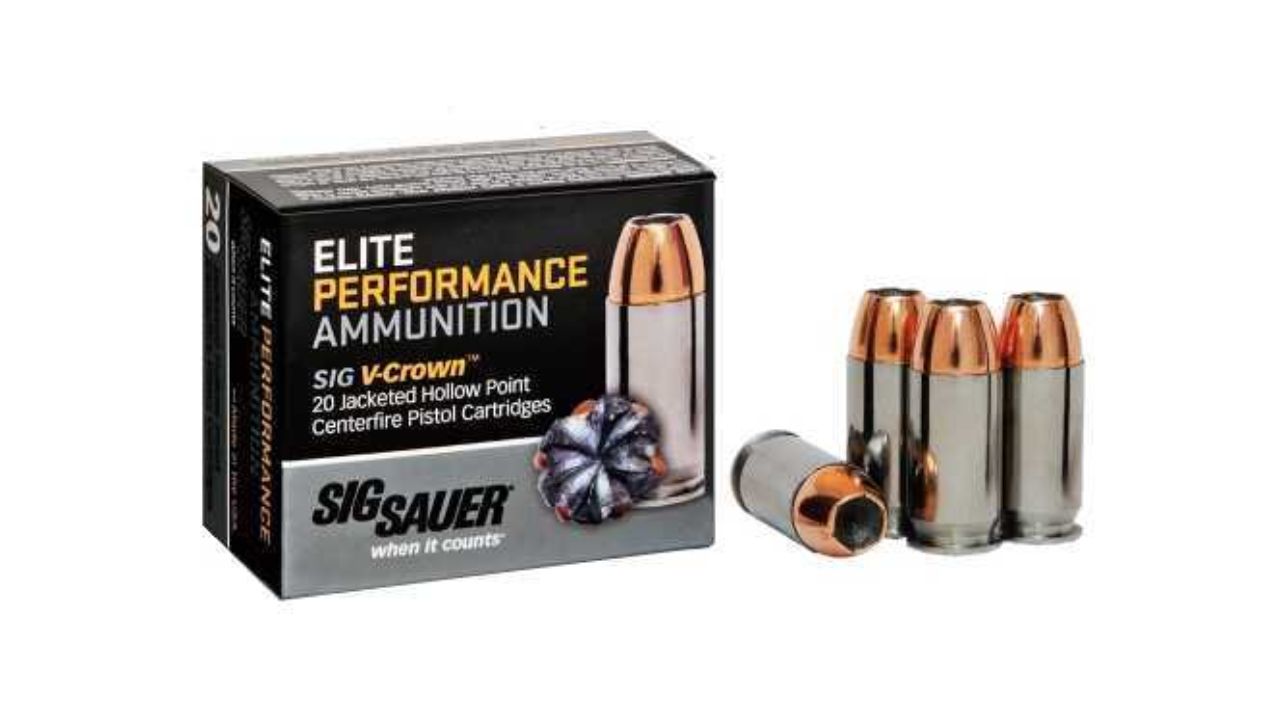
The .380 ACP keeps holding on because guns small enough to carry constantly still matter, and the cartridge continues to serve that space better than many people want to admit. It is easy to dismiss when talking from behind a keyboard, but real carry habits are not always built around full-size guns and ideal conditions. The .380 remains relevant because it works in pistols that people will actually carry in hot weather, deep concealment, or low-burden daily use.
That does not mean it is equal to larger service calibers in every respect. It means serious use sometimes starts with having a gun on you, and the .380 is still a practical answer for that. Ammunition improvements and smarter pistol designs have only strengthened its place. For shooters who understand the limits and choose their guns carefully, it remains a legitimate defensive caliber rather than the punchline some people still try to make it.
5.7x28mm

The 5.7x28mm still gets mixed reactions, but dismissing it outright misses why it remains in serious circulation. It offers very low recoil, high magazine capacity, and a shooting experience that allows fast, accurate follow-up shots in handguns designed around the cartridge. That alone gives it a functional advantage for some shooters. Its role is not identical to traditional service calibers, but serious use is about context, not nostalgia.
The cartridge has always had to fight against the idea that different means gimmicky. Sometimes that criticism is fair in the gun world, but not always. The 5.7 stuck around because there are legitimate use cases where light recoil, speed, and capacity matter more than fitting neatly into old expectations. It is not the universal answer, but it remains a real one. That is more than can be said for plenty of handgun cartridges that came and went with far more noise.
.22 WMR

The .22 WMR is easy to overlook in handgun conversations because people hear rimfire and assume the discussion is over. That is too simplistic. In the right revolvers and modern compact pistols built to run it well, the .22 Magnum offers velocity, controllability, and practical carry utility that deserves a more honest look than it usually gets. Serious does not always mean traditional. Sometimes it means choosing the cartridge that fits the shooter, the platform, and the likely role better than larger rounds would.
It also helps that the .22 WMR can be shot quickly and accurately by people who struggle with harsher recoil. That matters more than many enthusiasts want to admit. A serious handgun caliber is one that the shooter can place well and trust in the platform they are actually willing to carry. The .22 Magnum is not the first choice for everybody, but in the right setup, it remains more capable and more relevant than its critics usually allow.
Like The Avid Outdoorsman’s content? Subscribe to our newsletter so you never miss an article.
Here’s more from us: