Photo credit: Tiberious Gib/YouTube
Nobody should treat “maintenance” like an optional extra, especially on a carry gun. Springs wear, mags get gritty, and lint finds places you didn’t know existed. Still, real life is messy. Sometimes a pistol lives in a sweaty waistband for a week. Sometimes it rides in a truck console. Sometimes you make it to the range and realize you haven’t cleaned it since the last season changed.
The truth is some handguns handle that kind of neglect better than others. They run with a little more clearance where it counts, they shrug off carbon, and they keep extracting and feeding when the gun is dry or dirty. That doesn’t mean you should ignore your gear. It means you should pick a pistol that gives you a wider margin when life happens.
Smith and Wesson M&P 2.0

The M&P 2.0 has become a go-to for people who want a modern duty pistol that can handle hard use without constant attention. The design has proven reliable across many agencies and high-round-count shooters, and it tends to keep running when it’s dirty, dry, or both. The finish and internal design also handle carry sweat better than older blued guns.
Neglect often shows up first as sluggish cycling, extraction issues, or magazine problems. The M&P 2.0 generally keeps feeding and extracting well if you’re using good mags and not running springs into the ground. It also field-strips easily, which removes excuses when you finally do clean it. It’s a pistol built for people who actually carry and train, and that usually means it sees dust, lint, and fouling along the way.
HK USP

The HK USP was built with duty abuse in mind, and it shows. It’s the kind of pistol that runs when it’s dry, dirty, and not treated like a museum piece. The recoil system and overall build help it keep cycling smoothly, and the gun tends to stay reliable even when you’re behind on cleaning.
Neglect can mean carbon buildup, old lube turning to sludge, or grit getting into places it should not be. The USP’s design has enough tolerance and durability to keep going through that, especially with quality magazines and sane maintenance intervals. It’s not the lightest or the most modern-feeling pistol in the hand, but it has a reputation for taking use without drama. If you want a handgun that feels like it was designed for people who are not gentle, the USP belongs on the short list.
HK P30

The HK P30 is another pistol that tends to keep running when you aren’t treating it kindly. It’s known for durability, strong extraction, and a general willingness to cycle even when it’s dirty. In real carry life, that matters because sweat, lint, and grime build up faster than most people admit.
The P30 also benefits from quality magazines and a design that holds up under round count. When neglected, many pistols start showing issues through the magazines first. Feed lips get bent, springs weaken, and followers drag. The P30 platform is well supported and generally dependable if you keep your mags in decent shape. It’s still smart to wipe it down and keep it lightly lubed. But if you miss a cleaning cycle or three, the P30 usually does not punish you for it.
SIG Sauer P226

The P226 has been used in roles where pistols get carried a lot, shot a lot, and cleaned whenever somebody gets around to it. It’s a proven service gun with a long history of reliability, and it tends to keep functioning with normal neglect as long as it isn’t being actively abused. The full-size format helps, too, because it gives the gun more cycling margin.
Neglect with hammer-fired pistols often shows up as carbon in the rails, crud in the breech face, and grime in the mags. The P226 generally keeps feeding and extracting well through that, especially with good magazines and proper springs. It’s not a pistol you buy because it is trendy. You buy it because it has been used hard for a long time and keeps working. If you want a metal gun that tolerates real life, the P226 remains a safe bet.
SIG Sauer P229

The P229 is the more compact sibling that still carries the same reliability mindset. It’s a carry-friendly size that has been trusted for serious work, and it tends to run well even when it’s seen a lot of holster time between cleanings. It also handles a wide range of loads reliably, which matters when your practice ammo and your carry ammo are not the same.
Neglect in compact pistols can be harsher because everything is tighter and lighter. The P229 usually handles it better than most because it’s built like a duty gun, not a micro pistol. Keep an eye on recoil springs and magazines, and it will often keep cycling long after you should have cleaned it. You still want to wipe it down if it lives against your body. But if you are being honest, the P229 has a strong track record of staying dependable through real-world laziness.
Beretta 92FS

The Beretta 92FS has a reputation for running dirty, and a lot of that comes from the design. The open-top slide and generous ejection area help the gun keep extracting and ejecting when carbon and grit start building up. It’s also a full-size pistol with a long service history, and it has been carried and shot by people who did not always have time for careful cleaning.
Neglect still matters, especially with magazines. The 92FS runs best on good mags, and a lot of the “Beretta problems” people talk about come from bad magazines or tired springs. Keep the mags decent, keep the gun lightly lubed, and it will often stay reliable even when you’ve been sloppy. It’s not the smallest carry option, but for a pistol that keeps working through grime and high round counts, the 92FS continues to earn respect.
Beretta PX4 Storm

The PX4 Storm is one of those pistols that often surprises people with how well it keeps running when it’s not pampered. It has a reputation for smooth recoil behavior and strong reliability, and it tends to keep cycling even when it’s dirty or under-lubed. In carry life, that counts because the pistol rarely lives in perfect conditions.
Neglect can show up as sluggish return to battery, feeding issues, or extraction issues. The PX4 usually stays stable through normal fouling, and it has been used by shooters who train hard with it without constant maintenance. It’s also a pistol that doesn’t demand you tune it or baby it to get dependable function. You should still replace springs on schedule and avoid junk magazines. But if you want a handgun that shrugs off some laziness and keeps working, the PX4 is a solid pick.
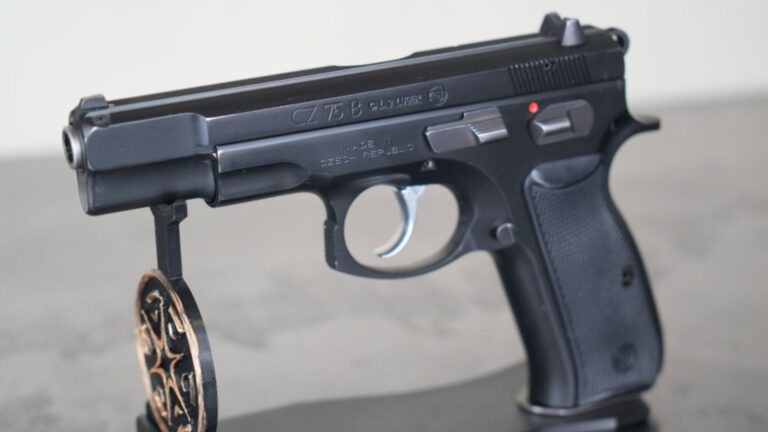
CZ 75

The CZ 75 is a classic metal pistol that has earned a reputation for reliability and durability in real use. It’s been carried and shot around the world, often in conditions that were not clean or controlled. The design tends to keep functioning as long as it has decent lubrication and the magazines are in good shape.
Neglect with steel pistols often shows up as rust risk more than function risk, especially if the gun is carried close to sweat. Wipe it down when you can, because corrosion is the enemy of every metal gun. Function-wise, the CZ 75 generally keeps feeding and extracting well even when it’s dirty, and it can take a lot of rounds without feeling fragile. It’s a pistol that rewards steady fundamentals and does not demand constant tinkering. If you want an old-school handgun that keeps doing its job through imperfect maintenance, it belongs here.
CZ P-10 C

The CZ P-10 C is the modern striker-fired CZ that’s built for duty-style use, and it tends to run reliably even when you’ve been careless about cleaning. It has a strong track record with high round counts, and it handles a variety of ammo without being finicky. It also offers a carry-friendly size that still gives you enough grip and slide mass to stay forgiving.
Neglect usually attacks the small stuff first: magazines full of lint, extractors that get packed with carbon, and striker channels that get gummed up if you over-oil. The P-10 C generally stays dependable through normal dirt if you avoid doing anything weird and you use good mags. It’s still smart to field-strip and wipe it down, especially if it rides in a dusty environment. But if life gets in the way, it tends to keep functioning.
FN 509

The FN 509 was designed around modern duty requirements, and it has a reputation for being dependable in rough use. It tends to feed and extract well across a wide range of ammunition, and it holds up when it’s shot hard and cleaned when convenient. That kind of reliability is exactly what you want when your carry gun lives in sweat, lint, and daily grit.
Neglect often becomes visible during drills. If the gun is going to choke, it usually shows up when you start running faster strings and getting the pistol hot and dirty. The 509 tends to keep going through that kind of use, especially with quality magazines and fresh springs over time. It’s not a pistol you pick because it looks cool. You pick it because it behaves like a duty gun and keeps doing the job even when you’re behind on maintenance.
Springfield XD

The Springfield XD line has a long history of shooters running them hard with minimal drama. Many owners treat them like work pistols, and the guns tend to keep cycling through normal fouling and imperfect maintenance. They are not picky about a little grime, and they often keep functioning in the messy middle ground where real carry guns live.
Neglect still has limits. Any pistol can be pushed past the point where it starts to fail, especially if the magazines are filthy or the springs are tired. But the XD tends to handle carry lint and range fouling without falling apart. Keep the mags decent, keep an eye on wear parts, and you can get a lot of reliable service even if you are not the guy cleaning everything after every range session. It’s a practical pistol that often keeps working for owners who are not meticulous.
Ruger P89

The Ruger P89 is not a modern carry pistol, but it absolutely has a reputation for being tough and forgiving. It’s the kind of older metal gun people leave in a truck, shoot occasionally, and still expect to work. The design is chunky, the parts are not delicate, and it tends to run through grime that would make a tighter gun start feeling sluggish.
Neglect with a pistol like this usually becomes more about corrosion and old springs than immediate function. If it’s been sitting in a humid environment, you still need to check it and maintain it. But in terms of basic reliability, the P89 has long been known as a handgun that keeps feeding and firing even when it isn’t treated with care. It’s not the most refined shooter, and it isn’t light. It’s simply one of those pistols that keeps working when you expect it to quit.
Ruger GP100 with a 9mm conversion cylinder

I’m not going to pretend a revolver is a pistol in the strict sense, but if you’re talking about reliability under neglect, a good revolver deserves a mention. The Ruger GP100 has a reputation for durability and tolerance for hard use. Dirt and lint that might stop a semi-auto from feeding do not affect a revolver the same way, because there is no feeding cycle to interrupt.
Neglect can still hurt a revolver. Rust, fouling under the extractor star, and dried-out internals can create issues if you truly ignore it for years. But in the real-world version of neglect, where it rides in a holster and gets shot occasionally, a GP100 tends to keep working. If you want a sidearm that is less sensitive to magazine problems and ammo cycling, a revolver can offer a wider margin. Keep it clean enough to prevent corrosion, and it will usually stay dependable.
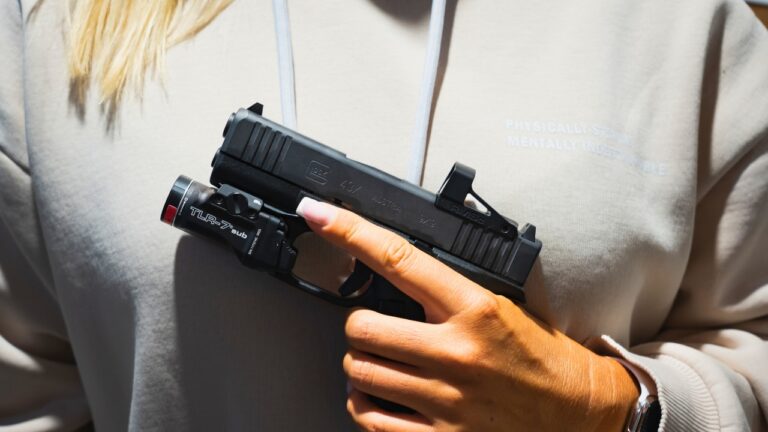
Glock 19

The Glock 19 earns its reputation the boring way: it keeps running. The design tolerates grime well, the magazines are proven, and the gun stays consistent even when it’s been carried more than it’s been cleaned. It also helps that the parts count is low and the internal layout is straightforward, so there are fewer places for problems to hide.
When you neglect it, the Glock 19 tends to keep cycling as long as your mags aren’t trashed and your ammo is decent. It’s not magic. It’s a pistol that has been ridden hard for decades by people who do not baby their gear. Clean it when you can, replace wear parts on a schedule, and you’ll likely find it keeps going even when you haven’t been as responsible as you should be.
Glock 17

The Glock 17 is the full-size version of the same idea, and the extra slide length and mass can make it feel even more forgiving when things get dirty. Full-size guns often have a little more margin in cycling, and the Glock 17 is a classic example. It’s also one of the easiest pistols to find magazines and parts for, which matters if neglect turns into actual wear.
If you carry or store a pistol in less-than-ideal conditions, the Glock 17 tends to keep feeding and extracting when other designs start to get cranky. That’s why it’s been adopted and kept for so long by agencies and shooters who run lots of rounds. You still want to lube it and keep your mags clean. But if you are honest about occasional neglect, this pistol usually stays cooperative.
Glock 26

Small pistols can be pickier, but the Glock 26 has a strong track record of running even when it’s been carried hard and cleaned rarely. It’s a compact that still uses the same basic Glock operating system and magazine design, and it benefits from the platform’s tolerance for dirt and lint. That matters because pocket and waistband carry are lint factories.
The 26 also gives you flexibility with magazines, which can be a reliability advantage if you’re using quality mags and not abusing them. When you neglect a carry gun, the magazine is often the weak link. The Glock 26 is easy to keep fed with good mags, and it’s easy to keep running with basic upkeep. You should still clean it, especially if it lives close to sweat. The point is it tends to keep functioning when you fall behind.
Like The Avid Outdoorsman’s content? Subscribe to our newsletter so you never miss an article.
Here’s more from us: