Photo credit: Dt Reviews/YouTube
Some guns wear out after decades of service. Others barely make it through their first season before screws back out, pins shear off, or stocks start to crack. And here’s the kicker—plenty of folks will defend those guns long after they’ve proven they shouldn’t.
Whether it’s poor material choices, shoddy machining, or designs that weren’t built for hard use in the first place, there’s a whole lineup of rifles and shotguns out there that rattle loose under real-world conditions.
You won’t hear about most of them from a sales rep. But if you’ve ever had a stock come unglued during deer camp or found yourself field-stripping a rifle in the middle of an elk hunt, you know the pain.
These are the guns folks are too proud to bad-mouth, even when they’re duct-taping them back together.
Remington 770
You don’t have to shoot a Remington 770 long to figure out what’s coming loose next. The bolt feels like it’s riding on gravel, the trigger’s a gamble, and the molded stock flexes more than it should.
The worst part? The action screws have a habit of backing out when you need them tight. Between the plastic bedding and the hollow stock, it’s no surprise many of these rifles won’t hold zero for more than a box of ammo.
They sold in big numbers because they were cheap. But cheap doesn’t carry you through a rough season, especially when every bump and drop throws something off.
Rossi RS22

The Rossi RS22 looks like a decent budget plinker on paper. But once you run a few bricks of ammo through it, things start rattling loose.
The stock isn’t anchored particularly well, and the rear sight tends to shift around even under .22 LR recoil. Internal wear shows up faster than expected, especially if you don’t keep it perfectly clean.
This rifle can work if you baby it, but if you toss it behind a truck seat or carry it around the farm, you’ll start chasing issues before long. You get what you pay for—sometimes less.
CVA Scout V2
The CVA Scout V2 can shoot straight—when it’s tight. But give it a season bouncing around in a side-by-side, and you’ll notice the hinge starts to wear, the latch gets sloppy, and the point of impact shifts.
These single-shots aren’t built with heavy use in mind. The fore-end often feels like an afterthought, and the screws holding it together tend to work themselves out if you’re not constantly checking.
A clean bench gun? Sure. A reliable field rifle? Not after a few rough outings. If you hunt hard, it’ll show.
ATI Omni Hybrid Maxx
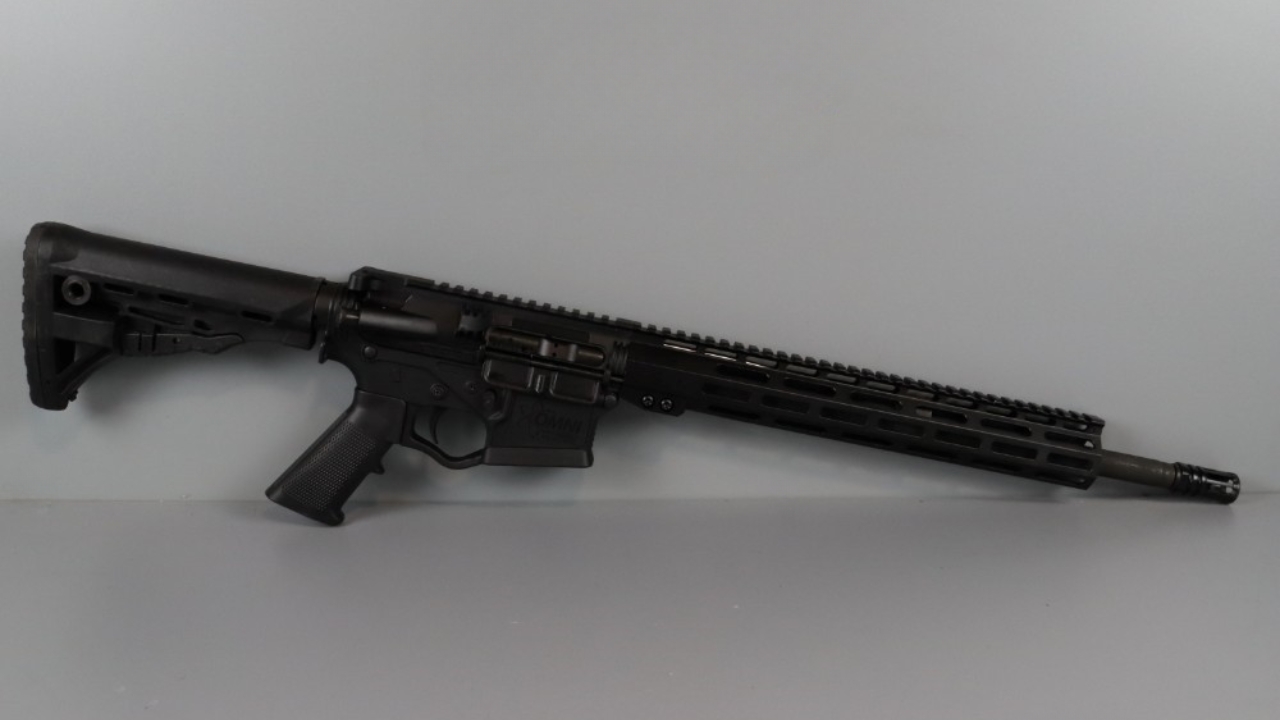
The ATI Omni Hybrid Maxx has a polymer lower that sounds great on paper—lightweight, affordable, corrosion-resistant. The reality? It flexes like a lawn chair under stress.
Receivers crack around the buffer tube after extended use, and the rear takedown pin holes tend to wallow out. You can feel the whole rifle twist under pressure, especially with anything more powerful than .223.
They’re cheap and flashy, but when things get warm or gritty, these rifles start coming undone faster than you’d expect. Most owners don’t want to talk about it.
Mossberg Blaze
The Mossberg Blaze is a featherweight .22, and that’s part of the problem. There’s not enough material in key places to keep it stable.
After some use, the receiver cover can shift, the magazine well loosens up, and you’ll find yourself chasing down plastic rattle points that weren’t there when it was new. The trigger housing also wears quickly.
It’s a backyard plinker, not a field gun. Treat it like a serious .22 and it’ll punish you. One season of hard use is about all most of these can take.
Remington 597
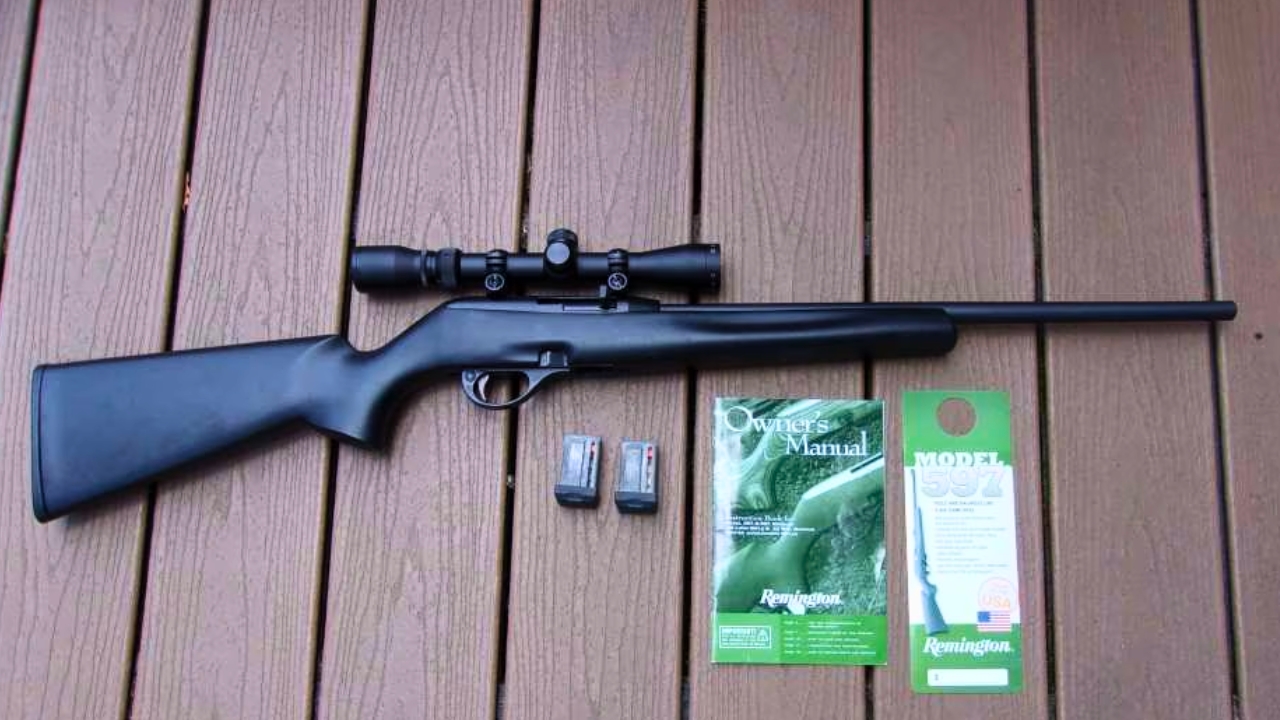
When the Remington 597 runs, it’s fine. But keeping it running is another story. The guide rods tend to back out, the extractor gets lazy, and the magazines are hit-or-miss.
Add to that a tendency for stock screws to loosen and optics to lose zero after a couple hundred rounds, and you’ve got a gun that needs babysitting.
Plenty of shooters have tried to make theirs work, but most end up moving on to something more consistent. Especially after one season of chasing misfeeds and malfunctions.
Winchester Wildcat
The Winchester Wildcat tries to be clever with its design—detachable lower, built-in tools—but all that modularity comes with a cost.
The takedown pins wear quickly, the bolt release feels loose after some use, and the synthetic stock doesn’t offer much in the way of rigidity. Internal rattle isn’t uncommon, and the charging handle assembly can shift if you’re not careful.
For the range, it’s a conversation piece. In the field, it shakes apart quicker than you’d like. You’ll hear folks praise it, but most haven’t carried one long.
Marlin XT-22

This one stings for Marlin fans, but the XT-22 had its flaws. The synthetic stock version, in particular, was a squeaky, loose-fitting affair that never really locked up right.
Action screws back out frequently, and some versions have known bolt slop issues that only get worse with time. Add in subpar triggers and soft metal around key stress points, and these rifles tend to get shelfed after their first real season.
If you’ve ever tried to sight one in after bouncing around on a four-wheeler, you know the struggle.
Savage Axis II (Original Stock)
The Savage Axis II can shoot well, but the factory stock is where things fall apart—literally. The plastic is too thin to hold up to much abuse, and after a season of use, you’ll often find cracked bedding areas or stripped screw holes.
That flex shows up in your groups, too. When you’re torquing action screws back in every few weeks and fighting to keep your scope zeroed, it stops being a “deal” real fast.
A stock swap can save it, but out of the box, it doesn’t hold up under hard use.
KelTec Sub2000
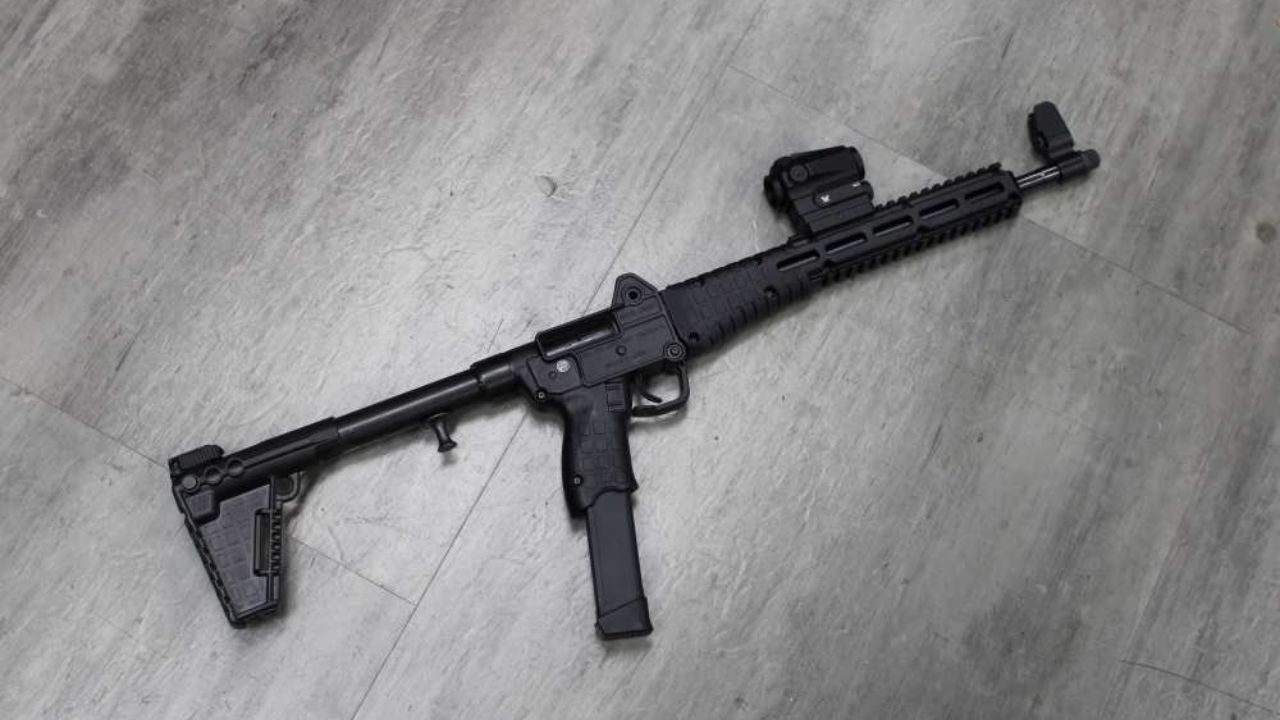
Folding rifles are handy, but the KelTec Sub2000 sacrifices a lot to stay compact. Over time, the hinge wears out, the pivot loosens, and the stock latch starts failing to engage cleanly.
Even with careful maintenance, the polymer frame and minimalist construction start to show wear after a few hundred rounds. Mag catch issues and sight misalignment aren’t uncommon either.
It’s a neat design, no doubt, but try running it hard for a season and see what holds up. Spoiler: not much. Most folks won’t admit it, but they’ve seen it firsthand.
Like The Avid Outdoorsman’s content? Be sure to follow us.
Here’s more from us:
The worst deer rifles money can buy
Sidearms That Belong in the Safe — Not Your Belt
*This article was developed with AI-powered tools and has been carefully reviewed by our editors.