Photo credit: Lauren Suryanata/Shutterstock.com
Ask ten herpetologists what the “most dangerous” snake is and you get ten answers, because there are two different questions hiding in there. One is “Which snake has the most potent venom in a lab?” The other is “Which snake actually kills or cripples the most people in real life?” The list below leans on that second question—real-world danger—while still respecting venom strength. It’s based on documented fatalities, bite frequency, how often they live near people, and how likely they are to stand their ground instead of sliding away.
1. Saw-scaled viper

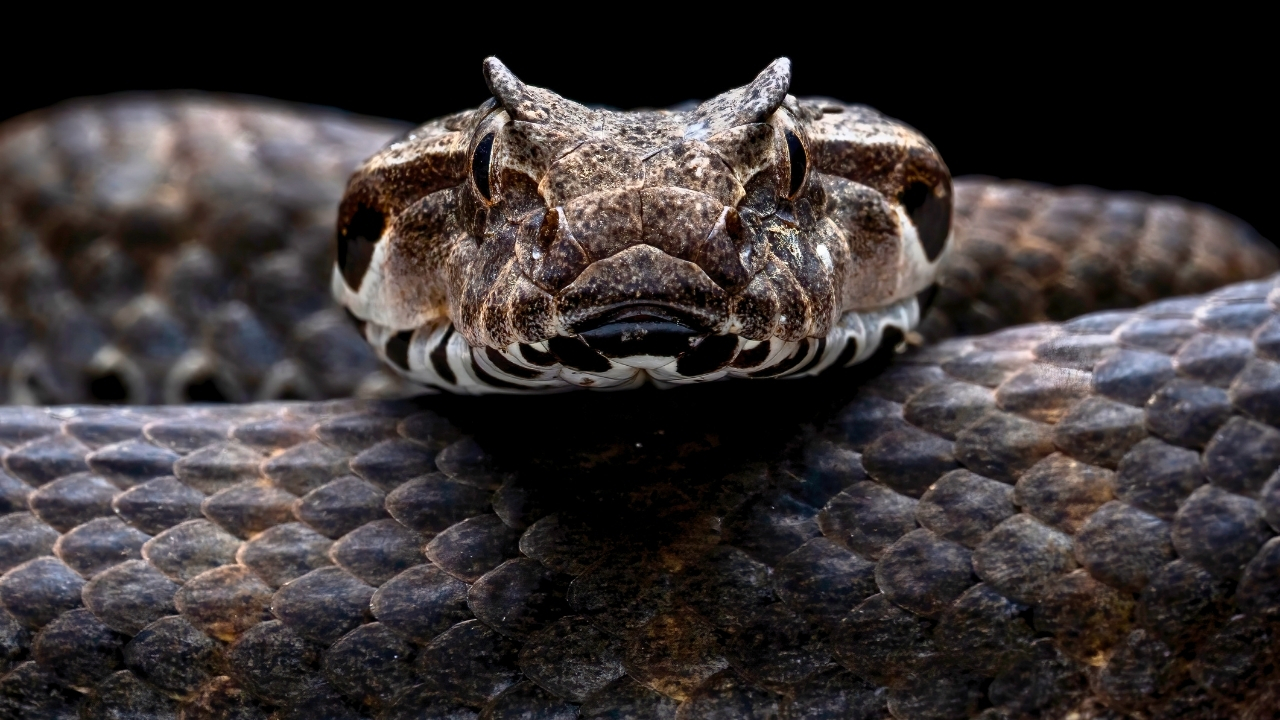
If you’re talking pure body count, the saw-scaled viper is usually the answer. This small, irritable snake lives across parts of Africa, the Middle East, and South Asia, right where a lot of people farm, walk, and sleep. The venom isn’t the most potent on Earth, but it doesn’t have to be when you’re biting thousands of people a year. Many victims are hours from a clinic and don’t have quick access to antivenom. Real-world danger here comes from a bad combination: camouflage, a nasty temper, night activity, and crowded villages where stepping on one barefoot is a very real possibility.
2. Russell’s viper

Russell’s viper is another snake that shows up over and over in fatality data, especially in India and surrounding countries. It’s one of the “Big Four” medically important snakes on the subcontinent, responsible for a huge share of serious bites and deaths each year. The venom doesn’t just cause pain—it can trigger massive internal bleeding, kidney failure, and long-term disability in survivors. These vipers like rodent-rich farmland, which puts them right where people harvest, stack grain, and sleep on the floor. When you crawl into a field or reach into a woodpile without looking, this is one of the snakes that might be waiting.
3. Indian cobra

The Indian cobra is a cultural icon, but in hard numbers it’s also one of the most dangerous snakes on Earth. It’s another member of the “Big Four” in India, tied to thousands of bites and widespread deaths every year, especially in rural areas. Unlike some shy species, cobras end up in houses, courtyards, and grain storage where they hunt rodents. The venom attacks the nervous system and can shut down breathing if antivenom doesn’t arrive in time. The real-world danger isn’t that they go looking for trouble—they don’t—it’s that they’ve adapted well to living alongside people who often walk barefoot and sleep close to the ground.
4. Common krait
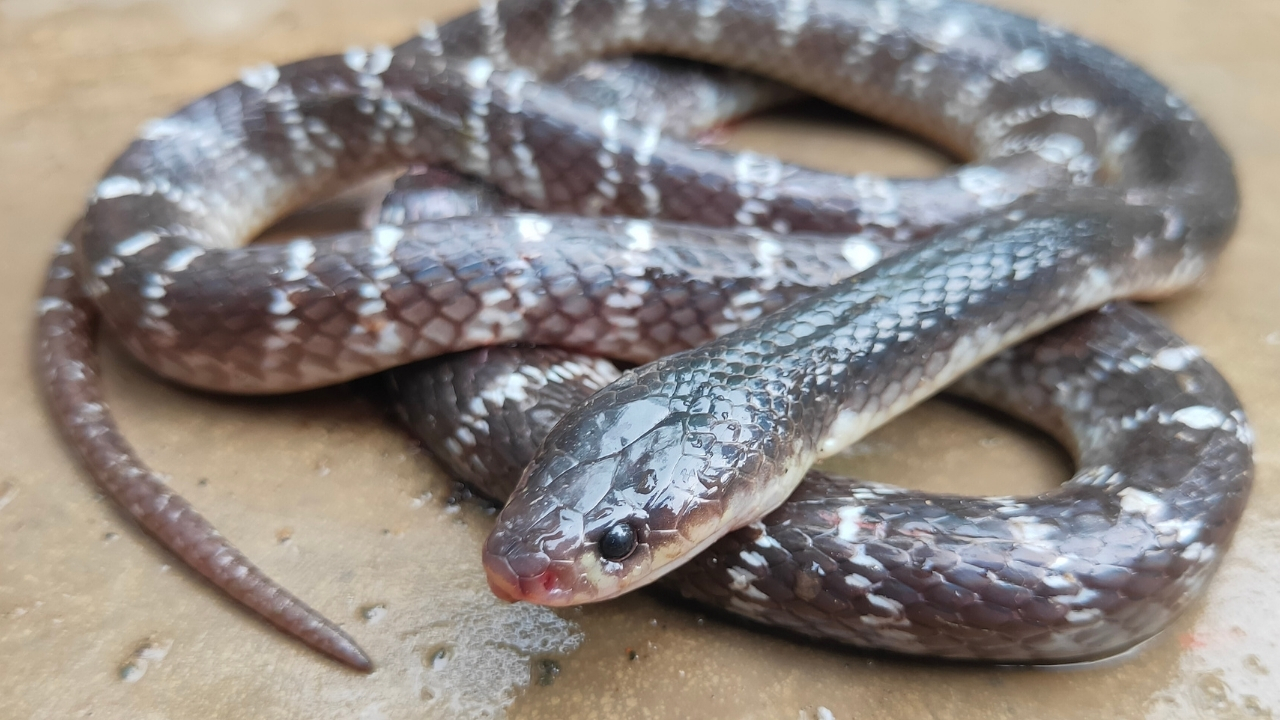
Common kraits are a nightmare because they’re quiet killers. Another “Big Four” snake, they’re responsible for a large chunk of fatal bites in India even though they don’t look as menacing as a cobra. Kraits often bite at night, sometimes when people are asleep on floor mats, and their venom is heavily neurotoxic. Early symptoms can be subtle—mild pain, maybe some weakness—and by the time paralysis shows up, it can be too late to make it to a hospital. The snake’s habits and timing are what make it dangerous. You never see it, you barely feel the bite, and hours later you can’t breathe.
5. Inland taipan

On paper, the inland taipan is the most venomous snake in the world. Lab tests show its venom is potent enough that a single untreated bite could kill dozens of people. In practice, though, it lives in extremely remote parts of Australia and almost never encounters anyone. That’s the only thing keeping it off the true “deadliest in practice” throne. Still, if you’re talking real-world risk for the handful of people working or exploring where it lives, this snake is in a league of its own. A bite far from medical care is about as serious an emergency as you can have in the bush.
6. Black mamba
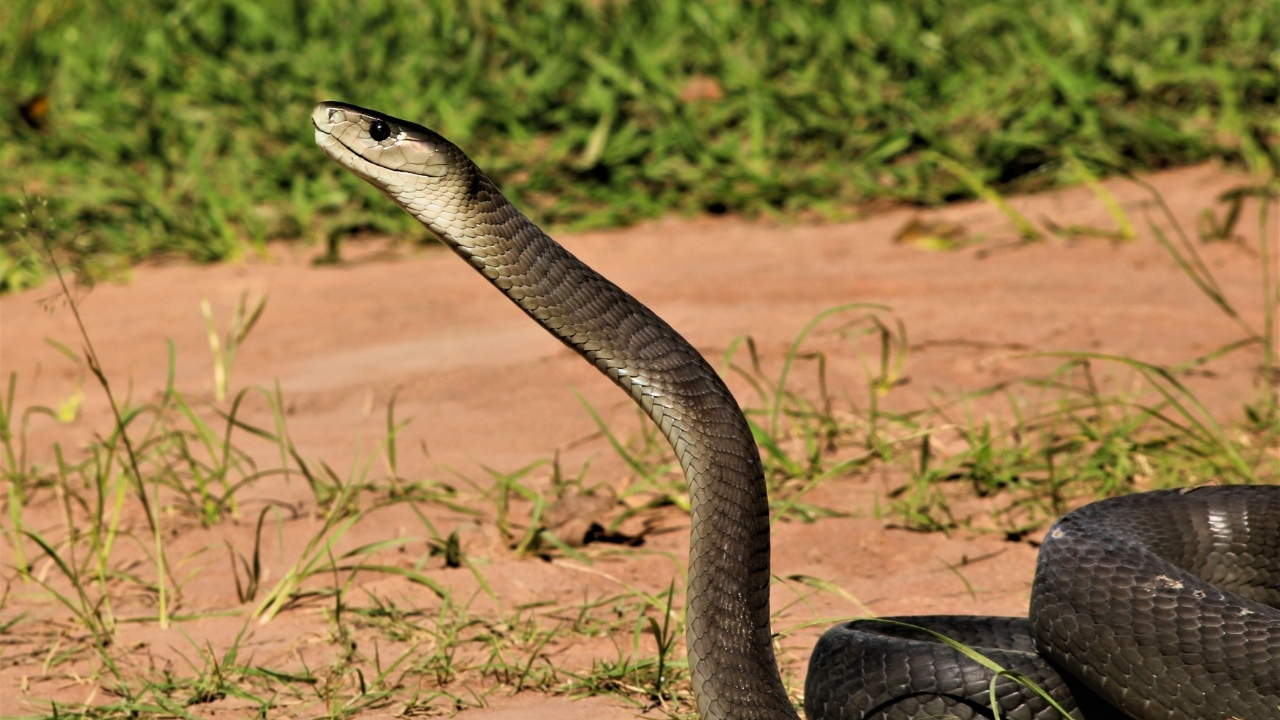
Black mambas are fast, alert, and willing to stand their ground if they feel cornered. Their venom is strongly neurotoxic, and without antivenom, many bites used to be essentially a death sentence. They don’t go out of their way to chase people, but in village and farm settings, folks can surprise them in huts, rock piles, or brushy paths. A black mamba can deliver multiple rapid bites in one encounter, which means a huge venom dose before you even know what happened. Modern treatment has improved survival, but in remote parts of sub-Saharan Africa, access to that care is still the weak link.
7. Coastal taipan

The coastal taipan shares a lot of traits with its inland cousin: extremely powerful venom and a nervous, defensive attitude. It lives along coastal Australia and parts of New Guinea, closer to human populations than the inland species, which drives its real-world danger rating higher. Bites can disrupt blood clotting and hammer the nervous system at the same time, and the snake’s long fangs deliver a big dose in one strike. Farmers and field workers are at particular risk because these snakes like rodent-rich edges—exactly where you might be clearing brush, picking crops, or stepping over windrows without seeing what’s under your boot.
8. Fer-de-lance (terciopelo)

The fer-de-lance—or terciopelo—is infamous in Central and South America for a reason. It blends in perfectly on the forest floor, likes to hunt near edges and plantations, and reacts aggressively when surprised. Its venom attacks tissue and the blood, leading to massive swelling, bleeding, and sometimes limb-threatening damage even when victims survive. Farmers, loggers, and hunters make up a big share of the bite cases because they’re moving through the same cover at the same hours. Step over a log in the dark without looking, and this is one of the snakes most likely to be on the other side.
9. Eastern brown snake

In Australia, the eastern brown snake is considered one of the most dangerous species because it lives where people are: farms, suburbs, and even open city edges. The venom is strongly neurotoxic with clotting effects, and bites can turn life-threatening in a hurry. Brown snakes are fast and keyed-up, so if you corner one or accidentally step too close, you may get a lightning-quick strike. People mowing, gardening, or moving rubbish piles around sheds are common victims. As with many dangerous snakes, it’s not that the species is hunting humans—it’s that it thrives in the same disturbed, rodent-rich habitats we create.
10. Puff adder

The puff adder is responsible for a lot of serious bites across Africa because it relies on camouflage rather than speed. It tends to sit still and let you come to it, which means a lot of people end up stepping right on or next to one. The venom is strongly cytotoxic, destroying tissue and sometimes leading to amputations for survivors. Fatalities are common where medical care is delayed. Add in the snake’s wide distribution—from savanna to farmland—and you’ve got an animal that doesn’t need to be the “most venomous” to rank high in real-world danger. It wins on exposure and the way people move through its habitat.
11. King cobra

King cobras earn their respect the moment you see one. They’re the world’s longest venomous snake and can lift a big chunk of their body off the ground when they stand up in defense. Their venom volume is huge; a serious bite can dump enough toxin to kill a large animal, and there are stories of elephants dropping after bad encounters. In practice, kings tend to avoid people and mostly eat other snakes, but they do cross paths with herpers, forest workers, and rural residents. When they do decide to defend themselves, the combination of reach, speed, and venom yield makes mistakes unforgiving.
12. Many-banded krait

The many-banded krait looks almost pretty with its bold black-and-white stripes, but it carries a serious neurotoxic punch. It lives in parts of East and Southeast Asia, often near rice paddies and waterways where people work and travel. Like other kraits, it tends to bite at night and can leave only a small wound that’s easy to miss. The venom interferes with nerve signals that control muscles, including the diaphragm. Victims may feel fine for hours before weakness sets in, and by then they can be far from help. It’s a snake that kills by delay and distance, not drama at the bite site.
13. Tiger snake

Tiger snakes are one of Australia’s heavyweight venomous species, commonly found near water, wetlands, and coastal areas. Their venom is a rough mix of neurotoxic and systemic effects that can shut down muscles and cause organ damage if treatment is slow. People encounter them while fishing, hiking along rivers, or working irrigation areas where rodents are plentiful. Tiger snakes can be defensive when disturbed, and their banded pattern doesn’t always stand out in grass or reeds. In terms of real-world risk, they’re a big reason you watch every step and don’t shove your hands into holes or under rocks in southern Australia without a look.
14. Death adder

Death adders are ambush predators that like to bury themselves in leaf litter and wait for prey to wander by. That hunting style is exactly what makes them dangerous to people: you often don’t see them until you’re within striking distance. Their venom is strongly neurotoxic, and untreated bites used to carry a high fatality rate before modern antivenom. Because death adders don’t move off quickly like some other snakes, they’re more likely to be stepped on or sat near. Hikers, woodcutters, and soldiers training in bush environments have all learned the hard way that “still and hidden” can be more dangerous than “fast and obvious.”
15. Boomslang

The boomslang is rear-fanged, which tricks some people into thinking it’s safer. That’s wrong. Its venom targets the blood clotting system and can cause catastrophic internal bleeding if a serious dose is delivered and not treated. Bites are rare because the snake is generally shy and arboreal, but when they happen, they’re bad. One famous herpetologist actually died after a boomslang bite he didn’t take seriously enough. Real-world danger here is more about who is exposed—field biologists, snake handlers, and rural residents—than about bite numbers, but the severity keeps it on the list. When this snake does get its teeth into you, the clock is ticking.
16. Mojave rattlesnake

In North America, the Mojave rattler has a reputation that’s well earned. Its venom can be a nasty mix of neurotoxic and hemotoxic components, depending on the region, and bites can cause breathing problems along with the usual swelling and pain. Mojaves live in desert and scrub country where people hike, run ATVs, and work ranch land. They don’t always rattle in time to give you a heads-up, and a lot of bites happen when somebody tries to move or kill one. In the U.S., we’re lucky to have good medical care, but out on remote dirt roads, the gap between bite and antivenom is still the weak link.
17. Eastern diamondback rattlesnake

The eastern diamondback is the heavyweight of North American pit vipers, with a big body and a venom yield to match. Fatalities from rattlesnake bites in the U.S. are rare, but when deaths do happen, diamondbacks are often involved because of the sheer dose they can deliver. They live in the Southeast in pine flatwoods, palmetto thickets, and coastal areas where hunters, loggers, and rural landowners walk. This snake generally doesn’t chase people, but if you crowd it or step close, the strike range surprises a lot of folks. The danger comes from that combination of size, camouflage, and the fact that people don’t always get help quickly in the backcountry.
18. Western diamondback rattlesnake

Western diamondbacks rack up a big share of rattlesnake bites in the Southwest because they’re widespread, adaptable, and comfortable around human edges—barns, rock piles, junkyards, and pasture edges. The venom is mostly hemotoxic, causing tissue damage and blood issues, and most people survive with treatment. But “most” isn’t “all,” and the severity of some bites still makes this species a serious threat. Ranch hands, hikers, and people cleaning up old properties are frequent victims. A lot of Western diamondback bites come down to complacency: folks assume every rattler will rattle loudly and give them time, then find out this one didn’t.
19. Philippine cobra

The Philippine cobra is a spitting species that pushes danger in a different direction. Its venom is heavily neurotoxic, and it can project that venom accurately toward the eyes of a threat from several feet away. In rural parts of the Philippines, people run into these snakes in rice fields, near irrigation ditches, and around villages where rodents are active. Eye exposure can cause severe pain and potential vision issues, and a full bite can shut down breathing without fast care. Real-world danger is amplified by distance to clinics and the fact that many encounters happen when people are working, tired, and not watching every patch of grass.
20. Cottonmouth (water moccasin)

Cottonmouths are nowhere near the top of global kill lists, but in the Southeastern U.S. they cause enough serious bites to earn respect. They live exactly where people like to fish, wade, and paddle—slow creeks, ponds, and swamp edges. Their venom destroys tissue and can lead to long recoveries and, in bad cases, permanent damage if treatment is delayed. A lot of cottonmouth incidents happen when somebody thinks they’re dealing with a harmless water snake and decides to pick it up or shoo it off with a boot. The danger isn’t that they’re hunting people—it’s that people misidentify them and treat them like a joke until it’s too late.
Like The Avid Outdoorsman’s content? Subscribe to our newsletter so you never miss an article.
Here’s more from us: