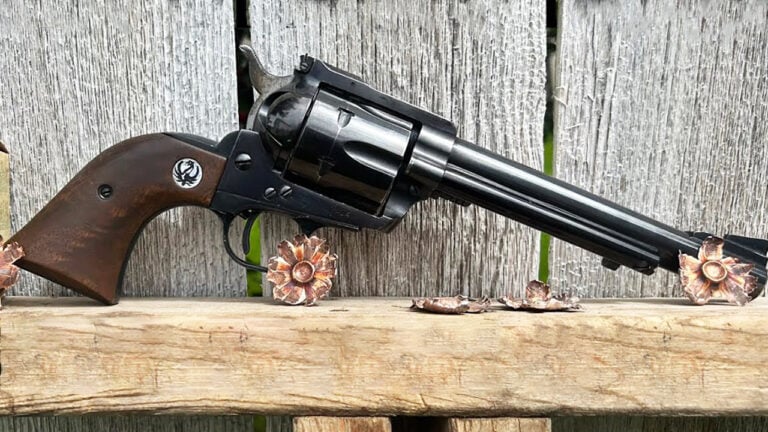
Photo credit: czusafirearms/YouTube
A pistol that “feeds anything” isn’t a myth, but it also isn’t luck. The guns that keep running across different bullet shapes usually share a few traits: a forgiving feed angle, magazines that present rounds consistently, and extraction/ejection that doesn’t get weird when the gun is hot, dry, or a little dirty. Most “ammo picky” stories trace back to weak mags, tired springs, sketchy reloads, or a pistol that was never designed to like wide-mouth hollow points or flat-nose loads.
You’ll still do yourself a favor by sticking with factory magazines, replacing recoil springs on schedule, and not trusting mystery ammo from a coffee can. But if you want pistols that have earned a reputation for eating a mixed diet without turning range day into troubleshooting, these are solid bets. Different platforms, different eras, same goal: load it and shoot.
SIG Sauer P365

Micro-compacts are usually the pickiest pistols on the rack, so the P365 stands out because it often runs better than it has any right to for its size. With quality factory mags and decent ammo, it tends to feed common hollow points and round-nose ball without a lot of complaints.
The key with small guns is giving them a real grip and not babying the slide. A weak grip can make any micro pistol look ammo sensitive. The P365’s design and magazine setup generally help it avoid the classic “short-slide” feeding headaches, and many shooters find it stays dependable even after a lot of carry time. It’s still a small pistol, so you keep up with springs and you don’t expect miracles from the worst ammo on earth. But for a micro that usually eats a mixed diet, the P365 has earned its reputation.
Ruger GP100 Match Champion (.357 Magnum)

A revolver might feel like a cheat in a “feeds anything” conversation, but there’s a reason wheel guns get recommended to people who want fewer variables. The GP100 will run light .38 Specials, full-power .357s, and a whole range of bullet profiles without caring about feed ramps, magazine springs, or slide speed.
What you’re trading is reload speed and capacity for pure mechanical tolerance of ammo variety. If you want a sidearm that can digest weird bullet shapes, mixed loads, and even some less-than-perfect ammo without turning into a jam drill, a GP100 is hard to beat. You still need to watch for high primers and you still need to keep it clean under the extractor star, but that’s a different kind of maintenance. For “it always goes bang with whatever you’ve got,” this one belongs on the list.
Ruger SP101 (.357 Magnum)
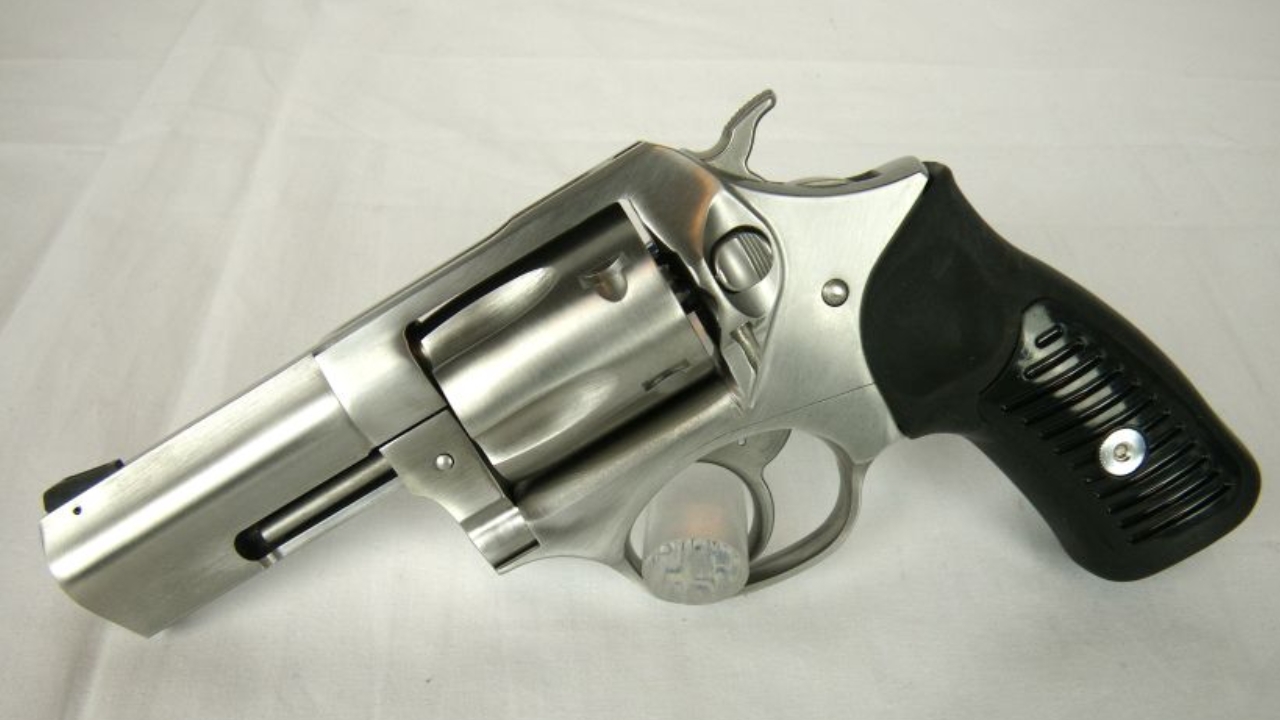
The SP101 is another revolver that doesn’t care about bullet profile or hollow point shape because it doesn’t feed from a magazine. It’s compact enough to carry, tough enough to shoot often, and it happily runs .38 Specials for practice or stout .357 loads when you want more bite.
This is the kind of gun that’s honest. It won’t hide bad ammo with a perfect cycle because there is no cycle, but it also won’t punish you for using flat-nose, wadcutters, or oddball defense loads. For people who want a compact sidearm that doesn’t get temperamental about what’s in the cylinder, the SP101 keeps earning trust. Keep the chambers clean, keep an eye on small parts like the ejector rod, and it will keep doing its job. If your definition of “feeds anything” is “fires anything,” a revolver like this is the cleanest answer.
Beretta PX4 Storm

The PX4 Storm is one of those pistols that quietly earns fans because it just runs. It’s built as a service gun, and it tends to feed a broad range of ammo without much fuss. The design has been around long enough that most of the quirks are well understood, and the gun’s overall reliability record is strong.
A big part of the PX4’s appeal is how controllable it can be during fast shooting. When a pistol tracks well and stays consistent, you get fewer shooter-induced problems that get blamed on ammo. With quality magazines, the PX4 usually handles ball and common hollow points without drama. It’s not the newest trend on the shelf, but that’s fine. If you want a duty-capable pistol that doesn’t act picky about what you stuff into the mags, the PX4 is a smart, practical choice that keeps proving itself.
Beretta APX A1

The APX A1 doesn’t get as much hype as some other striker guns, but it tends to run reliably with a broad range of 9mm loads. It was designed with duty use in mind, and that usually shows up as forgiving feeding and steady extraction—two things you want when you’re mixing ammo types.
Where it helps you is in day-to-day practicality. It’s easy to maintain, it’s built to tolerate normal neglect, and it typically doesn’t demand special ammo to stay happy. Like any striker pistol, magazines matter more than most people want to admit. Keep factory mags in good shape and the APX A1 is often boringly dependable. If you’re the shooter who buys ammo based on what’s available and affordable, a pistol like this is valuable. It’s not trying to be fancy. It’s trying to run, and it generally does.
FN 509

The FN 509 was built around service and duty expectations, and it tends to behave like it. With good magazines, it usually feeds a wide range of bullet shapes, including many modern hollow points that can make older designs stumble. The gun cycles with authority, which helps it stay out of that “almost” zone where feeding issues show up.
It’s also a pistol people run hard in training, and that’s where reputations get earned. If a pistol is going to be ammo sensitive, you’ll usually find out when it’s dirty, hot, and being shot fast. The 509 tends to hold together under those conditions. You still do your part—keep springs fresh, don’t use questionable mags, and don’t expect perfection from the worst reloads on earth. But if you want a modern duty pistol that generally eats what you give it, the 509 is a strong contender.
FNX-45

Big-bore pistols can get finicky with certain hollow points, especially when you start mixing bullet profiles. The FNX-45 has a reputation for being a solid feeder in .45 ACP, and it’s one of the few .45s that many shooters trust to run a wide variety of defensive loads without constant tweaking.
Part of that comes from the platform being built for duty-style reliability, not match tightness. It’s not a tiny pistol, but that size helps with consistent cycling, especially when you’re shooting fast. The magazines are also a big deal in .45, and using good factory mags tends to keep the FNX in the “boring” category. If you want a .45 that you can load with different bullet shapes and not feel like you’re gambling, the FNX-45 is one that gets recommended by people who actually shoot their pistols a lot.
Springfield XD(M) Elite

The XD(M) line has been around long enough to earn a real-world reputation, and many shooters find the XD(M) Elite feeds reliably with a wide spread of ammo. It’s a service-style pistol, not a boutique range toy, and that usually shows up as forgiving behavior when you swap between practice ball and carry hollow points.
The practical upside is that these pistols tend to run without needing special attention. Keep the gun lubricated, use quality mags, and it will usually keep moving. The XD(M) isn’t the trendiest pick, but that can be a good thing. When a pistol becomes common in the hands of everyday shooters, its strengths and weaknesses become obvious fast. The XD(M) Elite keeps getting carried and trained with because, for a lot of people, it’s dependable across the normal range of 9mm and .45 ACP ammo you’ll actually encounter.
Springfield Echelon

The Echelon is a newer design, but it was built to compete in the duty-ready category, and it has shown strong reliability with common ammo types. The feed behavior tends to be consistent with both ball and modern defensive loads, which is what most shooters care about in real life.
A pistol doesn’t need to be exotic to be dependable—it needs to be engineered around practical tolerances and good magazines. The Echelon is very much in that lane. It also shoots flat enough that you can run it hard without feeling like the gun is fighting you, which reduces the “it jammed so it must hate this ammo” stories that are really grip or control issues. Keep it in factory form, use factory mags, and you’ve got a modern pistol that’s aimed at reliability first. For mixed ammo training days, that matters.
Ruger SR9
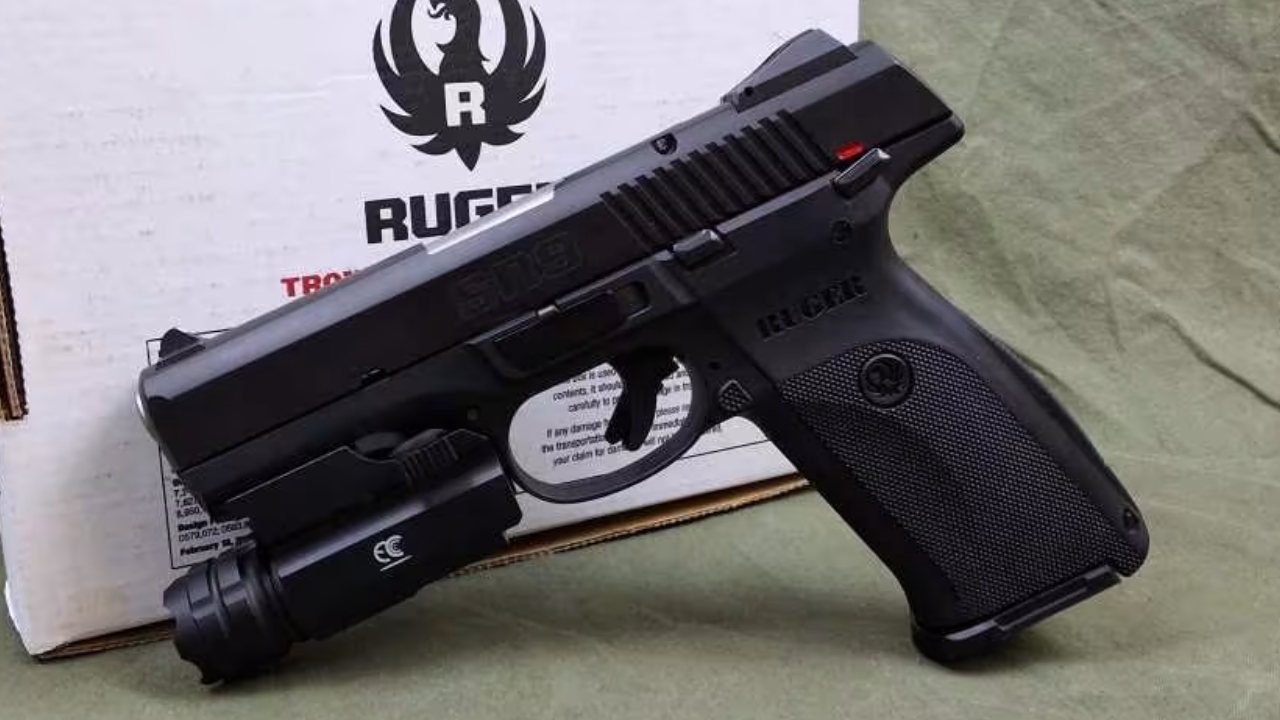
The Ruger SR9 is an older striker pistol that earned a decent reputation for reliability in normal use. Many owners report it feeds a variety of 9mm loads without much drama, especially when it’s paired with good magazines and kept reasonably maintained.
What keeps it relevant is that it’s a straightforward pistol that doesn’t try to be overly tight. That tends to help when you’re shooting bulk ball, different grain weights, and common hollow points. Like any platform that’s been around a while, condition matters—worn mags or neglected springs can make it look worse than it is. But a healthy SR9 tends to be an honest runner. If you’re the shooter who has one in the safe and wonders if it still holds up, the answer is usually yes: it will eat most normal 9mm ammo and keep going.
Ruger Security-9

The Security-9 is meant to be affordable and practical, and part of being practical is feeding reliably with common ammo. In normal range use, it tends to run ball and typical defensive hollow points without acting like a diva. It’s not built as a match pistol, and that’s a plus for feeding tolerance.
The key is keeping expectations real. You don’t judge any pistol by what it does with sketchy reloads or damaged ammo, and you don’t handicap it with bargain-bin magazines. With factory mags and decent ammo, the Security-9 is often boring in the right way. It’s also light enough that shooter technique matters—poor grip can create problems that aren’t the gun’s fault. But if you want a budget-friendly pistol that generally eats what you feed it, this is one that keeps showing up in range bags because it simply runs.
CZ P-09
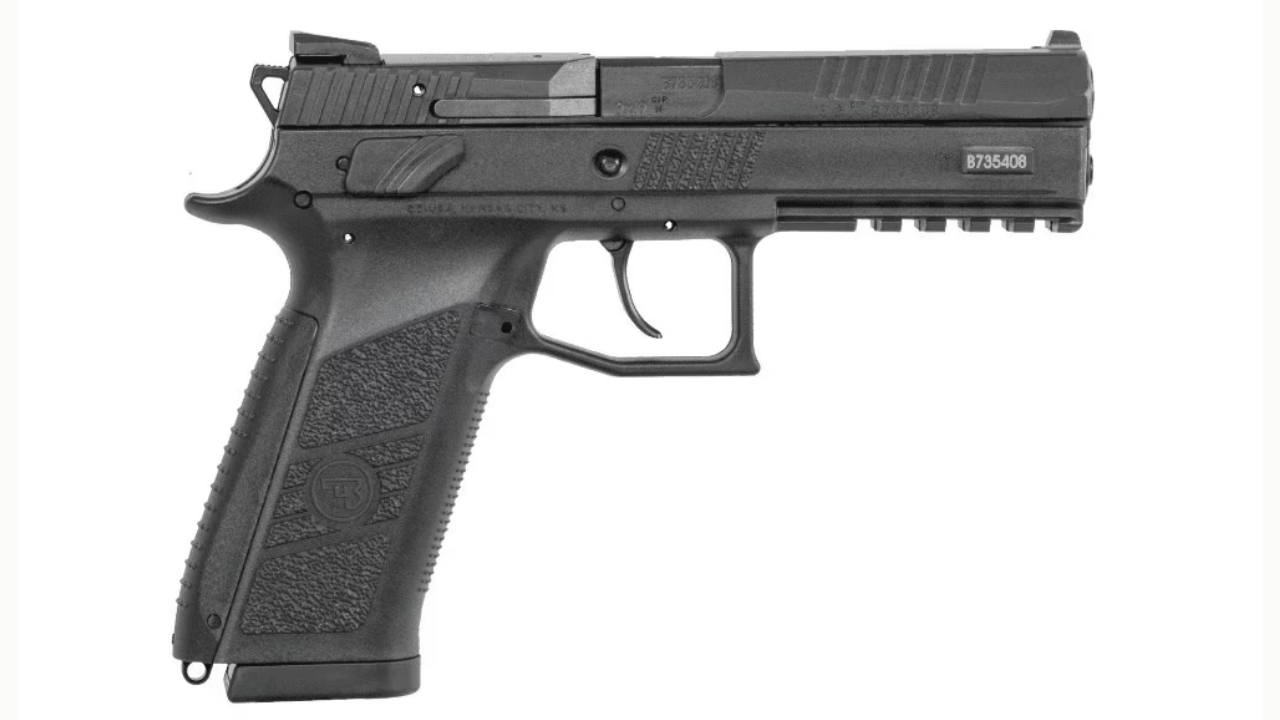
The CZ P-09 is a big, duty-style DA/SA pistol that often feeds reliably across a broad range of ammo. Its size and slide mass help it cycle smoothly, which can make it more forgiving when you’re mixing light range loads with hotter defensive loads. It’s the kind of gun that doesn’t feel like it’s running on fumes.
The P-09 also has a reputation for being easy to shoot fast and keep on target, and that helps with reliability in practice because you’re less likely to induce malfunctions through poor control. With good magazines, it typically handles ball and common hollow points without turning into a troubleshooting session. It’s not a tiny carry gun, but as a “train hard, shoot a lot” pistol, it’s a strong option. If you want a service pistol that eats a mixed diet and stays predictable, the P-09 makes sense.
Steyr M9-A2

Steyr pistols don’t get talked about as much as the big mainstream names, but the M9 series has a reputation for solid function when it’s set up correctly. The feed geometry and cycling behavior tend to be consistent with common 9mm loads, and many owners report they run well with both ball and defensive hollow points.
The M9-A2 also tends to be a very shootable pistol. When a gun sits well in the hand and tracks smoothly, you get fewer false “ammo picky” complaints that are really shooter issues. The real-world advice stays the same: use good magazines, keep it lubricated, and don’t expect miracles from junk ammo. But if you want a pistol that often surprises people with how well it runs, the Steyr belongs in the conversation. It’s a practical, duty-minded design that generally does what you ask.
Canik TP9SF

Canik built a reputation by offering shootable pistols that often run reliably with common ammo types. The TP9SF is one of the more established models, and many shooters find it feeds a wide range of 9mm ball and modern hollow points without constant tinkering.
The reason it works for “mixed ammo” range days is that it tends to cycle consistently and doesn’t require boutique ammo to behave. As always, magazines are the heartbeat of reliability, so sticking to factory mags is a smart move. The TP9SF also encourages practice because it’s comfortable to shoot, and that’s where dependable guns prove themselves. If you’re putting random range ammo through the gun week after week, a pistol that stays predictable is worth more than a fancy name. The TP9SF often earns that spot for people who just want to shoot.
Canik Mete SFT

The Mete SFT is another Canik that’s built for real shooting, not safe-queen life. In practical use, it tends to feed common 9mm ammo profiles well, including the kinds of hollow points that people actually carry. It’s a duty-sized pistol that cycles with enough authority to stay consistent across different loads.
It also helps that the Mete line is easy to run fast. A pistol that feels stable and controllable reduces the shooter-driven problems that get blamed on ammo. Keep the gun reasonably clean, stick with good mags, and you can usually bounce between bulk ball and defensive loads without drama. The Mete SFT isn’t magic, and it won’t fix a bad mag or damaged ammo, but it’s one of those modern pistols that often behaves like a reliable appliance. Load it, shoot it, repeat.
1911 in 9mm with modern magazines

A classic .45 1911 can be ammo sensitive depending on tuning, but a well-made 9mm 1911 with quality modern magazines can be surprisingly forgiving. The lighter recoil impulse and the right magazine geometry often help 9mm 1911s feed a wider variety of ammo than people expect—especially when the gun is built by a reputable maker and kept in spec.
The honest caveat is that the 1911 ecosystem is broad. A good 9mm 1911 runs great. A poorly set up one can be temperamental. If you stay with proven magazines, avoid bargain parts, and keep springs fresh, you can end up with a pistol that runs ball and common hollow points with very little drama. This entry is here because it’s true: when you do it right, 9mm in a quality 1911 can be remarkably reliable. When you do it wrong, you’ll learn why mags and tuning matter.
Like The Avid Outdoorsman’s content? Subscribe to our newsletter so you never miss an article.
Here’s more from us: