Photo credit: TFB TV/Youtube
Some guns feel promising at first. They look right, the price makes sense, the first few range trips go fine, and the owner starts thinking they found a keeper. Then time passes. Parts wear faster than expected, customer-service windows close, repair costs stop making sense, and the gun starts feeling less like a trusted tool and more like a problem waiting for the next malfunction.
A good warranty can give buyers confidence, but it should not be the main reason a firearm survives ownership. These guns looked like keepers early on, then made owners a lot more cautious once long-term confidence mattered.
Kimber Solo
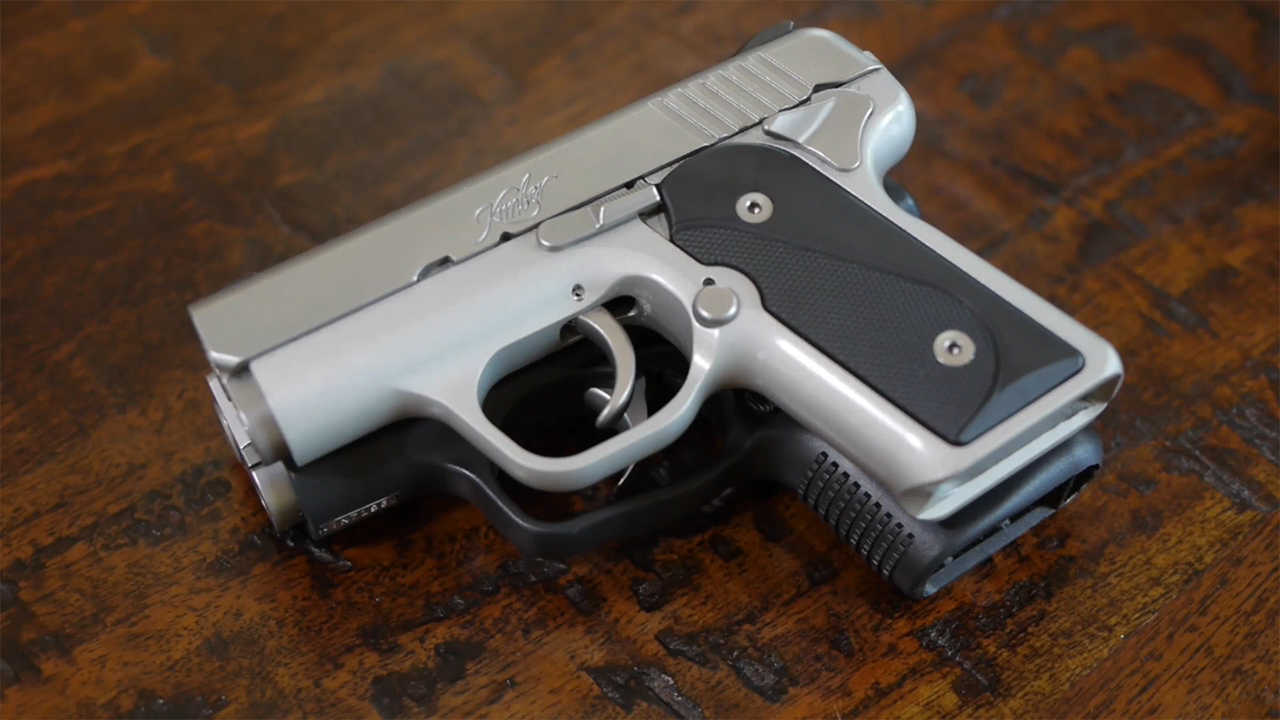
The Kimber Solo looked like it had keeper potential when it first showed up. It was sleek, compact, metal-framed, and more refined-looking than many tiny carry pistols of its era. A small 9mm with classy lines and Kimber branding sounded like exactly the kind of gun an owner might carry for years.
The longer people lived with it, the more complicated that idea became. Ammunition sensitivity, grip sensitivity, and reliability complaints followed the Solo hard enough that confidence took a hit. Some examples ran well, but too many owners had to test loads and explain quirks. A defensive pistol needs to be trusted long after the purchase excitement fades. Once warranty support or factory patience stops being part of the conversation, a picky carry gun starts feeling like a risk.
Remington R51
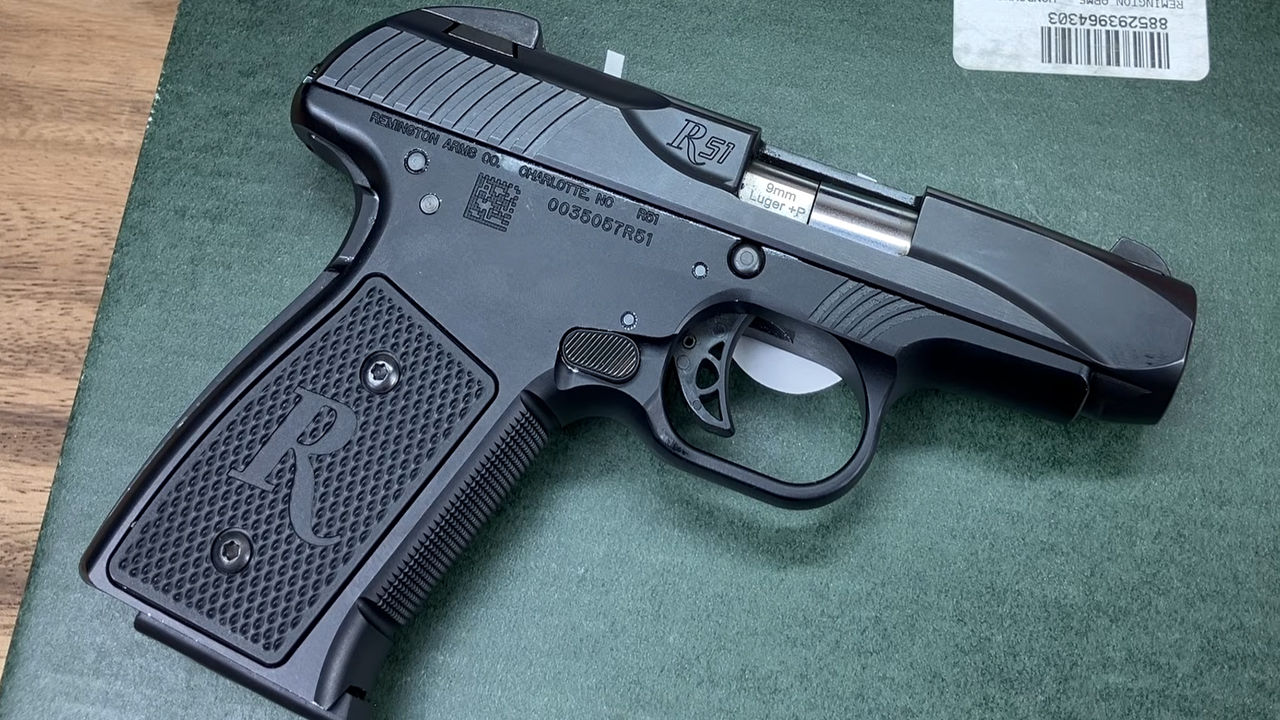
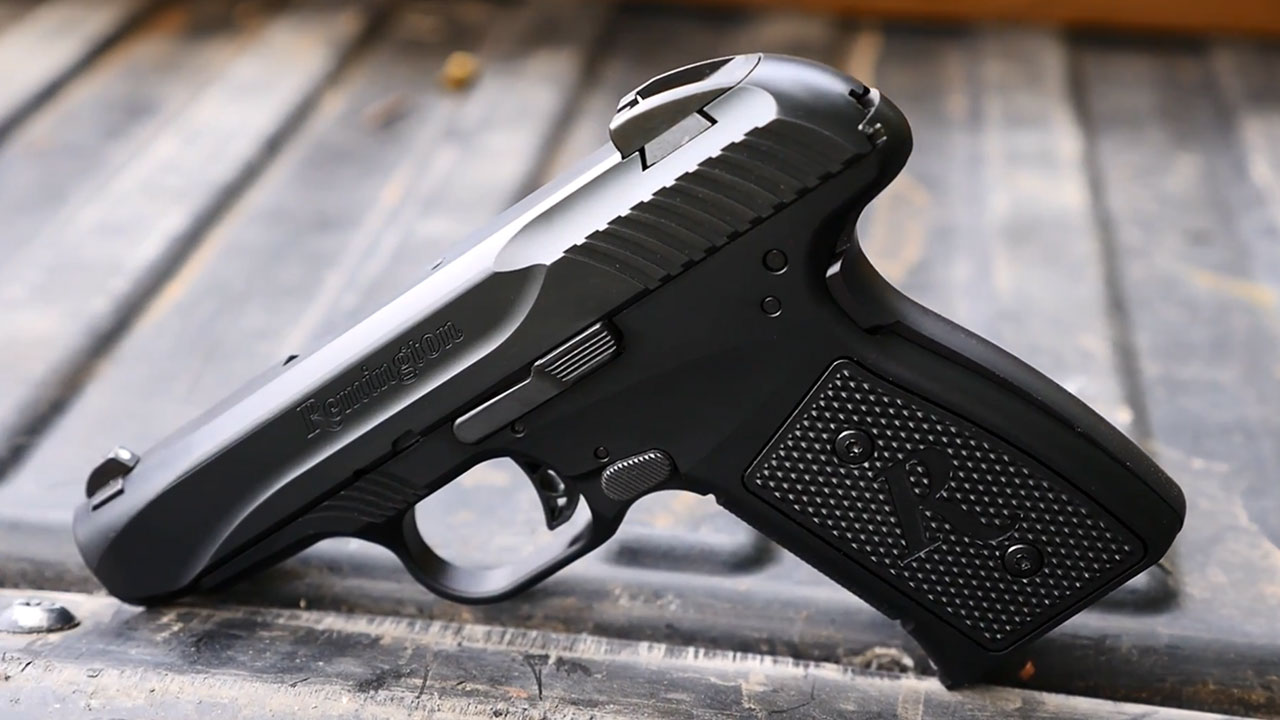
The Remington R51 had plenty of people hoping it would become a long-term carry favorite. The slim grip, low bore axis, and unusual operating system made it stand out in a market full of pistols that all seemed to copy each other. It looked like Remington had taken a real swing at something different.
Then the early problems showed up. Feeding issues, extraction complaints, rough function, and the recall damaged the pistol’s reputation almost immediately. Remington’s later relaunch could not fully undo the trust problem. A carry gun has to become more boring the longer you own it, not more questionable. Once the warranty conversation starts mattering more than range confidence, the “keeper” label gets hard to defend.
Remington 770
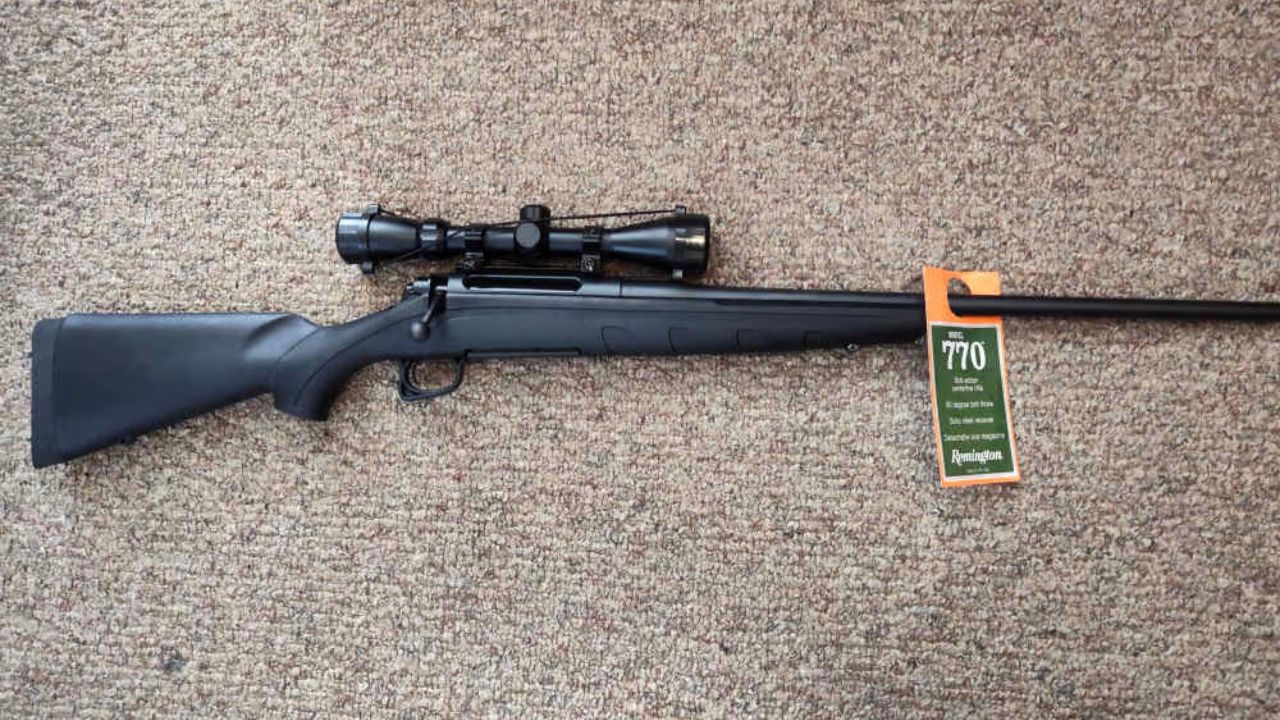
The Remington 770 looked like a practical keeper to budget-minded deer hunters. It came as a scoped package, wore the Remington name, and offered a low-cost path into centerfire hunting. For someone buying a first rifle or setting up a backup gun, that sounded reasonable enough.
The problem was how the rifle aged in the owner’s hands. Rough bolts, cheap-feeling stocks, and an overall lack of refinement made many hunters wish they had bought something with better bones. Some 770s shot well enough to hunt, and that matters, but long-term pride of ownership was often missing. A rifle can survive a few seasons and still feel like something you’d rather replace than repair.
SIG Sauer Mosquito

The SIG Mosquito looked like a keeper because the concept made so much sense. A .22 LR pistol with SIG styling should have been a great training gun, range pistol, and cheap-practice companion. It had the kind of role that should keep a pistol useful for decades.
Too many owners found themselves fighting the gun instead of enjoying it. Ammunition sensitivity and reliability complaints followed the Mosquito for years. Rimfire pistols can always be picky, but a good .22 should make practice easier, not turn every range trip into a troubleshooting session. Once the owner gets tired of experimenting with loads and springs, the pistol stops feeling like a keeper and starts feeling like a project.
Taurus Curve
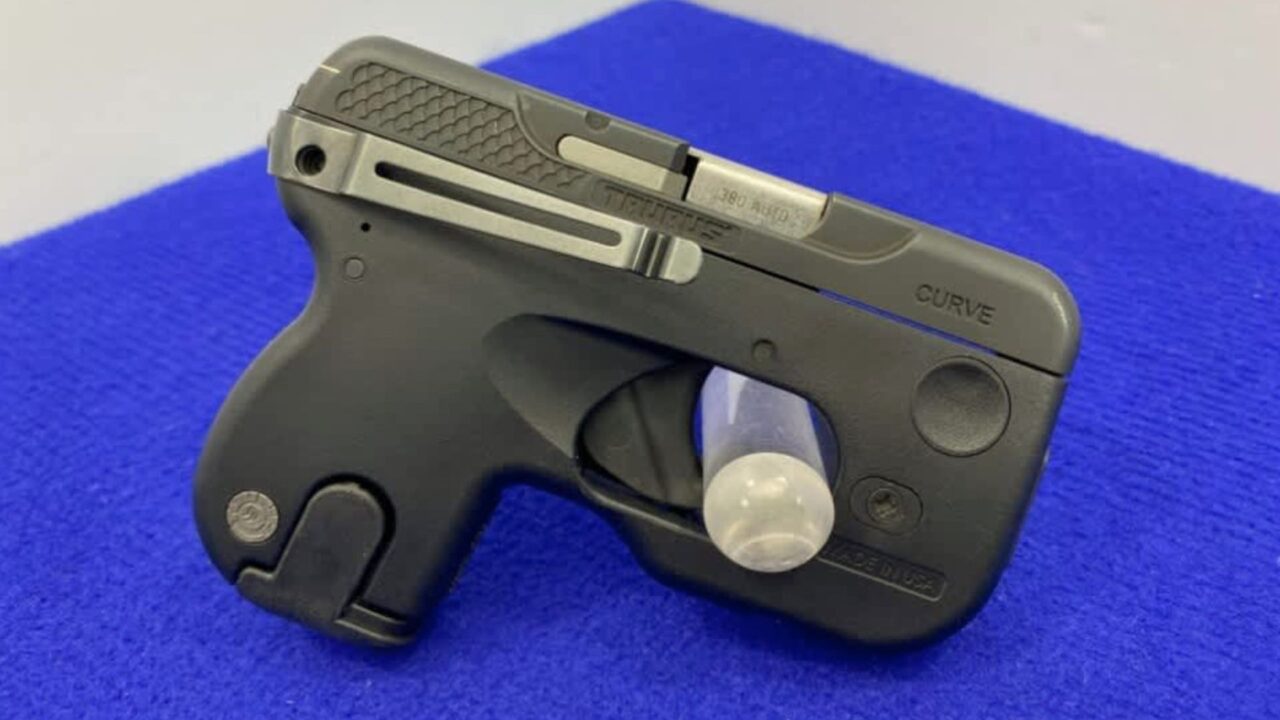
The Taurus Curve looked interesting enough to make some buyers think it might become a dedicated deep-concealment pistol. The curved frame, snag-free shape, and built-in light and laser on certain versions made it feel like a complete carry idea rather than another small .380 copy.
Long-term confidence was the issue. The odd grip shape, limited sighting setup, and awkward shooting feel made it hard for many owners to train with seriously. A carry pistol can’t survive on concealment alone. It has to be something the owner can draw, aim, and shoot with confidence. Once the novelty wears off and the gun has to earn its spot without clever marketing, the Curve’s limitations become hard to ignore.
Remington 887 Nitro Mag
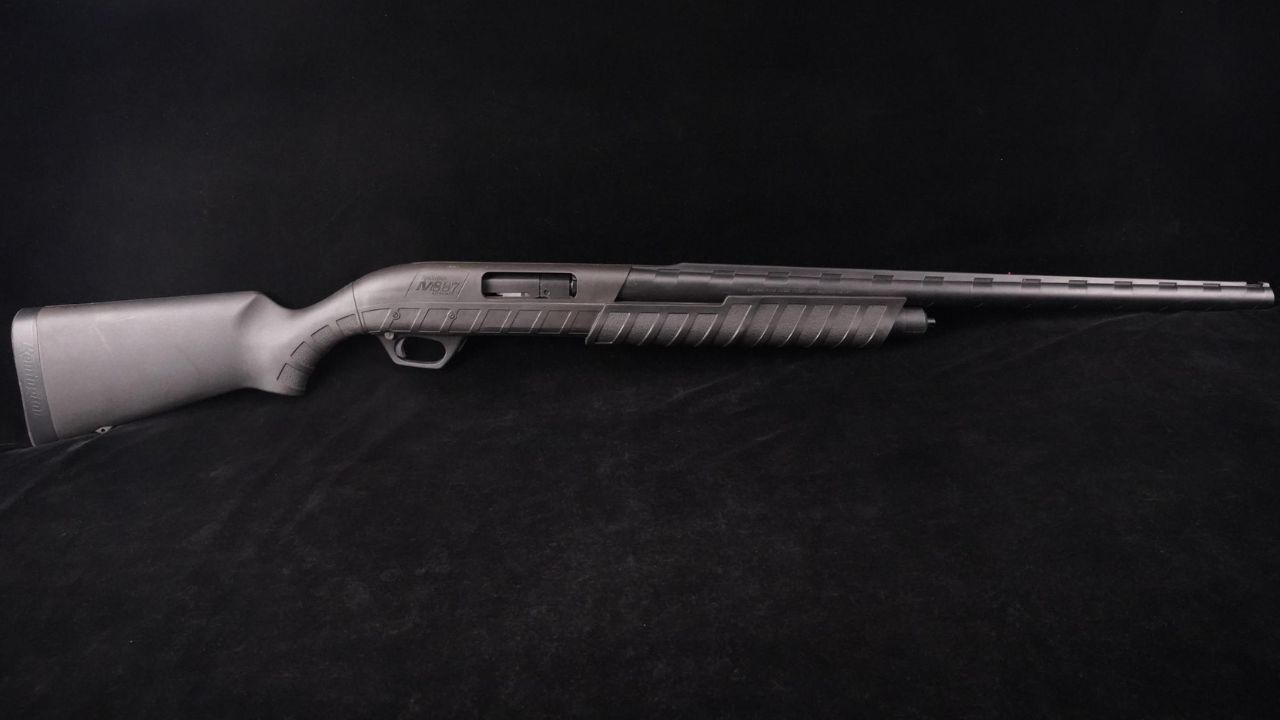
The Remington 887 Nitro Mag looked like a long-term rough-weather shotgun. Its ArmorLokt coating, bulky frame, and 3½-inch chambering made it seem ready for waterfowl seasons full of mud, rain, and cold. It looked like the kind of shotgun you could keep around for ugly work.
The trust never built the way it needed to. Complaints about bulk, awkward handling, reliability, and recall history made a lot of hunters cautious. A shotgun built for nasty weather has to feel natural and dependable when everything else is already working against you. If owners start wondering whether the gun will cycle cleanly or feel right in heavy gloves, the tough finish does not mean much.
SCCY CPX-2
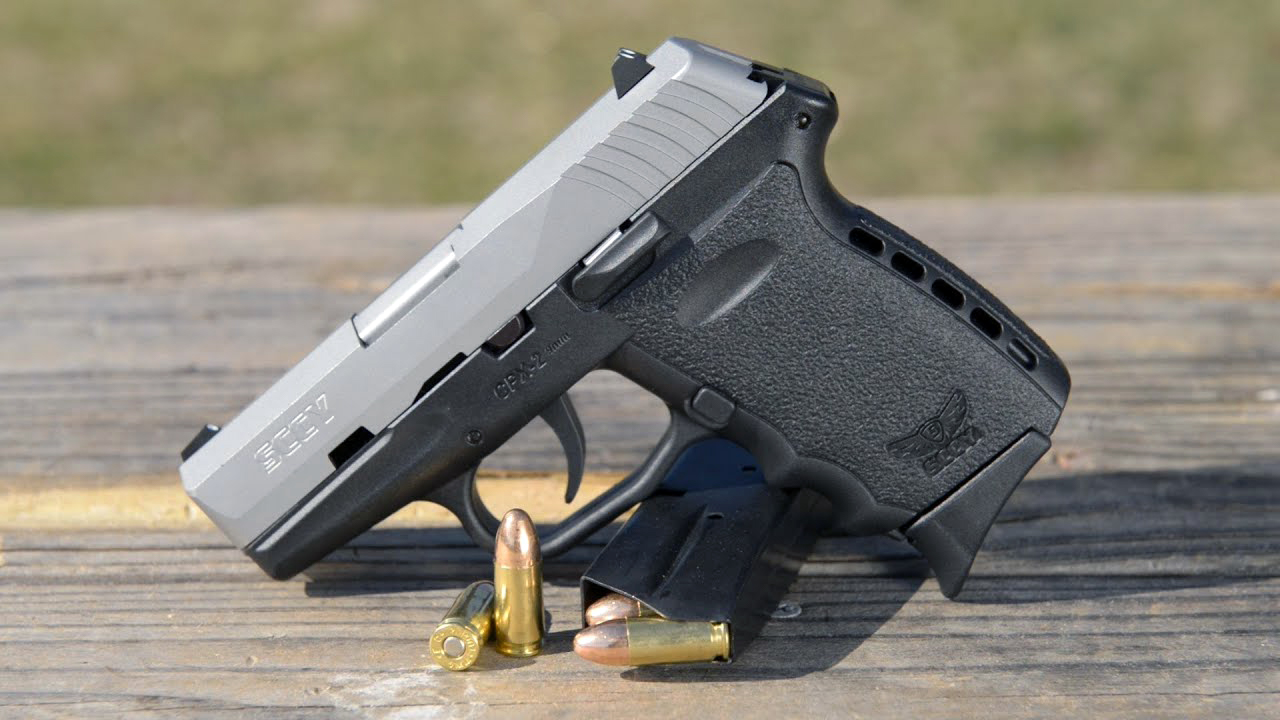
The SCCY CPX-2 looked like a keeper for buyers who needed a low-cost carry pistol and liked the idea of a strong warranty. It was compact, chambered in 9mm, and affordable enough to make defensive carry more reachable for people on tight budgets.
Over time, the shooting experience made the pistol harder to love. The long, heavy trigger and sharp recoil made practice difficult for many owners. Some examples ran fine, but a defensive pistol has to be more than inexpensive and backed by paperwork. If the owner avoids practice because the gun is unpleasant or hard to shoot accurately, it is not really earning its place. A warranty cannot fix a pistol that never builds confidence.
Beretta Nano

The Beretta Nano looked like it might become a lasting slim 9mm. It had a smooth-sided profile, modular chassis-style design, snag-free shape, and the Beretta name behind it. Early on, it seemed like a thoughtful answer to concealed carry.
The market moved fast, and the Nano’s weak spots became more obvious. Many shooters disliked the heavy trigger, short grip, and lack of an external slide stop lever. It carried well, but it did not always shoot comfortably or naturally compared with later slim 9mms. A keeper carry gun needs to feel better with time. The Nano often felt like an early idea that got passed by before owners could grow attached to it.
Mossberg 715T
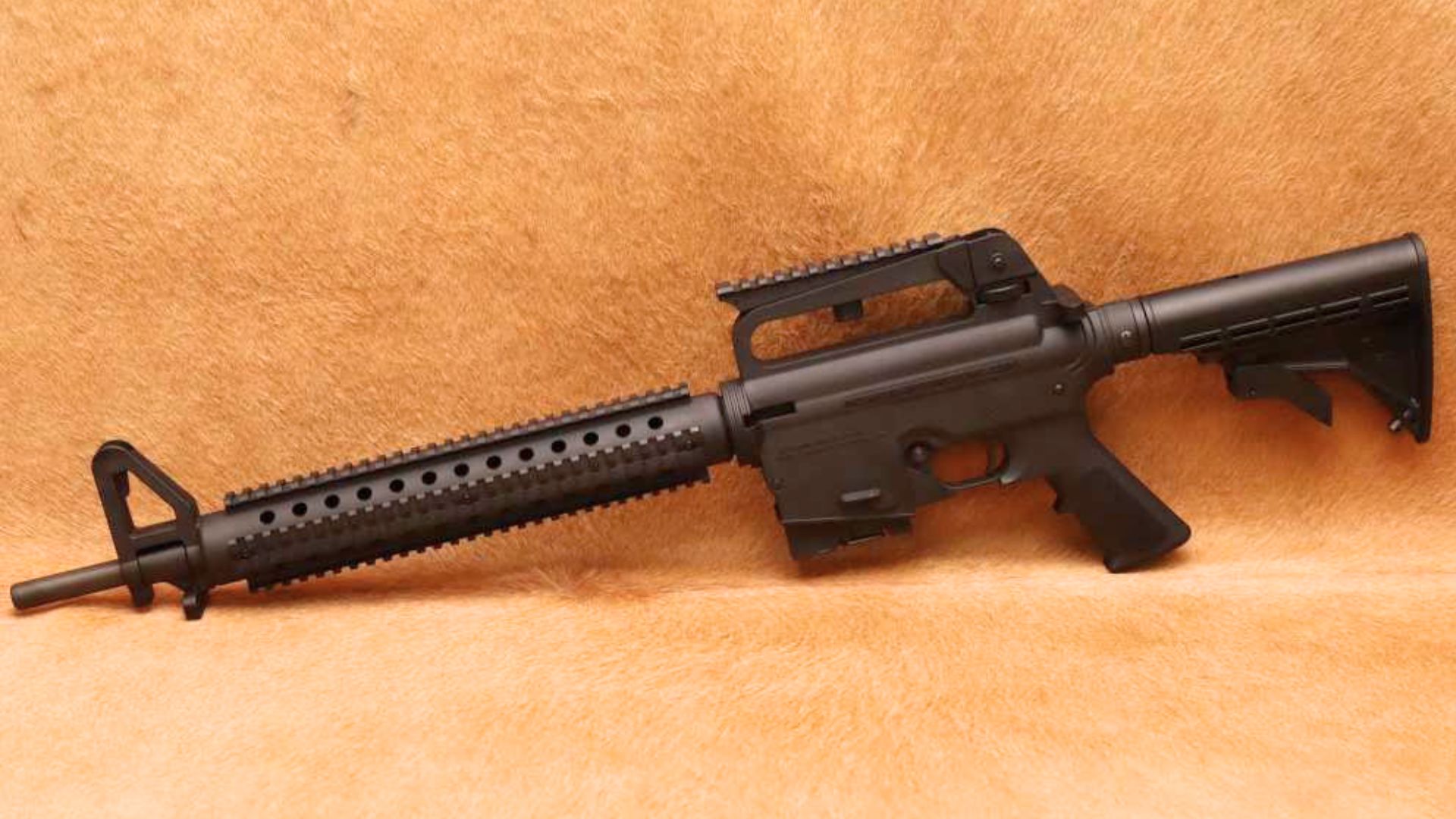
The Mossberg 715T looked like it could be a fun keeper for anyone wanting AR-style rimfire shooting without spending much. It had the look, the rails, and the cheap-ammo appeal. For new shooters, especially, it seemed like an easy way to get into modern-looking rifles.
The longer people owned it, the more the styling could feel thin. The rifle often felt bulky and plastic-heavy, and the tactical shell didn’t always add much to the actual shooting experience. Some owners also dealt with reliability frustration. A .22 rifle should be one of the easiest guns to keep forever because it’s cheap, fun, and useful. If a simpler rimfire feels sturdier and more enjoyable, the 715T starts losing its case.
Taurus PT709 Slim
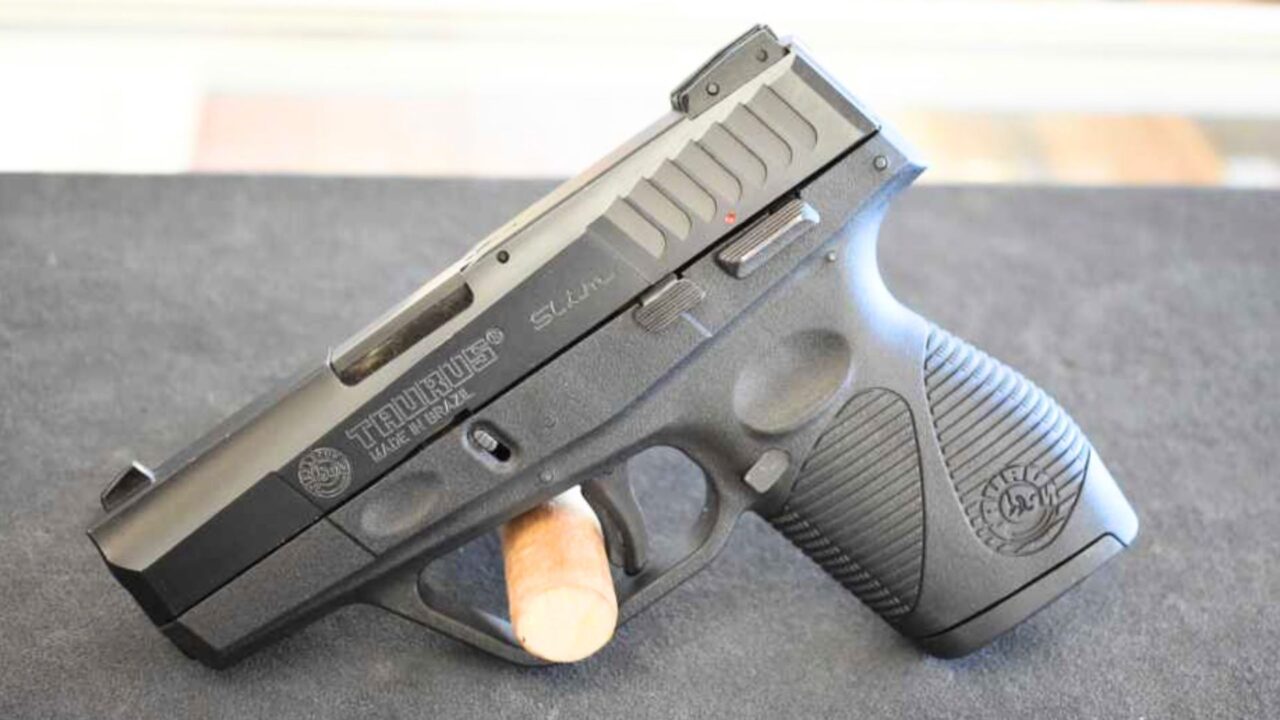
The Taurus PT709 Slim looked like a practical carry keeper during the single-stack 9mm boom. It was thin, affordable, and easy to conceal, which gave it obvious appeal before higher-capacity micro-compacts changed expectations. For budget-minded buyers, it checked important boxes.
Long-term confidence varied too much. Some owners had decent examples, while others dealt with odd trigger feel, reliability concerns, or a general lack of refinement. Once pistols like the Shield, Glock 43, and later micro-compacts became common, the PT709 looked less convincing. A carry gun can’t stay a keeper just because it was cheap and thin. It has to keep earning trust every time it’s fired.
Walther CCP
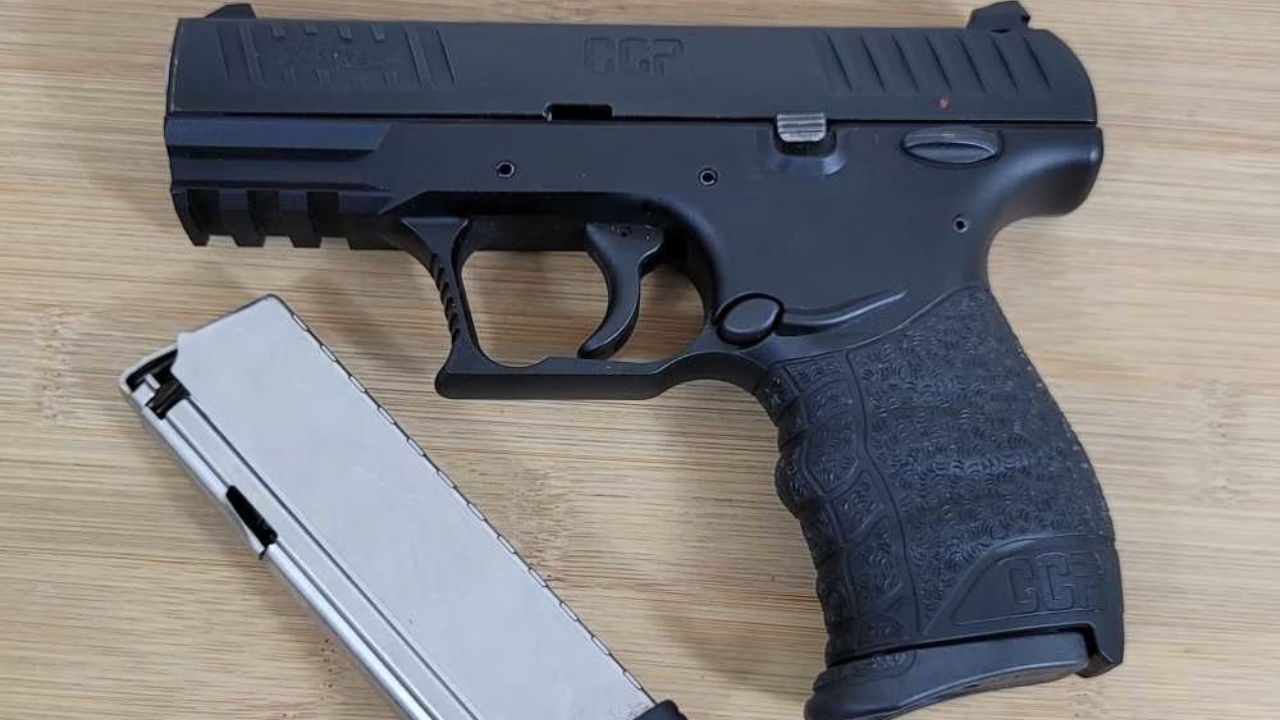
The Walther CCP looked like it had keeper potential for recoil-sensitive shooters. The gas-delayed system promised softer shooting, and the grip was comfortable in a way many small carry pistols weren’t. For people who disliked snappy compact guns, the idea was strong.
The execution left some owners wanting more. Early takedown complaints, heat buildup, and trigger criticism kept the pistol from becoming the easy recommendation it might have been. Some shooters liked it, especially for its softer recoil, but others found it more complicated than expected. A keeper carry pistol should make ownership feel simpler with time. The CCP sometimes solved one problem while creating new annoyances.
Winchester Wildcat
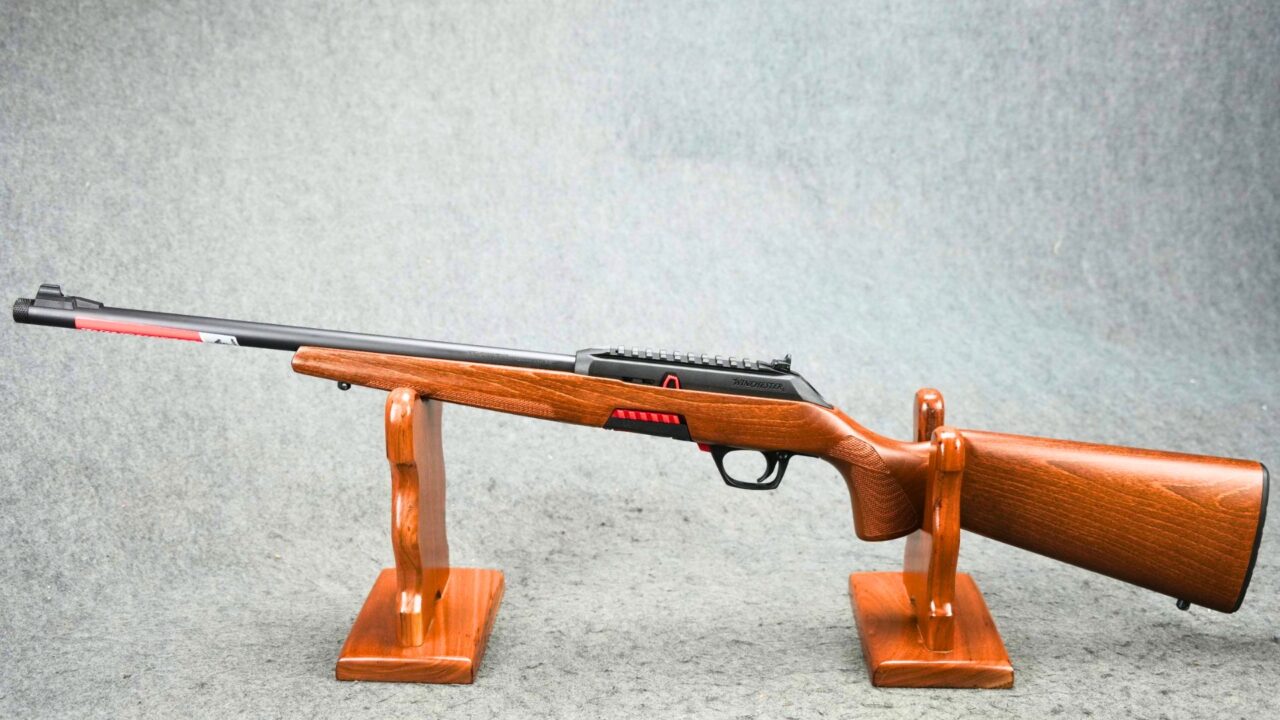
The Winchester Wildcat looked like a clever rimfire keeper because it had useful features. It was lightweight, easy to clean, affordable, and compatible with Ruger 10/22 magazines. That magazine compatibility alone made a lot of shooters pay attention.
The issue for some owners was long-term feel. The rifle’s light, plastic-heavy construction did not inspire the same confidence as sturdier rimfires. It may work fine and serve casual shooters well, but it does not always feel like a rifle meant to be handed down. Smart features matter, but a rimfire keeper usually needs to feel solid, enjoyable, and trustworthy for decades. The Wildcat can feel more clever than lasting.
KelTec PMR-30
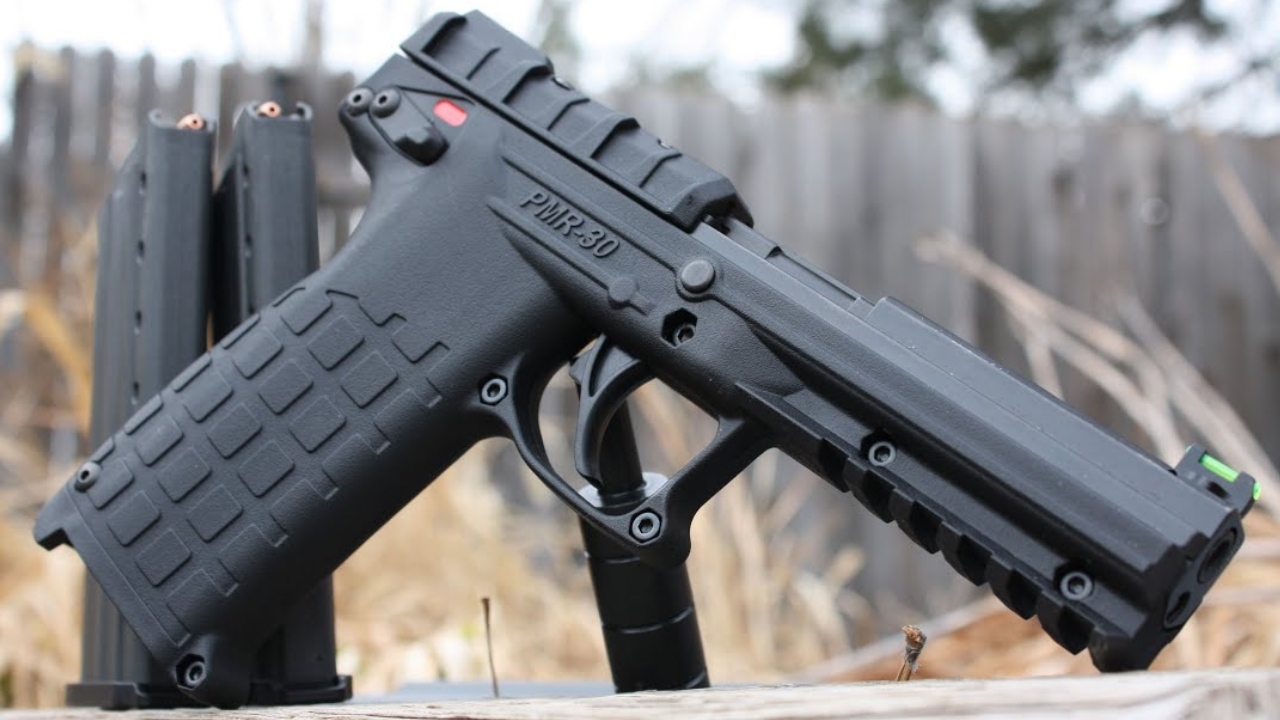
The KelTec PMR-30 looked like a keeper because the idea was so fun. Thirty rounds of .22 WMR in a lightweight pistol sounds like the kind of range and trail gun that should never get boring. When it runs well, it can absolutely put a grin on people’s faces.
The long-term problem is that it asks for patience. Magazine loading matters, ammunition choice matters, and reliability can vary enough to make some owners hesitant. The long grip also doesn’t fit everyone. A fun gun can still be worth owning, but a keeper needs to be something owners trust without constant conditions. The PMR-30 is entertaining, but not always carefree enough to earn permanent status.
Remington RP9
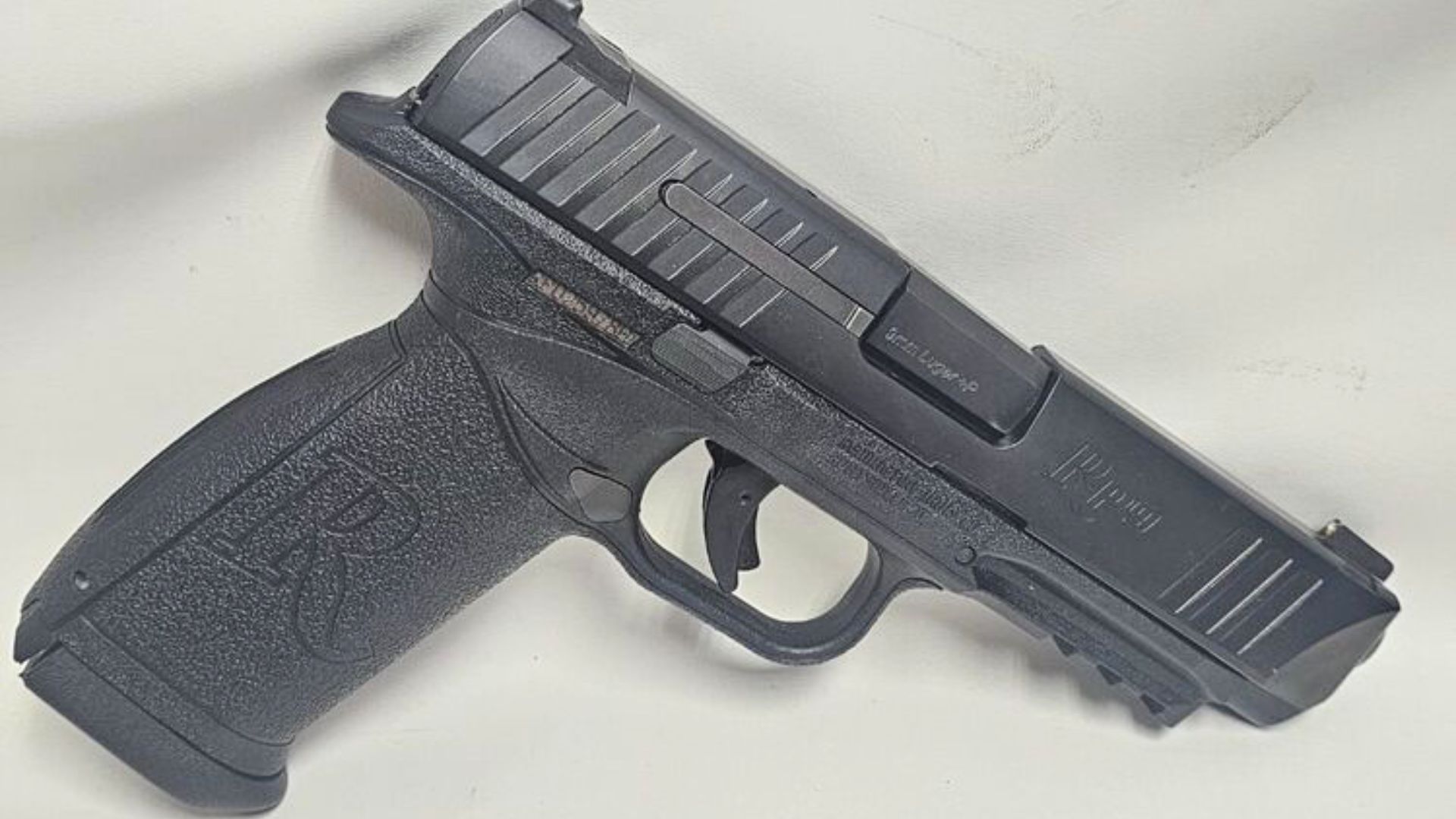
The Remington RP9 looked like a full-size pistol that might become a practical keeper for people who wanted an affordable 9mm. It had good capacity, interchangeable backstraps, and a price that gave it some appeal. In theory, it could have been a useful home-defense or range pistol.
In practice, it never built the kind of reputation needed to last. The grip shape felt awkward to many shooters, the trigger didn’t stand out, and the pistol entered a category full of better options. A full-size 9mm has to feel confidence-building, because size is supposed to bring shootability. The RP9 often felt like a gun that checked boxes without giving owners much reason to keep it once better choices appeared.
Desert Eagle .50 AE

The Desert Eagle .50 AE can look like a lifetime keeper when the excitement is fresh. It’s iconic, massive, powerful, and unlike almost anything else on the handgun shelf. As a range spectacle or collection piece, it has a pull that is easy to understand.
The problem is what happens after the novelty fades. Ammunition is expensive, the pistol is heavy, the grip is huge, and reliability depends more on proper ammunition and technique than many buyers expect. It is not poorly made, but it is specialized enough that many owners simply stop shooting it often. A true keeper earns regular use or lasting affection. The Desert Eagle can do that for the right person, but for many, it becomes expensive safe weight once the first thrill is gone.
Like The Avid Outdoorsman’s content? Subscribe to our newsletter so you never miss an article.
Here’s more from us: