Photo credit: Bulletproof Tactical/YouTube
Reliability reputations are funny. A pistol can be “rock solid” in one shooter’s hands and a constant headache in another’s, and both guys can be telling the truth. A lot of what gets labeled “unreliable” is really a mix of magazines, ammo, maintenance habits, recoil springs, and how the gun fits your grip.
Before you buy, you want to understand what a pistol is known for in the real world—not the brochure version. Some guns have earned their reputation by running dirty, eating cheap ammo, and surviving neglect. Others run great, but only if you stay inside their lane with mags, lubrication, or recoil spring intervals. None of that means you should avoid them. It means you should go in with your eyes open and set the gun up right from day one.
Glock 19

The Glock 19’s reputation comes from boring consistency. It’ll run with decent ammo, decent mags, and minimal drama, even when you don’t baby it. That’s why so many people treat it as the baseline for “reliable.”
What you should understand is that Glocks are also honest guns. If you feed it weak ammo, use worn-out magazines, or limp-wrist it hard, it’ll show you faster than some heavier pistols. The factory sights are also nothing to brag about, and bad sights can make you misdiagnose a reliability issue when you’re really missing the problem. Keep mags fresh, don’t ignore recoil spring life, and the gun usually does what it’s known for.
Glock 43X

The 43X has a strong reputation as an easy-carry pistol that runs, and with factory magazines it generally earns that trust. The gun is light, thin, and it doesn’t ask much from you.
The reputation gets complicated the moment you start changing the magazine equation. Aftermarket high-capacity mags have a mixed track record across guns and users, and when they act up, the blame often lands on the pistol. Understand that a slim, lightweight 9mm also gives you less margin for a sloppy grip, especially with weaker practice loads. If you keep it mostly stock, stick with proven mags, and actually test your carry ammo, it tends to live up to its name.
SIG Sauer P365

The P365 changed the carry world because it packs real capacity into a small footprint and still shoots well. Most current production guns have a strong reliability reputation, and a lot of folks carry them daily without issues.
You still want to understand what “micro-compact reliable” means. A small slide, short recoil system, and light weight can be more sensitive to ammo power and grip than a duty-sized pistol. Early runs also built a lingering online reputation that still follows the gun even though the platform has matured. Keep an eye on magazine condition, don’t run it bone dry, and test the exact ammo you plan to carry. If you do that, the P365 usually behaves.
SIG Sauer P320

The P320 has a serious reputation because it’s common in duty holsters and it’s modular. In normal use, it’s generally reliable with quality magazines and mainstream ammo, and it has a huge support ecosystem.
The part you should understand is that “P320 reliable” doesn’t mean “P320 forgiving.” Tolerances, recoil springs, and magazine condition matter, and some setups can be more sensitive than people expect—especially if you’re mixing aftermarket parts or running weak bulk ammo. The platform also has enough variants that you’ll see conflicting reports from shooters who aren’t even running the same configuration. If you keep it close to stock, use good mags, and verify your ammo, you can end up with a very dependable gun.
Smith & Wesson M&P9 M2.0

The M&P9 M2.0 has a reputation for being a workhorse pistol that runs in nasty conditions and still feels good in the hand. Agencies use them, instructors trust them, and they’re not picky in normal life.
The detail to understand is that reliability is tied to maintenance habits more than most owners admit. If you ignore worn magazines, let the gun get dry, or run a steady diet of weak training ammo, any striker pistol can start looking “finicky.” The M&P also has enough sight and trigger variations that shooters sometimes blame malfunctions on the gun when it’s a setup issue. Keep your mags labeled and rotated, change springs on schedule, and it tends to deliver the kind of reliability its reputation is built on.
H&K VP9

The VP9’s reputation is built on dependable function and great ergonomics. It’s a pistol that usually runs well across ammo types, and the build quality shows when you start putting real round counts on it.
What you should understand is that VP9 reliability often comes with a “do your part” expectation. It’s not fragile, but like any modern striker gun it rewards proper lubrication and magazine care. Some shooters also chase malfunctions that are really user-induced—thumb riding the slide stop, inconsistent grip pressure, or dragging the trigger when they’re rushing. If you keep it lubed, don’t treat mags like disposable, and confirm your carry load, the VP9 usually earns its reputation without drama.
CZ P-10 C
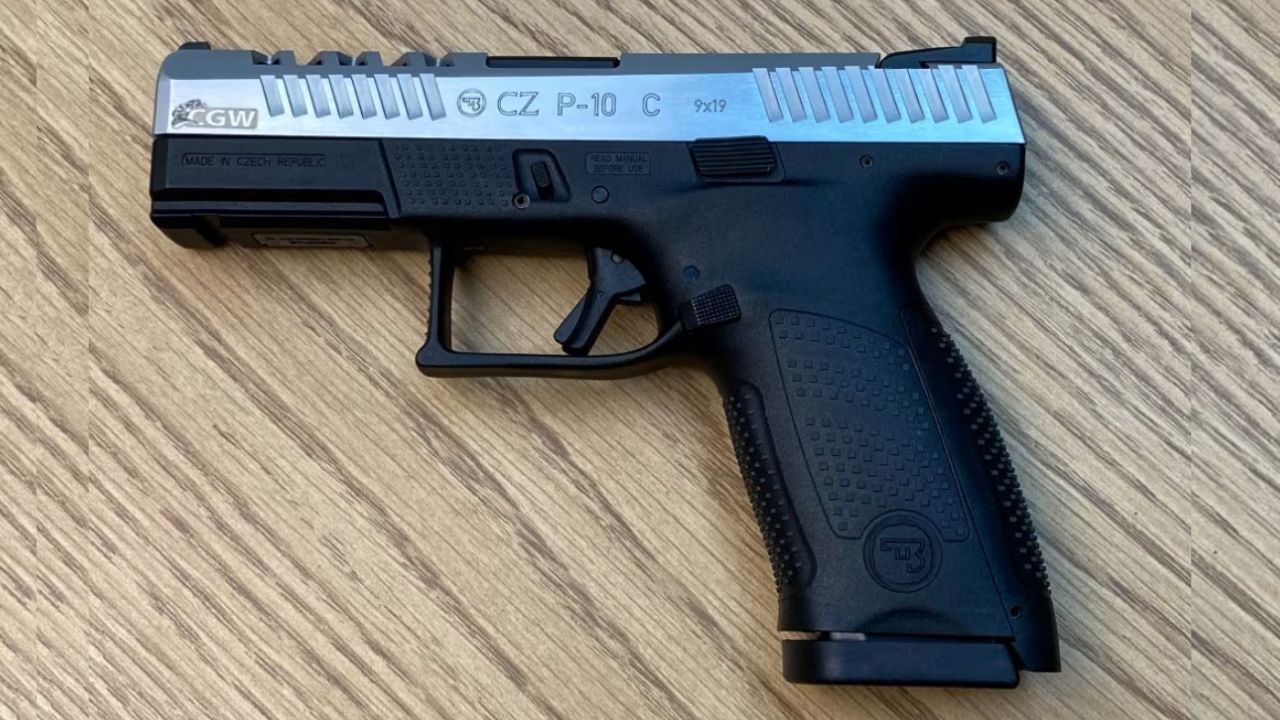
The P-10 C has a reputation as a tough, accurate striker pistol that runs well and doesn’t need much tinkering. A lot of people buy it because it feels like a “shooter’s gun” that still functions like a duty gun.
The thing to understand is that magazines and springs are the quiet reliability drivers here. If your mags get beat up, or you start mixing in questionable aftermarket options, you can create feeding issues that weren’t there before. Also, the gun’s strong texture and ergonomics can trick you into overgripping and inducing odd behavior with weak ammo. Keep it stock, keep the mags healthy, and don’t ignore recoil spring life. When you do that, the P-10 C tends to run like the reputation says it will.
FN 509

The FN 509 has a duty-grade reputation and generally runs hard. It’s built with service use in mind, and you’ll see plenty of examples that keep going under heavy training.
What you should understand is that “FN reliable” doesn’t mean “FN likes everything.” Some shooters report better results with hotter, mainstream ammo than with bargain bulk loads, especially during break-in. The trigger feel also leads some owners to grip and press differently, and that can look like a gun problem when it’s really a shooter rhythm issue. Magazine quality is usually solid, but they’re not immune to wear. If you test your ammo, keep mags in good shape, and don’t ignore lubrication, the 509 usually behaves like the serious-use pistol it claims to be.
Beretta 92FS / M9

The Beretta 92 has a long reliability reputation, especially when it’s kept in good mechanical condition. The open-top slide design and generous ejection tend to handle extraction and ejection well, and the gun runs smoothly with standard pressure loads.
The part you should understand is that age and maintenance matter more than the logo. A lot of 92s out there have seen hard use, questionable springs, and beat magazines. If you buy used, you’re often buying someone else’s maintenance habits. The platform also benefits from fresh recoil springs and quality mags more than new owners realize. Keep it fed with decent magazines, replace springs on schedule, and the 92 is still one of those pistols that can run for a long time without acting temperamental.
Beretta PX4 Storm

The PX4 has a quiet reputation for running well, and the rotating barrel system can feel smooth and controllable when it’s set up right. People who shoot them a lot often trust them because they behave under volume.
You should understand that the PX4’s reliability reputation is tied to proper lubrication and avoiding junk magazines. It’s not complicated, but it’s also not a pistol that rewards neglect the way some looser-tolerance guns can. If it starts feeling sluggish, it’s often asking for cleaning, lubrication, or spring attention rather than “mystery problems.” The platform also has multiple variants, and mixing parts across them can cause headaches. Keep it stock, keep it lubed, and it tends to run in a way that surprises people who only know it from internet jokes.
Ruger Security-9

The Security-9 has a reputation as a budget-friendly pistol that can be dependable if you stay realistic about what it is. Plenty of them run fine for normal range use and home defense roles, especially with mainstream ammo.
What you should understand is that budget pistols have less margin for abused magazines and weak ammo. If you’re feeding it the cheapest rounds you can find and you never clean it, you can create reliability issues that a pricier pistol might shrug off longer. The gun also benefits from a short break-in period where parts wear in and smooth out. Use quality factory magazines, keep it reasonably lubricated, and verify function with your chosen defensive ammo. Do that and the Security-9 can be a lot more dependable than people assume.
Taurus G3 / G3C
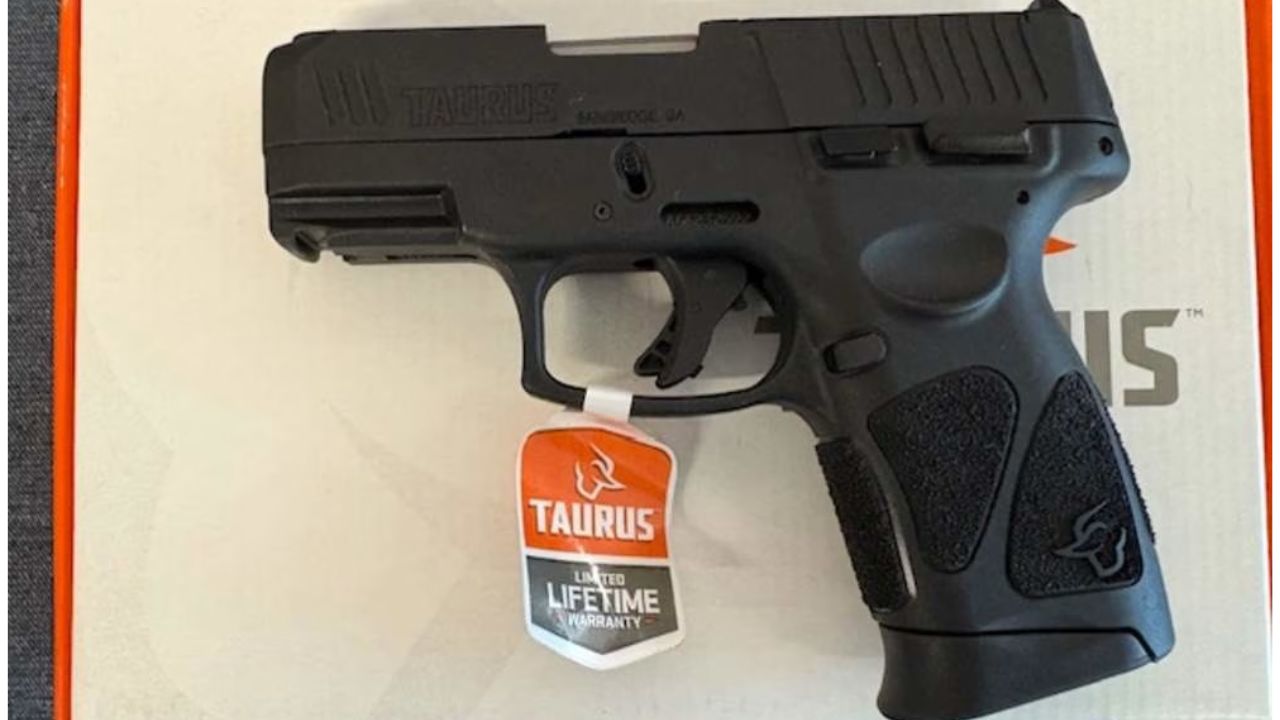
The G3 and G3C have a mixed reputation online, but plenty of owners report good reliability with stock guns and factory magazines. When they run, they offer a lot of gun for the money.
The key is understanding variance. With high-volume budget production, you can see more “one gun is great, another is a lemon” stories than you do with some premium brands. That means your reliability plan matters. Buy new if you can, inspect magazines, and do a real function test with your carry load. Also, avoid stacking aftermarket parts before the pistol has proven itself. If you treat the first 300–500 rounds as evaluation and you keep the gun stock, you’ll know quickly whether you got one of the good ones.
1911 (Government Model Pattern)

A well-built, properly set up 1911 can be very reliable, and a lot of them are. The platform’s reputation comes from decades of use and the fact that it can run beautifully when tolerances, magazines, and ammo all match the gun.
What you should understand is that 1911 reliability is more conditional than modern striker pistols. Magazine quality matters a ton. Extractor tension matters. Ammo profile matters. Even small changes—different hollowpoints, different mags, a too-tight gun—can turn “runs like a sewing machine” into “why is this happening again?” If you want a 1911 to be a dependable tool, you need to buy quality, choose proven magazines, and test your defensive load. The platform can be trustworthy, but it demands more attention than most buyers expect.
Kimber Micro 9

The Micro 9 has a reputation that swings hard depending on the individual gun and how it’s set up. Some run great and carry beautifully. Others earn a reputation for being picky, especially when owners jump straight into defensive ammo without sorting the basics.
You should understand that small, 1911-style pistols tend to have less tolerance for weak ammo, inconsistent grip, and poor lubrication. The recoil system is working harder, and small changes show up faster. Magazines matter, and so does keeping the gun clean and properly lubed. If you’re buying one, you’re buying into a platform that needs a real break-in and a real ammo test. If you do that and it proves itself, you can carry it with confidence. If it doesn’t, don’t waste time arguing with it.
Staccato P

The Staccato P has a strong reliability reputation in serious circles, and when it’s properly set up, it tends to run very well while shooting flatter than most service pistols. A lot of its reputation comes from people who actually train with them, not just owners who shoot a box a month.
The detail you should understand is that high-performance pistols still depend on fundamentals: magazine condition, lubrication, and not running questionable ammo. The platform is often tolerant, but it’s also fast, and speed exposes weak magazines and sloppy maintenance. Optics mounting can also create “reliability” problems that aren’t the gun at all—loose plates and shifting dots make people chase ghosts. If you keep the mags fresh, keep the gun properly lubed, and confirm your carry load, the Staccato tends to live up to its reputation in a way that feels almost unfair.
Like The Avid Outdoorsman’s content? Be sure to follow us.
Here’s more from us: