Photo credit: SPN Firearms/YouTube
This sounds backwards until you’ve seen it on the line. Some pistols feel easier to keep on target one-handed because the gun tracks straight and your support hand isn’t accidentally steering the muzzle. Two-hand shooting should always be more stable, but real life adds variables: support-hand thumb pressure riding the frame, a grip that’s too strong on one side, “milking” the grip during the trigger press, or a gun that’s so small your support hand doesn’t have a clean place to land. Then your two-hand groups open up, while one-hand groups look weirdly respectable.
Here are 15 pistols that commonly show that effect—either because of ergonomics, grip space, recoil behavior, or how shooters tend to interface with them.
Glock 26

The G26 is a classic example because it’s short in the grip and easy for your support hand to crowd. One-handed, you get a clean, straight trigger press and the gun tracks predictably. Two-handed, a lot of shooters end up squeezing the frame unevenly or over-driving the support thumb into the frame, which makes the muzzle dip or drift as the shot breaks.
It’s not that the Glock 26 “wants” one hand. It’s that it punishes sloppy support-hand placement. If your two-hand groups are worse, it usually means your support hand is steering the gun instead of stabilizing it. Fix that and the G26 becomes boringly consistent.
Glock 43
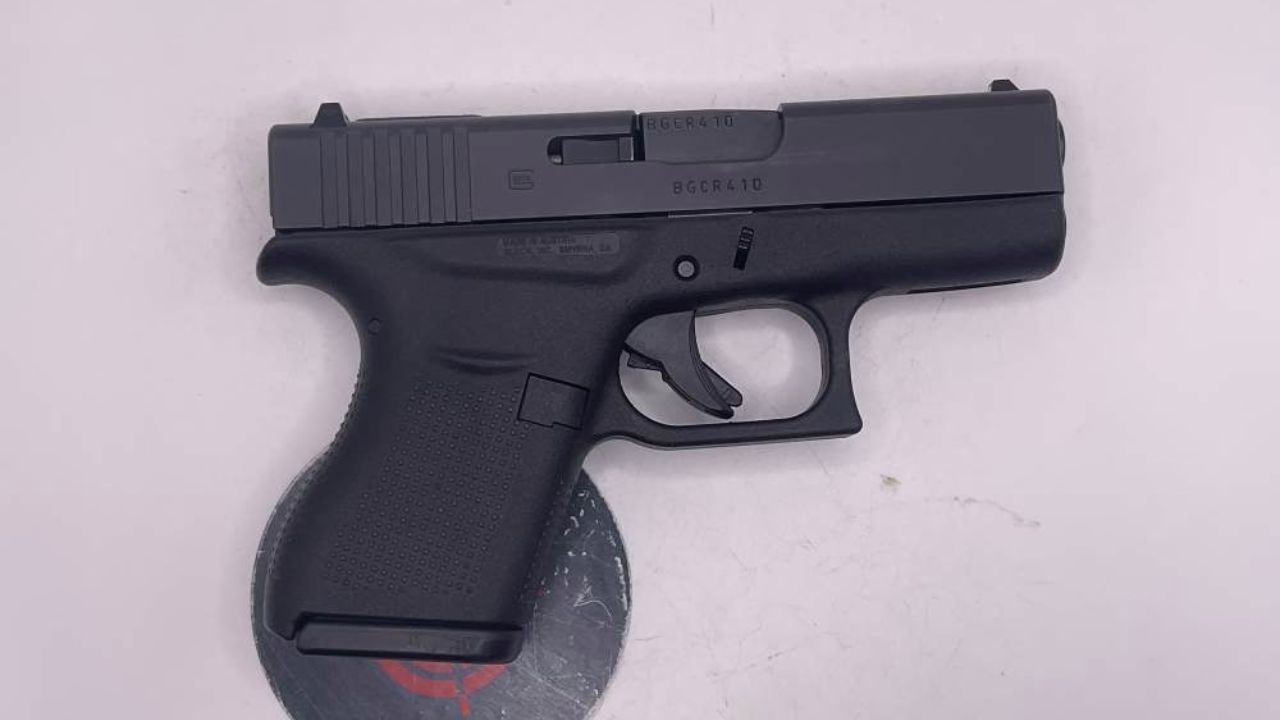
The 43 has similar issues: slim grip, short real estate, and a recoil impulse that can make people clamp hard with the support hand. One-handed, you’ll often see cleaner trigger control because you’re not adding side pressure. Two-handed, shooters can “crush” the grip and end up milking the gun right as they press the trigger.
A lot of guys don’t realize their support hand is doing too much until they shoot one-hand and the group tightens. That’s a clue. The fix is building a support-hand grip that locks the gun without twisting it.
SIG Sauer P365 (standard grip)

The P365 is super shootable for its size, but it’s still a small grip that can get crowded fast. One-handed, many shooters naturally keep pressure straight back and their trigger press looks cleaner. Two-handed, the support hand often runs out of room and ends up putting pressure in the wrong place—usually pushing the gun slightly left/right or downward.
If you’ve ever shot a P365 one-hand and thought “why is this easier than it should be,” it’s usually your support-hand placement. Slight grip module changes and baseplate length often fix the problem by giving the support hand a better landing spot.
Springfield Hellcat (standard grip)

Hellcats tend to make shooters grip harder than needed because the gun is compact and lively. One-handed, you’re forced to stay honest and press the trigger without crushing the gun. Two-handed, people often over-clamp with the support hand and start introducing steering—especially if the support thumb is pushing into the frame or you’re pulling the gun off line with uneven pressure.
The Hellcat will reward consistent grip pressure. If one-handed looks better, it’s a training flag: your two-hand grip is too aggressive or not balanced.
S&W M&P Shield 2.0

The Shield can shoot very well, but the flush grip can make two-hand work awkward for bigger hands. One-handed, you can find a stable hold and press straight back. Two-handed, the support hand often lands too low or too far forward, and the grip pressure becomes uneven. That’s when you see groups drift or you start dipping shots.
A simple extension can change everything. But the main fix is learning to let the support hand stabilize without twisting. If your support hand is “helping” by steering, you’ll shoot worse.
Kahr PM9
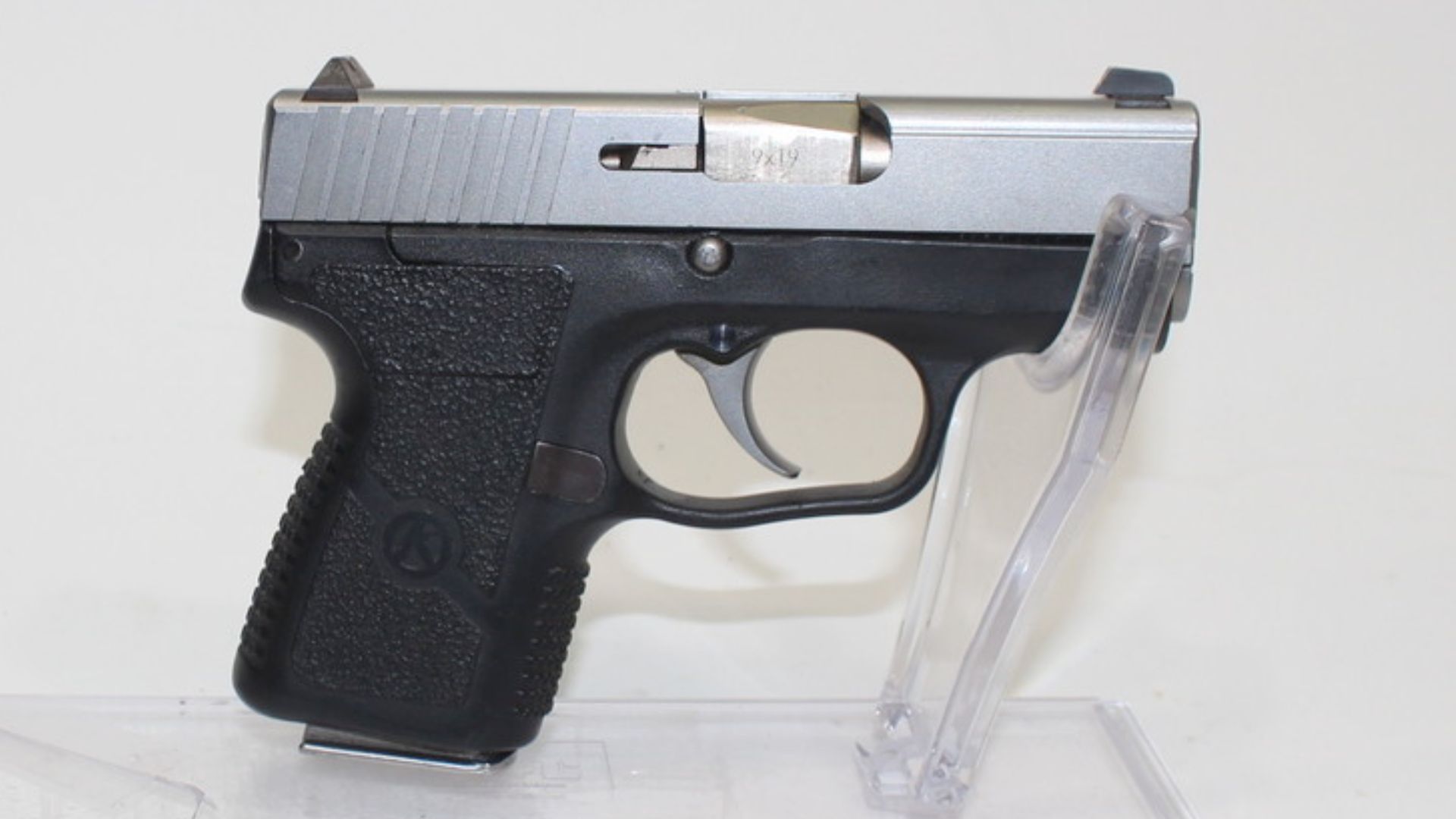
Kahrs have a smooth, long trigger pull that can feel surprisingly clean one-handed because the shooter tends to slow down and press straight. Two-handed, the small grip and the long pull can cause “milking” if the support hand is clamping hard. That milking drags shots off line and makes groups look worse than they should.
If you see better one-hand groups with a Kahr, it’s usually because you’re pressing the trigger more deliberately. Take that same deliberate press and build a balanced two-hand grip and the gun will tighten right up.
Walther PPS M2

The PPS M2 is slim and comfortable, but with the flush mag it can put your support hand in a weird spot depending on hand size. One-handed, you often get a neutral hold and a consistent trigger press. Two-handed, the support hand may push the gun sideways because it’s trying to find traction on a narrow frame.
The PPS isn’t hard to shoot. It’s just easy to “over-grip” when you try to go fast. If your one-hand group looks better, that’s a sign you’re steering with the support hand in two-hand shooting.
Ruger LCP Max

Tiny .380s can be counterintuitive like this. One-handed, you tend to grip carefully and press the trigger clean because you know it’s small. Two-handed, you try to “control” it and end up pinching, twisting, or shifting the gun because your support hand doesn’t have much room and the frame is narrow.
The LCP Max can be accurate enough for what it is, but it demands clean pressure. If it “shoots better” one-handed, it’s because your two-hand grip is creating movement right as the shot breaks.
Ruger Max-9

The Max-9 is another slim micro 9 where support-hand placement makes or breaks your groups. One-handed, you’ll often shoot tighter because you’re not putting sideways pressure on the frame. Two-handed, people crowd the controls and end up steering the gun. The Max-9 doesn’t have a ton of grip area, so small mistakes show up fast.
If your two-hand groups open up, slow down and check what your support thumb is doing. A lot of shooters are pushing into the frame instead of locking in around it.
Taurus GX4
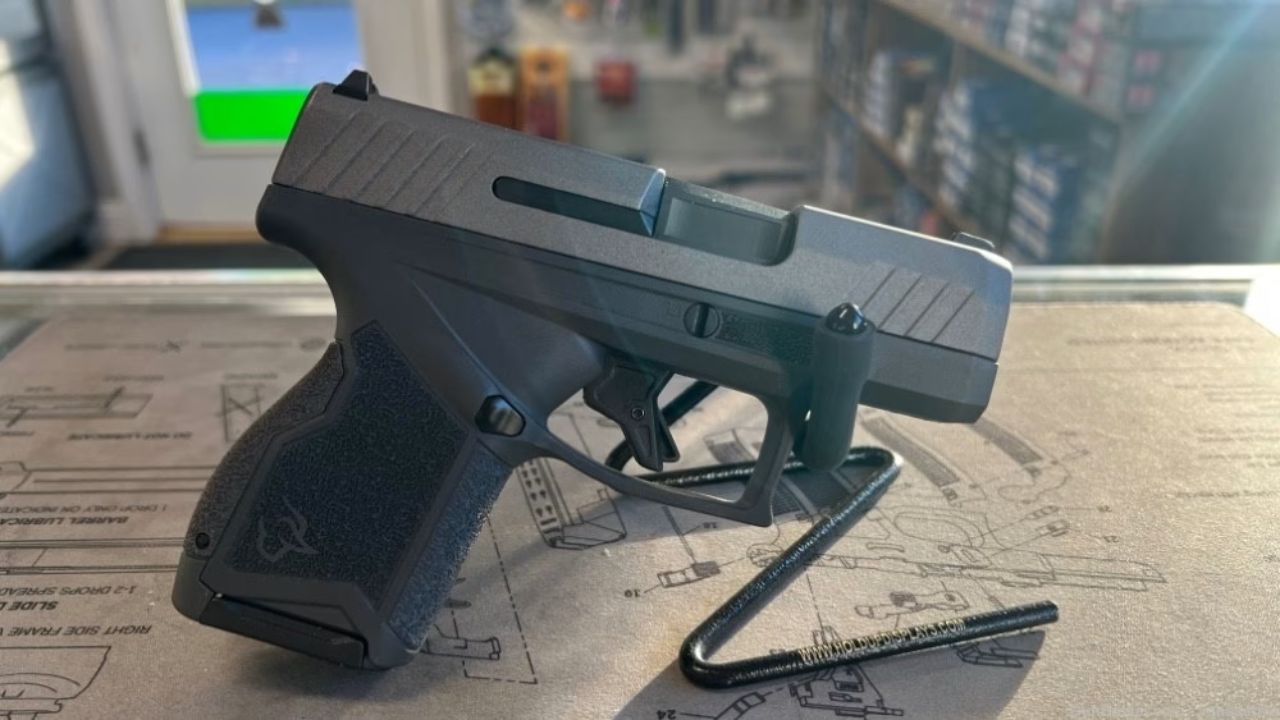
The GX4 can shoot well, but it’s small enough that support-hand pressure can get weird quickly. One-handed, you’re forced into a more neutral hold. Two-handed, some shooters clamp down hard and their support hand ends up squeezing in a way that moves the muzzle as the trigger breaks.
This isn’t a Taurus-only thing—it’s a small-gun thing. The GX4 just shows it clearly for some shooters. If one-hand is better, adjust support-hand placement and make sure you’re not crushing the gun unevenly.
Beretta PX4 Compact

This is a different flavor. The PX4’s rotating barrel and recoil feel can track very straight one-handed for some shooters. Two-handed, if you overdrive the support hand, you can end up “fighting” the gun’s natural tracking. It’s not that the gun wants one hand—it’s that it wants balanced pressure.
A lot of shooters who don’t have their two-hand grip dialed will notice the PX4 prints cleaner one-handed. It’s a great clue to fix your support-hand technique rather than blaming the pistol.
CZ P-10 S

Subcompact CZs can be incredibly shootable, but they’re still short in the grip. One-handed, shooters often get a clean press and the gun tracks naturally. Two-handed, the support hand can crowd the lever area and add pressure in a direction that moves the muzzle slightly off line.
If your groups tighten up one-handed, pay attention to where the support thumb is resting and whether you’re squeezing harder with the support hand than with the firing hand. The balance matters more than raw strength.
HK P2000SK

HK subcompacts have great ergonomics, but the SK size can still make support-hand placement cramped. One-handed, you can get a stable purchase and a clean press. Two-handed, if your support hand doesn’t have clean contact, you can end up with inconsistent pressure and your hits spread.
HKs also encourage a high grip, which is good—until your support hand starts pressing in awkward ways. If you see this effect, it’s usually solved with grip consistency and, for some shooters, a slightly longer magazine baseplate.
Canik TP9 Elite SC

The Elite SC is a chunky micro-ish pistol that feels solid, but it can still show this one-hand vs two-hand weirdness depending on how you grip it. One-handed, you might grip more neutrally and press clean. Two-handed, shooters sometimes overuse the support hand and start pushing the gun during the break, especially if they’re trying to run it fast.
Caniks have good triggers, which makes grip errors stand out. If your one-hand groups look better, it’s usually because you’re not disturbing the gun as much. Fix the support-hand steering and it’ll shoot tight both ways.
1911 Officer-size (3–3.5″ 9mm or .45, general category)
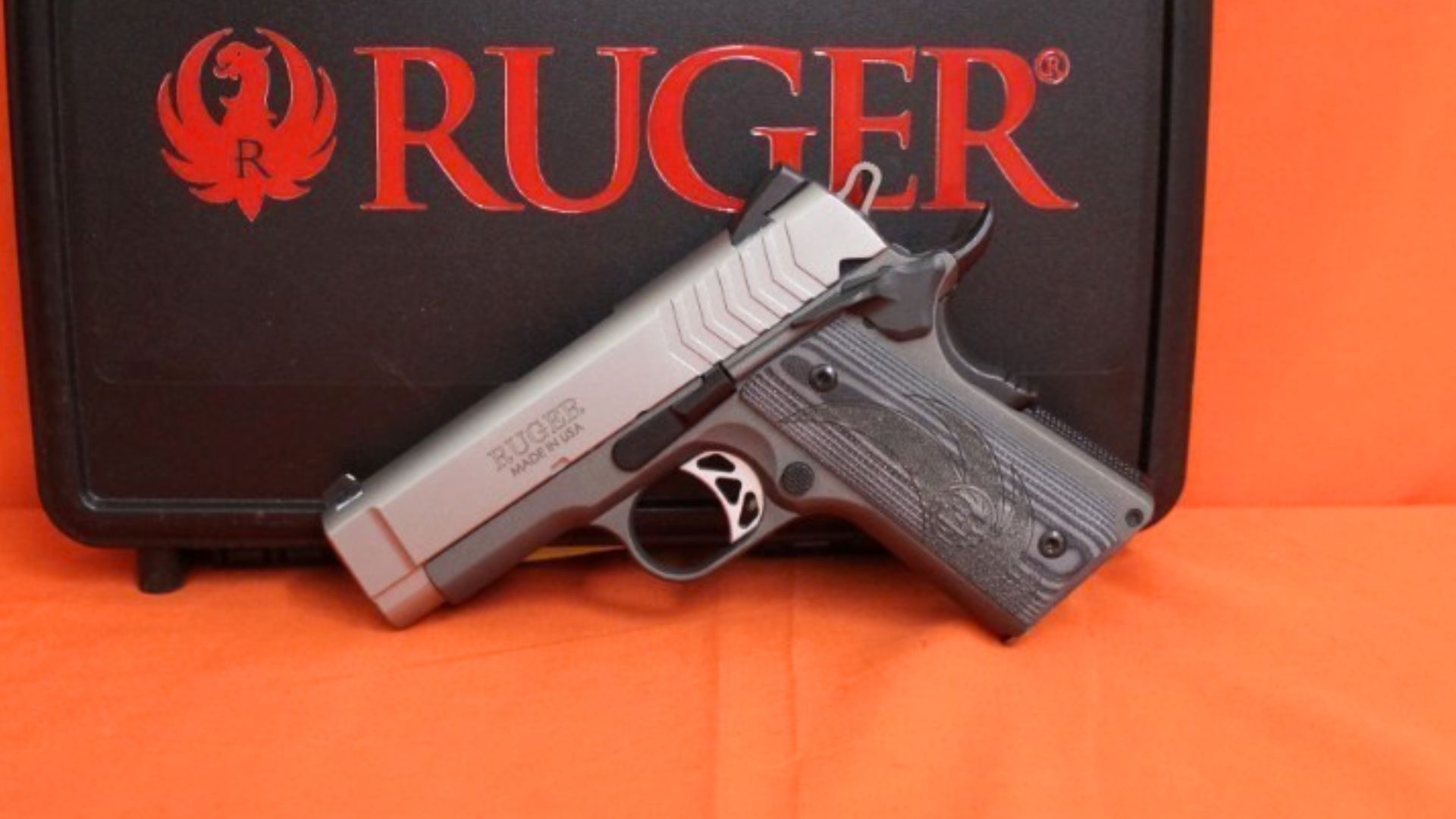
Officer-size 1911s are the classic “two-hand makes it worse” gun for some shooters because the short grip and sharp recoil behavior can encourage a death-grip with the support hand. One-handed, you often slow down and press the trigger clean. Two-handed, you clamp hard and start milking or pushing the gun without realizing it, and the group opens up.
With a good trigger, your errors show up fast. If you’re seeing better one-hand groups on an Officer-size 1911, it’s rarely the gun. It’s usually grip pressure imbalance and “helping” with the support hand.
Like The Avid Outdoorsman’s content? Be sure to follow us.
Here’s more from us: