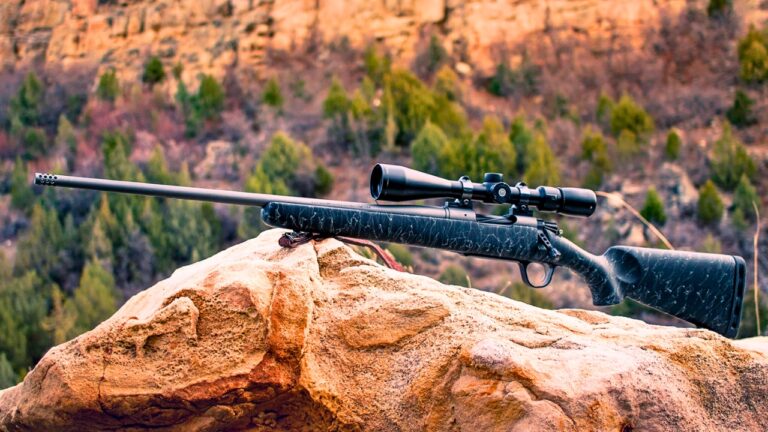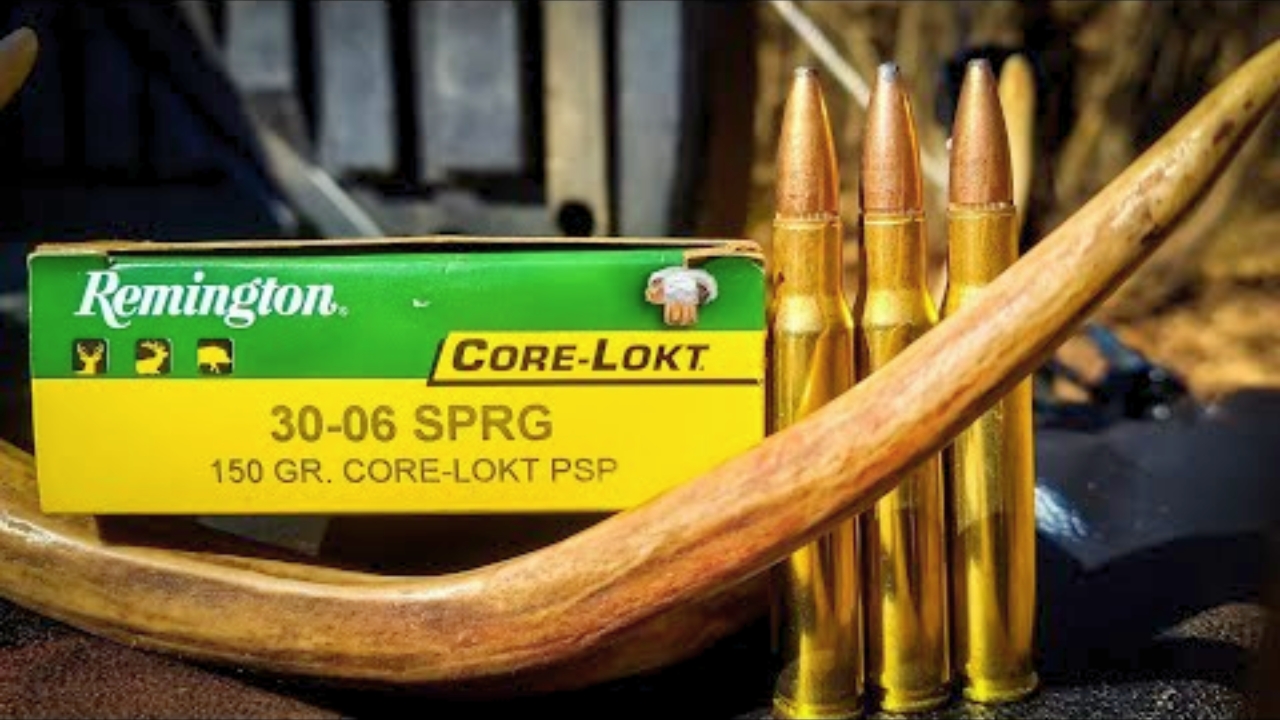
Photo credit: WHO_TEE_WHO/YouTube
Most big-game hunting doesn’t happen at extreme range. It happens in timber, cutovers, brushy draws, food plots, and rolling country where a good shot inside 300 yards is the norm. That’s why the cartridges that keep winning aren’t always the fastest or the newest. They’re the ones that feed well, shoot predictably, kill clean with common bullet weights, and don’t punish you so hard that you start dreading practice.
Inside 300, you don’t need magic. You need a round that gives you enough bullet, enough velocity, and enough good factory loads to match the animals you actually hunt—whitetails, mule deer, hogs, black bear, elk in sane conditions—without turning every trigger pull into a guessing game. These cartridges still cover that ground, and they do it without drama.
.30-06 Springfield

If you only owned one hunting cartridge for the rest of your life inside 300 yards, .30-06 would be an easy answer. It handles light bullets for deer, heavier bullets for elk, and it does it with boring consistency. You can walk into almost any shop in America and find at least one box that will work.
What keeps it relevant is flexibility. It shoots flat enough for 300 with a 150- to 180-grain load, and it hits hard without being a shoulder-wrecker for most shooters. It also behaves in real rifles—feeds smooth, extracts clean, and doesn’t need a perfect setup to shoot well. When you’re hunting normal distances, .30-06 still does everything you need without asking you to chase trends.
.308 Winchester
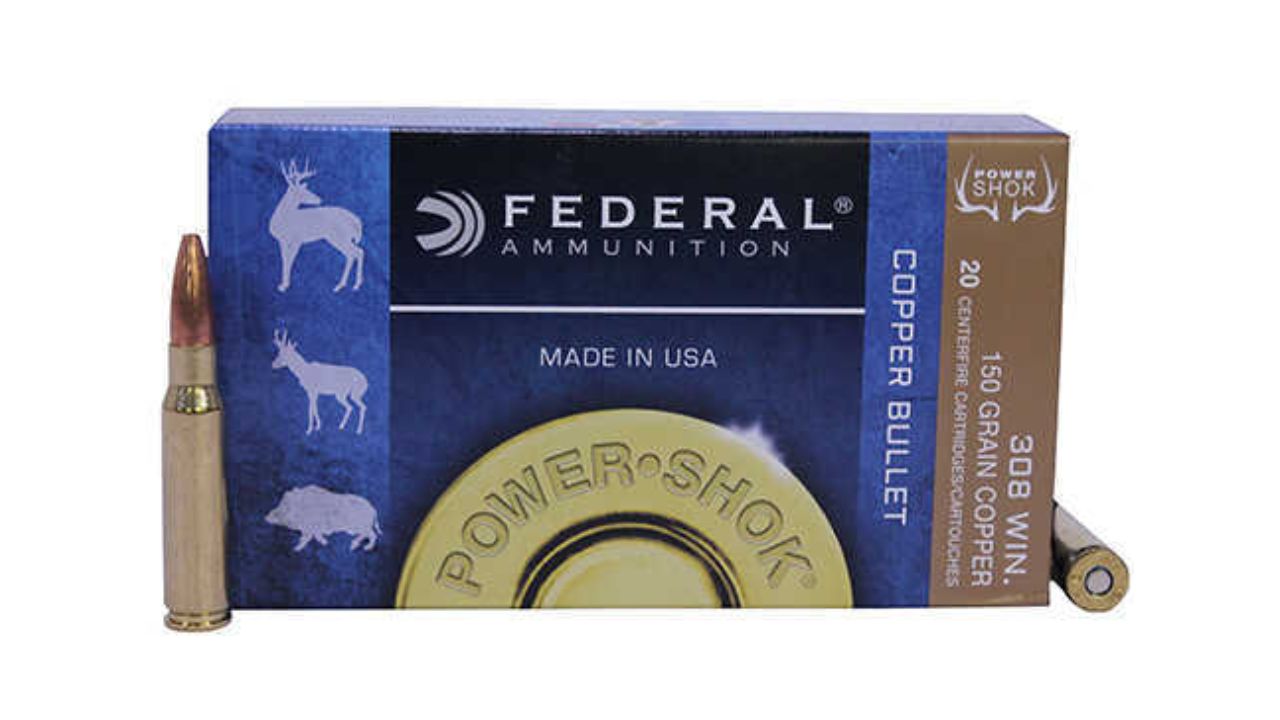
.308 is the cartridge you choose when you want “easy” without giving up real capability. It’s efficient, accurate in a wide range of rifles, and it’s forgiving with factory ammo. Inside 300 yards, it has plenty of punch for deer and hogs, and with the right bullets it’ll handle elk too.
The other advantage is how manageable it feels. Recoil is generally mild enough that you’ll practice more, and that matters more than paper ballistics. You also get a huge variety of loads—150s for deer, 165s for a little more weight, 180s when you want penetration. If you’re the kind of hunter who values repeatable shot placement over bragging rights, .308 keeps you honest and effective.
.270 Winchester
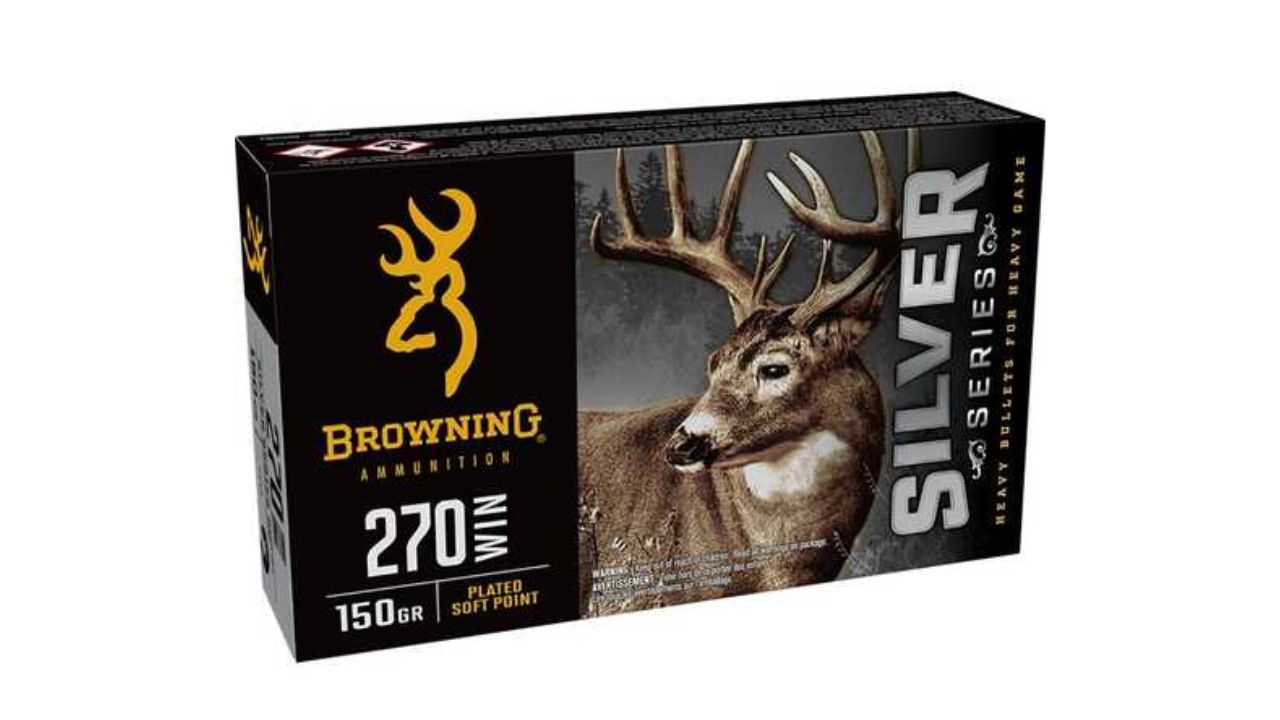
The .270 Winchester is one of the cleanest “deer-to-elk” rounds ever made for normal hunting ranges. It’s flat-shooting, it carries energy well, and it tends to shoot accurately in a lot of rifles without much fuss. Inside 300, it gives you an easy point-and-shoot feel that builds confidence.
Where it shines is with 130- to 150-grain bullets. You get good speed, good penetration with proper construction, and enough reach that a 250-yard shot doesn’t feel like a long one. It’s also a cartridge that doesn’t beat you up, so you don’t start flinching halfway through sight-in day. If you want something that hunts bigger than it recoils, .270 has been proving itself for generations.
7mm-08 Remington

7mm-08 is what happens when you take a sensible case, pair it with efficient bullets, and end up with a cartridge that just works. It’s easy to shoot well, easy to find decent factory loads for, and it performs above its “numbers” on deer and hogs inside 300. It’s also a favorite for young hunters and anyone who wants less recoil without going to a small-game round.
With 140-grain bullets, it hits a sweet spot of trajectory and penetration. You can run lighter bullets for deer-sized game, or go heavier and tougher when you’re thinking bear or elk. The real win is controllability. When you can spot your hits and stay relaxed behind the rifle, you shoot better. And inside 300, better shooting is what kills clean.
6.5 Creedmoor

6.5 Creedmoor became popular for a reason: it’s easy to shoot accurately, and it has excellent bullet options that perform well on game when you pick the right load. Inside 300 yards, it does deer, antelope, and hogs with authority, and it can handle elk with tough bullets and good shot placement.
The big advantage is how mild it feels. Less recoil means more practice, more confidence, and less “I hope I don’t yank this one.” The 120- to 143-grain hunting loads give you good penetration and reliable expansion at normal distances. It also tends to shoot tight groups in a wide variety of rifles, which matters when you’re sighting in quickly or swapping ammo. Inside 300, it’s a practical hunting tool, not a fad.
.243 Winchester

The .243 is still one of the best “shoot it well, kill it clean” cartridges for deer-sized game inside 300 yards. It’s light on recoil, easy to shoot accurately, and it shoots flat enough that range estimation errors don’t punish you as badly. That matters when you’re hunting and adrenaline is doing its thing.
The key is picking a real hunting bullet and staying honest about what it’s for. With 90- to 105-grain hunting loads, it will drop whitetails and mule deer efficiently when you put the shot where it belongs. It’s also excellent for coyotes and smaller nuisance work without turning everything into a bloodshot mess. If you want a cartridge that makes you a better shot and still gets it done, .243 remains a classic.
.25-06 Remington

.25-06 is one of those rounds that feels like a secret handshake among hunters who actually use it. It shoots flat, hits deer harder than people expect, and it carries speed well inside 300. For open-country deer and pronghorn, it’s an easy cartridge to shoot with confidence.
What makes it a “do everything” option in that window is how cleanly it kills when you choose good bullets. With 100- to 120-grain hunting loads, it gives you a mix of trajectory and punch that’s hard to dislike. Recoil is moderate, so you can practice without getting beat up. It’s not the first choice for the biggest game, but for the deer-and-hogs reality most hunters live in, .25-06 still covers a lot of ground.
.257 Roberts

The .257 Roberts doesn’t get talked about like it used to, but inside 300 yards it’s still a sweet deer cartridge. It shoots smooth, it carries enough energy for whitetails and mule deer, and it has that “easy shooting” feel that makes you want to practice. When you shoot better, you hunt better—simple as that.
With 117-grain hunting loads, it performs with more authority than the recoil suggests. It’s especially nice in lightweight rifles where bigger cartridges start to feel sharp. Ammo availability isn’t as universal as .270 or .308, but it’s still out there, and handloaders have always loved it for a reason. If you want a cartridge that feels classic and shoots like it’s on rails inside 300, the Roberts still deserves respect.
.260 Remington

.260 Remington is another cartridge that quietly does a lot inside 300 yards. It throws 6.5mm bullets that penetrate well and fly true, and it does it with mild recoil. On deer and hogs, it’s the kind of round that makes clean kills feel routine.
The advantage is balance. With 120- to 140-grain hunting loads, you get a nice blend of trajectory and terminal performance without the recoil penalty of larger rounds. It’s also an inherently accurate cartridge in many rifles, which makes zeroing painless and confidence easy. It never became as mainstream as Creedmoor, but the performance is real. If you want a capable hunting cartridge that feels calm on the shoulder and reliable on game inside 300, .260 still belongs in the conversation.
.30-30 Winchester

Inside 300 yards, .30-30 still does what it’s always done—put venison in the freezer—especially in the kind of cover where most deer are actually killed. With traditional loads, it’s a 150-yard workhorse. With modern tipped hunting loads, it stretches farther while staying within the cartridge’s comfort zone.
What keeps it useful is how it behaves in real hunting rifles. Lever guns carry well, come up fast, and don’t feel awkward in brush. The cartridge itself doesn’t punish you, which encourages practice and quick follow-up shots. Bullet choice matters, and you still need to respect the trajectory, but inside normal woods ranges it hits with a convincing thump. If your deer camp reality is timber and short lanes, .30-30 is still honest money.
.35 Remington

.35 Remington is a thumper that punches above its reputation inside 200 to 300 yards in the right hands. It’s a classic woods cartridge with a heavier bullet and a big frontal diameter, which helps it make decisive holes at reasonable speed. On whitetails and hogs, it has a way of ending arguments quickly.
It shines in the rifles it’s often paired with—handy, fast-handling guns that are built for real terrain, not benches. The trajectory isn’t flat like a .270, but inside typical hunting distances it’s easy to manage if you know your zero. The recoil is more of a shove than a slap, and it’s still very shootable. If you hunt thick stuff and like cartridges that hit with authority without being magnum-loud, .35 Remington still earns its keep.
.45-70 Government

.45-70 is a close-to-midrange hammer that’s more versatile than people give it credit for. Inside 300 yards—especially inside 200—it can be brutally effective on hogs, black bear, and even big-bodied game when you choose the right load. It’s not about speed. It’s about making a large, deep, decisive wound.
The key is matching load to rifle and purpose. Mild loads are pleasant and effective for deer at woods ranges. Hotter loads, in strong modern rifles, hit with serious authority. You do have to respect drop, because it’s not a flat shooter, but it’s predictable when you learn it. If you like lever guns and you hunt places where shots are close and animals are tough, .45-70 still does everything you need.
.44 Magnum (carbine loads)
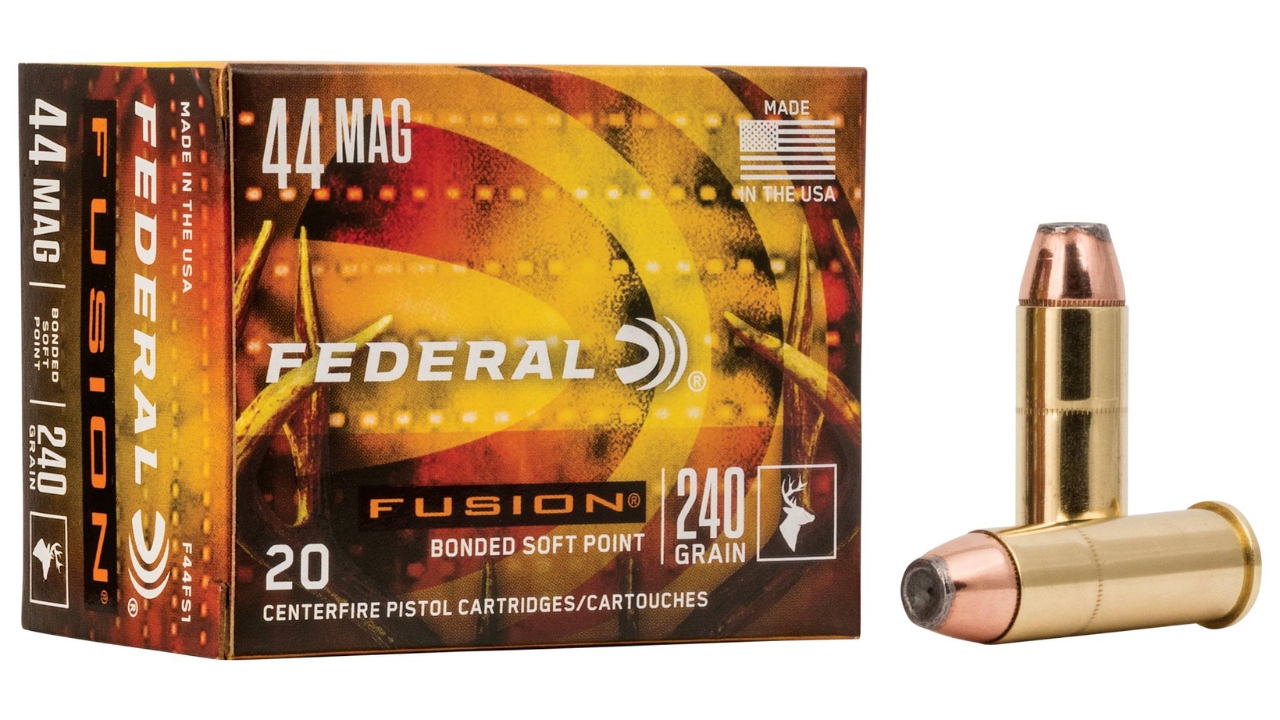
Out of a rifle-length barrel, .44 Magnum turns into a different animal. Inside 150 to 200 yards, it hits harder than most people expect, and it does great work on hogs and deer in thick cover. The recoil in a carbine is generally manageable, and follow-up shots are quick.
This is one of those practical “real hunting” choices that doesn’t care about internet arguments. With good hunting bullets, it penetrates well and makes a noticeable wound channel at typical woods distances. It’s also a cartridge you can practice with without feeling punished, especially compared to big rifle rounds. You’re not picking it for flat trajectory. You’re picking it because it handles fast, hits hard up close, and fits the way many hunters actually move through the woods.
.350 Legend

.350 Legend is a modern straight-wall cartridge that earned its spot by being easy to shoot and genuinely effective at sane ranges. Inside 200, it’s a very practical deer and hog round. Inside 300, it can still do the job if you’re using the right bullets and you understand your drop and wind.
Where it shines is recoil and usability. It’s mild, it’s efficient, and it tends to run well in the rifles built around it. That means you practice more and shoot better, which matters more than chasing velocity numbers. The cartridge also fills a legal niche in straight-wall states, but even outside that, it’s simply a capable hunting round for normal distances. If you want something modern that doesn’t beat you up and still drops deer clean, .350 Legend is legit.
7.62x39mm (hunting loads)
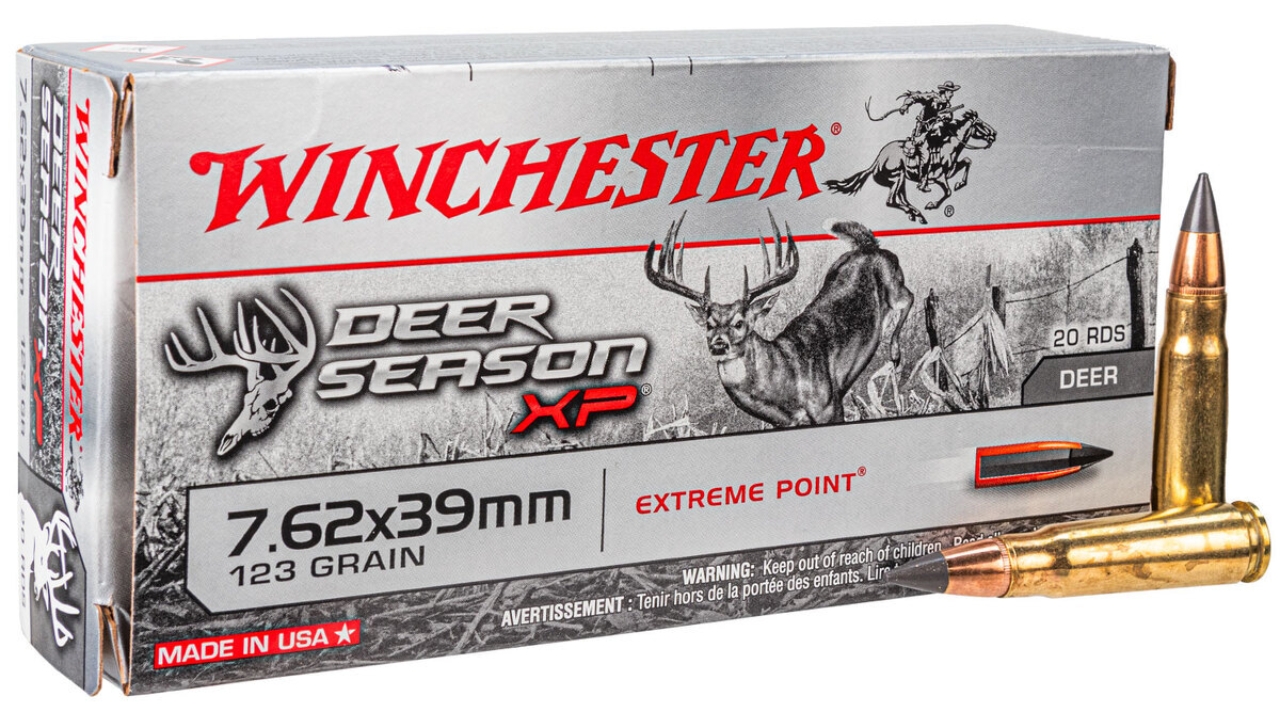
7.62x39mm doesn’t get enough credit as a woods hunting cartridge, because people think “cheap ammo” and stop there. With proper hunting loads, it’s a very workable deer and hog round inside 150 to 200 yards, and it can stretch farther in the hands of someone who knows their rifle. It hits with more authority than its recoil suggests.
The key is using actual hunting bullets, not whatever was on sale in a spam can. When you do that, you get reliable penetration and a respectable wound channel on deer-sized game at typical woods distances. It’s also a cartridge that’s easy to practice with, and rifles chambered for it tend to be handy and fast. If your hunting is thick cover and real-world ranges, 7.62×39 can absolutely be “enough” inside 300 when used responsibly.
Like The Avid Outdoorsman’s content? Subscribe to our newsletter so you never miss an article.
Here’s more from us: