Photo credit: Guns and Guitars/YouTube
When a gun gets recommended nonstop, it starts to feel like a safe pick by default. The problem is that “popular” and “right for you” aren’t the same thing. Some models get parroted because they’re common, cheap, or familiar—not because they’re the best answer for the way you actually shoot, carry, hunt, or maintain your gear.
A lot of these guns aren’t junk. Most will run. But they get sold as sure-thing solutions, and that’s where people get burned. You buy the recommendation, not the reality, then you spend the next year chasing accuracy, reliability, comfort, or parts that should’ve been there from the start.
Remington 700

The Remington 700 name still gets tossed out like it’s a guaranteed win, and older rifles absolutely earned that reputation. The issue is that not every era of 700 production felt the same, and plenty of shooters have handled newer examples that needed more attention than the legend suggests.
What you usually end up fighting is inconsistency. Some rifles shoot lights-out; others show rough finishing, sticky extraction, or accuracy that doesn’t match the expectations people attach to the rollmark. The 700 action is a great foundation, but that’s the point: a foundation. When a rifle gets recommended as “buy it and you’re done,” this one doesn’t always deliver that experience.
Remington 870 Express

The 870 is an American classic, and the Wingmaster-level guns are hard to argue with. But the budget-minded 870 Express years—especially the ones with rough chambers and spotty finishing—are where the nonstop recommendations start to feel lazy.
If you get one that’s smooth, you’ll understand why the platform is everywhere. If you get one that’s rough, you’ll see the other side: sticky extraction with cheap shells, a gritty action until it’s worn in, and rust-prone finishes if you don’t stay ahead of it. People recommend “an 870” like every 870 is the same shotgun. That’s how folks end up disappointed after their first range day.
Savage Axis (and Axis II)

On paper, the Axis is the affordable deer rifle answer—and plenty of them put meat in the freezer. The problem is how often it’s recommended as if it feels like a nicer rifle with a lower price tag. It usually doesn’t.
You’re buying function first. The stock can feel hollow, the action can feel rough, and the overall handling doesn’t inspire confidence the way better-designed budget rifles do. Yes, you can get a shooter, and yes, the Axis can surprise you with accuracy. But if you’re the kind of hunter who practices from field positions and carries a rifle hard, the Axis can feel like a compromise you notice every time you shoulder it.
Mossberg Patriot
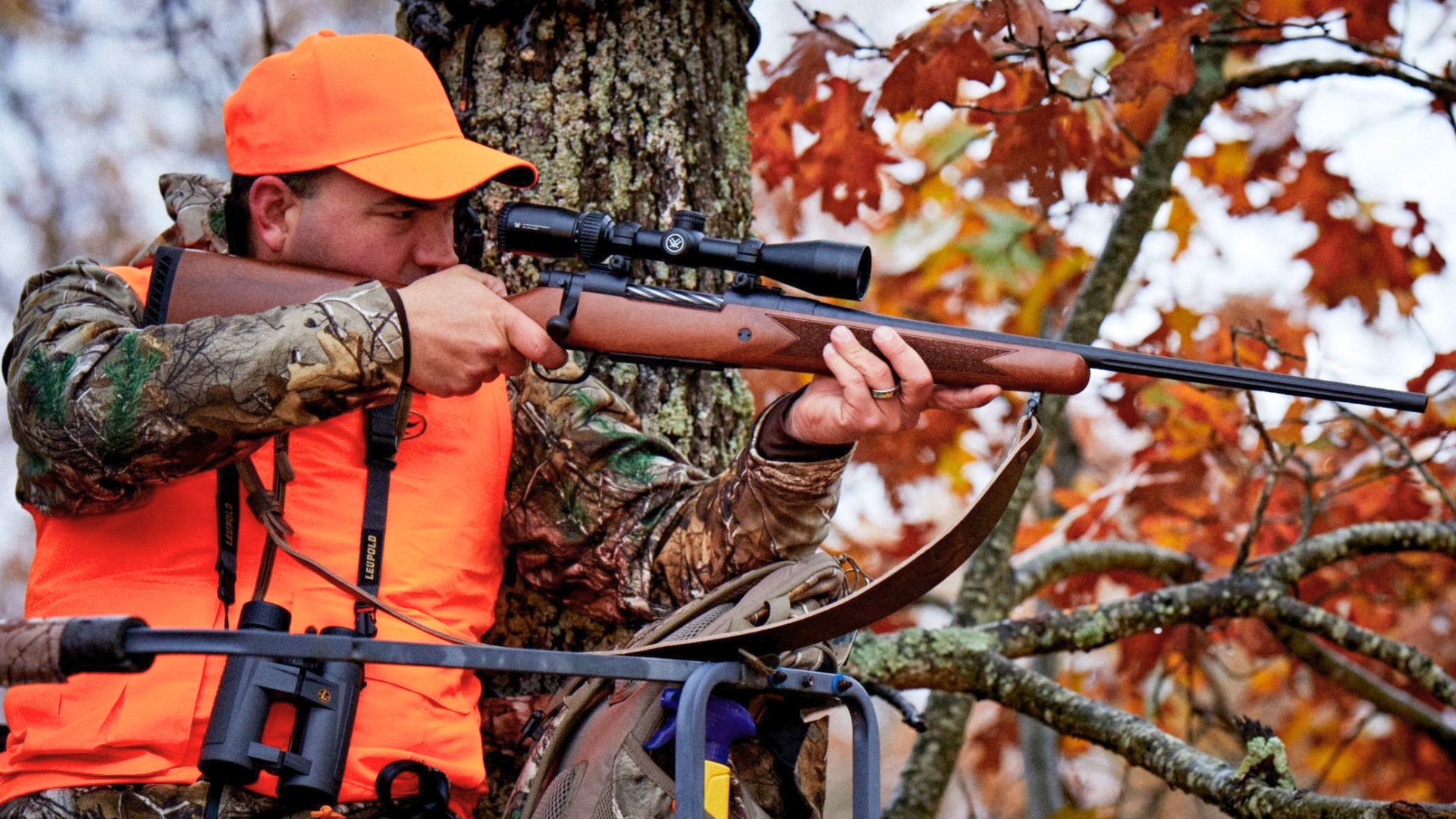
The Patriot gets recommended because it’s available, affordable, and often wears a decent-looking scope package. That combination sells rifles. It also sets people up for the “why does this feel off?” moment once they shoot it enough to care.
A lot of Patriots shoot fine, but the overall fit and feel can be hit or miss—especially compared to other rifles in the same price band. The action can feel stiff, the stock can feel light in a way that doesn’t settle well on sticks, and the recoil impulse can feel sharper than it needs to. When somebody tells you it’s basically a budget version of a better rifle, that’s where the recommendation outruns reality.
Ruger American

The Ruger American line has a lot going for it—good availability, good chamberings, and many examples shoot better than expected. The issue is how it gets recommended as the “end of the search,” when some variants come with stocks that flex enough to create real-world headaches.
If you load a bipod hard, clamp into a rest, or sling up tight, you can see point-of-impact shifts on certain rifles because the forend can kiss the barrel. That’s not every model and not every shooter, but it’s common enough that experienced guys notice it fast. The American can be a great buy. It just isn’t always the set-it-and-forget-it rifle people sell it as.
Kimber 1911

Kimber gets recommended because the guns look sharp, feel refined in the hand, and the name carries weight in 1911 circles. The problem is that 1911s are systems, and a tighter, more “matchy” setup can be less forgiving than people want to admit.
If you’re not willing to run quality magazines, keep it lubed, and break it in like a 1911 sometimes demands, you can end up chasing stoppages and inconsistent performance. Some Kimbers run great. Others teach you a lesson about tolerance stacking and ammo sensitivity. The nonstop recommendation usually skips the part where a 1911 can be a higher-maintenance relationship than a modern service pistol.
Budget 1911s in general
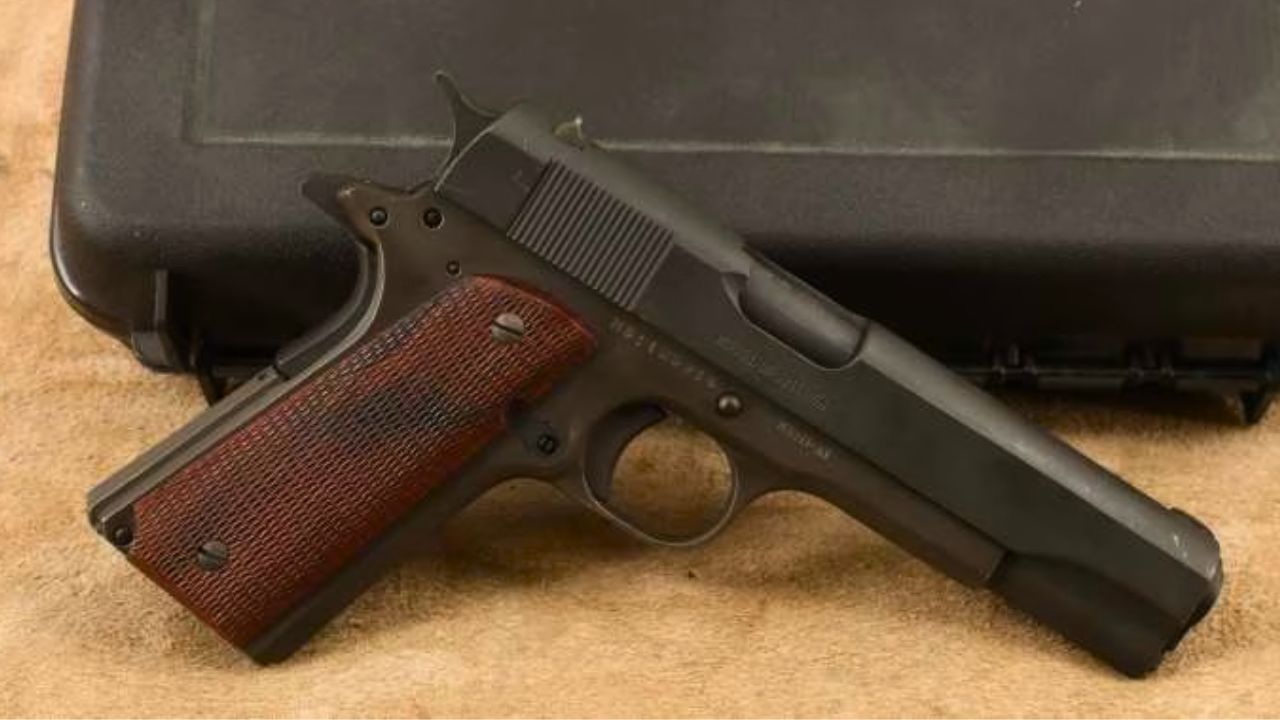
The budget 1911 pitch is always the same: “It’s a .45, it’s steel, it’ll last forever.” Sometimes that’s true. Sometimes you get a pistol that runs well and becomes a favorite. Other times you get a gun that’s accurate enough, but the small parts, magazine fit, and extractor tuning don’t feel as settled as people claim.
The bigger problem is expectations. A lot of new shooters hear “1911” and assume it will behave like a modern duty pistol with no learning curve. Then they discover the platform can be picky about mags, ammo shape, and maintenance habits. Recommending a budget 1911 as a universal answer is how you end up with a frustrated owner and a gun that lives in the safe.
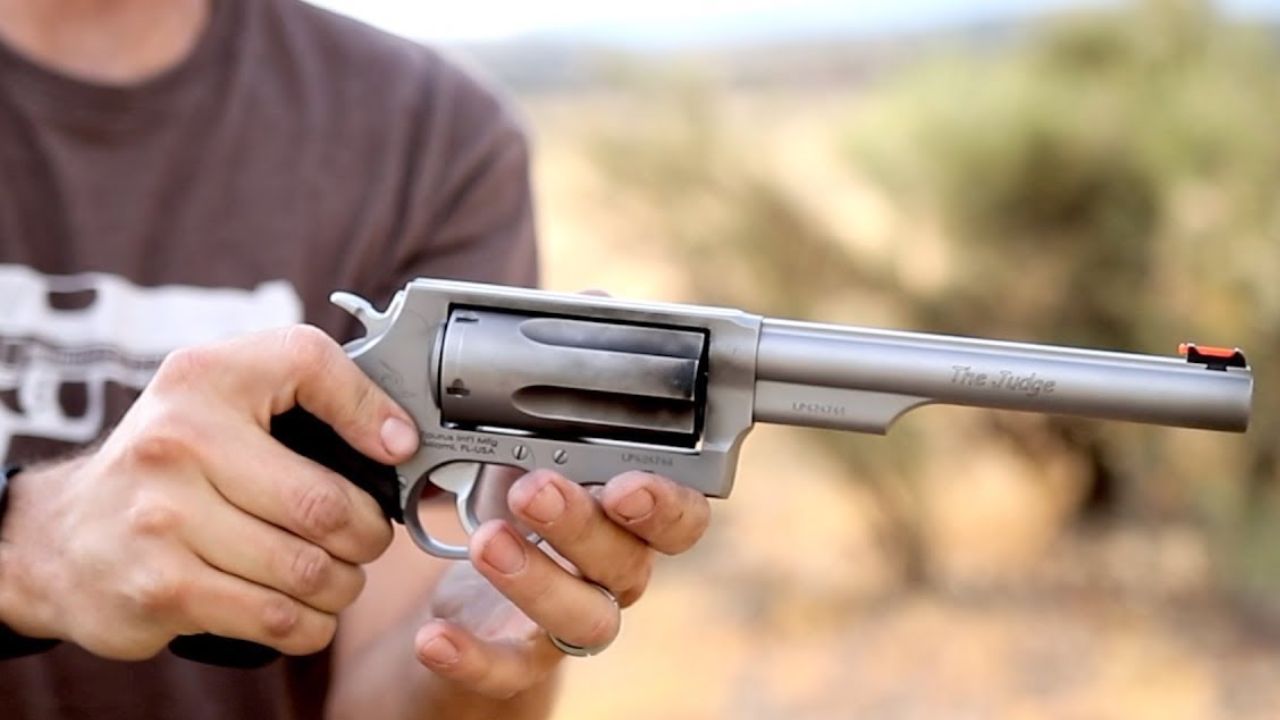
Taurus Judge

The Judge gets recommended to new owners like it’s a one-gun solution for the house, the truck, and the woods. It’s a fun concept, and it can be useful in narrow roles. The problem is that it’s often sold as a shortcut around learning real handgun skills.
The long cylinder, bulk, and trigger feel don’t make it easy to shoot well. .410 defensive loads are also a complicated rabbit hole, and you don’t get rifle-like patterns out of a short barrel the way people imagine. As a novelty or a specific tool, it can work. As the nonstop recommendation for people who want an effective defensive handgun, it doesn’t earn the reputation it gets.
Smith & Wesson Governor

The Governor gets pitched as the “better Judge,” and in some ways it is—fit, finish, and a more refined feel. But it still carries the same issue: it’s a big revolver built around a concept that gets oversold.
It’s large for what it does, the trigger is still a double-action revolver trigger, and the .410 fantasy still runs headfirst into reality when you pattern it and see what it actually delivers at real distances. The Governor can be a capable revolver with .45 Colt, and it can be a fun range piece. The nonstop recommendation usually skips the practical tradeoffs that show up the moment you try to carry it, conceal it, or shoot it fast.
Ruger LCP

The Ruger LCP gets recommended because it’s small, light, and disappears in a pocket. That’s true—and it’s exactly why it can be a rough first choice for a lot of shooters. Tiny pistols demand better fundamentals, not less.
The sights are minimal, the grip is short, and the recoil can feel sharp even in mild calibers. You can absolutely learn to run one, but it’s rarely the confidence-building experience people expect after they hear “great carry gun.” The LCP is good at being small. It isn’t automatically good at being shootable, and that’s where the nonstop recommendation turns into buyer’s remorse.
Kel-Tec SUB-2000

Every time someone wants a “cheap 9mm carbine,” the SUB-2000 shows up in the conversation like it’s the only answer. It folds, it’s light, and it’s clever. It also has ergonomics that can feel awkward, sights that can be limiting, and a shooting experience that doesn’t always match the hype people attach to the concept.
A lot of owners end up modifying them—optics mounts, sight upgrades, charging handle tweaks—because the base gun can feel like a compromise. Some people love theirs. Plenty of others realize they bought an idea more than a refined tool. Recommended as a fun range carbine? Fine. Recommended as the best practical carbine for everyone on a budget? It doesn’t always earn that.
Springfield XD (and XD-M)
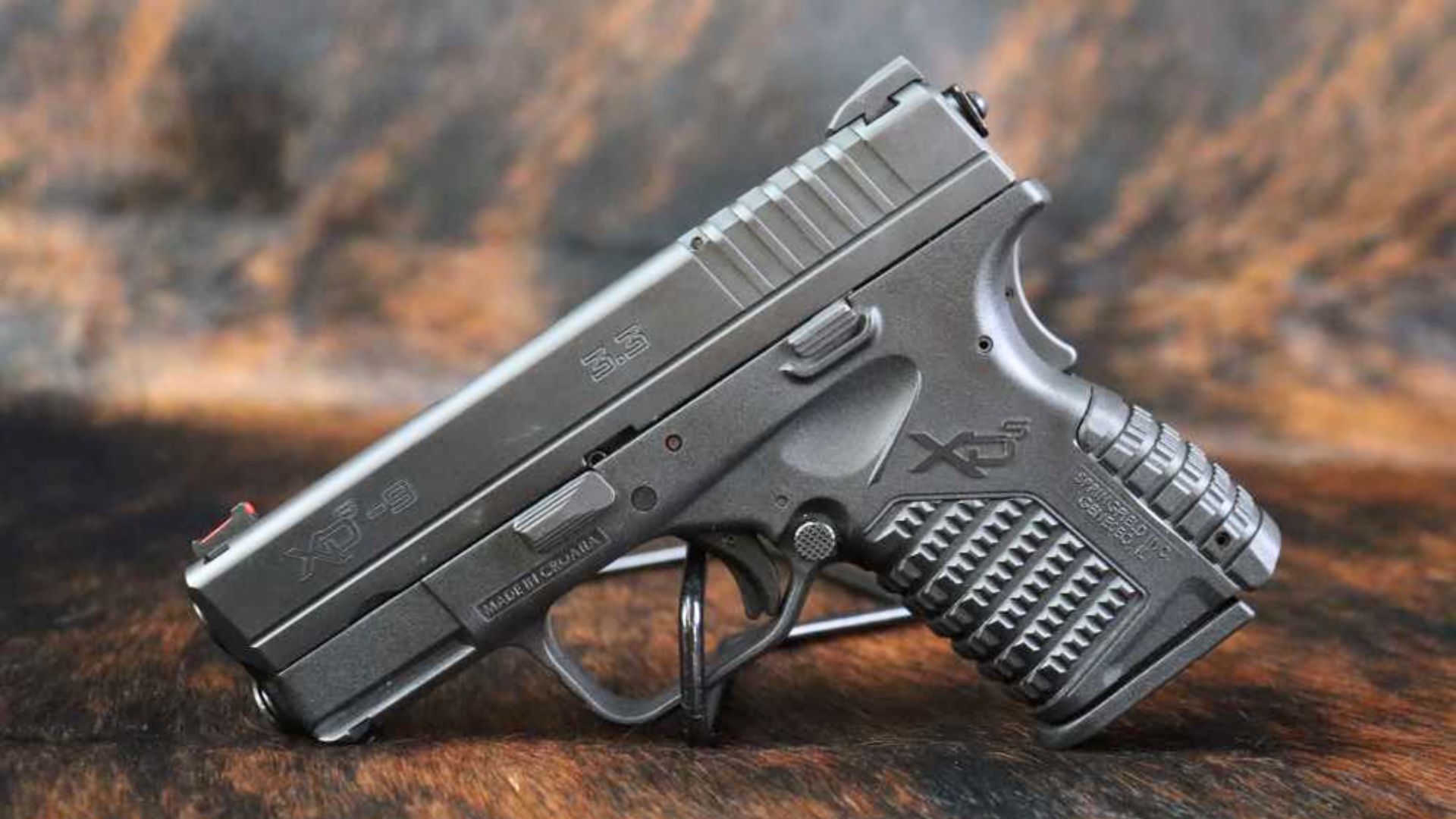
The XD line gets recommended because it’s common, often priced well, and generally reliable. The problem is that it’s also often recommended by people who haven’t compared it honestly against newer designs that do certain things better—trigger feel, bore axis, texture, and overall shootability.
Some shooters run XDs extremely well. Others find the grip feel and recoil behavior don’t flatter them, especially in faster strings. You can also end up with an accessory and holster hunt that isn’t as easy as it is with more common duty pistols. The XD isn’t bad. It’s just not always the best “default” pick the way gun-counter advice makes it sound.
Ruger Mini-14

The Mini-14 gets recommended as a practical alternative to an AR, especially for people who want a traditional look. It can be a reliable rifle, and it carries well. The issue is that it’s often sold as if it gives you AR performance with classic style, and that’s not always how it shakes out.
Accuracy varies by era and model, and even when it shoots well, you’re dealing with an ecosystem that can cost more and offer less flexibility than the modern AR world. Magazines, optics mounting choices, and aftermarket depth all matter if you train and shoot a lot. The Mini can be the right rifle for the right person. It just doesn’t always earn the “everyone should get one” recommendation.
Springfield M1A

The M1A gets recommended because it scratches a very real itch: steel, wood, history, and .308 authority. The problem is that romance doesn’t always survive the first long range session or the first time you try to set it up like a modern rifle.
Optics mounting can be a chore, weight adds up fast, and getting consistent accuracy can take more tinkering than new owners expect. It’s also not a cheap platform to feed if you practice the way you should. None of that makes it a bad rifle. It makes it a niche rifle that gets recommended like it’s a practical all-arounder, which is how people end up frustrated.
Ruger Precision Rifle

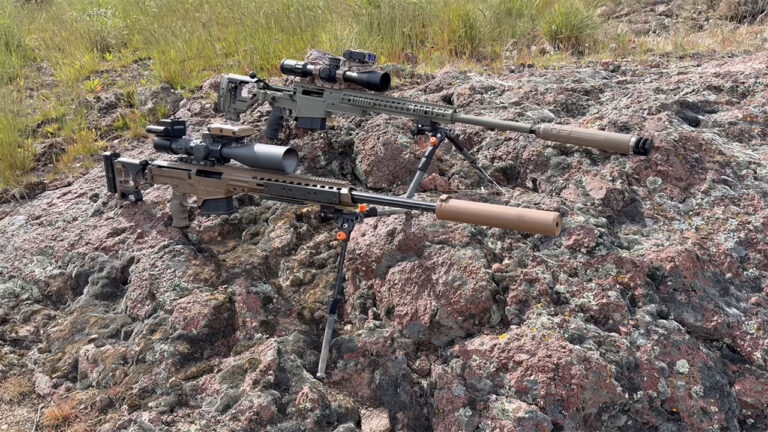
The Ruger Precision Rifle is often legitimately accurate, and it introduced a lot of shooters to long-range work without a custom build. The problem is how often it’s recommended to hunters and general shooters who don’t actually want what the rifle is: heavy, specialized, and best suited to prone or bench work.
If you buy it thinking it’s a do-everything .308 or 6.5 rifle, you’ll feel the weight immediately. You’ll also find out that “easy accuracy” doesn’t replace fundamentals, wind reading, or good ammo. For range-focused long-range shooting, it can be a strong value. As the default recommendation for anyone who says “I want a rifle that shoots far,” it often misses the mark.
Marlin 1895
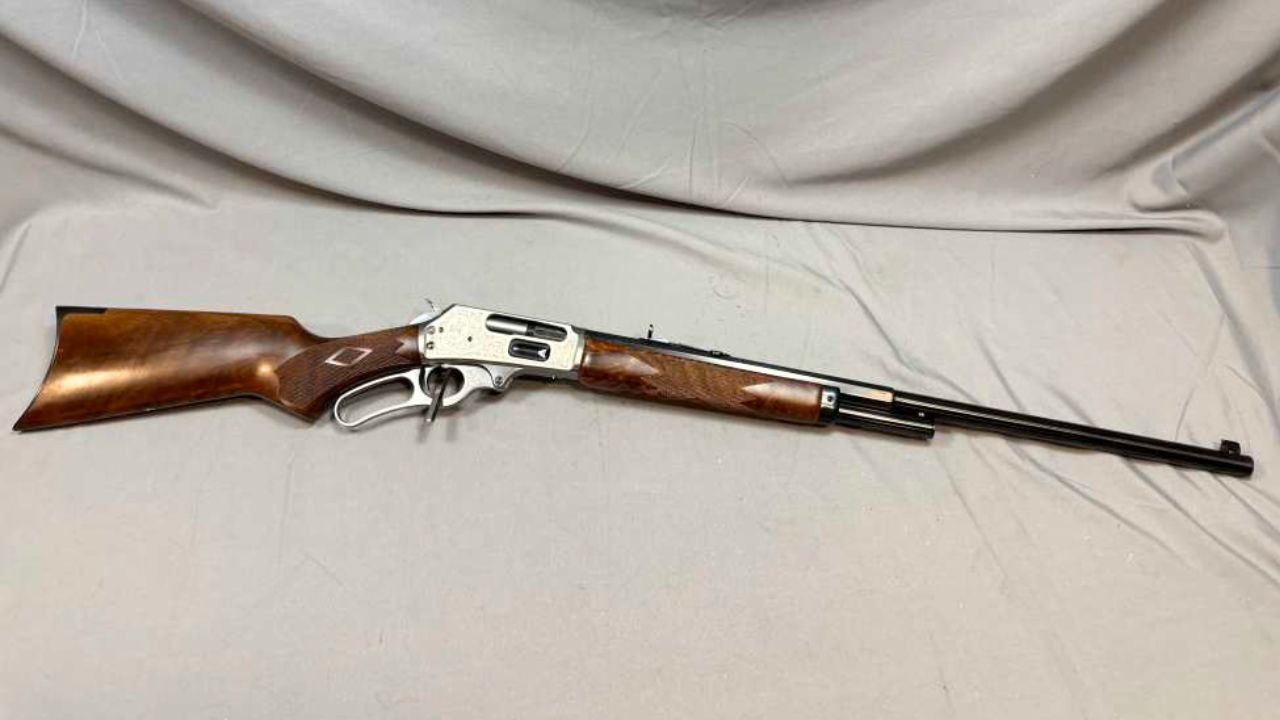
The modern Marlin 1895s can be excellent rifles, and .45-70 is a hammer inside its lane. The problem is that the 1895 gets recommended like it’s a universal big-woods answer for everyone, even for hunters who don’t actually enjoy recoil or don’t need that much cartridge.
Ammo cost is real, recoil can beat you up in light rifles, and you’re not getting flat trajectory without accepting the limits that come with big, slow bullets. Some shooters buy one, shoot two boxes, and realize they would’ve been happier with a lighter-kicking deer cartridge and more practice. The 1895 can absolutely earn its place. It just doesn’t earn being everyone’s automatic recommendation.
Like The Avid Outdoorsman’s content? Be sure to follow us.
Here’s more from us: