Photo credit: Savage Arms
The Savage 110 has been around long enough that it should feel dated by now. It was never the fanciest bolt-action rifle in the rack. It never carried the same glossy old-school prestige as some classic walnut-stocked rifles. It did not become famous because every version looked expensive. It stayed relevant for a more practical reason: it kept giving shooters accuracy, flexibility, and value in a package that could keep evolving.
Savage calls the Model 110 the longest continuously produced bolt-action platform, and the current family covers everything from hunting rifles to carbon-barreled models, chassis rifles, lightweight mountain guns, left-hand options, and precision builds. The company has kept the 110 alive by stacking practical ideas onto the same core platform, including the floating bolt head, barrel-nut system, AccuTrigger, AccuStock, and AccuFit stock systems.
1. It Was Designed to Be Practical From the Start

The Savage 110 was not built to be a showpiece. It was designed as an affordable, accurate bolt-action rifle regular hunters could actually buy. That practical beginning shaped the rifle’s entire identity. The name itself originally came from its early price of $109.95, which tells you plenty about what Savage was trying to do.
That kind of practicality helped the rifle survive. Some guns become classics because they are beautiful. The 110 stayed alive because it worked. Hunters could buy one, mount a scope, sight it in, and go hunt. That sounds simple, but simple rifles that shoot well tend to stick around.
2. The Floating Bolt Head Was a Big Deal

One of the Savage 110’s most important design details is the floating bolt head. Savage explains that the bolt head is separate from the bolt body, allowing it to rotate slightly and align itself with the chamber as the round is chambered. That helps the bolt lock up consistently.
That design gives the 110 a real accuracy advantage without requiring expensive custom fitting. Instead of relying on everything being machined perfectly square in the traditional way, the floating bolt head gives the rifle a little mechanical forgiveness. It is one of those features that looks boring on paper but helps explain why so many Savage rifles shoot better than people expect.
3. The Barrel-Nut System Helped Accuracy and Affordability

The Savage barrel-nut system is another reason the 110 stayed relevant. Instead of using more expensive traditional barrel-fitting methods, Savage used a system that made headspacing more efficient and repeatable. That helped the company build accurate rifles at prices hunters could handle.
It also made the platform popular with tinkerers and builders. Barrel swaps and caliber changes became more approachable for people who knew what they were doing. Not every shooter is going to rebarrel a rifle in the garage, and safety matters there, but the system gave the 110 a reputation for flexibility that many competitors could not match.
4. The AccuTrigger Changed Buyer Expectations

The AccuTrigger was one of the biggest turning points for Savage. Before it came along, a lot of factory rifle triggers were heavy, creepy, or just plain unpleasant. Savage gave buyers a user-adjustable trigger that could be crisp and safe without requiring an immediate gunsmith visit. Savage still highlights the AccuTrigger as one of its major rifle technologies.
That changed what people expected from affordable factory rifles. Suddenly, a hunter did not have to accept a rough trigger just because the rifle was reasonably priced. The 110 helped make a good factory trigger feel like something buyers should demand, not an expensive upgrade.
5. It Built a Reputation for Out-of-the-Box Accuracy

The Savage 110 has long been known for shooting well right out of the box. That reputation did not come from styling or brand nostalgia. It came from hunters and target shooters putting rounds on paper and seeing groups tighter than the price tag suggested.
Savage ties the 110’s accuracy story to features like the floating bolt head, barrel system, AccuTrigger, AccuStock, and modern fit systems. The company’s current Model 110 page describes the platform as built for big game, predators, varmints, and target shooting, with configurations made to suit many different shooters.
6. It Stayed Affordable Without Feeling Disposable
A lot of rifles enter the market as budget guns and stay trapped there. The 110 managed to be affordable without becoming disposable. It was the kind of rifle a hunter could buy as a working tool, use for years, and later upgrade or pass along.
That balance helped it survive changing markets. When premium rifles got expensive and budget rifles got crowded, the 110 still had a place. It was not always polished, but it usually gave shooters honest performance. That matters more in the field than fancy checkering or a glossy catalog photo.
7. Left-Handed Shooters Had a Real Option

Savage deserves credit for supporting left-handed shooters better than many companies did for years. The Model 110 family has long included left-hand variants, and recent 110 announcements still emphasize left-hand models as part of the expanded lineup.
That is not a small thing. Left-handed shooters often get treated like an afterthought, forced to adapt to right-handed rifles or settle for limited options. Savage built a reputation for giving them real choices. That loyalty matters, and it helped the 110 stay relevant to shooters who were ignored by plenty of other brands.
8. The AccuStock Made the Rifle More Serious

The AccuStock helped modernize the 110 by improving how the action sits in the stock. Savage describes the AccuStock as securing the action three-dimensionally along its entire length, giving rifles like the 110 Hunter more consistent fit and function.
That matters because stock flex and poor bedding can hurt accuracy. A rifle can have a good barrel and trigger, but if the action is shifting around in a weak stock, consistency suffers. The AccuStock gave Savage a way to make factory rifles more stable without sending buyers straight to the aftermarket.
9. The AccuFit System Helped More Shooters Fit the Rifle

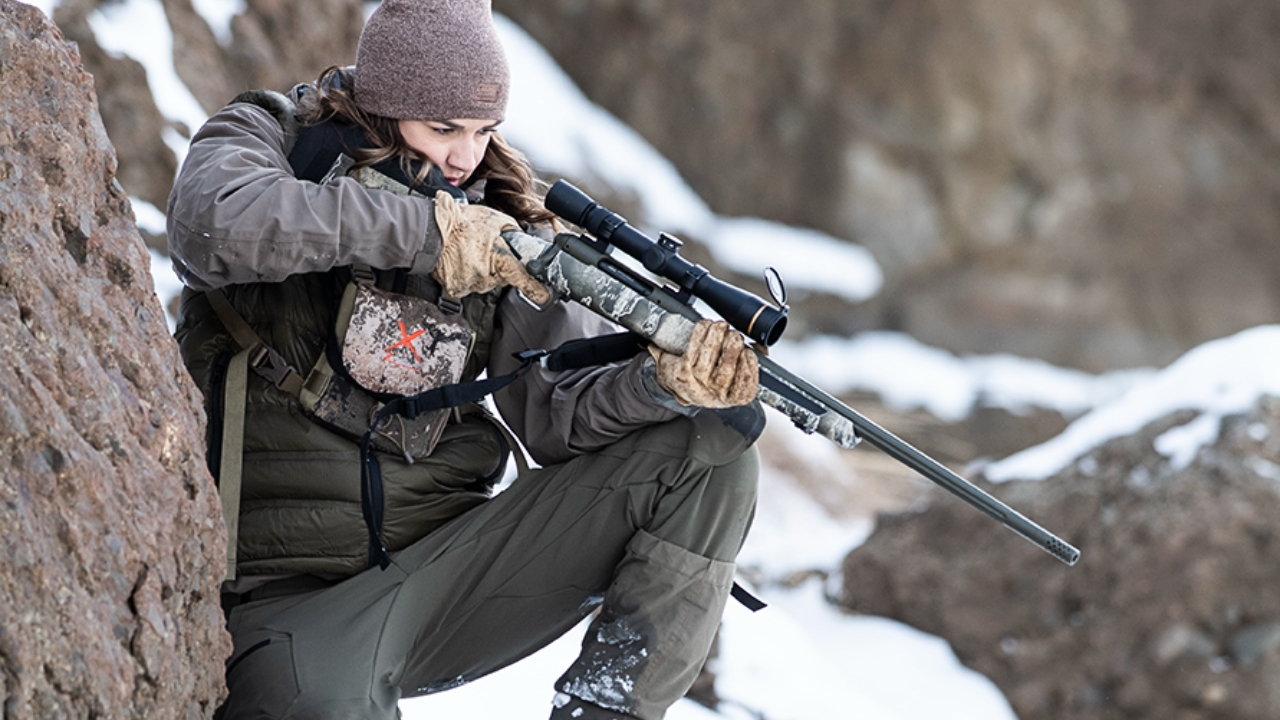
Rifle fit matters more than some hunters admit. Length of pull, comb height, scope height, cheek weld, and recoil control all affect how well someone shoots. Savage’s AccuFit system lets shooters adjust length of pull and comb height to better match their body and optic setup.
That helped the 110 stay modern. A fixed stock can work fine for some people, but it rarely fits everyone well. AccuFit made the rifle more adaptable for smaller shooters, taller shooters, youth hunters, women, and anyone mounting different optics. A rifle that fits better is easier to shoot well.
10. It Spread Into a Huge Number of Models
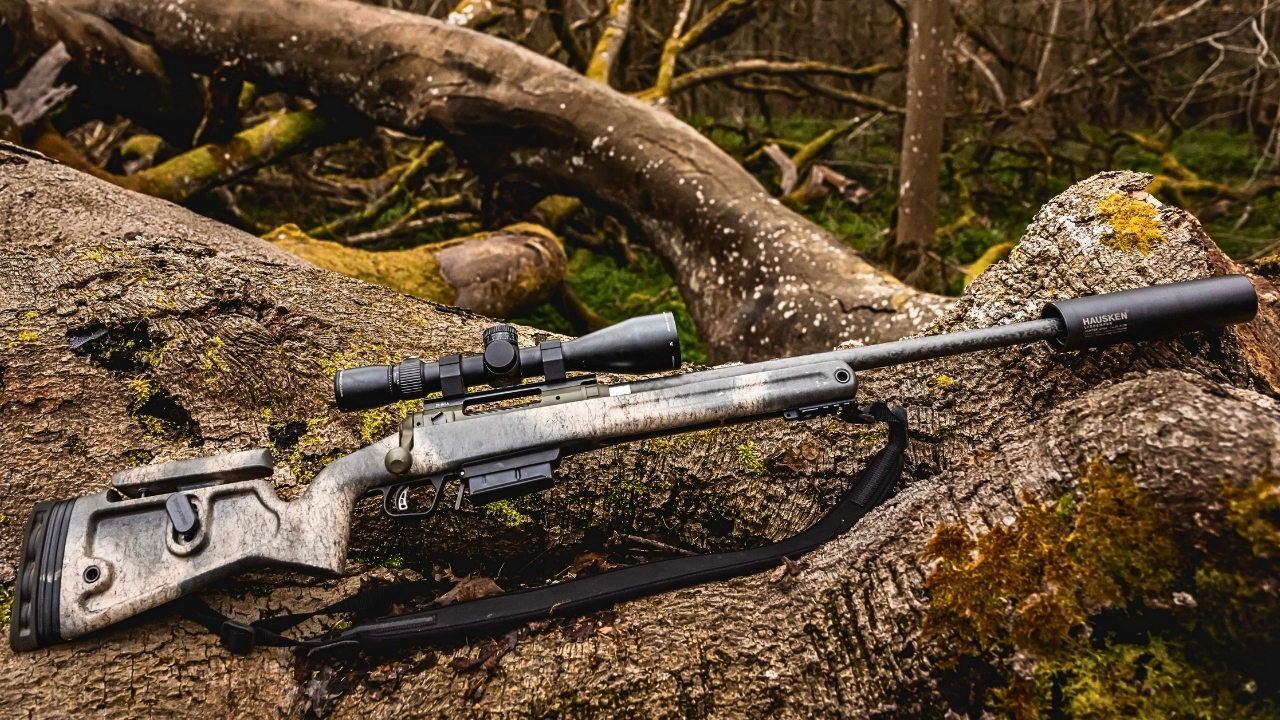
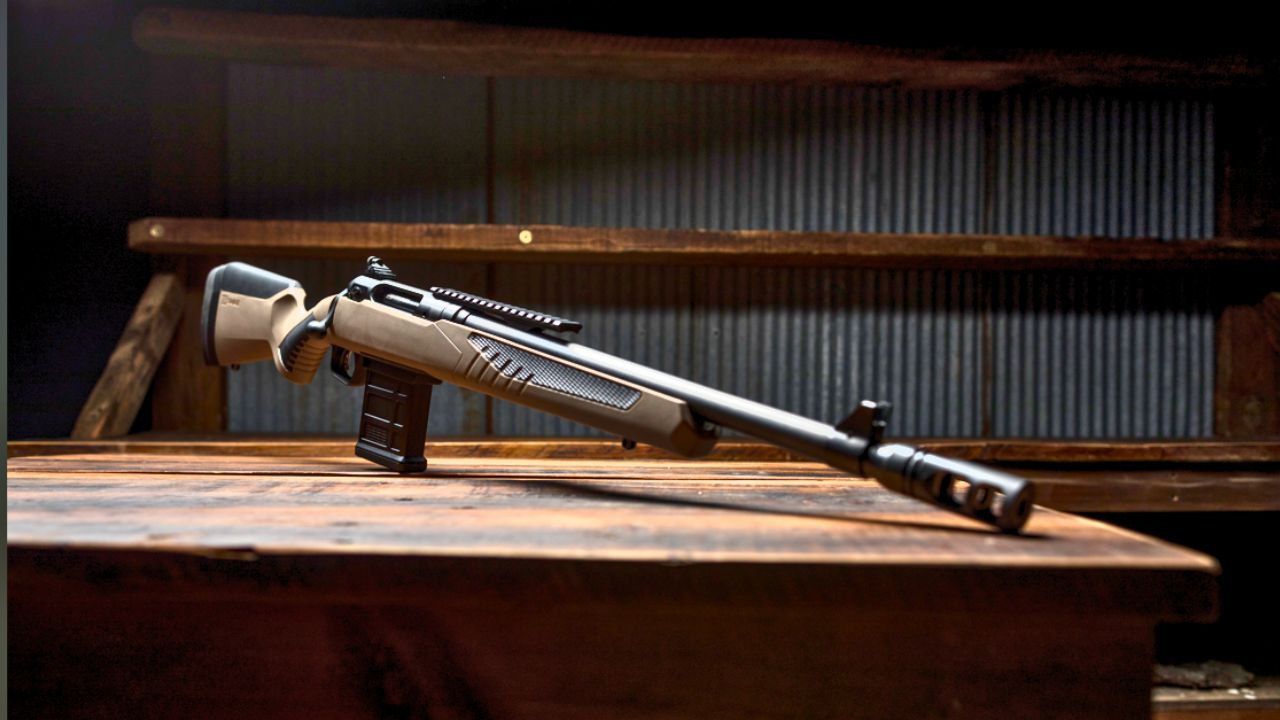
The 110 stayed relevant because Savage did not leave it as one basic hunting rifle forever. The current 110 lineup includes hunting rifles, tactical rifles, chassis rifles, ultralight models, carbon-barreled models, scout-style rifles, and precision builds. Savage describes the current family as broad enough for big game, predators, varmints, and target shooting.
That variety keeps the platform alive. A deer hunter does not need the same rifle as a PRS-style shooter. A mountain hunter does not want the same setup as someone sitting over a bean field. The 110 works because Savage kept adapting it to different jobs instead of forcing one rifle to cover everything.
11. It Handles Common Hunting Cartridges Well
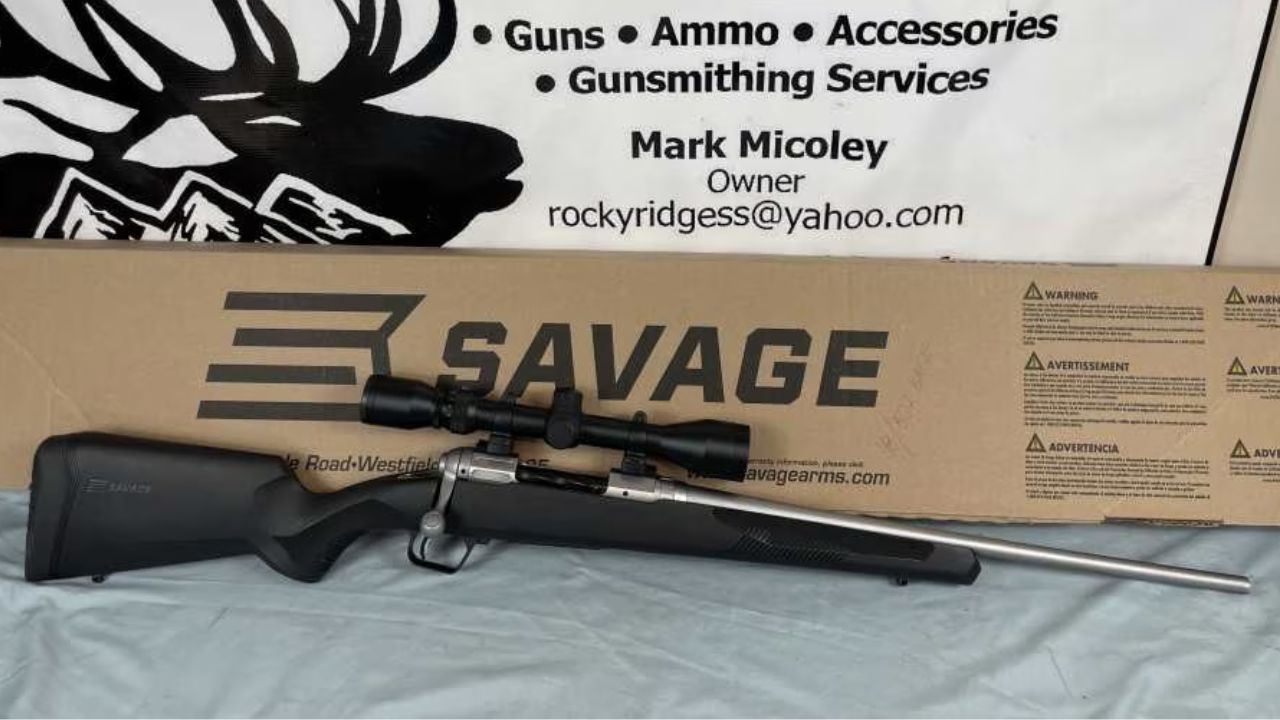
The 110 has been chambered in a wide range of cartridges over the years, and that flexibility is a huge part of its staying power. Traditional options like .270 Winchester, .30-06 Springfield, .308 Winchester, and .243 Winchester helped build its hunting reputation, while newer chamberings helped it stay current.
That matters because hunters buy rifles around cartridges. A platform that only serves one narrow cartridge family can fade quickly. The 110 has been able to follow the market as shooters moved into cartridges like 6.5 Creedmoor, 7mm PRC, and other modern hunting and target rounds. That adaptability keeps it from feeling stuck in one era.
12. It Works for Hunters and Precision Shooters
Some rifles are clearly hunting rifles. Others are clearly range rifles. The 110 has managed to live in both worlds. A basic 110 Hunter can be a practical deer rifle, while models like the 110 Precision and 110 Elite Precision move into chassis-based target and long-range use. Savage’s catalog still lists those precision-focused versions within the 110 family.
That wide spread helps the platform’s reputation. A hunter may know the 110 as a reliable field rifle. A target shooter may know it as an affordable path into precision shooting. The same basic platform can support both identities, and that is a big reason it keeps hanging around.
13. It Improved Instead of Coasting

Savage could have left the 110 mostly alone and relied on its name. Instead, the company kept updating it. AccuTrigger, AccuStock, AccuFit, updated stocks, threaded barrels, Cerakote finishes, one-piece rails, new model families, and expanded chamberings all helped keep the rifle from feeling stale.
That is important because the bolt-action market is much stronger than it used to be. Affordable rifles now shoot well, modern rifles come with better stocks, and hunters expect more features out of the box. The 110 stayed relevant because Savage kept adding practical improvements instead of expecting old loyalty to do all the work.
14. It Gives Buyers a Lot of Rifle for the Money

The 110’s value has always been one of its strengths. It may not always feel as refined as rifles that cost much more, but it usually gives buyers strong accuracy potential, a good trigger, practical stock options, broad chambering choices, and enough model variety to match the job.
That kind of value is why people keep recommending it. A hunter or shooter can spend far more money and still not always get a rifle that shoots meaningfully better for their needs. The 110 does not win every beauty contest, but it often wins when people start comparing real performance for the price.
15. It Stayed Relevant Because It Kept Doing the Work

The Savage 110 has stayed relevant for so long because it never depended on one gimmick. It had affordable beginnings, but it kept improving. It had a smart bolt design, but Savage added better triggers, stocks, fit systems, and model choices. It had hunting credibility, but it expanded into precision shooting too.
That is how a rifle survives for generations. It does not have to be the flashiest rifle on the rack. It has to keep giving shooters a reason to trust it. The 110 has done that through practical accuracy, broad options, left-hand support, and a platform that keeps evolving without losing the reason people bought it in the first place.
Like The Avid Outdoorsman’s content? Subscribe to our newsletter so you never miss an article.
Here’s more from us: