Photo credit: JW.photography/stock.com
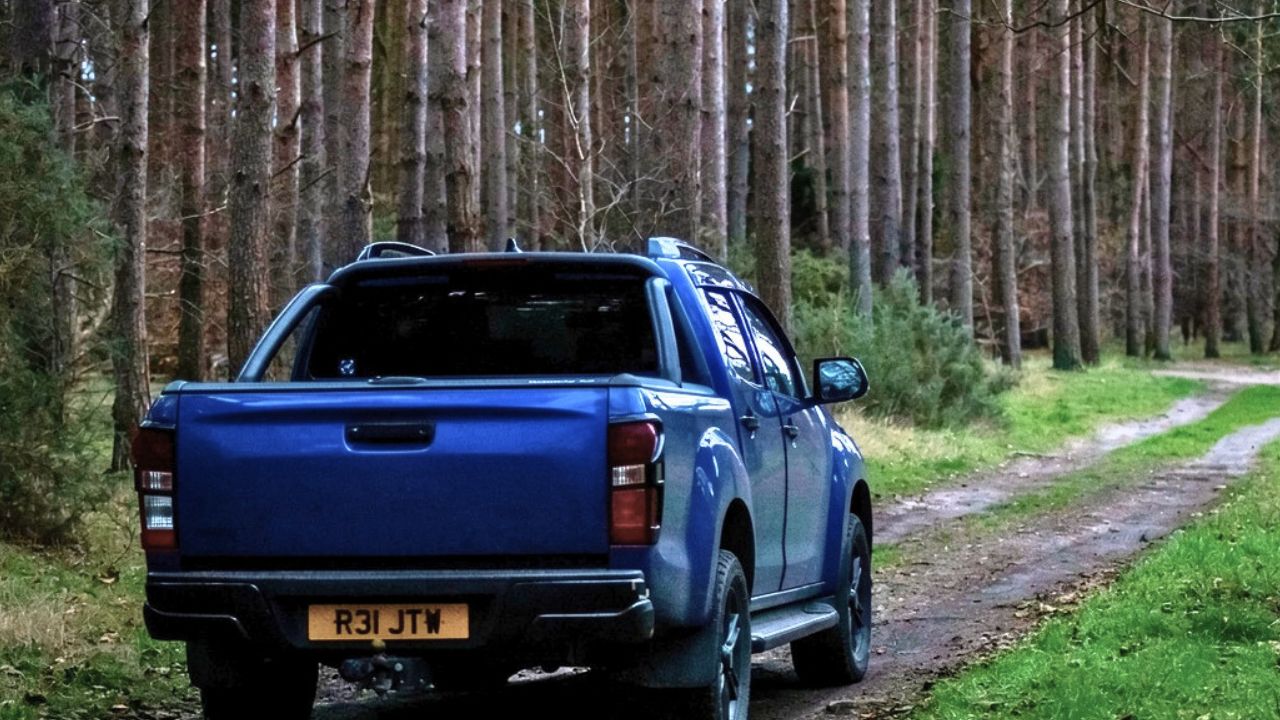
One truck parked wrong can ruin a hunting morning before anyone ever steps into the woods. It sounds small until it happens to you. You pull up in the dark with a plan, the wind is right, the weather is finally cooperating, and there sits a truck blocking the road, crowding the gate, taking up the only turnaround, or parked right where everybody agreed not to park. Now you are sitting there with your headlights off, trying to decide if this is bad manners, bad communication, or the start of a bigger access problem. That is where hunters get themselves in trouble. A truck in the wrong place is frustrating, but how you react can decide whether the day is simply annoying or turns into a property dispute nobody forgets.
Bad Parking Is Not Always Innocent
Sometimes a truck in the wrong place is just a mistake. A new hunter misunderstood the parking area. A guest followed the wrong pin. Somebody pulled off in the dark and did not realize he was blocking the gate. That stuff happens. But sometimes bad parking is not innocent at all. It can be a sign that someone is hunting without permission, blocking access on purpose, sneaking onto land from a side road, or trying to keep other hunters from getting where they need to go.
That is why you should not blow it off, but you should not explode either. Start by looking at the situation clearly. Is the truck on private property? Is it blocking a gate or easement? Is there a lease rule about parking? Is it sitting at a public access point where anyone can legally park, even if the setup is irritating? The answer matters. A bad parking job can be rude without being illegal.
Take Pictures Before You Touch Anything
Before you do anything else, document it. Take photos of the truck, the license plate, the gate, the signs, the road, and the way it is blocking access. Make sure the pictures show the whole situation, not just a tight shot that makes it look worse than it is. If there are tire tracks, cut locks, broken chains, open gates, or posted signs nearby, get those too.
Do not move anything. Do not hook a strap to the truck. Do not let the air out of a tire. Do not leave a nasty note under the wiper. That might feel good in the moment, but it can make you look like the problem. If this ends up with the landowner, game warden, deputy, or lease manager involved, clear photos and a calm timeline will help you a lot more than a story about how mad you got.
Call the Person Who Controls the Access
If you are on a lease or permission ground, the landowner or lease manager should be your first call. They may know exactly whose truck it is. It could belong to a family member, ranch hand, utility worker, neighbor, contractor, or another hunter who was told to park there. Or it could belong to someone who has no business being there at all. Either way, the person who controls the land needs to know.
This is where a lot of hunters mess up. They act like the lease gives them full authority to handle every access issue themselves. Maybe it does, maybe it does not. Unless you own the place, you need to keep the landowner in the loop. A blocked road or gate affects more than your hunt. It can affect livestock, equipment, emergency access, and daily work on the property. That makes it bigger than one missed morning sit.
Do Not Park Them In
Parking behind the truck may feel like a fair response, especially if they blocked you first. It usually is not worth it. Now you have created a confrontation point. When that person comes back, he cannot leave, you cannot leave easily, and both of you are already irritated. If guns are involved because it is hunting season, that is even worse.
If the vehicle is illegally blocking access, call the proper authority and let them deal with it. If it is just parked poorly at a public access spot, you may have to eat the frustration and move on. That is not fun, but it beats turning a bad parking job into an argument in the dark. You can be right and still handle it wrong.
Public Land Makes This Trickier
Public-land parking areas bring out some of the worst behavior. Guys park across two spots, block the turnaround, leave trailers where nobody can pass, or use their truck like a claim marker for a whole section of woods. It is annoying, but public land is public. Unless they are blocking a road, gate, emergency access, or violating posted rules, there may not be much you can do beyond adjusting your plan.
That is why public-land hunters need backup access points and backup spots. If one truck ruins your whole hunt, your plan was too fragile. That does not excuse the other guy’s parking, but it does keep him from controlling your morning. The best public-land hunters know how to pivot. They do not waste prime daylight sitting at the lot fuming over someone else’s lack of sense.
Private Land Needs Clear Parking Rules
On private land, bad parking usually points to unclear rules. Everyone with permission should know exactly where to park, which gates to use, which roads stay open, and which areas are off-limits. Guests should not be guessing in the dark. Lease members should not be making up their own parking spots because they want to get closer to a stand. The landowner should not have to wonder whose truck is sitting by the barn.
Write the rules down. Send a map. Mark parking spots if needed. Make it clear that nobody blocks gates, ranch roads, driveways, equipment access, or livestock areas. It may sound like overkill until one guy parks where he should not and the landowner decides hunters are more trouble than they are worth. A good parking plan protects the permission.
Watch for Trespassing Patterns
One misplaced truck may be a mistake. The same truck showing up more than once is a pattern. If you keep seeing a vehicle near a gate, along a fence line, at an old logging road, or parked by a back corner of the property, start keeping records. Dates, times, photos, and locations matter. Trail cameras watching access points can help too.
Trespassers often test the edges first. They park nearby, walk in a little, see if anyone notices, and come back when nothing happens. A truck in the wrong place may be the first visible sign that someone is getting comfortable. Do not ignore that. You do not have to start a war over it, but you do need to pay attention and tighten things up before the problem grows.
The Best Response Is Calm and Boring
A truck in the wrong place can make you mad enough to do something dumb. That is exactly why you need a plan before it happens. Take pictures. Verify access. Call the landowner or lease manager. Report it if it needs reporting. Adjust your hunt if the setup is already blown. Do not touch the vehicle, block it in, or turn the parking area into a shouting match.
Hunting access is hard enough to come by without letting one bad parking situation wreck relationships or create legal problems. The truck may be wrong. The driver may be careless. He may even be trespassing. But your reaction still needs to be clean. A calm hunter with proof is in a much better position than an angry one with a story nobody wants to sort out.
Like The Avid Outdoorsman’s content? Subscribe to our newsletter so you never miss an article.
Here’s more from us: