Photo credit: PhotoProx/Shutterstock.com
A missing game camera is one of those things that tells you the problem probably did not start that day. Cameras do not usually walk off by accident. Somebody had to find it, decide they did not want it there, and take it. Maybe it was a trespasser who knew he got caught. Maybe it was another hunter who did not want you seeing where he walked. Maybe it was a thief who figured nobody would ever prove anything. Either way, once a camera disappears, you are usually past the “maybe someone made an honest mistake” stage. Now you are dealing with access problems, theft, and probably somebody who has gotten too comfortable on land that is not theirs.
Do Not Assume It Was Random
A stolen camera can feel random, but most of the time there is a reason it was taken. Someone may have noticed it while crossing the property. Someone may have been caught on it before. Someone may have been hunting, dumping bait, checking your stand, or cutting through a spot they knew they should not be using. If the camera was pointed at a gate, trail, feeder, road, or stand location, think hard about what it might have captured.
That missing camera is a clue, not the whole story. Start by checking the area around it. Look for boot tracks, tire marks, ATV tracks, broken limbs, fresh flagging, cut locks, open gates, or anything else that seems off. A thief usually leaves some kind of sign, even if it is small. Do not stomp all over the area in a temper. Slow down and look before you erase the tracks that might tell you where he came from.
Save What You Still Have
If it was a cell camera, check the last photos it sent before it disappeared. Those images may show the person walking up, reaching for it, or scouting the area before they took it. Save every image right away. Screenshot it, download it, email it to yourself, and keep the timestamps. If the camera caught a face, clothing, vehicle, plate, backpack, rifle, or direction of travel, that may be enough to give the landowner or law enforcement somewhere to start.
If it was a standard SD-card camera, you may not have much unless you had another camera covering it. That is why good camera setups usually overlap. One camera watches the deer. Another watches the access. A third may catch whoever messes with the first two. It sounds excessive until the day one disappears and you realize the camera itself became the bait.
Check the Access Points First
When a camera goes missing, do not only stare at the tree where it used to be. Figure out how somebody got there. Check gates, fence gaps, creek crossings, old logging roads, powerline cuts, neighbor trails, and field edges. A thief had to enter and leave somehow. If you find fresh tracks at a gate or tire marks where nobody should be driving, that may matter more than the empty strap on the tree.
This is where a lot of hunters find out their property is more open than they thought. Maybe a back gate does not latch right. Maybe an old trail from the neighboring place is still being used. Maybe there is a low spot in the fence where people cross. Maybe a public road pull-off gives someone easy access to the corner of the property. A stolen camera is aggravating, but it can also show you exactly where your weak point is.
Tell the Landowner or Lease Manager Fast
If you are hunting leased or permission ground, do not keep the missing camera to yourself. Call the landowner or lease manager and explain what happened. Send photos of where the camera was, any tracks you found, and any last images it sent. A missing camera may be your property, but the bigger issue is someone coming onto the land and taking things. The landowner needs to know that.
This also protects you if the problem turns into a dispute later. You do not want the landowner hearing about trespassing or theft weeks after the fact. Be clear and calm. Do not make guesses sound like facts. Say what you know: where the camera was, when you last checked it, when it disappeared, and what evidence you found. That kind of report gets taken more seriously than a rant about how someone is probably poaching the whole place.
Report Theft When It Needs Reporting
A game camera may not be the most expensive thing on the property, but theft is theft. If you have photos of the person, repeated trespassing, broken locks, missing stands, cut fences, bait piles, or anything else tied to the same area, call the proper authority. That may be a sheriff’s office, game warden, conservation officer, or local deputy depending on where you are and what else happened.
Do not assume nobody will care. Some places deal with this constantly, and a good report can start a record. Even if the camera never comes back, the report matters if more gear disappears later. It also matters if the same person gets caught somewhere else. A lot of trespassers count on hunters being mad enough to complain but not organized enough to file anything. Do not make it that easy for them.
Do Not Play Detective in a Dangerous Way
It is tempting to hide in the woods and wait for whoever took it to come back. I get the urge. Nobody likes being stolen from, and hunters are not known for loving unanswered questions. But turning yourself into a one-man stakeout can go sideways fast, especially if the person is armed, trespassing at night, or already willing to steal gear.
Use cameras, locks, signs, and reports. Do not go looking for a confrontation. If you suspect someone specific, do not drive over and start accusing them unless you are ready for the mess that can create. Let the evidence lead, and let the right people handle the parts that can turn ugly. Your goal is to protect the property, not end up in a driveway argument with someone who already showed bad judgment.
Make the Next Camera Harder to Steal
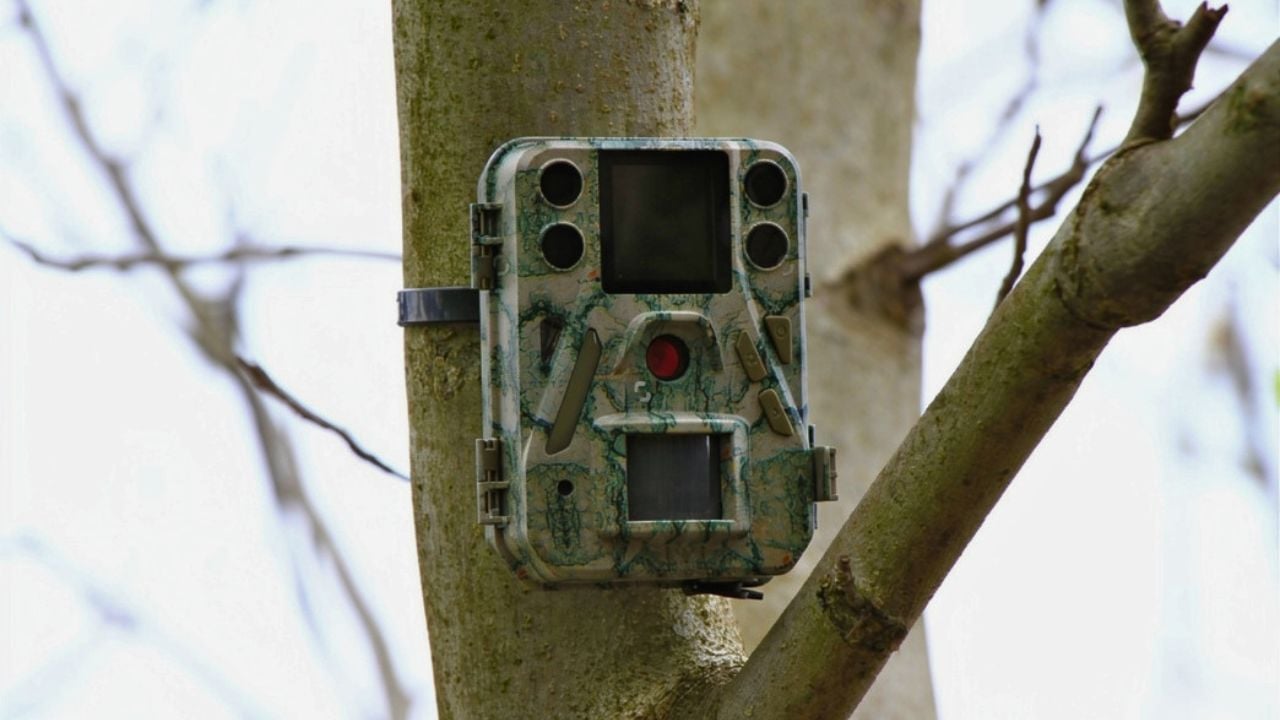
After one camera disappears, your next setup needs to be smarter. Use a lock box, cable lock, higher placement, better concealment, or a cell camera that sends photos immediately. Mounting a camera higher and angling it down can keep it out of easy reach and out of a trespasser’s normal line of sight. Brushing it in helps too, as long as you are not blocking the sensor or lens.
Also think about what the camera is watching. Cameras over deer trails are useful, but cameras watching gates, roads, fence gaps, and parking spots may be more important once theft starts. You need to know who is accessing the property. A big buck picture is nice. A clear picture of the truck that keeps slipping through the back gate may be worth a whole lot more.
Tighten the Property Before More Gear Disappears
A missing camera should make you look at the whole place differently. If someone took one camera and got away with it, stands, feeders, blinds, tools, fuel cans, gates, and other cameras may be next. Walk the property. Check locks. Replace weak chains. Freshen posted signs. Move cameras to cover entrances. Let other hunters on the lease know what happened so they can watch their gear too.
If you are part of a hunting group, make sure everyone knows the access rules. Sometimes missing gear gets blamed on outside trespassers when the real problem is a guest, former lease member, neighbor, or someone who still thinks he has permission. That is uncomfortable to deal with, but it is better than pretending the problem is always some mystery stranger.
A Stolen Camera Is a Warning
Losing a game camera is frustrating, but the bigger issue is what it tells you. Someone was there. Someone found your setup. Someone decided taking it was worth the risk. That means the property has an access problem, a theft problem, or both. Treat it like a warning instead of just a missing piece of gear.
Save the evidence, check the access points, notify the landowner, report it when needed, and change how you set cameras from that point on. The camera may be gone, but the lesson is still useful. Once someone starts taking gear, the worst thing you can do is shrug it off and keep hunting like nothing changed.
Like The Avid Outdoorsman’s content? Subscribe to our newsletter so you never miss an article.
Here’s more from us: