Photo credit: czusafirearms/Youtube
Some rifles don’t get their respect while they’re easy to buy. They sit quietly on racks while flashier models get the attention. They’re too plain, too odd, too old-fashioned, or too far outside the current trend. Then production ends, clean examples disappear, and suddenly the same rifles people ignored become the ones everyone wants to talk about.
That kind of desirability usually doesn’t come out of nowhere. Most of these rifles had something going for them all along. Maybe they handled well, shot better than expected, filled a strange niche, or offered a level of quality people didn’t fully appreciate at the time. Once the market caught up, owners who kept them looked a whole lot smarter.
CZ 527 Carbine
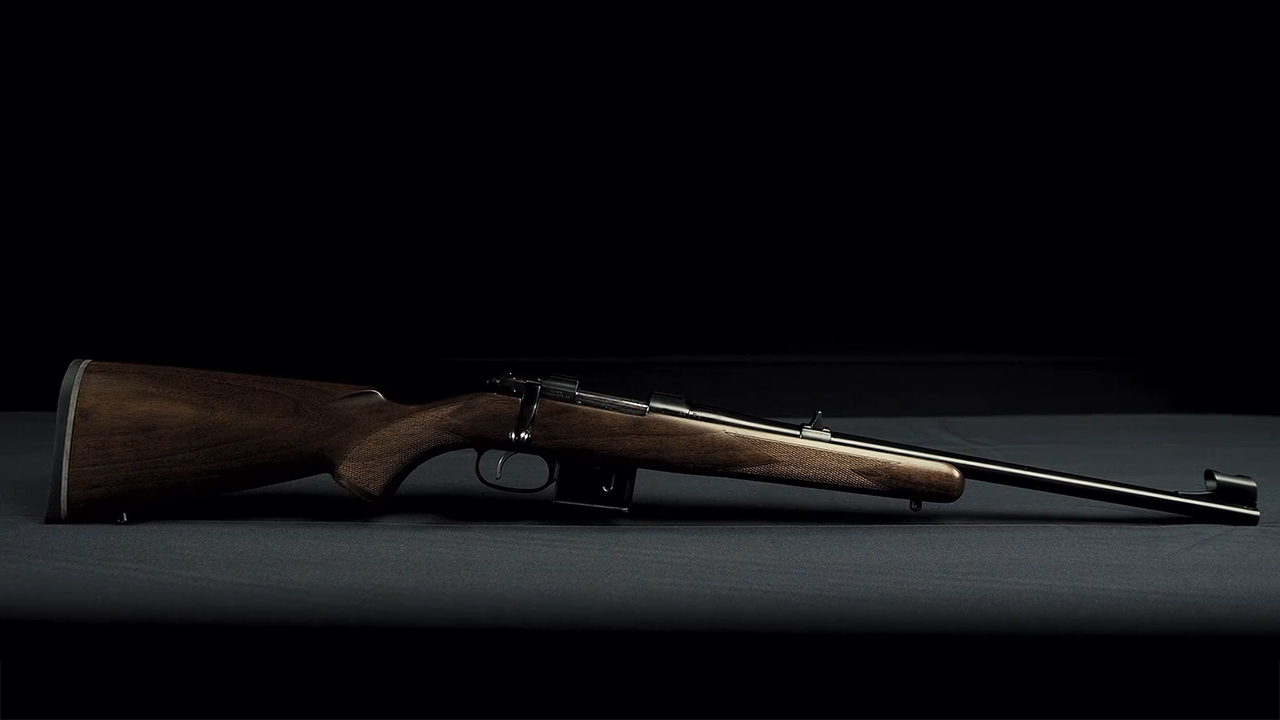
The CZ 527 Carbine was easy to overlook when it was still available. It didn’t look like a typical American hunting rifle, and it didn’t fit the AR crowd either. The mini-Mauser-style action, detachable magazine, compact barrel, and chamberings like .223 Remington or 7.62×39 made it feel a little unusual.
That unusual setup is exactly why it became desirable. The 527 Carbine is light, handy, accurate enough for practical field use, and full of personality. It works for predators, range shooting, ranch carry, and small-to-medium game where legal and appropriate. Once CZ discontinued it, shooters realized there weren’t many compact bolt-actions with the same feel. The rifle people walked past suddenly became one they wished they had bought.
Ruger No. 1
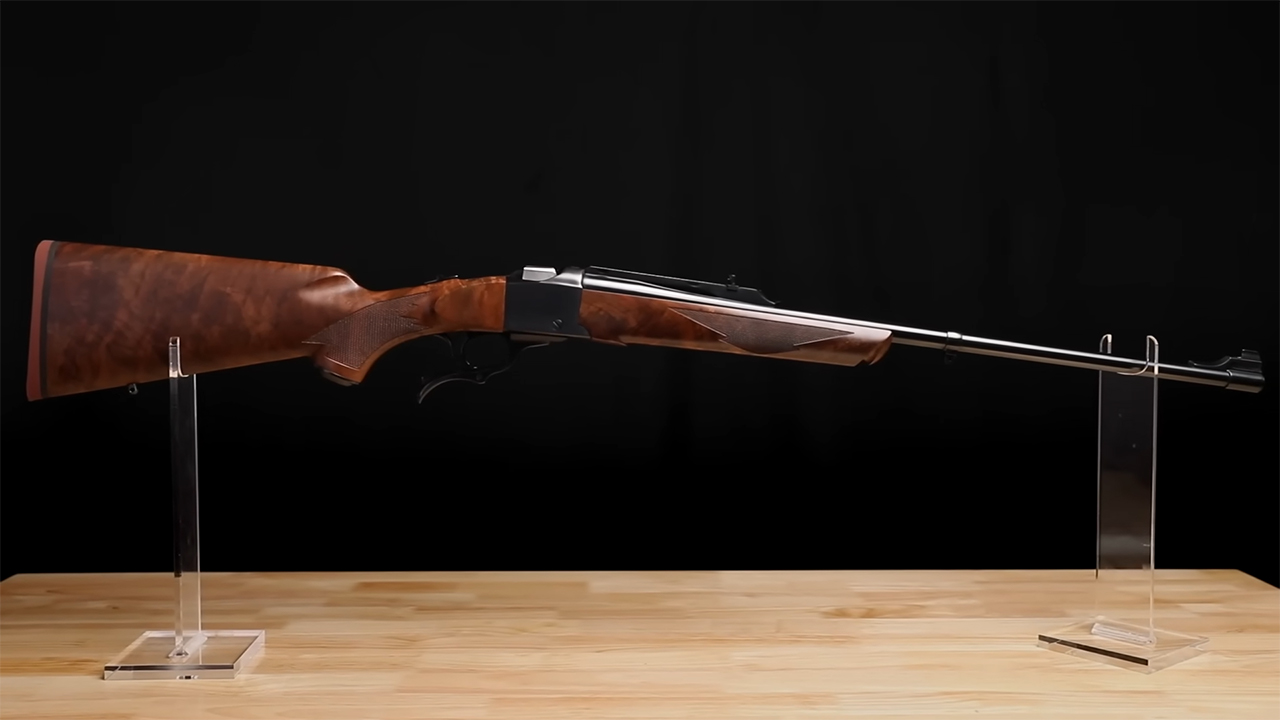
The Ruger No. 1 has always had fans, but plenty of hunters ignored it because it was a single-shot. That made sense if someone wanted quick follow-up shots or simple practicality. A bolt-action was easier to justify, especially when buying one rifle to do everything.
Over time, the No. 1’s oddness became its strength. It is strong, compact for its barrel length, beautifully shaped, and chambered over the years in a wide range of interesting cartridges. Certain configurations became especially desirable because they weren’t always easy to find later. The No. 1 doesn’t appeal to everyone, but that’s part of the charm. It became more desirable because it offered something modern repeaters usually don’t: identity.
Savage Model 99

The Savage Model 99 spent a long time being treated like an old deer rifle instead of the clever design it really was. It gave hunters lever-action speed with cartridge performance traditional tube-fed rifles couldn’t match. Still, many used examples sat around because they looked like yesterday’s hunting gun.
Now the Model 99 has a stronger following because its design stands apart. The rotary magazine on many versions allowed pointed bullets, and chamberings like .300 Savage, .308 Winchester, and .250-3000 Savage still make sense for deer hunting. Condition matters because the action is more complex than simpler lever guns, but a clean 99 has serious appeal. People ignored it until they realized nothing current really replaced it.
Winchester Model 88

The Winchester Model 88 is another rifle that didn’t always get the attention it deserved. It was a lever-action, but not in the traditional sense. The rotating bolt and detachable magazine gave it more modern cartridge capability, while the lever kept it fast in the hands. That made it hard to categorize.
That same hard-to-categorize design is why it became more desirable. A Model 88 in .308 Winchester, .243 Winchester, or .284 Winchester offers something different from standard bolt-actions and classic .30-30 lever guns. It has quirks, and used examples need careful inspection, but a good one feels special. People ignored it when it seemed strange. Now that strange feels smart.
Marlin 1894C
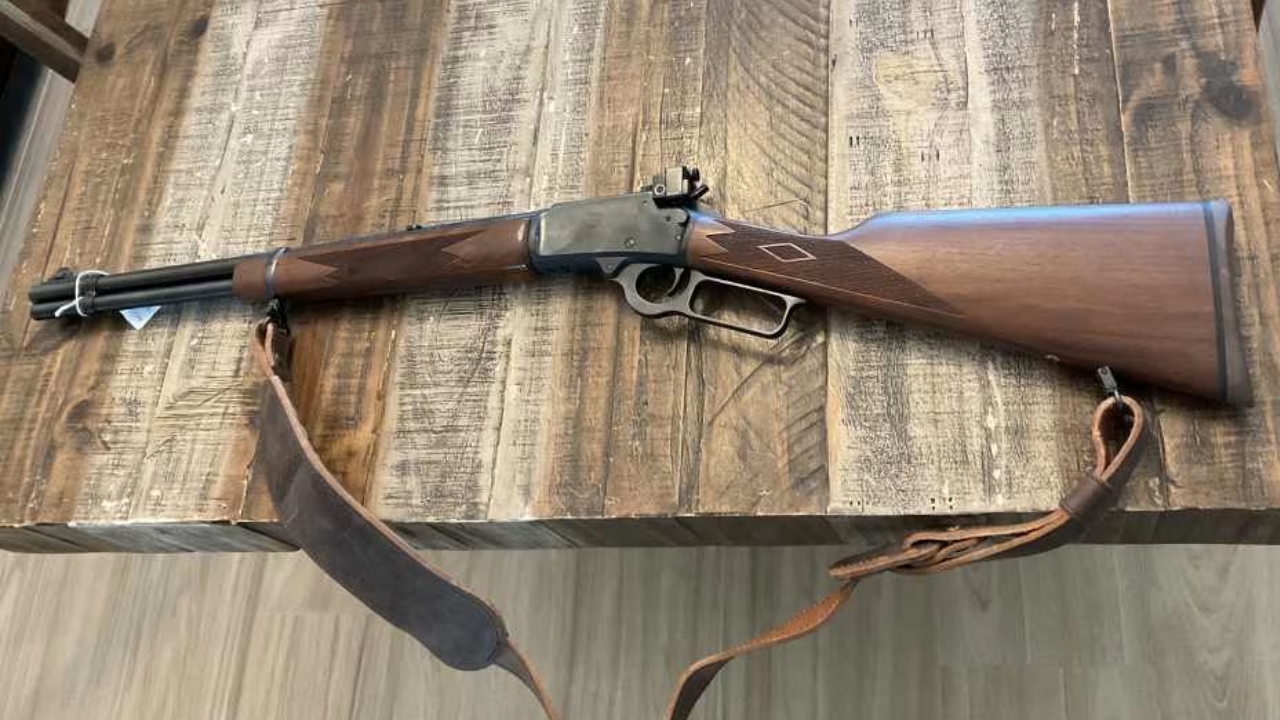
The Marlin 1894C was once just a handy .357 Magnum lever gun. It was fun, useful, and practical, but not always treated like a rifle people would regret missing. Plenty of shooters passed on them because pistol-caliber carbines weren’t always getting the attention they get now.
Then clean examples became harder to find, and the appeal became obvious. The 1894C can shoot mild .38 Special loads for easy practice and .357 Magnum loads for field use where legal and appropriate. It is light, quick, and useful around rural property or thick woods. A .357 lever-action carbine has a kind of everyday usefulness that doesn’t fade. Once buyers noticed that, the rifle became much harder to ignore.
Remington Model Seven
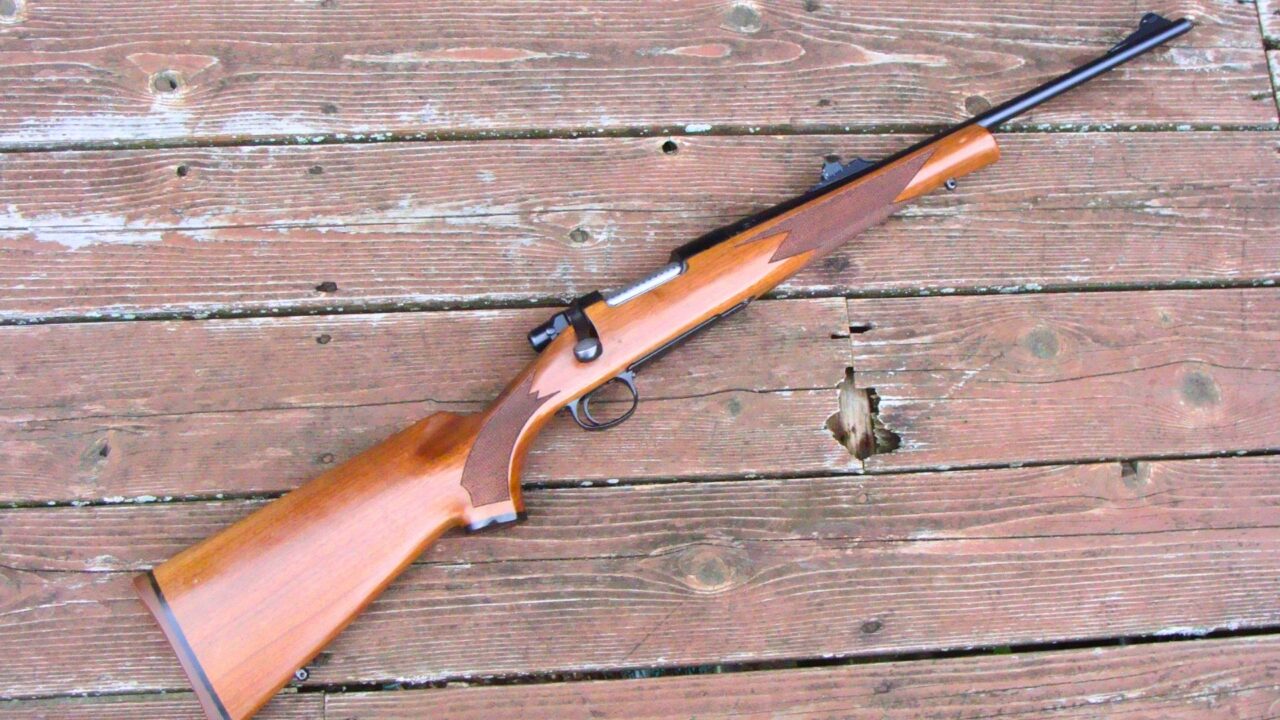
The Remington Model Seven looked like a smaller Model 700 to some buyers, and that made it easy to overlook. Many hunters wanted full-size rifles, longer barrels, or more traditional sporters. A compact bolt-action didn’t always seem like the obvious choice unless someone had a specific need for one.
That changed as hunters started appreciating handy rifles more. The Model Seven is short, quick to shoulder, and practical in deer woods, box blinds, and thick cover. In chamberings like 7mm-08 Remington, .243 Winchester, and .308 Winchester, it gives plenty of capability without extra bulk. Clean examples, especially desirable configurations, have become more interesting because compact hunting rifles this well-balanced aren’t always easy to replace.
Browning BLR Lightweight
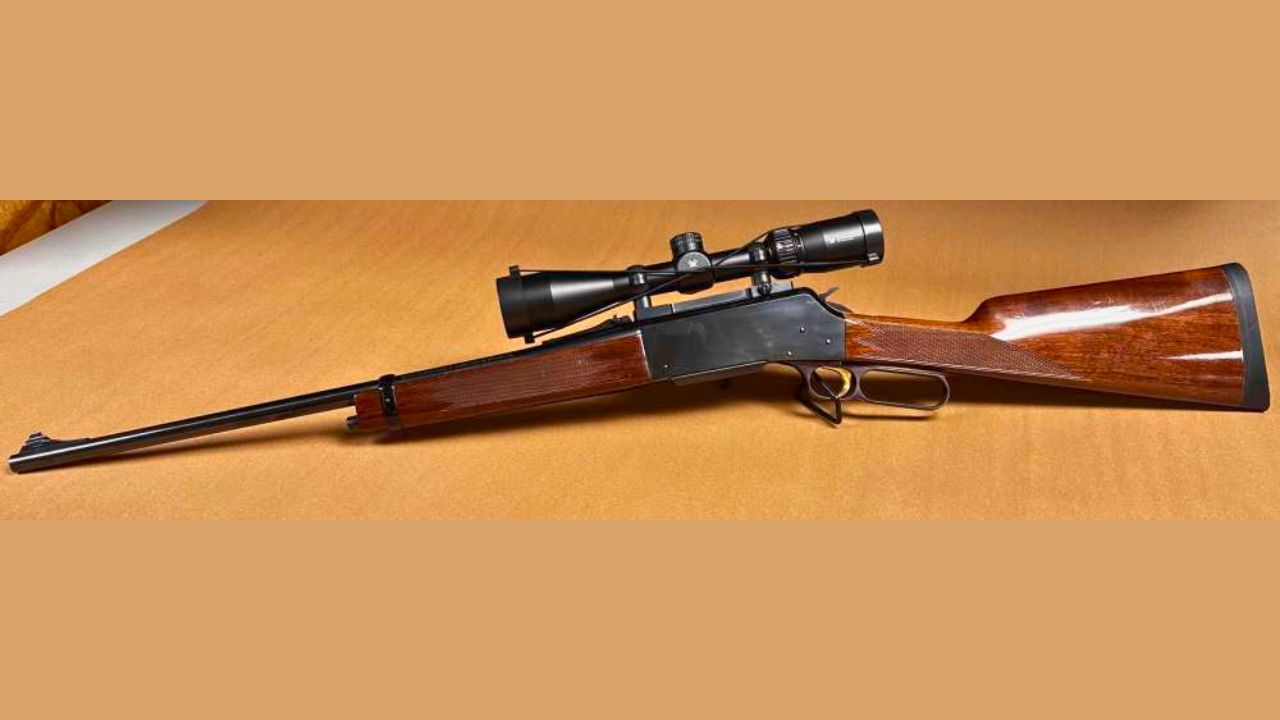
The Browning BLR Lightweight has always been different enough that some hunters ignored it. Traditional lever-action fans sometimes wanted a Marlin or Winchester. Bolt-action fans often didn’t see the point. The BLR sat in the middle with a rotating bolt, detachable magazine, and modern cartridge options.
That middle ground became its selling point. The BLR gives hunters lever-action speed with cartridges like .308 Winchester, .243 Winchester, and 7mm-08 Remington depending on model. It carries well, cycles quickly, and works in mixed terrain where close shots and longer opportunities may both happen. It is more complex than old lever guns, so condition matters. But once people understood the design, it became far more desirable than its quiet reputation suggested.
Winchester Model 9422
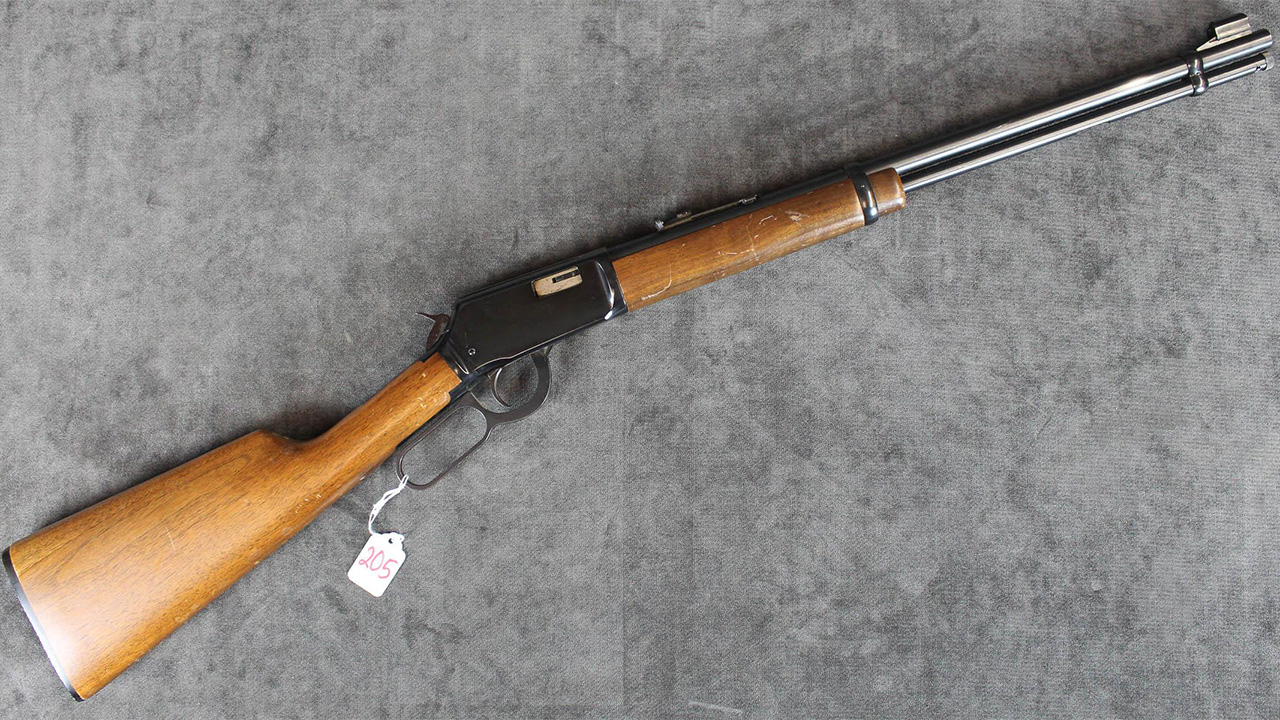
The Winchester Model 9422 was easy to ignore if someone treated rimfires as casual guns. It was a nice lever-action .22, but to many buyers, it was still “just a .22.” That attitude made plenty of people pass on rifles they would love to have now.
The 9422 became desirable because it feels like a real rifle. The action is smooth, the build quality is strong, and the handling makes it useful for plinking, small game, and teaching new shooters. It has enough charm to keep experienced shooters interested too. Once Winchester stopped making them and clean examples dried up, people realized a high-quality rimfire can be harder to replace than many centerfire rifles.
Ruger 77/357
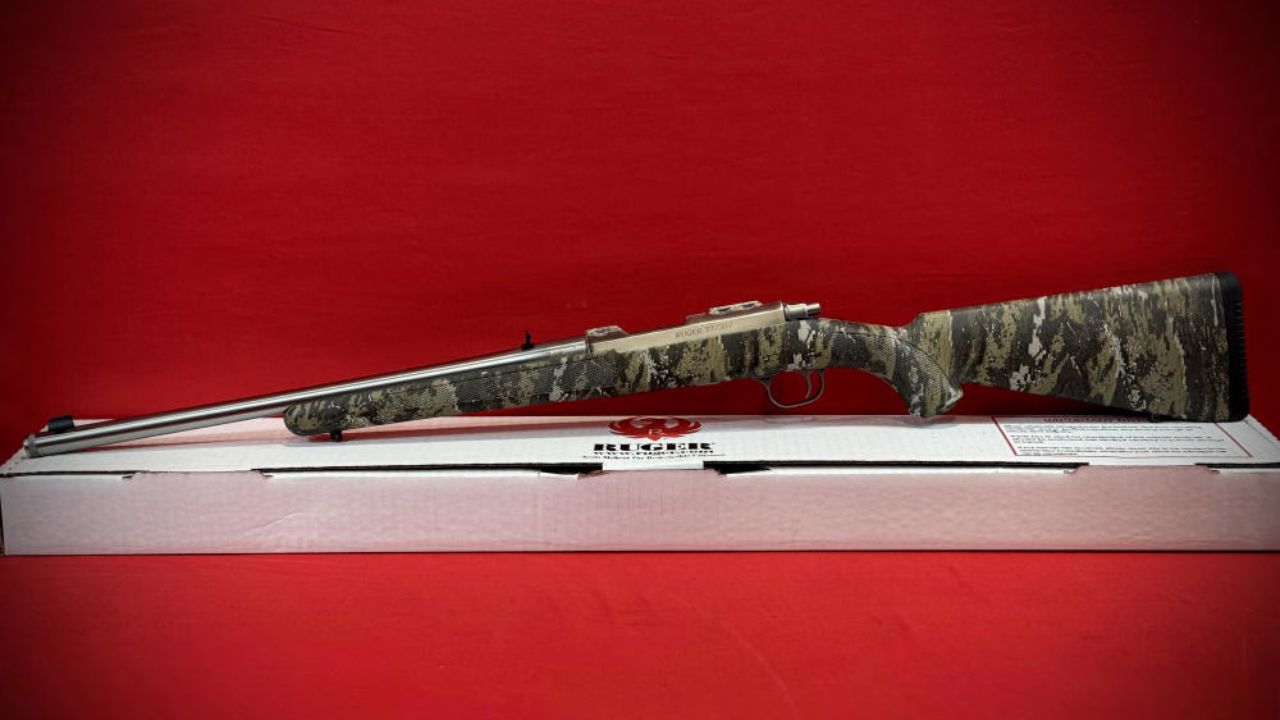
The Ruger 77/357 didn’t always get a lot of attention because it was a bolt-action chambered in .357 Magnum. That seemed odd to shooters who expected bolt guns to be centerfire rifles with more reach. Others preferred lever guns for pistol cartridges, so the little Ruger sat in a strange lane.
That strange lane is why it gained interest. The 77/357 is compact, handy, and flexible, especially for people who like .38 Special and .357 Magnum compatibility. It can be useful for range work, small property use, and hunting where legal and appropriate. The rotary magazine keeps the rifle tidy, and the bolt action makes it simple. Once people realized Ruger wasn’t making a common rifle like this forever, the appeal sharpened fast.
Kimber 84M Classic
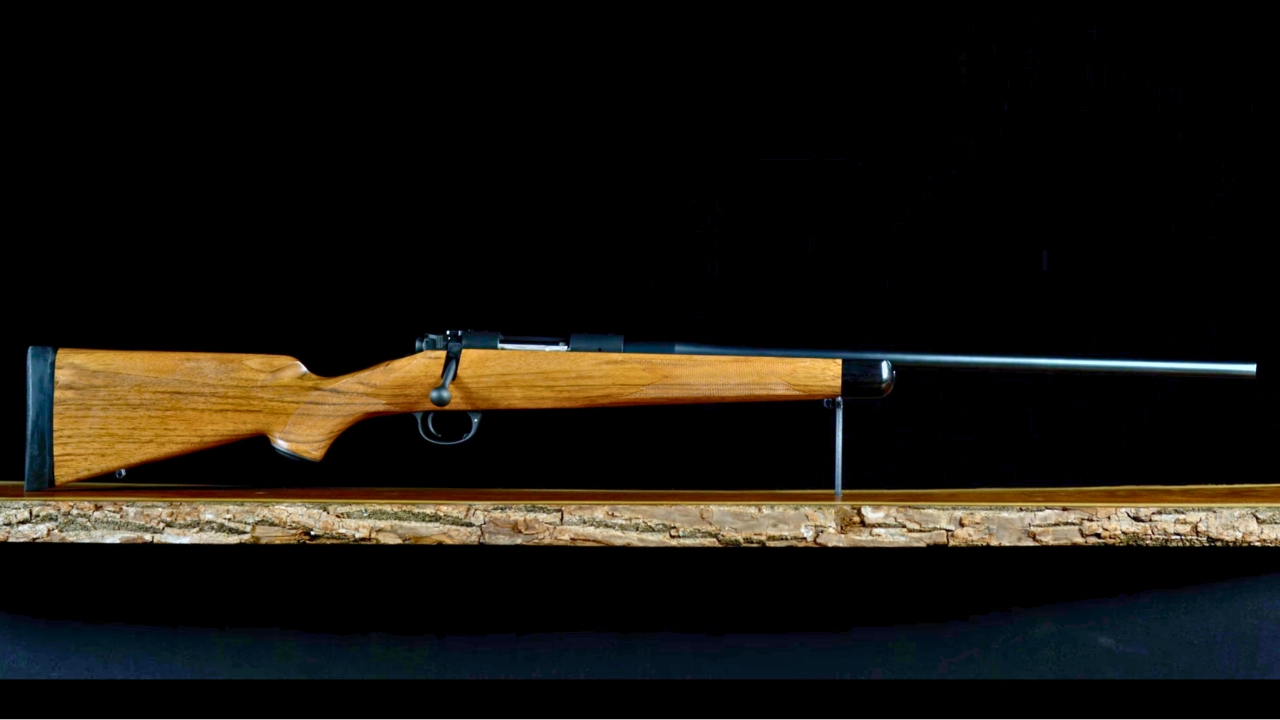
The Kimber 84M Classic was sometimes overlooked by hunters who didn’t want to pay more for a lightweight traditional sporter. It looked understated, and some buyers were more drawn to heavier rifles, cheaper rifles, or synthetic-stocked hunting tools. The Kimber’s appeal wasn’t always obvious from a quick glance.
Its desirability grew because it offered a trim controlled-round-feed action, light carry weight, and classic lines in a rifle that felt made for hunters who walk. It is not a heavy bench gun, and light rifles demand good shooting form. But in the field, the 84M Classic has a graceful feel that many modern rifles don’t match. People ignored it until they started missing rifles that were light without feeling hollow.
Sako L579 Forester

The Sako L579 Forester is one of those rifles that seemed like a nice older sporter until people started paying closer attention to old Sako quality. It didn’t have the loud name recognition of some American classics for every buyer, and many examples simply lived as hunting rifles for decades.
Now the Forester has stronger appeal because it feels refined in a way many current production rifles don’t. The action is smooth, the trigger is good, and the overall build has that careful old-Sako feel. Chamberings like .243 Winchester and .308 Winchester kept it practical for deer-sized game and general hunting. Clean examples are increasingly appreciated because they remind hunters what a well-made medium-action sporter feels like.
Remington 7600 Carbine

The Remington 7600 Carbine was easy to ignore if you didn’t grow up around pump rifles. To some hunters, a centerfire pump seemed odd compared with a bolt-action. Others saw it as a regional deer-drive rifle and didn’t think much beyond that. That kept it from getting broader attention for a long time.
Now compact 7600s have more interest because they’re handy, fast, and no longer something you can casually replace in every shop. Hunters who run pump shotguns often find the action natural, especially in thick timber or moving-deer situations. It isn’t a precision rifle, and it doesn’t need to be. It became desirable because hunters realized fast-handling woods rifles are not as common as they used to be.
Marlin 39A
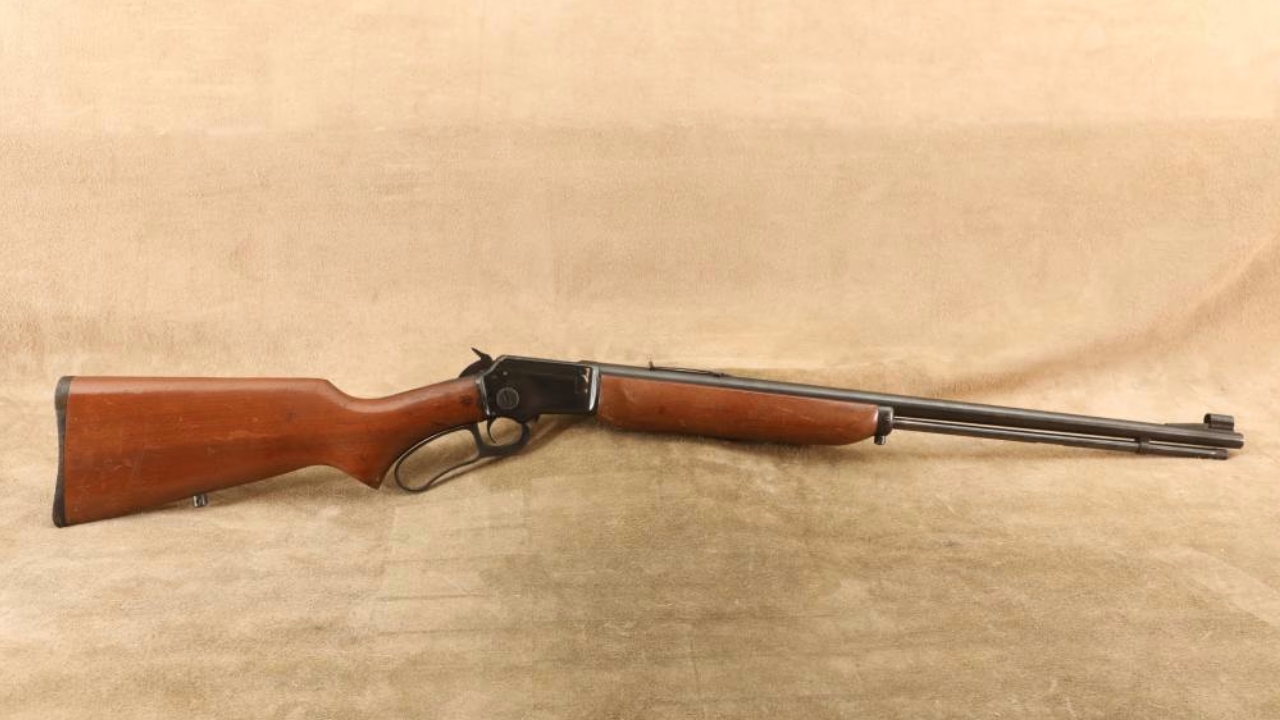
The Marlin 39A was ignored by anyone who thought rimfires should be cheap and simple. It was a lever-action .22 with walnut, steel, takedown construction, and real rifle feel. For people who only wanted a casual plinker, cheaper options were easier to justify.
That thinking looks worse every year. The 39A became desirable because it combines utility, quality, and charm in a way modern rimfires rarely match. It works for small game, plinking, and teaching new shooters, but it also feels like something worth keeping for life. Clean examples are not as easy to find as they once were, and prices show it. The 39A was never just another .22. People simply ignored that for too long.
Thompson/Center Icon

The Thompson/Center Icon didn’t last the way it probably should have. It entered a crowded bolt-action market and didn’t have the long rifle heritage of some competitors. A lot of hunters ignored it because it came from a brand better known for single-shots and muzzleloaders than modern bolt guns.
That was a mistake. The Icon had a smooth action, good accuracy reputation, quality stock options, and a more refined feel than many expected. It was a thoughtful rifle that simply didn’t get enough traction. Used buyers do need to think about parts support now, but the rifle itself still stands out. It became more desirable because people realized too late that it wasn’t another generic bolt-action. It was better than that.
Browning A-Bolt Micro Hunter
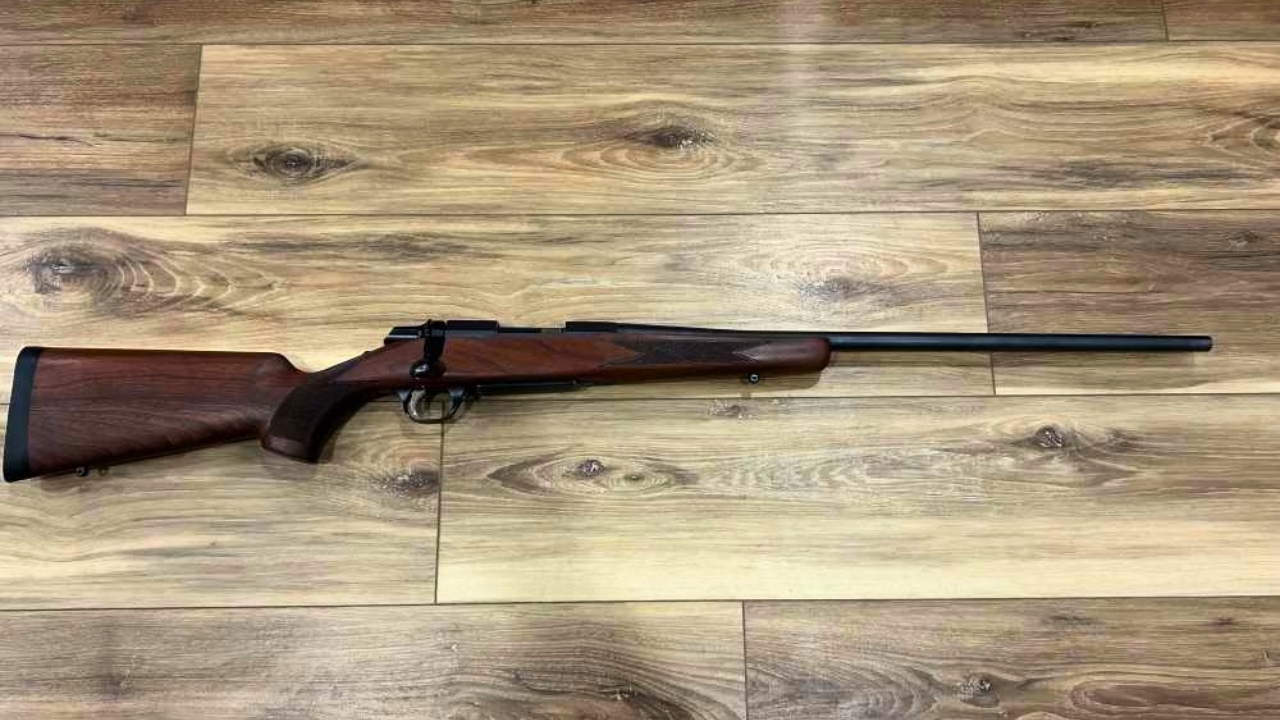
The Browning A-Bolt Micro Hunter was easy to overlook if someone didn’t need a compact rifle at the time. It was shorter, lighter, and aimed at smaller-framed shooters or hunters who wanted something handy. Many buyers simply gravitated toward full-size rifles because that felt more standard.
Years later, the Micro Hunter looks a lot smarter. Compact rifles that still feel polished are not always easy to find. The A-Bolt’s short bolt lift, smooth action, and practical magazine system gave the little rifle more refinement than many youth or compact models. It works well in blinds, thick woods, and for hunters who don’t want excess length. People ignored it until they realized compact didn’t have to mean cheap or crude.
Like The Avid Outdoorsman’s content? Be sure to follow us.
Here’s more from us: