Photo credit: Colion Noir/Youtube
Handgun trends move fast. One year everyone wants tiny single-stacks, then it’s micro-compacts, then optics-ready slides, then compensators, then modular frames, then whatever gets announced next. Some trends are useful. Some are mostly noise. Either way, plenty of older pistols get pushed aside before they’re actually done being good.
That’s where the quiet survivors stand out. They may not match the newest feature list, but they still shoot well, carry well, or fill a role that newer handguns didn’t improve as much as promised. These handguns outlasted the trends that were supposed to make them irrelevant.
Glock 19
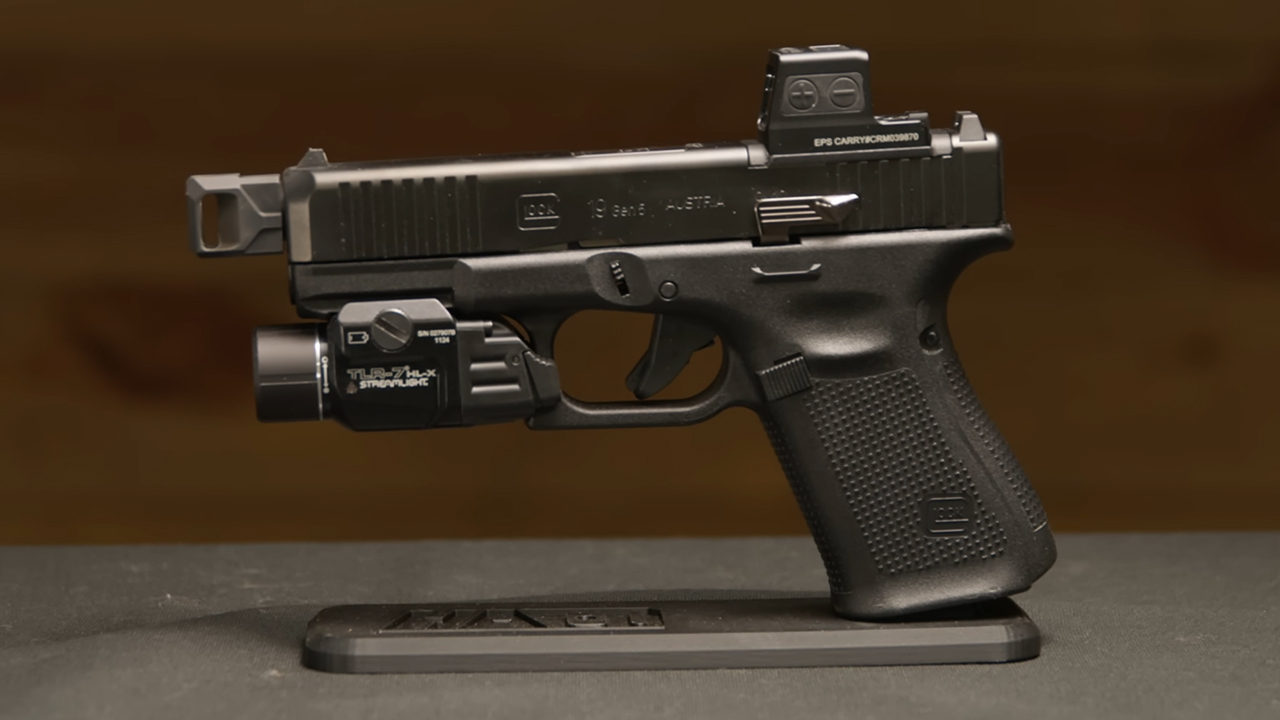
The Glock 19 has outlasted so many carry trends that it almost feels unfair to call it old. Single-stack 9mms were supposed to make it too chunky. Micro-compacts were supposed to make it too large. Optics-ready carry guns were supposed to make older versions feel outdated. Yet the Glock 19 keeps showing up because the basic formula still works.
It is large enough to shoot well, small enough for many people to carry, and supported better than almost any pistol on the market. Magazines, holsters, sights, and parts are everywhere. The G19 is not the most exciting pistol, and plenty of newer guns beat it in specific categories. But as an overall handgun for carry, range work, home defense, and training, it keeps surviving every wave meant to replace it.
Smith & Wesson Model 642
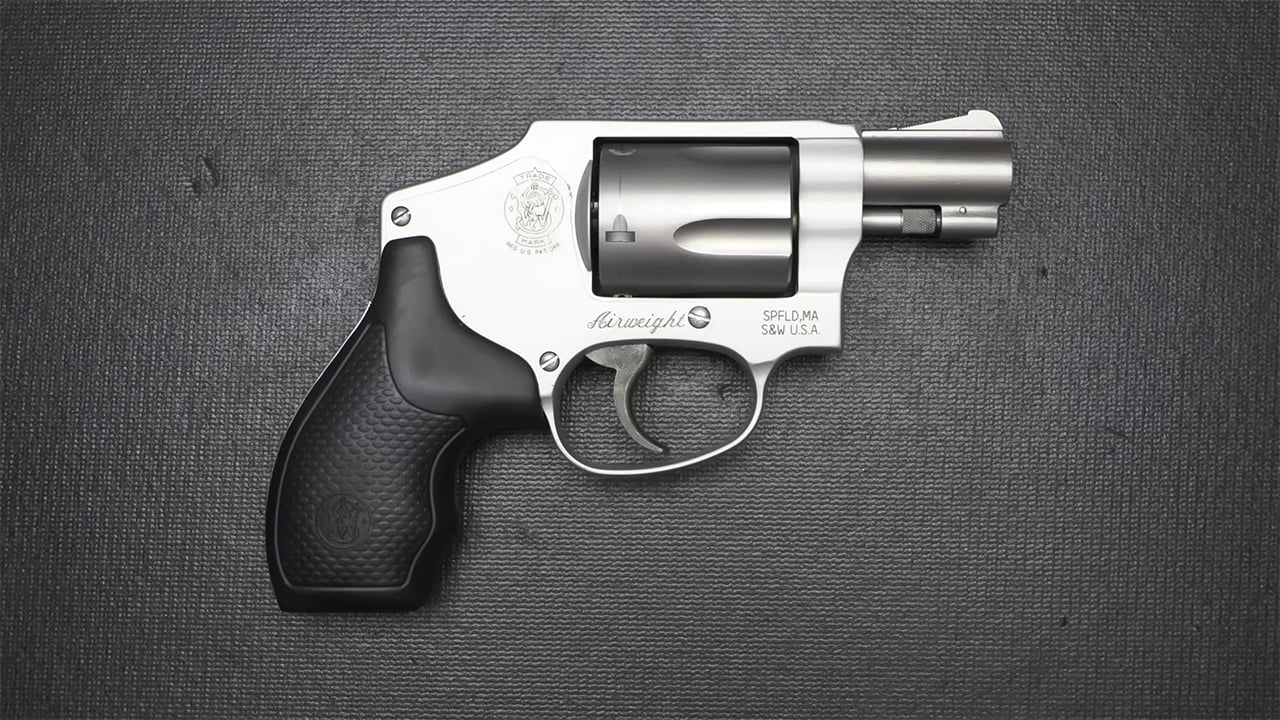
The Smith & Wesson Model 642 should have been completely buried by modern pocket pistols and micro-compacts. It holds five rounds, has basic sights, takes real skill to shoot well, and kicks harder than its size suggests. On a spec sheet, newer small semi-autos seem like the obvious replacement.
Yet the 642 keeps hanging around because it solves a different problem. It is light, simple, snag-resistant, and easy to carry in situations where larger guns get left behind. The enclosed hammer makes pocket carry cleaner, and the revolver’s simplicity appeals to people who want fewer controls to think about. It is not easy to master, and that should be respected. But for deep concealment and backup use, the little J-frame still has a reason to exist.
Beretta 92FS
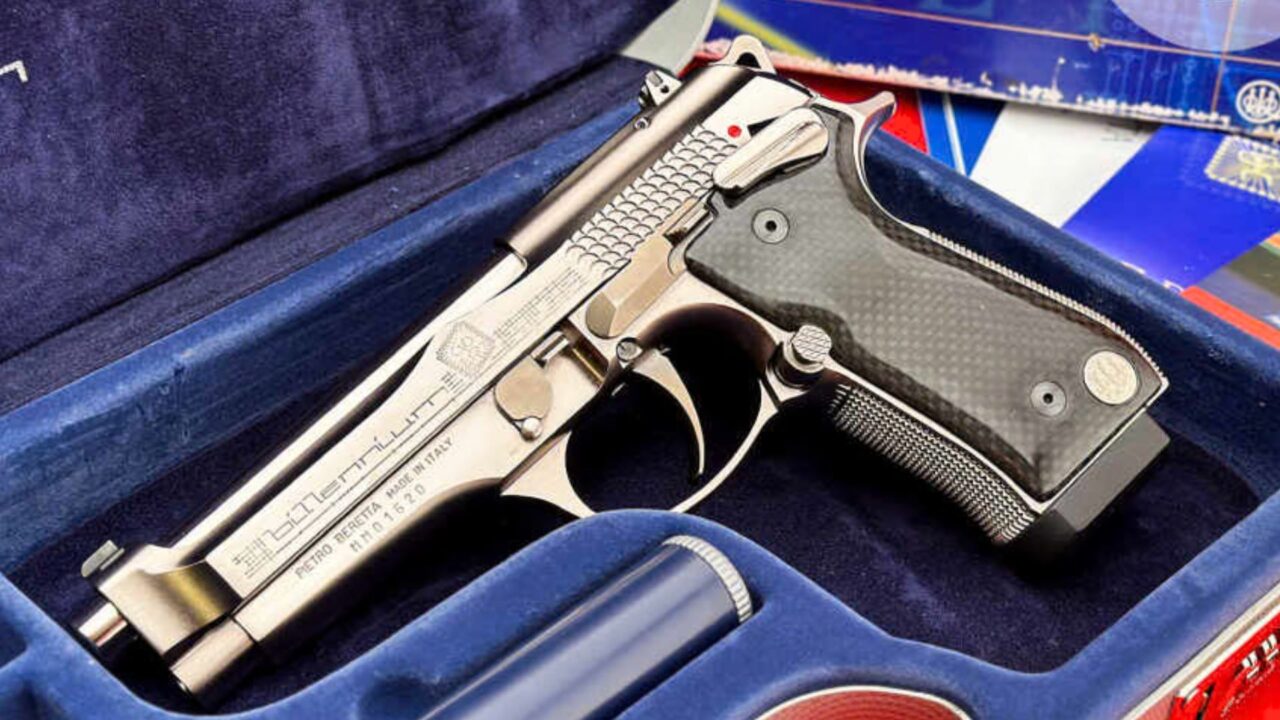
The Beretta 92FS has been declared outdated many times. Polymer frames were supposed to make it too heavy. Striker-fired triggers were supposed to make DA/SA feel old. Compact pistols were supposed to make full-size service pistols less appealing. The 92FS just kept shooting smoothly.
That’s why it outlasted the trends. It is large, yes, but that size helps it behave beautifully on the range. The recoil impulse is soft, the sight radius is generous, and the open-slide design gives it a feel people still enjoy. The slide-mounted safety is not everyone’s favorite, and the DA/SA trigger takes practice. But once owners learn it, the 92FS reminds them that newer is not always easier to shoot well.
SIG Sauer P226

The SIG P226 was supposed to fade once lighter polymer pistols took over duty and defensive handgun roles. In many practical ways, those newer pistols did take over. They cost less, weigh less, and are easier for departments or new shooters to standardize around. But the P226 never stopped feeling serious.
The metal frame gives it balance, the DA/SA system rewards practice, and the pistol has a long record of hard use behind it. It is not the easiest gun to carry concealed, and it is not cheap. Still, for range use, home defense, and shooters who appreciate traditional service pistols, it keeps making sense. The trend that replaced it was lighter and simpler. The P226 stayed respected because it still shoots with confidence.
Walther PPS M2
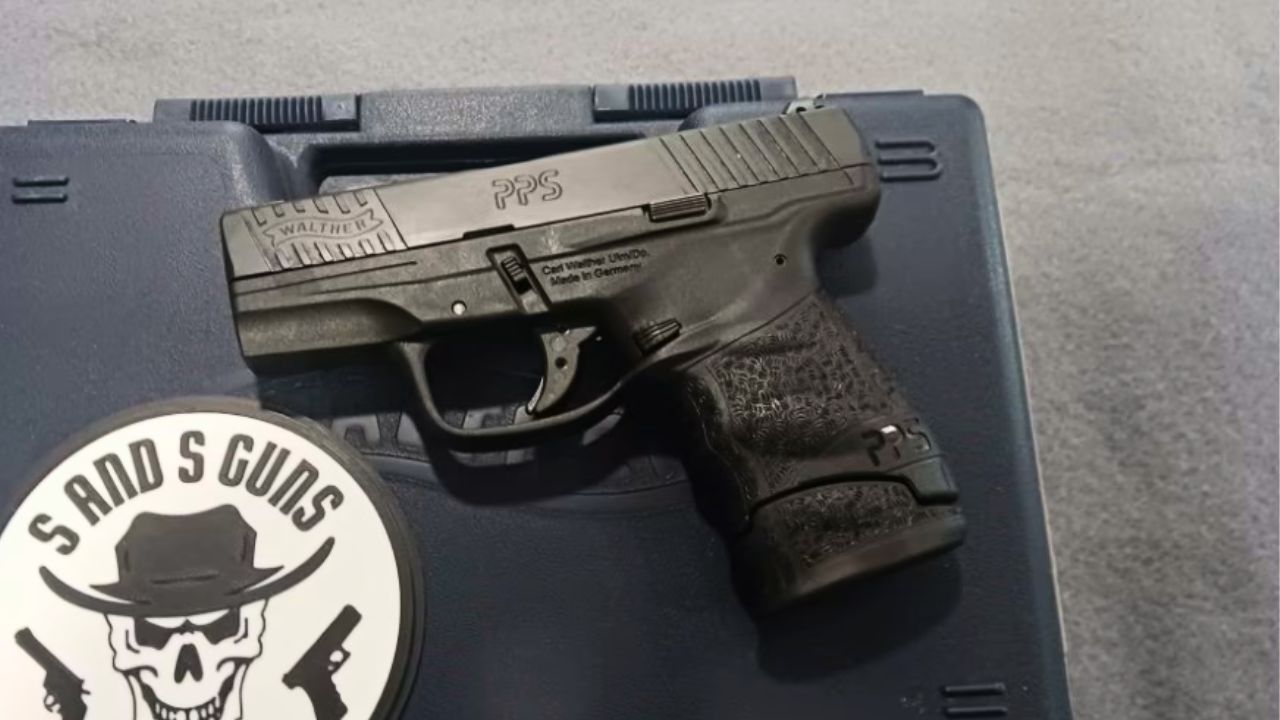
The Walther PPS M2 was pushed aside by the high-capacity micro-compact trend, but it never stopped being a comfortable carry pistol. Once guns like the P365 and Hellcat changed capacity expectations, slim single-stack 9mms started looking dated almost overnight. The PPS M2 took that hit.
Still, it has qualities that newer pistols don’t automatically beat. It carries flat, feels good in the hand, and shoots in a controlled way for its size. Some higher-capacity micro-compacts feel snappier or more cramped despite holding more rounds. The PPS M2 may not win the numbers game anymore, but a carry gun is more than a magazine count. If someone shoots it well and carries it consistently, it still has value.
CZ 75B

The CZ 75B has outlasted the polymer striker-fired trend by refusing to become what everyone else became. It is steel-framed, DA/SA, heavier than modern service pistols, and not designed around optics or modularity. On paper, plenty of newer pistols are more convenient.
In the hand, the CZ tells a different story. The grip shape is excellent, the weight keeps recoil soft, and the low bore axis helps the pistol track naturally. It is not ideal for most concealed carry setups, but that doesn’t make it obsolete. As a range pistol, home-defense handgun, or classic service-style shooter, it still earns loyalty. The CZ 75B proves that ergonomics and shootability can outlast a lot of fashionable features.
Colt Government Model

The Colt Government Model has survived more replacement trends than almost any handgun. Double-action pistols were supposed to move it aside. High-capacity wondernines were supposed to make it obsolete. Polymer striker guns were supposed to end the conversation. Yet the 1911 pattern still keeps a grip on shooters.
It does require more commitment than many modern pistols. Capacity is lower, maintenance matters, magazines matter, and the thumb safety requires training. But the slim grip, crisp trigger, and natural pointing feel are the reasons people keep coming back. A good Government Model doesn’t win modern convenience contests. It wins the “why does this still feel so good?” contest. That has kept it alive long after several trends claimed victory.
Ruger LCP

The Ruger LCP helped create the tiny .380 pocket pistol wave, and then newer guns tried to replace it with better sights, better triggers, and higher capacity. Many of those updates were needed. The original LCP is small, hard to shoot well, and not exactly pleasant for long practice sessions.
Even so, the LCP outlasted a lot of newer pocket pistols because it stayed brutally honest about its role. It is tiny, light, easy to carry, and affordable. It is not a range pistol or a substitute for proper training. But when the goal is extreme convenience, the LCP still does what it was built to do. Better pocket pistols exist, but the original idea remains useful enough that shooters keep buying versions of it.
HK USP Compact
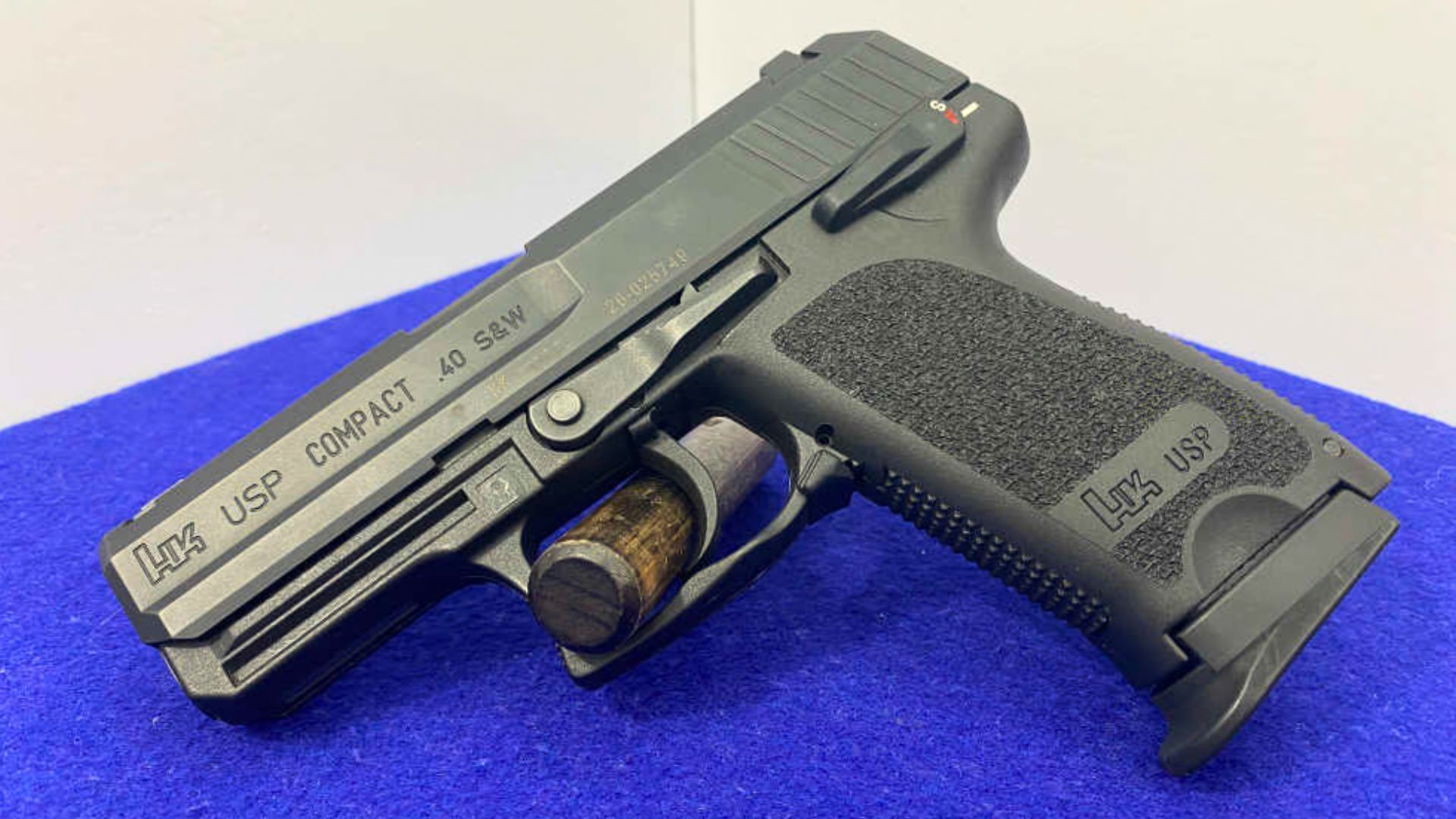
The HK USP Compact has outlasted trends by being tougher and more serious than its age suggests. It is thick, chunky, and not as ergonomic as some newer pistols. It lacks the slim carry profile and easy optics support that dominate modern handgun design. By current standards, it should feel forgotten.
Instead, it still has a loyal following because it feels durable and trustworthy. The USP Compact handles recoil well, offers different control variants, and carries HK’s reputation for hard-use engineering. It is not the smallest compact pistol, but it inspires confidence in a way some lighter guns don’t. The trend that replaced it focused on thinner, lighter, and simpler. The USP Compact stayed relevant by feeling nearly indestructible.
Smith & Wesson Model 10

The Smith & Wesson Model 10 should have vanished from serious conversation once semi-autos took over defensive and duty use. It is a fixed-sight .38 Special revolver with no magnum chambering, no high capacity, and no modern tactical appeal. Yet it remains one of the most useful handguns for learning.
That is why it outlasted the trends. The Model 10 teaches double-action trigger control, sight discipline, and smooth handling without punishing recoil. It is comfortable, accurate, and simple to understand. It may not be the first choice for modern carry or duty use, but as a range revolver, training gun, or classic home-defense handgun, it still makes sense. The trend moved on. The fundamentals did not.
Glock 26
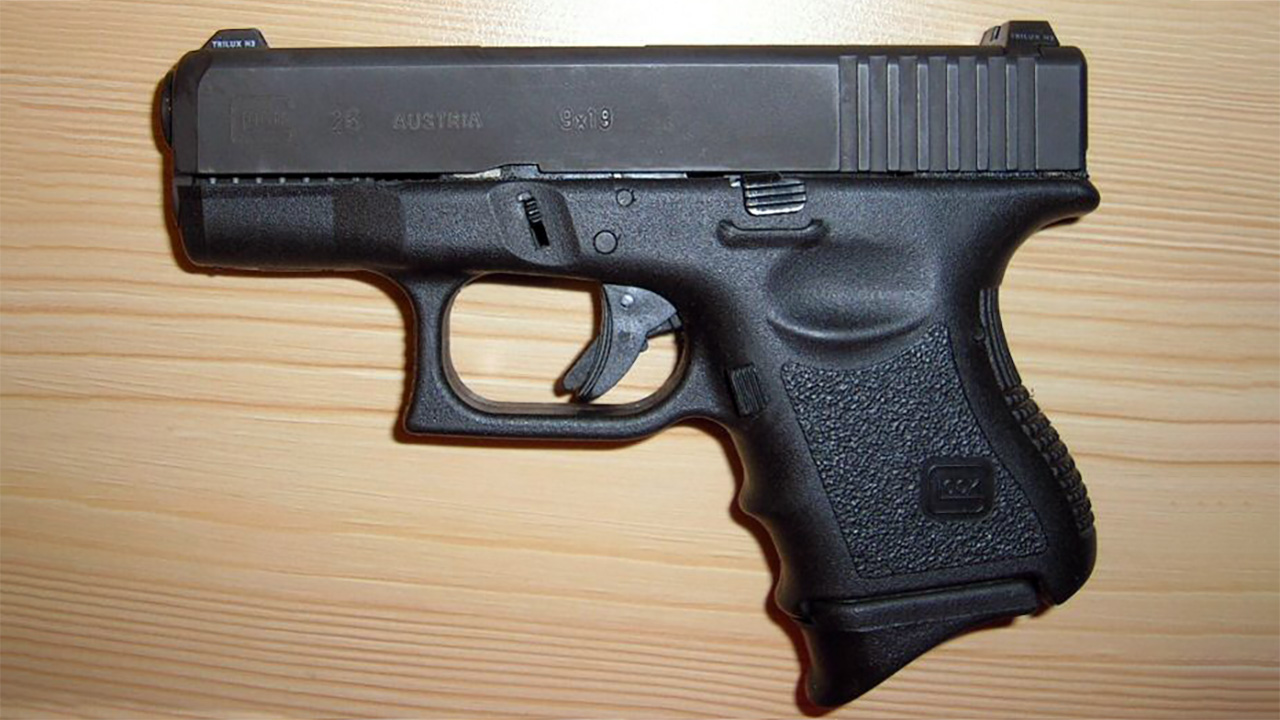
The Glock 26 was supposed to lose its place once slimmer single-stacks and high-capacity micro-compacts arrived. It is chunky, short-gripped, and not especially graceful. Many newer pistols carry flatter while offering similar or better capacity. That should have ended the little Glock’s run.
It didn’t. The Glock 26 still shoots better than many tiny pistols, accepts larger Glock magazines, and benefits from the same massive support system as the rest of the platform. Its short grip helps concealment, while the thicker frame gives the shooter more control than many ultra-slim guns. It may not be trendy anymore, but it remains practical. Sometimes the pistol that looks awkward on paper works surprisingly well in the hand.
Browning Buck Mark
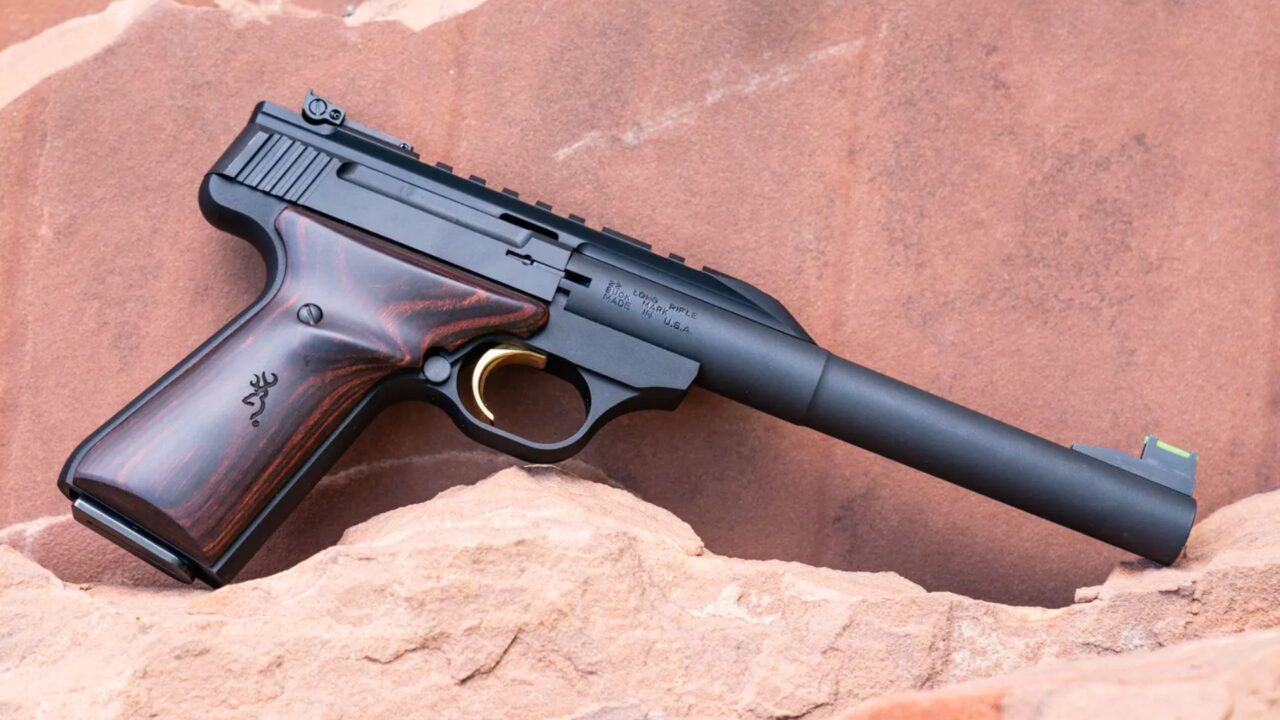
The Browning Buck Mark has outlasted waves of tactical rimfire pistols, optic-ready trainers, and polymer .22s by simply being enjoyable to shoot. It doesn’t need to look like a miniature duty pistol or pretend to be something it isn’t. It is a rimfire pistol built around accuracy, comfort, and a good trigger.
That focus keeps it relevant. The Buck Mark works for plinking, teaching, small-game use where legal, and serious fundamentals practice. Some competitors have more aftermarket support or easier takedown systems, but the Buck Mark still shoots beautifully. It reminds owners that a .22 pistol doesn’t have to follow centerfire trends to matter. Cheap practice and good fundamentals never go out of style.
Kahr K9
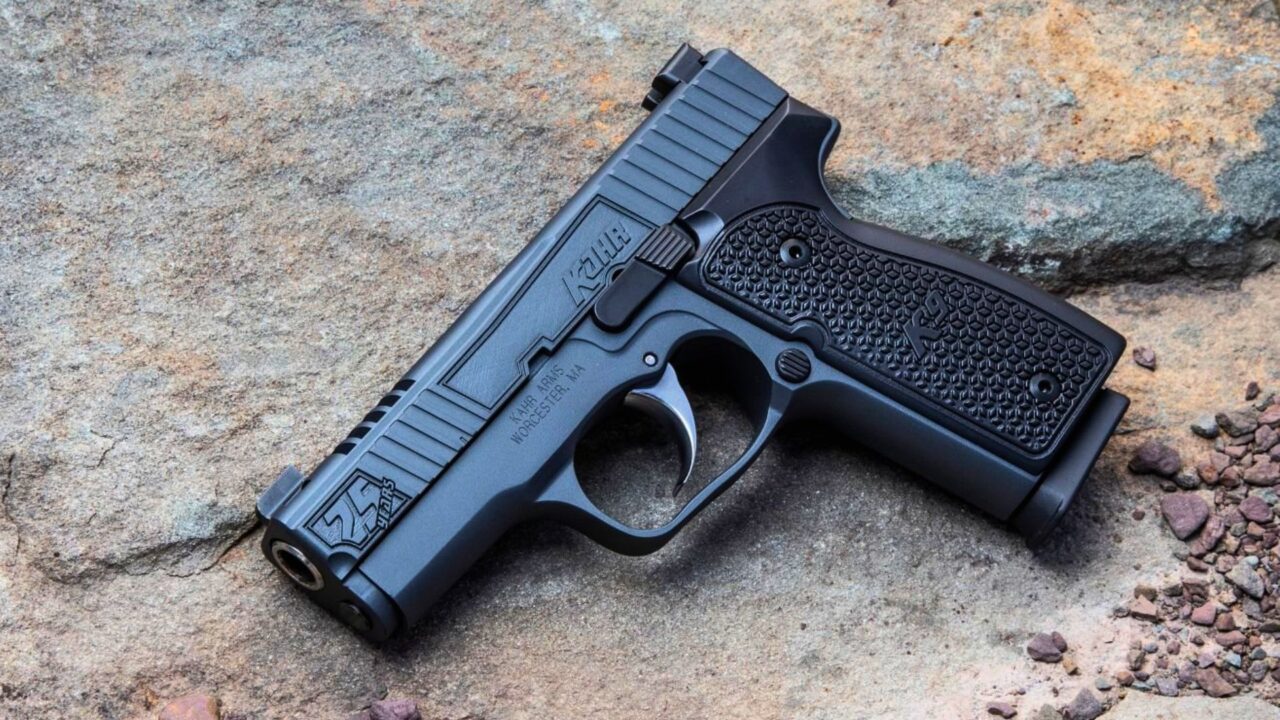
The Kahr K9 was pushed aside by lighter, higher-capacity carry guns, but it never stopped offering something many small pistols lack: calm shootability. A steel-frame single-stack 9mm looks outdated now if someone only cares about weight and capacity. It is heavier than many carry guns that hold more rounds.
That weight is the point. The K9 carries flat, shoots smoothly, and has a long, consistent double-action-only trigger that some owners trust for carry. It isn’t the fastest or easiest pistol for everyone, and modern options have obvious advantages. But the K9 outlasted trends because it feels steady and intentional. Not every carry gun needs to be featherlight. Sometimes a little weight makes the gun worth carrying.
Beretta 84 Cheetah

The Beretta 84 Cheetah should have been crushed by smaller .380s and compact 9mms. It is larger than many pistols with more power, and its double-stack .380 layout doesn’t win modern efficiency arguments. Plenty of people dismissed it for exactly that reason.
Then they shot one. The Cheetah is soft, comfortable, and beautifully made. It feels like a real pistol instead of a tiny compromise gun, which makes range time far more pleasant. It may not be the most practical carry choice today, but it remains a favorite for people who value feel and refinement. The trend that replaced it chased smaller and lighter. The Cheetah stayed appealing because it was easier to enjoy.
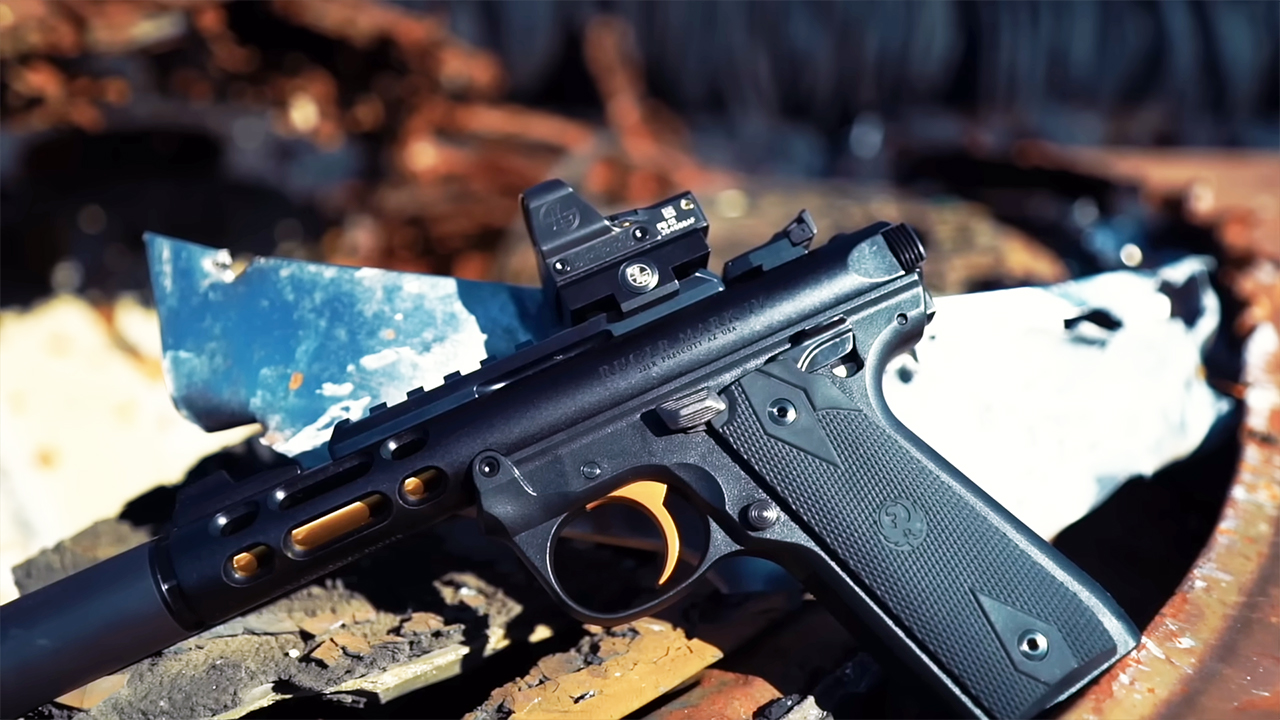
Ruger Mark IV
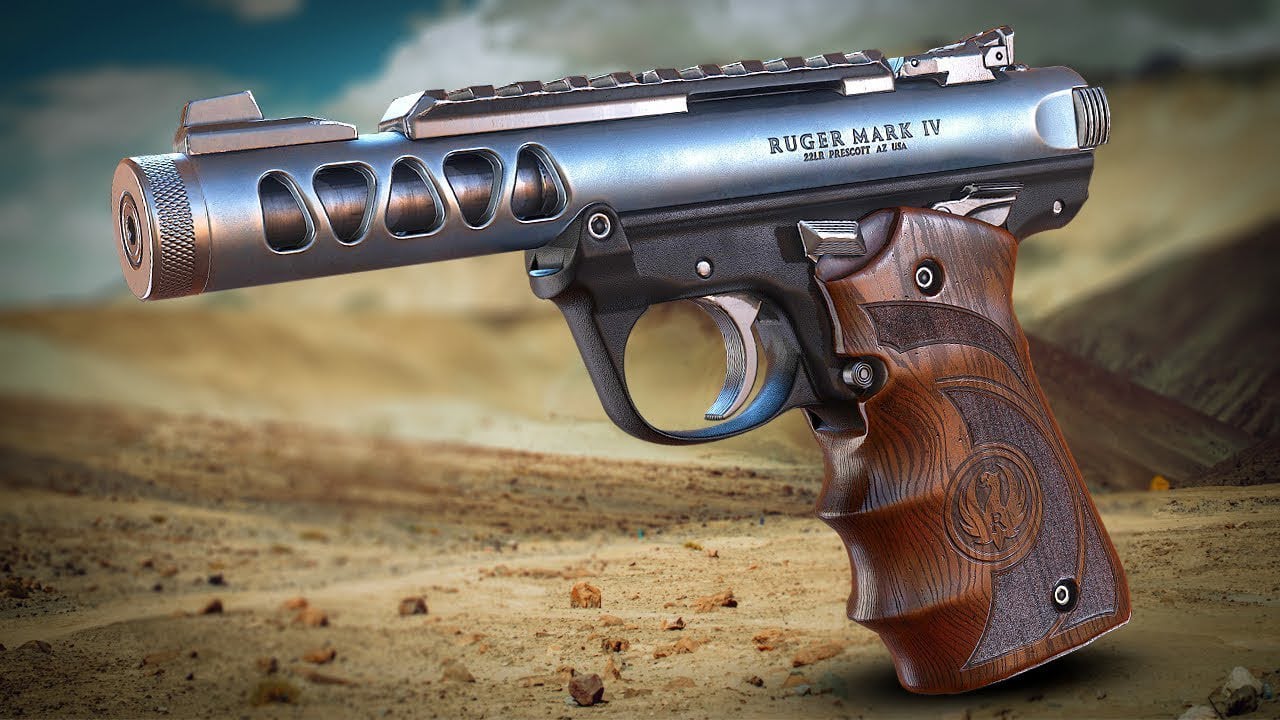
The Ruger Mark IV outlasted rimfire trends by fixing the one thing people complained about most while keeping the core design strong. Older Ruger Mark pistols were accurate and useful, but takedown could be frustrating. The Mark IV made that process dramatically easier, which helped the platform stay relevant against newer .22 pistols.
It works because the basics are still right. The Mark IV is accurate, comfortable, and available in enough versions to fit plinking, target work, suppressor use where legal, and training. Trendier rimfires may look more modern, but the Ruger Mark line has decades of trust behind it. The Mark IV didn’t abandon the old design. It fixed the annoyance and kept the good parts.
Like The Avid Outdoorsman’s content? Be sure to follow us.
Here’s more from us: